Authors Posts by comms

comms

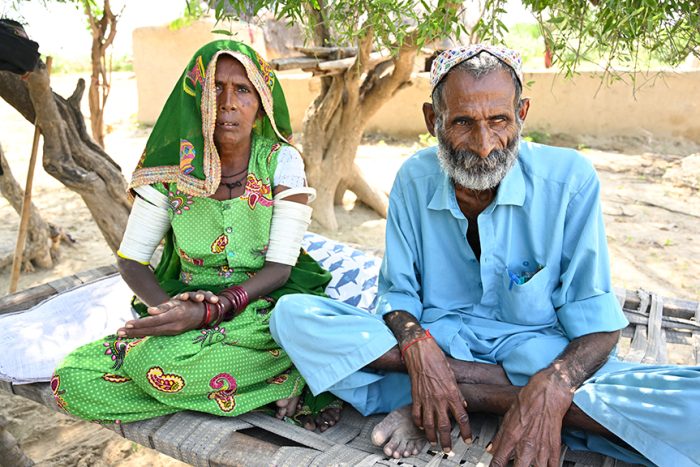
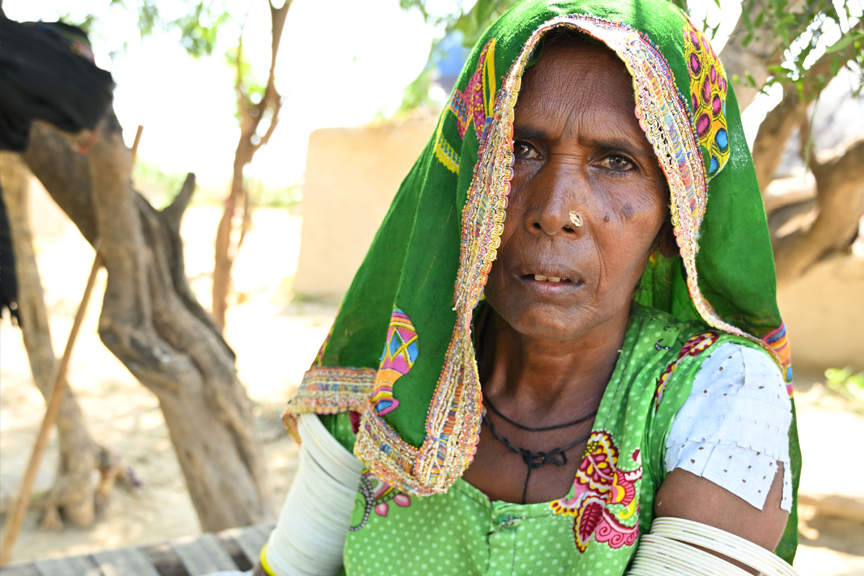
In 2021, the drought killed their three-acre crop and with it their hopes for food on their plates. But Kasturi and her husband Khamiso, who is diagnosed with acute asthma, considered the family fortunate to be project participants of  Community World Service Asia (CWSA), PWS&D & CBGB’s[1] food aid programme starting in April and spread over six months. In  September with her fractured arm still not fully healed she had not returned to her work as a midwife.  Though at the rate of PKR 500 (Approx. USD 2.23) at most for a delivery and two to three cases per month, she was making very little, but even that was not to be sniffed at and she was keen to return to her work. Her orthopedic surgeon, however, told her she would not be able to resume work before February 2023. 

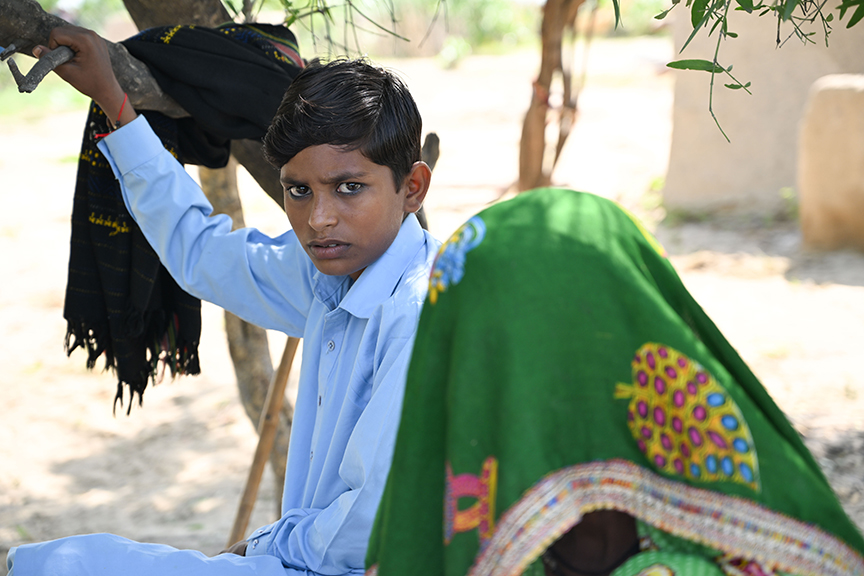
With their son grazing a livestock owner’s twelve cows for PKR 400 per cow per month, the family at least had a steady income of PKR 4800. Living with the hope that the summer monsoon will not fail, the couple worked their three-acre spread and sowed it with guar, mung and millets in June 2022. After a long time,  heaven was benevolent and they saw the seed sprout and grow as it had not been seen in years. 

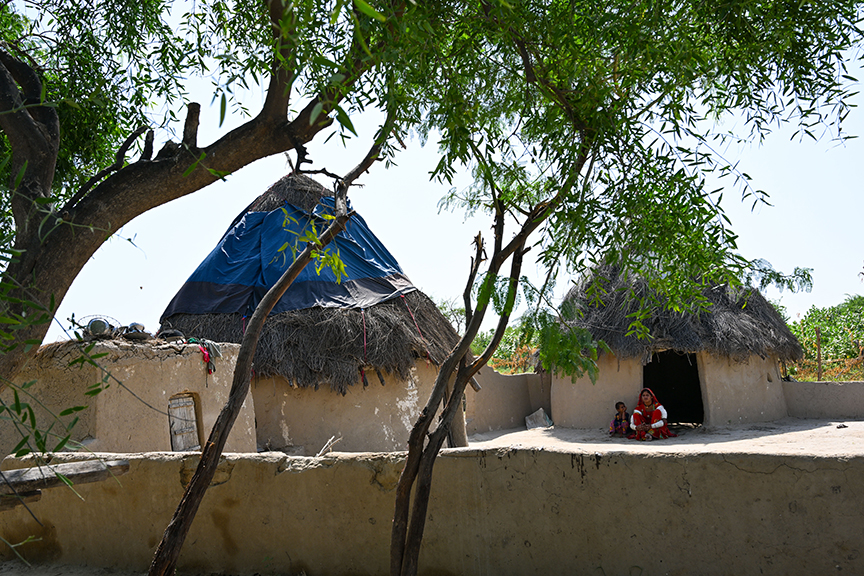
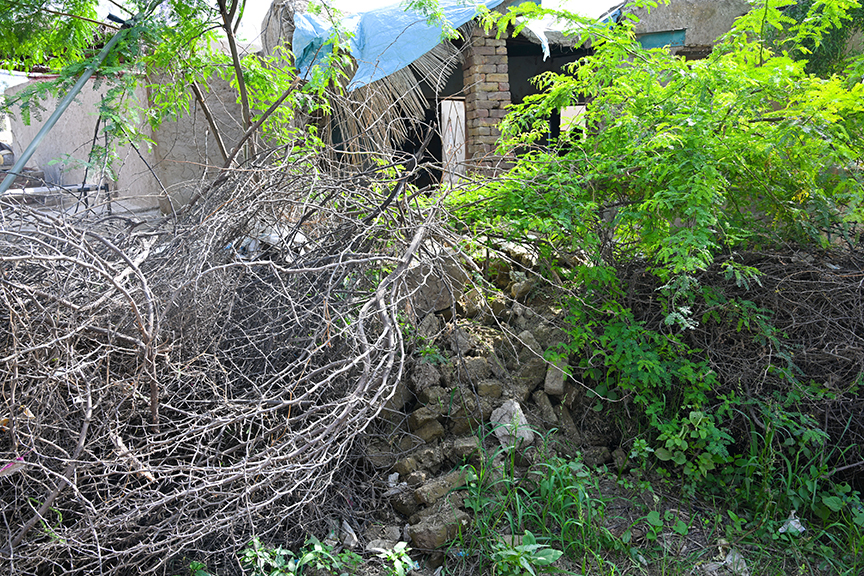
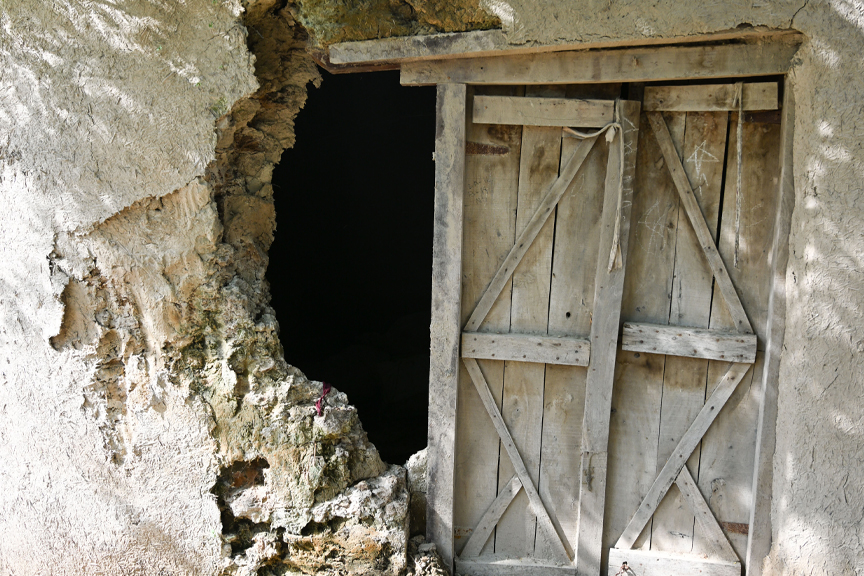
But when the rain did not stop for four straight days, their chaunras (Hut) began to collapse. So great was the rain and so excessive its weight on the thatch that half a dozen rafters simply cracked under the strain. As the downfall began, the August installment of ration aid came in the way and the family lost the entire supply of wheat flour. Kasturi, forever looking at the brighter side, said all was not lost for she fed the flour to her goats. As for the rice and lentils, that can easily be cleaned and used. 

The last food aid was due a few weeks after this interaction and Kasturi was of the view that it would see  them through to the time that the first of their millet will be in the grain silo. When their entire lot is harvested and their larder and silos filled, they will dispose of the rest against cash. As all desert dwellers know that the rafters are the major rebuilding expense and some of that income will go to providing the PKR  30,000 (Approx. USD 13.35) to make their homes habitable again. That is a good deal better than the drought.  If the rains destroyed their shelters, at least they were enough to give them a harvest as they had not seen in many years.


[1] Presbyterian World Service & Development & Canadian Foodgrains Bank

Shehdev of village Veri Sal Sarety lying 6 kilometres southwest of Umerkot, the second youngest of seven brothers is a bachelor while all the others are wedded. One of them passed away some years ago leaving behind three little children. Then the widowed mother walked out of the home leaving her children in the care of their uncle. Shehdev thus cares for four souls that includes these three children and his mother. Herself illiterate, the mother is a remarkable women for she and her husband had worked hard to educate all her seven sons. No surprise then, that Shehdev is a matriculate.

Shehdev works as a bricklayer wherever he can get work. And this is mostly in Umerkot, 6 kilometres away. With the fare being PKR 60 (Approx. USD 0.27) out and back, his daily wage varying between PKR 800 and PKR 1000 (Approx. USD 3 and 4.45), is enough to put reasonable food on the table for the five-member family. To supplement this income, Shehdev’s mother goes to the flooded cotton fields to pick the ripe crop. She knew the flood has caused venomous snakes to take refuge among the vegetation, but the work cannot be given up, especially at a time when other work is hard to find.

In July, the deluge came and construction work came to a halt. Some little savings from his work helped Shehdev and his family make it through the first couple of weeks before things began to get difficult. Had there not been some work helping local landowners drain their flooded fields and for his mother to endanger her life in the cotton fields, Shehdev would have gone under debt.

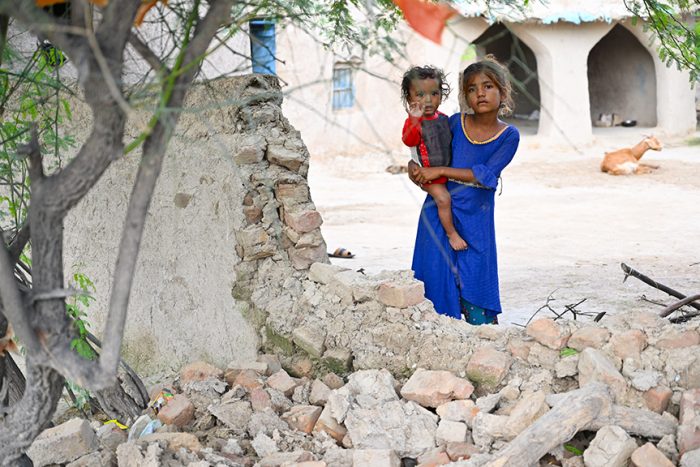
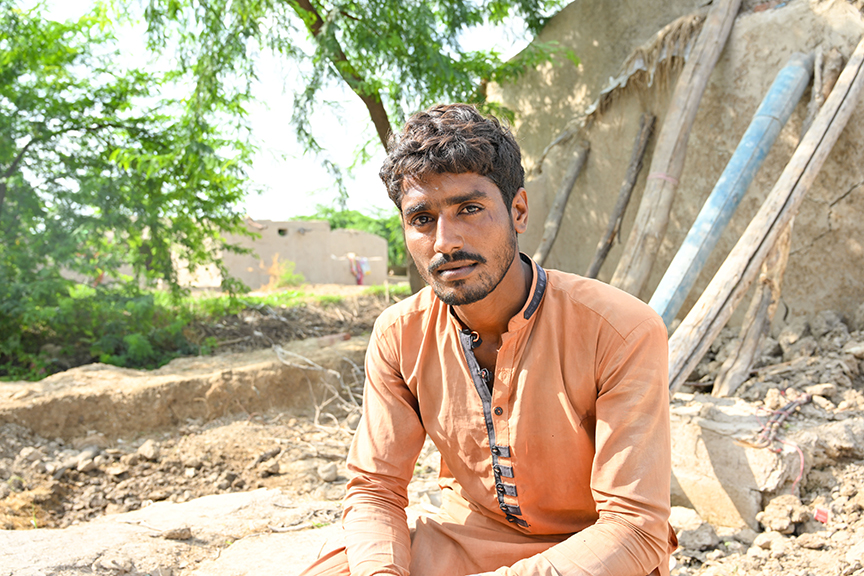
In early September 2022, food was the least of Shehdev’s worries because his mother continued her work and brought some cash. He was more concerned with the rebuilding of his collapsed home. Sahehdev, now living under a makeshift tent on higher grounds nearby to escape the flood waters, admitted the cost would be negligible because the clay for the bricks was locally available and the rafters for the collapsed roof were undamaged. Being a bricklayer himself, he was better acquainted than most with the work and as soon as he got some cash, he would begin reconstruction. If only his two yearling bulls had not died during the rains, he could have easily disposed of them for a neat PKR 70,000 (Approx. USD 312) and raised his home in quick time. But without that ready cash gone, he has to rely for cash from his mother’s farm work and himself if he is called to help drain a field. Shehdex, who is now supported through one of Community World Service Asia’s development projects, will only be able to return to work as a bricklayer when construction begins again after the last crowds have dissipated.

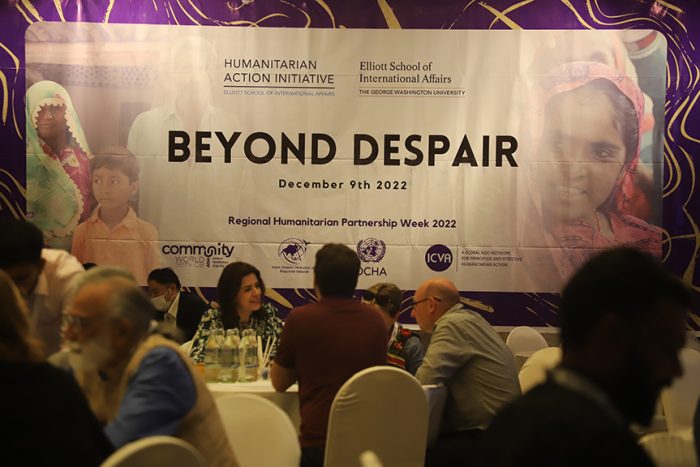
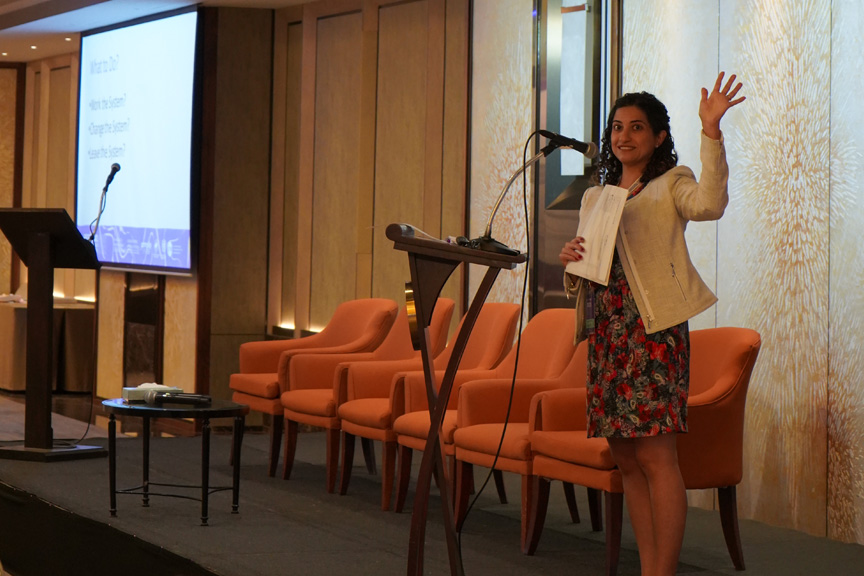
Last week Michael Barnett, University Professor of International Affairs and Political Science, and Maryam Z. Deloffre, Associate Professor of International Affairs and Director, Humanitarian Action Initiative, co-hosted, with Community World Service Asia (CWSA), a half-day conference, “Beyond Despair,” at the Regional Humanitarian Partnership Week (RHPW) meetings in Bangkok, Thailand. The RHPW is organized by Asian Disaster Reduction & Response Network (ADRRN), CWSA, the International Council of Voluntary Agencies (ICVA) and the United Nations Office for the Coordination of Humanitarian Affairs (UNOCHA) and is the largest gathering of humanitarian actors in the region. In Beyond Despair, Barnett and Deloffre focused on the positive–how do humanitarian actors leverage their creativity and pragmatism to provide aid despite access challenges and structural barriers? Professor Barnett presented data from a survey conducted last year with Smruti Patel of Global Mentoring Initiative (GMI) and Political Science Ph.D. student Alex Vandermaas-Peeler, on the nature and sources of structural barriers – racism/colonialism embedded in attitudes and institutions, funding (and lack thereof), access constraints etc. Professor Deloffre then led a discussion on how humanitarian actors bypass these barriers to provide life-saving assistance. Over 250 practitioners, policymakers and academics from Asia, the Middle East and Africa attended the session.


The idea for Beyond Despair, is rooted in both Barnett and Deloffre’s ongoing research on localization, a policy initiative to reform the global humanitarian system by empowering local communities and populations affected by disasters to lead humanitarian action. Professor Deloffre teaches a graduate level course on the topic, IAFF 6138 Localizing Humanitarian Action, which is offered in the spring. Barnett and Deloffre collected narrative data at the workshop and will share findings with meeting participants as well as in future publications.

The second half of the Beyond Despair conference featured a panel discussion on Survival Strategies, how national and local humanitarian groups innovate and partner effectively to provide humanitarian assistance. Panelists included: Juliet Parker, director of Active Learning Network for Accountability and Performance in Humanitarian Action (ALNAP), who discussed the positive news from the recent State of the Humanitarian System report; Smruti Patel, founder of GMI, who described local and regional certification schemes; Nannette Antequisa, Executive Director, Ecosystems Work for Essential Benefits (ECOWEB), Philippines, who detailed empowering partnership models; Takeshi Komino, Vice President of ADRRN, who discussed private-public partnership models, and Sudhanshu S. Singh, Founder and Director, Humanitarian Aid International, who highlighted his NGO’s survival strategies. Dr. Hanna A. Ruszczyk, Department of Geography, Durham University, served as the moderator.

When: 19th-21st, December 2022 (arrival at venue on 18th Dec 2022)
Where: Umerkot, Sindh
Language: Urdu and English
Interested Applicants: Click here to register
Last Date to Apply: 5th-Dec-2022 (incomplete applications will not be entertained)

Training Objectives: Through this training, you will be able to:

  • Identify the key Q&A initiatives and their tools to support Project Cycle Management
  • Select and adapt existing Q&A tools and resources to overcome challenges throughout the Project Cycle
  • Outline the opportunities and challenges faced by humanitarian workers in implementing Q&A approaches and tools throughout the project cycle
  • Identify means by which you and your colleagues can collaborate and coordinate with other agencies to improve the quality and accountability of a humanitarian response
  • Introducing and mainstreaming quality and accountability mechanisms through the organisation

Training Purpose

The impact of humanitarian work on communities depends greatly upon the quality of services and accountability of actions both during emergency and non-emergency times. With millions of people affected by disasters and conflicts, the importance of Quality & Accountability (Q&A) is undeniable. The effective implementation of Core Humanitarian Standard on Quality and Accountability (CHS) requires a commitment to build institutional and individual capacity of people engaged in designing and implementing humanitarian as well as development projects.

Community World Service Asia (CWSA) aims to ensure that all relevant agencies including NGOs, INGOs, UN, donors, universities and government agencies, playing an active role in the disaster response & rehabilitation are given the opportunity to implement Quality and Accountability approaches and tools in their work.

Number of Participants

  • 20-25 participants will be selected for the training. Women and staff belonging to ethnic/religious minorities are encouraged to apply.
  • Preference will be given to participants representing organizations working in Umerkot and surroundings.

Selection Criteria

  • You have experience in managing a key position
  • You have an idea about the Q&A initiatives
  • You are interested in introducing Q&A mechanisms in your organisation
  • You have a ‘good enough’ command of English.

Fee Details

  • Training fee for each participant is PKR 10,000. Fee concessions and scholarships are available for participants belonging to marginalised groups and NGOs with limited funding.
  • No TA/DA will be given to participants and travel expenses will be incurred by participants themselves.

REGISTER NOW!

Community World Service Asia (CWSA) is a humanitarian and development organization, registered in Pakistan, headquartered in Karachi and implementing initiatives throughout Asia. CWSA is member of the Core Humanitarian Standard (CHS) Alliance, a member of Sphere and their regional partner in Asia and also manages the ADRRN Quality & Accountability Hub in Asia.

Date and time

Friday, December 9, 2022, 9:30 AM – 12:00 PM Thailand Time

Location

Rembrandt Hotel & Suites Bangkok

We know the bad news of structural constraints in the sector, but what about the successes? This conference features reflections on how we deliver aid despite the obstacles.

Join us at the ‘Beyond Despair’ Regional Humanitarian conference marking the launch of the annual Regional Humanitarian Partnership Week 2002 (RHPW) in Bangkok this December.

Reserve your spot here:  https://www.eventbrite.com/e/beyond-despair-tickets-453931410067

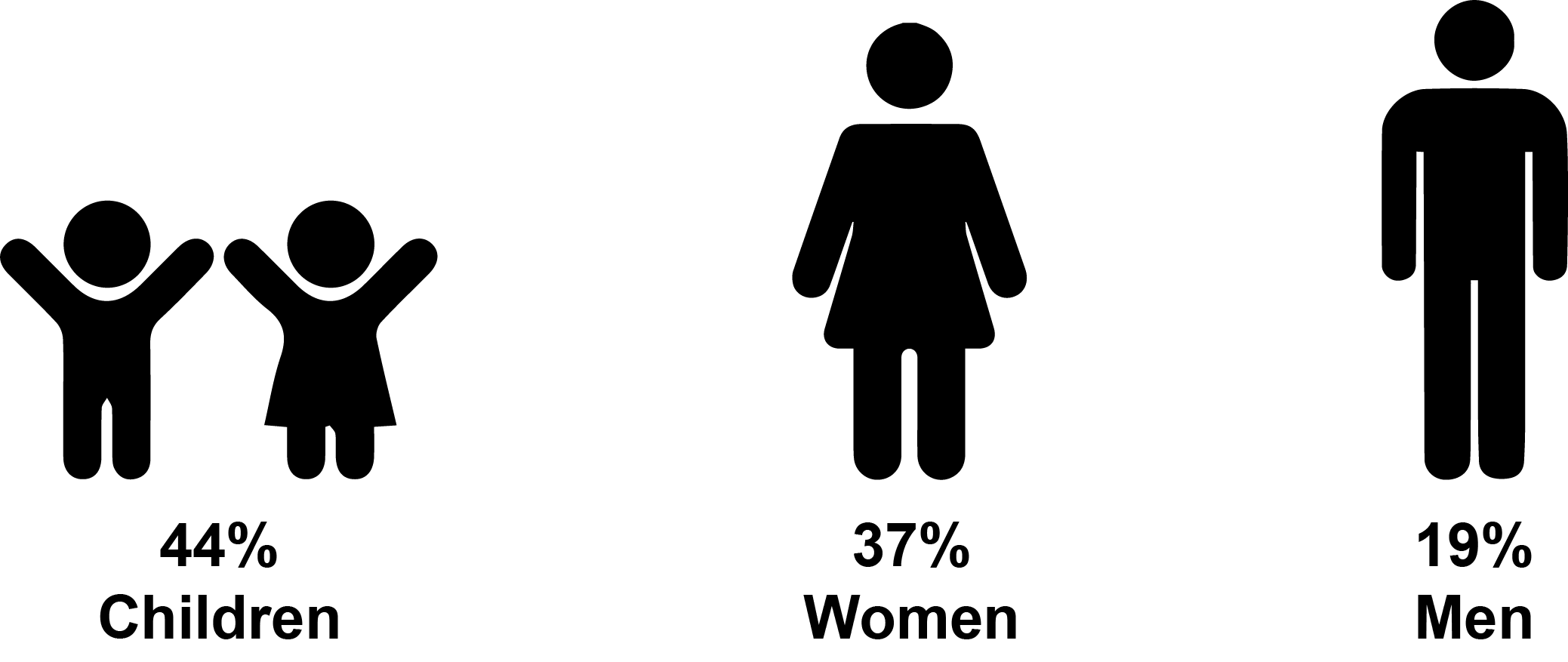
The death toll from the Pakistan floods is now recorded at 1,700, with over 33 million people affected. Quoted as the ‘tenth costliest’ disaster in a decade with some areas still under flood water which could possibly take a few more months to recede. Areas where flood waters have receded, the needs of children and women are becoming more and more urgent and critical. Malnourished, hungry children are struggling to fight against malnutrition, diarrhea, malaria, dengue fever, typhoid, acute respiratory infections, and painful skin conditions.

Millions of agrarian communities have lost their homes and livelihoods and have no access to food, shelter, or clean drinking water.

Community World Service Asia, with the support of its partners, is on the ground in Pakistan, providing immediate support to some of the most hard-hit and remote flood-affected communities.

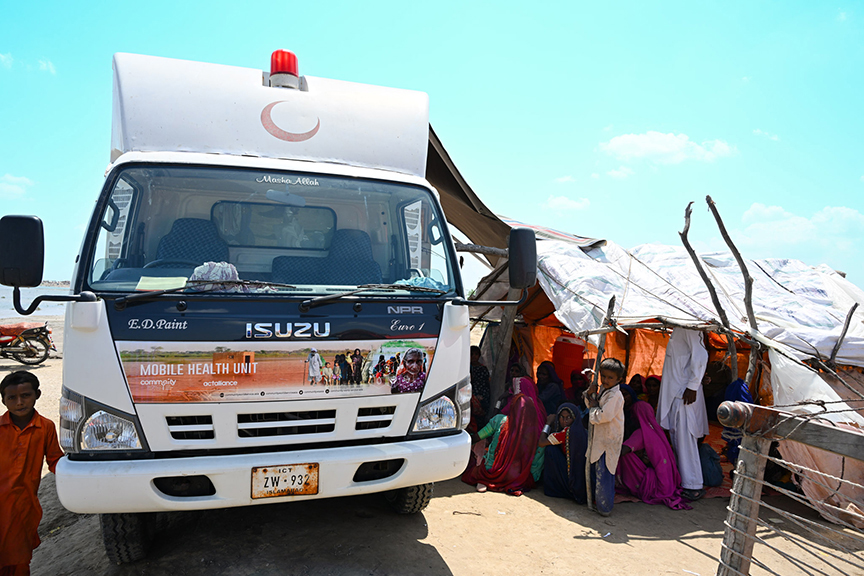
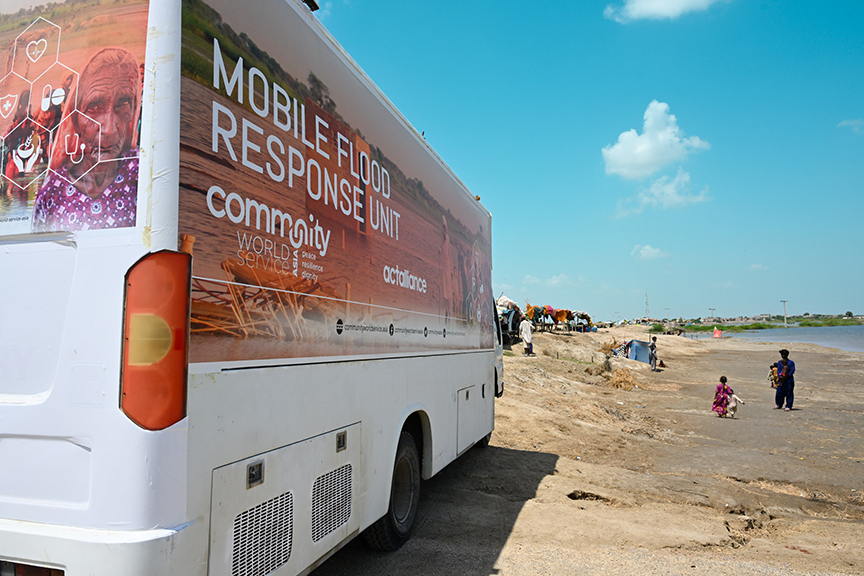
Our response is currently focused in four districts of Sindh, the province most severely hit by the disaster. We have deployed seven Mobile Health Units (MHUs) that are operational across Mirpurkhas, Matiari, Umerkot and Khairpur.

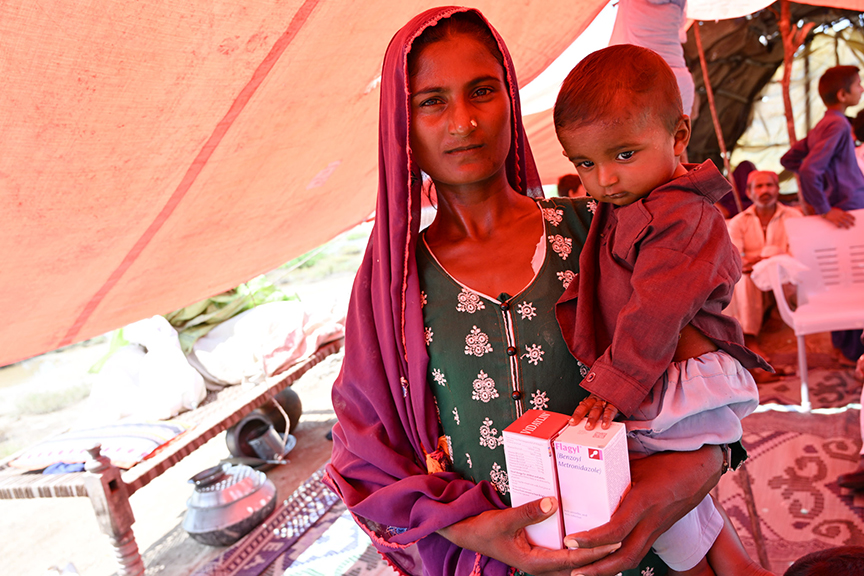
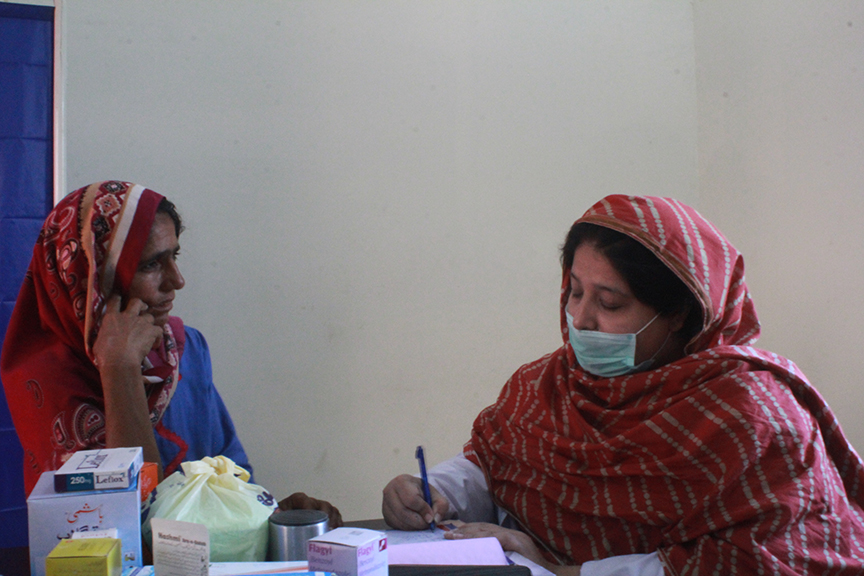
The Mobile health Units are providing curative and preventive health care through experienced and trained health and medical practitioners to flood-affected communities living in temporary shelters and camps as well as communities that are currently hard to reach due to stagnant flood-water.  The most common illnesses reported at the MHUs since its operations are skin diseases, diarrhea, malaria, eye infections, and more. We are also conducting health awareness sessions on common diseases found in the area such as scabies, malaria, diarrhea, Acute Respiratory Infection (ARI), hepatitis C as well as on family planning, malnutrition, maternal and neonatal care.

CWSA’s Emergencies teams are closely working with government health departments to identify areas and communities who are still left unreached. Further needs assessments and participants selection is underway with the engagement of affected communities for our cash support projects which will also start implementation shortly.

28,007 Flood affected people reached through MHUs

Twenty-five year-old Vadhri of Rohiraro rarely leaves home. Even though her village is just sixty kilometres southeast of Umerkot, she has not been to town for a couple of years. She may have had some liberty had her husband been alive, but since his death in 2018, she has been under the constant watch of her meddlesome, overbearing father-in-law.

Vadhri’s husband was a maker of the famous farasi (camel and goat hair carpet) of Sindh. Working ten hours a day, seven days a week, he made around PKR 4000 a month (Approx. USD 20). Though it was a pittance for the masterful work he was doing, he kept at it but remained perpetually in bondage to the middleman who provided him the required materials for the product. To this loan shark he was obligated to sell his produce at a price set by the buyer. That, it goes without saying, was considerably lower than the market price. Like hundreds of other Meghwar men engaged in this craft in Umerkot, he was too poor to procure the materials and become independent of the exploitation.

What little time he got, he laboured in the five-acre plot of land he owned in the village. Long years ago, when his father was a young man, rains were timely and plentiful and this holding provided the family with sufficient food for the year. But things had changed and now there were years when rains failed and he lost what he had invested in his land.

Meanwhile, even the priceless and exquisitely beautiful farasi was going out of fashion. Once a prized adornment in any self-respecting Sindhi home, its demand dwindled and craftsmen turned to other professions. Vadhri’s husband resolved to become a driver. From what he knew, that was a line of good and regular income. But to be a driver he did not have to go to school. All that was needed was to attach himself to a vehicle as helper to the driver.

The rules for this apprenticeship are that he was to clean the vehicle, fetch the master his cup of tea and food and be much like a slave. The master considering he was doing the apprentice a favour by teaching him a valuable skill, did not pay any salary. And so from being a slave to the farasi middleman and making a meagre living, the man became a slave to the driver without a salary.

Over time, he was permitted to do a little bit of reverse and forward practice in the village. But before he could actually master the skill, misfortune struck. On a journey perched precariously atop some baggage on a desert road, the vehicle he was riding struck an unseen speed breaker. The jolt threw the poor man onto the road where he quickly gave up his ghost because of a head injury. He was barely twenty-five years old.

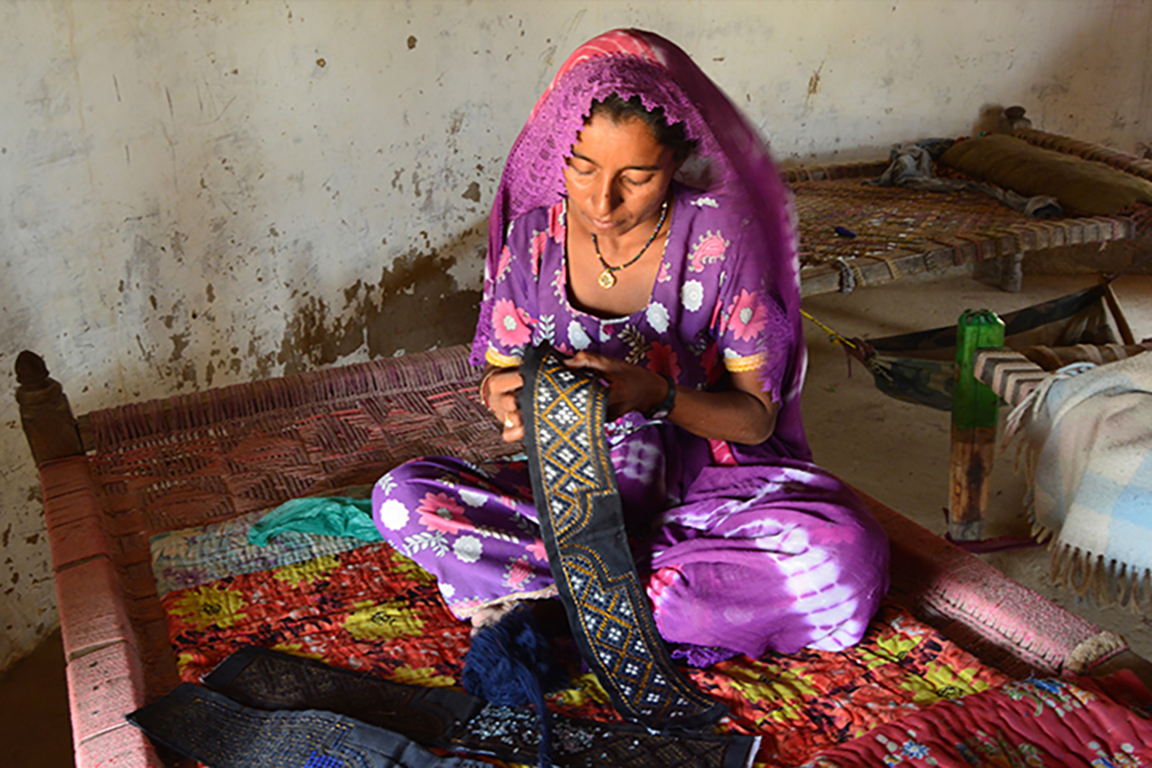
Vadhri was left alone to fend for herself and her three little children. It was just as well that she was a skilled embroiderer of the prized Sindhi cap. But she too was in bondage to the buyer who supplied her the materials and purchased each complete piece for PKR 800 (Approx. USD 4). It took Vadhri a week to finish one cap, but there never was a month when she had work all four weeks. Her income therefore floated around PKR 2500 per month (Approx. USD 12).

She was fortunate to receive the monthly monetary aid under the Benazir Income Support Programme1  (renamed Ehsas) which allowed her to maintain her eldest child in the local school. Evidently a very foresighted woman, Vadhri dreams of enrolling the other two when they reach the age because, as she says, it is only be through education that they will break the shackles of poverty.

Despite the BISP support being just PKR 1000 per month (Approx. USD 8) and her own income only a little more, Vadhri, began to put away little by little. When she had saved about PKR 5000 (Approx. USD 24), she started a small general merchandise store in the village. This she gave to the charge of her father-in-law. Once again, the profit was not consumed but ploughed back into the business to constantly increase it. Meanwhile, she herself continued diligently with her cap making to feed her family.

But PKR 2500 Approx. USD 12) can scarcely keep a family of four fed for a month. Therefore, while she restricted herself to two meagre meals a day, she ensured that her children were fed as best as they could be given the tiny resource. And so, if the CWSA field staff picked a deserving candidate for food aid under the Humanitarian, Early Recovery, and Development project, it was Vadhri. This was just in time because the PKR 7000 (Approx. USD 34) accrued from selling her 2021 autumn crop of millets, guar and lentils was all but used up over the winter when children need more nourishment.

Since April 2022, her three children have food much better than they had ever had in their lives. Vadhri herself is now eating three meals a day. In mid-May, her larder still contained some of the supplies of the first handout even as she expected the second instalment the next day. She will not have to sell her goats to feed her family, she says. Why, in those difficult days of the Corona virus she had to sell two of her eight goats and had fretted that she soon might be left with no goats at all.

In May 2022, with food secured, Vadhri was yet putting away all her cap income for she had no idea how much longer the food aid would continue. There will be a time she will have to buy her own food for which she needed to save up, she said. Her next concern was that the PKR 500 (Approx. USD 2) that she spends every month on her school-going child should always be at hand. Soon the next child too will be eligible for enrolment. The food aid has made that possible.

Meanwhile, as her store continues to grow, one can only wish her well and would like to see her blossoming into an entrepreneur in a year or so.


1 The Benazir Income Support Programme is a federal unconditional cash transfer poverty reduction program in Pakistan.

Community World Service Asia has launched a virtual learning series focusing on promoting quality and accountability (Q&A) and facilitate humanitarian organisations responding to the Pakistan Floods 2022 to discuss challenges, opportunities, and best practices as a group. This provides a platform to engage, interact and learn from each other and ensure a coordinated and principled response, guided by global Q&A standards.

Session 1: Using Core Humanitarian Standard (CHS) in Pakistan Flood Response 2022

The webinar aimed at introducing the CHS guidance in response to the floods, and revisit fundamental principles of CHS which are crucial to a successful, holistic intervention. “In the current flood response, Q&A is not being integrated widely and effectively in checklist for assessment, project design, and monitoring as per CHS/Sphere Standards and indicators to ensure that Q&A is implemented, thus leading to unstandardized aid,” highlighted Rizwan Iqbal, ACT Alliance.

Participants who are working directly with affected communities underlined the challenges that have emerged. Some of these issues include cases and reports of sexual harassment in camps, inadequate facilities for pregnant women, rampant spread of diseases including malaria, sudden cost increase of materials such as tents and mosquito nets, and coordination challenges owing to lack of internet connectivity in affected areas.

“The challenges that have emerged in the flood response cannot be resolved by one organisation on its own. It has curated a need for collaboration, coordination and cooperation among all humanitarian entities working there in addition to advocacy and capacity enhancement on Q&A standards,” emphasised Ayesha Hassan, Community World Service Asia (CWSA).

Session 2: What Does It Take to be Good Enough: Quality, Accountability and Safeguarding in Pakistan Flood Response

The second session focused on improving participants’ understanding on the Do No Harm and People-Centred Approaches in the current context and how the Humanitarian Charter, Code of Conduct and an effective Complaint Response Mechanism plays a role in ensuring accountability. Placing people and communities at the centre of all programming was flagged as most crucial to ensuring an accountable humanitarian assistance.

“It is the right time to mainstream the basics of Q&A in Pakistan flood response. Your common sense, knowledge of the context and connection with the community is key. This will build on those lessons, tools, frameworks and policies,” shared Sylvie Robert, Q&A expert and mentor.

Session 3: Applying Quality and Accountability in the Project Cycle to Build Back Better

To overcome the challenges that humanitarian workers face in implementing Q&A approaches, it was recommended that the aid community collaborate and coordinate with each other to improve quality and accountability in a humanitarian response. This session focused on how humanitarian organisations can adapt key Q&A initiatives and their tools to support project cycle management.

Participants shared challenges that they face while applying standards in previous and the current humanitarian response in Pakistan.

  • There is a lack of awareness and limited capacity on new and even existing quality and accountability tools and techniques among the aid community and affected communities
  • There is always a greater focus on providing quick and timely humanitarian response as opposed to prioritising the quality of the response and accountability to affected people
  • There is still mistrust among stakeholders engaged in response at the local and grassroot level that doesn’t welcome standards and tools being imposed from regional and international actors. There is a need for more relationship and trust building among local, national and international responders
  • There is a lack of coordination among NGOs and government in some districts key areas such as information sharing and assessments
  • Inadequate action on Complaints Response Mechanisms and limited efforts to develop effective and joint CRM for each district to be used by all responding actors

These challenges were discussed and possible solutions were shared among participants. Sylvie Robert reiterated, “Quality and accountability starts from day one and it is not negotiable. There will always be challenges in its implementation but we must stick to these principles. It is a question of attitude and mind-set.”

Participants and speakers collectively agreed that while responding to an emergency could be challenging, integrating Q&A in the project cycle creates an opportunity in emergency response, paving a way for building a better future and prioritising disaster mitigation. An effective complaint and feedback mechanism was highlighted as a key to ensure consistent community engagement and information sharing.

The importance of project management in organisations cannot be overstated. When it is done right, it helps every part of the organisation run more smoothly. It allows teams to focus on the work that matters, free from the distractions caused by tasks going off track or budgets spinning out of control.

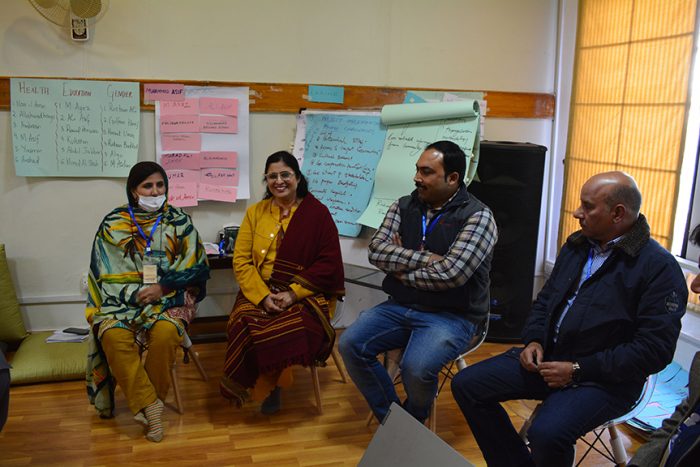
A Project Cycle Management (PCM) training was designed to impart practical skills and knowledge, confidence related to the conceptualisation, planning, implementation, management and evaluation of community projects. Such trainings are conducted to enhance the capacity of NGOs in Pakistan thus enabling them to better comply with regulatory bodies such as the federal Economic Affairs Division and provincial Social Welfare Departments. Yasmin Khakwani was one of the fifteen development aid practitioners who attended the three-day residential training, which covered the principles and terminology of project cycle management as well as the many stages and analytical tools used by humanitarian aid workers.

“Handling projects tends to be a daunting task. It requires a thorough understanding of project scheduling, planning, reporting, tracking, and the importance of project management. To become a competent humanitarian aid and development professional, one needs to have a detailed understanding of project management and its importance and the various job roles,” stated Yasmin, President of Savail Development Organisation (SDO), a local NGO in Multan. Yasmin has worked in the development sector for the past two decades, and she credits her mother, who is a development aid practitioner herself, for inspiring her to pursue a career in social services and development.

In mid-November, the PCM training provided Yasmin the opportunity to learn how to apply skills, information, tools, and procedures to project activities in order to achieve project needs. “SDO lacked up-to-date rules, concepts, and processes to manage a project from start to finish. The training provided essential knowledge for staying current with project management trends and technologies. The session on donor management focused on developing a case for support, identify and assess prospective donors, match a donor’s interests and needs with your organisation’s mission and goals, structure a successful solicitation, and respond to ethical dilemmas. Furthermore, a group exercise on identifying challenges faced by NGOs at various stages of the Project Life Cycle provided peer learning, allowing us to learn from experiences and come up with solutions.”

Yasmin returned to SDO and immediately set on revising the organization’s policies on child safety, project operations, and resource management. “Our policies had become obsolete. We revised our policies to meet international standards, particularly our child protection policy, because we work with children primarily. In addition, I led a session in which I highlighted significant takeaways from the training. Thirty people attended the session, including SDO officials, representatives from civil society organisations, and members of Saya, a district-level network.”

One of the key achievements of Yasmin was to secure its first project funded by an international donor. “We upgraded our policy framework and aligned the proposal as per donor’s requirements and fulfilled all the proposal sections accordingly. Moreover, we compiled the proposal and got it reviewed by our board members as well. This was the first time we did this. After a thorough review, we submitted our proposal. Soon after, we got the good news of our project acceptance.”

“I plan to send the staff of SDO in future training events conducted by Community World Service Asia. I believe, such trainings are beneficial for the growth and development of local organisations who have limited resources to progress,” concluded Yasmin.

Local and national non-profit organisations and Disaster Management Authorities (DMAs) are most often the first responders to a disaster, besides communities themselves. While being at the forefront and equipped with rich indigenous knowledge and experience, they face a multitude of challenges while responding to multiple crises due to institutional and staff capacity constraints. “Local organisations are often focused on their project work and have limited resources. The knowledge and opportunities to mainstream accountability in their working mechanisms is limited and complying with all international standards becomes difficult. Therefore, there was a need for formal capacity building of local organisations and disaster management authorities, on quality response and accountability to affected people” says Aamir Malik, Director RAPID Fund, Concern Worldwide.

As a Core Humanitarian Standard (CHS) Alliance member and Sphere regional partner and focal point, Community World Service Asia partnered with Concern Worldwide (CWW) to augment the skills and competencies of Concern’s staff, their partner organisations and DMAs, on Quality and Accountability to Affected Populations (Q&AAP) through a series of workshops. “Concern assessed institutional needs for training and identified gaps between project interventions and the application of Quality & Accountability standards. Concern collaborated with Community World Service Asia, who already have substantial expertise in the field of mainstreaming Q&A, Sphere, and Core Humanitarian Standard in humanitarian action,” shared Ishtiaq Sadiq from Concern Worldwide.

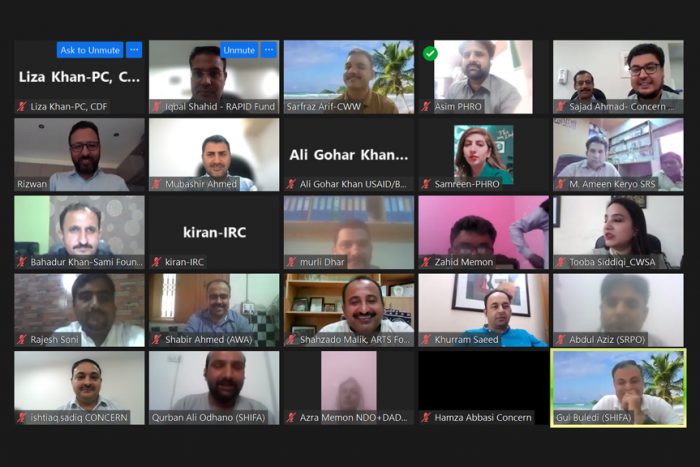
After an MoU was signed between the two organisations in 2019, a thorough consultative process between the two parties took place. Multiple meetings were arranged to discuss and finalise course outlines of Q&AAP trainings; complete workshop materials were developed and finalised as per CWW feedback. During the COVID-19 pandemic in 2021, the trainings transitioned into a virtual model. Since the start of the collaboration, eight workshops have been conducted for 187 participants representing 87 different partner organisations from Sindh and Balochistan as well as PDMA Sindh. These workshops aimed to raise awareness on key standards such as Sphere and the CHS that support organisations with effectively mainstreaming and implementing quality and accountability through a people-centred approach. Through the learning series, participants were enabled to outline opportunities and challenges in implementing Q&AAP, and were provided a platform for experience sharing and peer learning on its practical implementation

Participants strengthened their skills on Q&A standards and commitments and learned to apply them according to their contexts. They also designed a Q&AAP learning action plan tailored to their specific needs and identified ways of collaborating and coordinating with other partners to improve Q&AAP in a response. “We not only designed a training workshop for the participating organisations, but we provided technical support in mainstreaming the standards in the organisation systems and policies,” shared Aamir.

Concern’s Rapid Fund collaborated with CWSA on its Q&A interventions and jointly developed a plan for its implementation. CWSA conducted the Q&A focused trainings for them with the facilitation of the Rapid Fund team.

Lessons Learned; Improving Accountability Together

A virtual meeting was held in June 2022 to draw conclusions on the workshops’ successes and failures to improve content and resources for future workshops. During the meeting, the objectives and methodology of the workshop were shared, the draft content was presented and analysed and results and challenges thoroughly discussed. By the end of the meeting, recommendations for future learning events were brainstormed and shared.

Participants’ Selection, Self-Assessment and Pre-Training Coordination

Gender balance was ensured during participants’ selection which was done based on relevance and experience of the training topic allowing richer, more contextualised discussions and peer learnings.
Self-assessment done by each participating organisation to evaluate its structure, policies and procedures was an effective tool to gauge organisational standing on Q&AAP and identify improvement areas. This led to effective development of training plans and agenda based on participants’ needs and expectations.

Resources such as Sphere handbooks shared prior to the training were useful, allowing participants to review them and come prepared with some knowledge of the topics to be discussed. WhatsApp groups were created for participants, which allowed peer learning and continuous coordination.

Workshop Assessment

Appropriate time allocation and pace, and recap of learnings from the previous day played a key role in keeping participants engaged throughout the workshop and ensured consistent productivity during the sessions. The workshops were conducted online for which orientation on Zoom was given to participants in addition to provision of internet devices to prevent technical glitches. The training was made interactive and engaging through open discussions, breakout rooms and utilization of Google Jamboard. Comprehensive sessions on Prevention of Sexual Exploitation and Abuse (PSEA) increased awareness of most organisations. Case studies for Q&AAP guidelines were shared from the Asia Pacific region such as a CRM developed by World Vision in Sri Lanka, giving participants contextualised and local examples from the region.

Pre- training resource sharing proved to be effective and were used post-training by participants to refer to guidelines, standards and other tool kits. The pre and post tests were easy to take/complete.

Institutional Capacity Strengthening

Upon training completion of each module, a technical assistance phase was launched within a couple of months that offered coaching and mentoring support to organisations in developing and updating Q&AAP related guidelines, namely a Code of Conduct (COC) and Complaint Response Mechanism (CRM). CWSA provided inputs and guidance through sharing of templates, sample documents and key notes to participating organisations throughout the process; their progress was regularly monitored until final submissions were made by each of them.

Updated policies of organisations were appreciated by networks and funding partners. It also paved way for more effective implementation of Q&A tools and techniques in organisational processes and policies.
The ARTS Foundation did not have a CRM prior to the workshop; they utilised the draft shared with participants during the technical assistance phase to develop one from scratch. SHIFA developed specialised policies on each topic as the organisation had a joint policy before the workshop. Community Development Foundation (CDF) developed its COC and CRM policies which provided them a pathway to apply for CHS Alliance membership.

Key Learnings & Takeaways:

“The participating organisations are now more familiar with globally recognised Quality & Accountability initiatives including Sphere, Humanitarian Standard Partnership (HSP) and Core Humanitarian Standard (CHS). Organisations have also mainstreamed CHS and the Sphere handbook in their newly developed or revised policies and guidelines on CoC and CRMs for improved accountability towards the communities they are serving.” Speaker/Technical Expert on Q&A

“Nari Development Organisation (NDO) has established a CRM and placed complaint boxes within the office and the communities we are working in. We are also conducting orientation sessions with the NDO staff and communities regarding the new CRM policy and its processes. This initiative has mainstreamed accountability towards the communities and staff we work with and ensures a people-centred approach.” Zahid Hussain, Nari Development Organisation (NDO)

“Every action has to be guided by the common belief in the equality of all people, the inviolability of their rights and the right of each individual to self-determination. In the spirit of solidarity and humanity, the goal of every organisation is to improve the lives of people in the places where they can work. This workshop provided guiding tools, such as CoC and CRM, which allowed us to mainstream accountability in all the work we do. We updated our existing policies and adhered to the CHS and Sphere standards to better respond and allow community voices to be heard.” Liza Khan, Community Development Foundation (CDF)

“The extensive feedback we received on our existing CoC and CRM allowed us to mainstream CHS and Sphere Standards in our revised policies. Moreover, we receive all kinds of complaints. Some are relevant to our work and some do not relate to our work. There have been instances when we have received fake complaints as well. Organisations should be able to differentiate between these complaints and address them equally and in a transparent manner.” Gulab Rai, Sukaar Foundation