Archives

An active seasonal window of high-stakes weather systems and prolonged, above-normal temperatures continues to threaten Northern Pakistan. As of June 2, the Pakistan Meteorological Department (PMD) forecasts ongoing rain and thunderstorms through June 5, maintaining a critical risk of Glacial Lake Outburst Floods (GLOFs) and flash floods across glaciated valleys in Gilgit-Baltistan (GB) and Khyber Pakhtunkhwa (KPK). Over 7.1 million people in these northern regions remain vulnerable.

  • Casualties: Severe early-May storms have already tragically resulted in four deaths and sixteen injuries across the KPK districts of Mardan, Swabi, Malakand, and Shangla.
  • Community Isolation & Access Barriers: Landslides and weather-driven disruptions threaten to cut off remote mountain communities. Major lifelines, including the Karakoram Highway, Skardu Road, Shigar Valley Road, Deosai Road, and Naran Road, as well as vital local routes in the Shimshal and Hunza Valleys, are flagged as highly sensitive to immediate blockages.
  • Upstream Flooding Threat: Rapidly melting glaciers driven by intense heat are creating flood-like conditions across multiple districts, including Hunza, Chitral, Swat, Gilgit, and Neelum Valley.

In line with the commitment to Do No Harm and community protection, local administrations and vulnerable populations are urged to maintain 24/7 vigilance. Local communities are being guided to monitor immediate early warning signs, specifically tracking sudden changes in river levels, unusual deep sounds near water drains (nullahs), and shifts in water color that indicate upstream breaches.

Travelers and local communities are strictly advised to avoid unnecessary travel in high-risk zones during this active severe weather period.

The current situation demands an immediate focus on:

  • Early Warning Systems: Real-time dissemination of alerts to isolated mountainous communities.
  • Logistical Readiness: Preparing for rapid assessments as road blockages on the Karakoram Highway fluctuate.
  • Community Preparedness: Strengthening local-level response capacity in high-risk valleys that may become cut off by infrastructure damage.
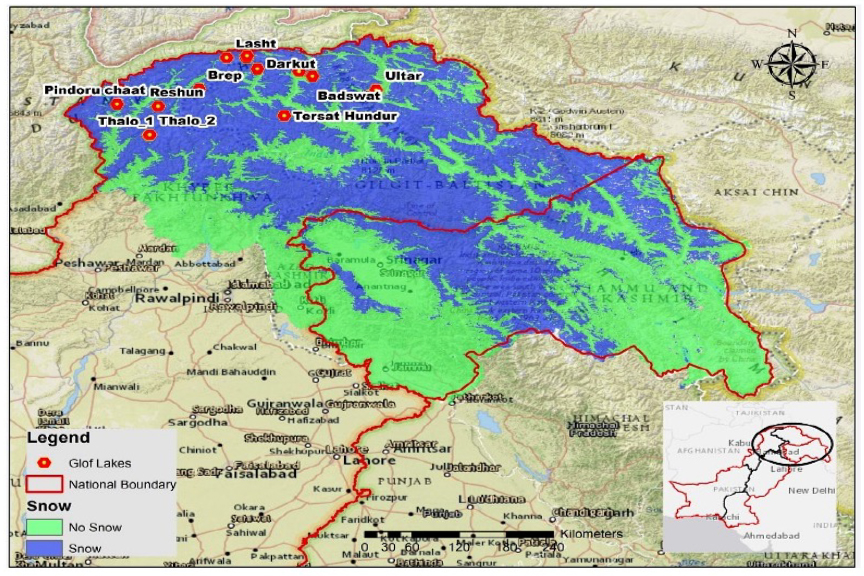
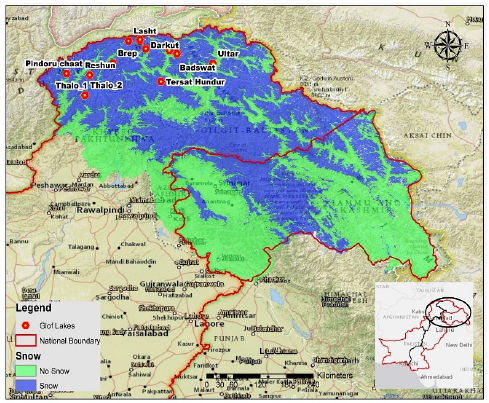
Figure 1: Projected GLOF Risk Areas in Northern Pakistan, March–September 2026

Key Risk Domains and Impact Highlights

Key DomainsPotential Impacts
Lives and safetyIncreased risk of sudden flooding, debris flow, landslides resulting in injuries, loss of life and urgent evacuation needs
ShelterDestruction to homes leading to temporary displacement of households in downstream valleys and vulnerable communities
InfrastructureDamage to roads, bridges, irrigation channels, water supply systems and small hydropower infrastructure leading to disrupted transportation, reduced access to essential services and interruptions in water and energy supply.
HealthIncreased risk of injuries, waterborne diseases due to contaminated water along with limited access to health facilities and referral challenges in remote valleys
Food security and livelihoodsLoss of livestock, crops, orchards, agricultural land and household assets
ProtectionIncreased risks for women, children, older persons, persons with disabilities and households with limited mobility
Access and logisticsIsolation of remote communities and delayed humanitarian access, disruption to passenger and goods transport, and traffic disruption along key routes including the Karakoram Highway due to infrastructure damage

NDMA’s Summer Hazards Contingency Plan 2026 notes that sudden breaching of unstable glacial lakes may generate flash floods downstream, threatening villages, roads, bridges and hydropower infrastructure1.

The scale of exposure is significant, with millions of people in GB and KPK living in areas vulnerable to GLOFs, flash flooding and debris-flow risks, particularly communities downstream of rivers, streams and glacial lakes.

Emerging Humanitarian Needs

In the event of GLOF-triggered disasters or flash flooding in the high-risk valleys of Northern Pakistan, humanitarian interventions must prioritise immediate life-saving support alongside the preservation of human dignity. The following domains have been identified as critical for an effective and principled response:

Life-Saving Relief and Shelter: Immediate focus on coordinated evacuation support and the provision of high-quality temporary shelter should be priortised. Essential Non-Food Items (NFIs), including winterised tents, blankets, and kitchen sets are vital for families displaced in the harsh high-altitude terrain.

Health and WASH: Restoration of safe drinking water and sanitation services is a priority to mitigate disease outbreaks. This must be coupled with mobile health units and first aid services capable of providing essential medicines and emergency referrals in areas where fixed infrastructure may be damaged.

Food Security and Multipurpose Cash: Where local markets remain functional, Multipurpose Cash Assistance (MPCA) is the preferred modality to provide families with the agency and flexibility to meet their own needs. In isolated areas with market disruption, direct food assistance in this form will be necessary.

Protection and Psychosocial Wellbeing: Critical support and protection to help families and children process the trauma of sudden displacement and loss must be provided. All assistance must be protection-sensitive, specifically tailored to the needs of women, children, older persons, and individuals with disabilities.

Community World Service Asia’s Preparedness and Response

Community World Service Asia (CWSA) is currently maintaining a high state of operational readiness through its field office in Hunza, GB. This local footprint allows for immediate coordination with Gilgit-Baltistan Disaster Management Authority (GBDMA) and District Disaster Management Authority (DDMA), building on CWSA’s significant 2025 response where we supported 1,479 individuals with food and cash assistance. Leveraging deep-rooted networks in remote areas like the Chipursan Valley, CWSA is positioned to move from monitoring to formal response activation immediately upon verification of an incident by disaster management authorities or field teams.

The mobilisation strategy is centered on reaching the “last mile” of remote mountain communities. Key priorities include:

  • Targeted Vulnerability: Directing assistance toward women-headed households, children, older persons, and persons with disabilities to mitigate exclusion risks.
  • Integrated Accountability: Maintaining safe, confidential feedback loops and ensuring communities are informed participants in their own recovery.
  • Multisectoral Readiness: Preparedness covers emergency shelter, WASH, mobile health, and psychosocial support, with a preference for multipurpose cash where markets allow.

Proposed Relief and Call to Action: To ensure a rapid and effective response as weather patterns evolve, CWSA has identified three critical pillars for immediate support:

  • Pre-positioning: Securing emergency shelter, hygiene kits, and dry rations in accessible hubs near high-risk valleys.
  • Scaling Life-Saving Aid: Expanding the reach of mobile health referrals and cash assistance for those in the direct path of debris flows.
  • Logistical Resilience: Strengthening “last-mile” transport capabilities to bypass anticipated road and bridge failures along the Karakoram Highway and interconnected routes.

In a region where geography defines the risk, local presence defines the response. CWSA urges the international community and humanitarian partners to support immediate and coordinated response in Northern Pakistan as we work to turn preparedness into a lifeline for the most isolated communities in GB and KPK.

Contacts

Shama Mall
Deputy Regional Director
Programs & Organisational Development
Email: shama.mall@communityworldservice.asia
Tele: 92-21-34390541-4

Tooba Siddiqi
Associate Regional Director
Emergencies & Quality and Accountability
Email: tooba.siddiqi@communityworldservice.asia
Tele: 92-21-34390541-4

Palwashay Arbab
Associate Regional Director
Email: palwashay.arbab@communityworldservice.asia
Tele: 92-21-34390541-4


References

  1. NDMA Summer Hazards Contingency Plan 2026
    Community Meetings
    GBDMA ↩︎

Contributed by Sameena Jamshed

The winter wind moved sharply through the valley of Sost in Gilgit-Baltistan, carrying with it the quiet sound of a nearby river flowing between frozen stones. Snow rested lightly on the surrounding mountains, and the air was so cold that even breath turned into mist. It was here, beside the riverbank, that Community World Service Asia (CWSA) gathered a group of children and youth who had been displaced from the remote Chupursan Valley. These crisis-affected young people were forced to leave behind the valleys, homes, and memories that once shaped their everyday lives. In Sost they had found safety, but the loss of home and the uncertainty of the future often weighed heavily on their young hearts.

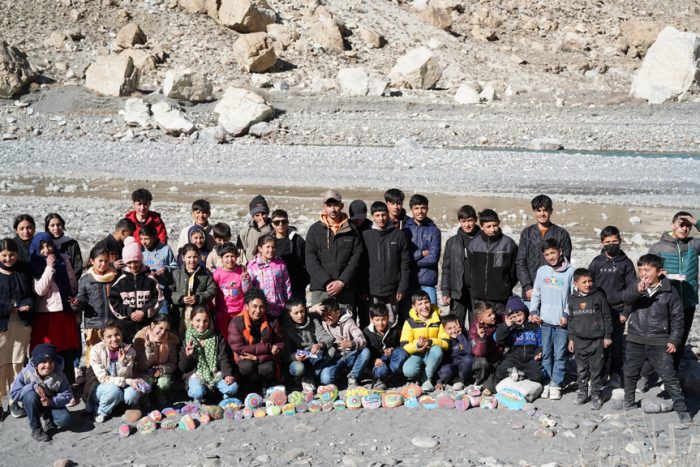
To help them reconnect with themselves and their surroundings, CWSA organised a mental wellbeing and meditation session in the open air, beside the river. Despite the bitter cold, the children gathered quietly on the riverbank. The mountains stood tall around them, silent witnesses to the moment.

A Mindful Beginning

With eyes gently closed and hands resting on their knees, the children listened to the natural rhythm of the valley, the soft rush of the river, the whisper of the wind moving through dry grass, and the distant calls of birds echoing across the mountains. For a few moments, the noise of worry faded. Breath by breath, the children learned to slow down, to feel the ground beneath them, and to simply be present in the quiet beauty of the landscape.

After meditation, the facilitator invited them to explore the riverbank.

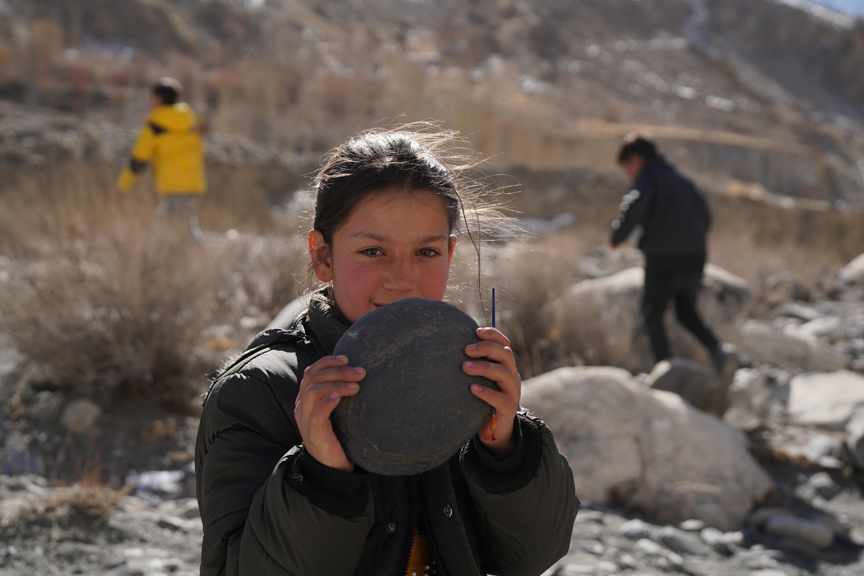
The children began collecting pebbles and small stones, turning them over in their hands, searching for shapes that felt special to them. Some chose smooth white stones, others picked darker pebbles worn soft by years of flowing water.

Then they began to paint.

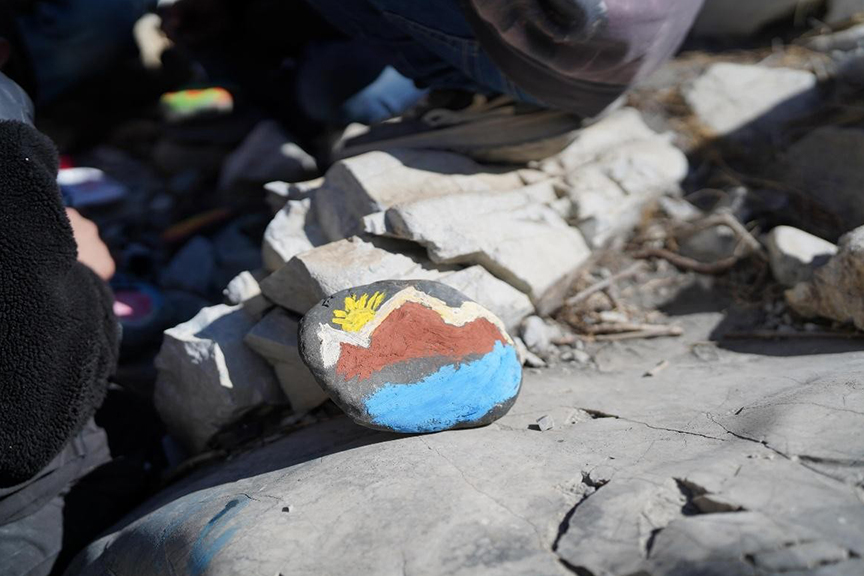
Small hands carefully brushed colours across the cold stones, bright blues, warm yellows, soft greens, and reds that stood out against the grey winter landscape.

Some children painted flowers and mountains. Others painted smiling faces, hearts, or simple patterns.

Each pebble slowly transformed into a tiny story.

Despite the freezing air and numb fingers, laughter began to rise along the riverbank. The act of creating something beautiful from an ordinary stone seemed to warm the space around them.

For a moment, the weight of displacement lifted.

But among the laughter, one quiet thought touched everyone deeply. The thought of nature terrorising them but also comforting them.

Izdah Karrim, aged 12, holding a painted pebble in her hand, looked toward the mountains and the flowing river. After a long pause, she spoke softly. “Nature heals us. Being here makes me feel calm and happy. But nature also destroyed our homes. Why does nature get angry? It looks so beautiful when it is calm.”
Her words carried a kind of innocence that only a child could express but also a truth that resonated deeply with everyone listening.

In that moment, the river kept flowing, the mountains stood still, and the painted pebbles rested in small hopeful hands.

The children placed some of the stones along the riverbank, leaving behind small pieces of colour in the winter landscape. These are tiny reminders of resilience, creativity, and healing.

Sometimes healing does not come through big gestures. Sometimes it begins with quiet breaths beside a river, with cold fingers holding on to each other and with a simple stone that becomes a symbol of hope.

And as the children looked at the painted pebbles shining against the snow, the young girl’s reflection lingered in the air, “Nature makes our hearts peaceful, but it can also take away our homes. I wish it could stay as gentle as it looks when the river is calm.”
A high-alert status remains in effect for Khyber Pakhtunkhwa (KPK) and Gilgit-Baltistan (GB) following a series of Glacial Lake Outburst Flood (GLOF) warnings issued by the NDMA and PMD. A current westerly weather system, active as of May 11, is bringing widespread rain and thunderstorms to mountainous regions. These conditions are significantly increasing the probability of debris flows and flash flooding in vulnerable valleys, marking the start of a high-risk period predicted to last through September 2026.

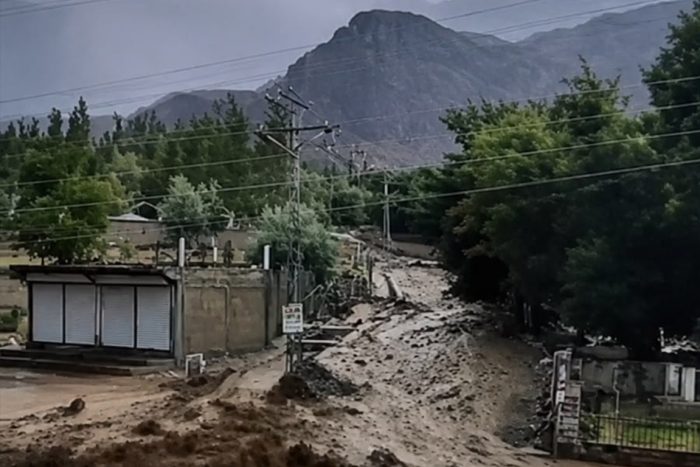
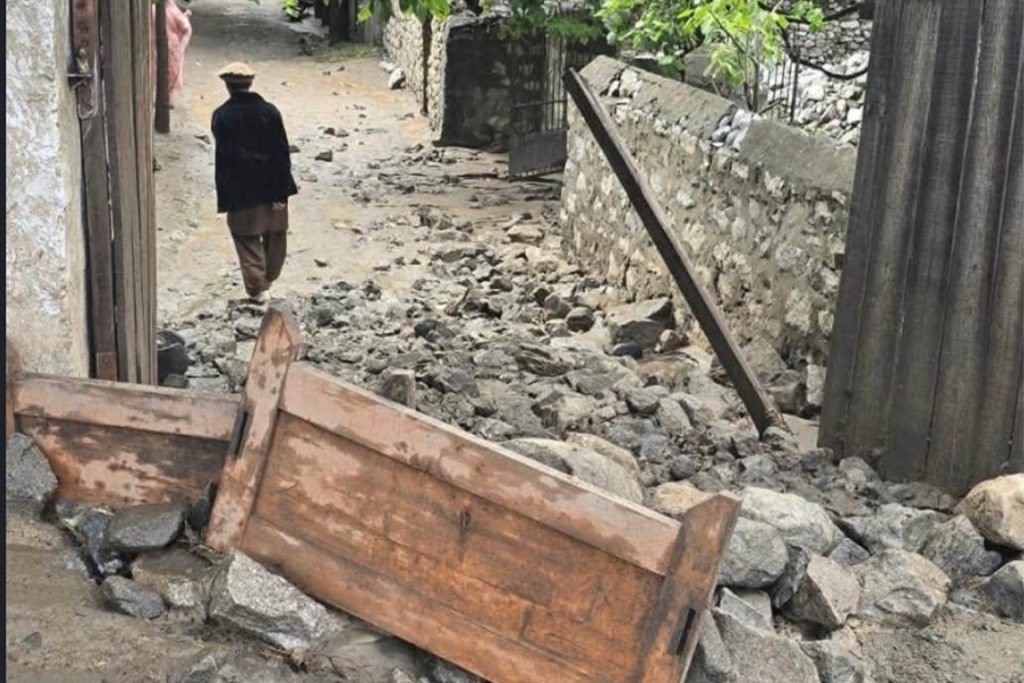
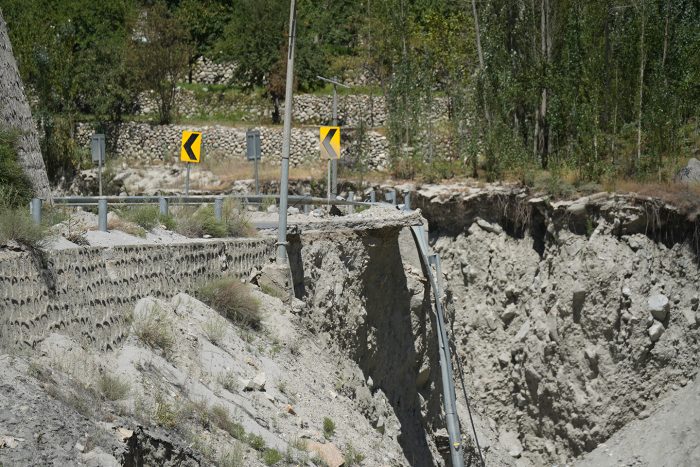
Recent heavy rainfall has already triggered mudslides and landslides, severely impacting the Karakoram Highway. Key sections in Lower Kohistan, including Dubair and Gloos Banda, have been blocked by debris and floodwater. These disruptions have stranded passenger vehicles and goods transport, creating a logistical bottleneck between KPK and GB. The dangerous travel conditions along these primary routes are currently hindering both commercial movement and potential humanitarian access.

The scale of potential impact is immense, with the Ministry of Climate Change identifying over 7.1 million people in the northern regions as vulnerable to GLOF events. Pakistan’s 13,000+ glaciers are facing unprecedented stress; approximately 10,000 glaciers in Chitral and GB are currently receding due to climate-induced temperature rises. This accelerated melting, combined with shifting weather patterns and early heatwave conditions, has created a volatile environment for downstream settlements.

The current situation demands an immediate focus on:

  • Early Warning Systems: Real-time dissemination of alerts to isolated mountainous communities.
  • Logistical Readiness: Preparing for rapid assessments as road blockages on the Karakoram Highway fluctuate.
  • Community Preparedness: Strengthening local-level response capacity in high-risk valleys that may become cut off by infrastructure damage.

Areas at Risk

RegionHigh-risk areas identified in recent alerts
Gilgit-BaltistanSwat, Upper Chitral, Lower Chitral, Dir, Upper Hazara, and Kohistan
Khyber Pakhtunkhwa (KPK)Communities located near glacial lakes, rivers, mountain streams, nullahs (seasonal watercourses), bridges, roads, irrigation channels, hydropower infrastructure, and agricultural land
Downstream settlementsCommunities located near glacial lakes, rivers, mountain streams, nullahs (seasonal watercourses), bridges, roads, irrigation channels, hydropower infrastructure and agricultural land
Figure 1: Projected GLOF Risk Areas in Northern Pakistan, March–September 2026

Key Risks and Impact Highlights

SectorPotential impact
Lives and safetySudden flooding, debris flow, landslides, injuries, loss of life and urgent evacuation needs
ShelterDamage to houses and temporary displacement of households in downstream valleys
InfrastructureDamage to roads, bridges, irrigation channels, water supply systems and small hydropower infrastructure
WASHContamination of water sources, disruption of safe drinking water access and increased sanitation risks
HealthIncreased risk of injuries, waterborne diseases, limited access to health facilities and referral challenges in remote valleys
Food security and livelihoodsLoss of livestock, crops, orchards, agricultural land and household assets
ProtectionIncreased risks for women, children, older persons, persons with disabilities and households with limited mobility
Access and logisticsBlocked roads, damaged bridges, isolation of remote communities and delayed humanitarian access, disruption to passenger and goods transport, and traffic disruption along key routes including the Karakoram Highway

NDMA’s Summer Hazards Contingency Plan 2026 notes that sudden breaching of unstable glacial lakes may generate flash floods downstream, threatening villages, roads, bridges and hydropower infrastructure1.

The scale of exposure is significant, with millions of people in GB and KP living in areas vulnerable to GLOFs, flash flooding and debris-flow risks, particularly communities downstream of rivers, streams and glacial lakes.

This summary refines the projected humanitarian priorities for Northern Pakistan into a concise, action-oriented briefing, ensuring the focus remains on dignity, protection, and the survival of isolated communities.

Priority Needs: Anticipatory Action and Response for GLOF Emergencies

In the event of GLOF-triggered disasters or flash flooding in the high-risk valleys of Northern Pakistan, humanitarian interventions must prioritise immediate life-saving support alongside the preservation of human dignity. The following sectors have been identified as critical for an effective and principled response:

Life-Saving Relief & Shelter: Immediate focus remains on coordinated evacuation support and the provision of high-quality temporary shelter. Essential Non-Food Items (NFIs), including winterised tents, blankets, and kitchen sets are vital for families displaced in the harsh high-altitude terrain.

Health and WASH: Restoration of safe drinking water and sanitation services is a priority to mitigate disease outbreaks. This must be coupled with mobile health units and first aid services capable of providing essential medicines and emergency referrals in areas where fixed infrastructure may be damaged.

Food Security & Multipurpose Cash: Where local markets remain functional, Multipurpose Cash Assistance (MPCA) is the preferred modality to provide families with the agency and flexibility to meet their own needs. In isolated areas with market disruption, direct food assistance will be necessary.

Protection & Psychosocial Wellbeing: All assistance must be protection-sensitive, specifically tailored to the needs of women, children, older persons, and individuals with disabilities. Furthermore, psychosocial support is critical to help families and children process the trauma of sudden displacement and loss.

Community World Service Asia’s Preparedness and Response

Community World Service Asia (CWSA) is currently maintaining a high state of operational readiness through its field office in Hunza, Gilgit-Baltistan. This local footprint allows for immediate coordination with GBDMA and DDMA, building on CWSA’s significant 2025 response where they supported 1,479 individuals with food and cash assistance. Leveraging deep-rooted networks in remote areas like the Chipursan Valley, CWSA is positioned to move from monitoring to formal response activation immediately upon verification of an incident by disaster management authorities or field teams.

The mobilisation strategy is centered on reaching the “last mile” of remote mountain communities. Key priorities include:
  • Targeted Vulnerability: Directing assistance toward women-headed households, children, older persons, and persons with disabilities to mitigate exclusion risks.
  • Integrated Accountability: Maintaining safe, confidential feedback loops and ensuring communities are informed participants in their own recovery.
  • Multisectoral Readiness: Preparedness covers emergency shelter, WASH, mobile health, and psychosocial support, with a preference for multipurpose cash where markets allow.

Urgent Funding and Logistics Requirements

To ensure a rapid and effective response as weather patterns evolve, CWSA has identified three critical pillars for immediate support:

  • Pre-positioning: Securing emergency shelter, hygiene kits, and dry rations in accessible hubs near high-risk valleys.
  • Scaling Life-Saving Aid: Expanding the reach of mobile health referrals and cash assistance for those in the direct path of debris flows.
  • Logistical Resilience: Strengthening “last-mile” transport capabilities to bypass anticipated road and bridge failures along the Karakoram Highway and interconnected routes.

In a region where geography defines the risk, local presence defines the response. We invite you to stand with CWSA and our frontline teams in Northern Pakistan as we turn preparedness into a lifeline for the most isolated communities in Gilgit-Baltistan and Khyber Pakhtunkhwa.

Contacts

Shama Mall
Deputy Regional Director
Programs & Organisational Development
Email: shama.mall@communityworldservice.asia
Tele: 92-21-34390541-4

Tooba Siddiqi
Associate Regional Director
Emergencies & Quality and Accountability
Email: tooba.siddiqi@communityworldservice.asia
Tele: 92-21-34390541-4

Palwashay Arbab
Associate Regional Director
Email: palwashay.arbab@communityworldservice.asia
Tele: 92-21-34390541-4


References

  1. NDMA Summer Hazards Contingency Plan 2026
    https://www.ndma.gov.pk/storage/plans/April2026/des1YHpOOZYMDB3W7rHH.pdf ↩︎

High in the mountains of northern Pakistan lies Broghil Valley, one of the most remote and isolated landscapes in the country. Located nearly 250 kilometers from Chitral town and rising between 3,280 to over 4,300 meters above sea level, the valley borders Afghanistan’s Wakhan Corridor and is surrounded by towering snow-covered peaks. Broghil is known for its breathtaking alpine meadows, vast wetlands, and the stunning Qarambar Lake. During the short summer months, the valley comes alive with grazing yaks, migratory birds, and cultural festivals that celebrate the traditions of its pastoral communities. Yet beneath this extraordinary beauty lies a quieter reality. Life in Broghil is shaped by geographic isolation, extreme winters where temperatures can drop below –17°C, and limited access to services. Roads remain nearly impassable for months, healthcare facilities are scarce, and educational opportunities are limited.

Three years ago, a group of 28 young girls and boys from Broghil Valley were displaced and relocated to Gulmit, where the local community welcomed and supported them with care and compassion. The young IDPs have been well looked after and gradually integrated into the community.

Yet even in a supportive environment, the emotional weight of displacement and distance from their homeland quietly lingers. Loneliness, uncertainty about the future, and the memories of a place left behind often take their toll. Recognising this need, the Gulmit Council requested Community World Service Asia (CWSA) to organise a Mental Health and Psychosocial Support (MHPSS) and Wellbeing Workshop for these young people. Conducted on 26 February 2026, the workshop was made possible with the support of the Week of Compassion (WoC). The goal was simple but powerful; creating a safe space where the youth could express their emotions, reconnect with their strengths, and begin healing together.

When Silence Turns Into Stress

In remote mountain communities, mental health is rarely discussed openly. Daily life revolves around survival, herding livestock, enduring long winters, and navigating limited opportunities. In such settings, emotions are often carried quietly. For the youth from Broghil now living in Gulmit, the experience of displacement added another layer to this silence. Many shared feelings of isolation, homesickness, and uncertainty about what their futures might hold. The workshop aimed to gently open conversations around emotional wellbeing and help participants understand that these feelings were valid and shared.

Painting in the Cold: A Moment of Resilience

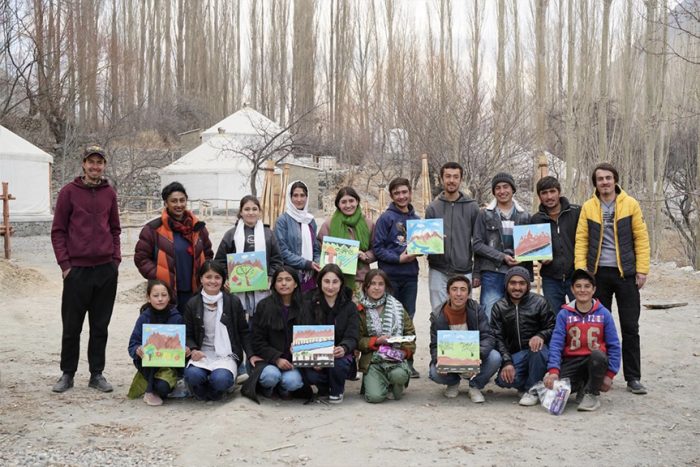
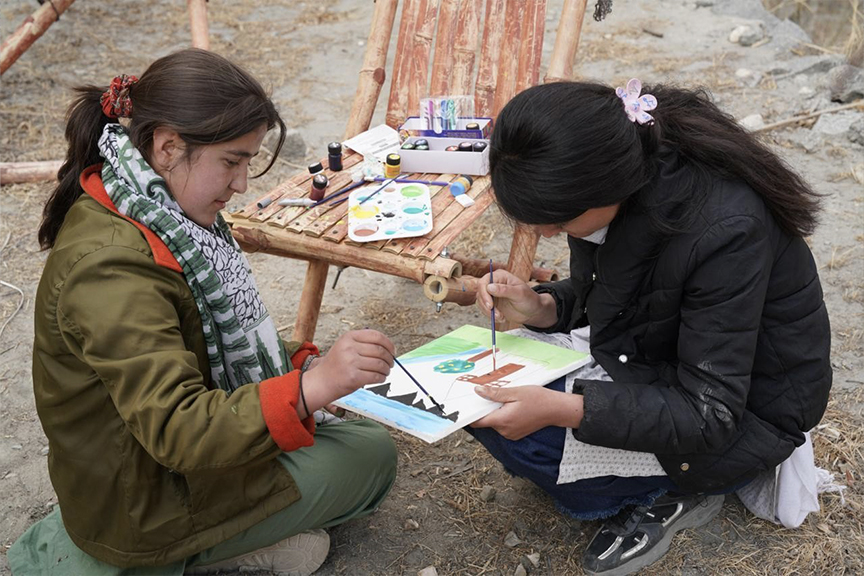
One of the most powerful moments of the workshop came during a creative expression activity. Participants were invited to paint their thoughts, memories, and emotions. Although facilitators initially planned to conduct the activity indoors due to the cold weather, the youth asked for something different. They wanted to paint outside surrounded by the mountains and landscapes that reminded them of home.

Wrapped in warm shawls and sitting on the frozen ground, the young participants began painting the valleys, lakes, and peaks that shaped their memories. Brushes moved slowly across canvases, translating emotions that words often struggled to express. For many of them, it was the first time they had ever been invited to share their feelings through art. Some painted mountains as symbols of strength and endurance. Others painted open skies representing hope and freedom. What emerged was more than artwork. It became a quiet but powerful expression of resilience.

“In these mountains we learned to stay strong in silence. Today, with colors in our hands, we finally learned how to speak, shared one of the participants”, Zahra.

A Workshop for Healing

The Mental Health and Wellbeing Workshop used several community-based psychosocial approaches designed to encourage reflection, connection, and confidence. Through therapeutic arts and storytelling, participants explored ways to release stress and communicate emotions safely. Guided reflection and mindfulness exercises introduced breathing techniques and simple practices that help manage anxiety and restore inner calm. Small group dialogues created safe spaces where participants could share their experiences, listen to each other, and realise they were not alone in their feelings. For many participants, it was the first time emotional wellbeing had been openly discussed and supported.

Power of Small Interventions

For communities living in remote and underserved regions, even small psychosocial support initiatives can create meaningful change. When young people feel heard and supported, they gain the confidence to cope with stress, rebuild hope, and strengthen their relationships with others. Programs like this move communities from survival toward resilience. They remind young people that their dreams still matter. They encourage girls and boys to find their voices. And they strengthen the bonds that hold communities together.

Why Support Matters

Delivering psychosocial support in remote mountain regions requires determination and sustained investment. Long travel distances, harsh weather conditions, and limited infrastructure make such initiatives challenging but deeply necessary. Yet the impact can be transformative. By supporting initiatives like this Mental Health and Wellbeing Workshop, partners and donors contribute to:

  • Strengthening resilience among displaced and vulnerable youth
  • Supporting emotional wellbeing in remote and isolated communities
  • Creating safe spaces for dialogue, healing, and self-expression
  • Building more connected and confident young generations

In places where emotional struggles often remain unspoken, even small moments of support can spark powerful change.

Amir Hamza belongs to village Dain in Tehsil Ishkoman of Ghizer. His household consists of five members and is a male-headed family with four dependents, including one school-age son. Before the floods of 14 August 2025, which devastated Ghizer1 in Gilgit-Baltistan, his story reflected the quiet stability of a self-sufficient rural life. The village of Dain was peaceful, with functioning homes, cultivated farmland, livestock, reliable water systems, and essential infrastructure such as a suspension bridge that connected residents to basic services and markets. This sense of security was shared across the community before the disaster upended their lives.

“Before the flooding, life was peaceful and beautiful. We had our homes, land, cattle, and a strong community,” Amir recalled. He and his family owned a total of five kanals of land, of which two kanals were washed away in the flood. They did not own any cattle.

The sudden flooding destroyed nearly everything including homes, mosques, Jamaat Khanas 2, farmlands, livestock, water channels, and the village’s historic suspension bridge. Families escaped in the middle of the crisis to higher ground, relying on relatives, neighbours, and volunteers for immediate rescue and shelter.

Amir is a father determined to give his young son an education, even though the monthly school fee of PKR 1,000 is a heavy burden for his modest means. After the devastating floods, he returned to driving a rickshaw, his primary source of income, to keep his family afloat. The disaster had swept away much of what he had built: his small shop, along with pear and almond orchards that once supplemented his livelihood. Yet despite these losses, Amir continues to prioritise his son’s schooling, holding on to the hope that education will open doors to a brighter future.

“The situation was unbearable. We nearly lost our senses. Our relatives and volunteers rescued us, gave us food, water, and shelter, and treated us with dignity,” shared Amir.

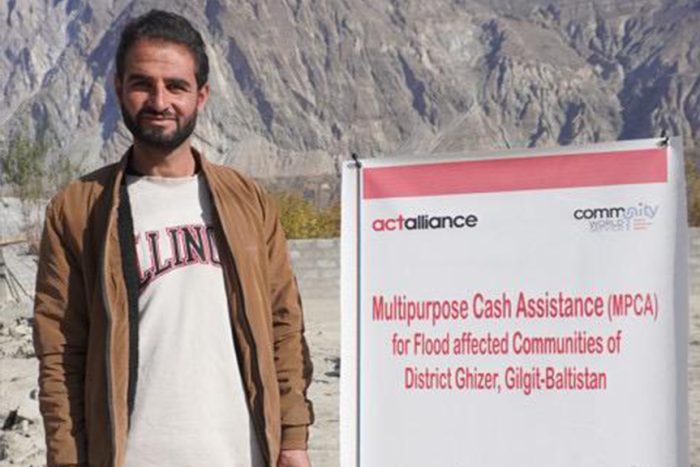
In the aftermath, the community prioritised restoring essential services, particularly access to clean water. External assistance followed, with NGOs and donors providing food and cash support. Community World Service Asia (CWSA) conducted multiple visits and provided multipurpose cash assistance of PKR 30,000 (approx. USD 108) in three monthly installments, totalling PKR 90,000, starting on 13 Nov 2025. The cash was used for rebuilding and meeting food security needs. Most families used the cash for children’s school fees, debt repayment, to meet daily household needs, and rebuilding homes in safer locations.

Food assistance was also provided under the project. It included wheat flour, pulses, cooking oil, sugar, and salt. The quantities distributed were 100 kg of flour, seven litres of cooking oil, four kg of sugar, one kg of salt, and eight kg of pulses. This support was provided for one month, and it helped meet the basic household food needs during that period.

“We are using the cash according to our needs such as education, housing, and daily survival. This support has helped us stand again,” said Amir.

The family has experienced a significant improvement in living conditions after receiving a new house, financial support, and food rations, which have greatly reduced their hardships. However, some challenges remain unresolved, such as the restoration of lost agricultural land and the full recovery of livelihood assets. Although the family is now more stable due to the assistance, they remain partially vulnerable, particularly regarding income from agriculture and other lost assets.

Amir’s account reflects a broader pattern observed across Ghizer; while the floods caused devastating losses, strong social cohesion, timely humanitarian assistance, and community-led recovery efforts have been central to restoring dignity and hope.


  1. https://www.aljazeera.com/news/2025/7/22/rains-flash-floods-kill-21-in-pakistan-tourists-rescued-in-hilly-north ↩︎
  2. Places of worship and community work ↩︎

Situation Overview

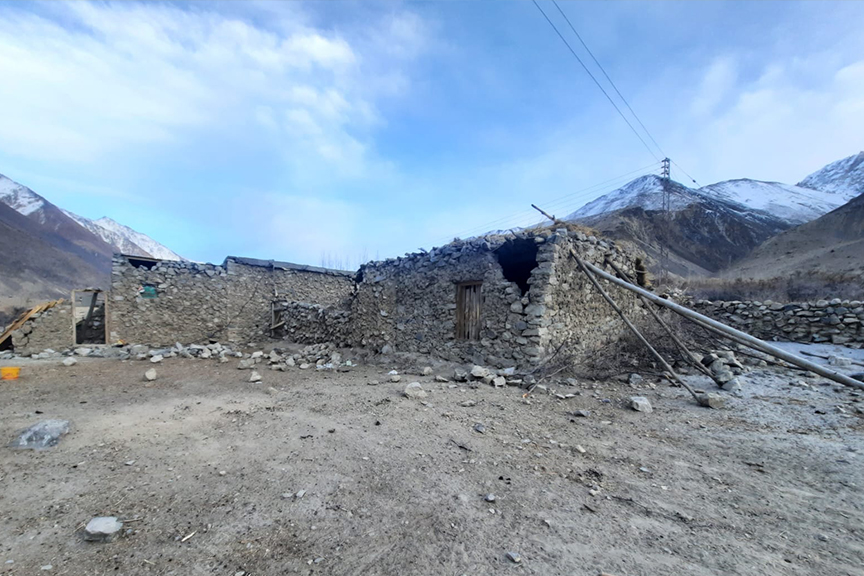
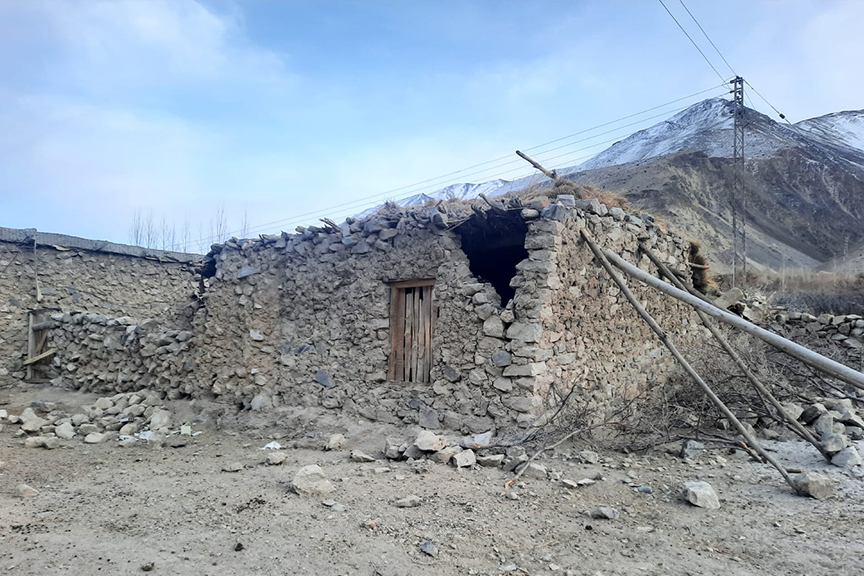
On January 19, 2026, at 11:21 AM local time, a shallow earthquake of magnitude Mw 5.6–5.8 struck Gilgit-Baltistan in northern Pakistan. The epicenter near Barishal severely impacted the remote Chipursan Valley in Upper Hunza. Despite its moderate magnitude, the shallow depth and fragile mountainous terrain caused significant localised destruction.

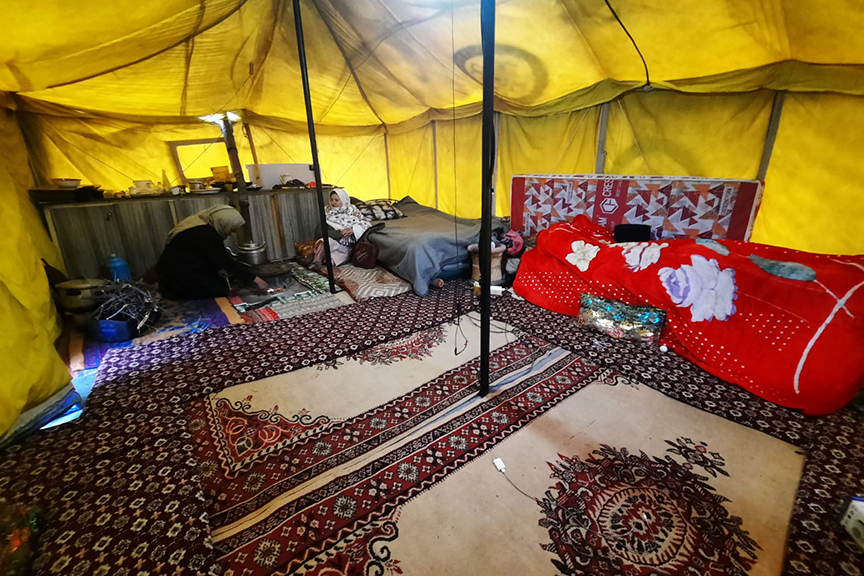
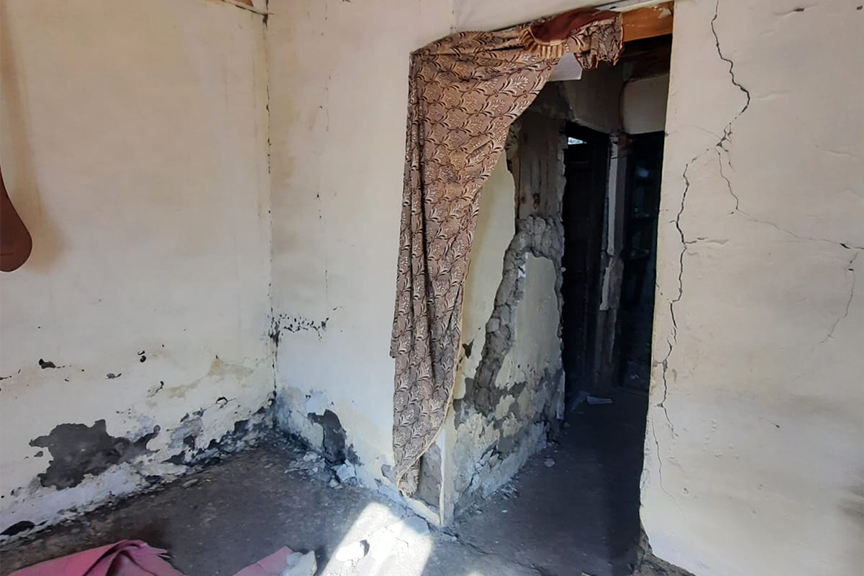
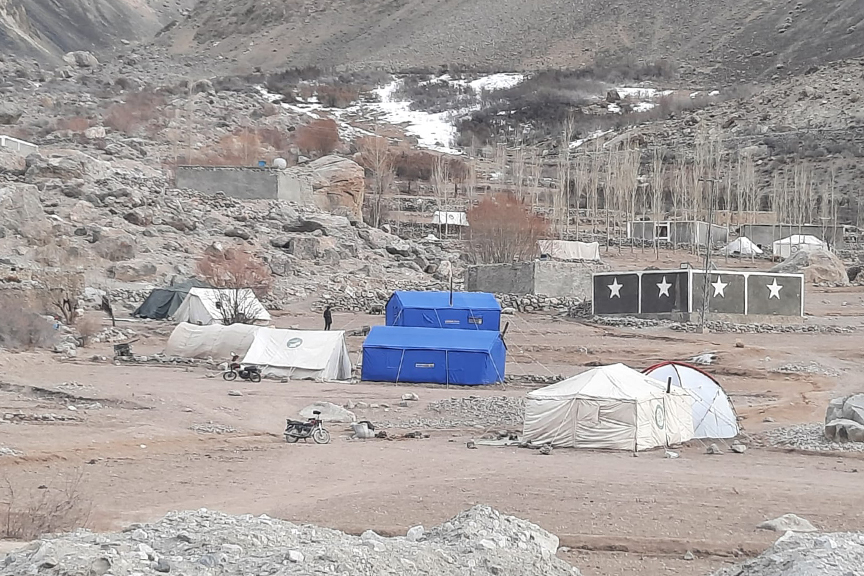
At least two lives were lost, several individuals injured, and eleven villages were affected; three of them completely destroyed. Approximately 300 households (2,100–2,400 people) are displaced, many now sheltering in tents, damaged homes, or with host families in nearby settlements such as Sost and Gulmit. The disaster coincided with peak winter, with temperatures dropping to –20°C, heightening risks of hypothermia and cold-related illness.

Landslides disrupted road access and damaged critical infrastructure, including micro-hydropower systems, water channels, and livestock shelters. Power outages have left families without heating, lighting, or communication during extreme winter conditions.

Impact Snapshot

Impact AreaDetails
Fatalities2 confirmed
InjuriesSeveral reported
Villages affected11 (3 fully destroyed)
Households affected300 HHs (2,100–2,400 people)
DisplacementFamilies in tents, damaged homes, or host communities
Infrastructure damageRoads blocked, micro-hydropower destroyed, water channels & shelters damaged
Vulnerable groupsWomen-headed households, children, elderly, persons with disabilities
Key risksHypothermia, cold-related illness, limited healthcare access

Humanitarian Needs

  • Multipurpose cash assistance for food, heating fuel, medicines, and temporary accommodation.
  • Winterisation support including winterized tents and non-food items to protect families from sub-zero temperatures.
  • Shelter and medical care for displaced families living in unsafe or temporary arrangements.
  • Psychosocial support to address trauma, stress, and displacement-related anxiety.

Community World Service Asia’s (CWSA) Response

Community World Service Asia (CWSA), in coordination with the Gilgit-Baltistan Disaster Management Authority (GBDMA), Hunza District Administration, and humanitarian partners, has launched a community-centered, gender-responsive emergency response. Quality, Accountability and Safeguarding (QAS) measures have been applied throughout the response, including community consultations, transparent participant verification, and complaint and feedback mechanisms to ensure accountability and safe programming for affected communities.

Plan and Action:

  • Field Office Established: A base set up in Khudadad Sost to coordinate relief operations
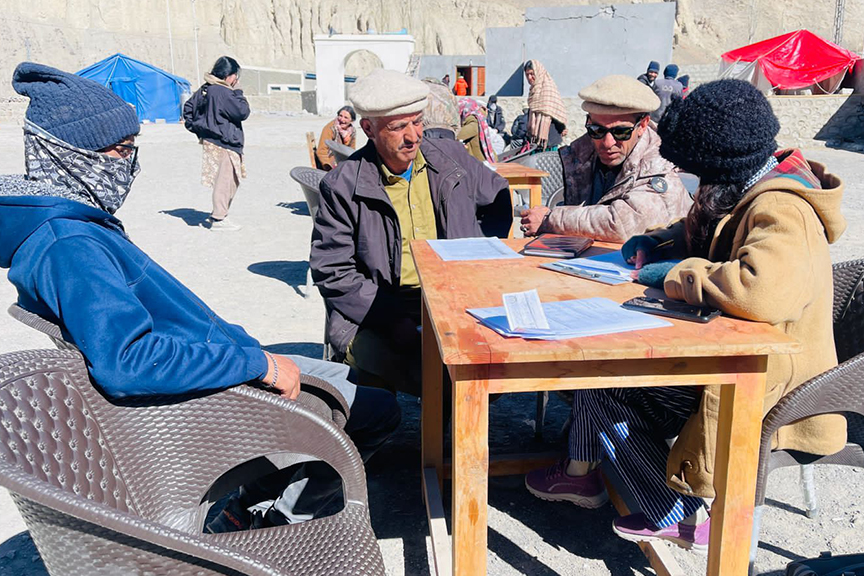
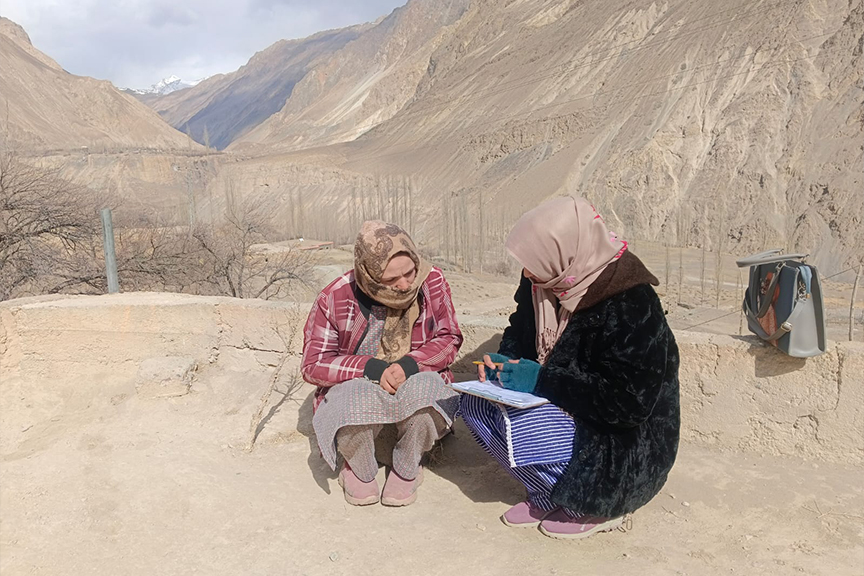
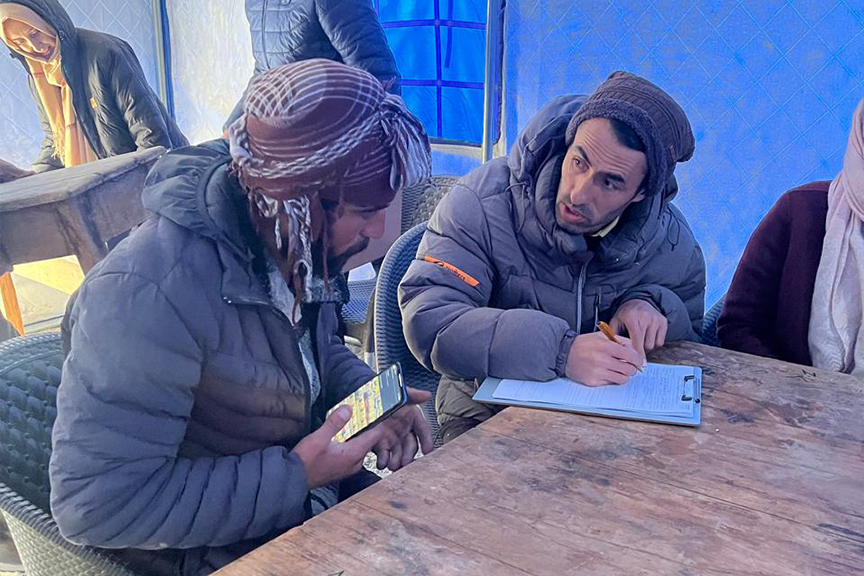
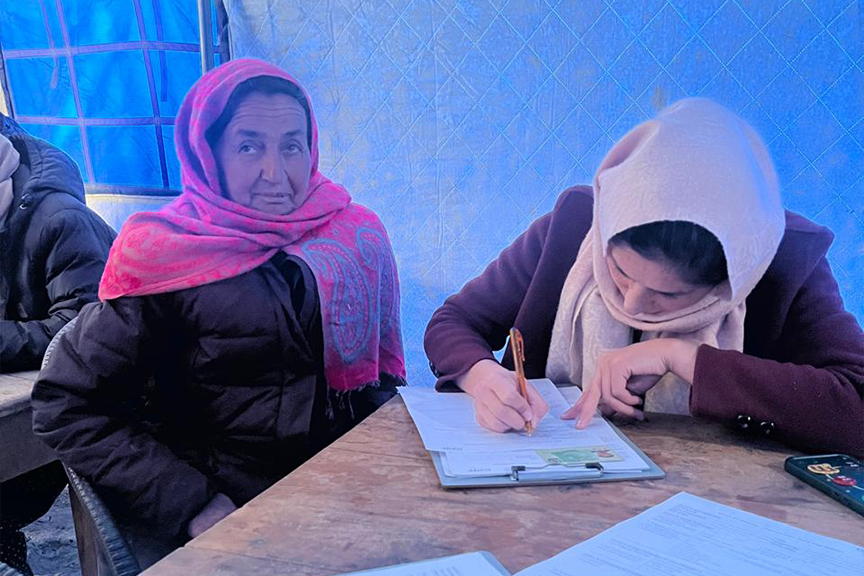
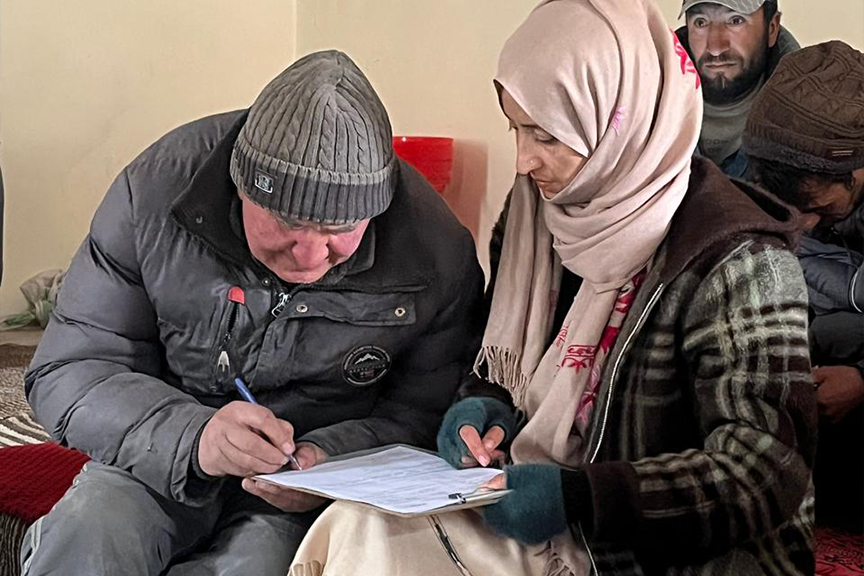
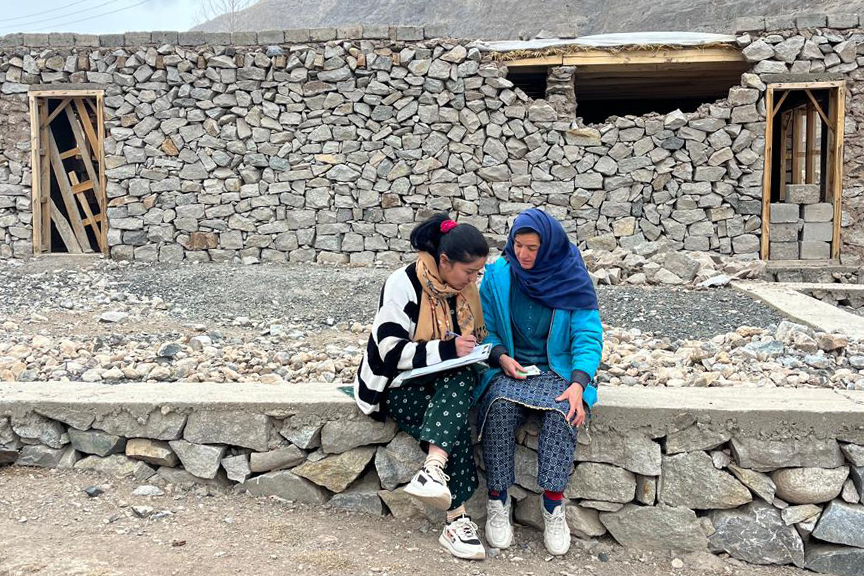
  • Household Assessments: Surveys completed across nine villages covering 300 households, with verification underway by the MEAL team.
  • Multipurpose Cash Assistance (MPCA): The first tranche for 300 households is planned to be disbursed tentatively scheduled for the third week of March, following completion of verification and administrative processes
  • Winterisation Kits: Procurement of high-quality kits aligned with global standards and community needs for 200 households underway
  • Mental Health & Psychosocial Support (MHPSS):
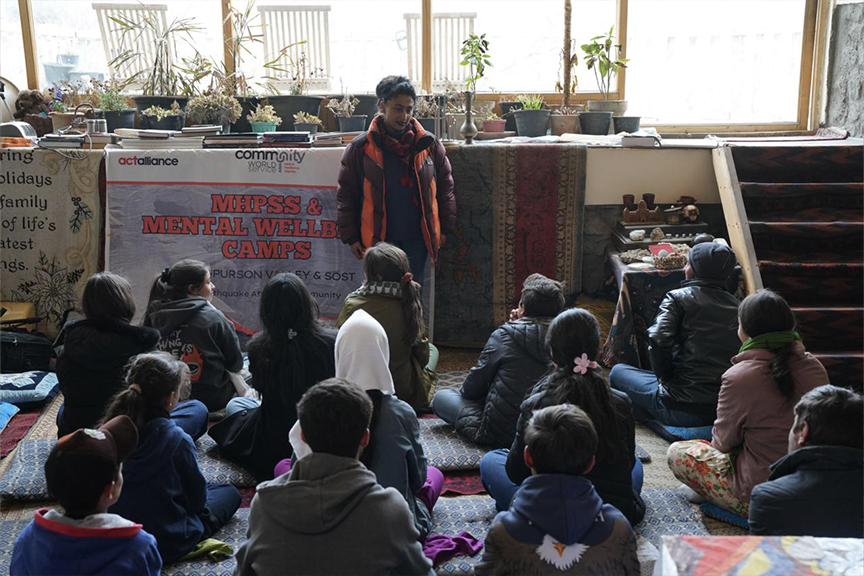
    • 10 group sessions conducted, reaching 351 participants (women, girls, children, elderly, persons with disabilities).
    • 27 individual counselling sessions provided, focusing on trauma, stress, and coping strategies.
    • Special session organised for internally displaced persons (IDPs) from Chitral, engaging 28 participants.

Solidarity and Partnership

These interventions are made possible through the support and solidarity of our global partners, ACT Alliance and Week of Compassion, whose commitment strengthens our ability to respond swiftly and effectively in times of crisis.

CWSA remains committed to ensuring dignified, inclusive, and effective humanitarian assistance for the affected communities of Chipursan Valley. Our response prioritises the most vulnerable, while building resilience and solidarity across the region.

Contacts:

Shama Mall
Deputy Regional Director
Programs & Organisational Development
Email: shama.mall@communityworldservice.asia
Tele: 92-21-34390541-4

Tooba Siddiqi
Associate Regional Director
Emergencies, Healthy & Quality, Accountability & Safeguarding (QAS)
Email: tooba.siddiqi@communityworldservice.asia
Tele: 92-21-34390541-4

Palwashay Arbab
Associate Regional Director
Visibility & Strategic Engagement
Email: palwashay.arbab@communityworldservice.asia
Tele: 92-21-34390541-4

High in the northernmost reaches of Pakistan, in Upper Hunza of Gilgit-Baltistan, lies the remote and breathtaking Chupurson Valley. Bordering the Wakhan Corridor and surrounded by towering peaks and vast glaciers, this isolated valley is home to a resilient Wakhi community whose lives revolve around livestock, small-scale farming, and deep-rooted traditions. Winters here are long and merciless. In January, temperatures plunge to –19°C and –20°C, freezing water sources, sealing off roads, and testing human endurance.

On January 19, 2026, at approximately 11:21 AM, that endurance was tested beyond measure. A magnitude 5.8 earthquake struck the valley, its shallow depth amplifying the violent shaking. The epicenter was near the Yash Kuk Glacier and Zoodkhun village, about 50 kilometers north-northwest of Karimabad, Hunza. The tremor was followed by relentless aftershocks, prolonging fear and instability.

The impact was devastating.

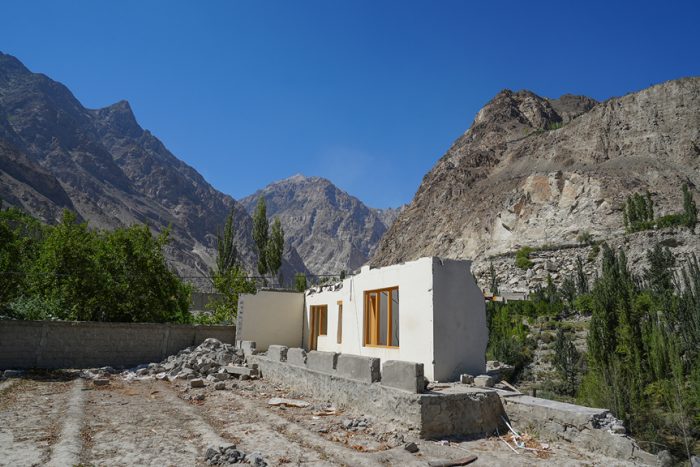
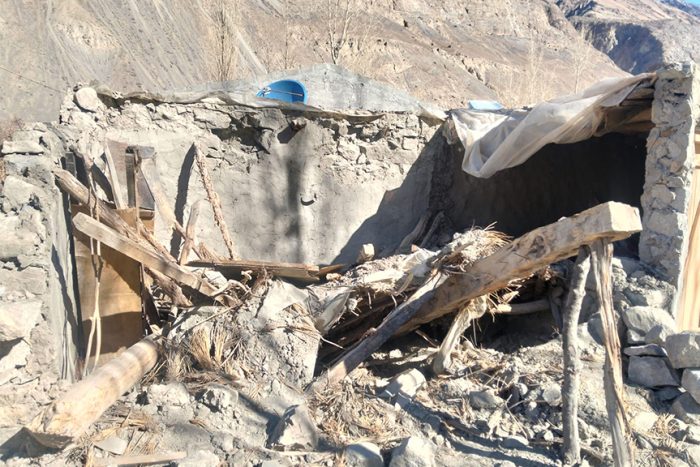
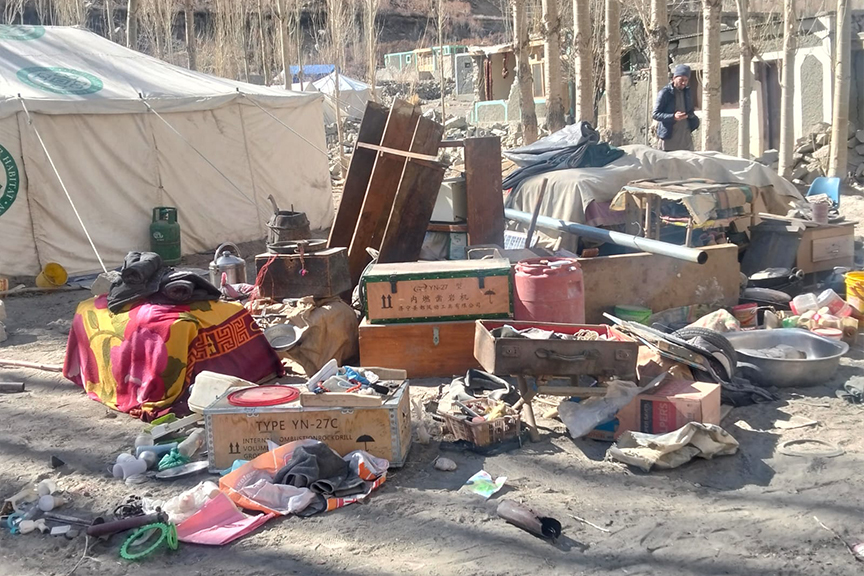
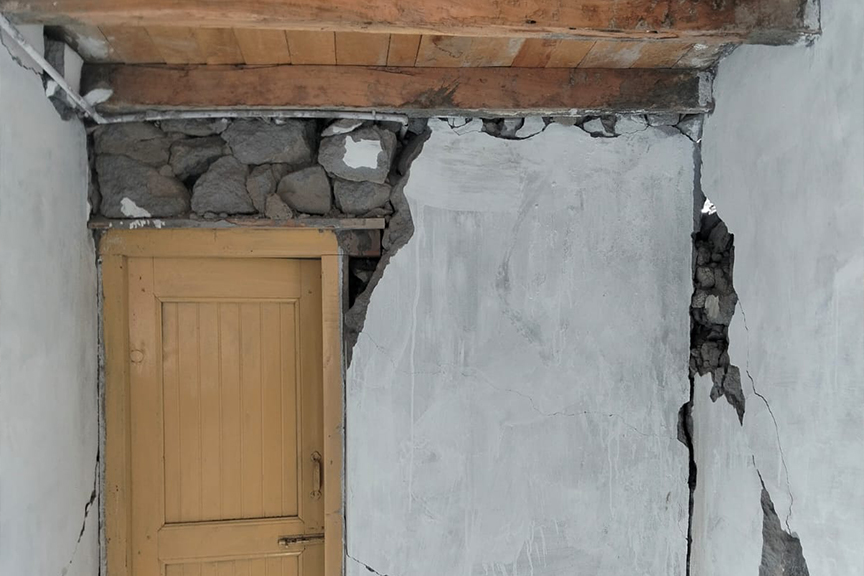
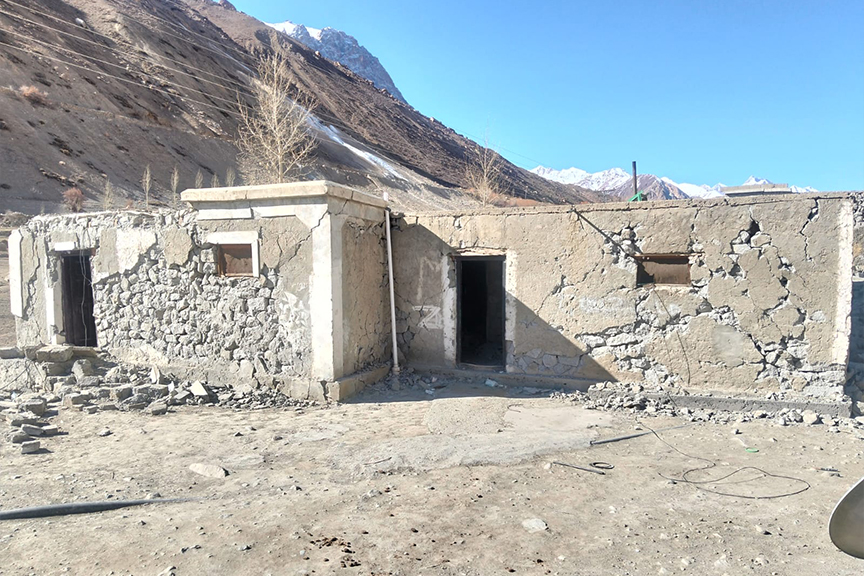
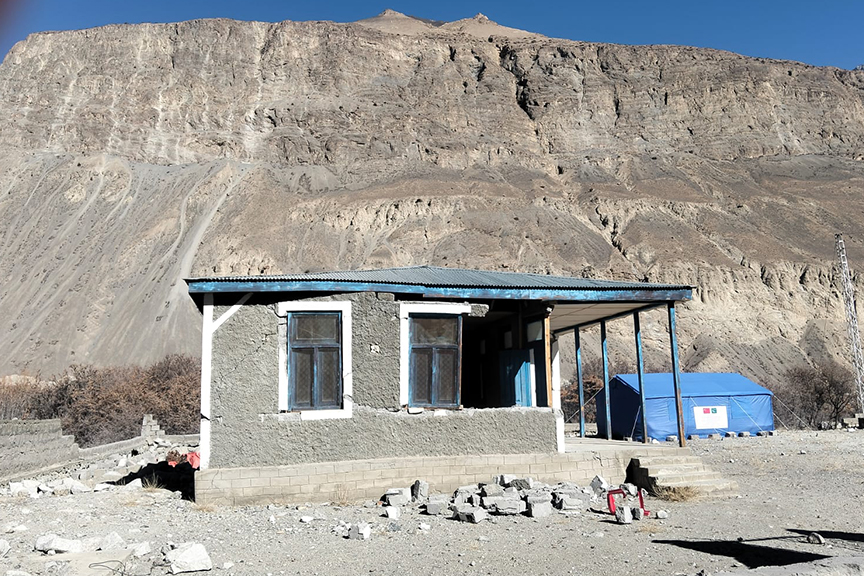
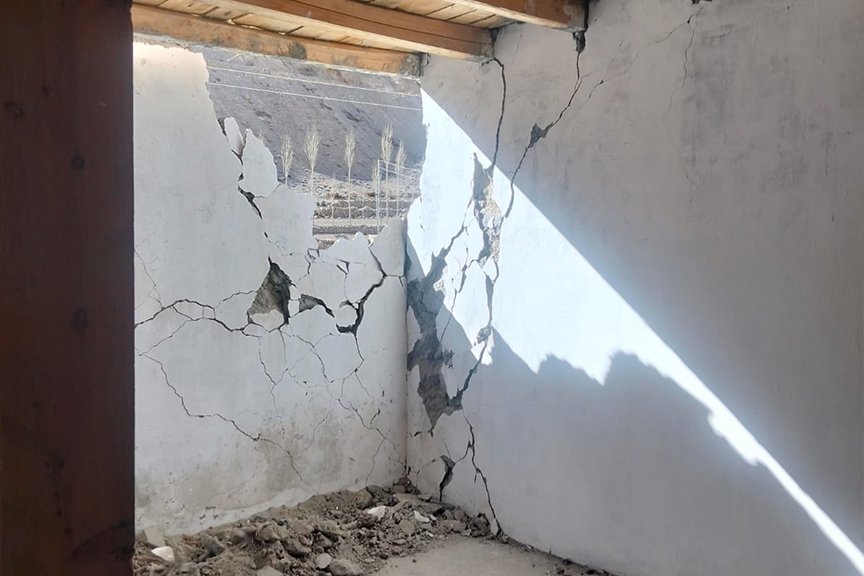
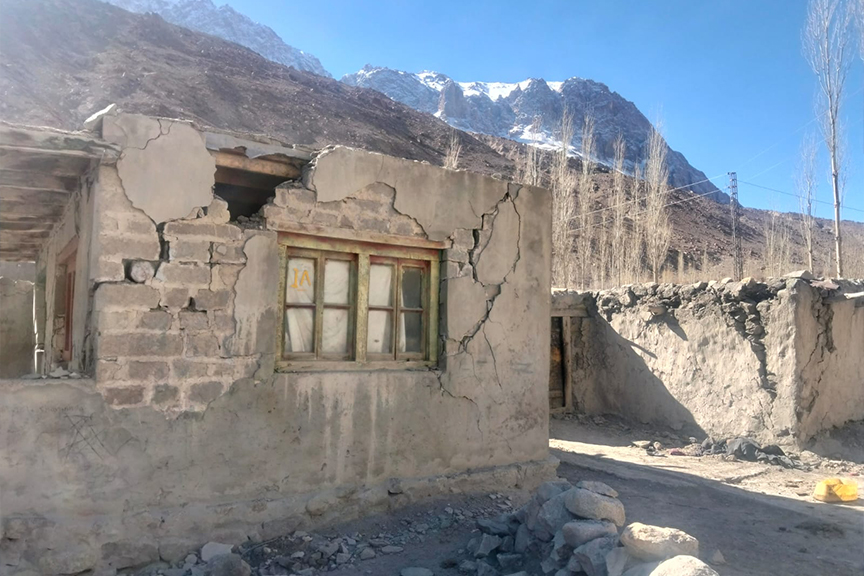
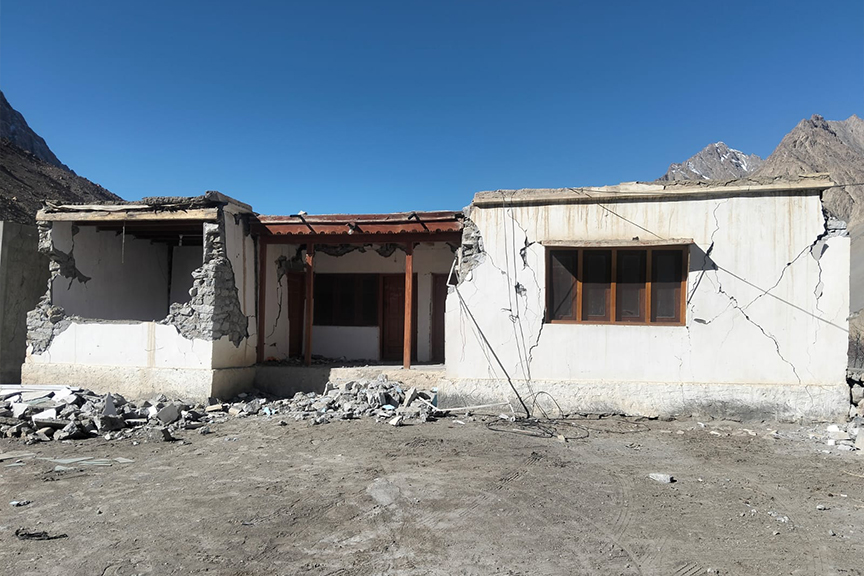
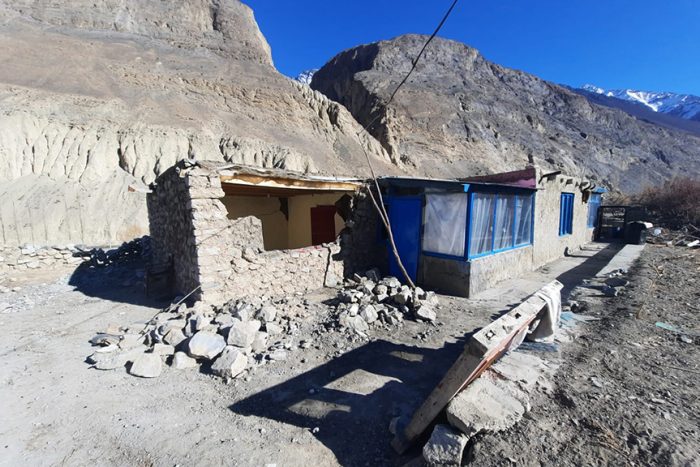
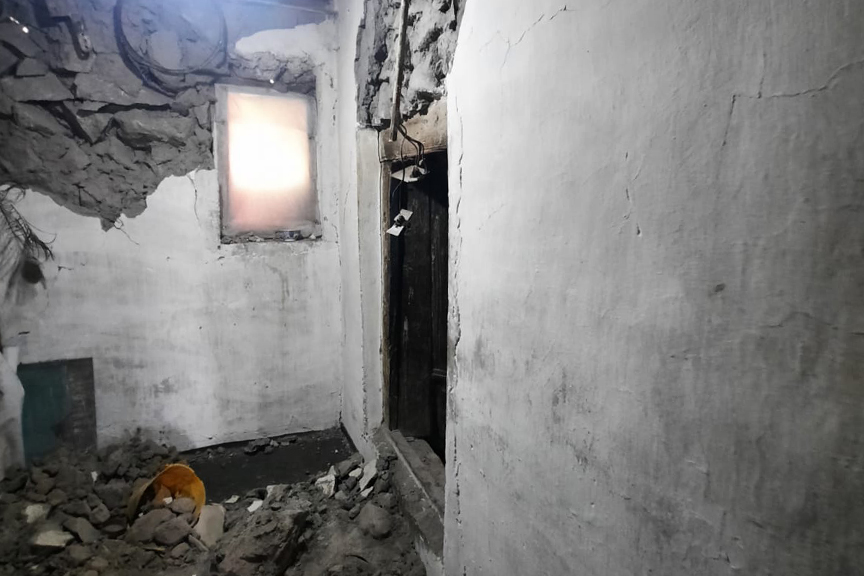
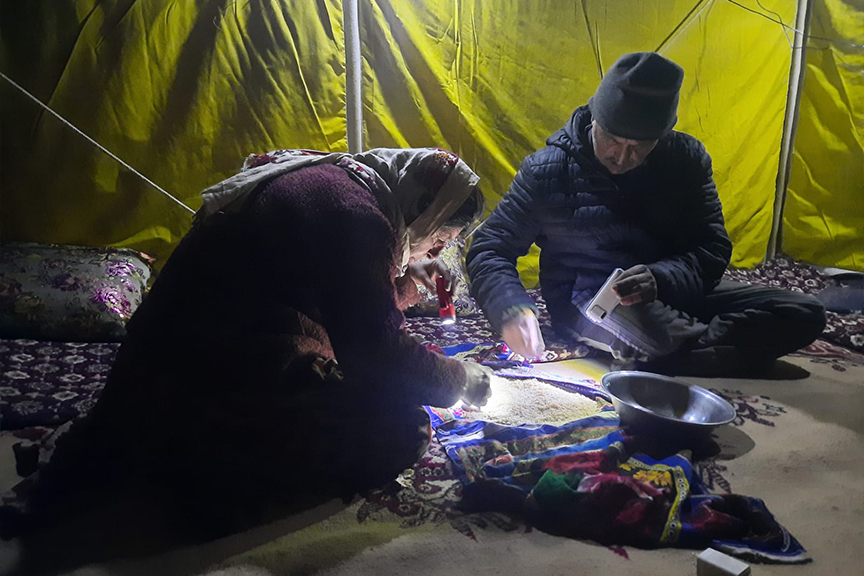
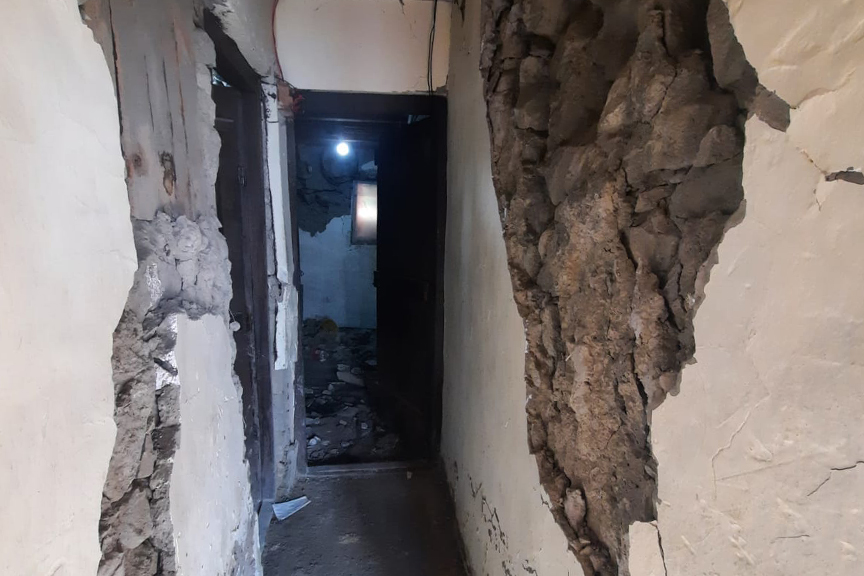
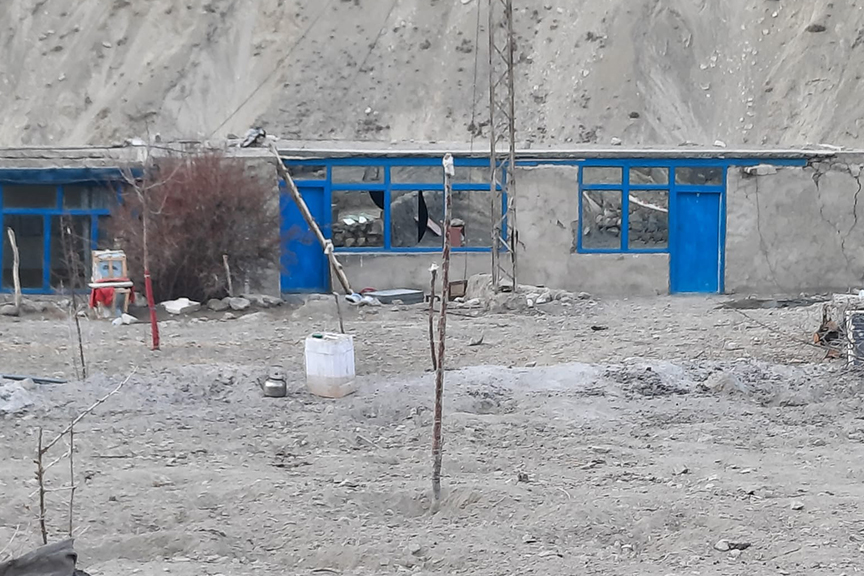
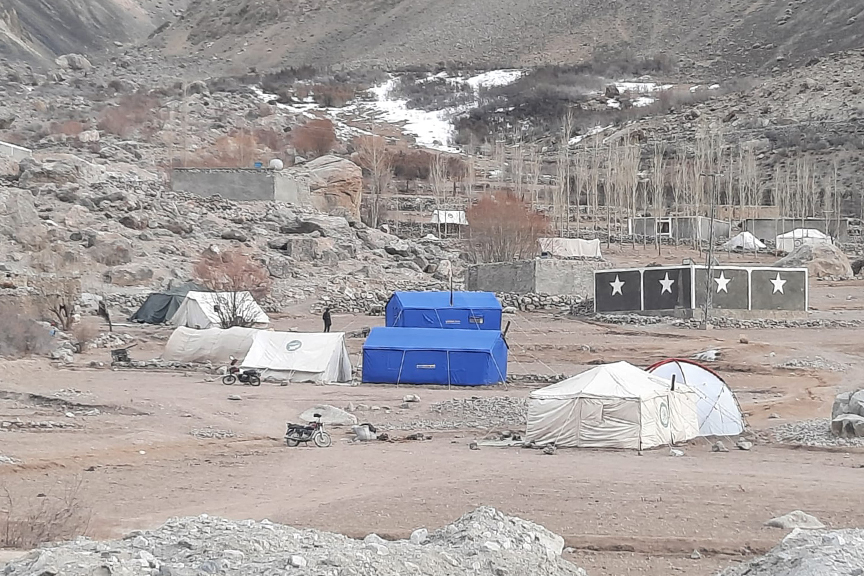
At least 11 villages were affected, with Zoodkhun and Shetmerg among the hardest hit. Nearly 2,500 people across 500 households were impacted. Between 210 and 300 homes, built largely of stone, mud, and timber, collapsed or were rendered unsafe. Landslides cut off road access, isolating communities already battling extreme weather. Livestock sheds crumbled, leading to significant animal losses, a devastating blow in a region where animals are central to survival. With temperatures dropping to –20°C, families were forced to seek refuge in tents pitched over frozen ground. Nights were brutal, the cold seeping through fabric and blankets, while every aftershock revived panic and trauma.

Amid these statistics is the story of one mother.

That morning, she was preparing tea when the first tremor rattled her home. Her son had been playing outside moments earlier. Instinctively, she ran to find him, but in the confusion, he had rushed back inside. Within seconds, the house collapsed. Dust and debris filled the air. Amid the chaos, she heard his faint voice beneath the rubble. Neighbours rushed to help, digging with bare hands and shovels. Hours of desperate effort finally pulled him out alive. Injured and in urgent need of care, he was evacuated by helicopter the following day. Today, he is physically recovering, but emotionally, the earthquake still grips him, startled by aftershocks, waking at night in fear, like many other children of the valley.

Relief efforts were initiated by the Gilgit-Baltistan Disaster Management Authority (GBDMA) and local NGOs, distributing tents, blankets, food packs, and kerosene heaters. Yet ongoing aftershocks, blocked roads, and extreme cold slowed assistance, creating a critical humanitarian situation.

For the people of Chupurson, survival is not new. But this disaster has left scars deeper than cracked walls and fallen roofs. It has shaken a community already living on the edge of geography and climate. Rebuilding will require more than bricks and timber, it will require restoring a sense of safety in a land where the earth itself has become uncertain.

Community World Service Asia’s (CWSA) Mental Health and Psychosocial Support (MHPSS) Response

In response to the earthquake, Community World Service Asia (CWSA) is supporting local communities with emergency winterisation assistance along with Mental Health and Psychosocial Support (MHPSS) sessions, specifically requested by families enduring freezing temperatures and difficult conditions. Children were traumatised and frightened, and many families refused to return to their cracked homes.

Through its MHPSS initiatives, which are financially supported by Week of Compassion (WoC), CWSA has conducted 10 sessions, directly reaching 352 individuals, including affected community members and internally displaced persons (IDPs). In addition, 27 one-on-one counseling sessions are also provided to youth and elders, offering targeted psychosocial support.

The team also responded to a special request from the Gulmit Council to facilitate a dedicated session for 28 youth IDPs from Chitral (Baroghol), who had been hosted by local families in Gulmit for the past three years. A comprehensive full-day session was conducted, providing them with tailored support and engagement.

These interventions not only address immediate trauma but also contribute to strengthening resilience, restoring hope, and reaffirming community solidarity in the face of disaster.

In Chupurson Valley, the earth may have trembled, but the spirit of its people, supported by collective action and compassion, remains unshaken.

Imtiaz Bibi, a mother of four from Talidas village, represents the experience of many women whose livelihoods and homes were completely destroyed by the 2025 floods1 in various villages of district Ghizer, Gilgit-Baltistan. Before the disaster, she worked in agricultural fields and orchards, cultivating crops and selling fruit and wood to cover her household expenses and her children’s education.

Despite the challenges her family faces, Imtiaz Bibi ensures all four of her children remain in school. Her youngest attends Early Childhood Development classes, while the older three are progressing through Grades 10, 9, and 6. Together, their education costs amount to around PKR 15,000 (approximately USD 54) each month, a significant expense for the family. With her husband, Ijlal Hussain, currently unemployed, the couple works side by side in the fields, relying on farming as their primary source of income to sustain their family and keep their children’s education on track.

“Before the floods, we worked on our fields and orchards and sold fruit and wood. The income covered my children’s education and our yearly household needs,” she shared.

The couple sold fruits such as apples, cherries, pears, apricots, almonds, and grapes. Their total earnings before the flood amounted to PKR 450,000 (approx. $ 1,600). This income was sufficient to cover her basic household needs, including kitchen expenses and construction costs, as well the children’s monthly school fee of about PKR 28,000 (approx. $100-101).

The floods washed away her home, farmland, orchards, and all sources of income. They had two houses constructed with cement. One house consisted of four rooms, while the other had six rooms. Like many families in Ghizer, Imtiaz Bibi and her family took shelter in tents on higher ground for several days before moving in with relatives for sometime, who live in a nearby village, due to fear of further flooding. However, due to limited space, they later moved to a tent.

“We lost everything; our house, crops, and orchards. We lived in a tent for 10 days and then moved to our relatives because we were afraid the flood would return,” she said.

Humanitarian assistance played a critical role in helping her family stabilise. Community World Service Asia (CWSA) provided food and cash assistance, with funding from ACT Alliance.

The project was implemented in coordination with Agha Khan Development Network (AKDN) to obtain primary data on flood-affected communities. At the start of the project, the CWSA project team coordinated with district-level stakeholders, including AKDN, Gilgit-Baltistan Disaster Management Authority (GBDMA), the Social Welfare Department, and NGOs/civil society organisations, to collect primary data and avoid duplication of assistance.

The food assistance by CWSA comprised 100 kg of flour, 7 liters of cooking oil, 4 kg of sugar, 1 kg of salt, and 8 kg of pulses. Currently, the family is eating two meals a day, which consist of a balance of staple foods supported through humanitarian assistance. The family also received multipurpose cash assistance in three installments of PKR 30,000 PKR (approx. USD 108) each, totaling PKR 90,000 (approx. USD 324) over a period of three months.

The project supported a total of 264 families across three Tehsil Headquarters (THQs) in District Ghizer including 157 families in THQ Gupis, 83 families in THQ Ishkoman, and the remaining families in THQ Punyal.

“CWSA supported us with food and cash. We used the cash to hire labour and cover construction costs. At that time, my husband had no work, so this support helped us begin rebuilding our lives,” Imtiaz Bibi shared.

The construction of a new house was made possible through the University of Lahore (UOL), which invested PKR 200,000 (approx. USD 720). Although the house has been rebuilt, the family has not yet moved in due to extreme cold weather and the unavailability of water. Currently, they are temporarily living in their shop, which they vacated for this purpose.

Since receiving assistance, their living conditions have significantly improved. The new house, financial support, and food rations have greatly reduced their hardships and enhanced their overall well-being.

Despite ongoing uncertainty, Imtiaz Bibi remains hopeful. Her story reflects the resilience of women who, even after losing everything, continue to prioritise their children’s education and work steadily towards recovery. The children have resumed attending school, which is within walking distance of their relatives’ house. During the floods, the school was submerged, and the children were unable to attend classes for two months. Once the water receded, the school reopened and classes resumed.

Imtiaz Bibi’s path to recovery involves continued financial support, access to basic necessities such as food rations, and having a stable home. These things are essential to improving her living conditions and reducing hardships. Although it is not yet clear whether the damaged land can be fully restored, agriculture remains their main source of income, so they plan to try again. When the next agricultural season arrives, they intend to resume crop cultivation and replant their fruit orchards.


  1. https://www.aljazeera.com/news/2025/7/22/rains-flash-floods-kill-21-in-pakistan-tourists-rescued-in-hilly-north ↩︎

When the earthquake struck Chupurson Valley in January, lives were shattered. Homes split open, families endured nights at –20°C in scattered tents, and fear became part of daily life.

CWSA’s frontline team journeyed across mountains to stand with communities in their darkest hour. In just four days, the team has facilitated structured mental health and psychosocial support sessions for over 230 participants so far— men, women, children and elderly who bravely shared their stories of trauma, resilience, and hope.

But survival needs remain urgent: warm insulated tents, winter clothing, bedding, medicines, hygiene supplies, and dignity kits for women and girls.

This response was made possible through the solidarity of our partners, Week of Compassion. Together, we are helping families heal and rebuild with dignity.

▶️ Watch the full story in our video.

Overview

On 19 January 2026 at 11:21 hours (Pakistan time), a magnitude 5.8 earthquake struck Gilgit-Baltistan. The USGS reported the epicentre approximately 50 km north-northwest of Karimabad, Hunza, near the Yash Kuk Glacier in Chipurson Valley, and around 10 km from Zudkhun village, at a focal depth of ~35 km [9]. The Pakistan Meteorological Department (PMD) noted the epicentre near north-western Kashmir, at a shallow depth of 10–35 km. Tremors were widely felt across Hunza, Nagar, Gilgit, Ghizer, and Diamer, as well as parts of Khyber Pakhtunkhwa and Islamabad.

The earthquake triggered widespread rockfalls, particularly in Chipurson Valley, causing severe structural damage and making many homes unsafe. Minor injuries were reported among children, and livestock shelters collapsed, threatening livelihoods. Ongoing aftershocks since October 2025 have caused anxiety among residents, many of whom are reluctant to return home. Harsh winter conditions, with temperatures falling to –20°C, have increased the risk to life and wellbeing.

Impact

The earthquake has severely affected 11 villages, leaving around 500 households (2,500 people) impacted. Casualties remain limited but include four injured, two children in Zudkhun and two adults in Shetmerg, all receiving medical care, with further assessments ongoing in remote settlements.

Infrastructure damage is extensive: over 210 houses collapsed or became unsafe, with 150 completely destroyed. Public and community facilities such as schools, prayer halls, Jamatkhanas, and Rural Education Centers sustained major cracks. Water channels, micro hydropower systems, and cattle sheds were destroyed, resulting in livestock losses. Landslides and rockfalls blocked roads, disrupted electricity, internet, and communications, and cut off access to Chipurson Valley and parts of the Karakoram Highway.

Families have been forced into makeshift shelters or temporary camps under extreme winter conditions. Vulnerable groups, women, children, the elderly, widows, and persons with disabilities face heightened risks due to overcrowding, damaged housing, and limited access to essential services.

Emerging Humanitarian Needs

Emergency ShelterWinterised tents, tarpaulins, blankets, and warm clothing for families affected by infrastructure/ housing damage, prefabricated homes/sheds, energy and lighting
HealthHealth, Mental Health & PSS, and Protection aimed to support the entire valley, temporary medical services
FoodImmediate food rations & multipurpose cash support
Water & SanitationClean drinking water, hygiene, dignity & maternity kits, and sanitation facilities to prevent disease outbreaks
Psychosocial SupportPsychosocial Support for grieving families and children affected by trauma

Immediate priority actions include scaling up winterised shelter support, distributing winter NFIs (blankets, warm clothing, hygiene, and maternity kits), providing temporary shelters for unsafe homes, delivering in-kind food assistance, and deploying cash support for urgent winter needs. Distributions must be gender- and vulnerability-sensitive, accompanied by health and psychosocial services.

Relief & Response Overview

Relief efforts in Gilgit Baltistan are underway despite challenging access. Road connectivity to Reshet has been restored, and a medical camp set up in Shetmirg is providing care with doctors, paramedics, and Rescue 1122 support. District Disaster Management Authority (DDMA ) Hunza has distributed 250 food packs, blankets, kerosene heaters, kitchen sets, and tents to affected families. Senior government officials, including the Ministers for Interior and Tourism, visited Chipurson Valley on 21 January to meet communities and assess needs.

The Aga Khan Development Network (AKDN) has activated an Emergency Operations Centre in Gilgit, supported remotely from Islamabad. A helicopter mission on 20 January evacuated seven patients, including women and children, to Gilgit for treatment.

The Gilgit Baltistan Disaster Management Authority (GBDMA), working with the Aga Khan Agency for Habitat (AKAH), civil society organisations, and community emergency teams, has launched a rapid needs assessment in Chipurson Valley. Findings will guide coordinated support measures from the GB government, federal authorities, and civil society.

Local NGOs and community groups have mobilised resources such as firewood, tents, and food. Human rights organisations are highlighting gaps in evacuation procedures, medical support, and winterised shelters. While coordination with authorities exists, a systematic multi-agency coordination mechanism has not yet been fully established.

Pakistan’s UN cluster system offers a framework for sectoral coordination, though no formal cluster activation for Chipurson has been reported. NDMA, GBDMA, UNOCHA, and UN agencies have conducted preparedness exercises to strengthen earthquake response.

Community World Service Asia Response

Community World Service Asia (CWSA) continues inter-agency coordination and rapid assessments in Hunza District and as the situation evolves, it calls on partners and humanitarian actors to join them in scaling up coordinated response efforts and providing timely winter assistance to Chipurson Valley, Upper Hunza, where affected communities face immediate survival risks. Built on existing local networks and partnerships, the response will remain adaptive, inclusive, and community-driven.

Response Plan includes:

  • Winterisation Assistance: Distribution of winterisation kits to vulnerable households to reduce exposure to extreme cold, prioritising families with damaged shelters, elderly members, women-headed households, and children.
  • Non-Food Items (NFI): Provision of essential NFIs to households that have lost or damaged basic household items due to the earthquake.
  • Multipurpose Cash Assistance (MPCA): Provision of cheque-based MPCA to enable affected households to meet urgent needs, including food, winter items, healthcare, and minor repairs in a dignified manner.
  • Reinforcement of humanitarian Quality, Accountability & Safeguarding mechanisms to ensure dignity and community engagement throughout the respone
  • Gender-Sensitive Aid Distribution: Ensuring equitable access for women and girls

A multi-sectoral team is on standby for rapid deployment, ensuring that our response remains adaptive, inclusive, and locally led. CWSA’s planned response integrates gender-sensitive measures across all areas of intervention.

Contacts

Shama Mall
Deputy Regional Director
Programs & Organisational Development
Email: shama.mall@communityworldservice.asia
Tele: 92-21-34390541-4

Felix Dennis Joseph
Associate Regional Director
Email: dennis.joseph@communityworldservice.asia
Tele: 92-51-2307484-5

Palwashay Arbab
Head of Communications
Email: palwashay.arbab@communityworldservice.asia
Tele: 92-21-34390541-4


References

  • (The Express Tribune)
  • (Pakistan Today)
  • (Dawn)
  • (ProPakistani)
  • Local Reports – ASWED (Association for Social Welfare & Educational Development) (internal/field source)
  • KADO Rapid Assessment Report, January 2026 (unpublished/internal)
  • AKAH/AKDN Disaster Assessment Report, January 2026 (unpublished/internal)
  • USGS Earthquake Data & Pakistan Meteorological Department (PMD)