Deepening Local Sovereignty: Transitioning a Decade of Health and Education Empowerment in Umerkot
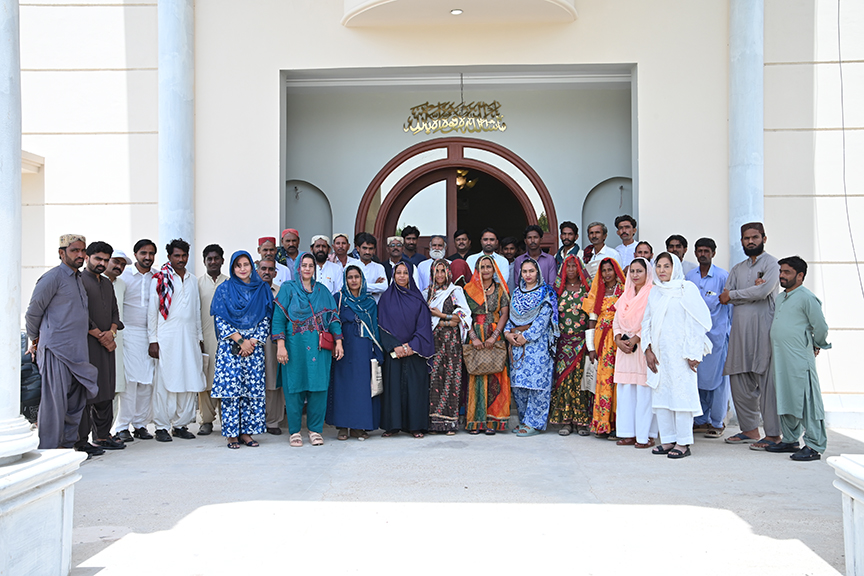
On June 30, 2026, Community World Service Asia (CWSA) hosted a Project Completion Ceremony in Umerkot, celebrating more than a decade of impactful community transformation under the project “Improving Health and Education Services in Migration-Prone Union Councils.”
Implemented from 2015 to 2026 in close partnership with Act for Peace (AFP), DFAT–AusAid, and local district authorities, the initiative significantly expanded access to quality healthcare and basic education for highly vulnerable, climate-and economic-migration-affected communities. By institutionalising systemic support alongside the District Health, Education, and Administrative departments of Umerkot, the project built resilient, community-led foundations for long-term, sustainable service delivery.
Health Project Implementation Phases
The project was implemented in three phases:
- Phase I (2015–2018) Support was provided in three Rural Health Centres (RHCs)
- Phase II (2018–2021) Support was provided to two Taluka Hospitals (THQs) Pithoro and Samaro
- Phase III (2022–2026) Four Government Dispensaries (GDs) were strengthened in three union councils Kaplore, Sekhro and Faqeer Abdullah
- Government Dispensary Ramsar
- Government Dispensary Jhamrari
- Government Dispensary Cheelband
- Government Dispensary Kaplore
Following the project’s completion, all four Government Dispensaries were formally handed over to the District Health Department to ensure their continued management and sustainability.
Key Health Achievements
From 2015 to 2026, through the project, Community World Service Asia (CWSA), expanded community-based health and resilience programming positively impacting over 700,000 people across underserved areas in District Umerkot.
To ensure equitable access to dignified healthcare and strengthen Maternal, Newborn, and Child Health (MNCH) outcomes, the project focused on system strengthening and community empowerment by:
- Delivering Comprehensive Primary Healthcare: Providing essential preventive and curative services, including free medicines via multi-disciplinary teams of Medical Officers, Lady Health Visitors, Medical Technicians, and Social Mobilisers.
- Strengthening Local Health Systems: Upgrading and renovating government health facilities while building the technical capacities of local healthcare providers.
- Fostering Local Ownership: Establishing and mentoring village-level Health Management Committees (HMCs) to promote community-led health governance.
- Expanding Immunisation & Prevention: Mobilising local communities to support routine immunisations and district-wide polio campaigns in close coordination with the District Health Department.
Reaching the Most Remote Communities
In parallel, CWSA partnered with Presbyterian Disaster Assistance (PDA) to deploy Mobile Health Units (MHUs) across the drought-affected Union Councils of Kaplore, Sekhro, and Faqeer Abdullah. By taking primary healthcare, MNCH care, health education, and referral pathways directly to remote and isolated settlements, these mobile teams bridged critical gaps where static health infrastructure was unavailable.
Education Achievements
Alongside its healthcare interventions, the project made a significant contribution to improving access to quality education in District Umerkot through a comprehensive approach that strengthened enrolment, teaching quality, school governance and the learning environment.
The project supported 350 government primary schools, benefiting approximately 70,000 students across the district. School enrolment campaigns encouraged out-of-school children to enrol and attend classes regularly, while community awareness sessions promoted girls’ education by engaging parents, teachers and local leaders to address barriers to education.
To enhance students’ overall development, the project organised extracurricular activities that promoted confidence and active participation in school life.
In collaboration with the District Education Department, approximately 4,000 government primary school teachers received training in inclusive education and multi-grade teaching methodologies. The training equipped teachers with practical skills to manage diverse classrooms and adopt more interactive, child-centred teaching approaches, contributing to improved engagement and learning outcomes.
The project also strengthened school governance by building the capacity of 200 School Management Committee (SMC) representatives. Training focused on governance, monitoring, community mobilisation and effective resources management, enabling SMCs to play a more active role in improving school performance and accountability.
To improve the learning environment, Community World Service Asia provided participating schools with essential teaching and learning resources, including whiteboards, shelves, seating mats, chairs, water coolers, stationary, multi-grade teaching kits, school bags, water bottles, sports equipment, swings and audio-learning devices.
These resources enhanced classroom conditions by equipping teachers and students with the tools needed for effective teaching and learning. Recreational facilities, including swings and sports equipment, also helped create more child-friendly learning spaces that support students’ well-being. Together, these interventions have contributed to safer, more inclusive and better-equipped schools across District Umerkot.
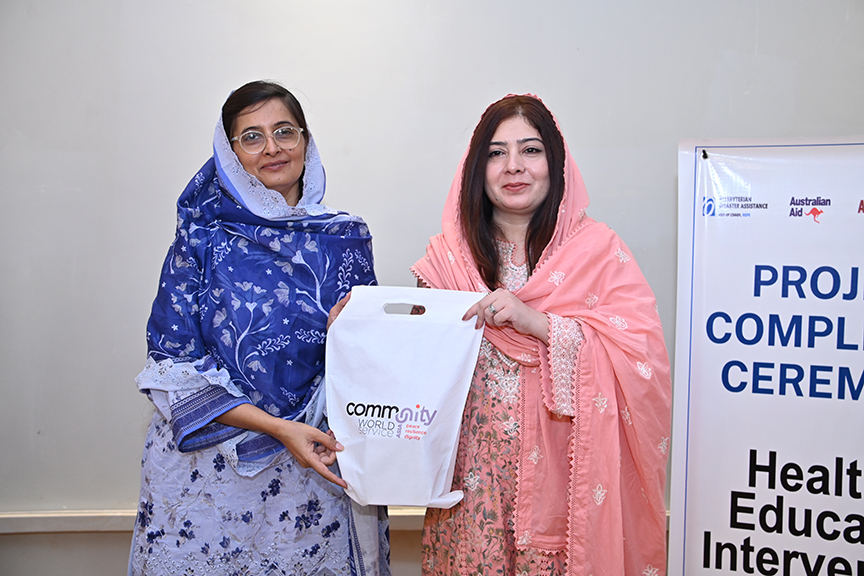
Marking a Milestone in Sustainable Community Transformation: Project Handover in Umerkot
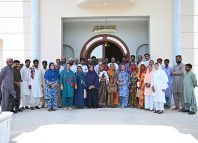
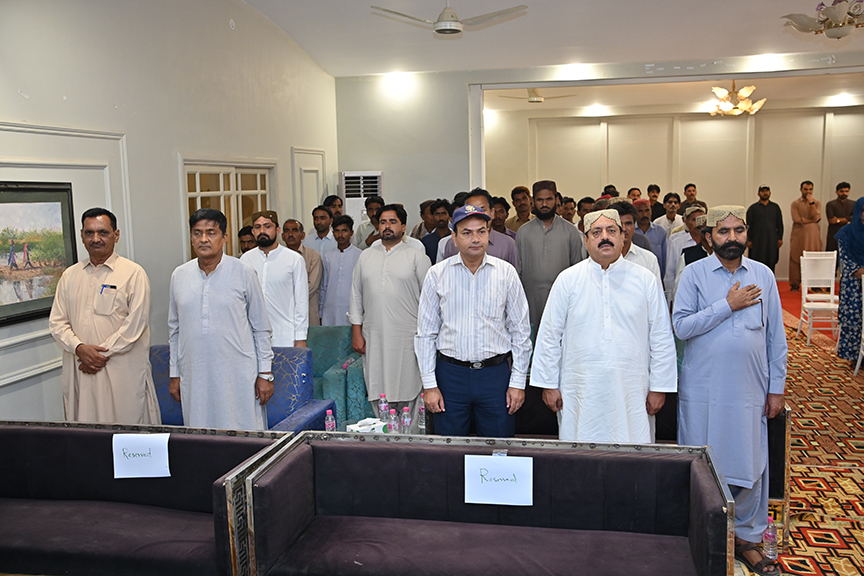
The Project Completion Ceremony in Umerkot served as a pivotal platform to reflect on a decade of community-led achievements, honour local partnerships, and solidify commitments toward sustaining essential services across District Umerkot.
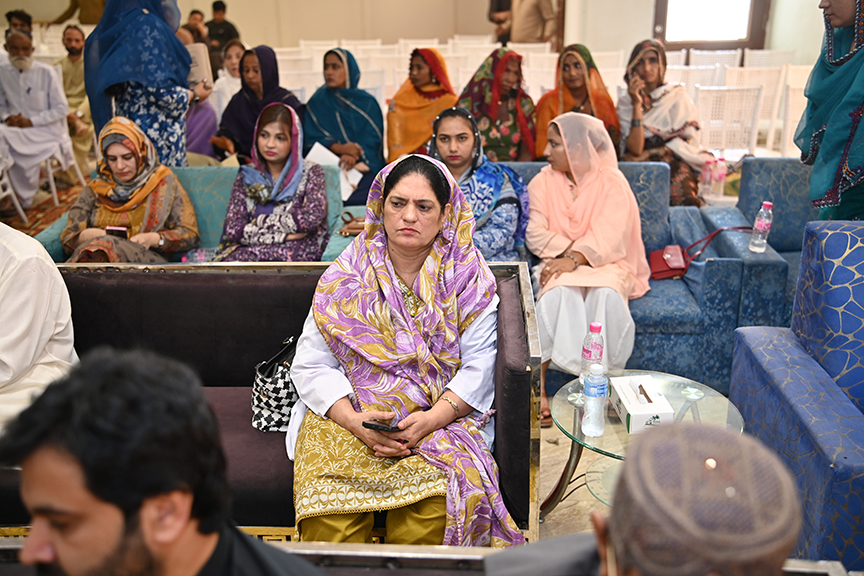
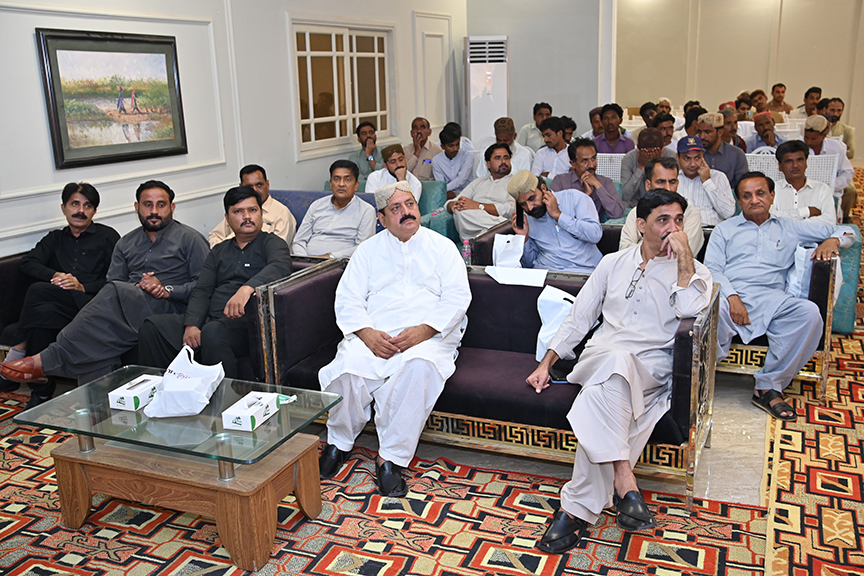
The gathering brought together a broad coalition of local stakeholders, including representatives from the District Administration, District Health and Education Departments, the Immunisation Department, the Community Midwife School Umerkot, the Department of Empowerment of Persons with Disabilities, civil society partners, educators, and community leaders.
A Decade of Impact and Transition
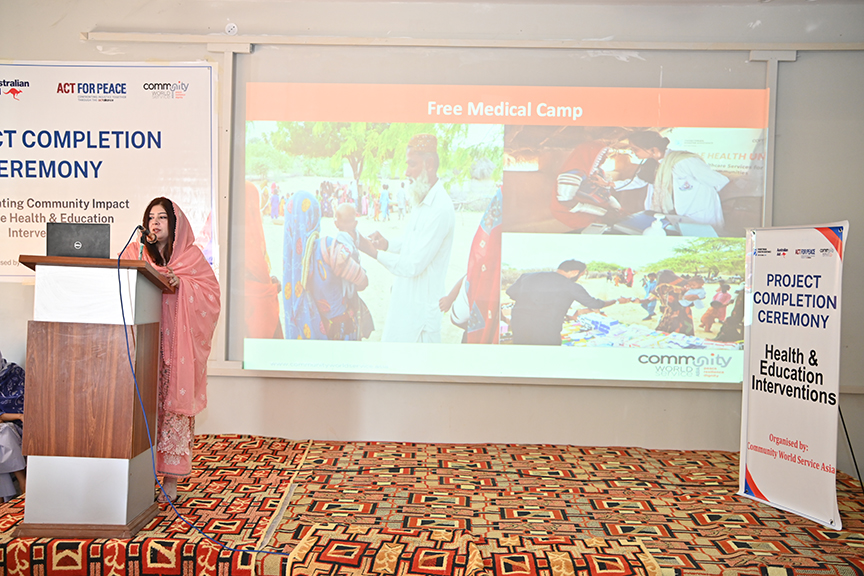
The ceremony opened with reflections from CWSA representatives and a retrospective presentation highlighting ten years of integrated health and education progress. A featured documentary illustrated the project’s journey, demonstrating how localised interventions have built lasting community resilience and institutional strength.
Key stakeholders highlighted the transformative shifts achieved over the past decade:
- Strengthened Primary Healthcare: Systematic support to public health facilities expanded Maternal, Newborn, and Child Health (MNCH) care, routine immunisations, and emergency responses to climate shocks like floods and heatwaves.
- Equitable, Quality Education: Teacher training and interactive learning methodologies improved classroom standards, boosted overall student enrollment, and significantly increased girls’ access to education.
- Institutional Sustainability: Local governance mechanisms, such as village-level committees and school management structures, were established to ensure communities remain active stewards of their own development.
Voices on Sustainability and System Integration
“Sustaining these achievements relies on the continued, shared commitment of government departments and local communities to ensure no child or family is left behind.”
Event Panelists
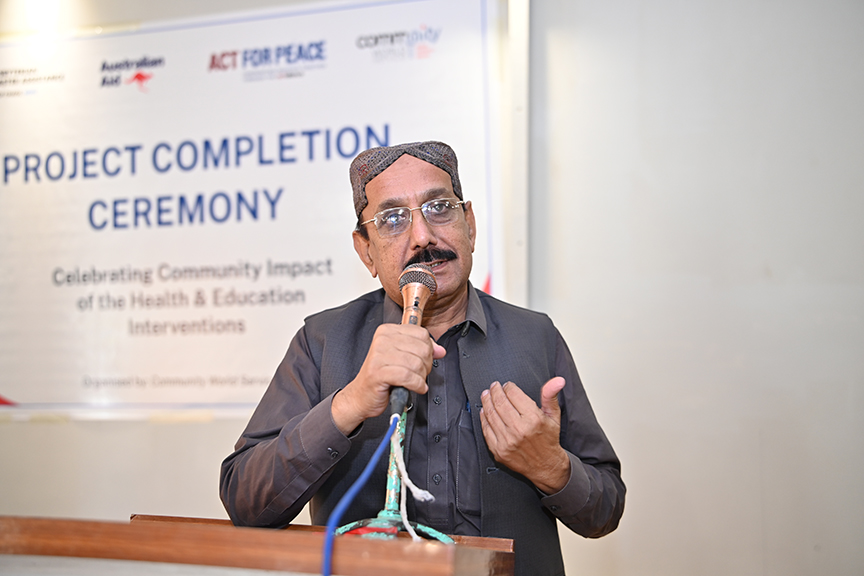
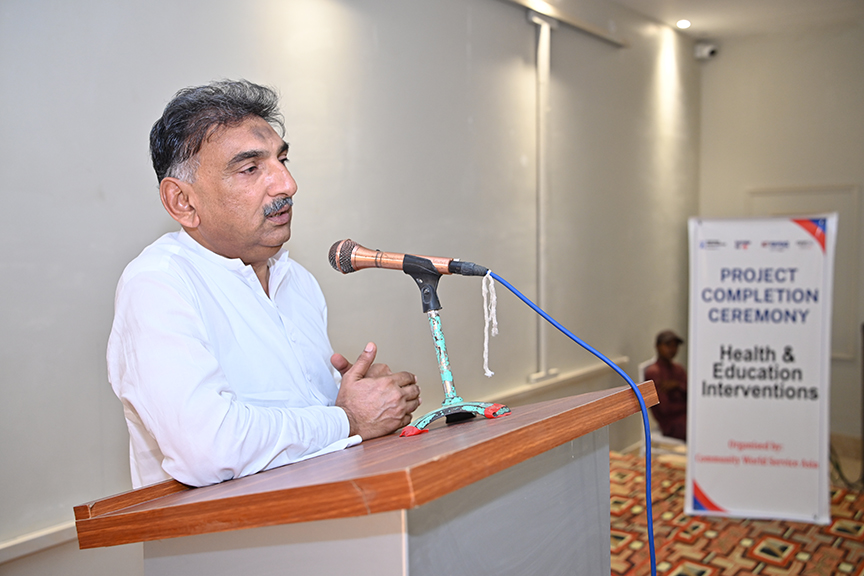
- Strengthening Public Health Infrastructure: Dr. Mohammed Ali Nohri, District Health Officer (DHO) Umerkot, emphasised how a decade of collaboration bolstered the capacity of government health facilities, frontline medical staff, and mobile health outreach in remote, underserved areas.
- Expanding Educational Equity: Mr. Mir Hasan Arisar, District Education Officer (ES&HS), noted that teacher capacity strengthening and community-school engagement have set a high benchmark for quality education, offering a sustainable model for broader district-wide replication.
- Fostering Transparent Partnerships: District Leadership and Education Focal Persons acknowledged the value of transparent, accountable collaboration between civil society and local government in delivering essential public services.
- Grassroots Transformation: Mr. Abdul Karim, a schoolteacher from Viklokar Village, shared how practical pedagogical training revolutionised classroom environments, increased girls’ retention, and fostered stronger trust between schools and rural families.
A Shared Commitment to the Future
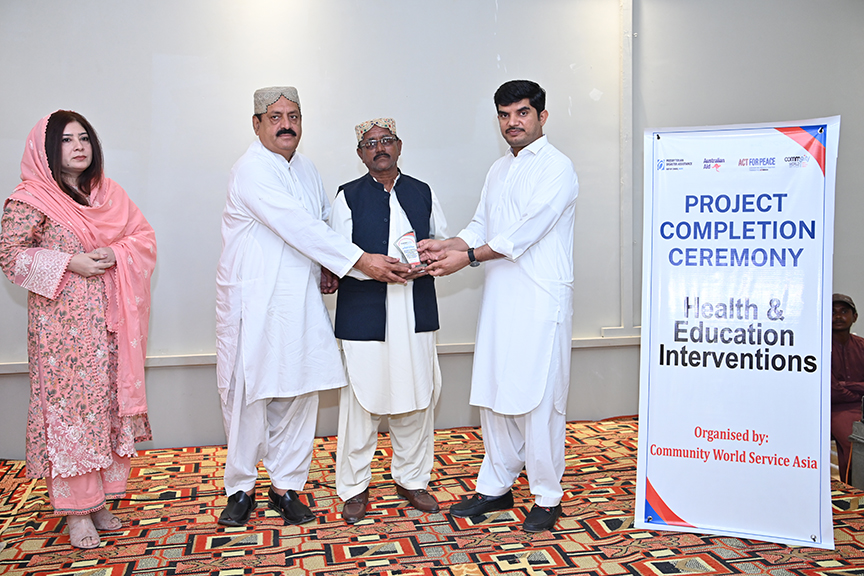
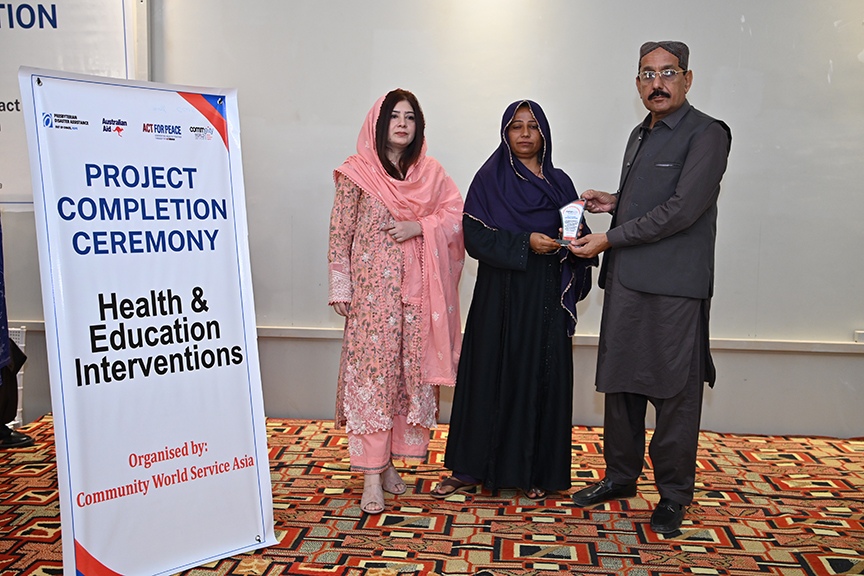
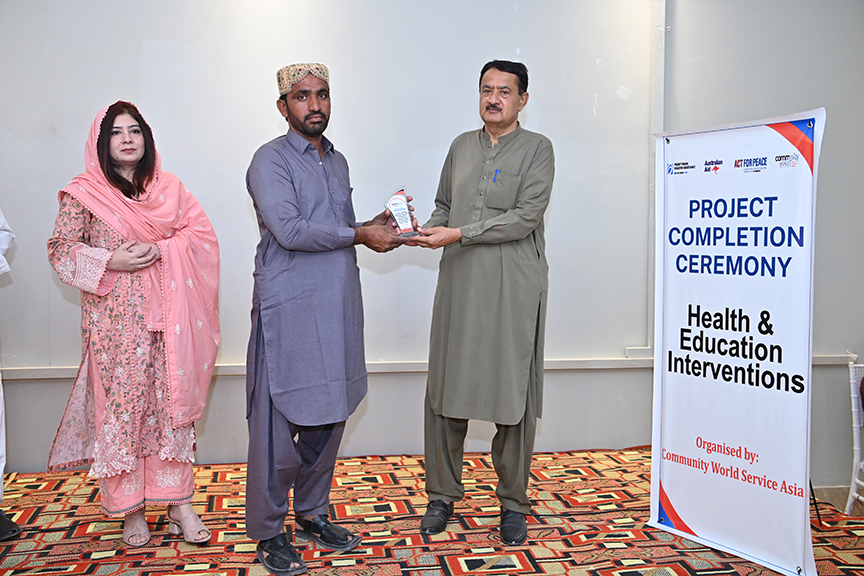
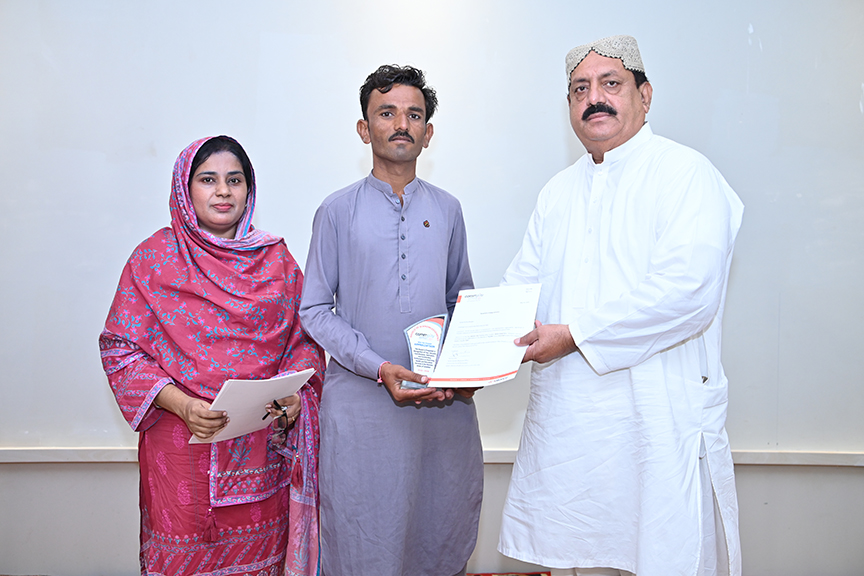
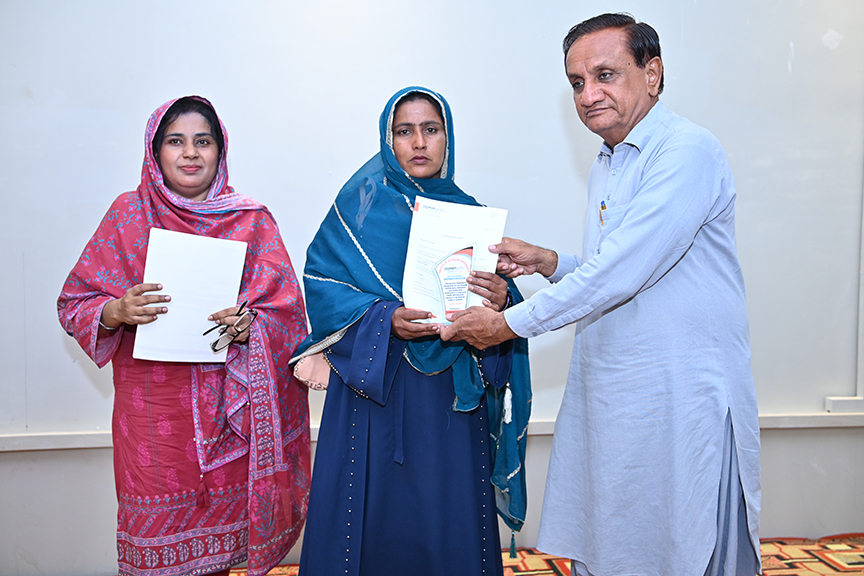
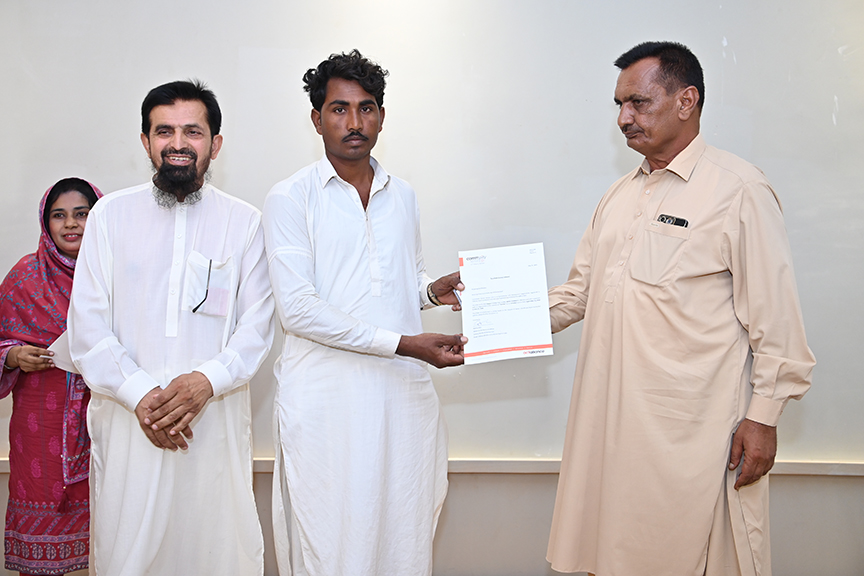
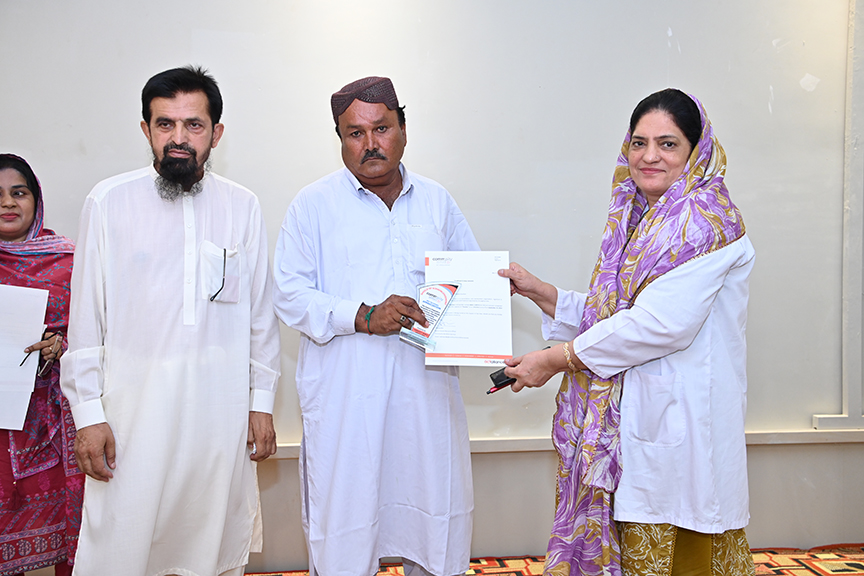
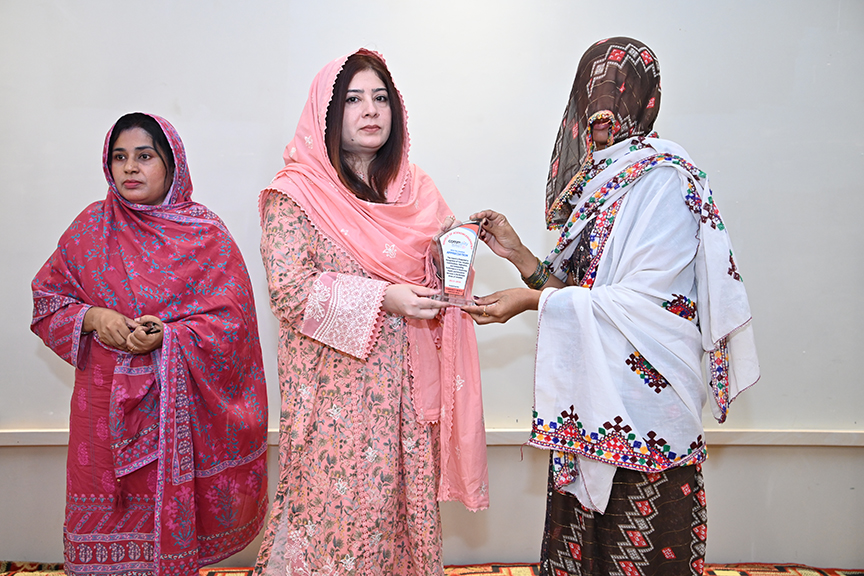
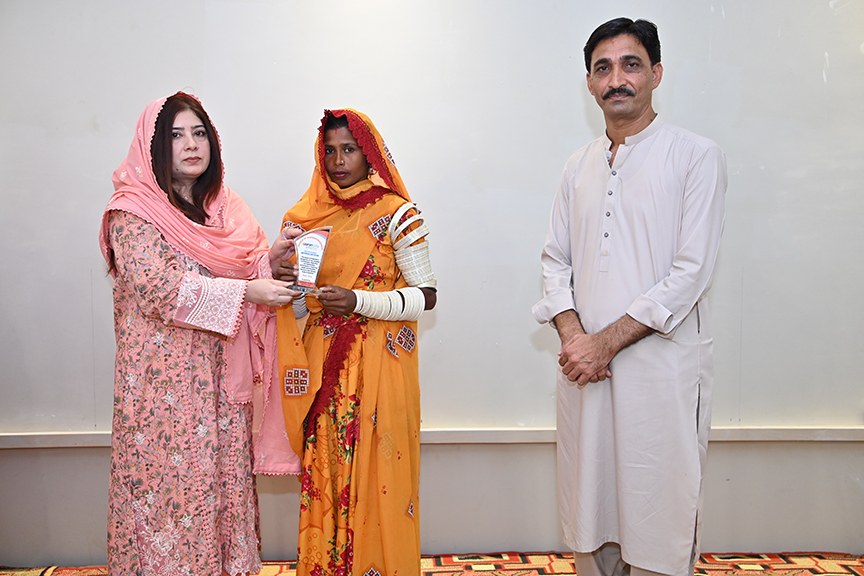
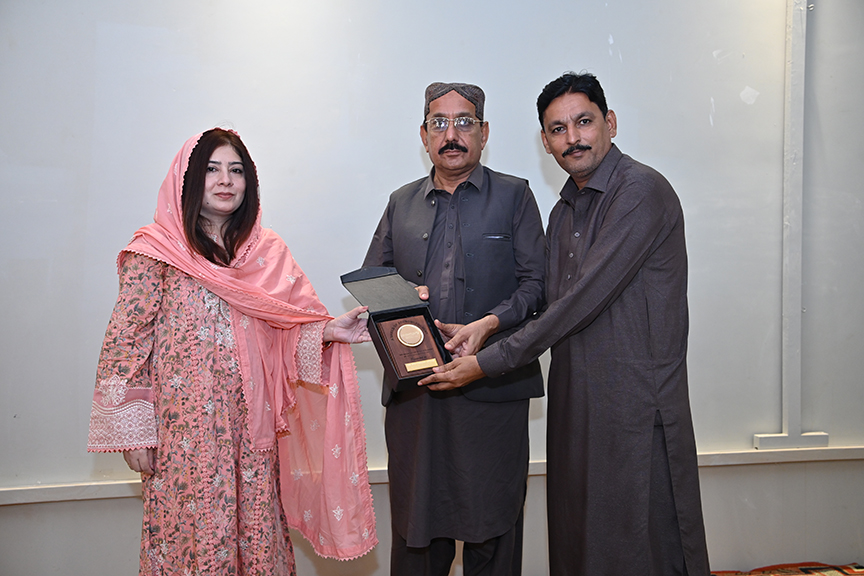
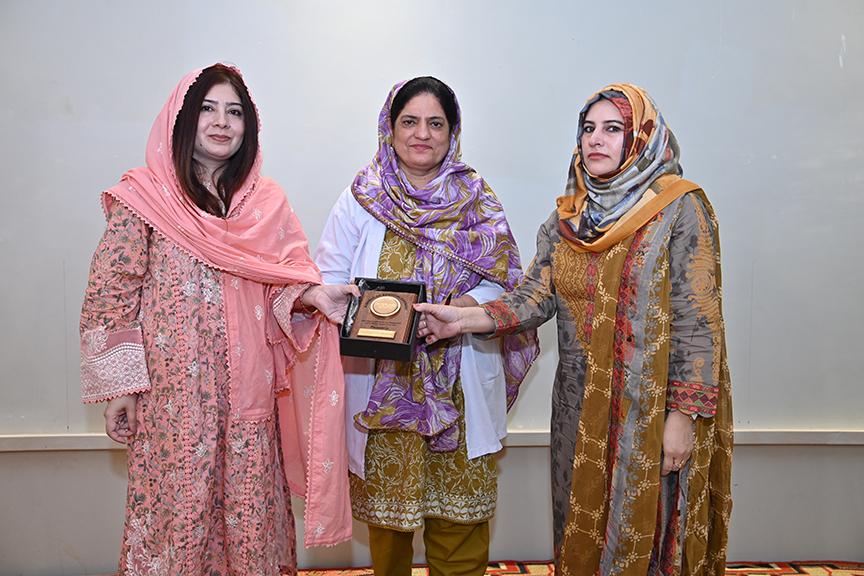
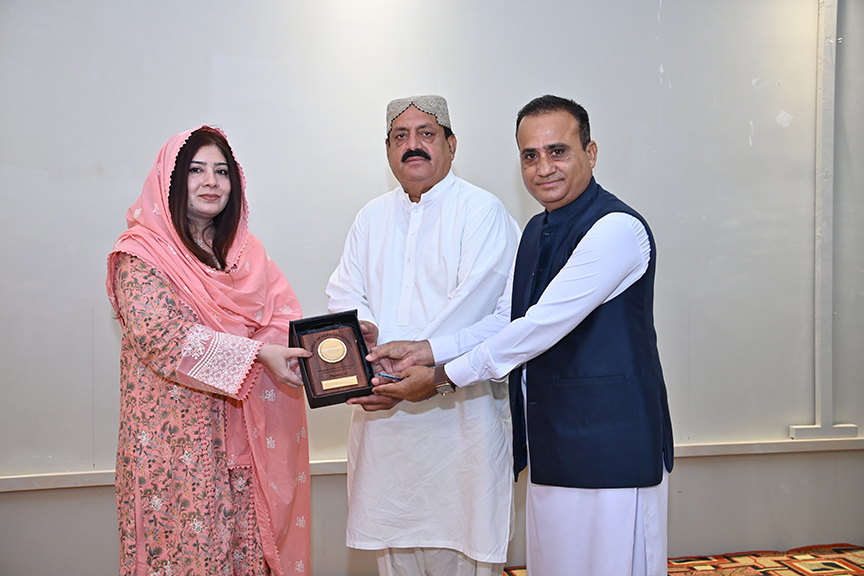
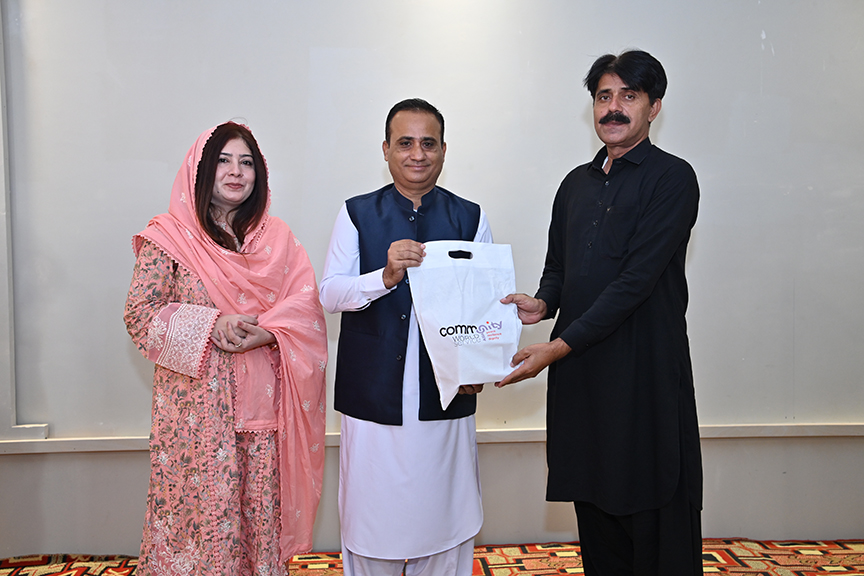
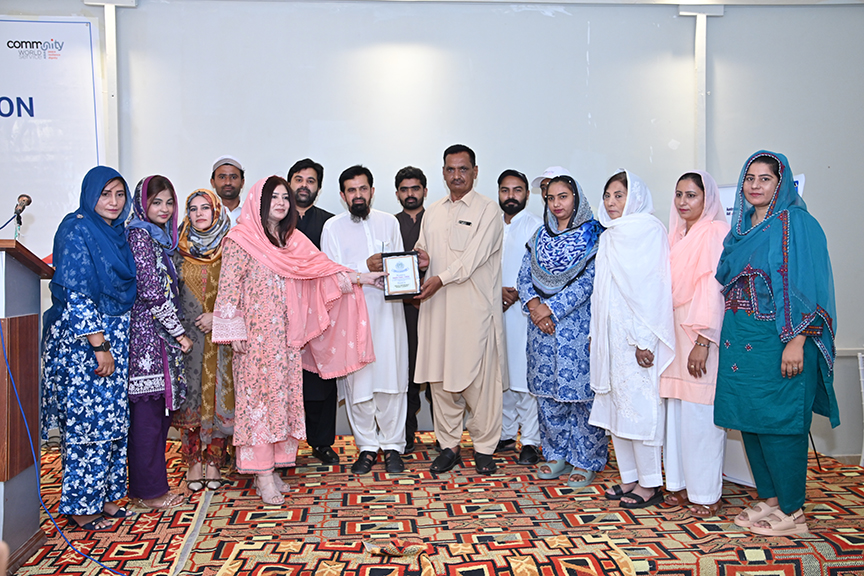
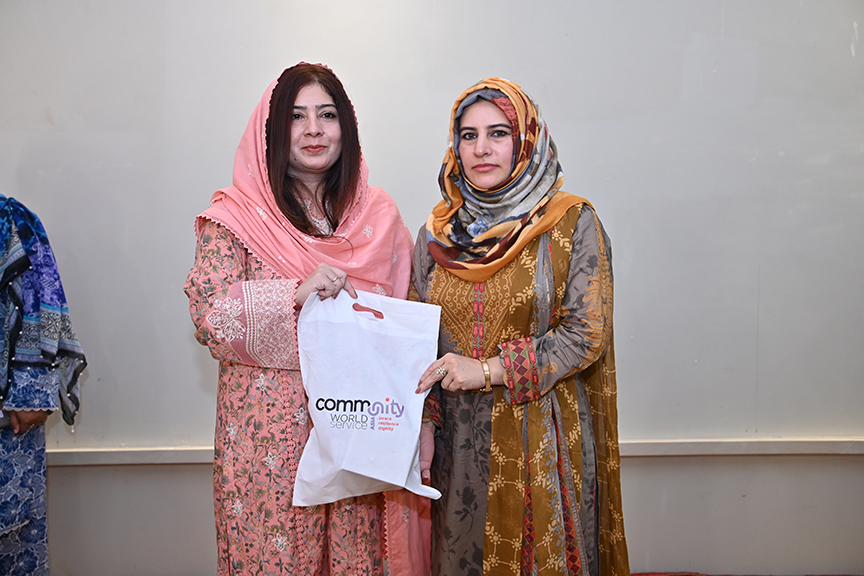
The event concluded with symbolic handovers and mutual recognition between CWSA, local government authorities, educators, and community focal points, underscoring a shared journey of localised leadership and mutual trust.
As the project transitions fully into local hands, CWSA extends its deep gratitude to Act for Peace (AFP), the Australian Government (DFAT-AusAid), Presbyterian Disaster Assistance (PDA), local government line departments, educators, and community volunteers. Their unwavering solidarity over the last eleven years has ensured that quality healthcare and education remain lasting rights for the communities of Umerkot.