Painted Pebbles, Quiet Healing: Supporting Displaced Children in Sost
Contributed by Sameena Jamshed
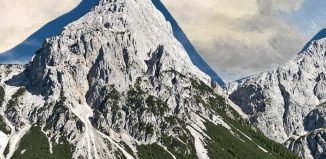
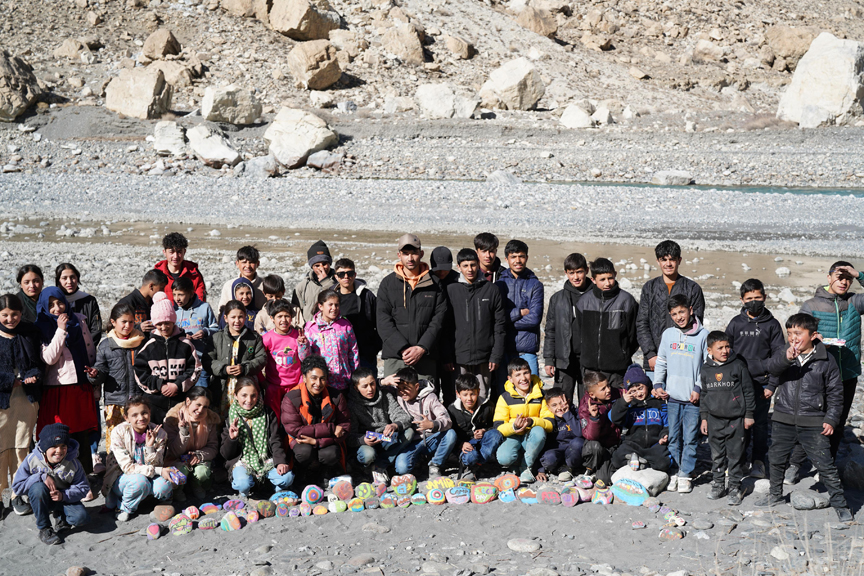
The winter wind moved sharply through the valley of Sost in Gilgit-Baltistan, carrying with it the quiet sound of a nearby river flowing between frozen stones. Snow rested lightly on the surrounding mountains, and the air was so cold that even breath turned into mist. It was here, beside the riverbank, that Community World Service Asia (CWSA) gathered a group of children and youth who had been displaced from the remote Chupursan Valley. These crisis-affected young people were forced to leave behind the valleys, homes, and memories that once shaped their everyday lives. In Sost they had found safety, but the loss of home and the uncertainty of the future often weighed heavily on their young hearts.
To help them reconnect with themselves and their surroundings, CWSA organised a mental wellbeing and meditation session in the open air, beside the river. Despite the bitter cold, the children gathered quietly on the riverbank. The mountains stood tall around them, silent witnesses to the moment.
A Mindful Beginning
With eyes gently closed and hands resting on their knees, the children listened to the natural rhythm of the valley, the soft rush of the river, the whisper of the wind moving through dry grass, and the distant calls of birds echoing across the mountains. For a few moments, the noise of worry faded. Breath by breath, the children learned to slow down, to feel the ground beneath them, and to simply be present in the quiet beauty of the landscape.
After meditation, the facilitator invited them to explore the riverbank.
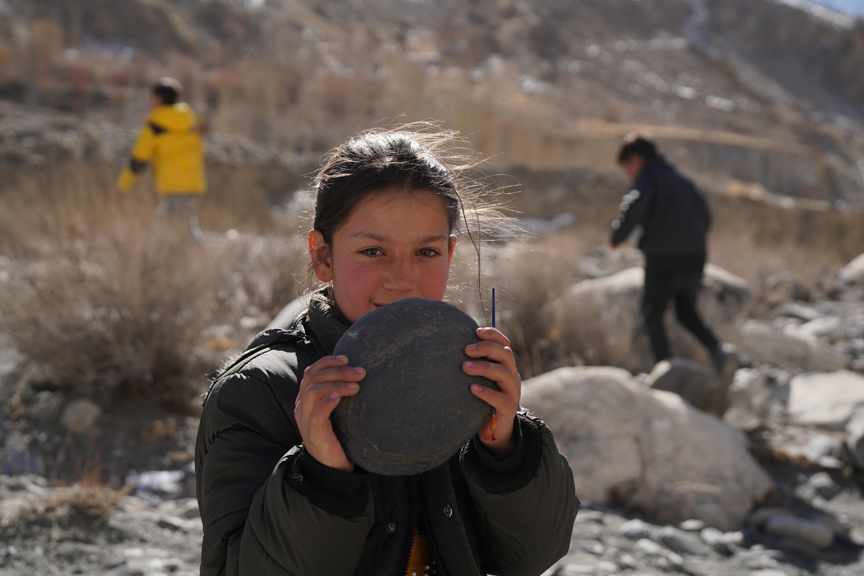
The children began collecting pebbles and small stones, turning them over in their hands, searching for shapes that felt special to them. Some chose smooth white stones, others picked darker pebbles worn soft by years of flowing water.
Then they began to paint.
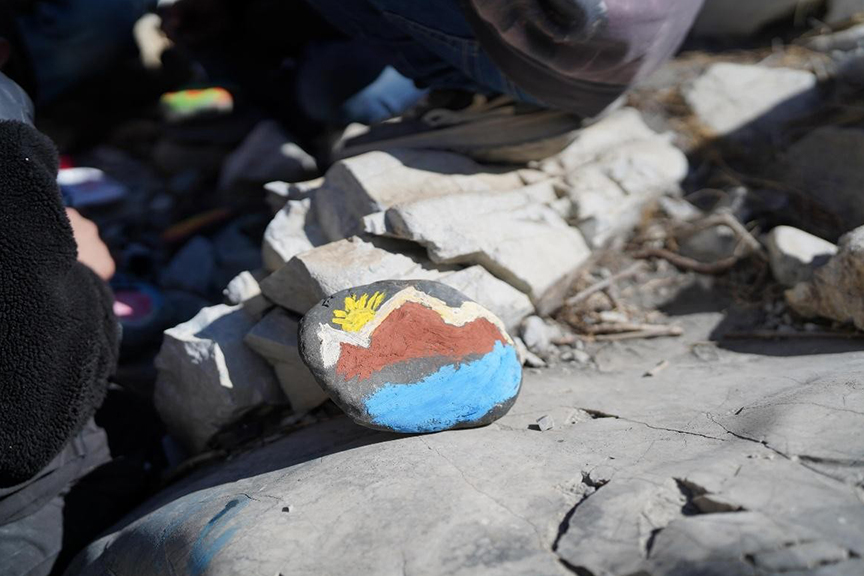
Small hands carefully brushed colours across the cold stones, bright blues, warm yellows, soft greens, and reds that stood out against the grey winter landscape.
Some children painted flowers and mountains. Others painted smiling faces, hearts, or simple patterns.
Each pebble slowly transformed into a tiny story.
Despite the freezing air and numb fingers, laughter began to rise along the riverbank. The act of creating something beautiful from an ordinary stone seemed to warm the space around them.
For a moment, the weight of displacement lifted.
But among the laughter, one quiet thought touched everyone deeply. The thought of nature terrorising them but also comforting them.
Izdah Karrim, aged 12, holding a painted pebble in her hand, looked toward the mountains and the flowing river. After a long pause, she spoke softly. “Nature heals us. Being here makes me feel calm and happy. But nature also destroyed our homes. Why does nature get angry? It looks so beautiful when it is calm.”
Her words carried a kind of innocence that only a child could express but also a truth that resonated deeply with everyone listening.
In that moment, the river kept flowing, the mountains stood still, and the painted pebbles rested in small hopeful hands.
The children placed some of the stones along the riverbank, leaving behind small pieces of colour in the winter landscape. These are tiny reminders of resilience, creativity, and healing.
Sometimes healing does not come through big gestures. Sometimes it begins with quiet breaths beside a river, with cold fingers holding on to each other and with a simple stone that becomes a symbol of hope.
And as the children looked at the painted pebbles shining against the snow, the young girl’s reflection lingered in the air, “Nature makes our hearts peaceful, but it can also take away our homes. I wish it could stay as gentle as it looks when the river is calm.”