We know the standards. We have the policies. Now what?
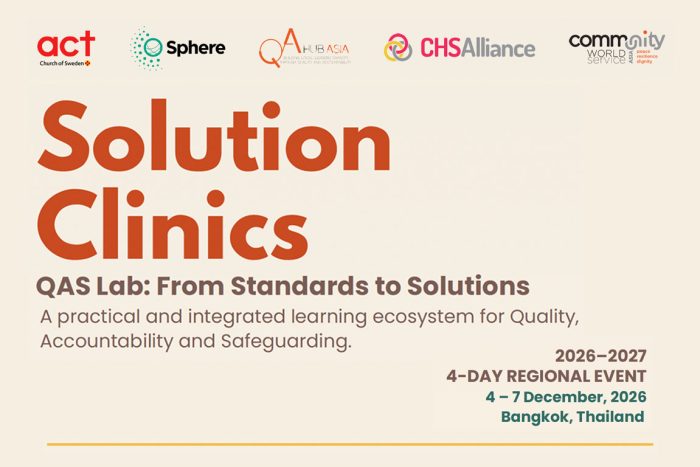
Community World Service Asia, together with its key quality and accountability partners, invites humanitarian and development practitioners to a new kind of learning experience, one built not around another training, but around real problem-solving.
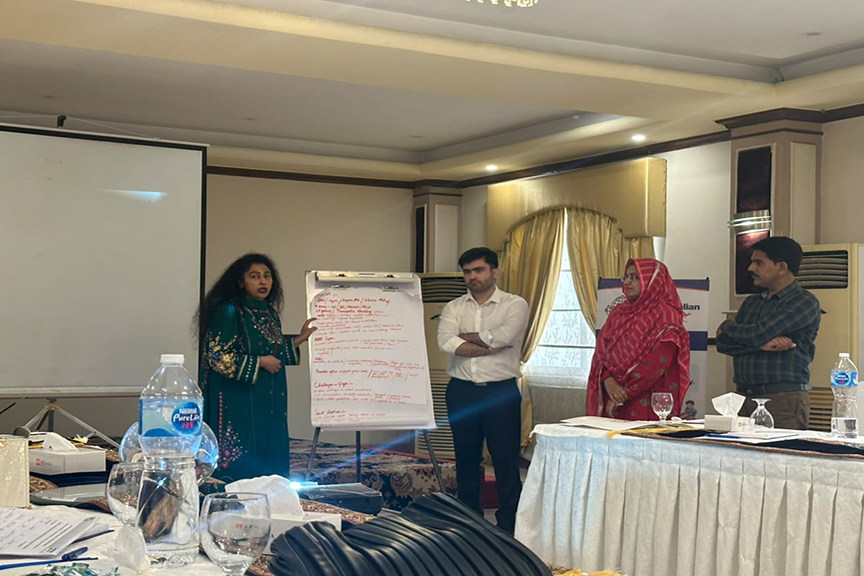
The QAS Lab’s Solution Clinics bring together humanitarian and development practitioners and standards specialists, from across the region to tackle the everyday dilemmas of Quality, Accountability and Safeguarding from “policies without implementation” to “collective accountability to affected populations” and “exit without harm.”
This isn’t a one-off event. It’s a continuous learning journey, from coaching and needs-mapping (Sept–Dec 2026), through four days of hands-on, expert-facilitated Solution Clinics in Bangkok, to sustained mentoring and community-building through mid-2027.
What you’ll gain: ✔ Practical tools to move from compliance to real-world implementation ✔ Confidential coaching on your toughest QAS challenges ✔ A growing QAS Toolbox of job aids, SoPs and checklists ✔ A regional community of practice that lasts beyond the event
Facilitated by Sylvie Robert, a certified trainer and workplace misconduct investigator with 30+ years of experience across the humanitarian-development-peace nexus.
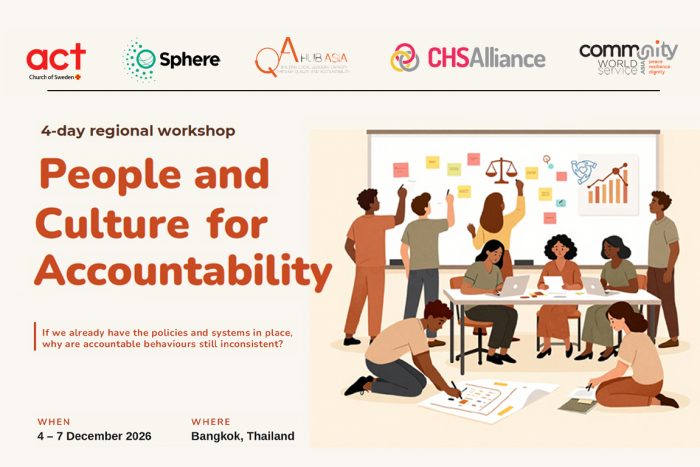
If we already have the policies and systems in place, why are accountable behaviours still inconsistent?
Community World Service Asia, invites aid and civil society organisations to a regional workshop that looks at accountability from the inside out, through People and Culture practice.
This is where policy alone runs out of answers. How are people managed? How are decisions made? How is feedback handled? How is power used and checked? Because when there’s a gap between an organisation’s stated values and its everyday behaviour, that’s where accountability quietly breaks down.
Over four days, participants will examine workplace culture, staff wellbeing, leadership, fairness, inclusion, safeguarding, and performance management, not as separate boxes to tick, but as connected parts of one system. Expect honest peer exchange, practical tools, and real organisational scenarios, not abstract theory.
Key topics include: ✔ Organisational culture as everyday practice ✔ From policy to practice: safeguarding, complaints and staff voice ✔ Change, workload and wellbeing ✔ Performance, feedback and growth ✔ Managing up and responsible challenge ✔ DEI in practice
Who should join: HR/People and Culture staff, QAS focal points, senior managers, and MEAL professionals. We recommend organisations send at least two participants — reflection and change go further when colleagues can apply what they’ve learned together.
Facilitated by Uma Narayanan, an independent consultant and evaluator with extensive experience in accountability, organisational development, and workplace culture across Asia, Africa and the Pacific.
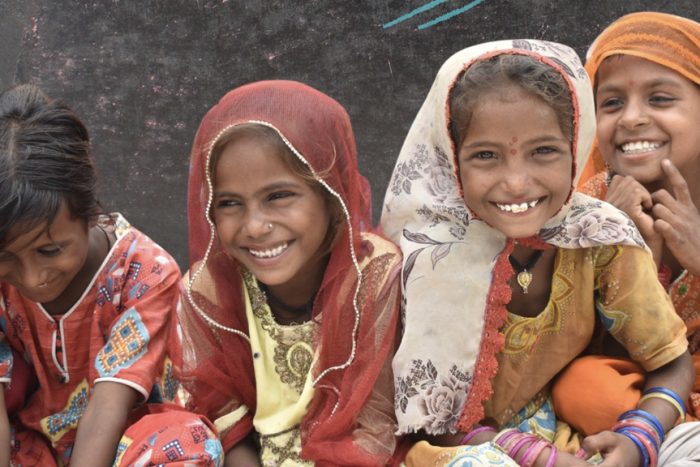
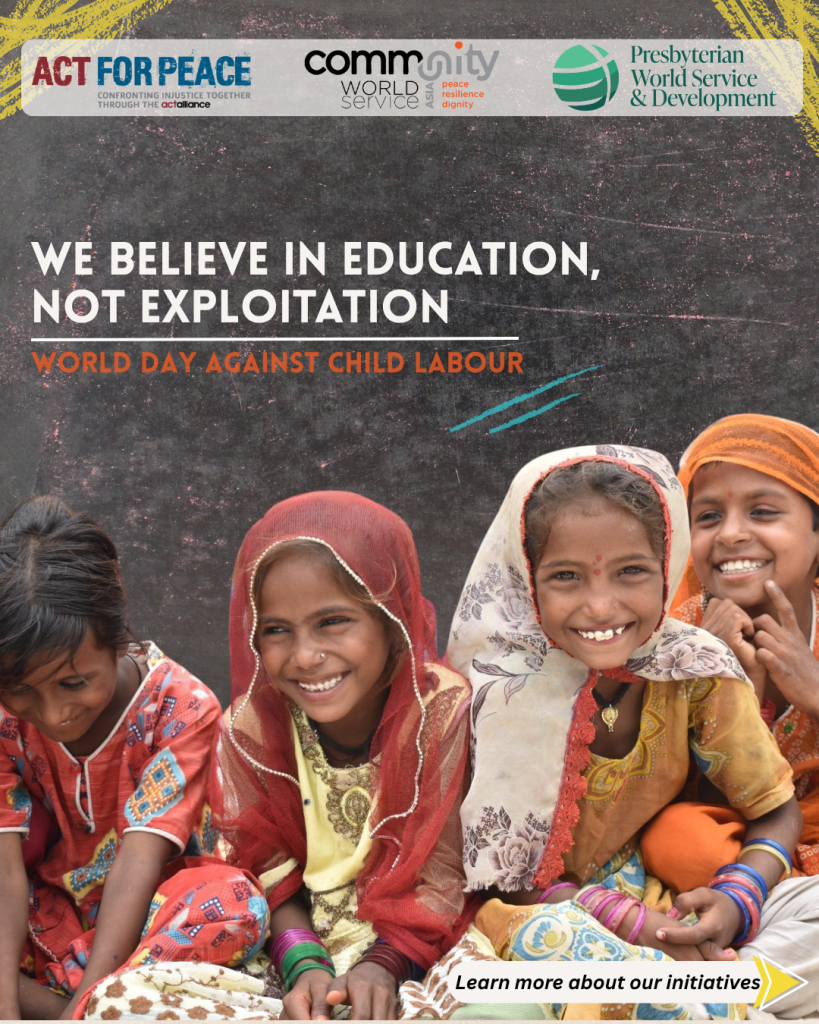
How ten years of community-led work in Umerkot, Sindh, brought girls and boys back into classrooms.
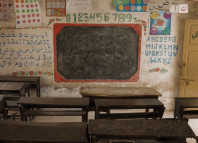
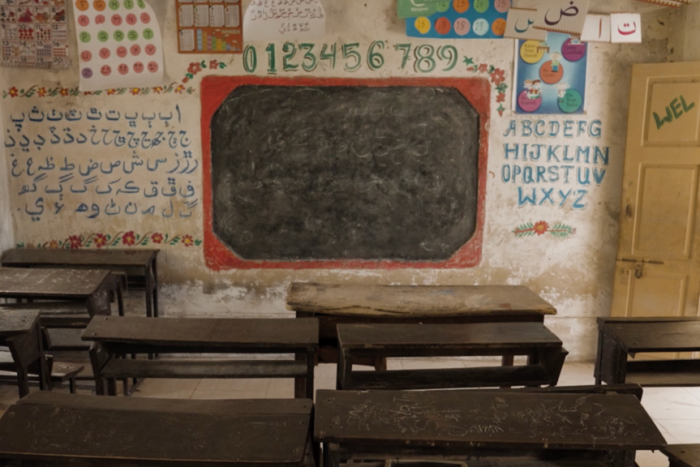
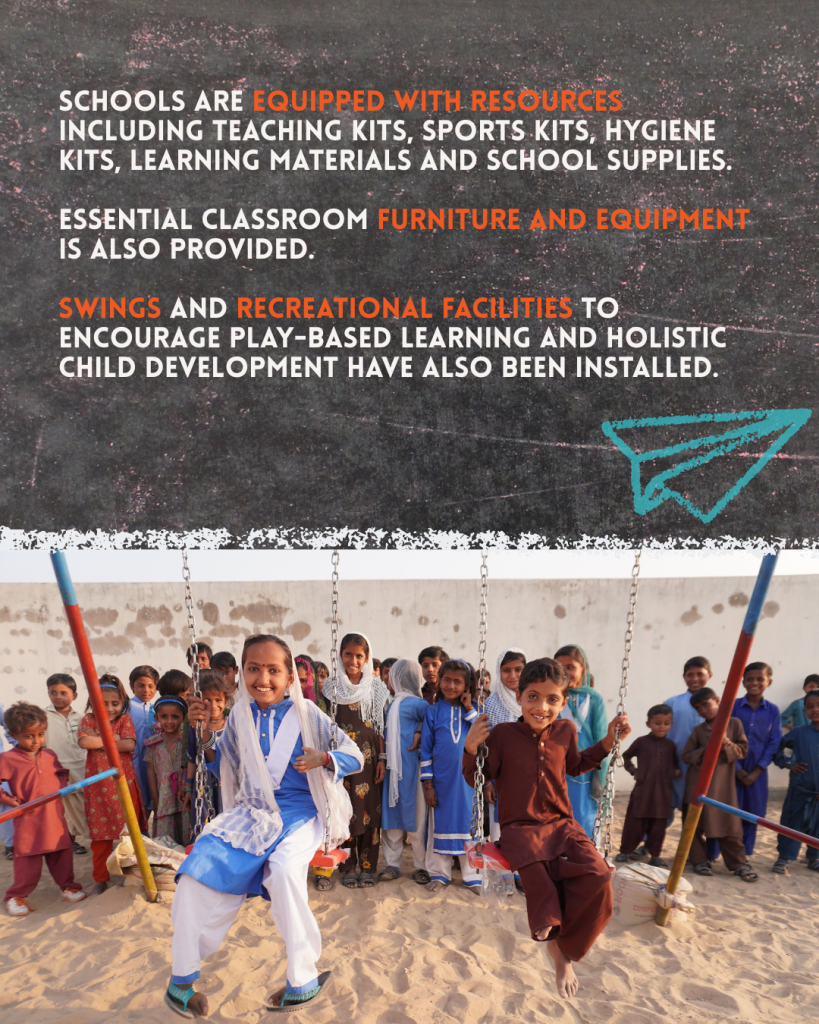
In the sand dunes of Umerkot, Sindh, livelihoods have long depended on rain that may not come. For decades, poverty, environmental hardship, and deeply entrenched traditions kept children, especially girls, out of the classroom. With many families relying on every working hand and a shortage of women educators, a girl’s education often ended before it ever truly began.
Today, that story is changing. Schools that once stood silent now echo with learning, laughter, and hope.
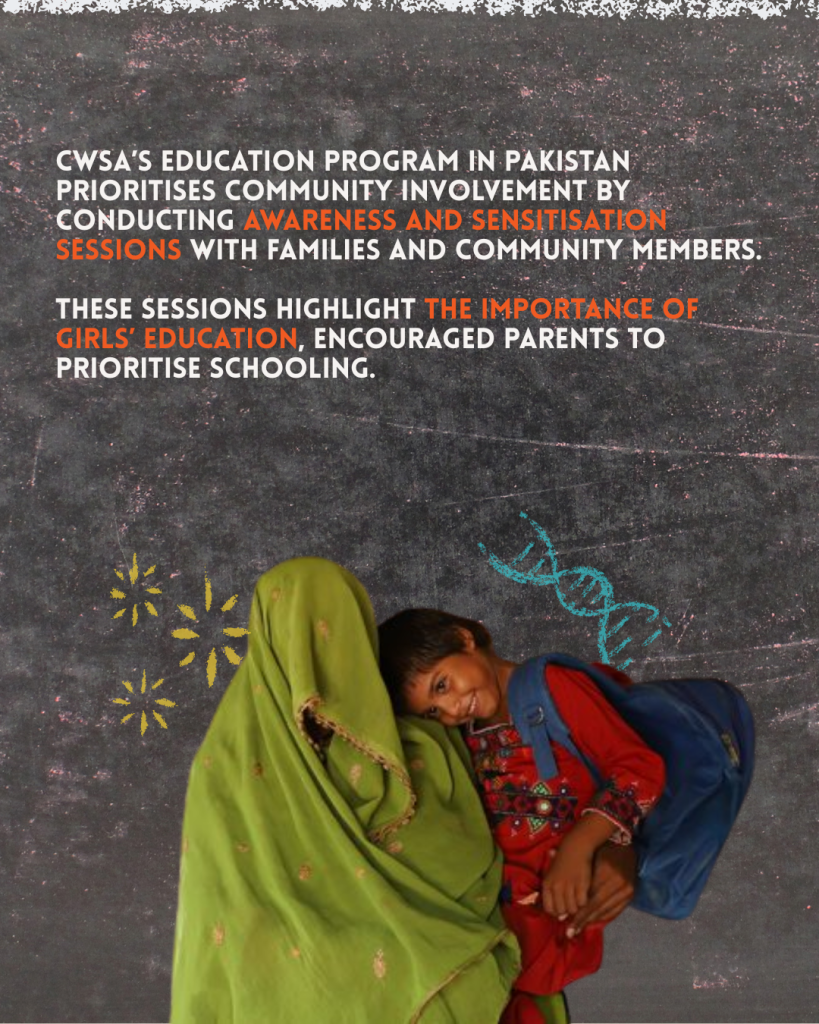
Parents who never had the chance to attend school themselves have now become its fiercest advocates.
Discover how families, volunteers, and dedicated teachers made classrooms in the desert come alive.
A Decade of Community-Led Impact
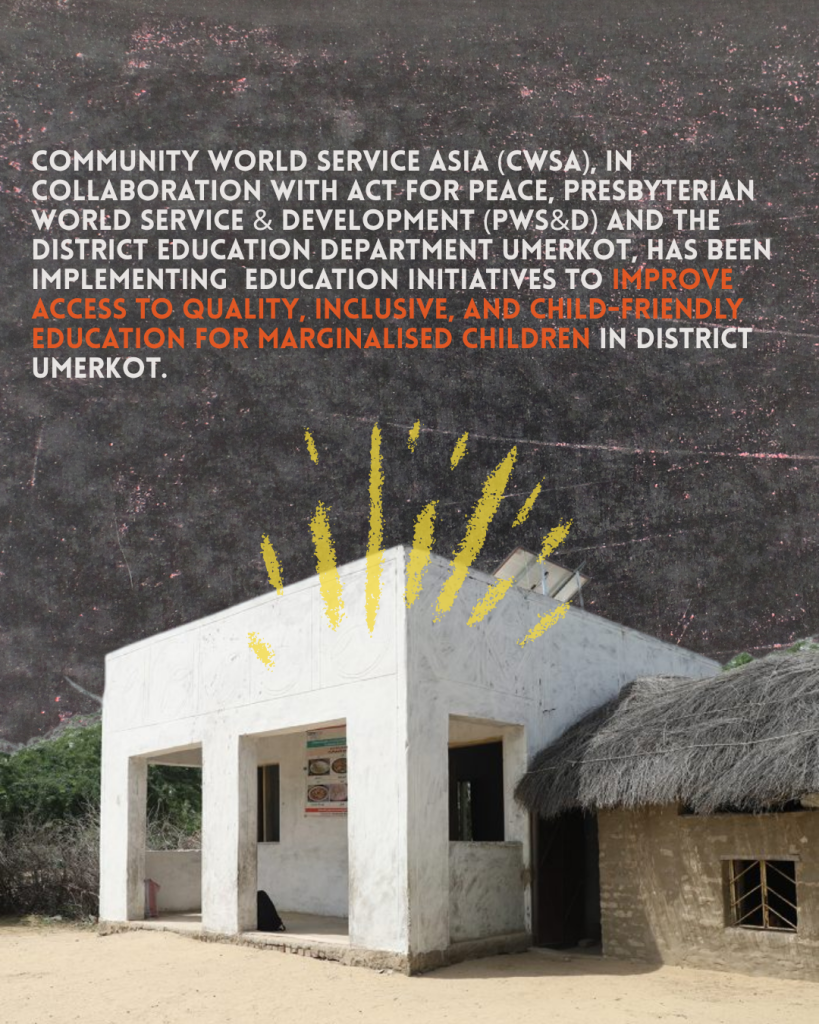
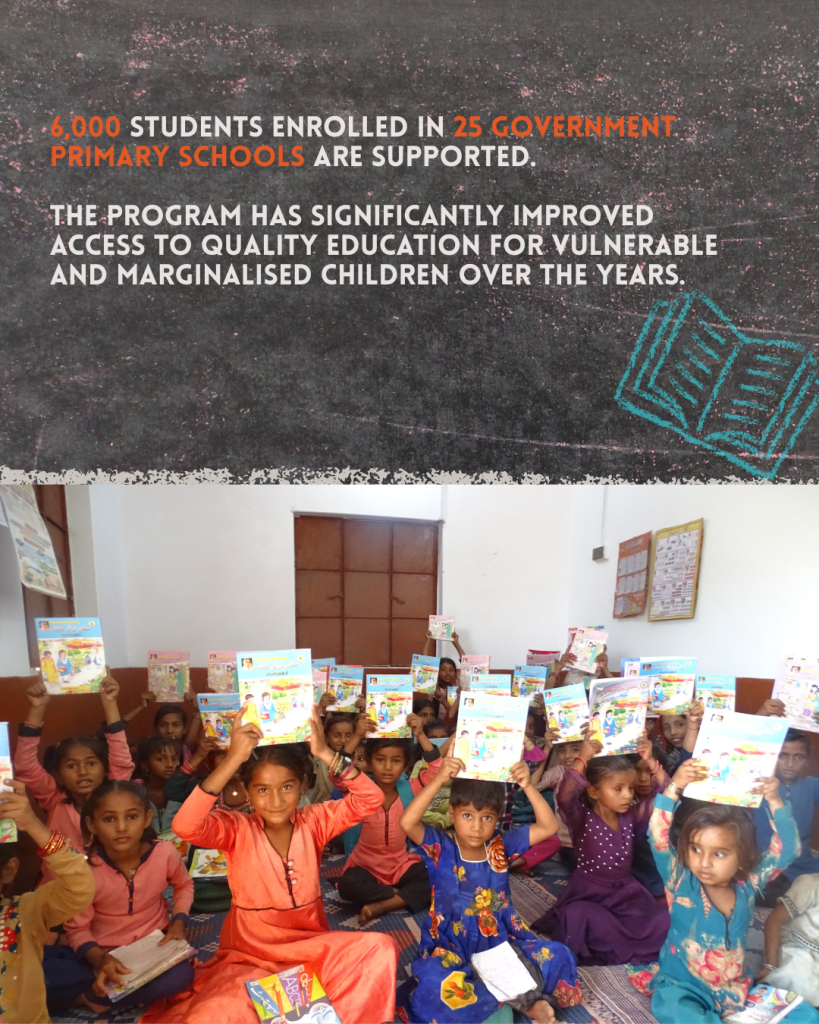
Our decade-long intervention across 350 villages and 350 schools in Umerkot district, with focused efforts in the Fakhir Abdullah, Kaplor, and Sekhro union councils has delivered transformative results:
Key Impact Area
Measurable Change
Students Reached
70,000 children supported (75% girls)
Girls’ Enrollment
75% average rise in girls’ enrolment
Dropout Rates
70% reduction in dropout rates among adolescent girls
Secondary Transition
50% increase in girls transitioning from primary to secondary school
Gender Parity
Equal ratio achieved in primary & lower-secondary schooling
Teacher Training
4,000 teachers trained in interactive, child-friendly methods
Transforming access to education required addressing the root causes of absenteeism through holistic, dignifying interventions:
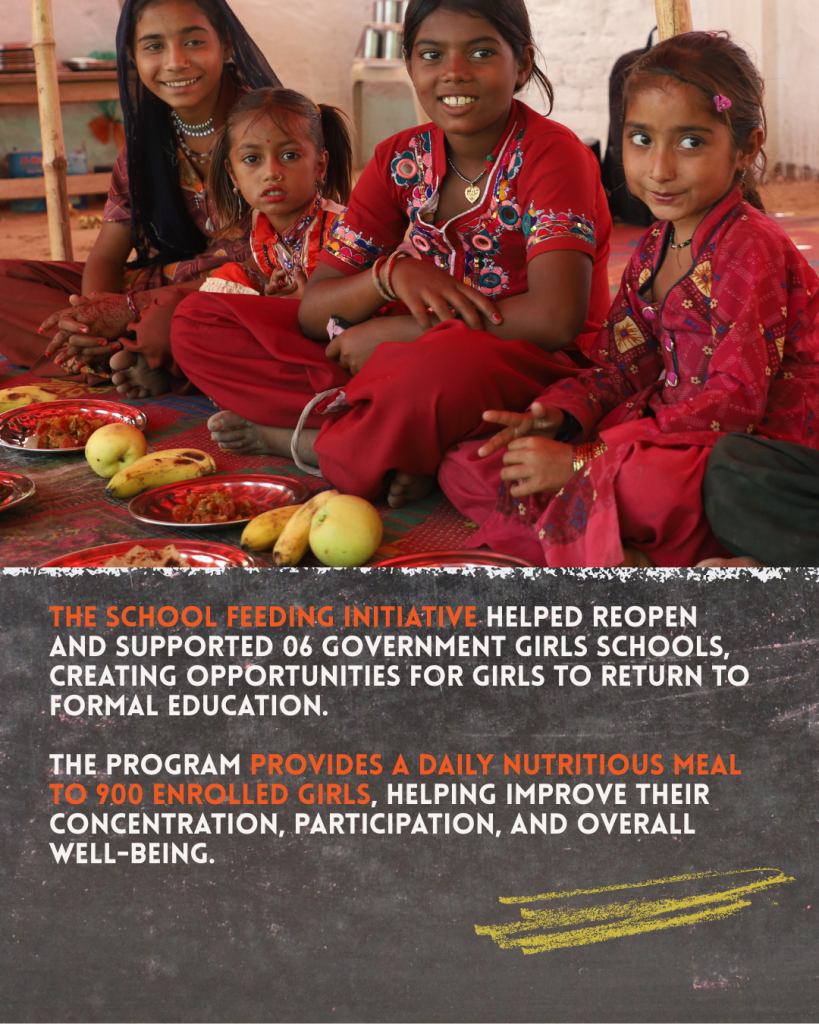
Nutritional Support: School meals designed around Sphere Standards help fight acute food insecurity, keeping children healthy and focused on learning.
Upgraded Infrastructure: Schools are now equipped with desks, chairs, renovated WASH facilities, fresh paint, and solar-powered fans to keep learning continuous, even in extreme heat.
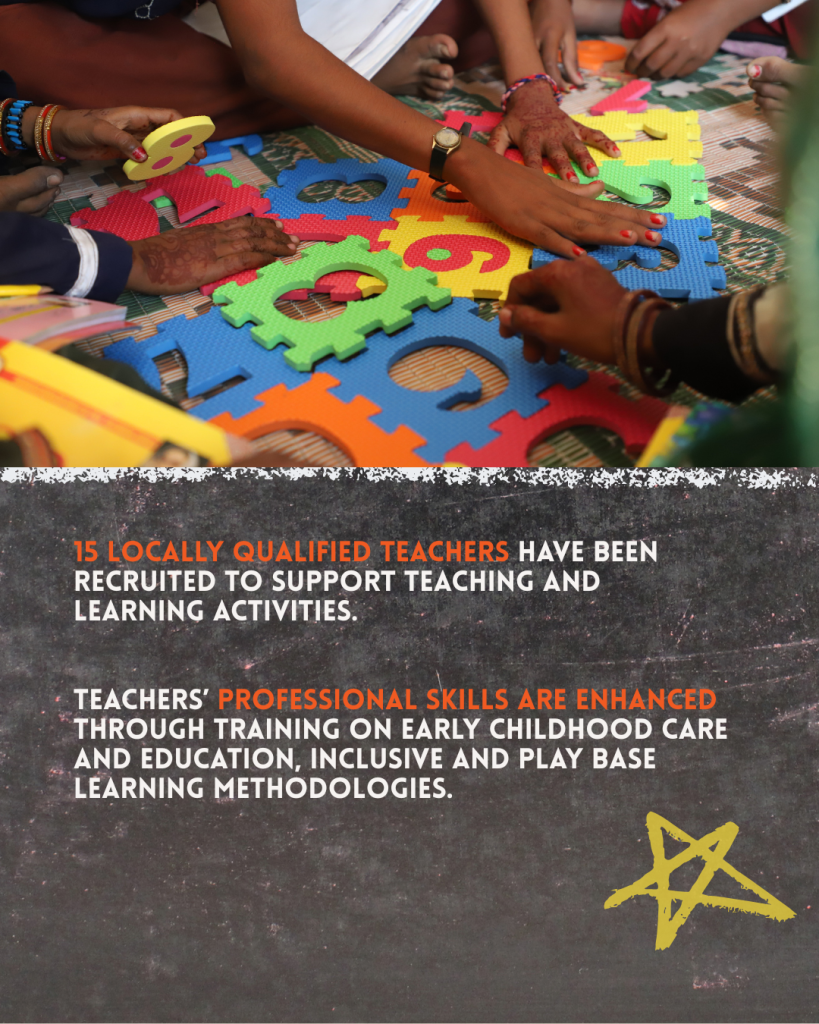
Teacher Development: Government and CWSA-placed educators completed multi-cycle training programs in multigrade teaching, child-friendly learning methods, and updated curricula.
Local Leadership: Active Village Management Committees keep governance in local hands, driving over 500 community sessions to promote girls’ right to education.
Stronger Together
This decade of measurable progress was made possible through the unwavering support and shared vision of our partners:
Presbyterian World Service & Development (PWS&D)
Act for Peace (AFP)
Sindh Education Department (SED)
Join the Conversation
Where schools once stood silent, 70,000 children in Umerkot are now building a brighter future. Watch ‘On the Wings of Hope’ to see how ten years of community-led action transformed girls’ education in the sand dunes of Sindh.
15 local teachers, including women, placed in underserved schools
When crisis strikes, inclusion cannot be an afterthought.
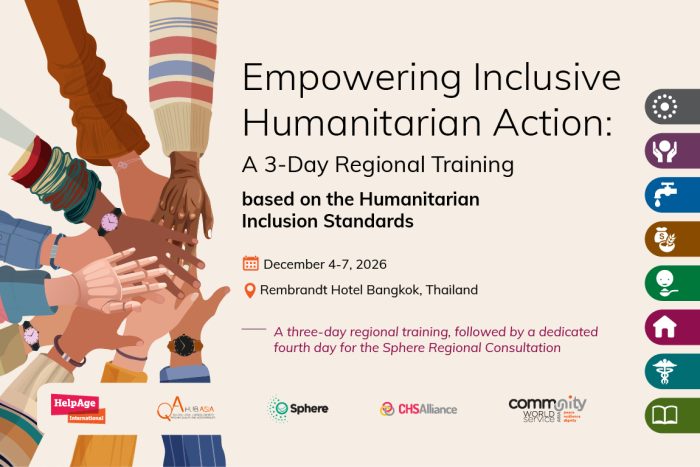
Community World Service Asia, in partnership with HelpAge International, ADRRN’s Q&A Hub, Sphere, and CHS Alliance, invites humanitarian professionals across the Asia-Pacific to a regional training on making inclusion central to humanitarian response, not an add-on to it.
Older people and persons with disabilities are too often overlooked in emergencies, despite the disproportionate risks they face and the valuable knowledge they bring. This training puts a practical framework in your hands, the Humanitarian Inclusion Standards (HIS), aligned with the Core Humanitarian Standard and the Sphere Handbook , to turn “leave no one behind” from principle into practice.
By the end, you’ll be able to: ✔ Make the case for age, disability and gender inclusion in humanitarian response ✔ Recognise how intersecting identities shape people’s experience of crisis ✔ Apply all nine HIS standards across the programme cycle ✔ Identify concrete steps to strengthen participation and accountability ✔ Assess and improve inclusive practice within your own organisation
Who should join: Local and national NGOs, CSOs and CBOs, Older People Associations (OPOs) and Organisations of Persons with Disabilities (OPDs), INGOs, UN agencies, and government stakeholders, including Inclusion Advisors, Programme Managers, Technical Coordinators, and MEAL staff.
Facilitated by inclusion experts Shahzado Khaskheli (Foundation for Ageing and Inclusive Development) and Benil Thavarasa (HelpAge International), each bringing over 20 years of experience in inclusive humanitarian programming.
A dedicated fourth day (7 December) is set aside for the Sphere Regional Consultation.
Apply by 30th October 2026, places allocated first-come, first-served.
At Community World Service Asia, we actively work alongside the communities we serve, our partners and local stakeholders to address these challenges.
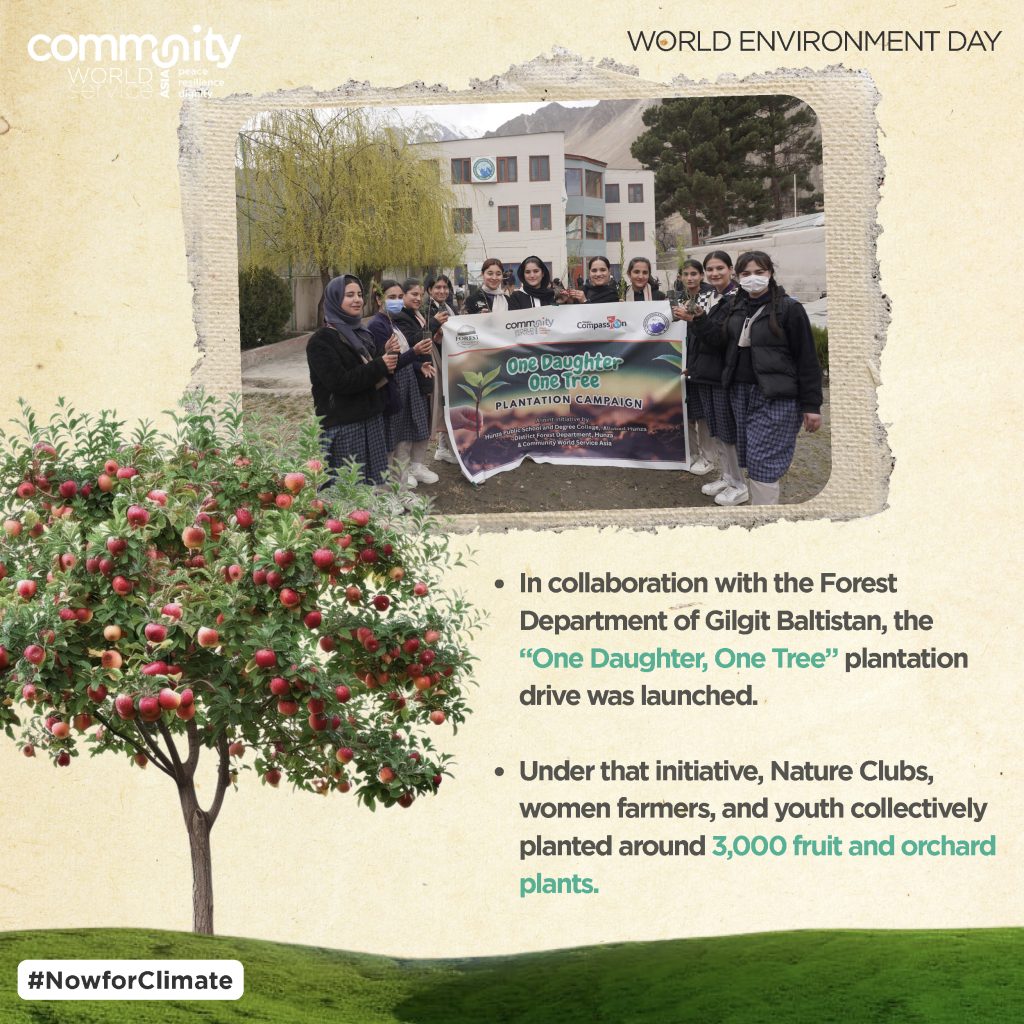
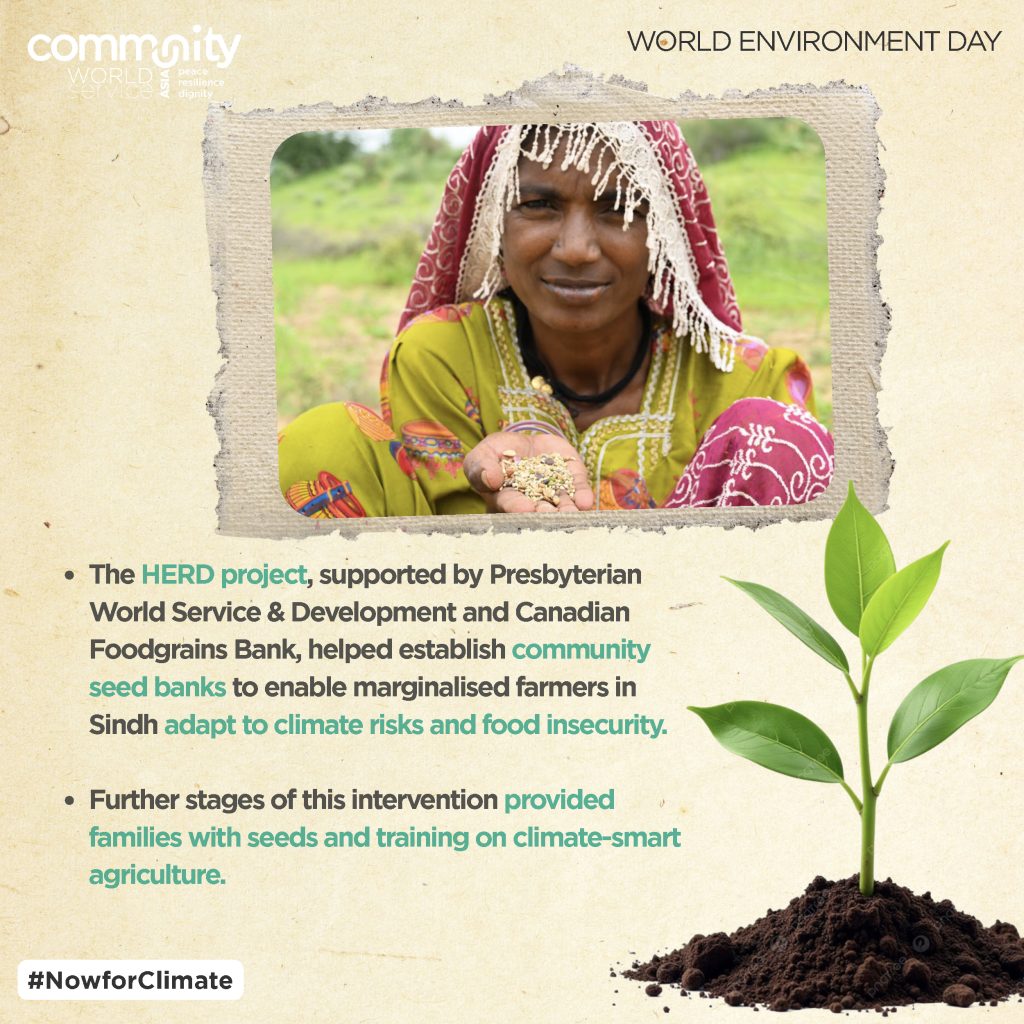
Through our climate and resilience initiatives, we support sustainable resource management, strengthen local capacities, and help communities adapt to the impacts of climate change. From promoting climate-smart practices to supporting plantation and ecosystem restoration efforts, our interventions contribute to healthier environments and stronger, more resilient communities.
We extend our sincere gratitude to our partners and community members whose dedication make this work possible.
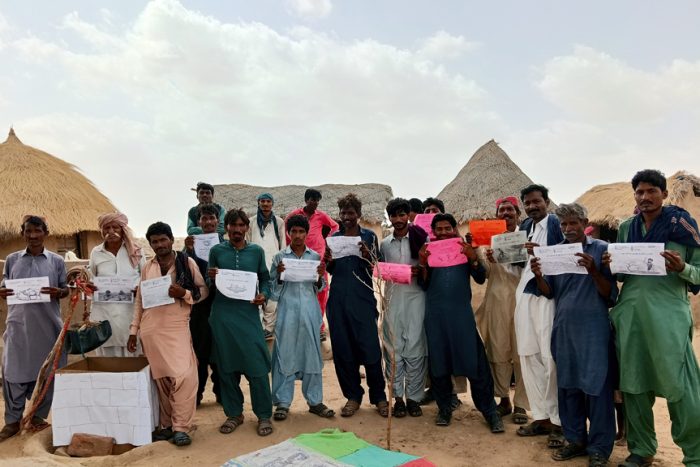
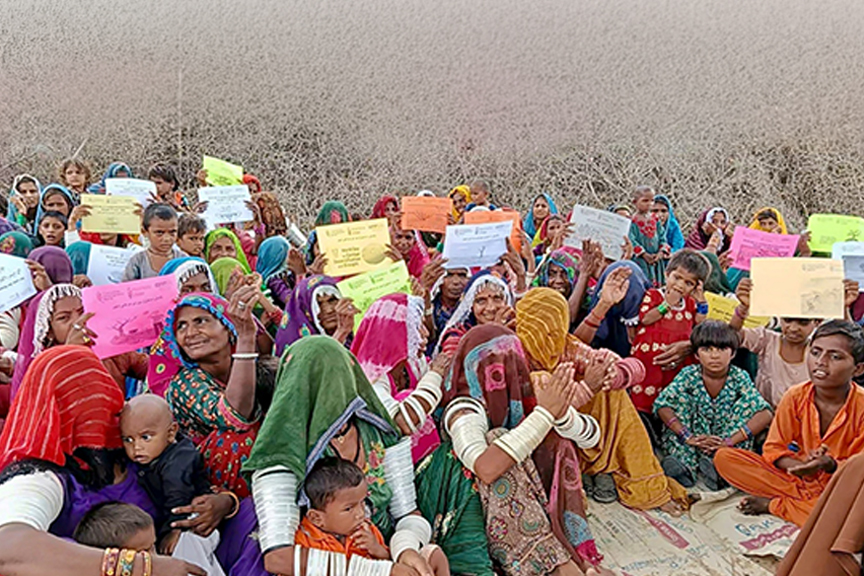
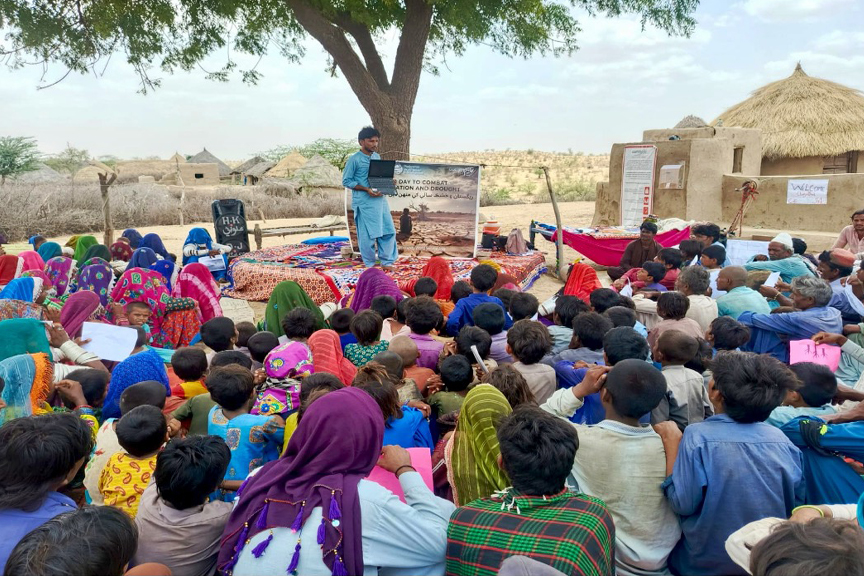
On World Day to Combat Desertification and Drought 2026, Community World Service Asia (CWSA) engaged communities in Village Charihar Bheel, Thar, to raise awareness about the impacts of land degradation, water scarcity, and climate change on livelihoods and natural resources.
Through interactive awareness sessions, educational videos, cultural performances, and a community walk under the slogan “Save Water, Save Lives, Save Earth,” local communities reflected on the challenges they face and the collective action needed to promote water conservation, environmental stewardship, and resilience.
This event also encouraged community dialogue on water conservation and environmental protection and strengthened local participation through cultural performances. In line with the theme, community members presented a drama titled “Thar Ji Pukar”, depicting local environmental challenges. Another cultural performance based on the local song highlighted the hardships faced by women in fetching water during drought conditions.
Are you working in humanitarian or development operations and looking to strengthen your supply chain knowledge and practical skills?
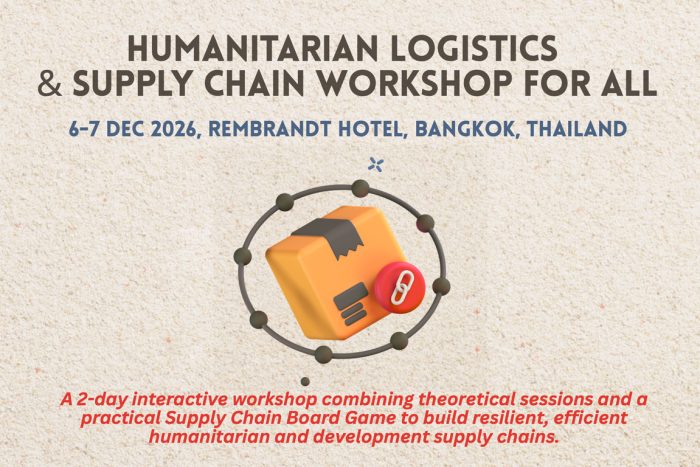
Community World Service Asia (CWSA), in partnership with HELP Logistics, is organising a 2-day interactive Humanitarian Logistics & Supply Chain Workshop on 6–7 December 2026 at the Rembrandt Hotel, Bangkok, Thailand.
The workshop will combine theoretical learning with practical and interactive sessions, including a Supply Chain BoardGame, covering key areas such as:
Humanitarian Logistics Principles & Practices
Human-Centred Design for Supply Chain Solutions
Supply Chain Readiness Assessment
And more
Application deadline: 30 September 2026
Interested participants can register through the registration link provided below or by scanning the QR code in the attached brochure.
We encourage interested colleagues and organisations to apply and take this opportunity to strengthen their capacity to build more resilient and efficient humanitarian and development supply chains.
Community World Service Asia (CWSA) had the opportunity to engage with the Media Secretary and press officials in Gilgit, Baltistan during a networking lunch, fostering dialogue on the importance of advancing mental health and psychosocial support services and strengthening collective efforts to promote wellbeing across the region.
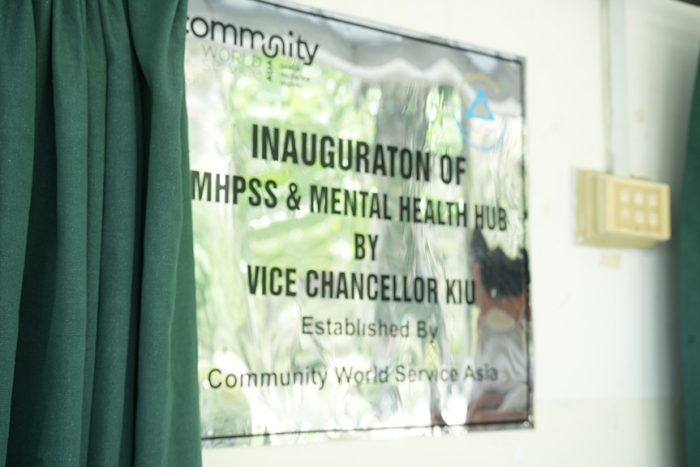
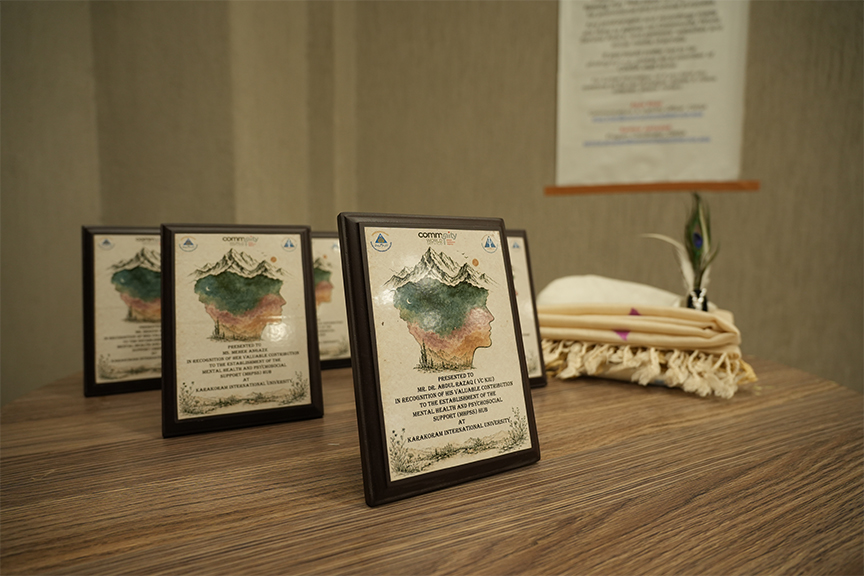
The meeting provided an opportunity to highlight the newly established, first of its kind Mental Health and Psychosocial Support (MHPSS) Hub at Karakoram International University (KIU). The officials expressed their support for the KIU–CWSA partnership and appreciated the efforts being made to expand access to mental health services and promote wellbeing in the region.
Particular interest was shown in the innovative therapeutic healing approaches being implemented by CWSA, with participants recognizing their potential to support individual and community resilience.
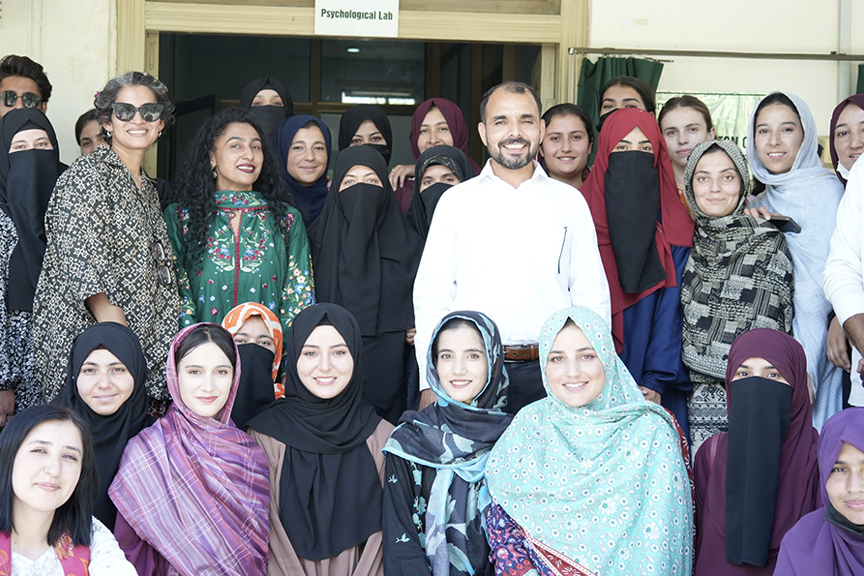
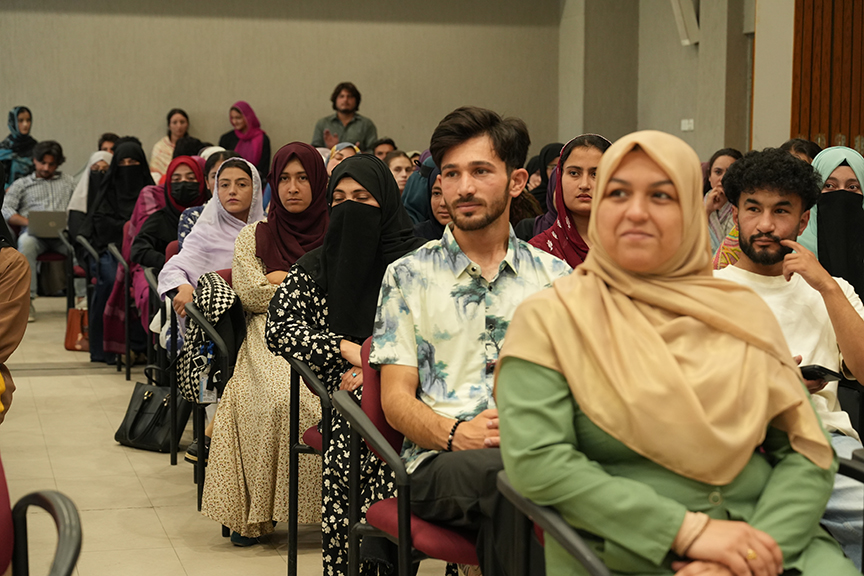
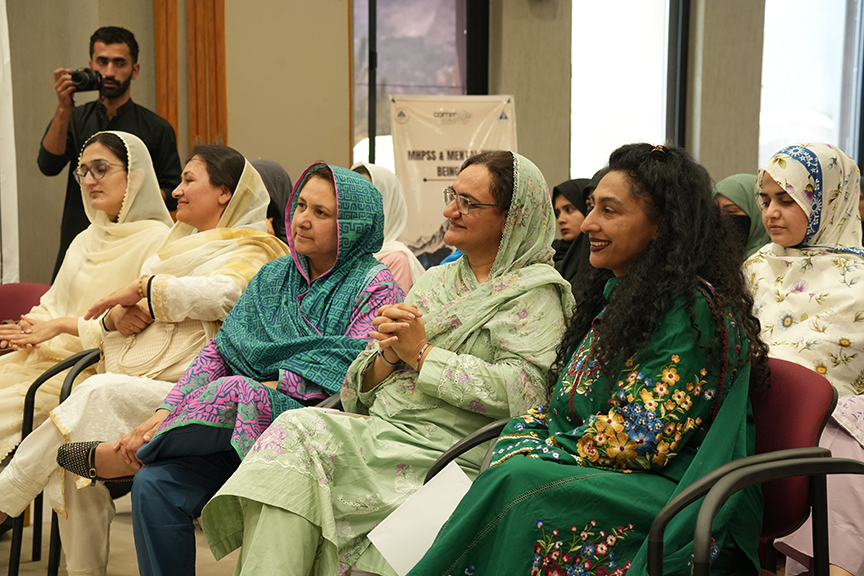
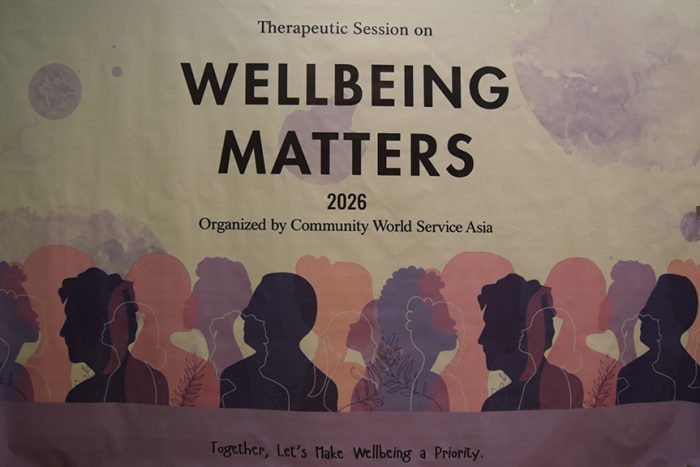
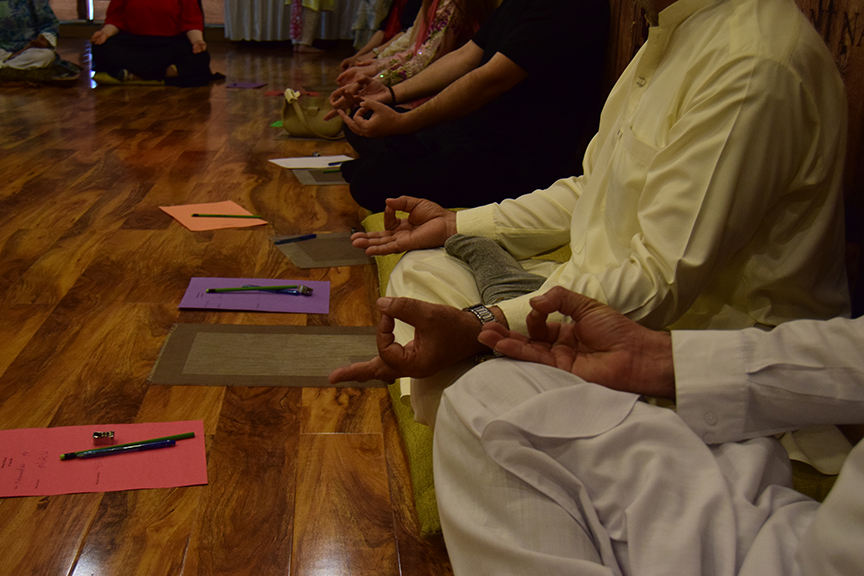
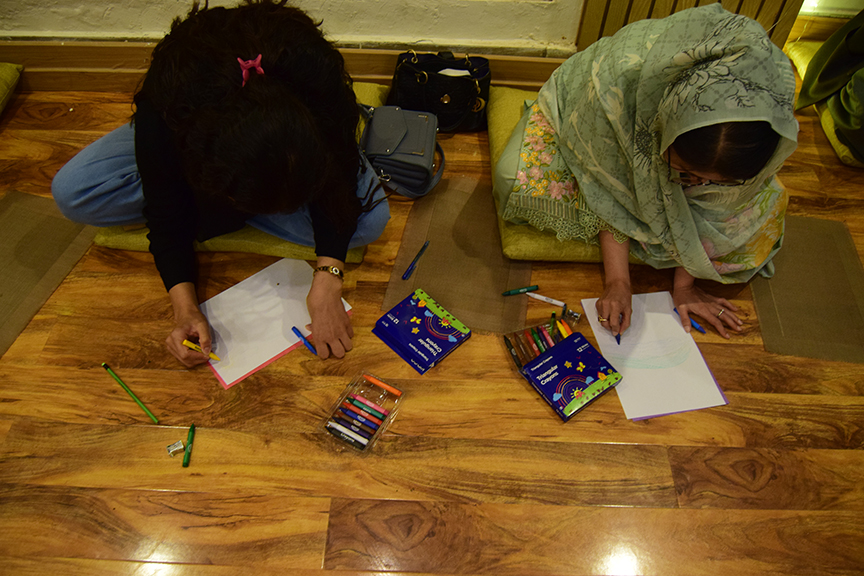
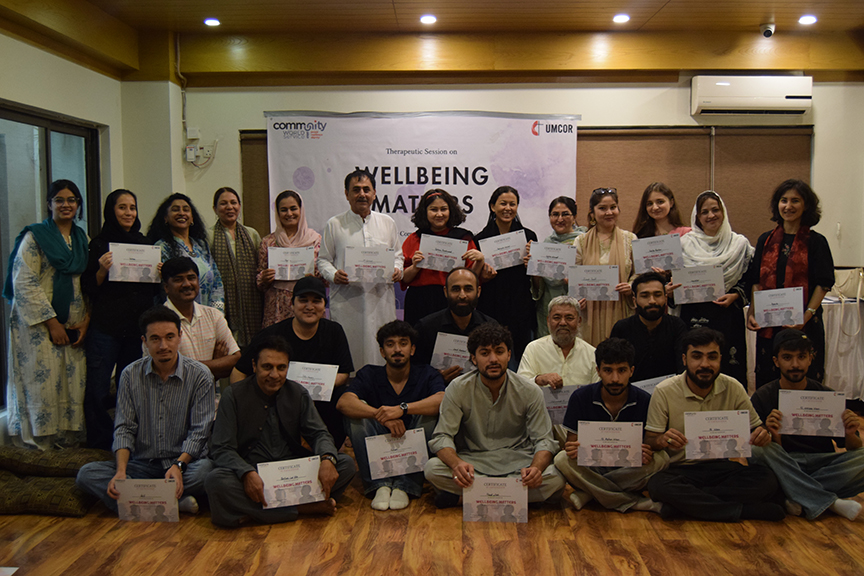
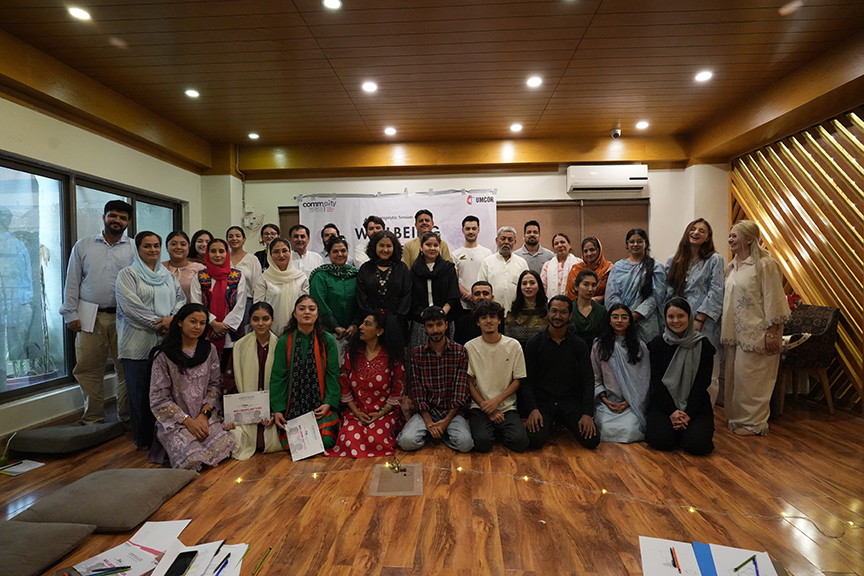
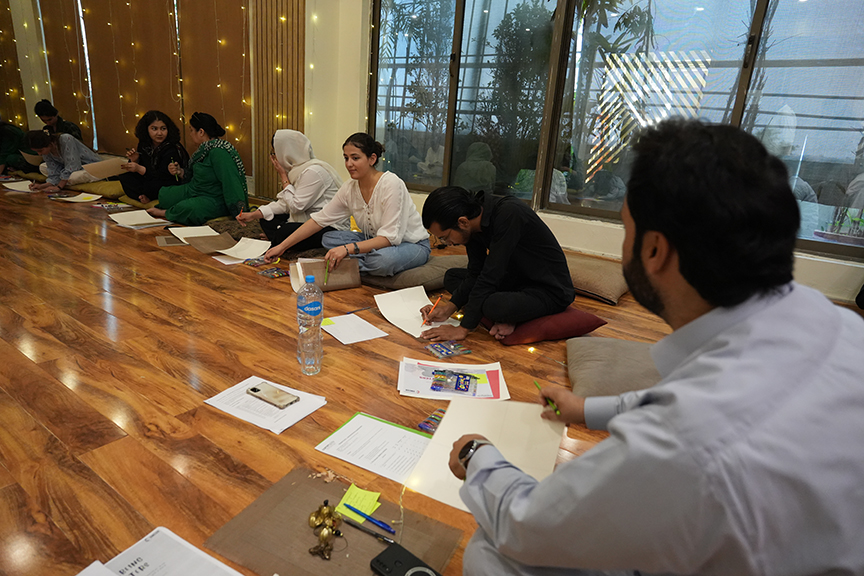
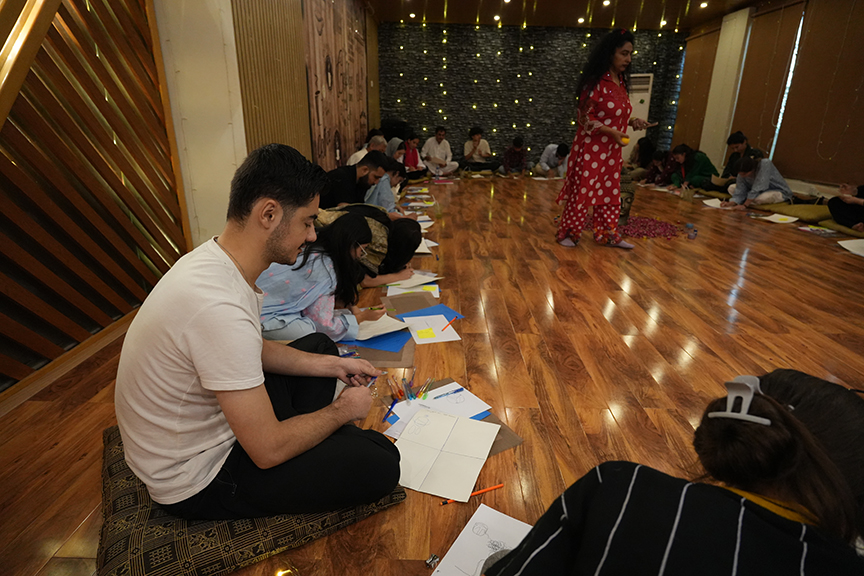
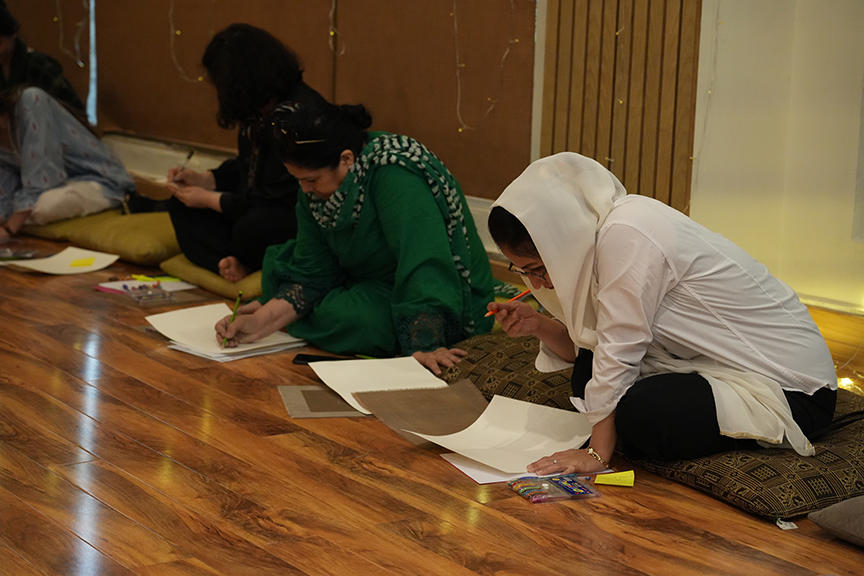
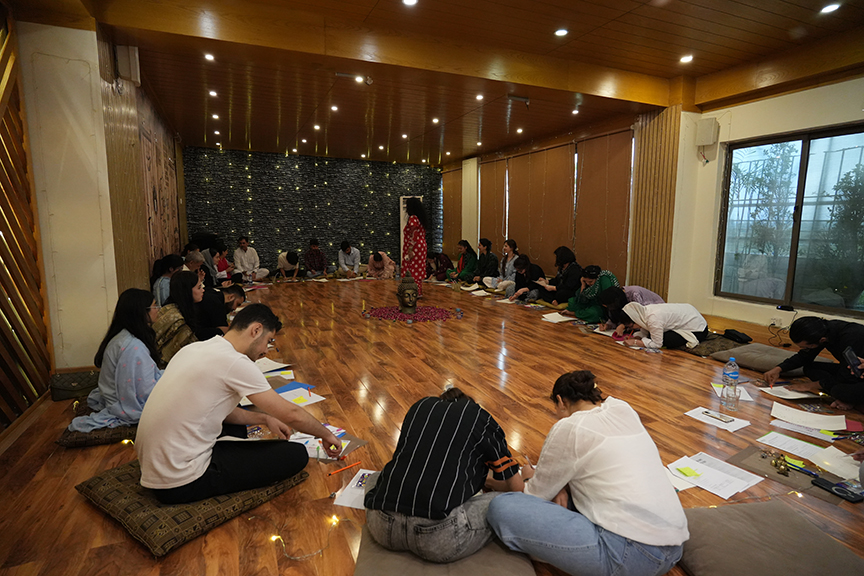
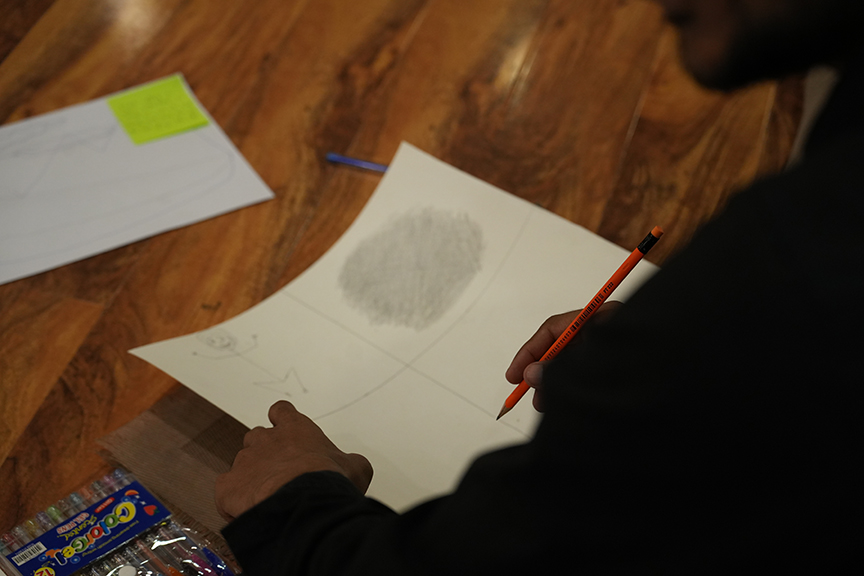
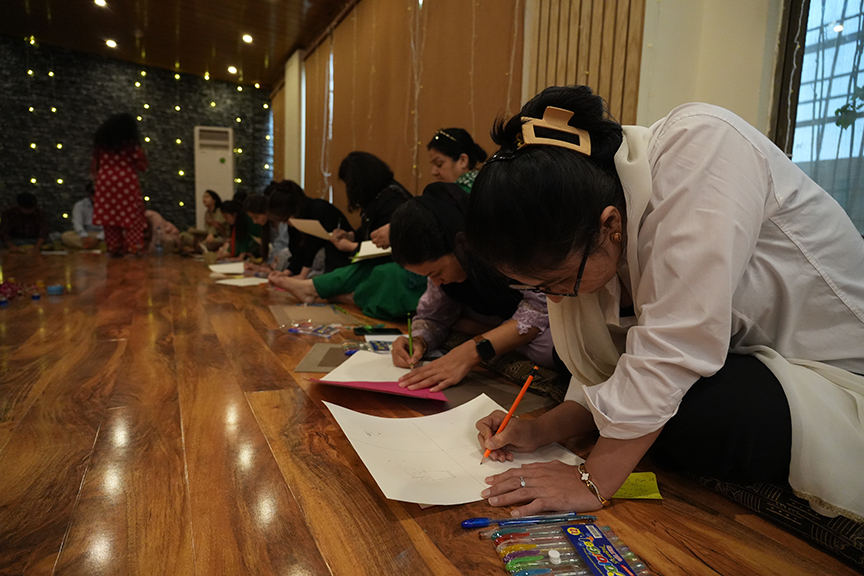
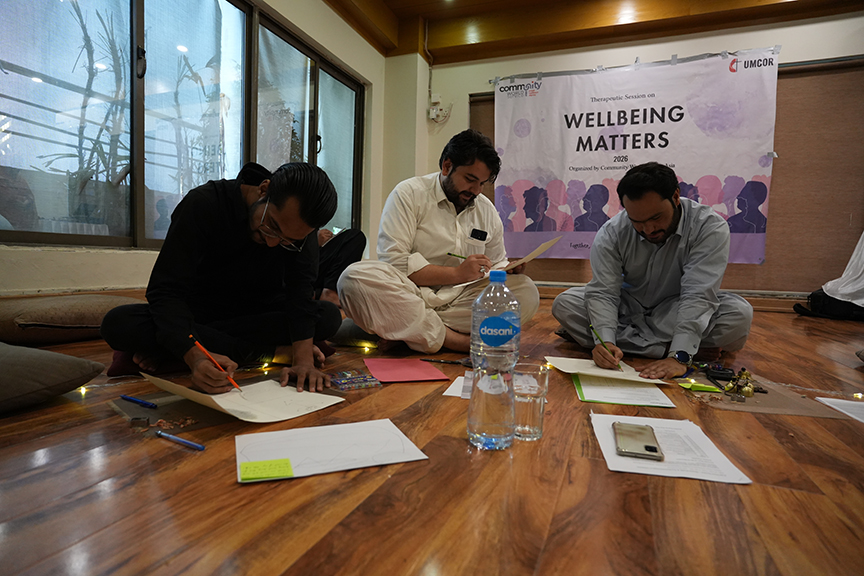
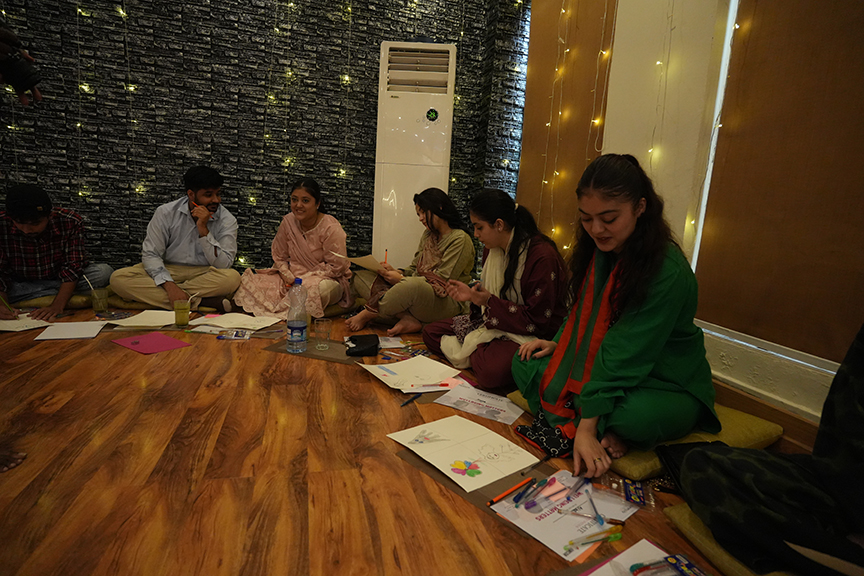
A Mental Wellbeing Session was conducted on 21 July 2026, bringing together 25 participants in a safe and confidential indoor setting designed to encourage openness, trust, and meaningful dialogue. The session was facilitated using Dialogue Therapy, a therapeutic approach that creates space for participants to reflect on their experiences, express emotions, listen with empathy, and build connections through shared stories.
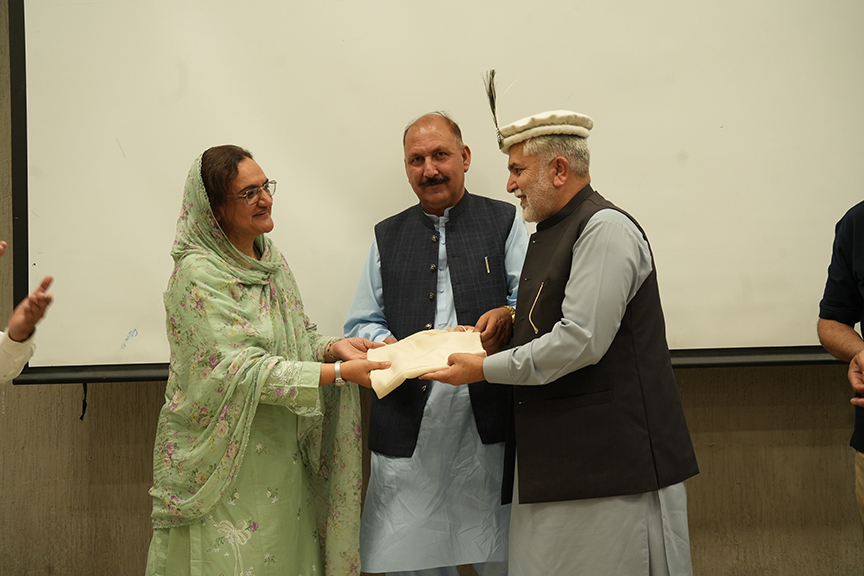
The session was honoured by the participation of Sarfraz Lal, who joined not as a guest observer but as a participant, fully engaging in the therapeutic activities alongside the group. His participation reinforced the importance of prioritizing mental wellbeing at every level of leadership and highlighted the value of creating spaces where everyone can engage as equals in the healing process.
Reflecting on the experience, Sarfraz shared that while he had attended many MHPSS and mental health sessions in the past that were largely structured around presentations, PowerPoint slides, and theoretical discussions, the CWSA approach was distinctly different. Rather than simply delivering information, the session immersed every participant in a lived therapeutic experience, allowing them to personally connect with the concepts being explored. He noted that this experiential approach where participants actively feel, reflect, and engage with their emotions rather than only learning about them is what makes CWSA’s Mental Wellbeing methodology both unique and deeply impactful.
At Community World Service Asia (CWSA), every Mental Wellbeing Space is intentionally designed to go beyond a one-time therapeutic experience. Our approach ensures that each participant leaves not only with greater self-awareness but also with three practical tools they can continue using in their daily lives to support their own healing and wellbeing. These tools may include grounding and breathing techniques, reflective journaling, mindfulness practices, creative expression, emotional regulation strategies, or simple self-care exercises that strengthen resilience long after the session has ended. Throughout the dialogue, participants explored personal challenges, reflected on sources of strength, and discovered that many emotions are shared experiences rather than individual burdens. The atmosphere gradually shifted from silence and hesitation to openness, trust, and mutual encouragement, demonstrating the power of collective healing.
As one participant reflected: “I arrived carrying stress I couldn’t explain. Today, I leave carrying hope and practical ways to take care of myself.”
Another participant shared: “Healing begins when someone truly listens not to respond, but to understand.”
The session reaffirmed that mental wellbeing is not achieved in a single day. It is nurtured through safe spaces, compassionate conversations, and practical tools that empower individuals to care for themselves and support others.
“Sometimes, the most powerful therapy begins with a conversation.” “When people feel heard, they begin to heal; when they learn simple tools for wellbeing, they begin to thrive.”
Therapeutic Mental Wellbeing Experience
The second Therapeutic Mental Wellbeing Session was held on 22 July 2026, bringing together 35 participants in a safe, confidential, and supportive environment designed to foster emotional wellbeing, self-awareness, and meaningful human connection. Guided by CWSA’s experiential Mental Wellbeing methodology, the session moved beyond conventional awareness-raising by allowing participants to actively experience therapeutic healing rather than simply learning about it. The approach emphasized that healing begins when individuals are given the opportunity to pause, reconnect with themselves, and experience practical techniques that can be integrated into everyday life.
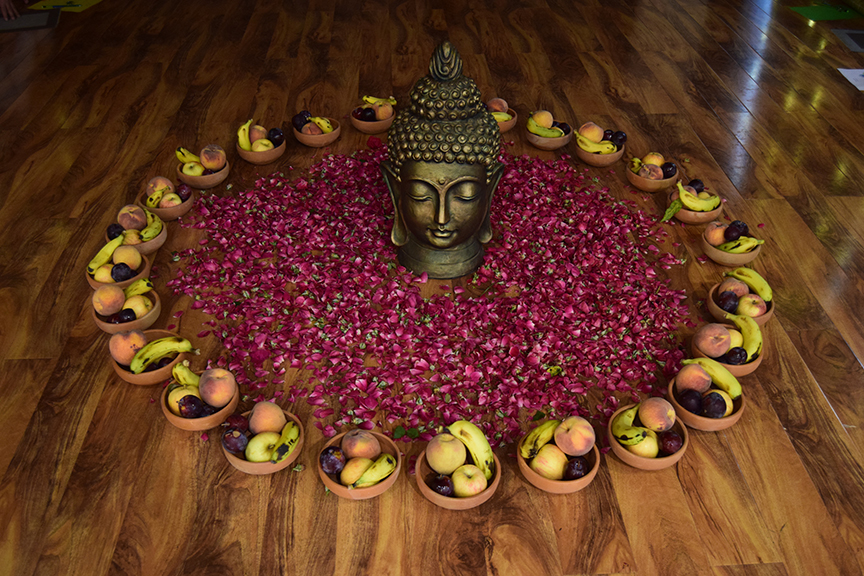
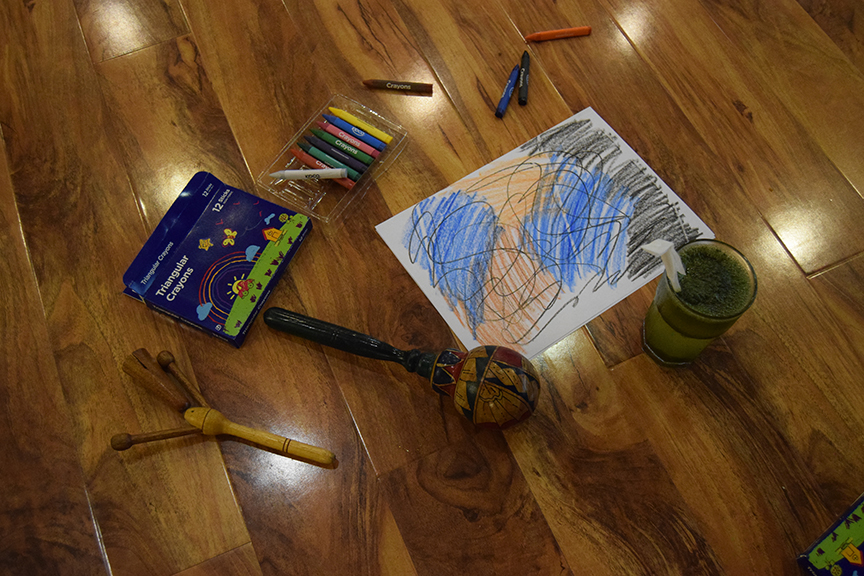
The session incorporated a series of evidence-informed therapeutic interventions, including experience sharing, grounding exercises, box breathing, and sound therapy. Participants were first encouraged to share their personal reflections and lived experiences, creating an atmosphere of trust, empathy, and psychological safety. This was followed by grounding techniques that helped participants reconnect with the present moment, while box breathing exercises demonstrated practical methods for reducing stress, calming the nervous system, and improving emotional regulation. The sound therapy component offered a deeply restorative experience, enabling participants to release tension, enhance mindfulness, and reconnect with a sense of inner calm. Together, these interventions created a holistic healing experience that addressed emotional, cognitive, and physiological wellbeing.
The session was enriched by the participation of Ashraf Mall, CEO of PPI, who joined the activities as a participant rather than an observer. Reflecting on the experience, he shared that working closely with children and families in brick kiln communities has given him firsthand insight into the immense psychosocial challenges they face, including chronic stress, intergenerational trauma, and limited opportunities for emotional expression. He emphasized that the therapeutic techniques demonstrated by CWSA were both practical and transformative, and expressed a strong interest in collaborating to bring similar Mental Wellbeing and Therapeutic Healing sessions to brick kiln communities.
He noted that while many humanitarian interventions focus on education, livelihoods, or basic services, the emotional wellbeing of families often remains overlooked. He shared that introducing therapeutic healing spaces for parents, caregivers, and children could significantly strengthen resilience, improve family relationships, and support healthier emotional development within these highly vulnerable communities.
At Community World Service Asia (CWSA), every Mental Wellbeing Space is intentionally designed to leave participants with more than just awareness. Each individual leaves equipped with practical self-care tools that can be used long after the session ends. Whether through grounding techniques during moments of anxiety, mindful breathing in times of stress, or simple practices for emotional regulation, participants gain skills that enable them to care for their own mental wellbeing while also supporting those around them.
The session concluded with participants expressing a renewed sense of calm, connection, and hope. Many described the experience as a rare opportunity to pause amidst the demands of daily life, reconnect with themselves, and recognize that healing is a continuous journey rather than a single event.
As one participant reflected: “Today, I didn’t just learn about mental wellbeing I experienced what it feels like to slow down, breathe, and truly reconnect with myself.”
Another participant shared: “The simplest practices can have the deepest impact. Sometimes healing begins with a single breath and the knowledge that you are not alone.”
The session reaffirmed CWSA’s commitment to promoting mental wellbeing through experiential, trauma-informed approaches that empower individuals with practical tools for healing while strengthening resilience within families and communities.
Engagement with Australian Aid and SHARP
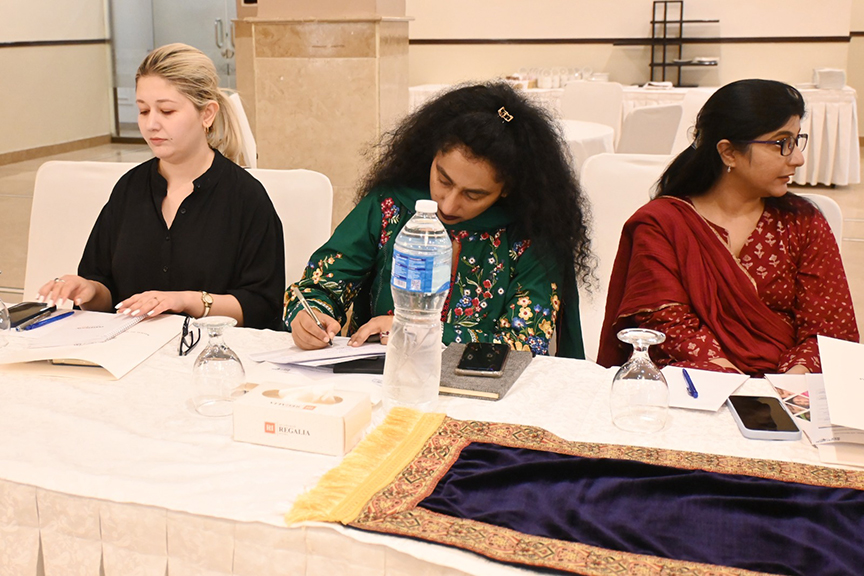
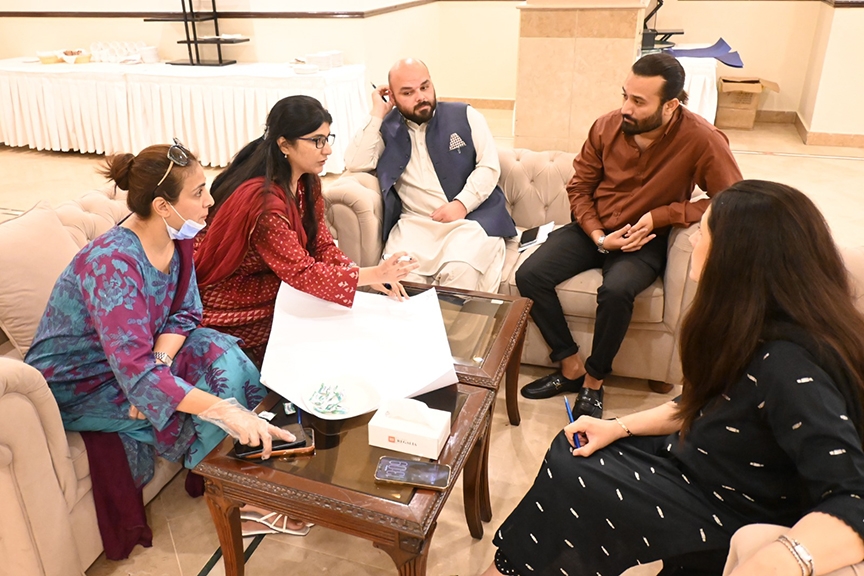
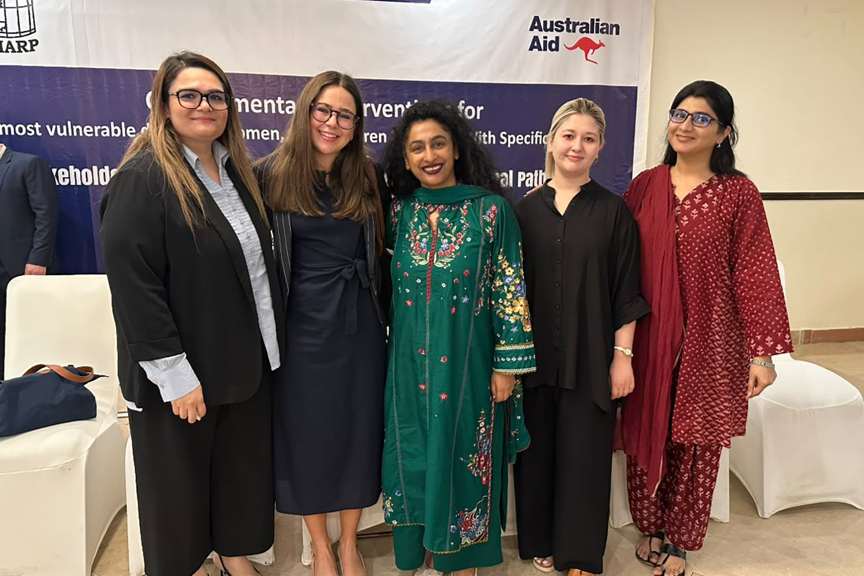
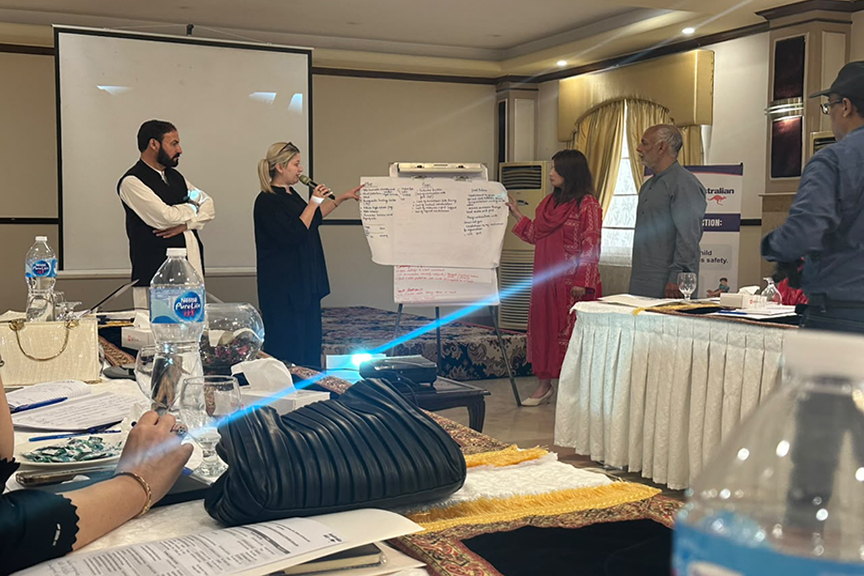
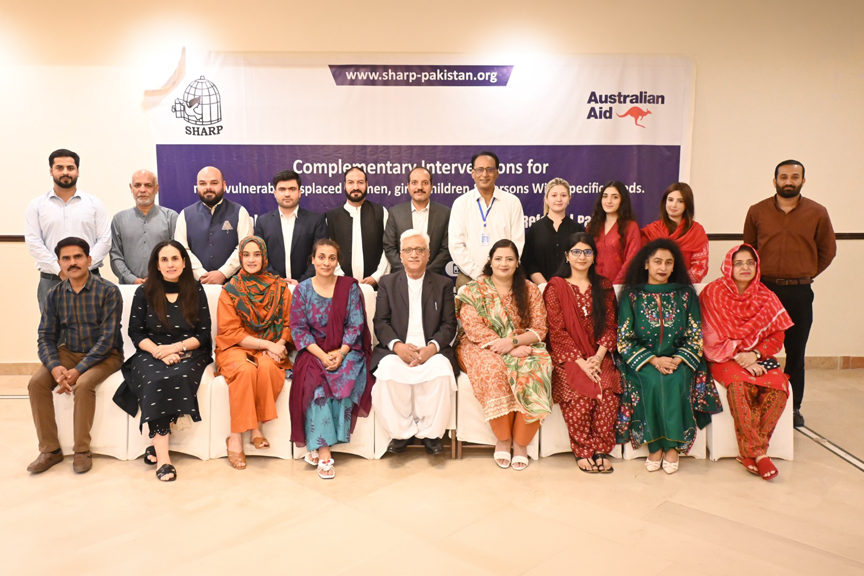
Community World Service Asia (CWSA) team participated in the “Complementary Interventions for the Most Vulnerable Women, Girls, Children, and Persons with Specific Needs” event, hosted by SHARP and supported by Australian Aid. The event brought together humanitarian and development stakeholders committed to advancing protection, inclusion, and sustainable support for vulnerable populations, providing an important platform for collaboration and knowledge exchange.
During the event, the CWSA team had the opportunity to meet with Georgia from the Australian Embassy and present CWSA’s program portfolio, with a particular focus on its innovative Mental Health and Psychosocial Support (MHPSS) and Therapeutic Healing interventions. CWSA’s holistic, community-centred approach received strong appreciation, particularly for integrating mental health into humanitarian and development programming through practical, culturally responsive, and trauma-informed methodologies.
The Australian Embassy team acknowledged the significance of prioritizing mental health among marginalized and vulnerable communities, recognizing that psychosocial wellbeing is fundamental to recovery, resilience, and sustainable development. The discussion highlighted the growing need for accessible, community-based mental health services that not only address psychological distress but also strengthen individual resilience, family wellbeing, and social cohesion.
The engagement reaffirmed the increasing global recognition of Mental Health and Psychosocial Support as an essential component of humanitarian response and community development. It also created valuable opportunities to showcase CWSA’s leadership in advancing innovative therapeutic healing approaches and explore future collaborations to expand access to quality mental health and psychosocial support for those who need it most.