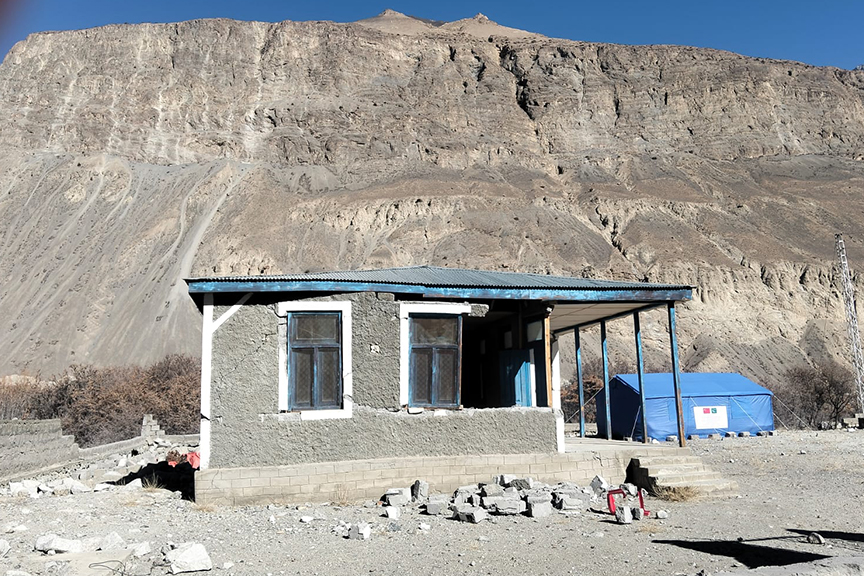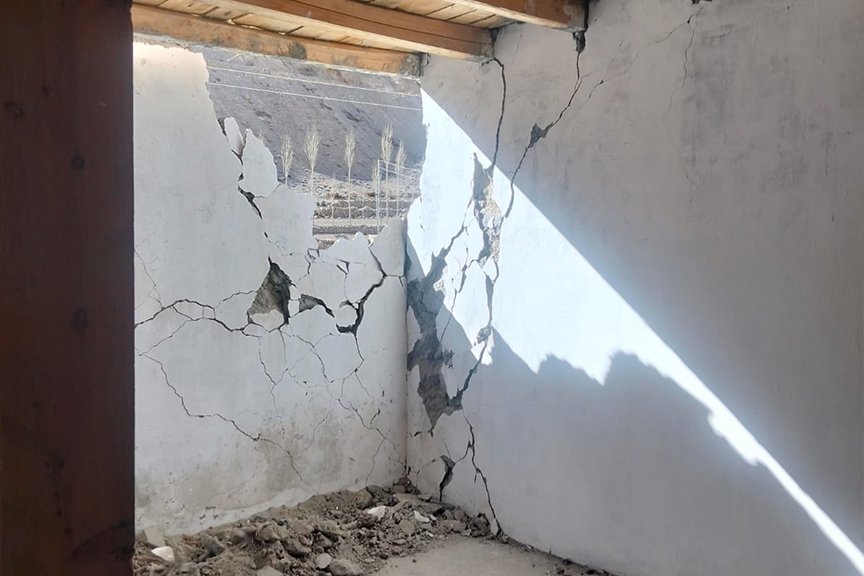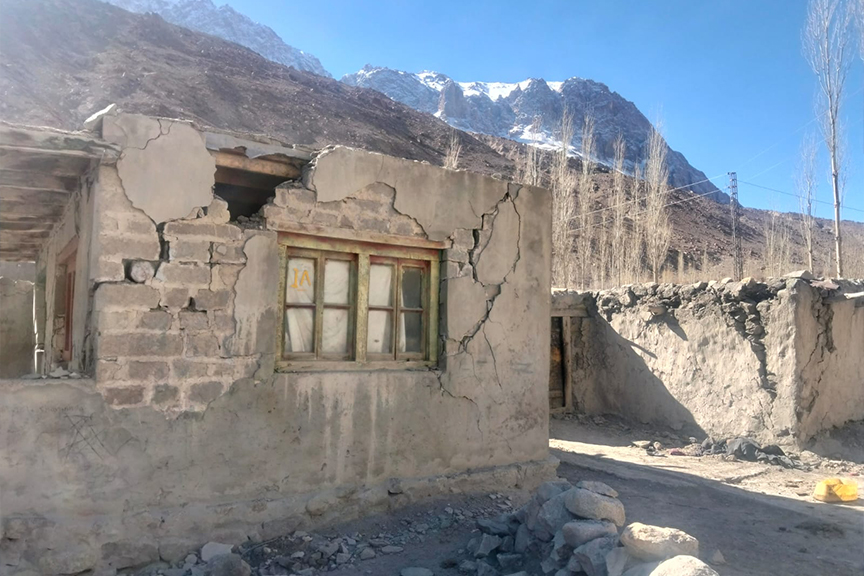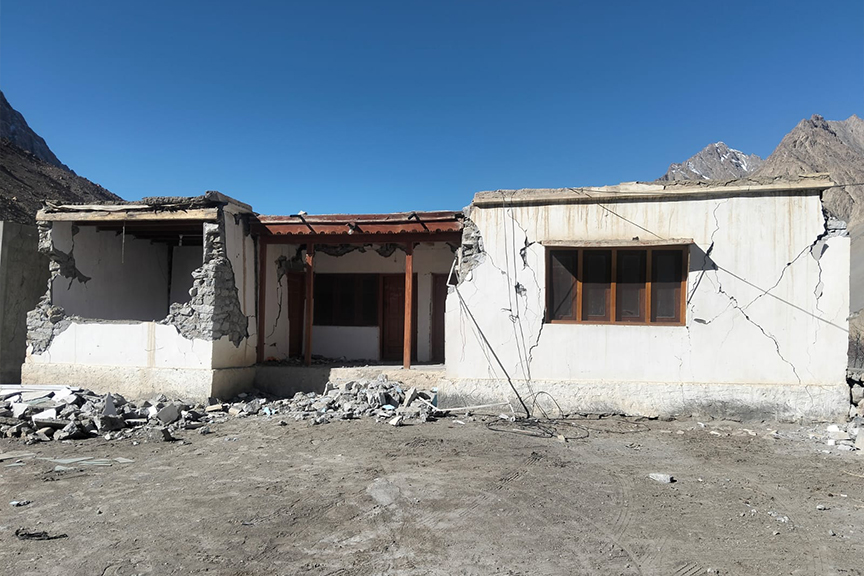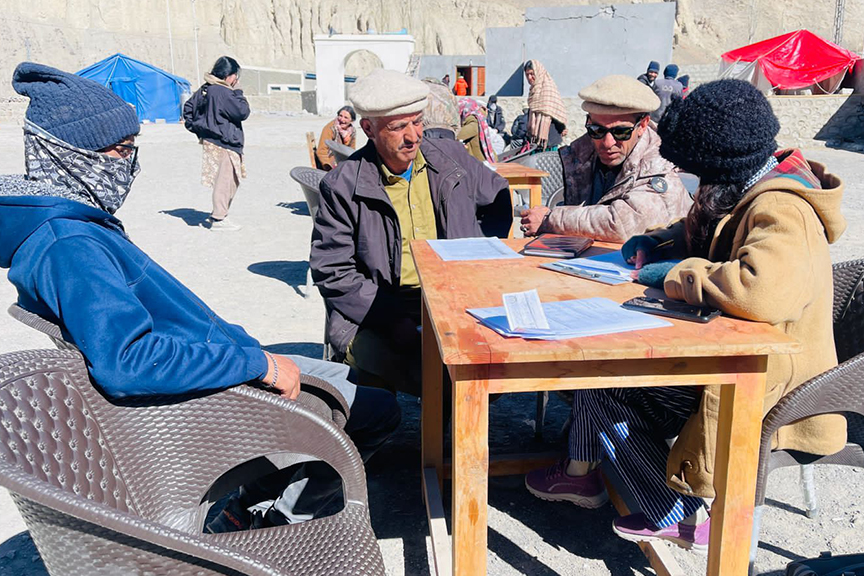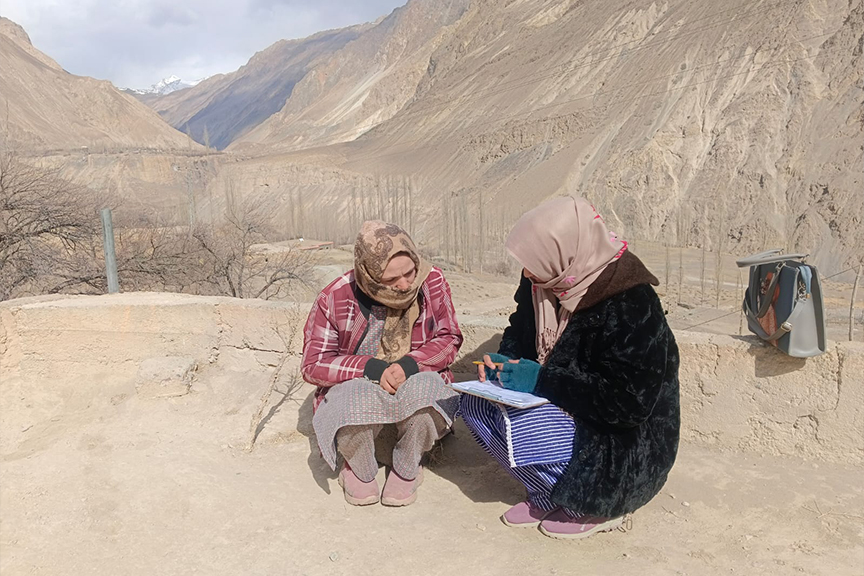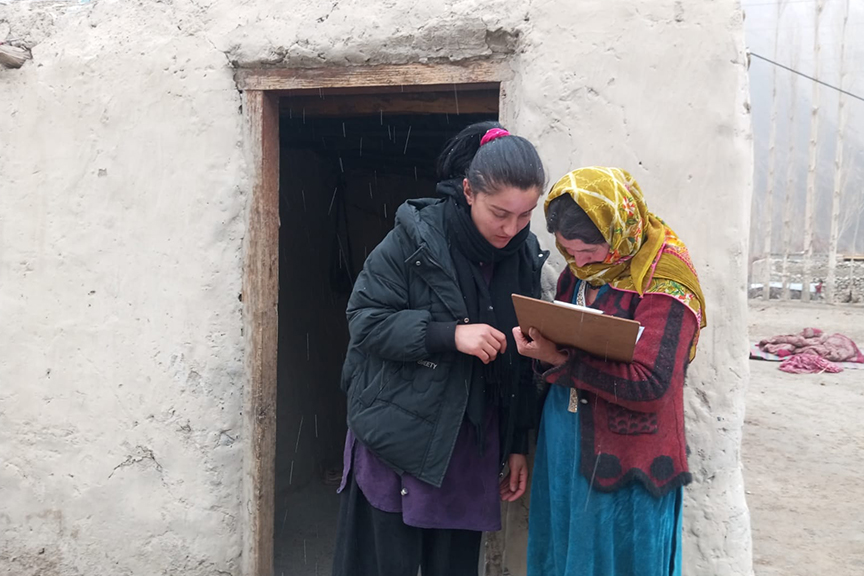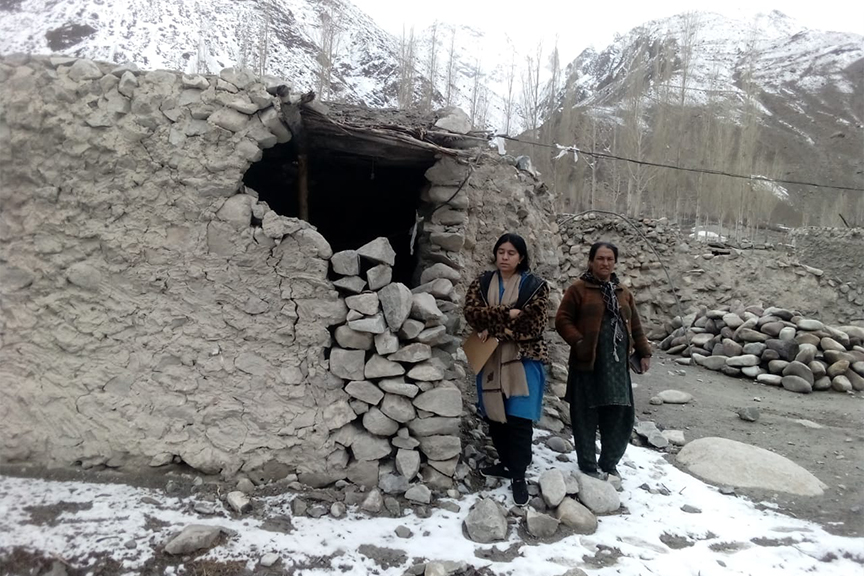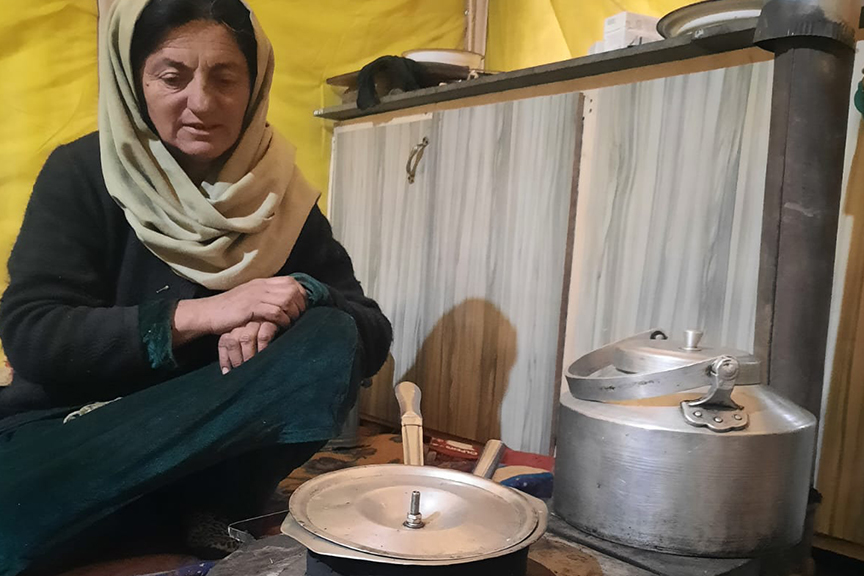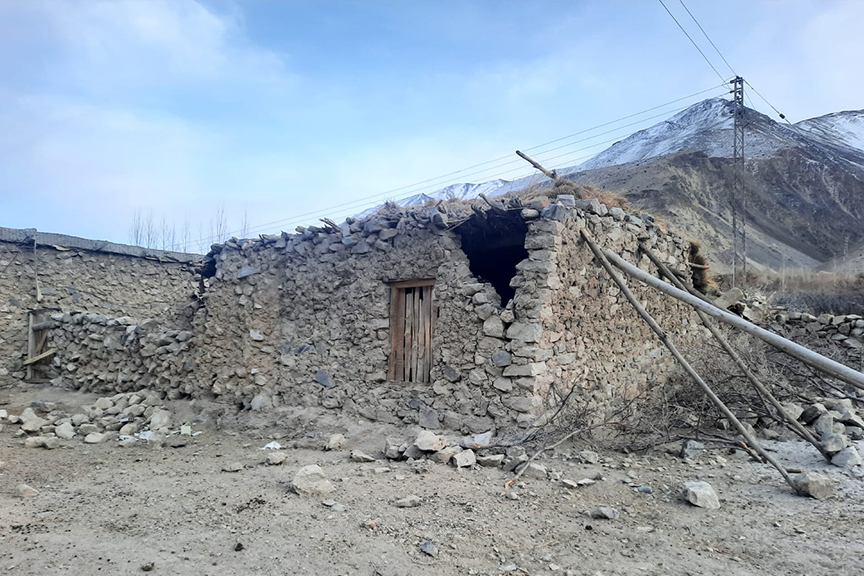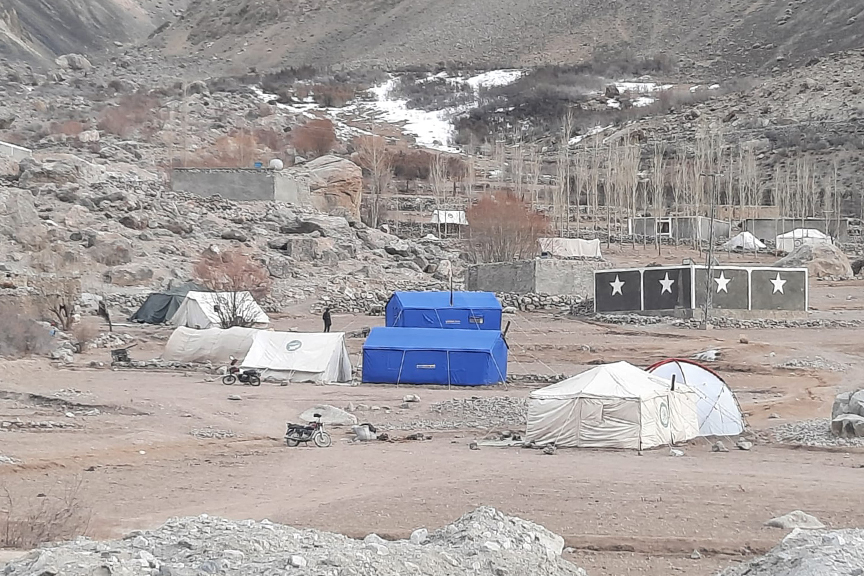
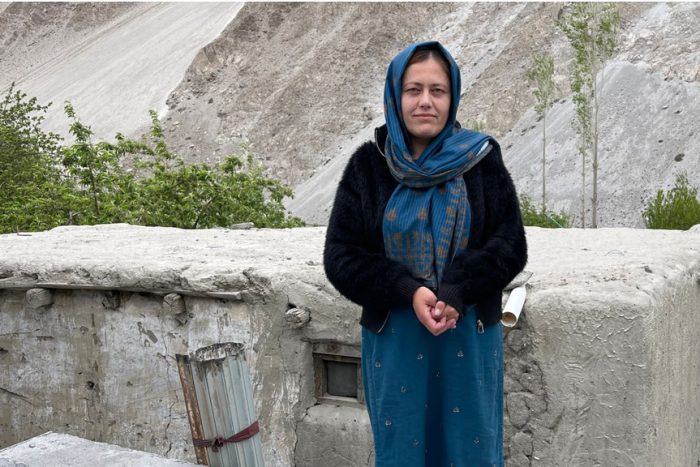
In the aftermath of disaster, recovery is about more than just rebuilding homes. It is about restoring hope and dignity to create a better future. For Hina Kabeer, a devastating earthquake in Pakistan’s Chipurson Valley, Gilgit-Baltistan on 19 January 2026 marked the beginning of an unexpected journey. Faced with the loss of her home, livelihood and sense of security, she refused to let adversity define her future. Through resilience and determination, Hina transformed one of the most challenging moments of her life into an opportunity to rebuild, not only for herself, but for her three children.
Hina Kabeer, a resident of Zoodkhun village in Chipurson Valley, lived with her husband and children. Before the earthquake, the family relied on agriculture as their primary source of income, cultivating crops and managing small-scale farming activities to meet their daily needs.
Life was not without its challenges. Hina’s husband was chronically ill with Arthritis and unable to work, leaving to shoulder much of the responsibility for supporting the household while caring for their four daughters aged 5 to 12, who were studying in Classes 1, 2, 6 and 7. caring for her family. Despite these hardships, Hina remained committed to providing stability for her children and ensuring they could continue their education.
Displacement and Loss
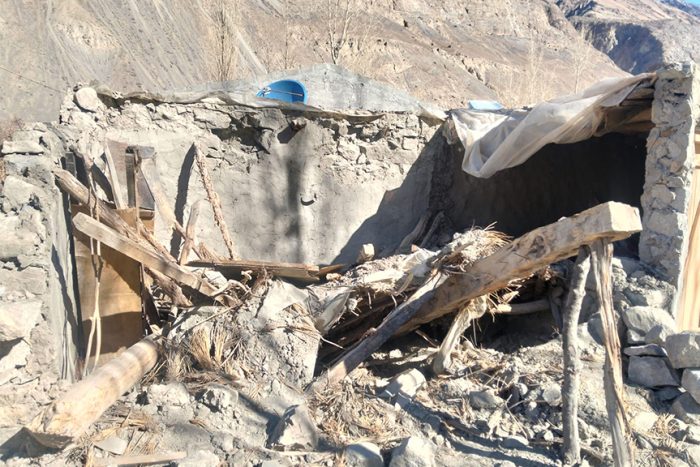
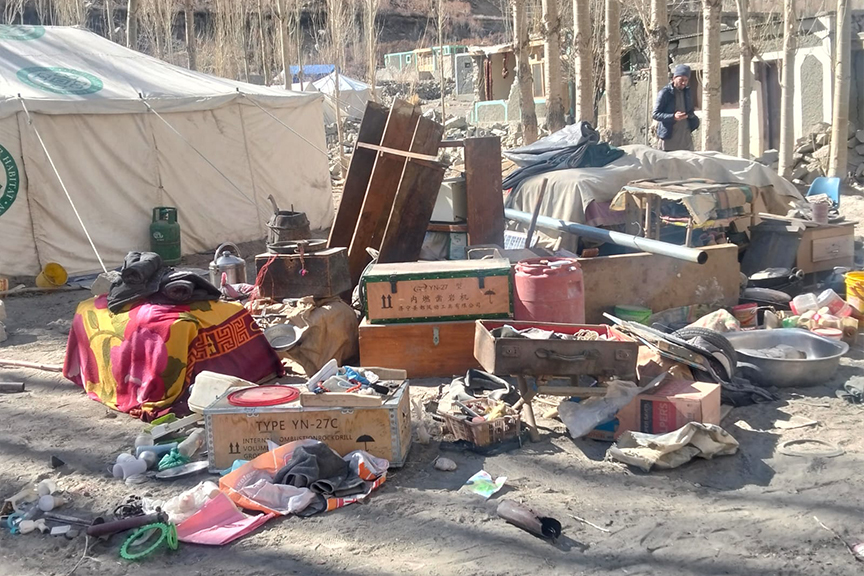
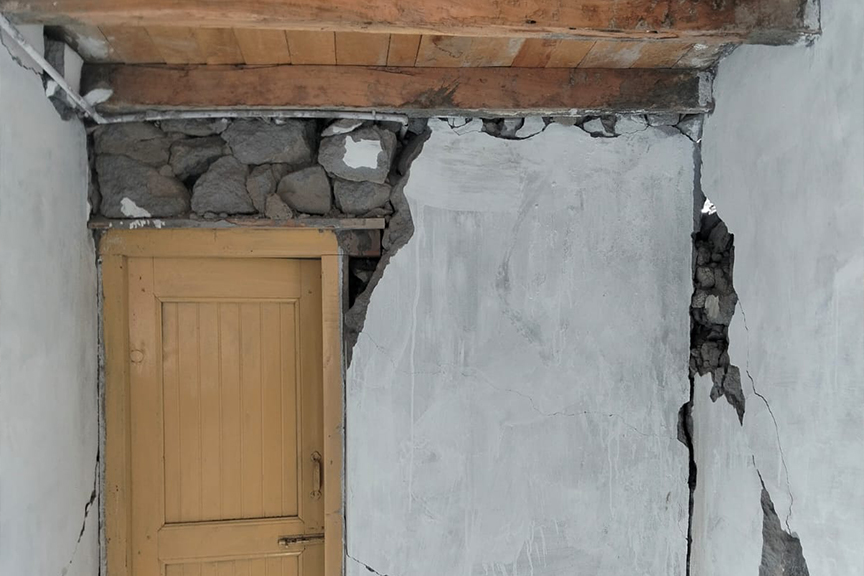
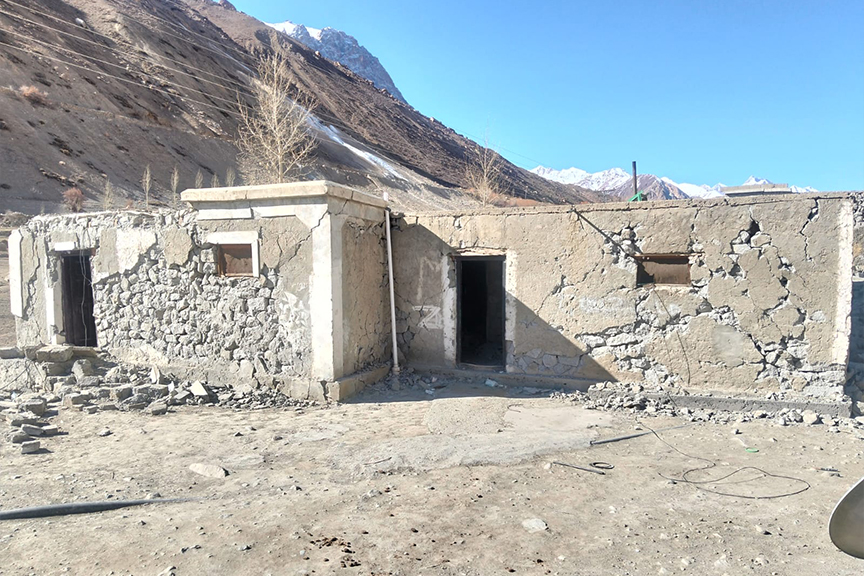
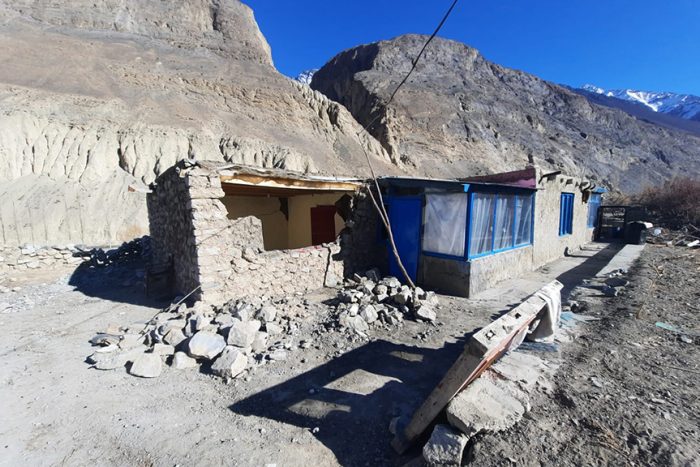
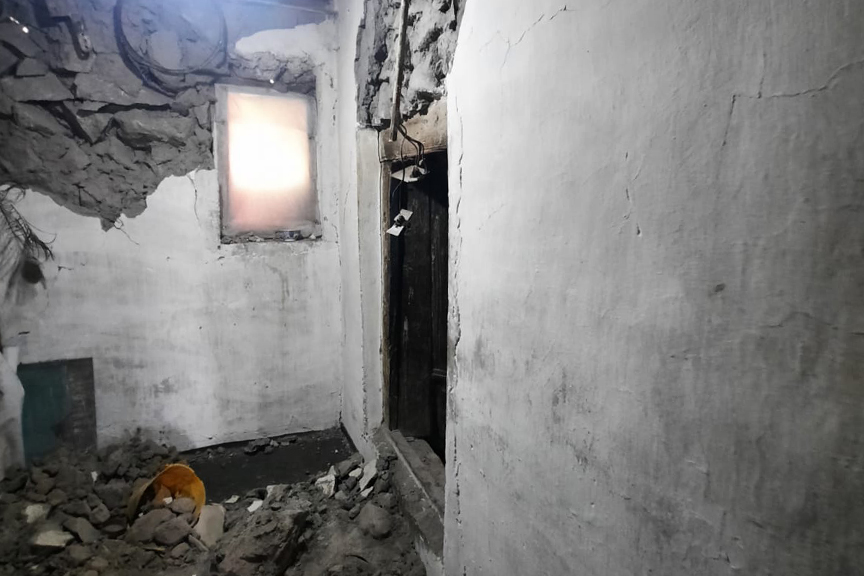
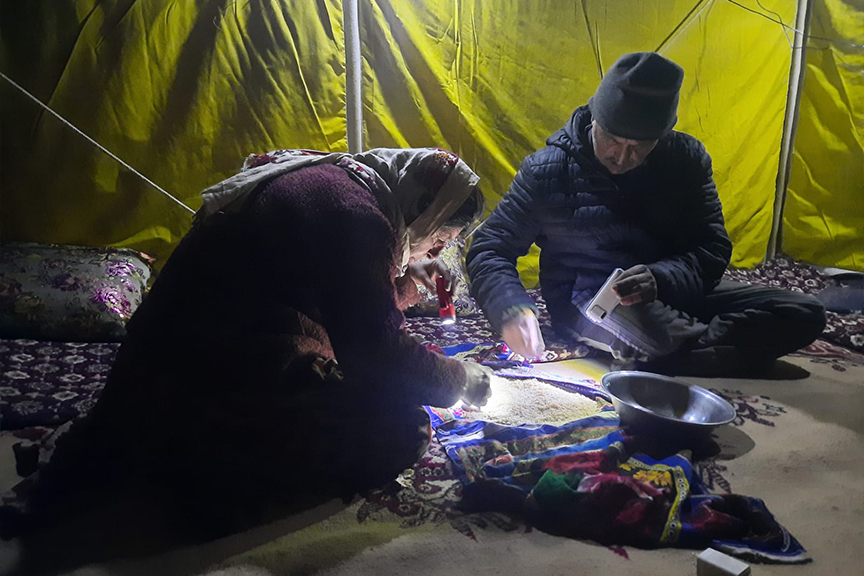
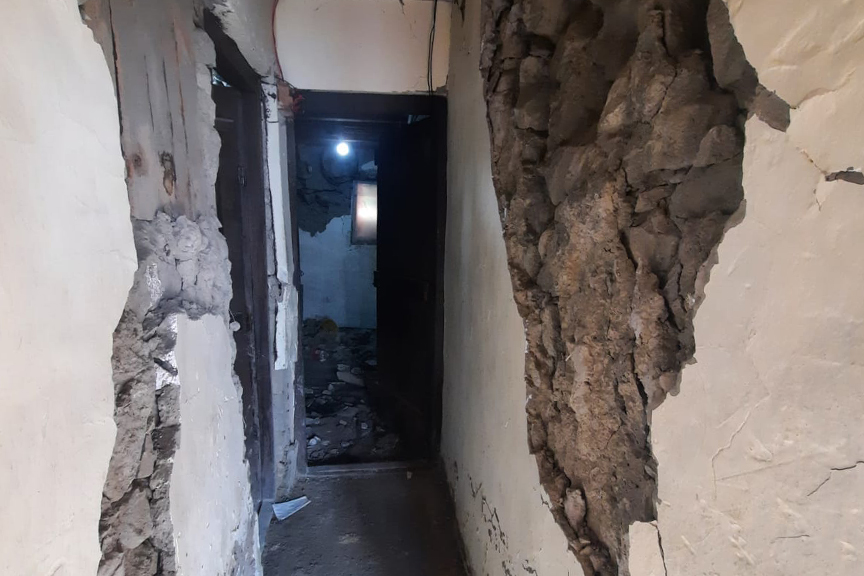
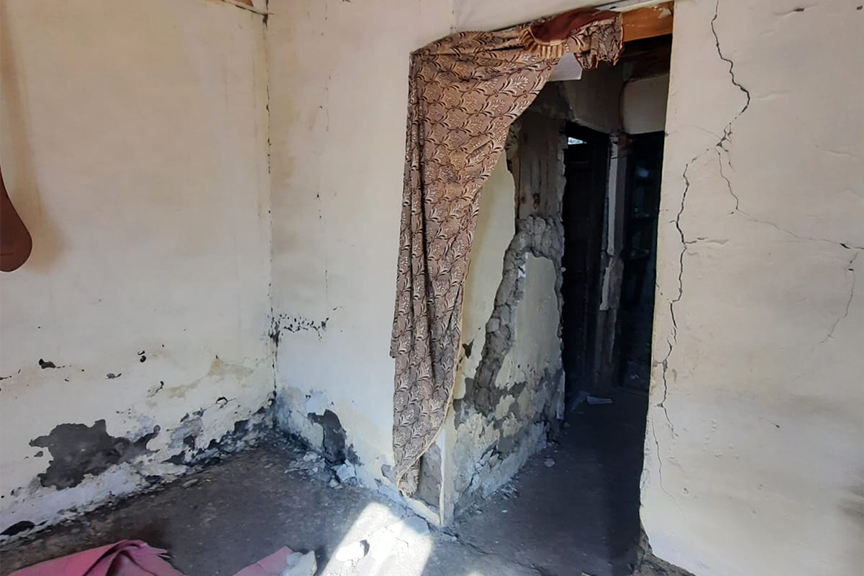
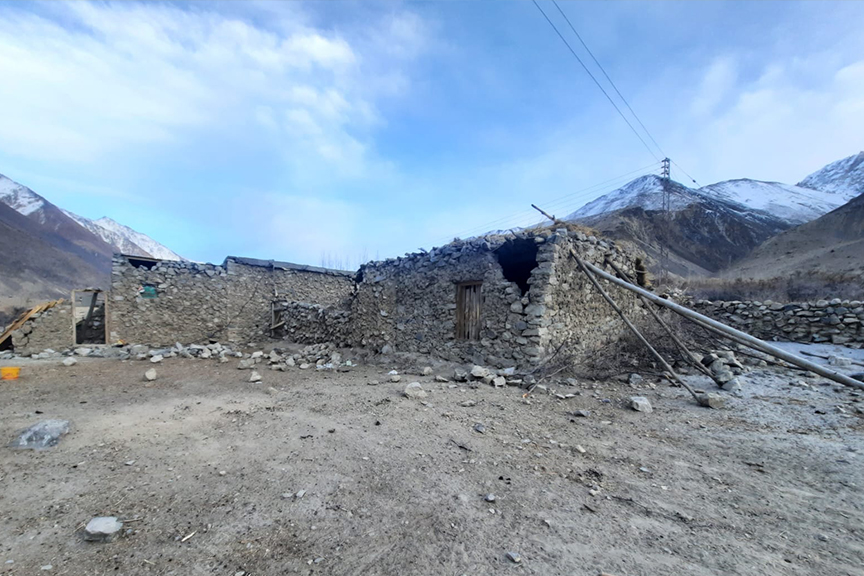
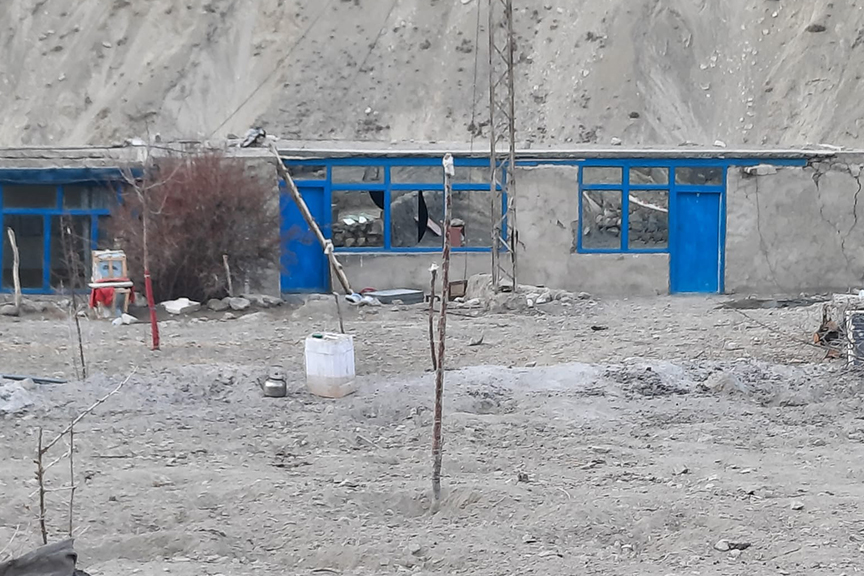
The powerful earthquake caused widespread destruction, leaving Hina’s home completely destroyed, forcing her family to leave their village. In addition to losing their home, they also lost their source of livelihood. This loss caused Hina and her family great amounts of stress, anxiety, and uncertainty about the future. The displacement made it difficult to adjust to a new environment, and Hina worried constantly about providing food, shelter, and education for her children. The earthquake severely damaged irrigation channels that sustained their farmland, making it impossible to continue agricultural activities. “Our land is still there, but without water, we cannot grow anything,” Hina recalled.
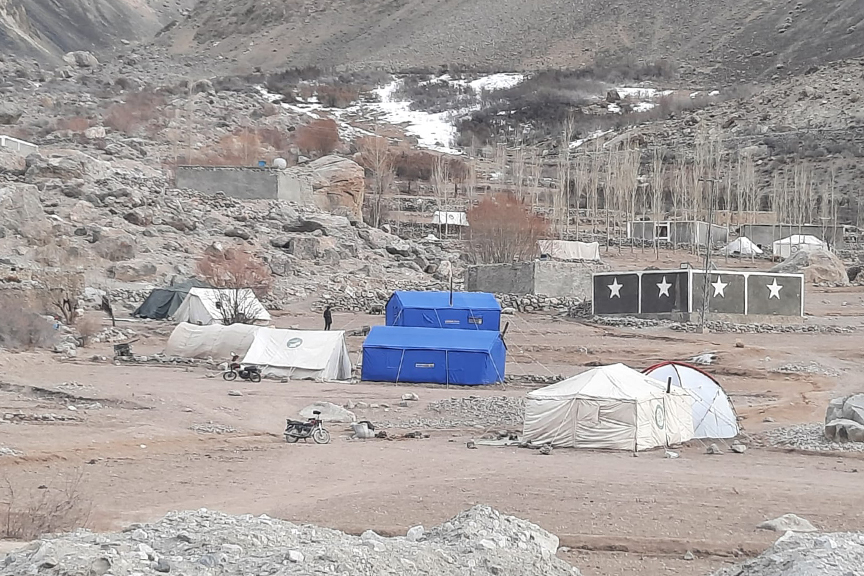
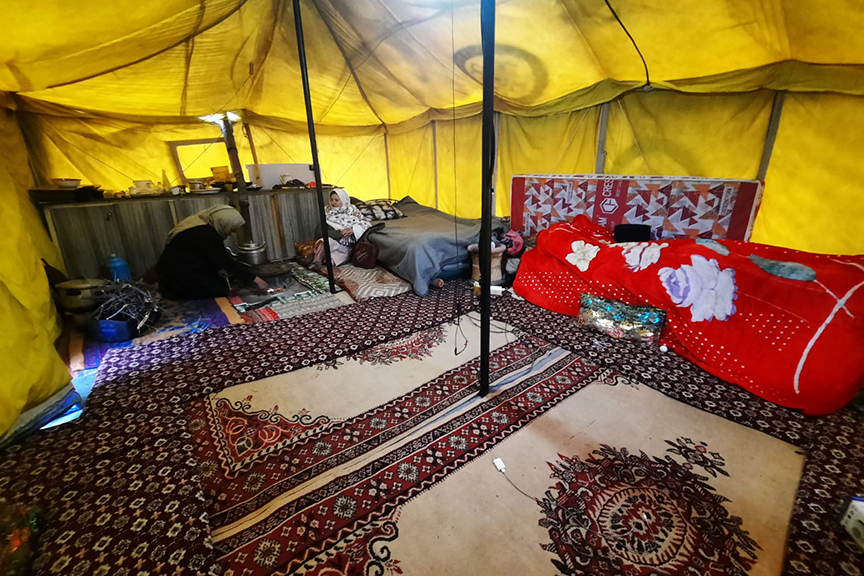
With no income source and no permanent shelter, the family relocated to Gulmit Gojal, where they lived in temporary accommodation while facing growing financial and emotional hardship. Despite the loss of both home and livelihood, Hina remained determined to support her family. She ensured her children continued their education despite the disruption and began exploring ways to earn an income and rebuild their lives. “I wanted to do something for my children, but I had no resources to start,” she shared.
Emergency Relief in Action
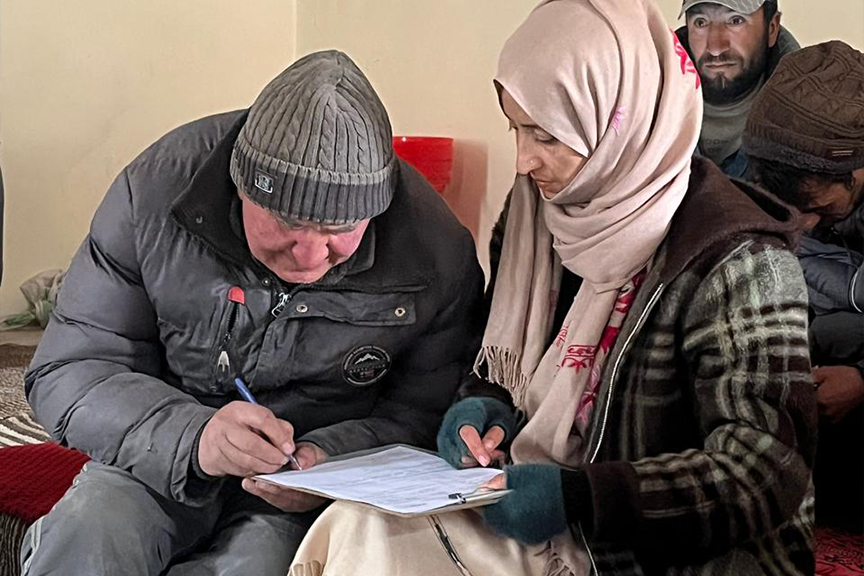
At this critical moment, Community World Service Asia (CWSA), in collaboration with ACT Alliance, provided timely humanitarian assistance to Hina’s family. The support included Multi-Purpose Cash Assistance (MPCA) of PKR 60,000 (215 USD), along with essential non-food items (NFIs), including four blankets, four mattresses, a wood stove and a tarpaulin.
This timely and flexible assistance enabled Hina to address her family’s most urgent needs while also investing in their future. Rather than spending the cash assistance solely on immediate consumption, she used it to purchase the furniture and basic equipment needed to establish a small restaurant in Gulmit Gojal. There, she serves breakfast and lunch, including traditional local (desi) dishes. The restaurant now provides a stable source of income, generating approximately PKR 50,000 per month and enabling Hina to support her family. This decision marked a turning point in her recovery, transforming the loss of her livelihood into an opportunity to rebuild.
The restaurant has brought meaningful improvements to the family’s lives including:
- A stable source of income
- Continued support for her three children’s education
- Improved access to food and other essential needs
- Greater financial independence and confidence
“Now, I can manage my household expenses and support my children,” Hina said.
Beyond supporting her own family, Hina’s restaurant also serves the local community by providing affordable meals and contributing to the local economy. Her ability to adapt to changing circumstances demonstrates remarkable resilience. When agriculture was no longer a viable source of livelihood, she embraced a new opportunity and successfully established a small business.
Standing Strong, Looking Ahead
Reflecting on her journey, Hina expressed heartfelt gratitude to Community World Service Asia (CWSA) and ACT Alliance for their timely support during one of the most difficult periods of her life. With no income and few options after the earthquake, the assistance gave her the opportunity to rebuild with dignity and confidence.
“This support helped me stand on my own feet and rebuild our lives,” Hina said.
Looking ahead, Hina hopes to further develop her restaurant and strengthen her family’s financial security. While the business now provides a stable source of income, it remains modest and requires additional support to grow sustainably. Her aspirations include expanding the restaurant, improving its facilities and equipment, and increasing its income so she can better provide for her family.
Hina’s journey is a testament to the power of resilience, determination and timely humanitarian assistance. Although the earthquake upended her life, it also marked the beginning of a new chapter. With support from CWSA and ACT Alliance, Hina was able to meet her family’s immediate needs while investing in a sustainable livelihood. Today she is not only rebuilding her life but also creating a more secure future for her children, one built on hope, dignity and self-reliance.