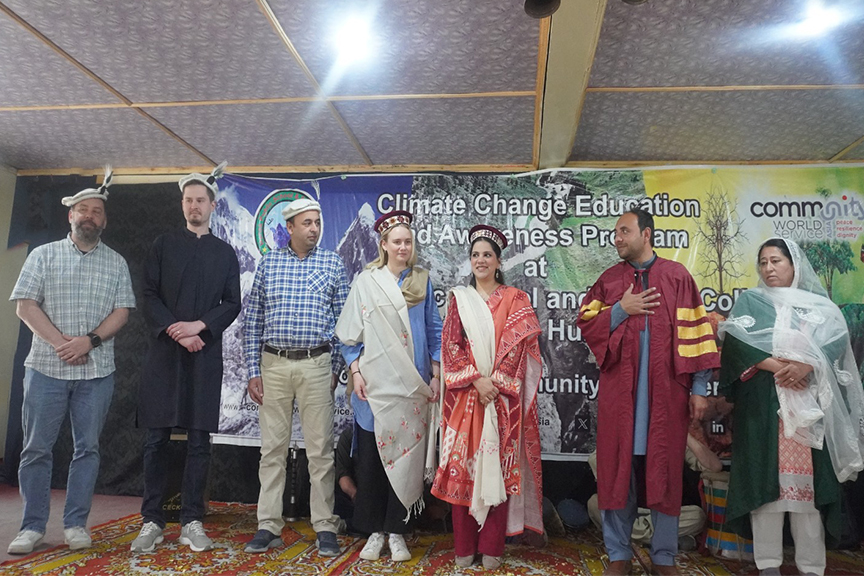
On April 30, 2025, Hunza Public School became a vibrant hub of intergenerational learning, as students and community elders came together with a shared commitment to climate awareness. In partnership with Community World Service Asia (CWSA), the school hosted a Climate Change Education & Awareness event that highlighted the transformative potential of youth activism and community-led engagement.
The event brought together students, teachers, and local leaders for a dynamic dialogue on environmental stewardship, glacier preservation, and sustainable living. Guests from Act Church of Sweden and Community World Service Asia (CWSA) joined the gathering, highlighting the transformative role of education in fostering climate-resilient communities.
A traditional welcome ceremony, rooted in the customs of Gilgit-Baltistan, honored the guests with pharsin, locally crafted caps worn by both men and women. The cultural exchange continued with folklore songs recounting the ancient legacy of the region’s glaciers, followed by a spirited dance performed jointly by elders and youth.
Students voiced their concerns with passion and clarity, speaking on the urgent threats of global warming, glacier retreat, and climate-induced disasters. Their discussions reflected not only the gravity of the challenges but also the ingenuity and commitment needed to overcome them.
“Our glaciers are vanishing faster than our leaders are acting. If we don’t push for clean energy and water conservation today, our children will inherit a barren land,” shared Farida, a Grade 8 student.
Naema, a Class 7 student, spoke with passion, “Climate change isn’t just science; it is our reality. Last year’s floods destroyed homes. We need schools to teach survival skills, not just theories.” Her words echoed the lived experiences of many in the region, underscoring the urgency of climate education rooted in real-world resilience.
The event featured a satirical play titled “Our Planet Earth,” in which extraterrestrial visitors confronted humanity for its environmental negligence. The performance concluded with a dramatic ultimatum: offer solutions or surrender the planet. The message was clear and compelling; the time to act is now.
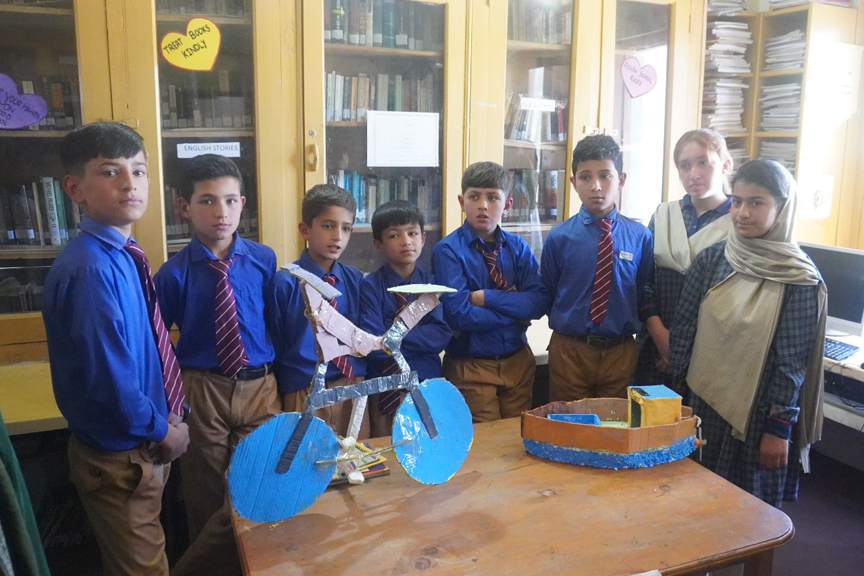
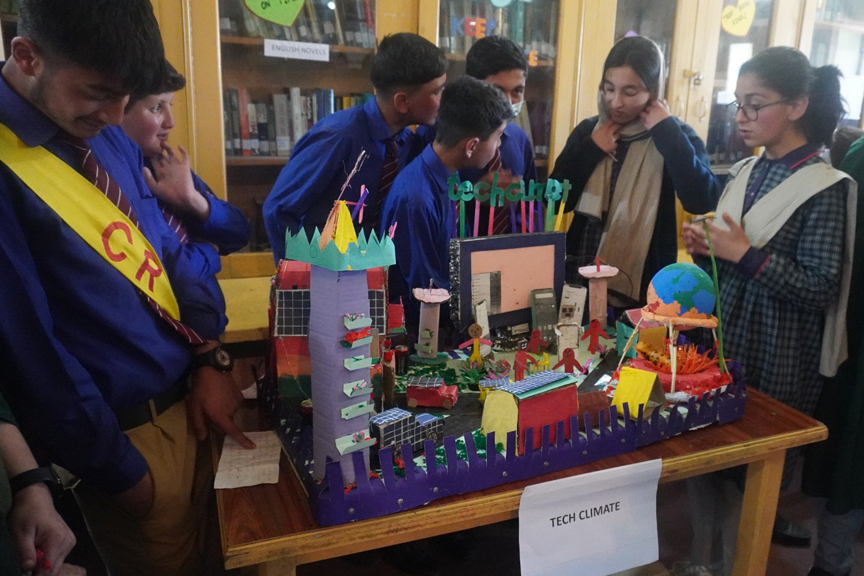
Students also presented innovative scientific models focused on climate adaptation. From water filtration and slope stabilisation to rainwater harvesting, biodiversity conservation, and green school initiatives, their projects reflected both creativity and a deep commitment to sustainable living.
“Our students are well aware of climate change and its solutions. What they need is support and facilities to develop these ideas and emerge as future decision-makers,” highlighted Memoona, senior teacher and focal person at Hunza Public School.
“Our ancestors said glaciers and peaks are bound in eternal union. The mountains provide strength, the glaciers give water. Now this union is failing because we broke our covenant with nature. This is the time to act, by harnessing the power of youth through education and community support,” added Nazia Zafar, CWSA staff in Hunza, citing the wisdom of indigenous traditions.
A Pledge for a Sustainable Future
With CWSA’s continued commitment to climate education, students left the event not only informed but inspired, ready to champion sustainable practices, safeguard their glaciers, and lead transformative change within their communities.
The Earth’s future is in our hands — and the time to act is now.
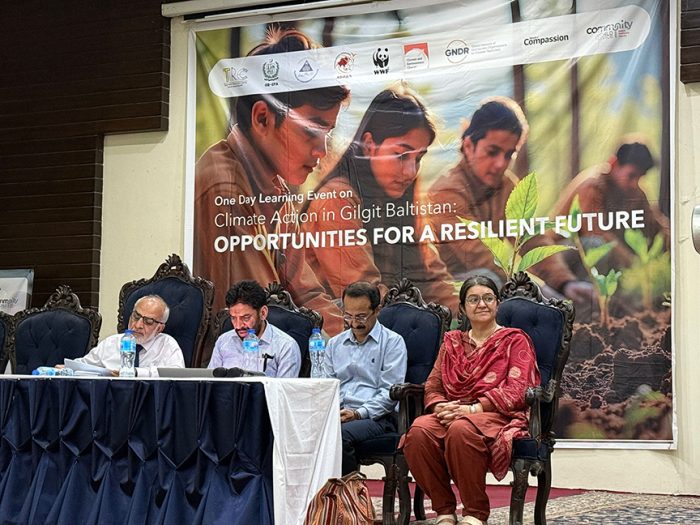
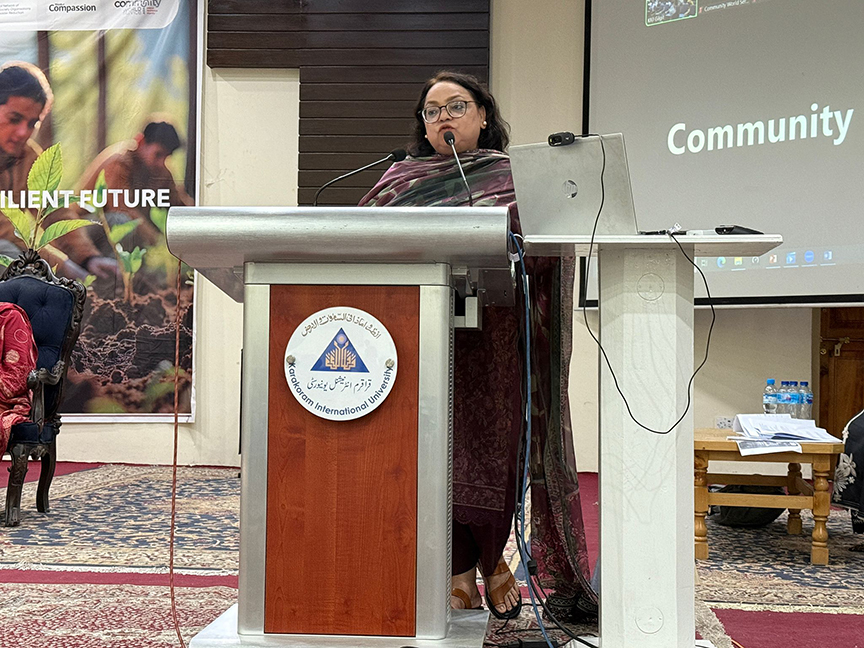
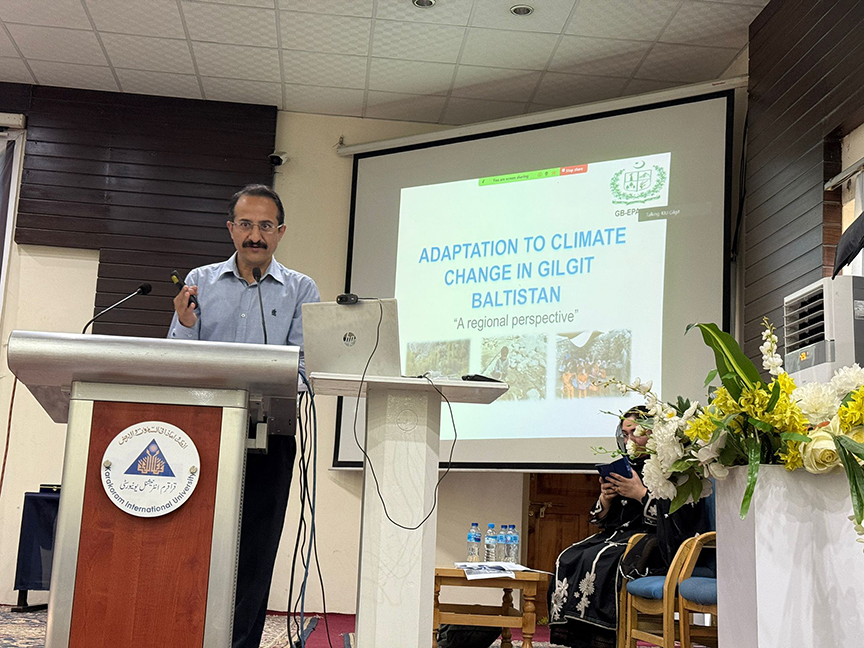
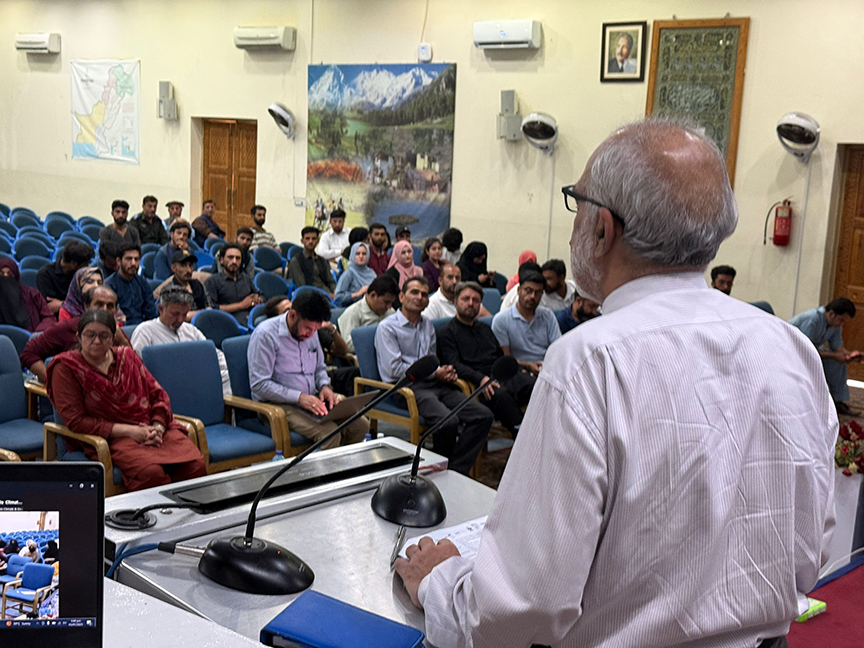
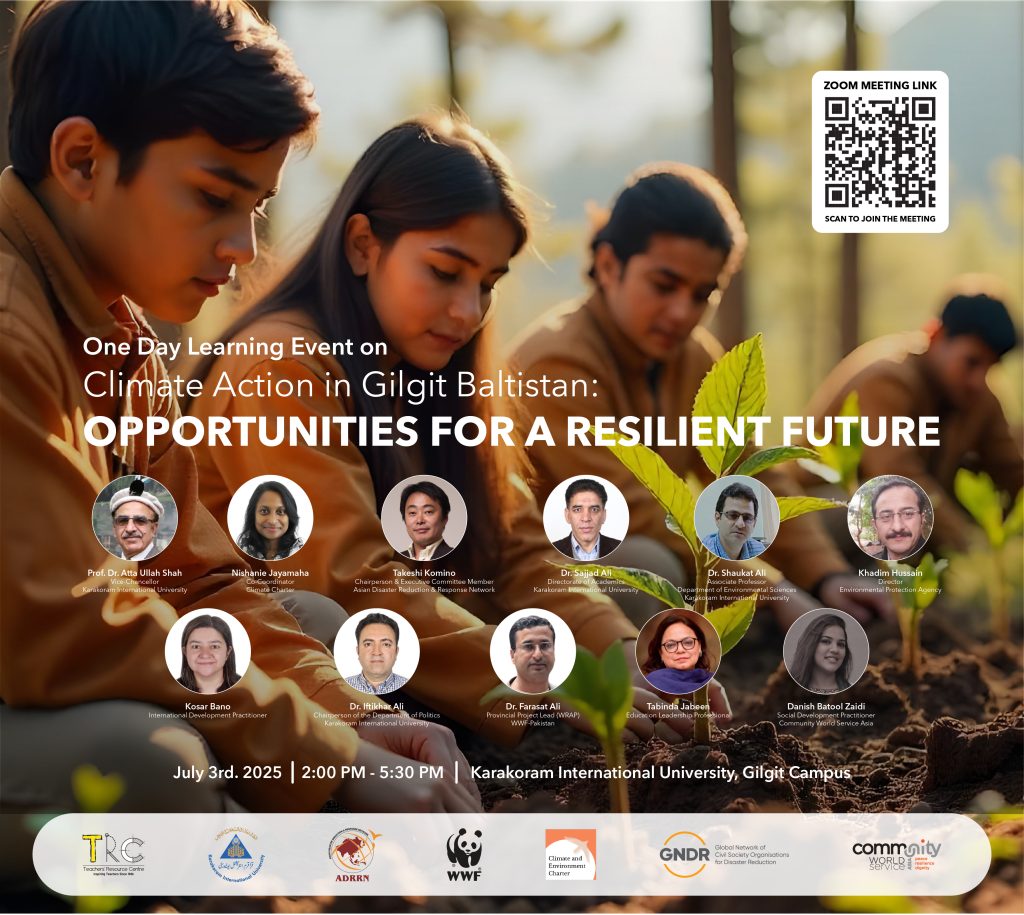
On July 3, 2025, Community World Service Asia (CWSA) organised a transformative Climate Change Learning Event titled ‘Climate Action in Gilgit Baltistan: Opportunities for a Resilient Future’ at Karakoram International University (KIU) in Gilgit, bringing together climate change experts, local stakeholders, and students to address the pressing challenges of climate change in Gilgit-Baltistan. The event, attended by a diverse audience, emphasised the urgent need for education, community-led solutions, and collaborative action to build resilience in one of the world’s most climate-vulnerable regions.
Dr. Sajjad Ali, Associate Professor and Director of Academics at KIU, delivered the welcome address, urging young students to act. “It is a form of disrespect against nature to not take action towards climate change efforts,” he stated, highlighting Pakistan’s vulnerability as one of the top 10 countries affected by climate change. He noted a critical barrier, “We are among the lowest to benefit from climate change funds due to a lack of education, awareness, and advocacy.” Dr. Ali proposed investing in youth education as a key solution to this global crisis.
Takashi Komino of the Asian Disaster Response and Reduction Network (ADRRN) emphasised the prevalence of floods and storms as the most frequent disasters in Asia. He advocated for community-led strategies, stating, “We need to turn technical science into people’s science, reaching communities in ways they understand.” Despite a brief internet disruption, his message resonated, underscoring the importance of accessible, community-driven approaches.
Khadim Hussain, Director of the Environmental Protection Agency, highlighted the value of youth and indigenous knowledge. “We have faced numerous challenges, but we are still surviving. Together, we can take collective action,” he said, advocating for natural resource-based solutions and increased awareness efforts by NGOs.
Nishanie Jayamaha, a climate expert, stressed the need for community-aligned strategies. “We must constantly evaluate if our strategies are helping and working with communities. Misaligned approaches can cause harm,” she cautioned, urging organisations to prioritise community needs to avoid unintended consequences.
Dr Iftikhar Ali, Senator at KIU emphasised on active participation and contribution of local governments, he shared that “Local governments play a vital role in building climate-resilient and sustainable communities by implementing green policies, promoting renewable energy, and ensuring infrastructure can withstand climate impacts”.
Dr. Farasat Ali of World Wildlife Fund Pakistan shared alarming data, noting that climate change costs Pakistan $30 billion annually. He highlighted the risks posed by 33 of the 3,044 glacial lakes in northern Pakistan, classified as hazardous zones for extreme flooding, threatening lives and economic stability. “Increased water temperatures will also affect freshwater sources, impacting fishing and farming,” he added, emphasising the widespread impact across urban and rural communities.
Tabinda Jabeen from the Teacher Resource Center underscored the role of education in preparing Pakistan’s youth for a climate-challenged future. “Children and youth are our future. We must share knowledge and collaborate to equip them for the world we are leaving behind,” she said.
A KIU student studying climate change offered a compelling perspective, suggesting, “We should use local languages instead of English to educate communities and incorporate indigenous knowledge into community-based adaptation efforts for greater success.”
Dr. Shaukat Ali of KIU delivered a powerful closing statement: “Climate change is no longer a distant threat. It is here, and it is very real.”
The event culminated in a significant milestone, the signing of a Memorandum of Understanding (MoU) between CWSA, and the Vice Chancellor of KIU, on behalf of the Gilgit-Baltistan government. This MoU formalises a commitment to collaborate on climate change education and resilience-building initiatives, marking a promising step for CWSA and the communities of northern Pakistan facing escalating climate challenges.
This event, supported by partnerships with KIU and other stakeholders, reflects CWSA’s dedication to fostering dialogue, raising awareness, and driving collective action to address climate change in Gilgit-Baltistan. By empowering youth, integrating indigenous knowledge, and strengthening local collaborations, CWSA continues to pave the way for a more resilient and sustainable future.
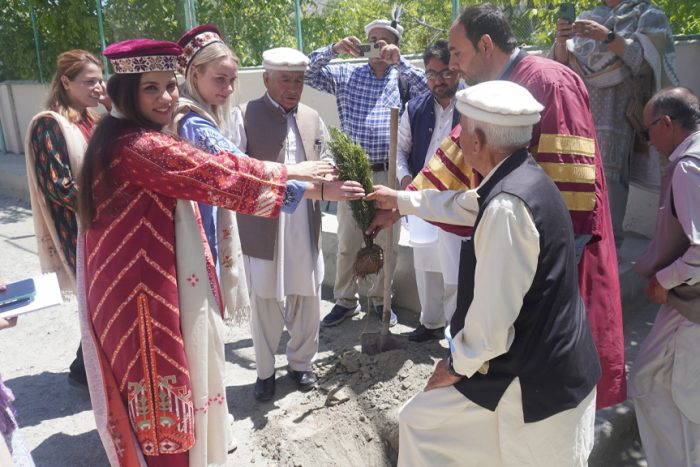
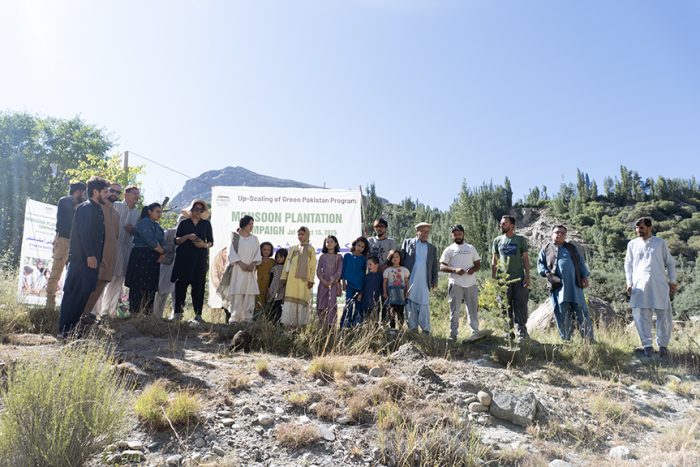
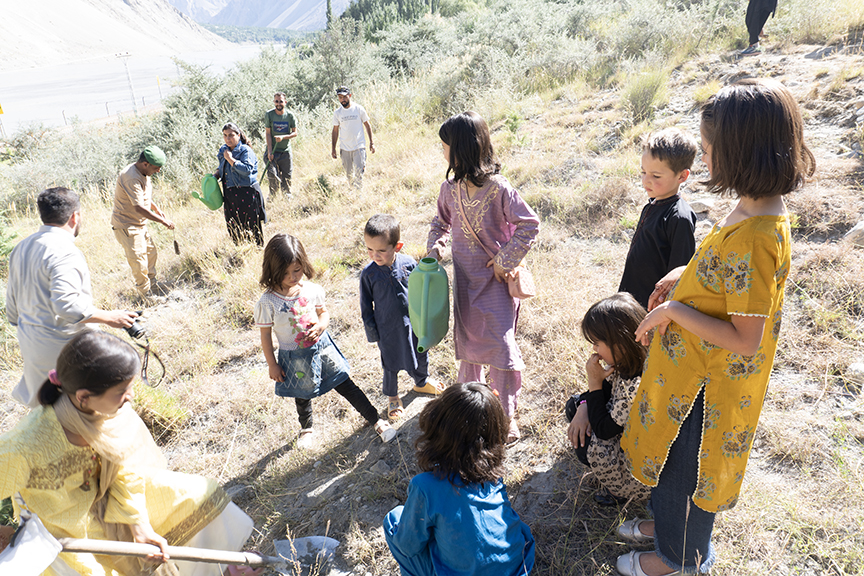
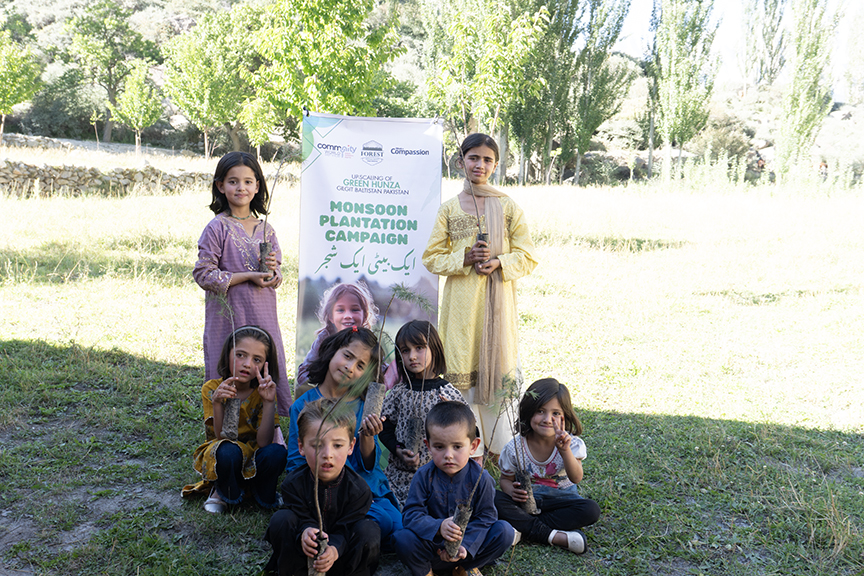
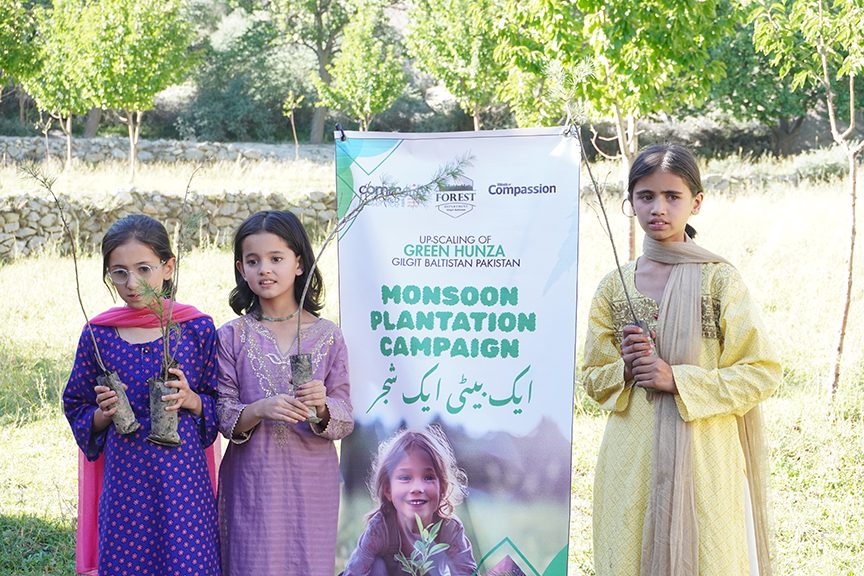
In the scenic valley of Golkin, Hunza, a powerful movement has taken root; one that blends environmental stewardship with a celebration of women’s roles in community resilience. Launched in collaboration with the Forest Department of Gilgit Baltistan, the “One Daughter, One Tree” (Aik Bete, Aik Shajar) plantation drive marks a significant step in combating climate change through afforestation.
This initiative, supported by Community World Service Asia’s Climate Education and Awareness Program and funded by Week of Compassion, goes beyond tree planting. It is a tribute to daughters, mothers, and grandmothers, honouring their contributions while fostering environmental consciousness among students and local communities.
As Gulnaaz, a woman farmer from the region, shared, “We are planting hope. We are honouring nature. We are celebrating women and teaching our children to protect what sustains us.”
The urgency of this campaign is underscored by the increasing frequency of floods and glacier retreat in the region. A representative from the Forest Department emphasised the critical need for afforestation to safeguard Hunza’s fragile ecosystem and raise public awareness about sustainable practices.
This event is the first in a series of plantation drives planned across more than 25 public and private schools, engaging youth and communities in long-term climate adaptation efforts.
Among the young changemakers is Safina, a passionate student from Al Amin Model School in Gulmit, Gojal. Having witnessed firsthand the devastating effects of glacier melt and flooding in her valley, Safina joined the plantation drive with a clear purpose; to contribute to a greener, more resilient future.
Her actions speak volumes. By planting trees and advocating for climate awareness, Safina is not only protecting her community but also inspiring her peers to take ownership of their environment. Her story is a testament to the power of individual action in addressing global challenges.
As Hunza’s youth and elders unite under the banner of climate resilience, CWSA remains committed to supporting locally led solutions that protect both people and the planet. Together, these efforts are sowing the seeds of sustainability—one daughter, one tree at a time.
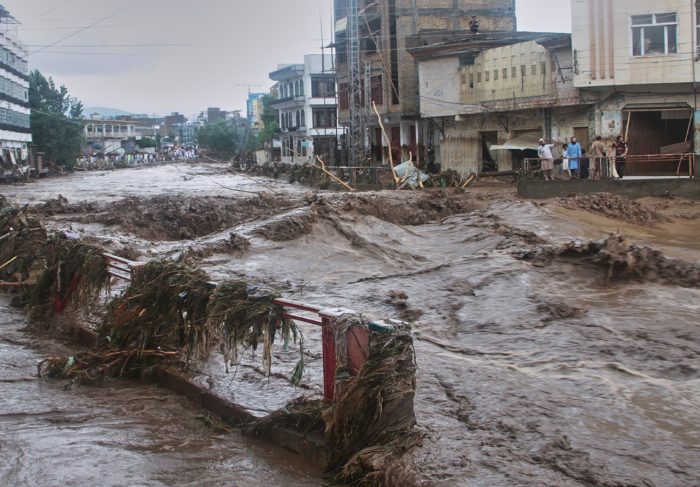
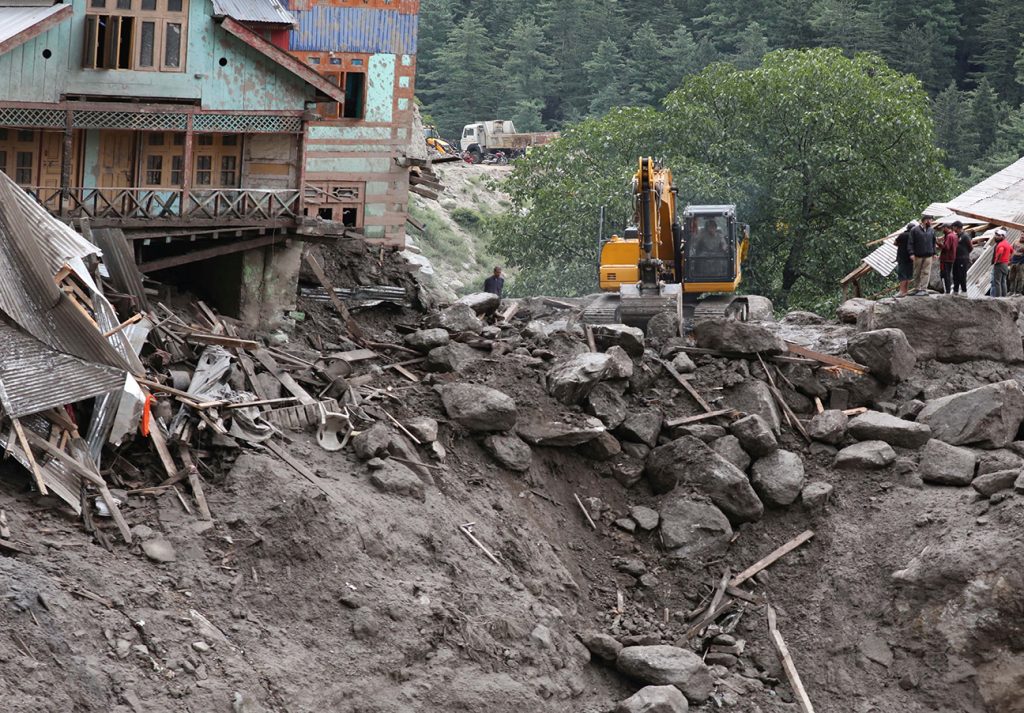
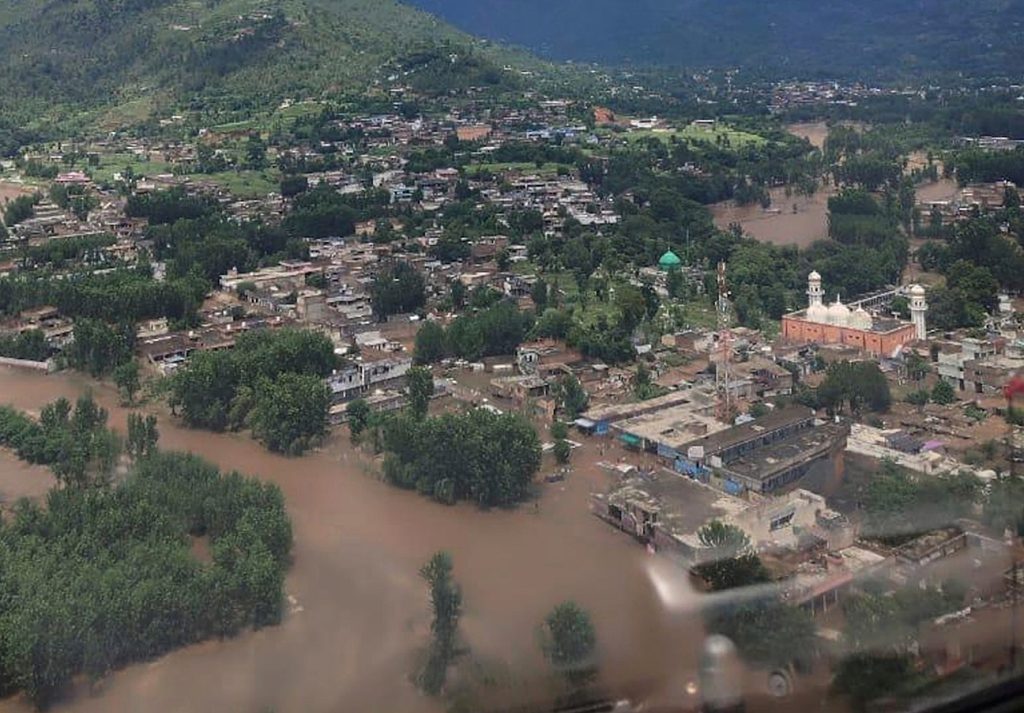
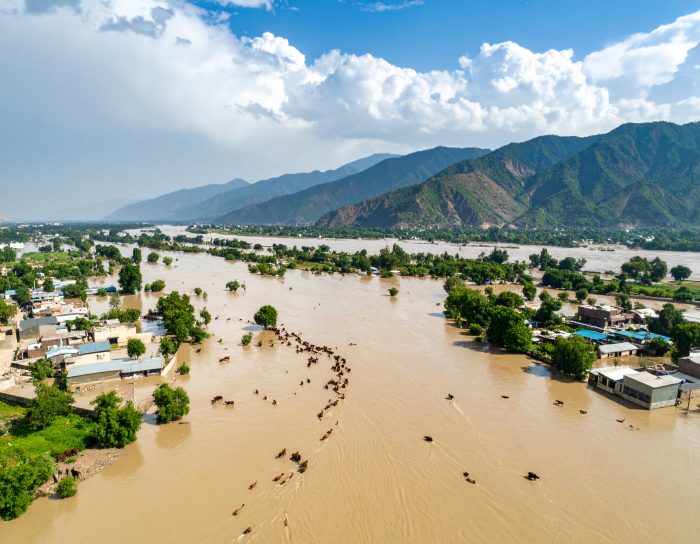
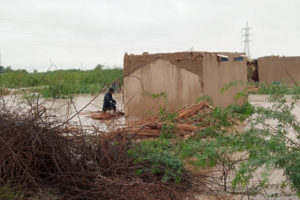
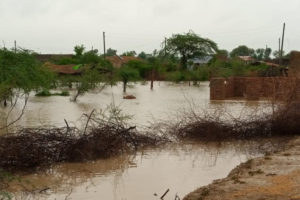
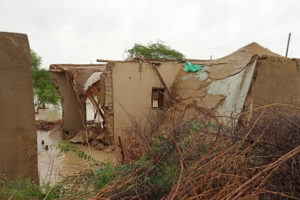
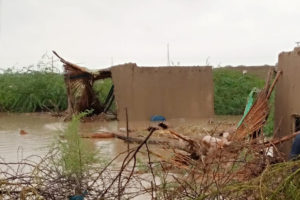
Pakistan is facing one of its deadliest monsoon seasons in recent history. Since late June, relentless rains have triggered flash floods, landslides, and glacial lake outburst floods (GLOFs) across Khyber Pakhtunkhwa (KP), Gilgit-Baltistan (GB), Punjab, Sindh, Balochistan, and Azad Jammu & Kashmir (AJK). Over 650 lives have been lost, with 351 deaths reported in KP alone in the past 72 hours. Entire villages have been swept away, infrastructure crippled, and thousands displaced.
The situation is particularly dire in KP’s Buner district, where 204 fatalities have been confirmed and entire communities have been obliterated. In GB, GLOFs have destroyed roads and homes, isolating vulnerable populations and complicating relief efforts.
2,462 homes damaged; mass displacement in KP, GB, and AJK
Infrastructure
152 bridges destroyed; major road closures including Karakoram Highway
Livelihoods
Crop and livestock losses; economic devastation in rural districts
Health
Rising cases of trauma, waterborne diseases, and mental health distress
Protection
Heightened risks of GBV, exploitation, and early marriage in displacement settings
Immediate Humanitarian Needs
Search & Rescue Operations in landslide-prone and inaccessible areas
Emergency Shelter & NFIs including tents, blankets, lighting, and kitchen sets
Safe Drinking Water & Hygiene Kits to prevent disease outbreaks
Mobile Health Services for trauma, maternal care, and psychosocial support
Food Assistance & Cash Support for families cut off from supply routes
Debris Clearance & Road Access Restoration to reopen relief corridors
Protection Services for women, children, elderly, and persons with disabilities
Early Warning Systems & Community Alerts for continued rainfall and GLOF threats
Community World Service Asia (CWSA) Response & Preparedness
Community World Service Asia has launched emergency relief operations in Hunza and Nagar districts of Gilgit-Baltistan, which are among the most remote, and hard to reach areas of Northern Pakistan. Hunza and Nagar are nestled within the Karakoram Range, and are surrounded by some of the highest Karakoram peaks like Rakaposhi, Golden Peak, and Ultar. These districts are most affected by recent climate change impacts, despite zero contribution to emissions. CWSA is distributing Emergency Relief Kits to 150 families in these two districts. These kits include food items, first aid, and hygiene supplies tailored to restore dignity and safety.
CWSA is coordinating closely with NDMA, PDMAs, and local partners and intends to scale its emergency response activities in areas where it already has a strong field presence, while retaining the flexibility to expand operations as the crisis develops. Built on existing local networks and partnerships, the response will remain adaptive, inclusive, and community-driven. Our approach prioritises:
Mobile Health Units for emergency care and psychosocial support
Temporary Shelters for families who have lost their homes
Protection-Focused Spaces for women and children
Gender-Responsive Programming across all sectors
Multipurpose Cash Assistance & In-Kind Support
Community Engagement & Accountability Mechanisms
Call to Action
Community World Service Asia urges humanitarian partners, donors, and media to amplify the voices of affected communities and support a coordinated, dignified response. The scale of devastation demands urgent action to prevent further loss of life and restore hope for thousands.
Contacts:
Shama Mall Deputy Regional Director Programs & Organisational Development Email: shama.mall@communityworldservice.asia Tele: 92-21-34390541-4
PalwashayArbab Head of Communication Email: palwashay.arbab@communityworldservice.asia Tele: 92-21-34390541-4
As climate extremes intensify across Pakistan, vulnerable communities are bearing the brunt of rising temperatures, erratic rainfall, and environmental degradation. This short video captures firsthand reflections from local residents and civil society on how climate change is reshaping their lives, livelihoods, and landscapes. Produced by Community World Service Asia & Leigh Larson, Week of Compassion, the film amplifies voices from the frontlines, calling for urgent, inclusive action to build resilience and protect those most at risk.
Pakistan is currently experiencing intensified monsoon rainfall, consistent with forecasts from the Pakistan Meteorological Department (PMD) and alerts issued by the National Disaster Management Authority (NDMA). Since late June, above-normal precipitation has impacted Sindh, Punjab, Khyber Pakhtunkhwa (KP), Balochistan, and Gilgit-Baltistan (GB), triggering widespread flooding, landslides, and displacement.
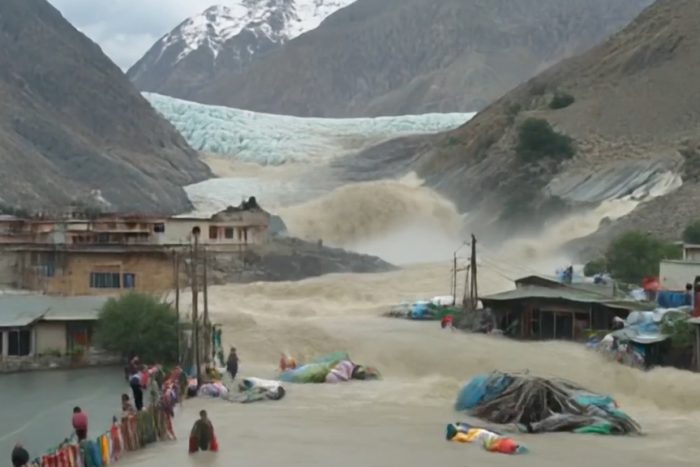
In Gilgit-Baltistan, temperatures have reached an unprecedented 48.5°C, accelerating glacial melt across the Himalayas, Hindu Kush, and Karakoram ranges. This has significantly heightened the risk of Glacial Lake Outburst Floods (GLOFs), particularly in historically stable regions like Shakyote, where agricultural lands and homes have been swept away.
Sindh, in southern Pakistan, is currently experiencing a moderate to high-risk period, with urban flooding impacting major cities and a continued threat of rural flooding. While rainfall in Sindh has not been as intense as in Punjab or KPK, the province remains highly vulnerable due to poor drainage and overstretched infrastructure. Additionally, heavy rains in northern and central Pakistan can increase flood risks in Sindh through rising river levels, hill torrents, snowmelt, and GLOF events, even if Sindh itself receives only light rainfall. Local authorities have issued advisories to all relevant stakeholders to ensure preparedness.
Rajanpur, Dera Ghazi Khan, Muzaffargarh, Layyah, Multan, Bahawalpur
Balochistan
Lasbela, Jhal Magsi, Khuzdar, Sibi, Naseerabad
Khyber Pakhtunkhwa
Swat, Chitral, Dir, Shangla, Kohistan, Mansehra, Dera Ismail Khan
Gilgit-Baltistan & AJK
Hunza, Ghizer, Skardu, Muzaffarabad, Bagh
Urban Centers
Karachi, Lahore, Peshawar, Quetta
Humanitarian Impact (as of July 16, 2025)
124 fatalities reported across five provinces
264 injuries, primarily due to collapsed structures
522 homes damaged, 126 livestock lost, and multiple roads and bridges destroyed
Thousands displaced, particularly in mountainous and flood-prone zones
Heightened vulnerability among women, children, and marginalised groups
Escalating Risks
Urban Flooding in major cities due to poor drainage
Flash Floods & Landslides in KPK, Punjab, GB, and Balochistan
Rural Inundation threatening food security in Sindh and southern Punjab
Waterborne Disease Outbreaks (cholera, malaria, dengue) due to stagnant water
Protection Concerns for displaced women, girls, and vulnerable communities
Recurring Disaster Zones still recovering from the 2022 super floods
Gendered & Inclusive Impact
Women, girls, and marginalised groups face disproportionate risks due to pre-existing inequalities. Displacement has disrupted access to maternal healthcare, education, and safe shelter. Overcrowded conditions and lack of gender-sensitive facilities increase exposure to gender-based violence and exploitation. Persons with disabilities, the elderly, and ethnic minorities face additional barriers to accessing relief.
Anticipated Needs
Emergency Shelter & Non-Food Items (NFIs)
WASH support (clean water, hygiene kits, sanitation)
Health services via mobile/static units
Food assistance (cash or in-kind)
Livelihood recovery for farmers and labourers
Protection services for vulnerable populations
CWSA Preparedness and Response
Community World Service Asia is actively coordinating with NDMA, PDMAs, and local partners to monitor the evolving crisis. Our response prioritises:
Gender-responsive programming across all sectors
Mobile health units for emergency care and psychosocial support
Protection-focused spaces for women and children
Emergency shelter and NFIs for displaced families
Cash-for-food assistance and in-kind distributions
Humanitarian Quality & Accountability mechanisms to ensure dignity and community engagement
Our multidisciplinary teams are ready to deploy in active field areas, with flexibility to expand operations as needed. CWSA will initiate its emergency operations in regions where we maintain an active presence and will scale up as needed, ensuring that our response is coordinated, adaptive, and rooted in local partnerships.
Rapid Response Fund Appeal
To enable swift, life-saving assistance, CWSA is establishing a Rapid Response Fund (RRF). We call on our partners to support this fund and strengthen our collective ability to respond efficiently and equitably, within 24 hours of the emergency. Together, we can act before the storm becomes catastrophe.
The 2025 monsoon and GLOF crisis underscores the urgent need for climate-resilient, people-centered humanitarian strategies. Without inclusive and sustained efforts, future disasters will continue to deepen inequalities and reverse development gains. CWSA remains committed to protecting lives, restoring dignity, and building resilience across Pakistan’s most vulnerable communities.
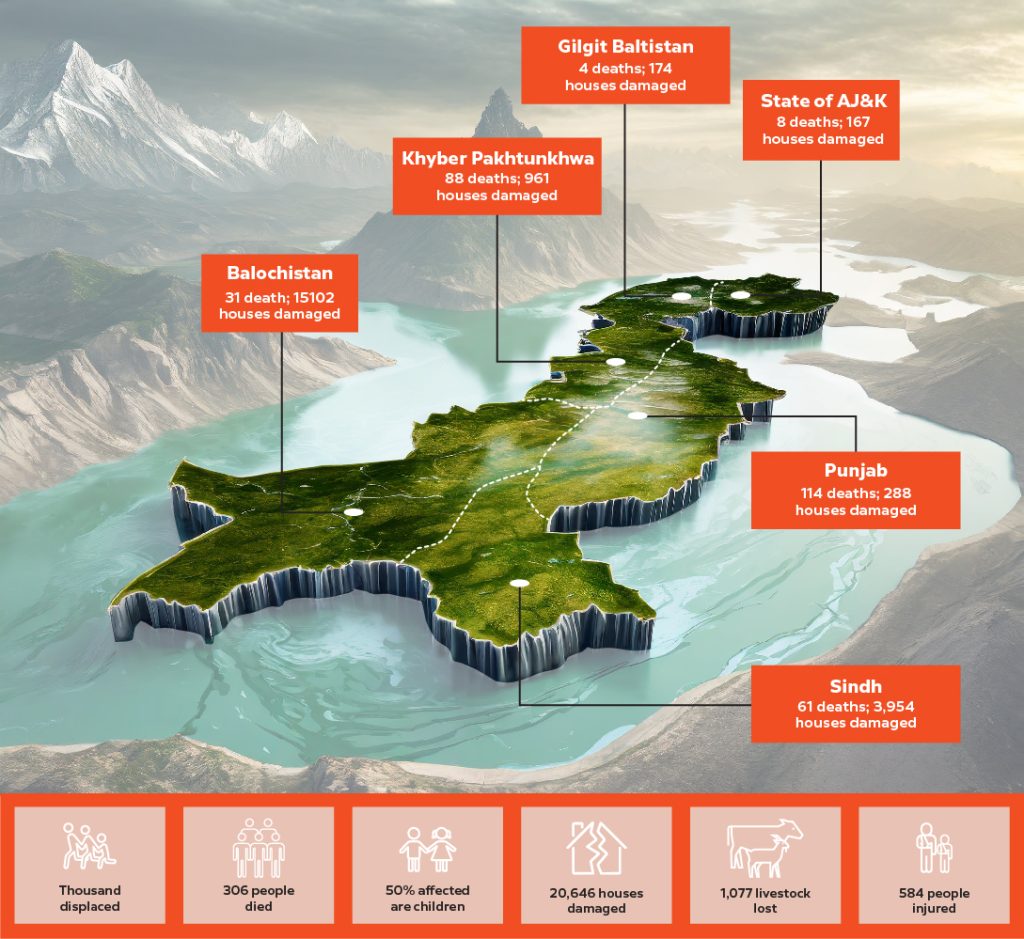
The 2024 monsoon season has wreaked havoc across Pakistan, especially in Balochistan, Punjab, and Sindh. Heavy rains have led to widespread flooding, landslides, and significant infrastructure damage. Unusually high temperatures have exacerbated the situation, accelerating snowmelt in regions like upper KP, Azad Jammu and Kashmir, and Gilgit-Baltistan. According to the National Disaster Management Authority (NDMA), as of September 1, the country has experienced above-average rainfall and a total of 306 people have lost their lives, including 155 children. Additionally, 584 people have been injured, with 212 of them being children.
Moreover, the Pakistan Meteorological Department has announced today that a moist current from the Bay of Bengal is expected to move into the upper parts of the country from September 2. Rain, wind, and more thundershowers are predicted for Sukkur, Larkana, Khairpur, Dadu, Jacobabad, Karachi, Hyderabad, Thatta, Badin, Tando Allahyar, Tando Muhammad Khan, Tharparkar, Mithi, Mirpur Khas, Umerkot, and Sanghar on September 3 and 4. Farmers are advised to manage their activities according to the weather forecast.
A strong spell of monsoon rain is anticipated in the tribal areas of Dera Ghazi Khan from September 2 – 7, which may result in severe flash floods in Rajanpur and DG Khan. PDMA Balochistan has declared 12 districts as calamity-hit.
Extreme Weather Causes Chaos in Sindh
Pakistan’s Indus River experienced a significant surge in water levels from upstream, resulting in severe flooding in the kacha areas (riverine regions) in Sindh. In Khairpur district alone, 33,178 people were affected including 11,060 men, 13,700 women, and 4,209 children. Union Councils (UCs) Ripri of Taluka Gambat, Sadar Ji Bhatyoon, Hadal Shah, and Rahoja/Mohal in Taluka Kingri are significantly affected by subsequent flooding.
In Mirpur Khas, heavy rains began on August 26, submerging UC Roshan Abad and UC Khuda Bux in Taluka Jhuddo. On August 28, 131 mm of rain was recorded in Mirpur Khas resulting in a total of 1,477 houses left partially or completely damaged.
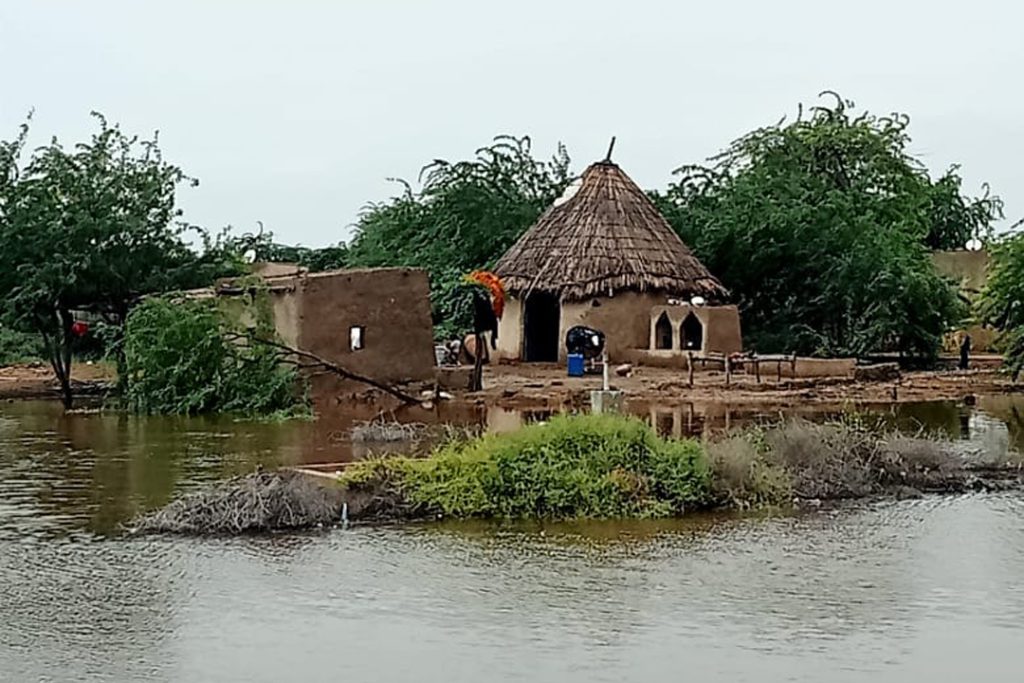
In Umerkot, 149 mm of rain was recorded this past week, leaving UC Kundri and Samero underwater. This forced residents to migrate and caused massive damage to their homes.
In Mirpur Khas, almost all onion, cotton, and fruit crops are submerged, with only sugarcane unaffected. This has worsened the situation for the affected population, who rely heavily on agriculture for their livelihoods. In Khairpur, 80% of the ready crops are damaged.
Flood affected communities are suffering from water borne and climate induced diseases, such as malaria, diarrhea, scabies and gastroenteritis, while pregnant women and newborn babies are experiencing malnutrition due to limited food supply, low resources and lack of health facilities. With roads and communication channels temporarily lost, pregnant women have no access to quality delivery services leading to delayed, unhygienic and problematic labour cases. The animals in the communities are also suffering from waterborne diseases, with an acute shortage of fodder.
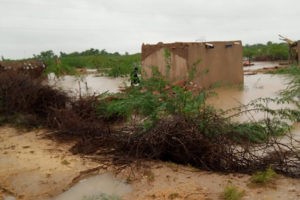
Many families, along with their remaining livestock, have sought refuge on protected bunds as most villages in flood-hit districts are left submerged. Despite some water discharge, the water level has continued to rise, creating an alarming situation, especially if further rainfall occurs or upstream flooding happens.
Flood affected communities in Sindh are in urgent need of humanitarian assistance including:
Food: Immediate provision of food supplies to ensure affected individuals have access to nutritious meals.
Multi-Purpose Cash Assistance: Financial support to affected families to enable them to purchase essential items and meet their immediate needs according to their priorities
Emergency Shelter and Non-Food Items (ESNFI): Distribution of essential items like tarpaulin tents, household items, and sleeping mats to provide shelter and comfort to those displaced by the flooding.
WASH (Water, Sanitation, and Hygiene) and dignity kits: Provision of clean water, sanitation facilities, and hygiene kits to prevent the spread of diseases and maintain personal hygiene, preserving the dignity of affected individuals.
The Deputy Commissioner, Khairpur has appealed to the aid community to extend their support to katch and low-lying areas of District Khairpur, that have been declared calamity hit. Local and provincial authorities and the humanitarian community are closely coordinating to plan and respond in an efficient and effective way. A joint assessment led by international humanitarian organisations has also been completed for Khairpur and Sukkur divisions in late August which has verified and reinforced the need for the assistance mentioned above.
The Provincial Disaster Management Authority (PDMA) of affected provinces are managing the response. The District Disaster Management Authority (DDMA) recently issued a call for a localized response, urging humanitarian partners to assist the affected people.
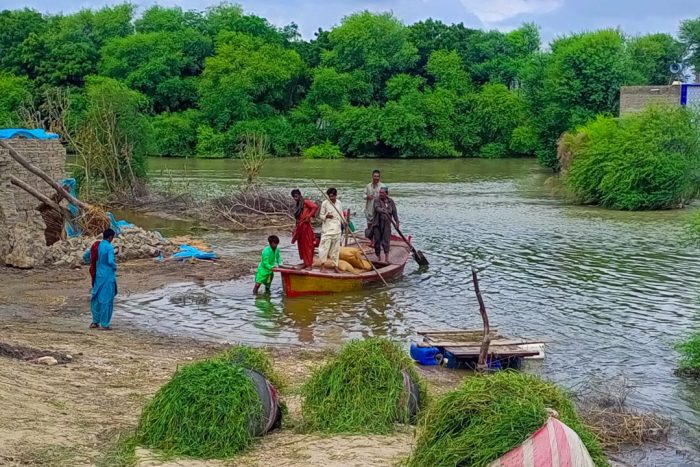
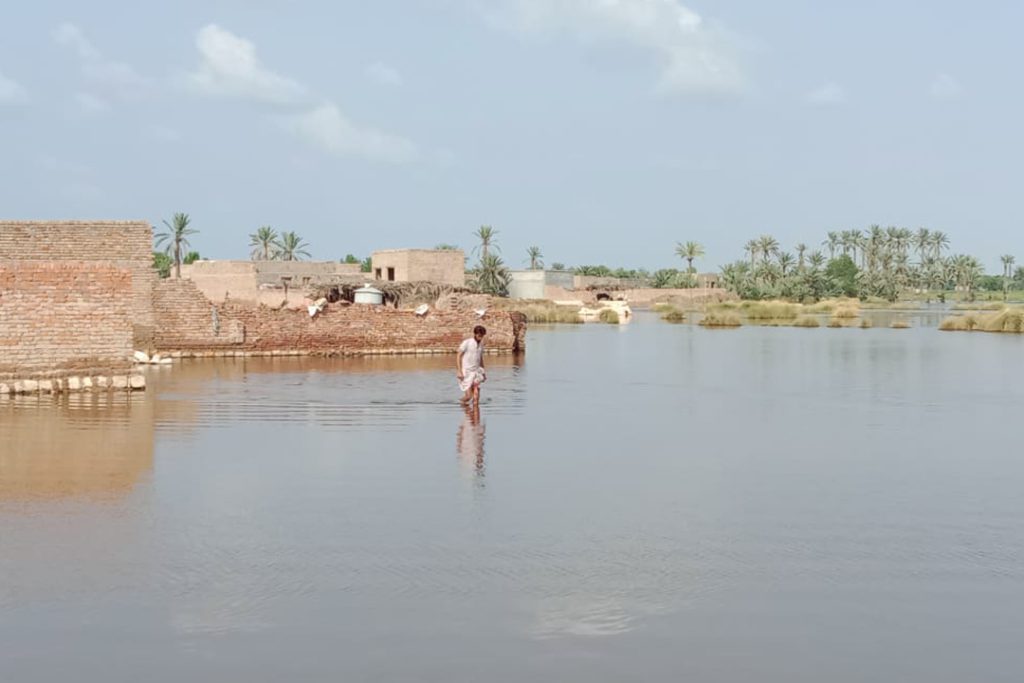
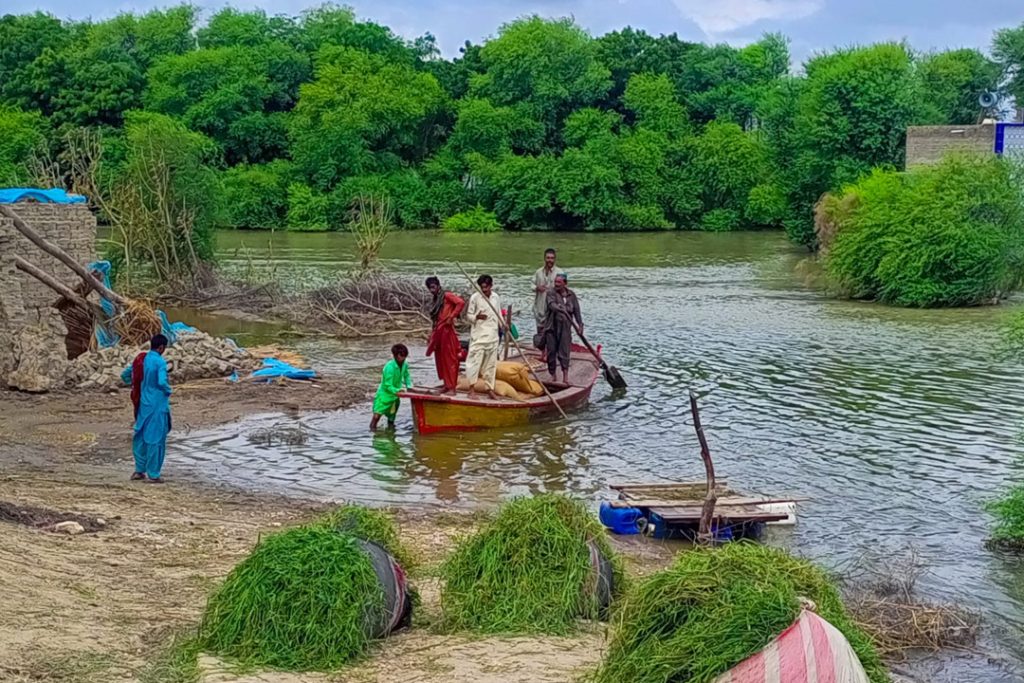
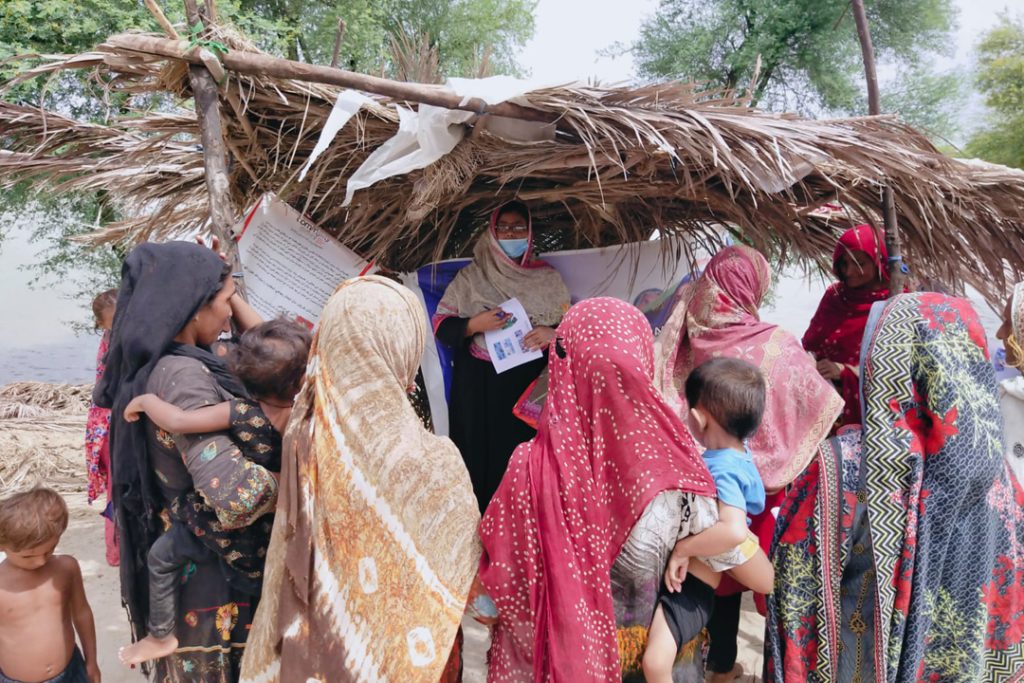
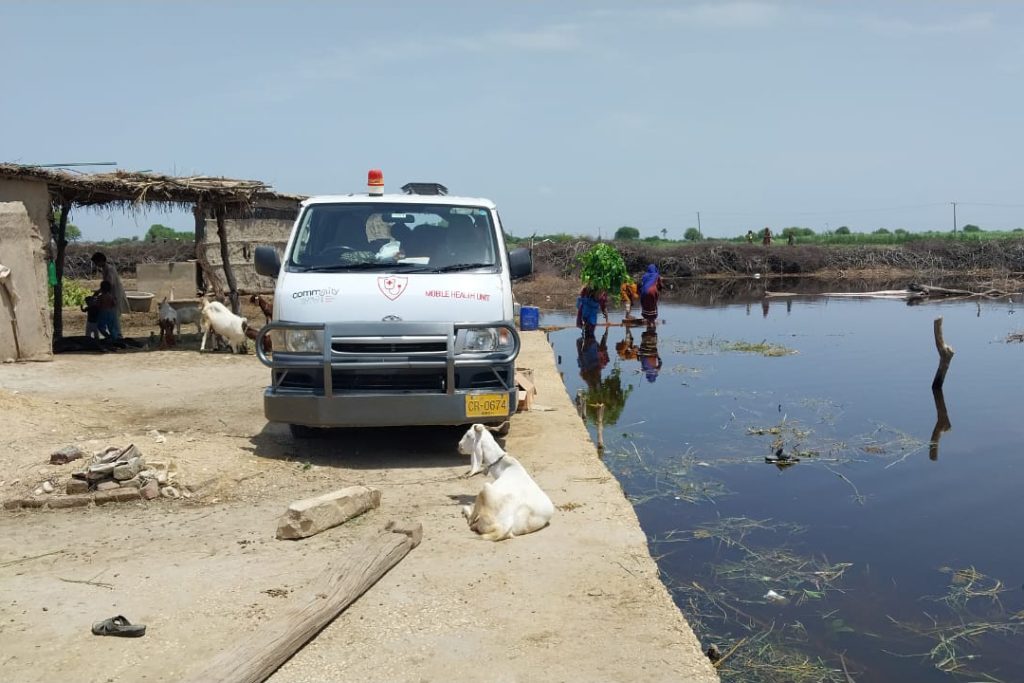
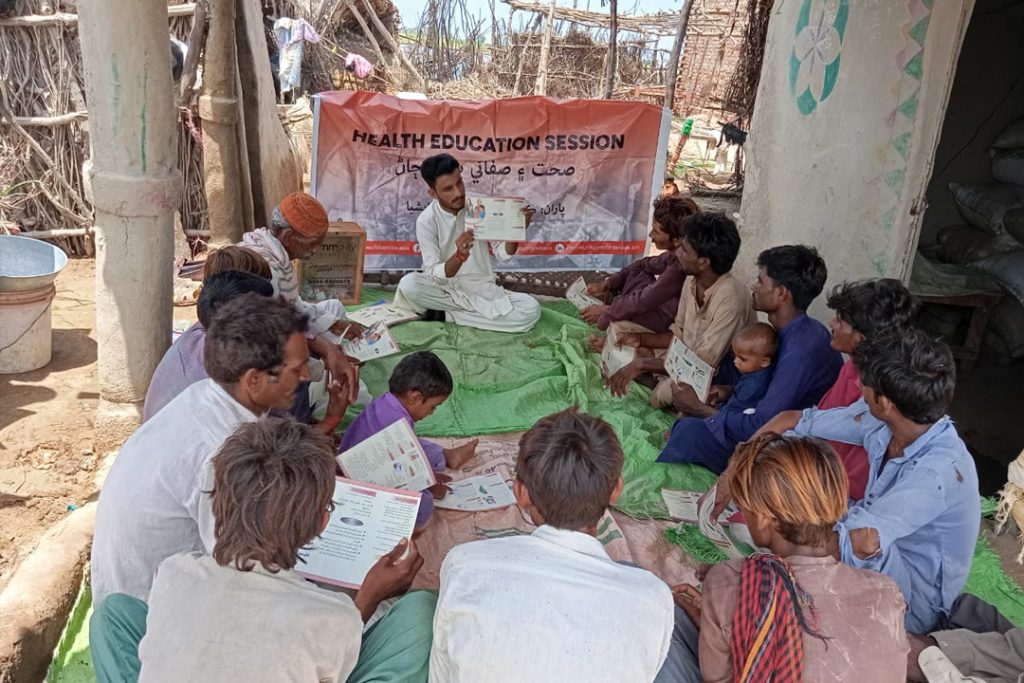
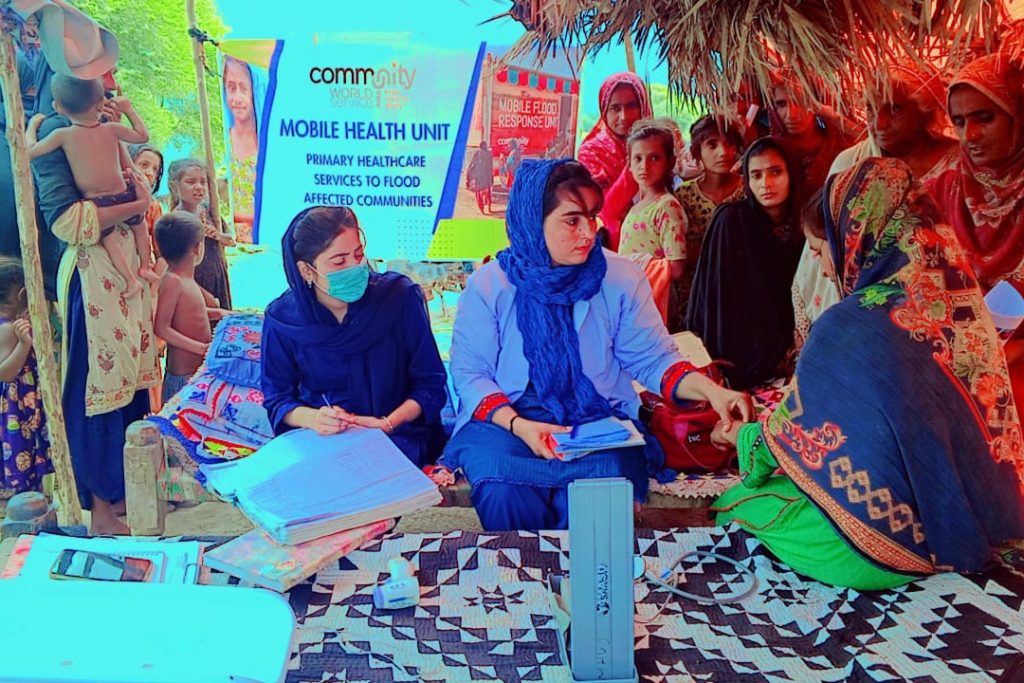
Some people in Khairpur walk through the stagnant water, up to a foot deep, to reach their homes.In Khairpur, affected communities are using boats to cross roads, as the main access routes are submerged underwater.CWSA Team giving Health Education Session to the flood affected community in Taulka Gambat district Khairpur.CWSA’s Mobile Health Unit in Mirpur Khas where people receive medical assistance. These MHUs are equipped with qualified doctors and free medicines.Health and Education Session by CWSA team for the affected community in Mirpur Khas.CWSA’s Lady Health Worker and Doctor in field to assist the affected community in Khairpur.Village Dhanasar submerged under water in Umerkot District. Homes of the local residents are under water due to heavy rainfall in Umerkot.
Community World Service Asia’s Response
Community World Service Asia (CWSA) is in close coordination with the local government, affected communities and other stakeholders active in the region. To address the urgent health needs of the affected population, our health teams are on the ground, delivering essential primary healthcare services through our Mobile Health Units and Free Medical Camps. Our mobile units are equipped to reach remote and severely impacted areas, providing critical medical care, disease prevention awareness and medicines, and health education to those who have been displaced or are otherwise unable to access traditional healthcare facilities.
We have been providing medical assistance and conducting health education sessions in nearly all the rain-affected areas of Mirpur Khas and Khairpur. On Friday, August 30, in Mirpurkhas’s Benazir Colony village, where over 150 homes remain submerged, CWSA’s team held a free medical camp, serving 162 patients and distributing essential medicines and hygiene materials. A one-day free medical camp in village Tapa Doulatpur of the same district was also set up, conducting 142 OPD sessions, along with health and hygiene awareness sessions for men, women and children. The most highly reported medical cases included fever, skin infections, diarrhea, ENT issues, eye infections, and UTIs.
In addition to the ongoing response, CWSA proposes the following humanitarian actions based on the current needs:
Multipurpose Cash Assistance (MPCA)
Emergency Healthcare
Dignity & Hygiene Kits
Temporary Shelter Kits
Promoting Quality & Accountability in Humanitarian Action
Community World Service Asia’s team is coordinating with the District Government and the District Health Officer (DHO) who have requested for additional medical camps in Mirpur Khas to assist affected communities. We are also in close coordination with other humanitarian actors and disaster management authorities and participated in a cross-sectoral meeting to assess the on-going situation and plan a coordinated response in the Sukkur & Khairpur Division. This meeting was led by UNOCHA and IOM and was attended by 28 INGOs/NGOs.
As the crisis unfolds, our efforts will focus on mitigating the ongoing challenges faced by affected communities, ensuring they receive the necessary support to rebuild their lives and recover from yet again another climate disaster.
Contacts:
Shama Mall Deputy Regional Director Programs & Organisational Development Email: shama.mall@communityworldservice.asia Tele: 92-21-34390541-4
Palwashay Arbab Head of Communication Email: palwashay.arbab@communityworldservice.asia Tele: 92-21-34390541-4
Sources: Relief Web PDMA, Sindh NDMA Pakistan Metrological department Office of the Deputy Commissioner, Khairpur Joint Fact-Finding Mission Report, Khairpur & Sukkur Division.
On Saturday, June 29th, the National Disaster Management Authority (NDMA) warned of expected monsoon rains affecting parts of Pakistan within the next 48 to 72 hours. Meanwhile the Pakistan Meteorological Department (Flood Forecasting Division) reported that the River Indus at Guddu & Sukkur (in Sindh province) are at a medium flood level. Since the onset of monsoon season on June 25th, the death toll from rain-related incidents has reached 173, with casualties including 72 children and 32 women.
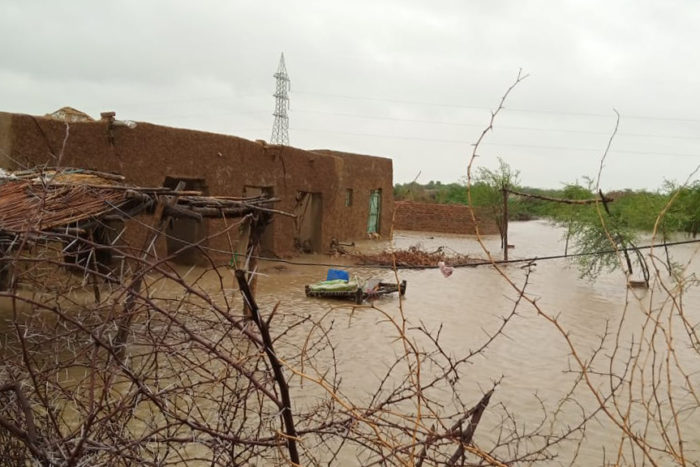
According to NDMA’s latest report, recent spells of rains have resulted in the complete destruction of 258 houses and partial damage to 1,227 houses nationwide. In Sindh province, six union councils in Dadu district have been affected by flooding, impacting an estimated 183 villages and 102, 268 individuals. Main roads connecting the district are left submerged in water, leading people to use alternate routes for access1.
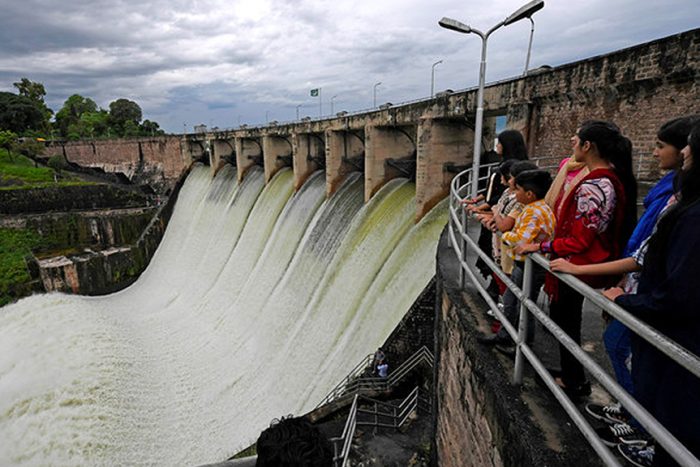
Pakistan’s key water reservoirs in Mangla and Tarbela are approaching maximum conservation levels (MCL) amid monsoon rains. Moderate flash floods in River Kabul tributaries and hill torrents in DG Khan are also anticipated, while the NDMA warns of the Sukkur Barrage experiencing high flood levels by July 31st. Moreover, a latest Pakistan Meteorological Department report forecasts a possibility of thunderstorms with lightning and rainfall in Punjab, Khyber Pakhtunkhwa, Gilgit-Baltistan, Islamabad, and Azad Jammu and Kashmir in the coming days.
Last year’s monsoon season left about one-third of the country flooded, claiming nearly 1,700 lives and an estimated damage of over $30 billion.
Community World Service Asia Response:
Community World Service Asia’s emergency team is in communication with relevant stakeholders, including local authorities, disaster management agencies, and expected affected communities to ensure effective coordination and a timely response. Our team is closely monitoring the situation and will immediately start relief operations when and if required. While focusing on preparedness, CWSA has developed a robust emergency response plan that outlines specific roles, responsibilities, and procedures to ensure a coordinated and efficient flood response.
This year’s fifth monsoon spell in Pakistan started on Monday August 24th and continued throughout Tuesday, swamping districts of Mirpurkhas, Umerkot, Tharparkar, Mithiari, Sanghar, Nowshero Feroze, Jamshoro, Tando Muhammad Khan, Tando Allahyar, Karachi, Thatta, Sujawal, Badin, Dadu, Hyderabad, Chor and Tando Jam in the Sindh province. Monsoon rains and subsequent flooding have left 90 people dead, 40 injured and large-scale infrastructural damage across Pakistan so far this year. Almost 900 houses have been fully damaged, while 195 have been partially damaged in the affected areas.
Pakistan’s National Disaster Management Authority (NDMA) has confirmed 31 deaths in Sindh, 23 in Khyber Pakhtunkhwa, 15 in Baluchistan, 10 in Gilgit Baltistan, 8 in Punjab and 3 in Pakistan Administered Kashmir during this monsoon season in Pakistan.
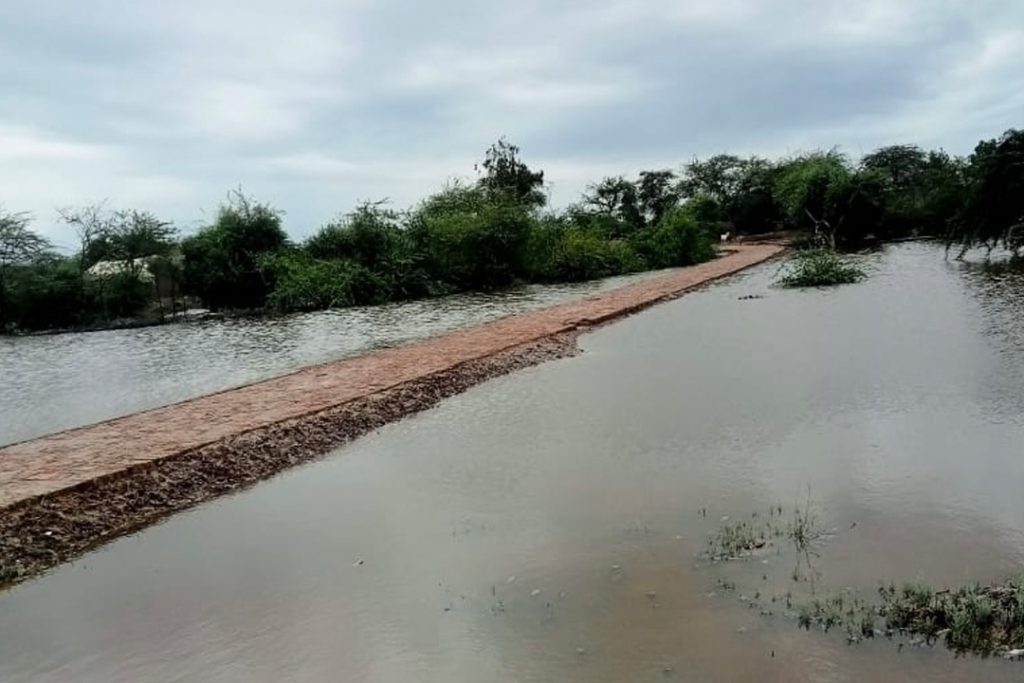
Many houses and public buildings, such as public hospitals, offices and schools, in rain-hit districts are flooded with rainwater and are currently inaccessible. The agrarian community has suffered even more massive damages to their land and harvests. Huge amounts of livestock in rural regions have also perished with the flash floods. Moreover, many rural communities in Badin and Tharparkar districts of Sindh have been displaced and have personally relocated to safer and more low-risk areas.
According to Pakistan Metrological Department, continued heavy rains and thunderstorms in lower Sindh are expected the week ahead which may further aggravate the situation. The Government of Sindh has therefore declared Emergency throughout the Sindh province.
Community World Service Asia’s (CWSA) Response
CWSA’s Emergency response team is currently providing emergency cash assistance to flood affected families in district Dadu and are engaged in relief operations responding to the needs of COVID-19 affected communities in district Umerkot and Karachi city of Sindh. The team is also regularly monitoring the rain and floods situation and plans to extend their humanitarian response to provide support to flood-affected communities in other areas when required.
Contacts:
Shama Mall Deputy Regional Director
Programs & Organizational Development
Email: hi2shama@cyber.net.pk
Tele: 92-21-34390541-4

 Prev
Prev