Prepared by Community World Service Asia’s Communication Office
Community World Service Asia (CWSA) is working in partnership with the National Disaster Management Authority (NDMA) to combat locust infestations in various parts of Pakistan. Through financial support from the Japanese Embassy in Islamabad, Japan Platform and CWS Japan, 58,502 liters of Lambda Cyhalothrine EC2.5% pesticides are provided to Provincial Disaster Management Authorities (PDMAs) of the respective provinces. The intervention will ensure a safe and secure application of the pesticides as per the plant protection guidelines. CWSA is also supporting 1,600 farmer families with conditional cash grants for tilling/ploughing of lands to eradicate the locust eggs before hatching. With this support, around 16,187 hectares of land will be made free of locust eggs and will be prepared for the next cultivation. As an additional preparedness measure, around 2,000 farmers will be trained on Integrated Crop Management and Integrated Pest Management approaches to be able to efficiently manage similar threats in the future.
Many Pakistani farmers, particularly in Pakistan’s Sindh province, are currently struggling to combat a series of natural hazards that have left agrarian communities crumbling. The country’s agricultural sector has been struggling for years in the face of drought and dwindling water supplies and since last year has been hit by the worst locust plague to hit the country in nearly three decades. Showing no remorse, the COVID-19 landed in Pakistan with full intensity in March and has since endangered lives and livelihoods of millions of Pakistani people.
On Sunday July 5th the country was hit by its first monsoon rains that wreaked havoc in Karachi and other areas of Sindh further damaging crops and threatening lives. The rains are expected to continue pouring with the same intensity through the season. This will further drive Sindh’s most vulnerable rural communities into extreme poverty and famine.
Pakistan declared tackling the locust infestation as a national emergency in February 2020 as it destroyed huge areas of crop lands in the country’s most fertile province of Punjab. The Locusts have decimated entire harvests in the country’s agricultural heartlands and have sent food prices spiraling. The agriculture sector that provides food security and livelihoods to a large majority of Pakistan’s population has been damaged and severely threatened.
Since June 2019, thirty-eight percent of Pakistan’s land (60% in Baluchistan, 25% in Sindh and 15% in Punjab) has become a breeding ground for the desert locust. If the breeding regions do not contain the hazardous pests, the entire country could well be threatened by a locust invasion (FAO).
The Food and Agriculture Organization has warned of ‘potentially serious food security crisis this year in several regional countries including Pakistan due to locust attacks’.
Community World Service Asia continues to work in close collaboration with the NDMA, PDMA[1] Sindh, local government bodies, district office and the local communities to manage these disasters, provide relief and rehabilitate affected communities with the utmost respect and dignity.
Prepared by Community World Service Asia’s Communications Office
At least seven people were killed and dozens of others wounded in different rain-related incidents in Pakistan’s southern city of Karachi due to its first seasonal monsoon rainfall.
After weeks of extremely hot weather, residents of Karachi found consolation in the season’s first monsoon rains, pouring over 20 million people in the port city. However, the rains led to a series of unfortunate incidents of electrocution, roofs collapsing and uprooted trees and billboards that claimed seven lives.
Rescue teams reported that most of the casualties, including that of a woman and two girls, were caused by electrocution, while the wounded included those struck by branches, billboards, and other airborne items in the heavy storm. According to the Pakistan Meteorological Department (PMD), rainfall up to 43 mm was recorded in the city, and it wreaked havoc in areas that experienced heavy winds along with the rains. Electric poles were also uprooted in several parts of the city, resulting in hours-long suspension of electricity supply.
The Provincial Disaster Management Authority (PDMA) of Sindh province, where Karachi is located, issued a warning of urban flooding in parts of the city and other areas of the province. PDMA noted that heavy rainfall is expected in the province due to the monsoon and that the people and the urban areas concerned should remain vigilant and take requisite precautionary measures during the forecast cycle to avoid any unfortunate incident.
For the next two days, the PDMA has predicted further rains on the same trend in the city. As per the overall weather outlook for monsoon released by PDMA, the monsoon rainfall is expected to remain normal (+10%) during July to September 2020 in Pakistan. Sindh and Kashmir are likely to receive moderately above normal (+20%) rainfall during August and September.
Pakistan is still reeling under the impact of coronavirus pandemic. The World Bank in a recent report stated that Pakistan and the rest of South Asia would account for two-thirds of the 176 million people expected to be pushed into poverty by the COVID pandemic.
Sindh and Baluchistan provinces of Pakistan have faced severe droughts for the past three years. In addition, Pakistan is suffering from one of the worst locust infestation in 25 years, while meteorologists have forecast widespread flooding, potentially compromising national food insecurity and displacing millions of people. In the midst of additional impacts by Covid-19 on health, livelihoods and food security and nutrition of the most vulnerable communities and populations of Pakistan, it is imperative to contain and successfully control the desert Locust infestation and provide immediate relief to the flood-affected populations in Sindh, as fears about food security are at an all-time high in the country.
Community World Service Asia’s Response:
Community World Service Asia is in contact with the local government and other stakeholders active in the area. Its emergency response team is on standby and can start the relief operations immediately if required. CWSA has worked in response to numerable humanitarian emergencies, providing assistance in food security, shelter and NFIs, health and WASH. Given the current COVID-19 pandemic and its repercussions on the sector and the communities, CWSA will ensure limited direct physical interaction with the communities and its response will mostly focus on provision of cash grants through mobile cash transfers.
Norwegian Church Aid (NCA) Response:
For monsoon emergency response, NCA in collaboration with its implementing partners and relevant Government Departments will ensure timely operationalization of Mobile Water Treatment Units in Sindh and KPK provinces to provide safe drinking water. Also, at national and provincial level, coordination with disaster management authorities is ongoing, either directly or through the Pakistan Humanitarian Forum. Furthermore, NCA and partners present in Sindh, KPK, Punjab and ICT are engaged in ongoing COVID-19 response through WASH-IPC interventions.
Diakonie Katastrophenhilfe Response:
Diakonie Katastrophenhilfe has active presence in Sindh Province from the last two years and can mobilize resources immediately when required.
In the COVID-19 pandemic, each one of us is responsible for slowing the spread of the virus. Every action counts. Similarly, one must be accountable in the fight against propaganda, and the spread of misinformation, rumours and hear-say. The rise of digital and social media has enabled the spread of misinformation at a speed and scale not seen before. The World Health Organization (WHO) has described this phenomenon as an infodemic. We, the civil society and responsible media, acknowledge that the infodemic has spread faster than the pandemic itself and action must be taken at a personal level to mitigate this.
Community World Service Asia, BBC Media Action and First Draft jointly hosted a webinar on Understanding and Handling Misinformation in the COVID-19 context. Genevieve Hutchinson, Senior Health Advisor, BBC Media Action moderated the session and was joined by speakers Victoria Kwan, Ethics and Standards Editor, First Draft and Radharani Mitra, Global Creative Advisor, BBC Media Action.
The 90-minute webinar discussed an overview of the current infodemic, the reasons behind and challenges faced because of the spread of mis and dis- information during the COVID-19 pandemic and best practices and strategies for best addressing and handling this sort of a communication crisis.
“The infodemic related to COVID-19 started incredibly quickly. By the end of January, there were already WhatsApp messages, claiming to be from a Ministry of Health or from different governmental offices going around multiple countries. These messages claimed to share preventive measures of coronavirus, except all the information in them was false,” said Genevieve. “There was a challenge to handle a mass of information which was both false and fact based.”
Research on social media propaganda shows that bystander inaction can encourage the proliferation of fake news. Anyone with access to the internet can contribute to the war on misinformation.
It is essential to work on this together as misinformation affects everyone.
“It is not just a communication issue, it is not just a media issue and it affects us personally and professionally,” Genevieve said.
What do we mean by misinformation?
Misinformation can refer to a range of false information, including:
Rumours: Unverified information that is transmitted between people.
Misinformation: Incorrect information that people share without realising that it is false or misleading
Disinformation: When people intentionally create false or misleading information, for example to make money, have political influence or maliciously cause harm or trouble.
Misinformation about health or any other issue is not new. Long before the internet era, people have faced the challenge of misinformation. The issue now is the speed in which it travels; the nature of social media and the internet means that there is a lot of misinformation that can be created and shared within a matter of minutes to millions of people. This can be done without verification. The more the information is shared, the more credibility it gains.
“The challenge is that misinformation can have negative impacts. It can harm human reputation, it can cause widespread uncertainty, panic and fear and it can make people take decisions that are harmful to themselves or others. And we have witness this in the case of the current pandemic – COVID-19,” emphasized Genevieve.
When the pandemic started, First Draft staffers around the globe began tracking the kinds of coronavirus content that was available online to identify patterns and trends that they could then share with newsrooms and other communications professionals. Some of the challenges identified in this process included:
Overabundance of information
Well-intentioned sharing
Closed online spaces
Visual, memetic and video content
“One thing that makes the current infodemic different is the sheer quantity of information that is flooding the online ecosystem. It is coming at a time when people are feeling particularly scared and vulnerable and when there are so many unknowns about the virus’ origins and treatments. Low-quality information can add to the noise and drown out high-quality information,” shared Victoria.
Humans do not have a rational relationship with information but an emotional connection felt with the information that is received and shared.
“This is the part that makes the infodemic very challenging. We need to understand why people are sharing misinformation and create content and strategies to address that. We need to further think on how we can help people change attitudes around sharing. Media literacy efforts to teach people how to stop and think before sharing are incredibly important,” added Victoria.
The human brain is able to process and recall visuals much faster than a text, which makes the memes and pictures very effective. Placing emphasis on the impact of visual misinformation, Victoria said,
“The visual content is tempting to share sometimes as people think it is funny or it’s amusing. It can feel harmless to share it. But when it is forwarded a number of times to the wider audience, it can become a problem. It is also more difficult to track and monitor visual misinformation compared to textual misinformation. To meet these challenges, we need to develop better ways of tracking visual misinformation. We need to learn how to counteract misinformation with visual content of our own and understand the attitude of people sharing these visual contents.”
Journalists play a crucial role in getting accurate information out to the public, but face the challenge of cutting through the noise. To help meet these challenges, First Draft has created a free Coronavirus Course, which may also be of use to NGOs and other community groups. Provided in six different languages, the course will walk you through how and why false information spreads, provides techniques for monitoring and verifying information online and shares best practices on slowing down the spread of misinformation.
Additionally, First Draft believes that collaborations between newsrooms is crucial. Collaborations can help newsrooms avoid duplication of efforts such as in the case of verificationof specific information. In addition, it also allows newsrooms to examine the kinds of misinformation and rumors that have spread in other regions, and anticipate what their own communities might be seeing next.
The media can help curb widespread misinformation. BBC Media Action has been providing people with accurate and relevant information including fact checking. They have created a space for discussion, dialogue and reflection on issues that can drive the spread of misinformation. They aim at influencing attitudes and norms behind sharing mis- and disinformation online and improving critical digital and media literacy skills among audiences.
BBC Media Action has adopted social and behavior change communications (SBCC) approaches to influence audiences’ behavior in relation to issue that can be subject to misinformation.
“We take a more holistic approach to combat misinformation which includes capacity strengthening of media practitioners and organizations and to broaden the agenda around media development to support and strengthen the quality and independence of media,” explained Radharani.
There has been a range of COVID-19 related content created by BBC Media Action.
“In all of the countries where we work, we have established audiences from existing programs across a range of media platforms from TV to radio and to various social media channels. Consequently, we were able to revert the audiences in a fast pace who required information on COVID-19 and we capitalized on the existing relationship engagement and trust we had with these audiences. Much of this has been done online as it’s the fastest way to get content out and reach mass audiences.”
Radharani highlighted that it is not merely enough for health information to be credible, it also needs to be grounded in the realities of the target audience and it must be contextualised to be accurate and effective. Messages on COVID-19 awareness need to be localised using local talent and local languages to make an impact that is required for a pandemic of this nature and magnitude.
“We initially aimed at providing factual and accurate information, to build understanding about prevention and what to do in the case of suspected symptoms of coronavirus with the focus on quality information rather than quantity. It has been a two-fold strategy, to work as quickly as possible and creating content that is generic enough so that it can be shared across countries and can be easily adapted for any country or any language. We have also worked on developing country specific content suited to a particular context,” Radharani said.
In addition, BBC Media Action has rolled out online and remote training and mentoring for local media on how to respond to the pandemic, available in multiple languages.
Mitigating Misinformation in the COVID-19 Context
Participants asked how they could fact check and verify information.
“There are different tactics that can be used. We encourage the audience to do lateral reading, which means looking at other trusted sites and resources and examining what they say about the claim you are seeking to verify. In the case of an image, conduct a reverse image search on Google or Yandex and verify whether it actually depicts what it claims to depict,” advised Victoria.
Radharani added that one has to be extra vigilant in groups where mass information sharing takes place.
“If one feels any doubt about a piece of information, it is important to call it out immediately. We have to be cautious and encourage skeptical behavior to combat misinformation.”
Her top tips are:
Understand (and listen to) your audience(s) and keep an eye on rumours and misinformation that are circulating
Tailor content to context where possible
Provide clear, simple, precise and actionable information
Be credible – use trusted voices or communication platforms
Remember the battle for engagement – and so the need for engaging and shareable formats/ approaches
Quality, not necessarily quantity
Follow the 10 seconds rule: Stop and think. If you have doubts, do a quick research before sharing ahead
Influence attitudes and norms around sharing information – it’s not all about fact-checking
There were questions raised on how to address misinformation with organizations who have limited access to media in the context of the current pandemic. Radharani addressed the question saying,
“We have developed a series of audio messages on hand and respiratory hygiene, social distancing and symptoms and treatments. This has been specifically developed for rural audiences. For this reason, we have tied up with the aggregator of community radio stations. Our audio spots will be heard across community radio stations that are reaching people residing in remote areas with limited access to smartphones. We have to tailor dissemination and broadcast strategies and they have to be bespoke to the situations we have on hand.”
Participants also asked about how people could strike a balance between sharing healthy awareness-raising information and that which would cause anxiety. The content we see every day can be distressing and tiring, and it can feel like we do not get a break from it even outside of work. To address this, its best balance to out the negative content with some positive content, like number of people who have recovered and how families are spending more time with each other and news that exhibits “good vibes”. It is also recommended to rephrase the language so that it’s not panic-inducing or too alarming.
Questions were asked on how to manage and counter misinformation through social media.
“We need to keep trying to change the culture around sharing misinformation. In addition, we need to encourage people to practice emotional skepticism and thinking before passing on information to others. We also need to do a better job of explaining the tactics and techniques behind misinformation. Audiences should be made aware of the different types of misinformation and why is it so easy to believe them,” suggested Victoria.
Participants inquired around methods to track rumors and if they were available online, in order to combat that spread of misinformation. Radharani addressed the question saying,
“The responsibility to track how misinformation is spreading is not up to an individual. This is where media development comes into focus. It is to build the capacity of journalists and media professionals so that they can fact-check. As far as individual behavior is concerned, we’ve tried to build their confidence and competence in feeling more responsible while sharing, making people more conscious of sharing, and work on their media literacy.”
At 2:40 AM on a Saturday night I begin to type down this journal that I had been meaning to write for many days now. The timing for a working mom of two children under 4 years is a bit out of the ordinary but I suffer from a creative block, writer’s block, attention block (if that even exists) any other time in the day these days. I wonder why, I ask myself? But the answer stares back at me hundreds of times a day in the eyes of my two very loveable children, Musa (4 years) and Mina (10 months). But that’s not the only reason.
Musa and I relaxing in a park pre COVID-19 days
Three months ago, I was a full-time humanitarian/development worker and a round-the-clock mom, apart from all the other gender specific roles a typical South Asian married woman has to play. But now I am also a full-time cleaner, delivery-service provider, driver (if needed), house-wife, kindergarten teacher and part-time cook in addition to my paid job and my duties as a mother. Like many Pakistani couples, we also live in a joint-family system and I believe there are more pros to it than cons. However, since both my parents-in-law suffer from diabetes and cardiovascular complications, we have asked them to self-isolate at most times and I have to be extremely careful about what and who comes into our house. To be safe, my husband and I have taken it upon ourselves to make all the necessary grocery buying visits and have sent our support staff on paid leaves. My husband had to return back to work in another city after taking a month’s break because he must continue sustaining a large chunk of the family’s livelihood. I am not complaining, but I cannot deny the fact that three months into this rigorous routine has become rather overwhelming and physically and mentally exhausting.
My children have me (and only me) around at their disposal at all times, because of which they have become quite clingy and needy. They want and need my undivided attention. Whenever I sit down to work they remember to ask me for everything under the sun; “mama, make me a house from cushions. Mama, take me to the bathroom (even though Musa is quite capable of going to one on his own now); Mama, make me popsicles at home; Mama make me a farm in the lounge; Mama, you have to feed me yourself. Mama, let’s do painting.” And so on. Mina has to be checked 24/7 as she keeps stuffing her mouth with anything that comes her way and is a keen explorer of everything ‘hazardous’. I usually try to wake up earlier so that I complete my more ‘labour-intensive’ work assignments before they are up but the minute I step out of the room, they come waddling behind me like little ducklings following Mother Goose. And the same march goes on through the day.
It’s a glum situation for children as well and one cannot blame them for their dependency on their parents for entertainment and comfort since their own life has been tremendously disrupted. Schools are closed, they have no social life, outdoor physical activities have been halted, they have been restricted to spend much time with their grandparents and there is constant paranoia of the COVID-19 around them. Just instilling the fear of the ‘big bad corona virus germs’ so that they wash their hands frequently and keep their masks on even if they’re stepping out of the gate is unnatural and stressful for them. This is when all the helpful and insightful guidance on managing children during the crisis should be referred to and used. But to be honest, with managing all that’s on my plate, just remembering to refer to the guidelines and parenting tips becomes cumbersome and is often sidelined and I conveniently continue to carry on with whatever is working on a day to day basis for me. I reassure myself, “I am doing fine. And God will help me survive this.”
Mina and I out for some fresh air during COVID-19
Reassurances aside, there are days when exhaustion, crippling fear, unwarranted stress, sleep deprivation and anxiety get the best of me. These are unprecedented times, and the usual coping measures we had aligned ourselves to are failing or simply unavailable to us. In the time before COVID-19, I used to seek solace and sanity in my work and the hours I spent at office. The quiet rooms, the productive work environment, the frequent coffee/tea chit chats with colleagues, the complete one-hour lunch breaks where all of us staff mingled and exchanged news and “lifestyle tips”, the celebrations, the physical meetings, trainings and the sheer ease of just going from one desk to another to discuss work or ask a question, was what I subconsciously relished. Casual visits to the mall, taking the children on play dates, meeting friends over late night tea and occasional dinners at restaurants were other recreational activities that we looked forward to on weekends and “refreshed” me for the usual tiring weekdays ahead. Today it seems I took it all for granted. “You never realise the value of something until it’s gone,” they say. This stands truer today than it could ever have.
Work has also become more taxing; there is a constant need of updating everyone with what you are doing and working on, there are more SoPs to follow, work plans, time sheets, activity calendars to draft and share, timelines becoming tougher, mandatory attendance in virtual meetings several times a week and generally an increase in workload. There is also this pressure of keeping your staff motivated and productive and eventually we are running out of ideas to sustain an ideal level of staff energy and morale. Its normal to have busier work days or months but the uncertainty that comes with a crisis of this nature makes it more challenging; not knowing when this will end and how long we would need to work or function this way?
Though I do pause and think to myself whether the workload has actually increased or it’s just the environment and other external factors that is making it more arduous? The global aid sector has largely been affected by the COVID-19 but in Pakistan and Afghanistan the brunt has been more severe since the region was already suffering from the impact of ‘shrinking humanitarian space’; funds for existing humanitarian and development programs have been suspended, implementation of projects is challenging as the country is going in and out of lockdowns, the virus is now hitting its peak and will continue (as forecasted) to affect huge populations in the countries. This has led to a rise in staff redundancies and aid and civil society organisations picking up their pace to survive this global crisis and sustain itself. In such circumstances, everyone is expected to bring on their “A Game” to help support the organisation endure this pandemic and preserve one’s own livelihood.
Despite all the adverse implications of the COVID-19, I consider myself privileged enough to still have my family and myself safe from the crisis, to be living in a comfortable house, have food on the table, clothes on my children, adequate facilities that support working from home, a gender-friendly employer that is flexible and accommodating, and a running income to ensure my financial stability and economic independence. But I will not be able to say the same for many other people, especially women, younger girls and children in this region who are affected by this crisis. Developing countries like Pakistan and Afghanistan, with already very low indicators of socio-economic development, an epidemic such as this one is likely to further compound pre-existing gender inequalities.
Is COVID-19 worsening inequality for women and girls?
Mounting evidence from the global data suggests that ‘Violence Against Women’ particularly of domestic nature is tantamount to yet another ‘Public Health Crisis’ as domestic torture, abuse and insult serve to act like an additional infection. UN is calling it as a ‘Shadow Pandemic’ with serious consequences for the health, protection and safety of women[1]. Increases in gender-based violence during lockdowns threatens the lives and livelihoods of women and girls all over the world.
A new report by the UN Women reveals that the COVID-19 crisis has intensified gender inequality and gender discrimination around the world. Titled as “The First 100 Days of the Covid-19 Outbreak in Asia and the Pacific: A Gender Lens”, the Report confirms disproportionate impact of COVID-19 on women and girls. The report observes that lockdowns and quarantine measures placed by many countries mean that millions of women are confined with their abusers, with limited options for seeking help and support.
COVID-19 has brought up a wide angle, panorama view of a problem that is persistent because it is ingrained in all our social, political, economic structures, and sheltered by deep-rooted patriarchal beliefs. These are beliefs and attitudes that are in line with the social gender norms, which, for example, establish that wives are properties of men and are morally obligated to support them emotionally, physically, socially and if need be, economically.
Irrespective of the COVID 19 context, incidents of domestic violence have been occurring across Pakistan and Afghanistan at an alarming rate. While there is no official data of this nature related to the lockdown in the two countries yet, existing data on gender-based violence paints a grim picture. In Pakistan, mental health professionals providing online therapy sessions also report that they have seen a rise in the cases of domestic abuse in the wake of the COVID 19 lockdown in Pakistan. With 28% of women experiencing physical and sexual violence, another 25% experience emotional abuse which affects even the most empowered women[2].
Moreover, despite the remarkable progress made by women over the past half-century or so, women’s position in the labour market remains very different from men’s. On average, employed women work shorter hours than employed men, earn less than employed men, and enjoy less seniority than employed men. Women’s labour market attachment tends to be weaker than men’s, especially around parenthood. Women’s job tenure is, on average, shorter than men’s[3]. And men and women continue to work in different sectors of the economy, with women’s employment often concentrated in the public sector and in the care and education sectors.
In the context of the COVID‑19 crisis, the fear is that gender employment gaps like these leave women more vulnerable than men to job loss; that women’s lesser status in the labour market leaves them more exposed and easier to lay off. These fears are particularly acute in many developing countries and emerging economies, where large numbers of women workers continue to work in “informal employment” – jobs that are often unregistered and that generally lack basic social or legal protection and employment benefits[4].
The self-employed and small- and medium-sized enterprises (SMEs) are at the centre of the current crisis. While the scale of the economic challenge is still unfolding, it is likely that SMEs and the self-employed will be hit hard by supply-chain disruption in affected countries, and will be severely impacted by the longer term economic downturn.
Regardless of the gendered impact of job and business loss, women are likely to be more vulnerable than men to any crisis-driven loss of income. In most South Asian countries, women’s incomes are, on average, lower than men’s and their poverty rates are higher). Women also own less wealth than men, for a variety of reasons. And because of their greater caring responsibilities, it is often more difficult for women to find alternative employment and income streams following lay-off.
According to Pakistan Development Update (World Bank) in 2017, Pakistan held the lowest rate of women entrepreneurship in the world, with only 1% of women being entrepreneurs compared to 21% of men. The COVID-19 led lockdown has resulted in further shrinking this one percent bracket of women entrepreneurs as most women led-businesses belong to the beauty, grooming, fashion, hospitality and food sector which has been hit more severely by the crisis. With deteriorating economic conditions, less buying power and the intimate nature of grooming, beauty, fashion and home-based food industry, COVID-19 has almost crushed women-led businesses, further decapitating their financial independence, household decision-making and pushed back all sorts of empowerment prospects. A latest survey (April 2020) by UN Women Asia Pacific states that 86% of women entrepreneurs are either negatively or very negatively affected by COVID-19, 75% of the entrepreneurs’ caregiving responsibilities have increased due to COVID-19, 77% women led business now sell less products / services and 34% state that they soon (might) have to close their operations entirely[5].
Recognising that Covid-19 is affecting women and men differently can be a key for creating effective, equitable programme interventions and policies. Data also reveals that epidemics have inequitable effects on all vulnerable groups[6]. In the case of women, this can include: increased burden of unpaid care work, increased gender-based violence and social protection risks, increased vulnerability of women healthcare providers working on the frontlines, challenges in accessing necessary information, and reduced access to quality reproductive health and family planning services, as well as precarious employment.
Voices from HOME
Since I did not want this article to be biased and a mere rant of an exhausted mother, I spoke to a few other women from different spheres of life to get more insights and first-hand knowledge on their experiences during the on-going pandemic. In this part of the world, and maybe any other part of the world, home is where the woman is and this is why it’s very important to hear what women are experiencing as an impact on them will have a domino effect on the society at large.
Razia Muradi, Humanitarian worker, Afghanistan
“During this COVID-19 pandemic, all of us are experiencing different things. We are facing some new challenges, but we have also achieved some successes and have learnt new things. It’s like every day is a new journey.
By the end of April, we were set to resume work on one of our drought response recovery project activities in Bamyan. At that time Bamyan was locked down due to COVID-19 and the number of corona positive cases were increasing day by day. Due to funds suspension and budget limitations, we were unable to retain some of our project staff. The difficult decision of contract closures had to be taken. Only a few project team members continued work on the project, including me. This meant that a few of us had to take up the workload of the entire project now. Workload increased a lot and it became very difficult to maintain a balance between our personal and professional life. As part of the project we had to conduct meetings with government directorates, and have field monitoring visits. Every day I was afraid of being infected by COVID-19 and transmitting the virus to my family members.
To protect my health and wellbeing I earnestly followed all official health measures and safety advice, but still, I was nervous and stressed. To reduce my stress and to freshen my mind, I started taking some time out every day to make myself feel better. I would talk to my friends, engage in some gardening, started taking walks and listening to music.
Besides all the challenges that have come with this pandemic, it has also provided me with some learning opportunities and brought me closer to technology and made me comfortable with the digital environment. I have been taking many online courses, training, and have participated in many virtual learning events which are helping me enhance my skills and knowledge.
Most importantly, this crisis has taught me about how uncertain life is. One cannot anticipate what will happen next as something as invisible as the virus has easily impacted us and our lives in such a big way. But the important point is to never be disappointed and always search for an alternative way; new challenges are always a sign for learning something new.”
Kiran Bashir, Development Worker, Pakistan
“My mental stress is increasing with the passage of time. At the start of this pandemic everyone assumed that it will end in a month or two at the most and we saw it as a short-term issue. However, this prolonged duration of the crisis is now getting increasingly challenging.
I have started questioning my emotional and physical capabilities because I have to manage and maintain the morale of my team while remotely managing all the projects. With all our projects focused in rural communities and personally based in rural Sindh, network and access issues are posing huge problems. Internet connectivity is a major issue and communicating has become challenging. This anxiety gets further aggravated when we have to conduct or attend webinars and virtual meetings with whatever little internet connectivity we have.
Many compromises have to made on the quality of project interventions as physical follow up and monitoring in field is not possible due to security and safety issues. Just thinking about that makes, me nervous and starts affecting my physical and psychological well-being. This helplessness and subsequent stress further increases when I think about how helpless the most vulnerable and poverty-stricken communities in this area are. They have lost livelihoods, barely have access to medical facilities and food. All nearby markets are closed down and public transports has also been halted. However, the ultimate goal is to be safe so we are all learning to compromise on all these others things and instead trying to manage these negative feelings in positive way.
Being a working woman and engaged in the development sector, I always encourage women in my community and the rural region to contribute actively in their own socio-economic empowerment but due to the circumstances arisen by the COVID-19, I am focusing on guiding women to be patient and not to panic. I try to provide them virtual support if they are facing any domestic, mental or physical violence in their homes as stress levels have risen rapidly and these women have to address many issues at a time.
In country a like Pakistan where family bindings are so strong and people do not have separate and proper places to sit and work in the house, it becomes very challenging to work from home. Managing your career and household responsibilities in a balanced way is almost impossible. I feel I’m struggling to meet both the quantity and quality of my work.
As the COVID-19 crisis unfolds, the lives of women and girls everywhere are changing.
While some spheres of work and personal life are on pause, others face increased strains and new challenges.
Working in an office environment meant that we had many chances to learn from colleagues and senior team members whereas these chances have become very limited while working in isolation. Furthermore, it is difficult to practice and prove your accomplishments and capabilities in such working conditions. In short, current working conditions are obstructing the performance and growth of many women professionals like me and millions of other women worldwide who are part of the essential workforce and are on the front lines of COVID-19.”
Farhat Shamim, Driver, Pakistan
“I was married off when I was only 13 years old. My husband passed away three years later as he was struck by an electric shock. So, I became a widowed mother of two young boys at the age of 16. I had only passed with my matriculation when I got married so I did not hold any advanced academic degrees and had absolutely no source of income. It was the most difficult time of my life. My husband died suddenly and I had no financial support. Though my family members and in-laws supported me during this difficult time, I did not want to depend on them forever and wanted to be support my sons independently in the best way possible. With only my matriculation degree in hand, I started taking up various jobs when I was 17 years old. I worked as a teacher, as an administration staff and a librarian at public schools. Along with these jobs and being a full-time mother to my boys, I started pursuing my higher studies and finally earned a Master’s degree in Library and Information sciences in 2014.
With whatever little income I had, I ensured that my sons attended school and were well educated. They are both currently acquiring their undergraduate degrees at a university. I slowly built my way forward for myself and my children.
In February 2020, Farhat joined a private organisation as their first ever woman driver. It was a big achievement and a breakaway from many social and cultural taboos in our community. I was paid a fair salary. Unfortunately, as soon as the COVID-19 pandemic hit the country, I was laid off as the organisation was closing down and suffering losses. The stresses of my life returned with the pandemic. There was no source of income for us. My kitchen stopped working. I had no money to buy food supplies.
One of the women staff members at the organisation generously donated food rations for my kitchen but that alone was not enough to improve our economic conditions.
Since all academic institutions were closed during the COVID-19 imposed lockdown, both my sons were staying home and not attending university either. Their university has not initiated any online classes yet but the faculty is currently working on figuring out a mechanism to resume studies and will inform students soon. I hope they do, as I do not want my sons to waste time and lose out on education. Both of them are keeping themselves busy with indoor games, watching movies, reading and being up all night and sleeping in the day. It is not a healthy routine but at least they are home and that relaxes me because I know they are safe.
It is difficult for a woman like me to stay at home and do nothing, especially since I started working from a young age to support my children. I have three other sisters and we used to meet often before, but now I haven’t met any of them since the lockdown. I go to visit my mother sometimes when she is unwell but that’s it. When we meet with our family and friends, our minds feel fresh and we feel happy. However, this lockdown has ended that. There is stress and frustration. People are eager to live a normal life like they did in 2019.
I guess God heard my prayers because the organisation that I worked with as a driver recruited me back in May. Instead of driving, I now manage their office administration tasks and reception duties. For this I am being paid half of what I was paid before but I am grateful for this as it has my kitchen running at least. I am just worried about paying my sons’ tuition fees which is expected in the near future.
Every day I am praying for this situation to get better so that the working conditions improve and salary scales return to normal. It is difficult for people like us who struggle every day to put food on the table and manage our homes.
With the increasing cases of COVID in Pakistan, there seems to be no going back to normal soon. Professional and personal growth has and will come to a further halt. This worries me as I am the sole bread earner in my family. The fees of universities are quite high and for my children to gain the best education for their better future, I need to find ways to cover the education expenses. That is my main priority.
There have been times when I have considered ending my life and that of my children as I get tired of the constant struggles and hurdles in my life. I feel weak but Allah has helped me a lot. Such negative feelings go away as soon as I look at my sons. I think of the good future they will have if I provide them with education and a healthy upbringing and how they will be my pillars of support in my old age. This motivates me enough to carry on and get up every morning with new energy and positive vibes.
I feel you have to stay true to yourself and others. There are different struggles for everyone but these struggles end one day which always lead to new beginnings and better days. You have to stay strong and honest to yourself to overcome all the challenges in life.”
Rabia Sabri, Humanitarian Worker and Entrepreneur, Afghanistan
“Coming from a country (Afghanistan) which has seen a war, I have seen how quiet it can become. With the country being in a state of war, we could still understand the stillness and the silence in the cities. But the isolation and silence due to something like this (COVID-19 pandemic) is something I never ever experienced and found nerve-racking. You know everything around you is ok, but you’re still in a state of emergency. And I could not understand this or comprehend what was going on around me. It’s been very scary, sometimes I have felt as I if being in a horror movie. It has been very mentally disturbing.
Talking from a woman’s perspective, I feel we are the most affected population segment. Our responsibilities have doubled. We have become teachers, housewives, cleaner and whatever one can think of. I just think I’m very exhausted.
Initially when COVID-19 hit the country and the lockdowns were imposed I was very lost. I just didn’t know where to start from and how to manage everything sitting at home and working on a computer only. This was a very new concept for me because I never liked working from home because I find it very stressful, especially if you have children. You cannot concentrate on work the way you would at office because everyone needs your attention at home and would come and talk to you when you are in the middle of an assignment. You just lose your concentration and work flow.
Balancing work and home was a big challenge for me in the beginning. If I started working I would continue sitting with my laptop until I would complete that task, but in that process the children would miss out on their lunch, dinner or homework. The house would be left in a mess. We didn’t have any household help either because everyone was sent home due to the risk of the virus spreading. It was a particularly stressful time. There was a lot of fear of stepping out of the house. When I would go out and see all shops closed and no human on the street, with life coming to a standstill, that sight itself would trigger fear and stress within me.
Another stress trigger was the children. Understanding and being careful about how to handle them and how to manage their fears of the pandemic was something entirely new. The children have their own understanding of the situation and you do not want to scare them too much but you also want them to be careful so how does one manage that? They also had to get used to online classes which was again very new to all of us, them and us, the parents. As a mother it was again my responsibility to make sure they were attending these virtual classes and I was worried if they were actually learning through those or not. This was overwhelming as well. It was specifically difficult for my son, who is the youngest. It is still very challenging to make him sit through the class on the computer and make him work on his work sheets. For the teachers this is also something new so they are not well-trained on conducting online classes and ensuring children’s interest or participation which is affecting the children and stressing them out too.
The COVID-19 has affected our entire lives. It also affected my own small business.
A few years ago, I started a catering business from home. I used to provide home-cooked food on take-away and delivery basis to offices, birthday parties, social gatherings and household consumption. The business primarily had a social media presence and I marketed and operated it mainly through that. Once the pandemic hit the country, I was confused whether to continue with that business or stop it for a while. I was not sure if people would be comfortable ordering food from businesses like mine. While I was pondering over that I realized I could not continue as I was already struggling with meeting my workload from office and household duties. For safety reasons, I also had to send off all my kitchen support staff so I had to shut down the business eventually. It put a lot of pressure on us financially as it was an extra earning for our family but it was the only choice I had. I felt bad for the staff who were employed to run the business with me so I paid them for three months from the savings we made through our food services. I decided I would call the staff back if the situation improves and I could reopen the catering business but I haven’t resumed business as of yet. I have catered to some small orders for my friends or colleagues on my own, whenever I could manage but that’s about it.
Losing my business has been heart-breaking as I always dreamt to see my business flourishing. I really enjoyed it and it was something that made me happy. Such a long break in the business is not good either because it takes time and effort to build a certain clientele and reputation. I had worked very hard on training the staff working with me too. I am not sure if I will be able to build back again. I will have to start from scratch after this pandemic- to rebuild a repertoire with the customers, find new staff if the older ones do not return, train them again, market my business again.
Our lives have changed overnight. Along with all the negatives, we also need to learn from this pandemic. I tell my children to write about this in a diary, record their experiences as this pandemic will go down in history and they will be part of that. I keep reminding them and myself that this will pass and is not permanent. I feel we took life for granted, we did not realise how much freedom we had; we did whatever we liked, we went to watch a movie, we went to the restaurant whenever we liked. Our freedom has been taken away and maybe for a reason. We were bored with everything, nothing really meant much. But now we know what it meant, whether it was a movie night out or a meal at a restaurant with family and friends. The human connection that we took for granted is something we miss very much now. I miss my relatives, I miss meeting my friends, I miss attending weddings. These things remind us that we should always cherish what we have.
I have also realised that we were spending too much time on unnecessary things and overwhelming ourselves with too many tasks. It has helped me spend more time with my family. I have gotten to spend more time with my daughters. I am teaching them to cook a few of my signature dishes and we are all learning German language through a phone app together. It is very important to look at the positive side. There are days when I feel my life has finished but I am trying to be positive, keeping myself busy, engaging in productive activities and hoping for life to be normal again.
Though one important lesson for me from this pandemic is that we cannot home-school children. At least it’s something I cannot do. The environment at schools and the teaching, attention and socialization provided by teachers is what they need to continue to have a healthy life and a good education.”
Sonia Sultan, Household Domestic Worker, Pakistan
“I am 49 years old and a mother of five children. My husband is a house painter but he had an accident many years ago because of which one of his legs is impaired. He now works occasionally on a daily wage whenever he can find a job. I was working as a household maid, helping with cooking, cleaning and babysitting and would receive a monthly salary of PKR 20,000.
I have two daughters and three sons. Both my daughters are elder, one is married and the other is 20 years old and is working as a professional chef. She dropped out of school many years ago to help earn an income for the family as my husband’s occasional income and my meagre salary was insufficient to fulfill the needs of a family of seven members. Both my daughters worked and helped us earn an income through our most difficult times. My daughter, the chef, is also now contributing to paying for my sons’ school fees. My younger sons are 13 and 14 years old and my elder son who is 18years old just started interning at a men’s saloon when the COVID-19 struck and is now jobless.
Since the corona virus has struck our country my daughter and I have lost our jobs. We were both working for 8 hours a day at a house in a gated housing society in Lahore. But as the government imposed a lockdown, the housing society has been quarantined, restricting all and any domestic workers to enter or exit. As the construction industry has come to a standstill as well, my husband has lost even the few job opportunities that he had and has no income either.
Barely making ends meet, we have not even paid our house rent for two months. Providing a decent meal on the table for our four children has also become a day to day issue. My younger sons are disturbed as there is no school. Their school had asked us to buy books for them to study at home but we cannot afford buying books or stationary at this time. My eldest son is also just at home and sitting useless making ticktok videos the whole day. I get worried looking at him.
I am currently running the house and managing our most basic expenses with some money we had saved for our daughter’s wedding. Right now, surviving and making ends meet is our priority.
My household chores have almost doubled since the crisis. The children are home all day, they want food and clean clothes and they make a mess too. None of them help me, except my daughter, at times. My husband is making no effort either. He has conveniently let me shoulder all the worries on my own. In fact, he is making things more difficult as he is not allowing my daughter or me to take up a full-time job (meaning day and night) which will ease our worries and improve our financial situation. At this time of COVID19, most families are demanding for full-time support staff so that there is less risk of the virus entering their homes through the daily commute of domestic workers. Such opportunities are available to us but he won’t allow it so we cannot consider it.
I feel like I am suffering from depression. I am thinking of the uncertainty that lies ahead all day and night. It is difficult to sleep and my health is deteriorating. Thinking about the children and their future depresses me. Our future seems very bleak. I do not know how we will survive the coming months. We do not even know whether we will be able to negotiate more delays in rent payment or not.”
[1]https://www.unodc.org/documents/pakistan//Advocacy_Brief_4_Gender_-COVID-19-Punjab.pdf [2]. Gender and Pandemic URGENT CALL FOR ACTION – UNODC Pakistan Advocacy Paper Brief 4 [3] OECD- Women at the core of the fight against COVID-19 crisis [4] OECD- Women at the core of the fight against COVID-19 crisis [5] %s based on participants surveyed in the Asia Pacific region. ASIA-PACIFIC NEEDS ASSESSMENT FOR MORE GENDER-INCLUSIVE ENTREPRENEURSHIP – HIGHTLIGHTS ON IMPACTS FROM COVID-19 [6] ‘Gender and Virus’ by Dr. Farzana Bari, The News, 12 April 2020
This Learning Paper is designed to share the lessons, successes and challenges of establishing the social enterprise and brand, Taanka, by Community World Service Asia (CWSA) and is intended to capture the narrative in establishing the brand as a guide for other potential social enterprises.
From 2015 to 2018, YCare International and Community World Service Asia worked in partnership to improve financial resilience and promote gender equity of disadvantaged young women in Umerkot, Pakistan. The project addressed extreme poverty, food insecurity and gender inequality faced by young women, their households and communities, and contributed to young women having safer, happier lives, with reduced poverty.
Taanka emerged as a by-product of this project and was launched1 in 2016 as a social enterprise to meet several needs; to promote the finest handcrafted amalgamation of contemporary designs with traditional stitches, produced by rural women artisans from interior Sindh, Pakistan and facilitate collaboration between the women artisans and urban designers, design students, commercial textile companies and fashion brands, to reflect consumers’ demands in ethnic designs.
Are NPOs in your country unable to register with ease?
Is your NPO perceived as being risky for terror financing?
Are your day-to-day operations hampered?
Are your bank transfers delayed or blocked?
These questions were raised to an expert panel at Community World Service Asia’s (CWSA) and Human Security Collective’s (HSC) a webinar on June 25th that focused on highlighting the challenges, good practices and policy response to new money laundering and terrorist financing threats and vulnerabilities arising from the COVID-19 crisis.
Karen Janjua, Deputy Regional Director, CWSA & ACT Alliance Board member, and Lia van Broekhoven, Co-founder and Executive Director of Human Security Collective, The Hague, facilitated and presented at the 90 minutes webinar.
The Financial Action Task Force (FATF) was originally setup to tackle financial crime, especially money laundering in the late 80s. However, after the tragic event of 9/11, it took on the anti-terror financing role and took it on in a big way. The connections between the criminality on a broader scale and terrorism came much more to the forefront and started being highlighted by both law enforcement and financial institutions.
FATF sets the international standards in preventing, eliminating and responding to money laundering and terror finance, both within countries and across borders. It has created 40 technical and 11 effectiveness standards that countries are expected to adhere to. While these global standards or recommendations are meant to both thwart and discourage criminals and terrorists, the intergovernmental FATF body also holds countries accountable for ensuring that they are implemented.
“When a country is assessed and it is not meeting all the standards, many consider the government as not a reliable member of the international community. Consequently, the FATF urges the country to work on improving itself and complying with the standards accordingly,” Karen informed participants.
FATF & NGOs– In what ways can NGOs be abused?
“A terrorist organisation can impersonate a good Non-Government Organisation (NGO) and act as legitimate entities. Moreover, they could also infiltrate a reputable NGO and exploit their financial systems. The funds can be hidden to utilize them later as parking lots,” expressed Karen,
“If you are adopting best practices in your accounting, finances and procurement tasks, you are less likely to face any criminal activity, whether it be embezzlement or terror finance.”
Outcome 10 of the FATF Standard is coupled with Recommendation 8 of the FATF’s 40 recommendations. Recommendation number 8 pertains specifically to nonprofit organisations (NPOs). The revised Recommendation now states that:
Countries should review the adequacy of laws and regulations that relate to non-profit organisations which the country has identified as being vulnerable to terrorist financing abuse. Countries should apply focused and proportionate measures, in line with the risk-based approach, to such non-profit organisations to protect them from terrorist financing abuse, including:
by terrorist organisations posing as legitimate entities;
by exploiting legitimate entities as conduits for terrorist financing, including for the purpose of escaping asset-freezing measures; and
by concealing or obscuring the clandestine diversion of funds intended for legitimate purposes to terrorist organisations.
Although many countries have pursued initiatives to counter terrorism funding by multilateral legislative structures such as the FATF, steps such as the Recommendation 8 have had unexpected implications for non-profit organisations (NPOs). The strong requirement to control the sector as a whole for greater efficiency and accountability has contributed to the following:
increasing surveillance and state regulation
for obtaining and sharing financial services for growth and humanitarian relief, human rights and development work
the creation of onerous and restrictive laws, rules and regulations for the sector
the cutting-back, in general, of the field of civil society, with Recommendation 8 improving the instruments already in use by the government, such as counter-terrorism laws and regulations, to overregulate civil society
Pakistan Outreach by NPOs to government – the Role of CWSA
As a nationally registered NGO, with over 50 years of experience and presence in the region, CWSA felt the need to do something to respond to these issues. An approach that included adoption of various advocacy activities, conducting awareness and participatory training sessions was developed and implemented by CWSA. In addition, as an organisation they garnered support from international stakeholders and partners to learn from best experiences.
CWSA advocated with government officials, parliamentarians and the diplomatic community. Lobbying activities were organised with the European Union and detailed lobby meeting were held with British Parliament, the Ministry of Foreign Affairs and UK’s Department for International Development (DFID), to advocate for technical assistance for Pakistan to better deal with the issues of terror financing and money laundering.
The trainings have helped national bureaucrats, particularly from the provincial Social Welfare Department and Counter Terrorism Department, responsible for implementing new regulations in provinces, to better manage the NGOs for which they are responsible.
“We also participated in international events and subsequently got involved in collective action in conducting awareness sessions among NGOs throughout 2018 and 2019,” narrated Karen.
COVID-19 and FATF
The global pandemic, along with all its other adverse implications on human life, has also led to an increase in crimes, including fraud, cybercrime, misdirection or exploitation of government funds or international financial assistance, which is creating new sources of proceeds for illicit actors.
The Financial Action Task Force (FATF) on June 22nd outlined concerns and challenges linked to the pandemic’s effect on financial crime in a guidance paper summarising recommendations and other input from member-states and law enforcement agencies all over the world. COVID-19, they said, has created new sources of income for illicit actors, including the misappropriation of funds intended for pandemic-related financial assistance.
Lia van Broekhoven shared a statement released by the FATF at the start of the pandemic, which says: This global public health emergency has highlighted the vital work of charities and non-profit organizations (NPOs) to combat COVID-19 and its effects. The FATF has long recognized the vital importance of NPOs in providing crucial charitable services around the world, as well as the difficulties in providing that assistance to those in need. The FATF has worked closely with NPOs over the years to refine the FATF Standards to provide flexibility to ensure that charitable donations and activity can proceed expeditiously through legitimate and transparent channels and without disruption.
It is important to recognize that FATF Standards do not require that all NPOs be considered high-risk and that most NPOs carry little or no TF risk. The aim of the FATF Standards is not to prevent all financial transactions with jurisdictions where there may be high ML/TF risks, but rather to ensure these are done through legitimate and transparent channels and money reaches its legitimate intended recipient. National authorities and financial institutions should apply a risk-based approach to ensure that legitimate NPO activity is not unnecessarily delayed, disrupted or discouraged. FATF encourages countries to work with relevant NPOs to ensure that much needed aid is getting to its intended recipients in a transparent manner.
However, what do we see happening in reality?
COVID 19 exacerbates already existing challenges stemming from the interpretation by governments and banks of the FATF standards.
“We have been discussing various instances that have occurred since the offset of the COVID pandemic. In one case, 90% of the bank transfers especially to Syria of an international humanitarian organization were blocked by banks. The banks mentioned that the FATF standards and US and UN sanctions were the reason they were the victims of risk aversion to transferring money to countries like Syria and others that the bank considered to be high risk. We also see that donors want NPOs to vet against Counter terrorist lists and perform “Know Your Client” due diligence (KYC) on beneficiaries which would be in total contravention of humanitarian principles of independence, neutrality, partiality and humanity,” narrated Lia.
How can we as humanitarian practitioners, work together, to make good use of the FATF statement?
Engagement: Continuous engagement is key. This applies to both NPOs as well as to governments and FATF Style Regional Bodies (FSRBs). NPOs should engage with relevant government departments and the financial intelligence unit. It is useful for all if there is an NPO umbrella body or coalition working on the issue
Coalition & Dissemination: At the national level, coalitions should consider existing regulations and legislation relevant to FATF standards. It may further examine self-regulatory measures and the effectiveness of risk-setting and financing abuses for NGOs
Risk Assessment & Outreach: FATF puts a lot of emphasis on risk assessment conducted by relevant governments in collaboration with the sectors that fall under the standards of the FATF. The government needs to monitor how the evaluators come in and how they have done a risk assessment of the NGO sector. Ideally, the government needs to reach out to the NGO sector in order to conduct the risk assessment
Multi-Stakeholder Dialogue: NGOs can organise multi-stakeholder dialogue in the country in collaboration with Ministry of Finance, who is the regulator of the banking and financial institutions, Banking associations, Ministry of Justice and Financial Intelligence Units in the country
Multilateral Advocacy: Global NGO members are engaged and are very much present in multilateral advocacy. We have four seats for NGOs on the Private Sector Consultative Forum, a platform to discuss the issues we as NGOs are facing because of the FATF standards and how they are implemented across the world
Awareness Raising: It is essential to engage in raising awareness among NPOs on the drivers behind AML/CFT[1] regulations, on compliance requirements and on advocacy strategies. The Global NPO Coalition offers guidance, best practice examples, engagement strategies from its official webpage
Cash-based aid is known to be one of the most successful strategies that support vulnerable individuals and populations stand on their feet and move on their path towards rehabilitation. Cash and Voucher Assistance (CVA) is therefore largely being applied as a popular modality of responding to different forms of emergencies and is capable of addressing a wide range of needs of affected populations to help them cope with the crises while upholding their dignity.
Community World Service Asia and the Cash Learning Partnership (CaLP) jointly hosted a webinar on Cash and Voucher Assistance in response to COVID-19 on June 17. The webinar aimed to facilitate the wider aid community to enhance their understanding of Cash and Voucher Assistance as a modality response to different types of crises and emergencies, especially focusing on the COVID-19 pandemic.
Jose Jodar, Senior Technical Officer at CaLP, Spain, led the session and was joined by speakers Regina “Nanette” Salvador-Antequisa, Founding Executive Director, Ecosystem Work for Essential Benefits, Inc. (ECOWEB), Chair of A4EP, Philippines and Sudhanshu S. Singh, Founder and CEO Humanitarian Aid Internation (HAI), International Coordinator A4EP, India.
CaLP was introduced as a network launched in 2015, with only five founding members. Today CALP has over 90 members with a presence in various regions such as Africa, Latin America & the Caribbean and the Middle East. It is a global partnership of humanitarian actors engaged in policy, practice and research on CVA.
Cash is an excellent tool to respond to multiple sectors’ needs, insists Jose.
“There are sectoral approaches represented mainly by voucher assistance for specific goods or services. CVA further includes monitoring the outcomes and impact of direct cash among the recipients in various sectors including health, WASH, education, livelihoods and others.”
Cash and Voucher Assistance is pivotal to many humanitarian responses. It does not necessarily need to be used for emergencies alone, but can also be used for preparedness, early recovery and building resilience initiatives.
“More and more cash is being considered between humanitarian assistance and development now,” says Jose.
In a crisis such as the COVID-19 pandemic, aid workers (58% participants) find identifying vulnerable populations as the biggest challenge to plan and implement CVA.
CVA & COVID-19
How can CVA be used as a modality response to COVID-19 crisis? And why Cash? [1]
The delivery of cash can effectively meet the needs of the affected populations for better recovery at scale. CVA has been seen as a safer option to provide rapid relief, where conditions allow. COVID-19 has opened doors for coordination at the front lines with various organisations and sectors to execute new delivery mechanisms.
The COVID-19 response, with all the various actors involved and on-going programs in place, paves a pathway towards better coordination in terms of aligning assistance to protection programs with humanitarian CVA. The use of social protection systems to support vulnerable people is becoming increasingly common in developing countries and can provide a channel through which CVA can be delivered in the current pandemic. But increased coordination between humanitarian and development actors in the long term is a prerequisite to ensure its effectiveness.
Jose shared useful resources during the webinar to support organisations with better understanding and preparing for likely impacts of COVID-19 on their work and if CVA could be applied in the contexts that they work. The resources also included detailed guidelines on safely and effectively running CVA projects at each stage of the programme cycle.
Experience Sharing from the ground:
“In ECOWEB, we are promoting survivor and a community-led response (SCLR) to crisis approach that considers cash programming as an empowering tool in crisis response,”
says Nanette while sharing best practices during the webinar. She emphasized on how cash enables flexibility and allows aid recipients, as individuals and as collective groups, to address their real time needs with dignity and respect.
Diverse leanings have been observed through ECOWEB’s experience of applying the SCLR approach, using the cash modality in various crisis settings, involving people of different ethnicities, culture and faith. Trust has been identified as an essential element for making cash response a norm in crises response. There is a need for trust in the people’s desire to help themselves, in their capacity to plan, prioritize, design, manage and implement their own response action. Trust is a critical factor in effective localization as well while ensuring transparency and accountability. Instituting multidirectional accountability mechanism is also vital. ECOWEB’s work promotes downward accountability, of aid providers to the aid recipients, and sideward accountability, within the organization management system as local facilitators of aid.
Nanette highlighted the need of flexibility and timeliness in cash aid.
“We need to be quick in response during crisis. In our experience of responding to COVID-19, having our own flexible and limited funding readily available to us, we were able to respond immediately to the most vulnerable groups of people affected by the virus. The limited funds, however, addressed the priority needs of the affected people and it enabled community-based groups to prioritize the real time needs of their members.”
For cash programming to become a real empowering tool through SCLR approach, ECOWEB recognises the need for changing institutional roles, relationships, systems and humanitarian framework to make aid recipients the center of humanitarian response and not the aid itself.
When HAI started Cash and Voucher Assistance (CVA) this year, they were one of the early responders to the COVID-19 pandemic. It was a unique kind of a challenge for them as they were faced with a lockdown situation which restricted their mobility. Sudhanshu expressed,
“This was the first disaster of its kind in which we were unaware of the number of people affected. We were dealing here with the secondary affected population facing the economic disaster due to the closure of all activities and not the individuals physically afflicted with the virus itself.”
With a strong social media presence, HAI publicized its early response and caught the attention of millions of affected people in-country and received support that exceeded their expectations.
“Coming up with an innovative approach, HAI addressed the needs of community members without making a physical presence. When HAI receives a distress call, a team member calls the recipient in response to verify the need. It is difficult to verify the needs. However, incorporating the element of trust, the team would do a quick assessment over phone to identify the person’s eligibility to get food support from the government. We would develop a list of essential food items required by the affected individual and get it approved. Through online payment to the nearest grocery shop located to the recipient’s house, the recipient would then be directed to visit the grocery shop and collect its essential items. We were able to help thousands of affected families in this way.”
This pandemic has not only affected the people who live below poverty but has also affected a large population of middle-class families.
“To ensure providing aid with dignity, our helpline assisted many families who did not have to face us physically. Rather we provided aid through online mechanisms. In some instances, HAI offered cash support to cover house rentals and buy vital food products as family members were laid off and consequently had little means of income to pay household expenditures,” shared Sudhanshu.
Participants’ Reflections:
Sixty-two percent of the webinar participants were already engaged in some kind of cash and voucher assistance to COVID-19 affected communities and shared their experiences and learnings so far.
In the beginning of the pandemic, wider communities were severely affected economically due by the global lockdowns, however, with the gradual lifting of lockdowns, the humanitarian community may find it challenging to convince donors on adopting CVA. To convince the wider funding community on CVA, more emphasis should be laid on designing attractive CVA packages
Conducting a need assessment for CVA programs at a mass level in this pandemic will be challenging in terms of access to remote regions and time constraints
Many people have lost their jobs due to COVID-19 which has led to an increased request for CVA. In the case of this pandemic, it is difficult to identify who is most in need and who is not.
While CVA projects are being proposed, will donors be willing to cover health facility for the staff that are front line workers, as transmission of Covid has no boundaries?
We, one of the multi-country networks of local actors actively engaged on localisation, know that the next annual meeting of Grand Bargain on 24-25 June 2020, is open only to the Grand Bargain Signatories, and only Sherpas will be able to use audio and video. We see the signatories wanting to talk about the future of Grand Bargain and strengthening local action, without presence of local actors around the table who continue to face obstacles to get included in a process, designed for their empowerment. We have tried to proactively engage with the localisation work stream but have been very disappointed with the lack of response. We have seen systematic exclusion and discrimination against meaningful participation of a diversity of local actors in many of these processes.
We believe you share our concern of seeing less than expected progress on most of the workstreams, according to the self-reports of the signatories. The World Humanitarian Summit triggered several good processes, intending to reform the humanitarian architecture and practices for overall aid efficiency, mitigation of needs and better support to the affected population. Given the slow progress, we are hopeful that the Signatories would use the next annual meeting to introspect on the reasons for the slow progress, define the mechanisms to fix the accountability and answerability and come up with a future roadmap which is more inclusive, equitable and respectful of the local actors.
The local actors do not want to remain passive beneficiaries of a change process. They rather want to have equal stake, ownership, shared leadership and representation across all the processes and the discussion fora. We, as one of the committed network of local actors, firmly believe that the signatories are genuinely interested to deliver on the Grand Bargain commitments by overcoming the barriers. As we do not have the privilege of being present, we would like to request that you kindly reflect on the following issues during the annual meeting in our absence:
Engage local actors and their various relevant networks, including A4EP, in the discussion deciding future of the Grand Bargain, as that largely determines our future
While finalising the next 12 month’s plan, keeping Covid19 response into consideration, do plan adequate engagement of local actors in the planning process as well as the implementation
Please ensure adequate representation of local actors (at least 50%) in the 5-year anniversary meeting of the Grand Bargain
The 5th annual report, instead of being a self-report from signatories, should be externally verified and written, based on the evidence provided by the signatories
Restructuring of workstreams in the final year to ensure at least 50% leadership position going to local actors
Signatories to publish cumulative financial reporting on IATI or FTS to ascertain the quantity and quality of funding being passed on to local actors
Report on all the financial investments that have been made on localisation research, meetings and conferences and their effectiveness in terms of tangible change
Since the country offices of the signatories have often been the biggest barriers in the localisation process, a system ought to be created to make them as accountable and answerable as their headquarters are. IASC definition shouldn’t be manipulated in the final year of the GB to deny funding to homegrown local actors.
Although, local actors are overwhelmingly not allowed to participate in the annual meetings, we are still optimistic that our concerns would be heard and reflected on during the 2-days of the meeting, and that appropriate space would be created for us for future collaboration. In the humanitarian architecture, each of us have to play the complementary role. As signatories, you have acknowledged the significant role local actors play during a humanitarian response. We have equal realisation of the complementary role you play to strengthen us. Hopefully, next time we would be sitting across the table as equals to exchange ideas.
Members of the Alliance for Empowering Partnership
“My name is Nitesh Kumar. I am a Grade 4 student at the Nationalized Muslim School. My school is located in Maheshwari Para district in Umerkot city. I believe that schools are a place of learning, a safe atmosphere where children can connect and have fun. Now, when we are all restricted to our homes and unable to see our friends and study together at classes, I feel frustrated and sad. It's not easy to stay away from school as I enjoy studying and attending school..
I have heard from my parents about coronavirus. They tell me it is spreading from person to person very rapidly around the world. We have also seen on the Television how this virus is particularly harmful for children like me and the elderly. To prevent this disease from spreading, we wash our hands a lot of times a day. My mother has also asked my siblings and I to stay indoors and not play outside.
My family has seven members, and I am the eldest. My father worked as a labourer and earned a daily wage. He does not work very often now as there is little work nowadays. We received PKR 12,000 under the Ehsaas Program with which my father purchased essential food items and feed for our farm annimals. The food will last us for a couple of months.
I miss going outside to play with my friends. I also miss attending Mathematics class as I enjoy solving tricky math equations assigned to us by our teacher. We have not even met or seen our relatives and cousins in many days due to the limitations on public transport imposed during the lockdown in Umerkot. We do not go out much anywhere anymore.
I was looking forward to my aunt’s wedding which was planned to take place in my summer holidays. I was excited to meet my cousins and enjoy the wedding festivities. The wedding has now been postponed as the preparations for the wedding were not complete due to closure of shops.I am sad to hear that.
Since we are at home the whole day, we play different games such as playing with marbles or ludo to keep ourselves entertained. It is difficult to spend time at home with no homework and limited activities. I pray for this virus to end so that I can meet my friends and relatives and enjoy like I use to with them.”


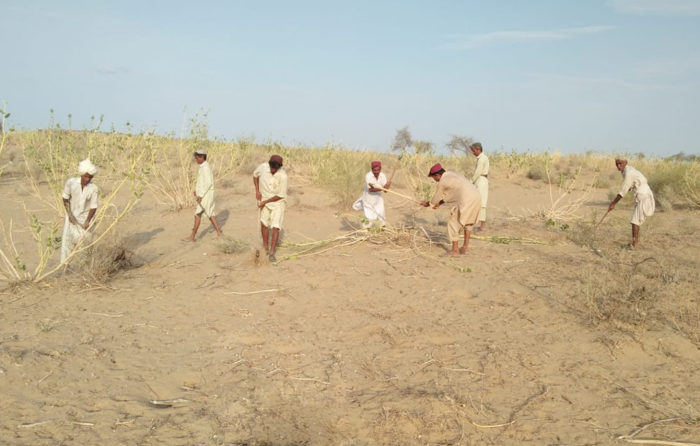
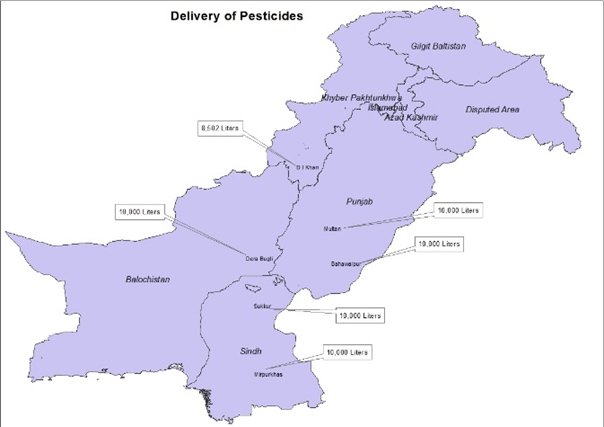


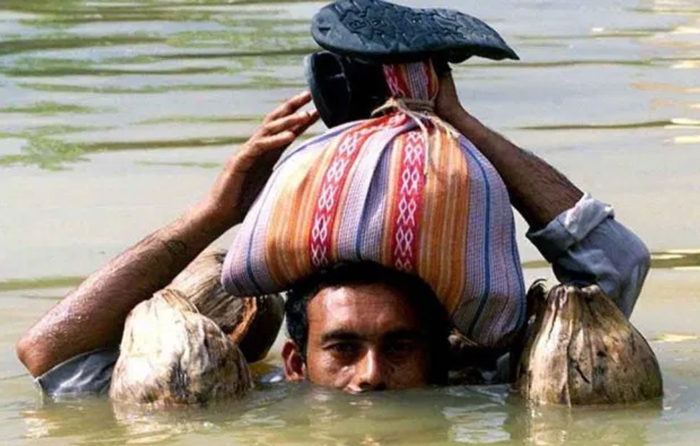

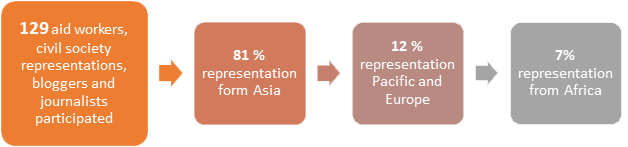

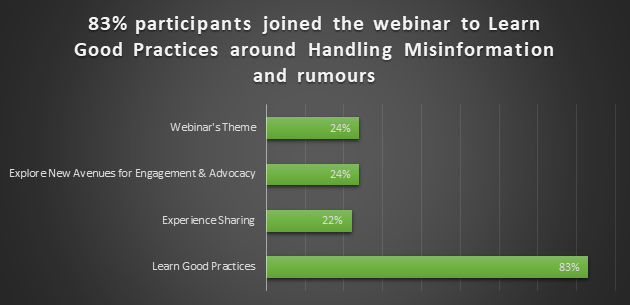

 Radharani highlighted that it is not merely enough for health information to be credible, it also needs to be grounded in the realities of the target audience and it must be contextualised to be accurate and effective. Messages on COVID-19 awareness need to be localised using local talent and local languages to make an impact that is required for a pandemic of this nature and magnitude.
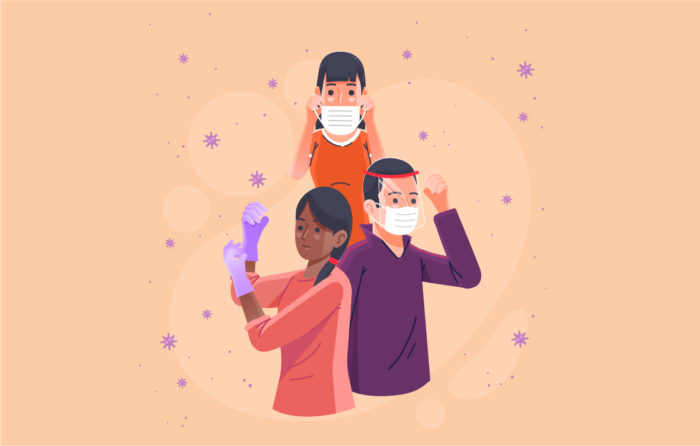
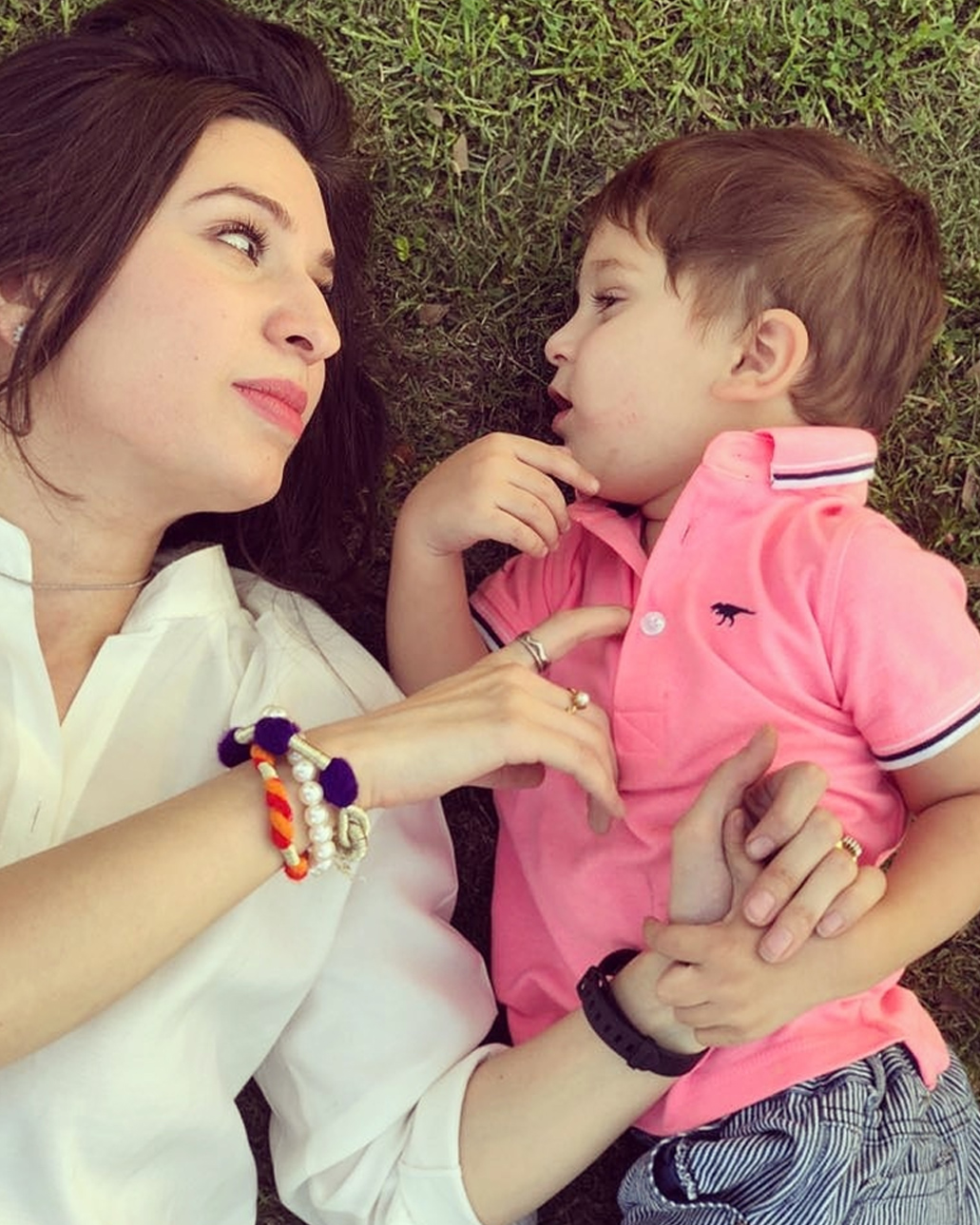
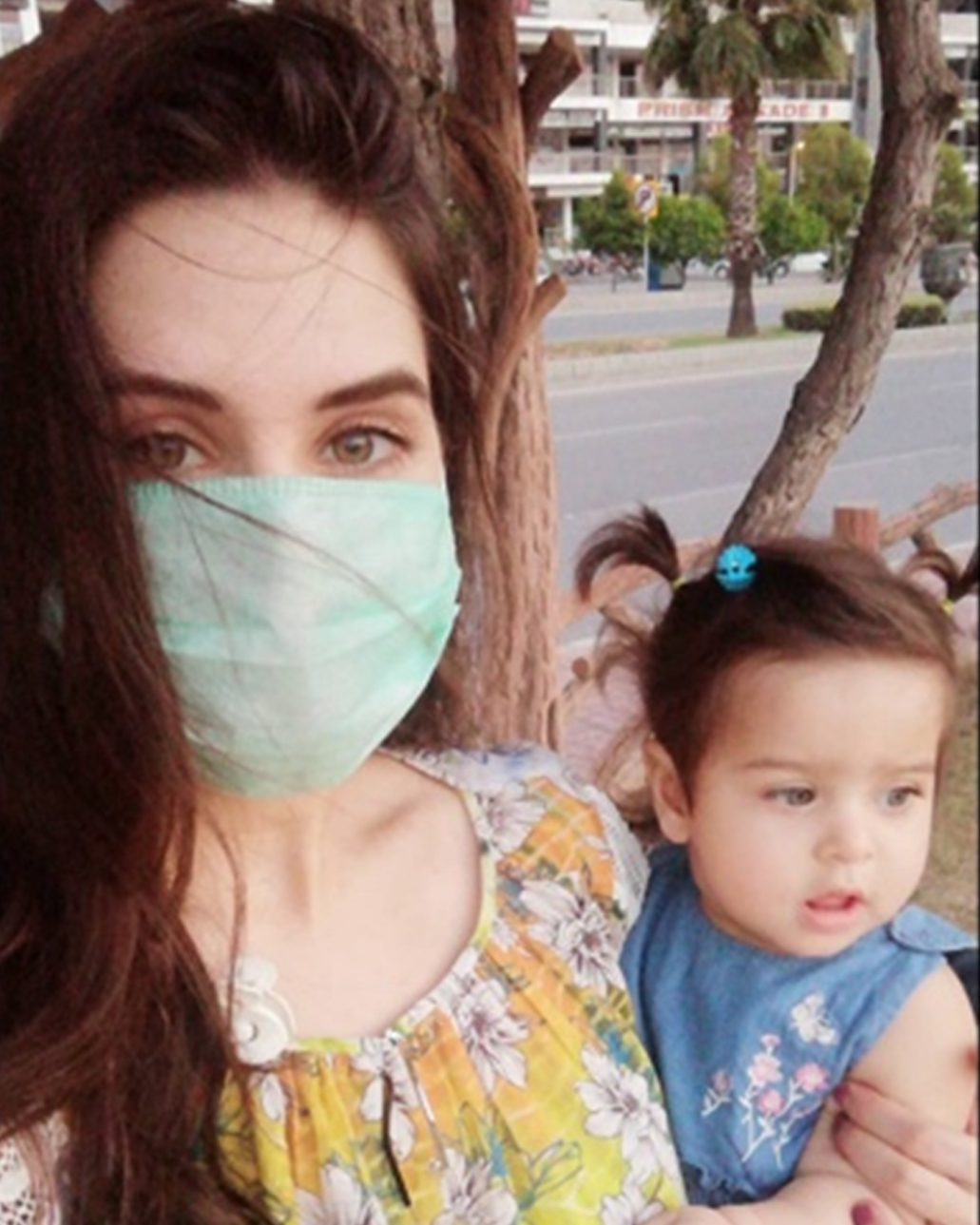
 Mounting evidence from the global data suggests that ‘Violence Against Women’ particularly of domestic nature is tantamount to yet another ‘Public Health Crisis’ as domestic torture, abuse and insult serve to act like an additional infection. UN is calling it as a ‘Shadow Pandemic’ with serious consequences for the health, protection and safety of women
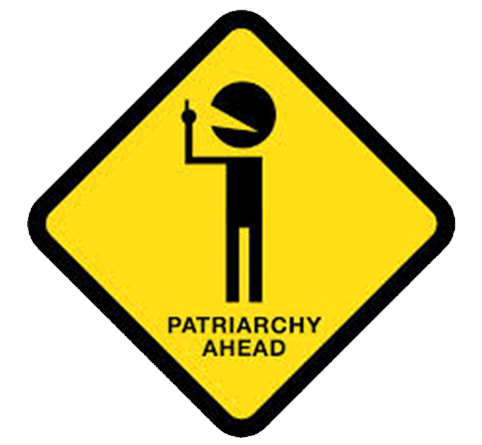 COVID-19 has brought up a wide angle, panorama view of a problem that is persistent because it is ingrained in all our social, political, economic structures, and sheltered by deep-rooted patriarchal beliefs. These are beliefs and attitudes that are in line with the social gender norms, which, for example, establish that wives are properties of men and are morally obligated to support them emotionally, physically, socially and if need be, economically.
 Moreover, despite the remarkable progress made by women over the past half-century or so, women’s position in the labour market remains very different from men’s. On average, employed women work shorter hours than employed men, earn less than employed men, and enjoy less seniority than employed men. Women’s labour market attachment tends to be weaker than men’s, especially around parenthood. Women’s job tenure is, on average, shorter than men’s
 The self-employed and small- and medium-sized enterprises (SMEs) are at the centre of the current crisis. While the scale of the economic challenge is still unfolding, it is likely that SMEs and the self-employed will be hit hard by supply-chain disruption in affected countries, and will be severely impacted by the longer term economic downturn.
 According to Pakistan Development Update (World Bank) in 2017, Pakistan held the lowest rate of women entrepreneurship in the world, with only 1% of women being entrepreneurs compared to 21% of men. The COVID-19 led lockdown has resulted in further shrinking this one percent bracket of women entrepreneurs as most women led-businesses belong to the beauty, grooming, fashion, hospitality and food sector which has been hit more severely by the crisis. With deteriorating economic conditions, less buying power and the intimate nature of grooming, beauty, fashion and home-based food industry, COVID-19 has almost crushed women-led businesses, further decapitating their financial independence, household decision-making and pushed back all sorts of empowerment prospects. A latest survey (April 2020) by UN Women Asia Pacific states that
 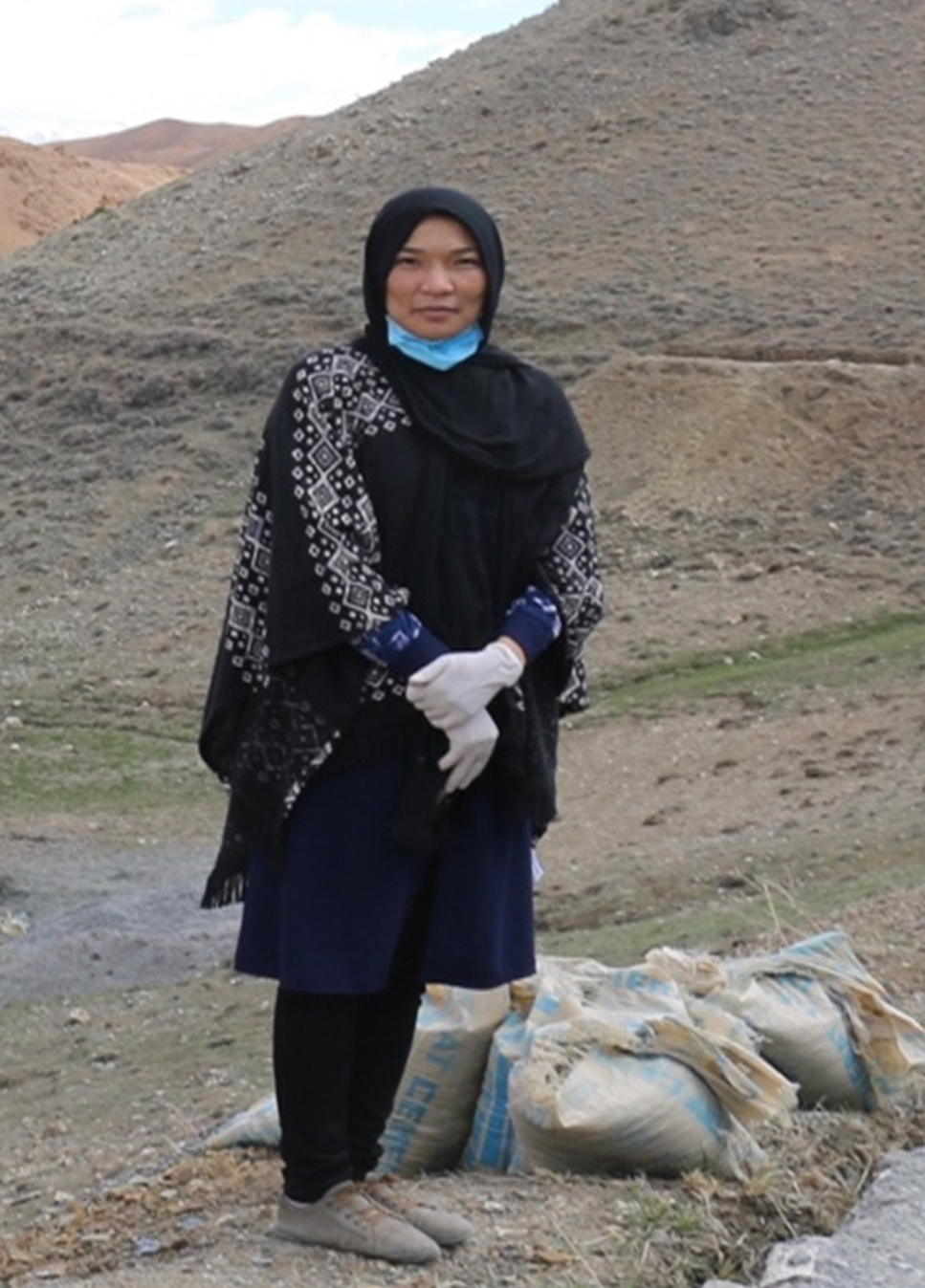 Razia Muradi, Humanitarian worker, Afghanistan
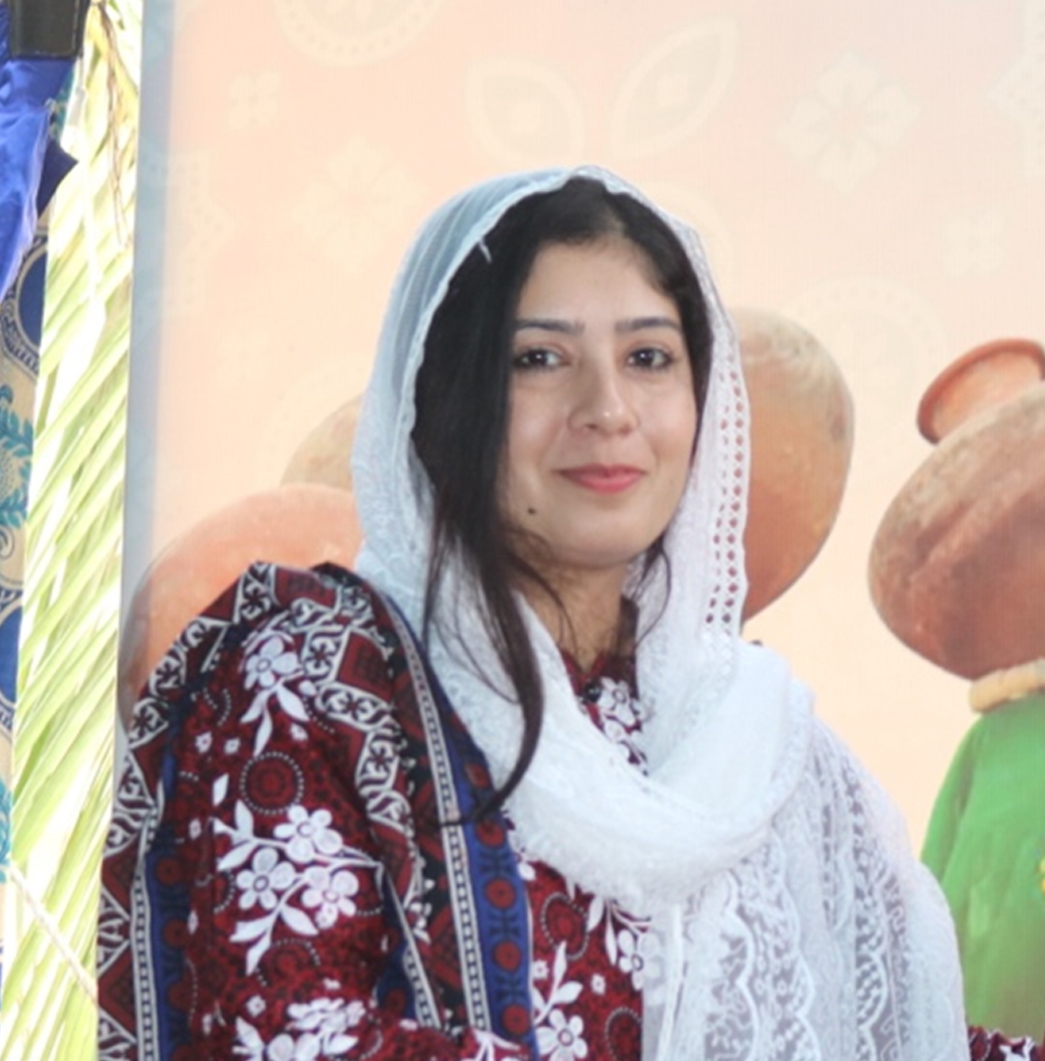 Kiran Bashir, Development Worker, Pakistan
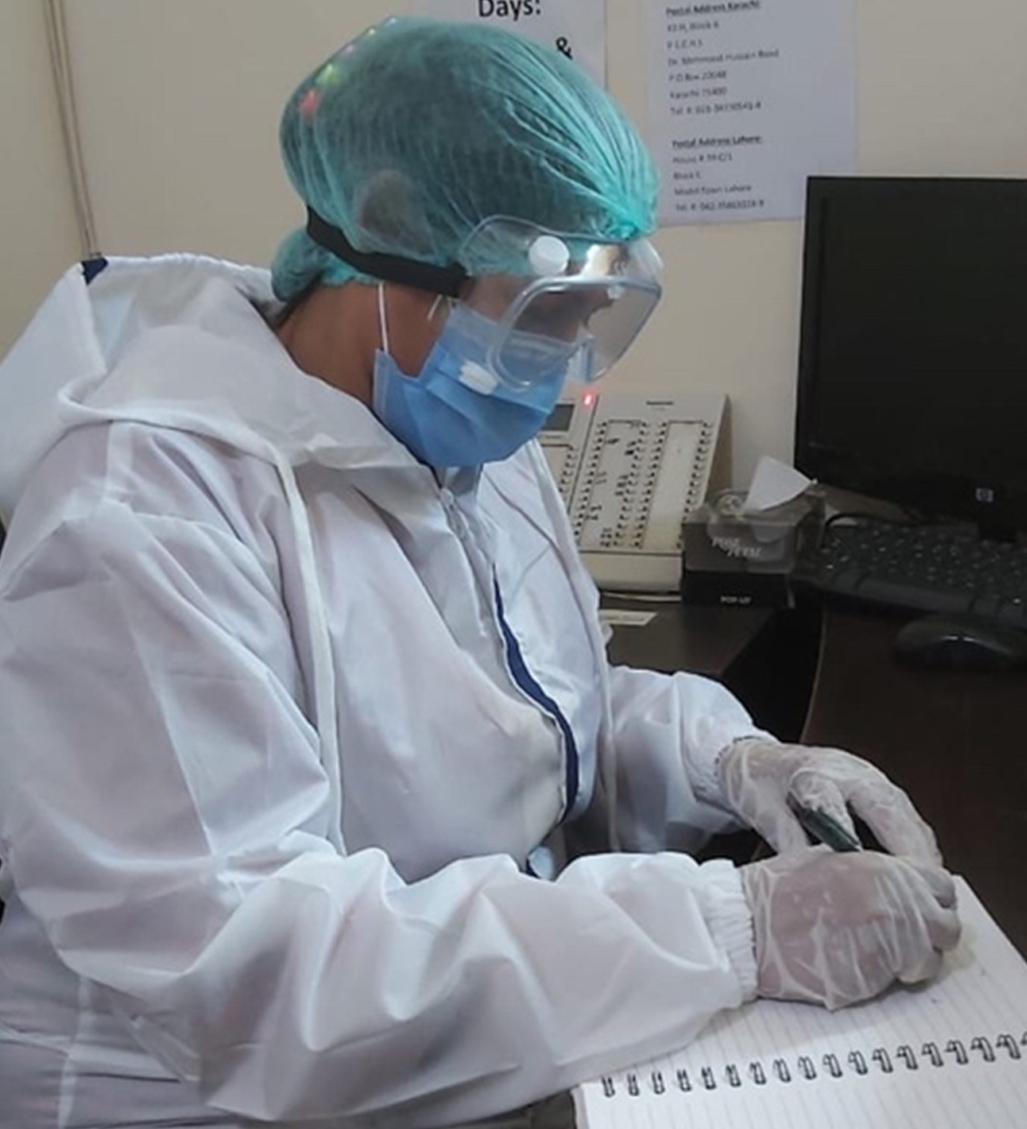 Farhat Shamim, Driver, Pakistan
 Rabia Sabri, Humanitarian Worker and Entrepreneur, Afghanistan
 Our lives have changed overnight. Along with all the negatives, we also need to learn from this pandemic.
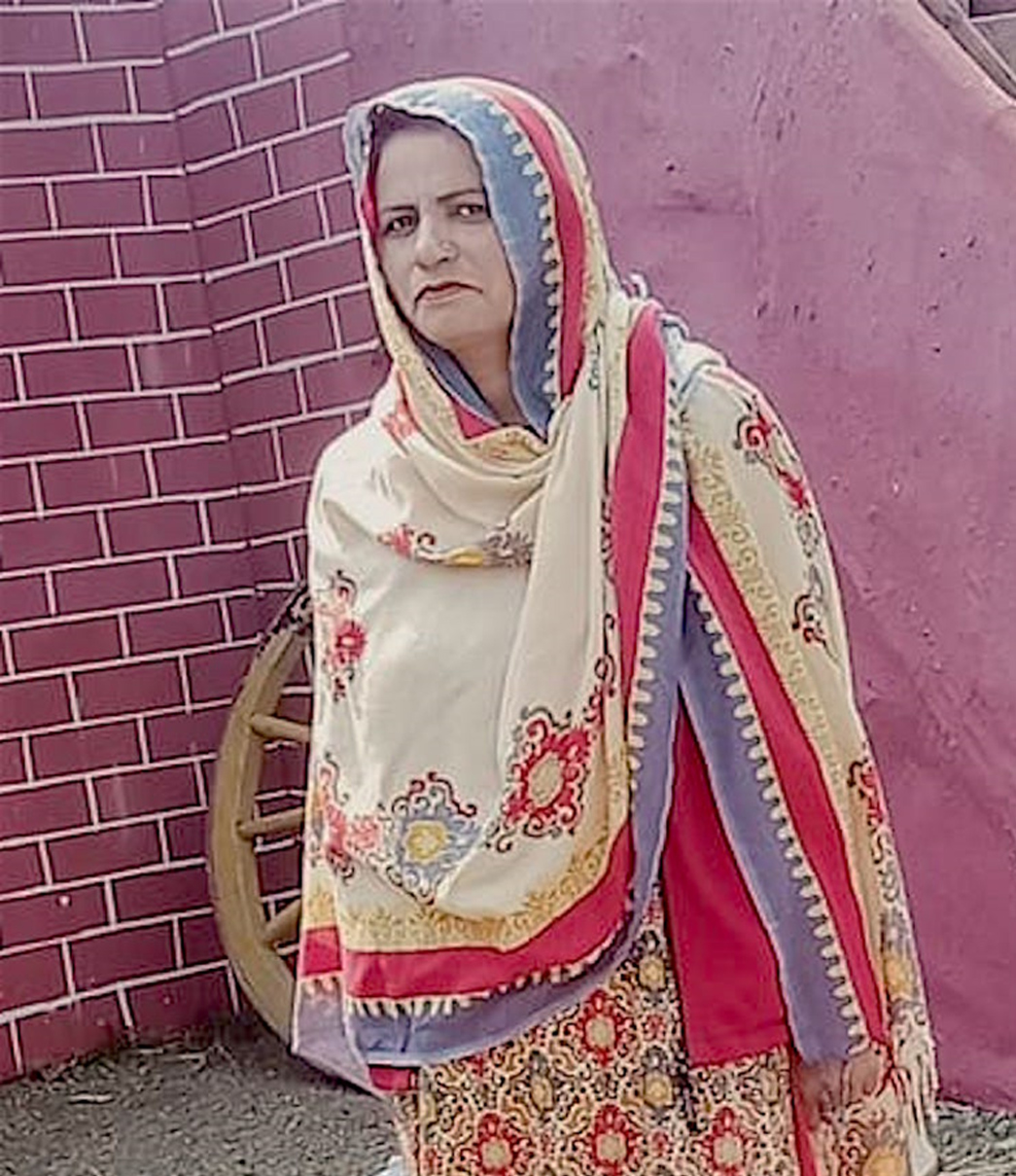 Sonia Sultan, Household Domestic Worker, Pakistan
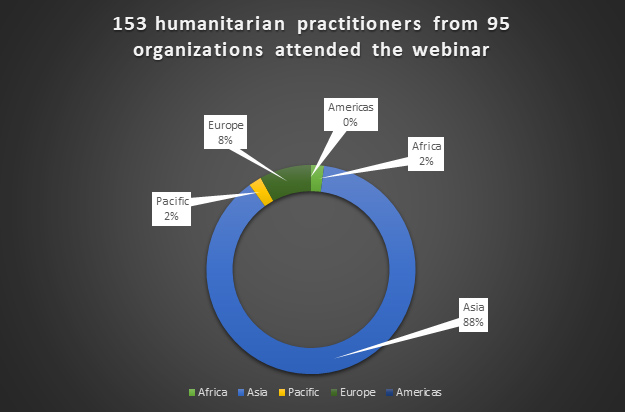


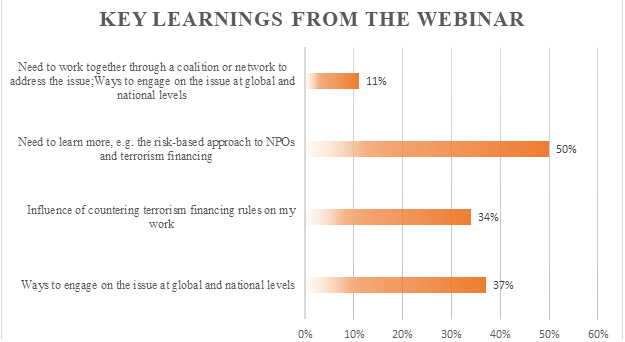
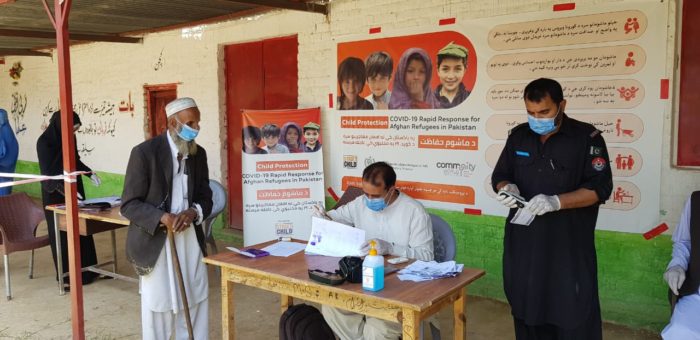
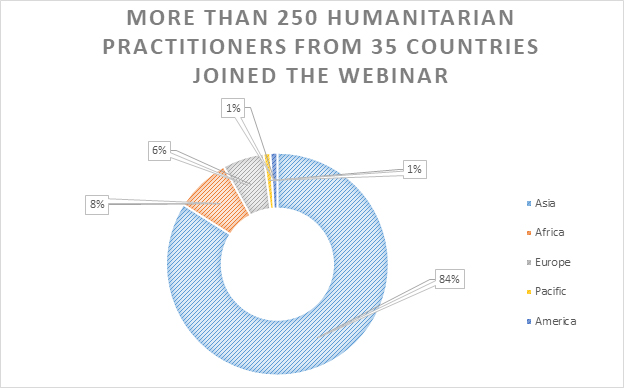
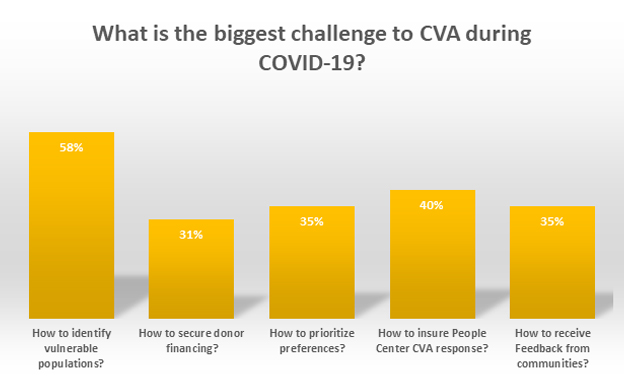





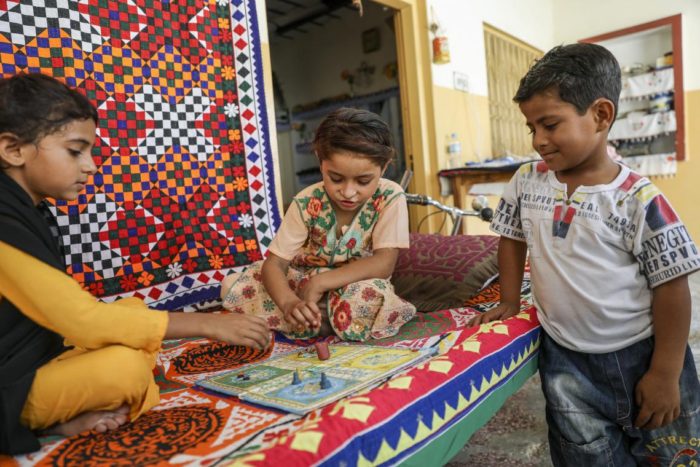
 Prev
Prev