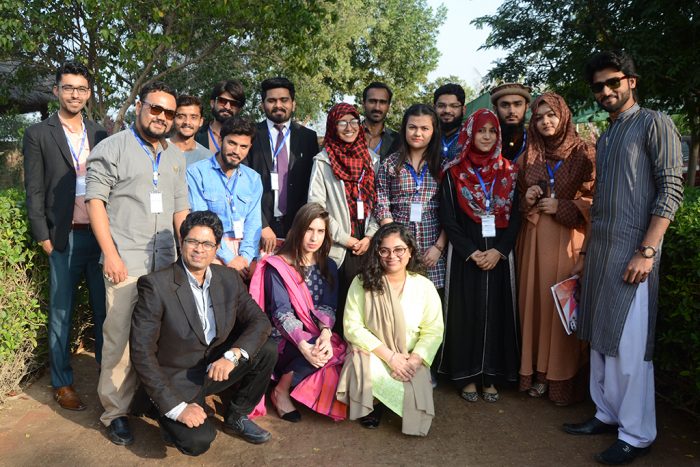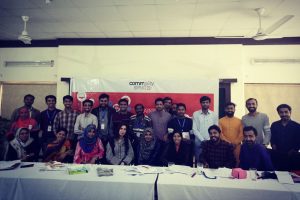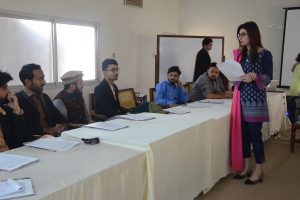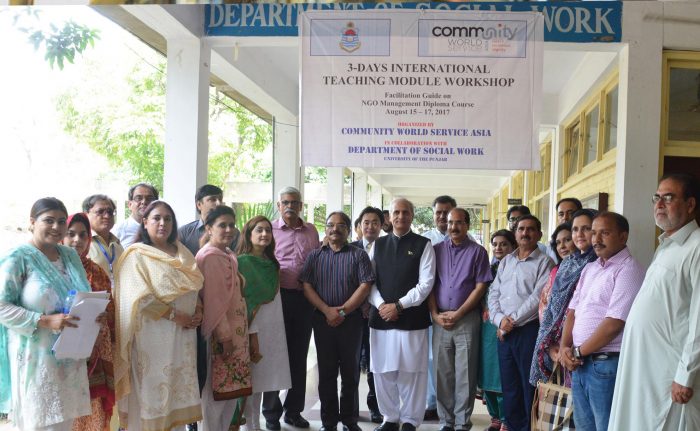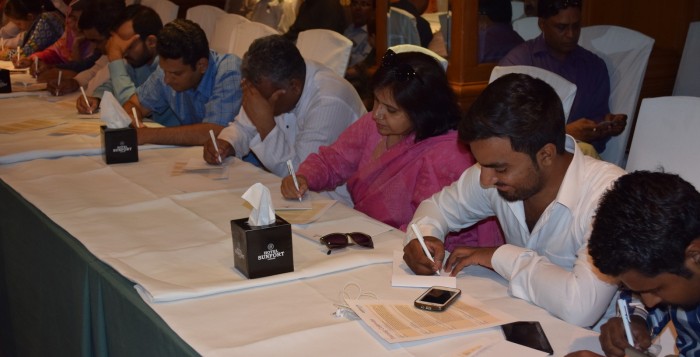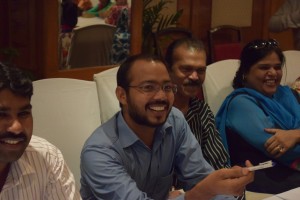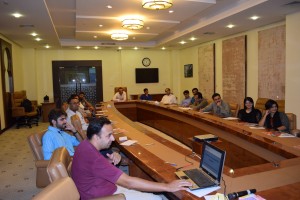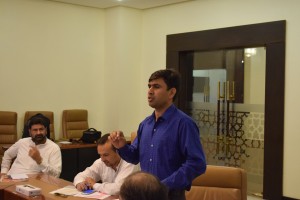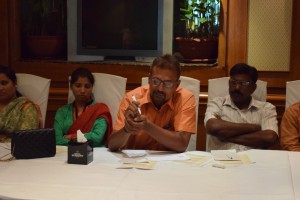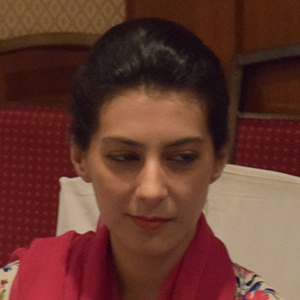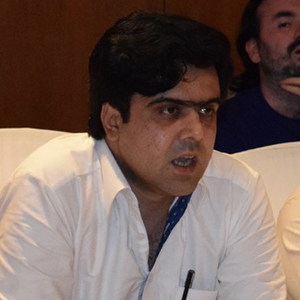
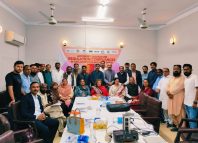

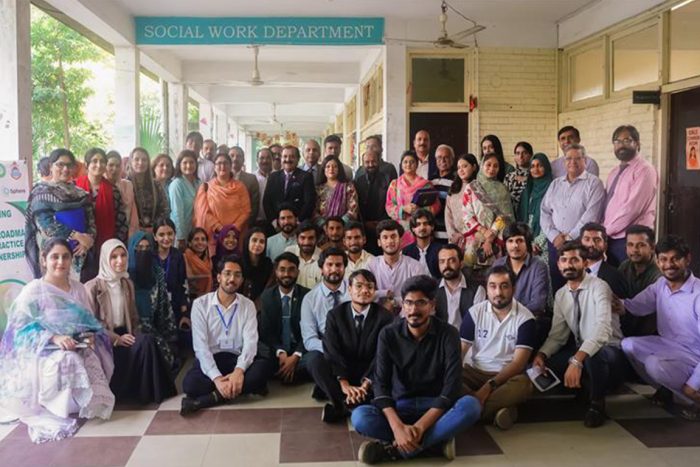
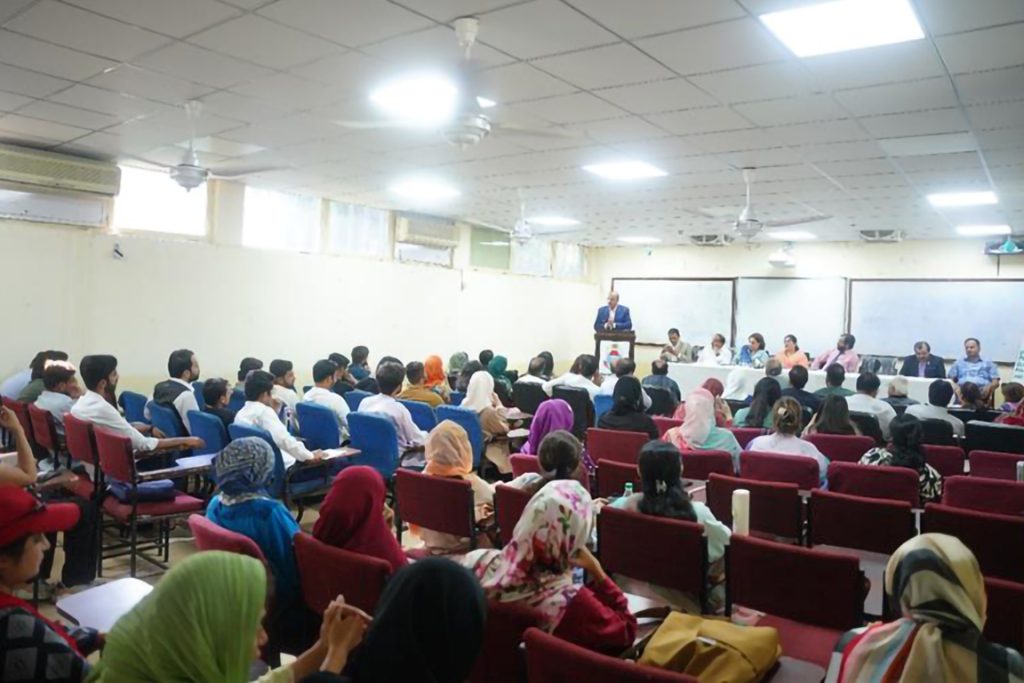
A three-day training workshop titled “Building Disaster and Climate-Resilient Governance: Integrated Approaches for Disaster Risk Management and Preparedness” was successfully organised by Community World Service Asia (CWSA) from 17–19 December 2025 in Lahore, Pakistan, for officials from the District Government Administration and the Gilgit-Baltistan Disaster Management Authority (GBDMA).
The workshop brought together senior officials from Gilgit-Baltistan, including Mr. Zakir Hussain, Director General GBDMA; Mr. Wali Ullah Falahi, Additional Commissioner Gilgit Division; Mr. Ghulam Hassan, Deputy Secretary Home; and Mr. Zahiruddin Baber, Deputy Director GBDMA, along with Assistant Directors representing all 10 districts of Gilgit-Baltistan, including Hunza/Nagar, Ghizer, Skardu, Ghanche, Diamer, and Astore.
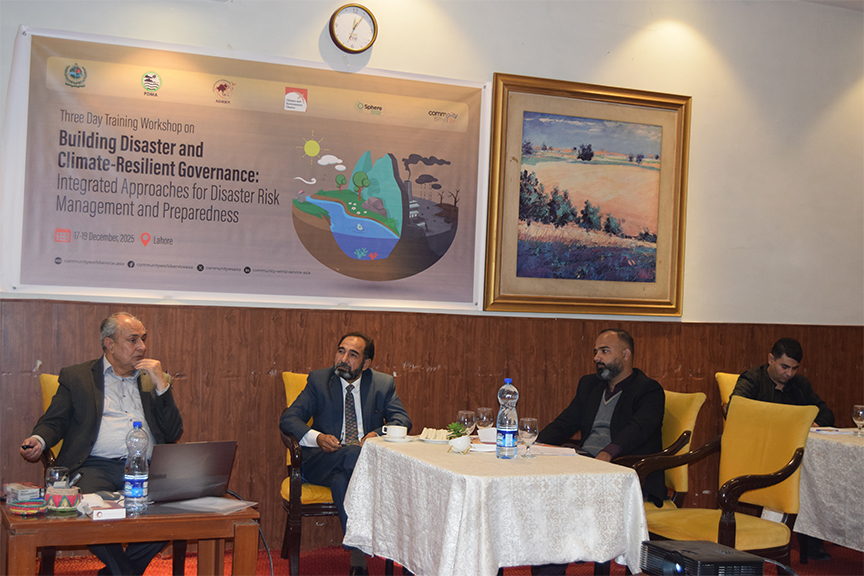
The workshop was formally opened by representatives of Community World Service Asia (CWSA), who warmly welcomed the participants and expressed sincere appreciation to officials from the District Administration, representatives of GBDMA, resource persons, and partner institutions. CWSA highlighted the importance of strengthening institutional systems, fostering cross-learning, and enhancing coordination to address increasing disaster and climate risks, particularly in vulnerable regions such as Gilgit-Baltistan.
Throughout the three days, the training focused on strengthening disaster risk governance and climate resilience within public institutions. Participants enhanced their understanding of integrating disaster risk reduction and climate change considerations into development planning, policy frameworks, and operational decision-making, with a strong emphasis on practical, field-oriented applications relevant to mountainous and climate-sensitive regions.
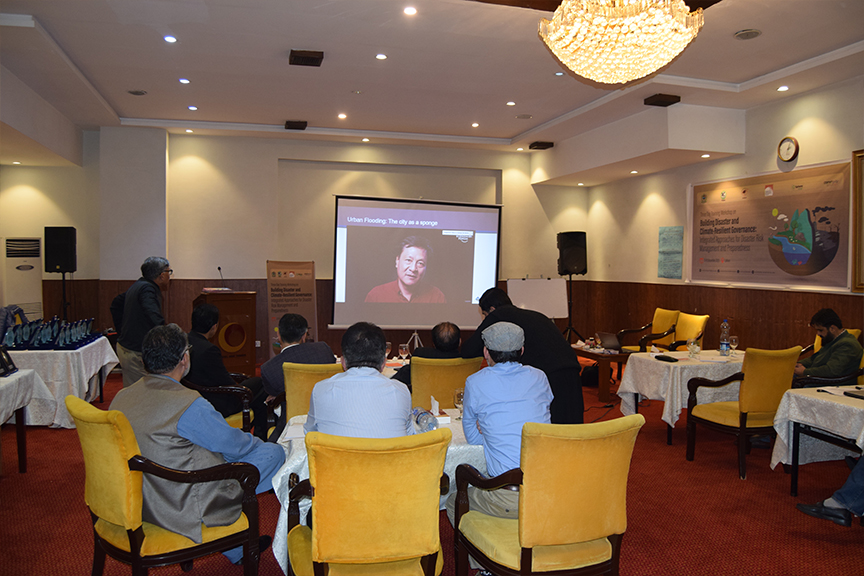
A significant component of the training emphasised the use of technology and data-driven approaches to support effective disaster risk management. Participants received hands-on exposure to Geographic Information Systems (GIS), remote sensing applications, digital tools, and early warning systems, enabling them to strengthen risk assessment, hazard mapping, anticipatory action, and evidence-based planning at district and provincial levels.
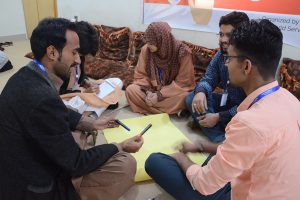
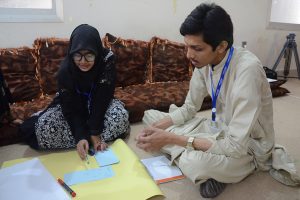
The training also underscored the importance of nature-based solutions, community-centered approaches, and anticipatory action to reduce disaster impacts and enhance local resilience. Through interactive discussions and group exercises, participants explored practical ways to strengthen community engagement, ecosystem-based risk reduction, and early action mechanisms within existing government systems.
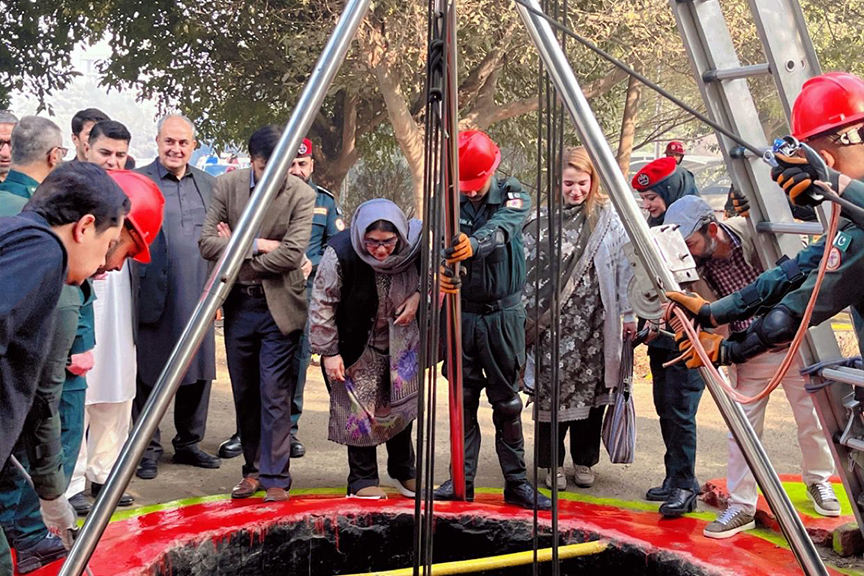
Sessions on climate and disaster risk financing strengthened participants’ understanding of risk-sensitive investments, financing instruments, and institutional mechanisms required to support sustainable and resilient development. These discussions highlighted the importance of aligning public investments and development programs with long-term climate and disaster risk considerations. The workshop featured contributions from experienced national experts and practitioners. Mr. Falak Nawaz, CEO National Disaster Management Plan (NDMP) Islamabad, served as the Lead Trainer and facilitated key sessions on risk-informed governance, GIS and remote sensing applications, anticipatory action, digital preparedness, and mainstreaming climate resilience into development planning.
Mr. Muhammad Ajmal Shad, Chief Meteorologist (Retd.), Pakistan Meteorological Department, delivered an in-depth session on flood forecasting, climate trends, and early warning systems, enhancing participants’ understanding of hydro-meteorological risks and preparedness measures.
Ms. Shehnaz Akhter, Provincial Lead Rescue 1122, shared valuable insights on emergency preparedness, inter-agency coordination, and effective response systems.
Mr. Mubashir Hussain, Manager Disaster Risk Financing at NDRMF, presented on nature-based disaster risk reduction and climate and disaster risk financing mechanisms, highlighting pathways to strengthen district-level resilience.
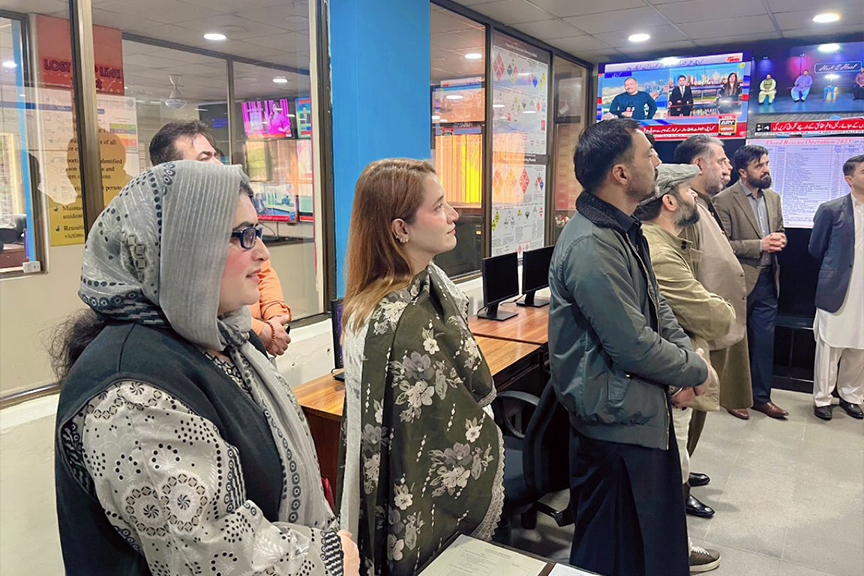
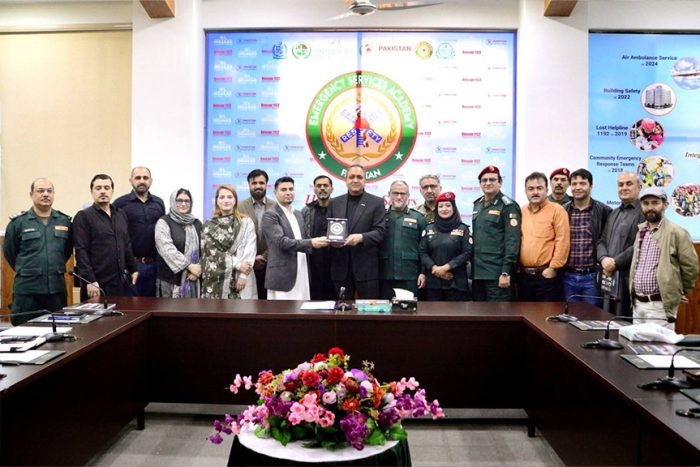
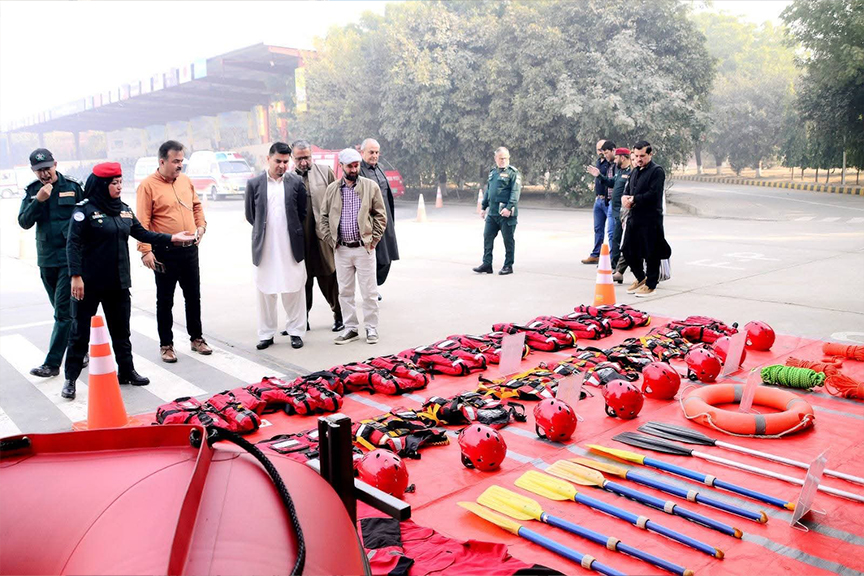
On the final day, participants received an exposure visit to the Rescue 1122 Emergency Services Headquarters and Emergency Services Academy, Government of Punjab, facilitated by Ms. Shehnaz Akhter and senior Rescue 1122 officials. The visit provided comprehensive insights into command-and-control systems, emergency response operations, simulation-based training, and rapid response mechanisms. Participants observed live demonstrations and learned about the Academy’s initiatives to strengthen institutional preparedness, responder capacity, and inter-agency coordination.
As part of this initiative, CWSA and GBDMA teams visited the Punjab Disaster Management Authority (PDMA), where officials shared insights into provincial-level disaster preparedness planning, coordination mechanisms, risk assessment processes, and response operations. The visit provided valuable exposure to institutional models and standard operating procedures, supporting cross-provincial learning and adaptation to the context of Gilgit-Baltistan.
During the concluding reflections, Mr. Zakir Hussain, Director General GBDMA, emphasised that regional coordination and preparedness are essential for Gilgit-Baltistan, given its fragile geography and increasing climate-induced risks. He underscored the importance of strengthened inter-provincial and inter-agency collaboration.
Representatives from the District Administration highlighted the importance of coordination among district administrations, particularly in aligning planning and implementation processes. They stressed the need to integrate climate change considerations into district-level programs and development initiatives and commended CWSA’s efforts in bringing together diverse government stakeholders on a single platform, enabling shared learning, alignment of priorities, and strengthened institutional coordination.
The workshop concluded with commitment from all participants to apply the knowledge, tools, and insights gained to strengthen coordination, integrate technology and climate considerations, and advance disaster- and climate-resilient governance within their respective institutions and districts.


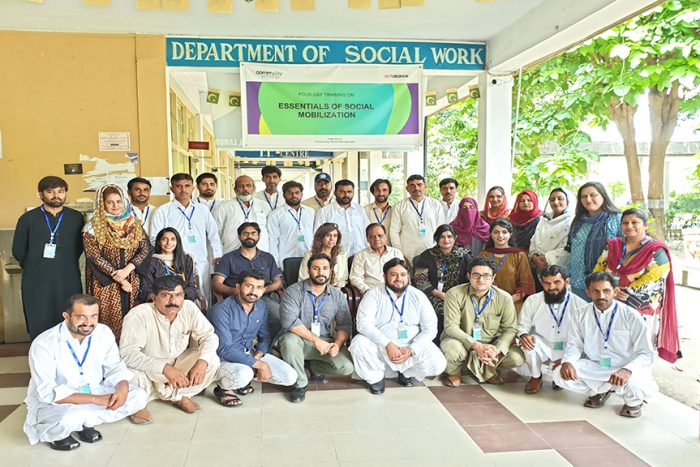
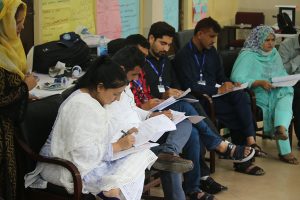
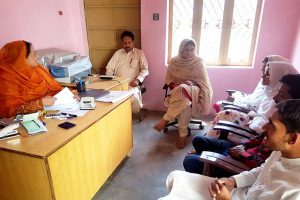
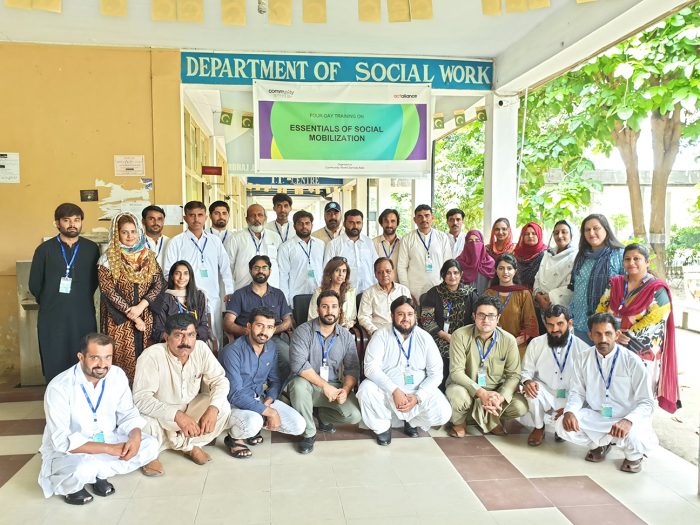
 “The training techniques were interesting and engaging. The trainers, Moazzam Ali and Nergis Khan, not only held theoretical session, they also engaged participants in practical learning exercises such as role plays and group activities. We can replicate these activities in the target communities to build capacities of community members.” Mahmood Ahmad Medecins du Monde
 “The activities conducted in the training workshop were interactive and provided long-term learning. The session on Policy of Social Mobilization made me realize the importance of having such a policy on an organizational level. These policies can be designed in accordance with the culture and context of the organization, which will boost the efficacy of the project activities for the welfare of communities.”
 “The training content helped me in overcoming the communication and mobilization gaps which exist in my field work. Moreover, the training environment was very welcoming, and it allowed me to share experiences openly and learn from others’ as well.”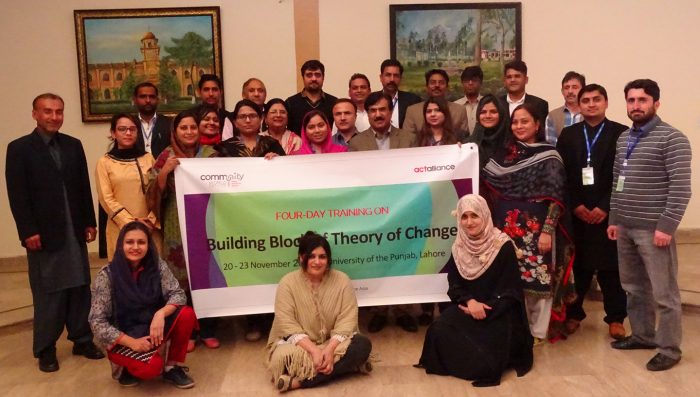
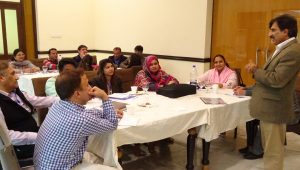
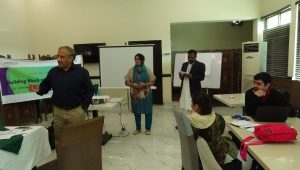
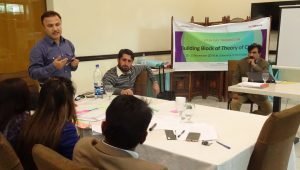
 “Being a technical training, Zaigham made this training very rewarding and enjoyable. I learned a lot from this training and will try my best to improve further and train other staff in my organization on this. I want to express my gratitude for our facilitator for his outstanding way of articulation, knowledge and providing such a friendly learning environment.”
 “We acquired the skills of integrating ToC into our organization’s planning, monitoring and evaluation processes. Zaigham has been an outstanding resource person throughout the workshop and will prove to be more useful in future because of his availability and willingness to provide technical assistance after the workshop.”
 “Interactive discussion and practical group activities made learning more interesting and productive. The difference between the ToC and Log Frame was made clear in this training. I am grateful to Community World Service Asia to provide such an opportunity which will be beneficial for our organization in the long-run.”
  “I am grateful to be given this opportunity to learn Theory of Change. I learned the current practices of ToC and how to design community development projects. I am now able to connect ToC to the log frame for Monitoring & Evaluation. This training has enabled me to see the project activities from a different and broader level.”
 “This 4-day training was very interesting and beneficial for my organization as a whole. The training was conducted with a participatory approach including practice, sharing, discussions and group work. Our facilitator was well-versed and attended all our queries effectively. I hope to implement the learning in my work to bring positive results for community development.”
 “I am working in the NGO sector for the past twenty years. This workshop has proved to be very useful in my field of work. The knowledge of ToC tools has enabled me to develop effective projects. Zaigham Khan has been very patient and helpful throughout the training.”