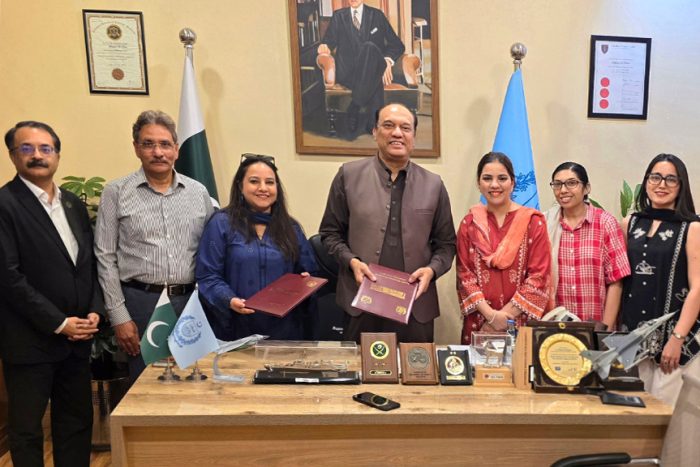
Community World Service Asia and the Health Services Academy, Islamabad, have officially signed a Letter of Understanding to strengthen collaboration in the areas of climate change, healthcare, and social development.
This partnership marks a significant step towards advancing research initiatives, implementing innovative programmes and promoting evidence-based practices in Pakistan.
Through this initiative, pressing public health and development challenges will be addressed while strengthening the capacity of healthcare professionals across the country.
An active seasonal window of high-stakes weather systems and prolonged, above-normal temperatures continues to threaten Northern Pakistan. As of June 2, the Pakistan Meteorological Department (PMD) forecasts ongoing rain and thunderstorms through June 5, maintaining a critical risk of Glacial Lake Outburst Floods (GLOFs) and flash floods across glaciated valleys in Gilgit-Baltistan (GB) and Khyber Pakhtunkhwa (KPK). Over 7.1 million people in these northern regions remain vulnerable.
Casualties: Severe early-May storms have already tragically resulted in four deaths and sixteen injuries across the KPK districts of Mardan, Swabi, Malakand, and Shangla.
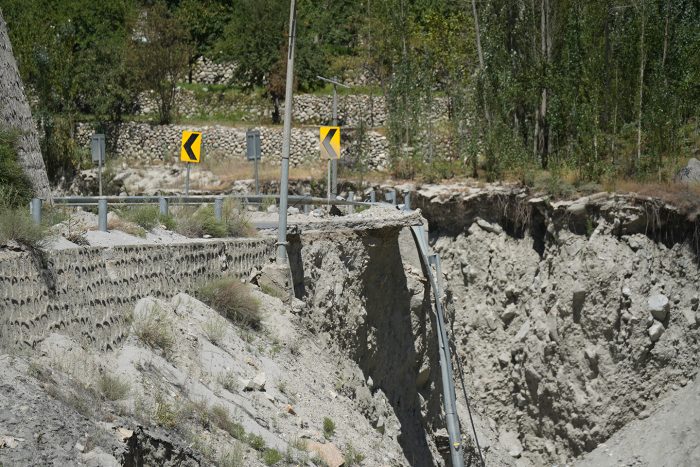
Community Isolation & Access Barriers: Landslides and weather-driven disruptions threaten to cut off remote mountain communities. Major lifelines, including the Karakoram Highway, Skardu Road, Shigar Valley Road, Deosai Road, and Naran Road, as well as vital local routes in the Shimshal and Hunza Valleys, are flagged as highly sensitive to immediate blockages.
Upstream Flooding Threat: Rapidly melting glaciers driven by intense heat are creating flood-like conditions across multiple districts, including Hunza, Chitral, Swat, Gilgit, and Neelum Valley.
In line with the commitment to Do No Harm and community protection, local administrations and vulnerable populations are urged to maintain 24/7 vigilance. Local communities are being guided to monitor immediate early warning signs, specifically tracking sudden changes in river levels, unusual deep sounds near water drains (nullahs), and shifts in water color that indicate upstream breaches.
Travelers and local communities are strictly advised to avoid unnecessary travel in high-risk zones during this active severe weather period.
The current situation demands an immediate focus on:
Early Warning Systems: Real-time dissemination of alerts to isolated mountainous communities.
Logistical Readiness: Preparing for rapid assessments as road blockages on the Karakoram Highway fluctuate.
Community Preparedness: Strengthening local-level response capacity in high-risk valleys that may become cut off by infrastructure damage.
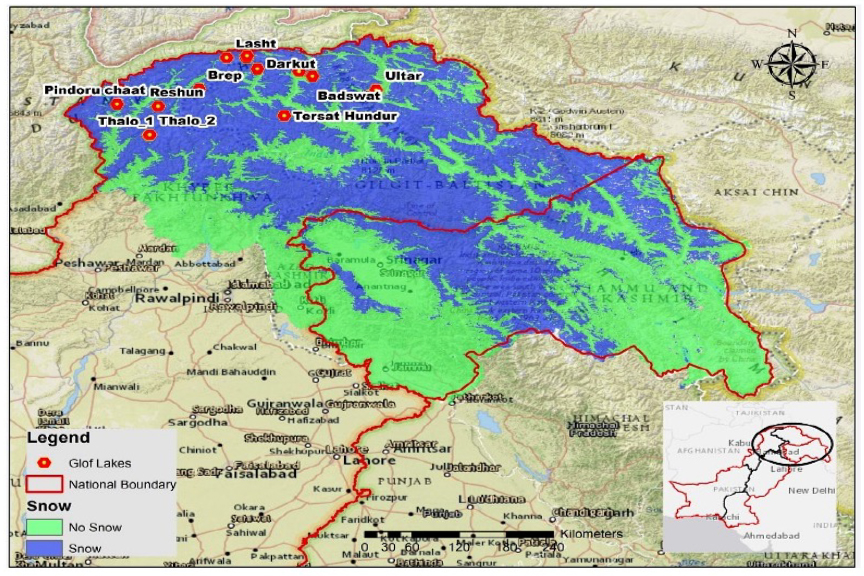
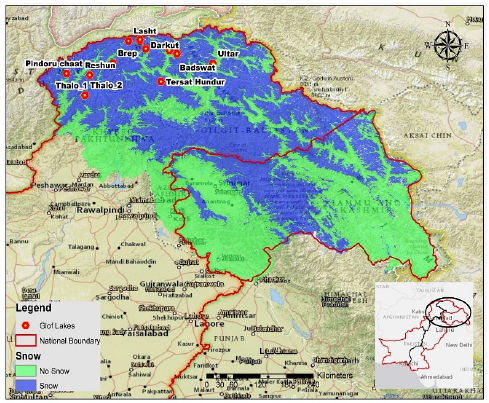
Figure 1: Projected GLOF Risk Areas in Northern Pakistan, March–September 2026
Key Risk Domains and Impact Highlights
Key Domains
Potential Impacts
Lives and safety
Increased risk of sudden flooding, debris flow, landslides resulting in injuries, loss of life and urgent evacuation needs
Shelter
Destruction to homes leading to temporary displacement of households in downstream valleys and vulnerable communities
Infrastructure
Damage to roads, bridges, irrigation channels, water supply systems and small hydropower infrastructure leading to disrupted transportation, reduced access to essential services and interruptions in water and energy supply.
Health
Increased risk of injuries, waterborne diseases due to contaminated water along with limited access to health facilities and referral challenges in remote valleys
Food security and livelihoods
Loss of livestock, crops, orchards, agricultural land and household assets
Protection
Increased risks for women, children, older persons, persons with disabilities and households with limited mobility
Access and logistics
Isolation of remote communities and delayed humanitarian access, disruption to passenger and goods transport, and traffic disruption along key routes including the Karakoram Highway due to infrastructure damage
NDMA’s Summer Hazards Contingency Plan 2026 notes that sudden breaching of unstable glacial lakes may generate flash floods downstream, threatening villages, roads, bridges and hydropower infrastructure1.
The scale of exposure is significant, with millions of people in GB and KPK living in areas vulnerable to GLOFs, flash flooding and debris-flow risks, particularly communities downstream of rivers, streams and glacial lakes.
Emerging Humanitarian Needs
In the event of GLOF-triggered disasters or flash flooding in the high-risk valleys of Northern Pakistan, humanitarian interventions must prioritise immediate life-saving support alongside the preservation of human dignity. The following domains have been identified as critical for an effective and principled response:
Life-Saving Relief and Shelter: Immediate focus on coordinated evacuation support and the provision of high-quality temporary shelter should be priortised. Essential Non-Food Items (NFIs), including winterised tents, blankets, and kitchen sets are vital for families displaced in the harsh high-altitude terrain.
Health and WASH: Restoration of safe drinking water and sanitation services is a priority to mitigate disease outbreaks. This must be coupled with mobile health units and first aid services capable of providing essential medicines and emergency referrals in areas where fixed infrastructure may be damaged.
Food Security and Multipurpose Cash: Where local markets remain functional, Multipurpose Cash Assistance (MPCA) is the preferred modality to provide families with the agency and flexibility to meet their own needs. In isolated areas with market disruption, direct food assistance in this form will be necessary.
Protection and Psychosocial Wellbeing: Critical support and protection to help families and children process the trauma of sudden displacement and loss must be provided. All assistance must be protection-sensitive, specifically tailored to the needs of women, children, older persons, and individuals with disabilities.
Community World Service Asia’s Preparedness and Response
Community World Service Asia (CWSA) is currently maintaining a high state of operational readiness through its field office in Hunza, GB. This local footprint allows for immediate coordination with Gilgit-Baltistan Disaster Management Authority (GBDMA) and District Disaster Management Authority (DDMA), building on CWSA’s significant 2025 response where we supported 1,479 individuals with food and cash assistance. Leveraging deep-rooted networks in remote areas like the Chipursan Valley, CWSA is positioned to move from monitoring to formal response activation immediately upon verification of an incident by disaster management authorities or field teams.
The mobilisation strategy is centered on reaching the “last mile” of remote mountain communities. Key priorities include:
Targeted Vulnerability: Directing assistance toward women-headed households, children, older persons, and persons with disabilities to mitigate exclusion risks.
Integrated Accountability: Maintaining safe, confidential feedback loops and ensuring communities are informed participants in their own recovery.
Multisectoral Readiness: Preparedness covers emergency shelter, WASH, mobile health, and psychosocial support, with a preference for multipurpose cash where markets allow.
Proposed Relief and Call to Action: To ensure a rapid and effective response as weather patterns evolve, CWSA has identified three critical pillars for immediate support:
Pre-positioning: Securing emergency shelter, hygiene kits, and dry rations in accessible hubs near high-risk valleys.
Scaling Life-Saving Aid: Expanding the reach of mobile health referrals and cash assistance for those in the direct path of debris flows.
Logistical Resilience: Strengthening “last-mile” transport capabilities to bypass anticipated road and bridge failures along the Karakoram Highway and interconnected routes.
In a region where geography defines the risk, local presence defines the response. CWSA urges the international community and humanitarian partners to support immediate and coordinated response in Northern Pakistan as we work to turn preparedness into a lifeline for the most isolated communities in GB and KPK.
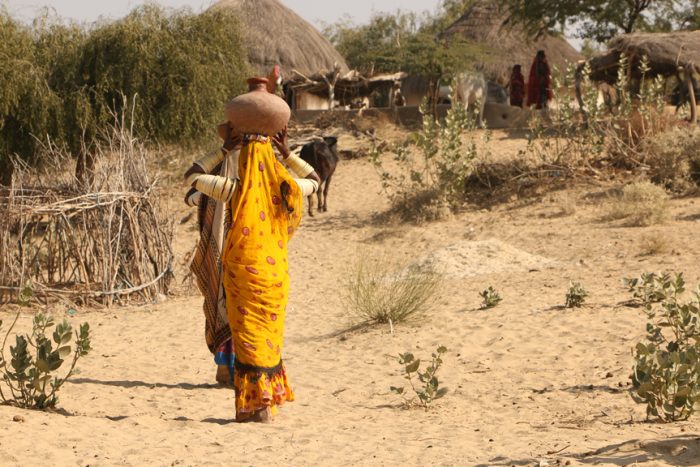
“Spill some ghee (clarified butter), that’s all right. But never a drop of water. That is what they said in our village,” 20-year-old Pratap recounts. He has only heard tales. Tales from the time when men would set out for Umerkot early in the morning with empty water bags/vessels on their camels. A trek of 20 kilometres took up to five hours. There they would fill up the bags and return the way they had come from. At home they would empty their water bags into earthen pitchers that stood in their courtyards. Some households had as many as twenty of them so as to cut down on the number of camel trips to the town.
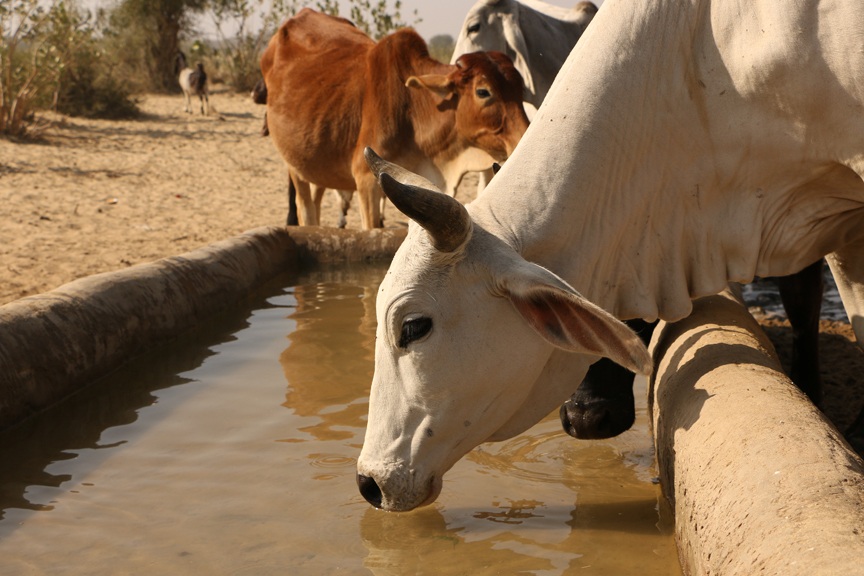
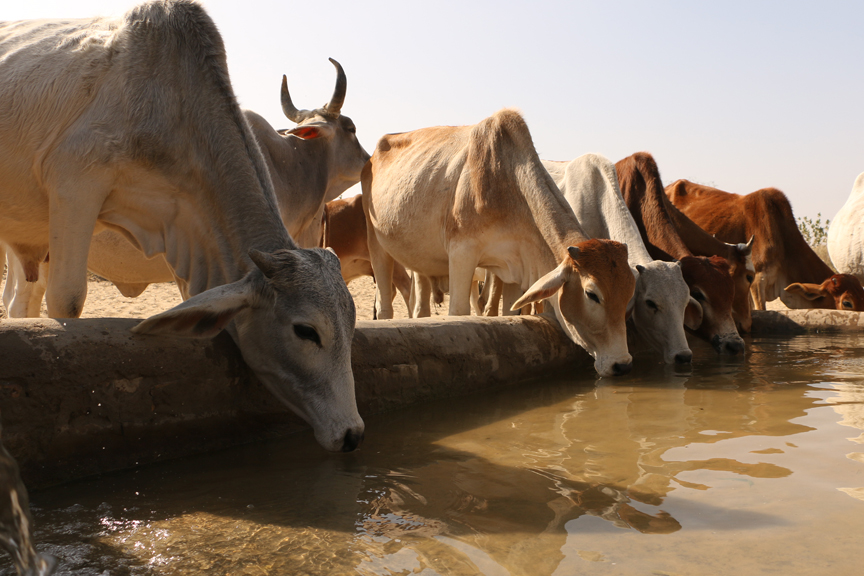
The sweet water from Umerkot was for human consumption only, recalls Pratap. For bathing and washing up, they used the bitter water they got from their wells which everyone affirmed contributed to their skin rash and itching. It was too bitter, even for livestock to consume for which usually the tarai (natural pond) outside the village, sufficed. But it filled only when the rains were good and there had been too many waterless summers that had made these ponds cracked clay. Most families migrated to the barrage area on the western edge of the desert, rich with canals and agriculture where they worked as farm labourers and their livestock fed in the pastures and drank from the canals and ponds.
“Livestock was wealth for us and we could not afford to let them die. There were times when all men would be away with the cattle. Sometimes whole families moved and the village was completely deserted,” says Pratap. He goes on to explain that in such cases they would remain there to take part in either the wheat or cotton harvest depending on the time of year. They would return with bags of wheat and cash as wages just in time to harvest their millets and cluster beans that few men had remained behind to tend.
At the turn of the century, as road networks improved, water tankers began reaching remote villages. Families in Bandi responded by constructing underground concrete tanks, and soon the practice of importing water from Umerkot became a lifeline.
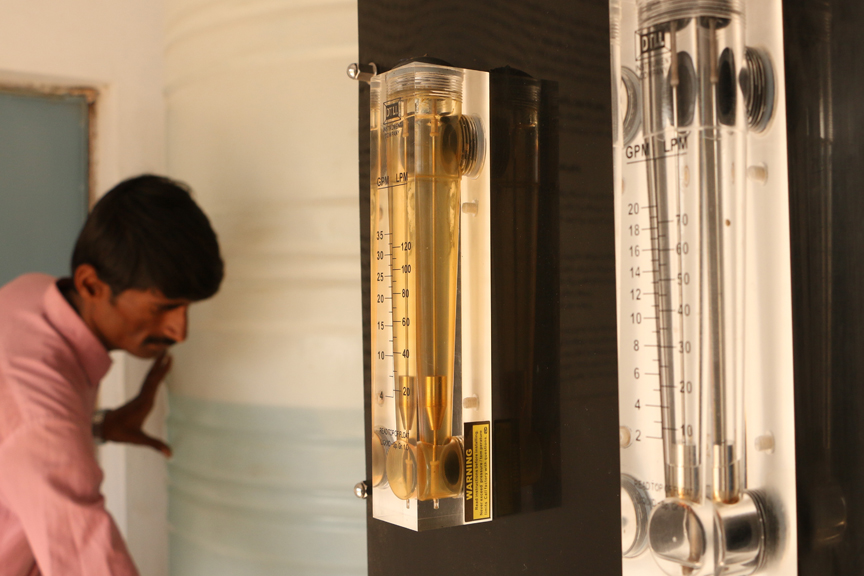
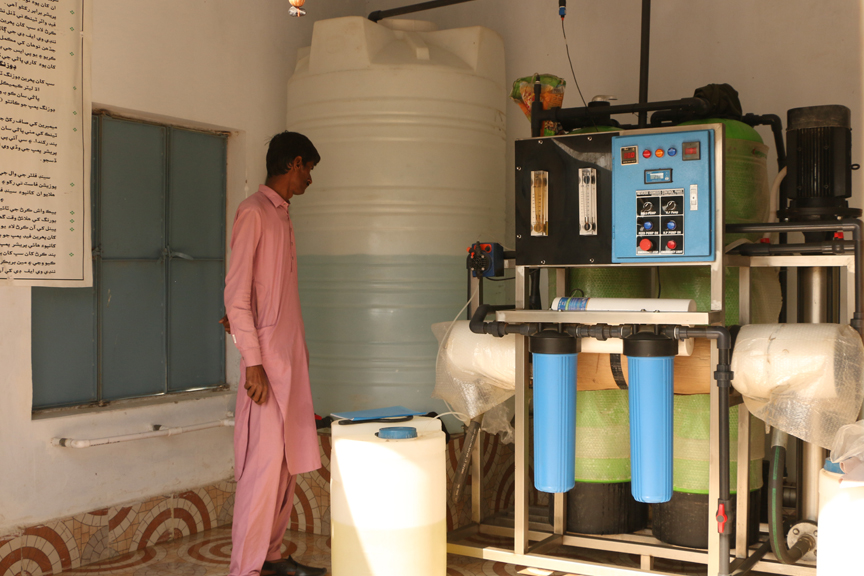
Pratap recalls those early days but cannot say what a single 1000‑litre tanker cost when the system first began. He does remember paying PKR 12,000 (USD 43) for one, before the installation of Bandi’s reverse‑osmosis plant in May 2021, built through the support of a collaborative project by Community World Service Asia, CWS Japan, and Japan’s Ministry of Foreign Affairs.
Today, a tanker is needed every five to six days on average, with families spending around PKR 15,000 (USD 53) per month. In the scorching summer months, demand rises, more tankers roll in, and costs climb even higher. For the people of Bandi, it has been a relentless struggle, yet they have paid whatever was necessary, because no price is too great for the water that sustains life.
A combined approach that amalgamates solar powered technology with community-based management systems was harnessed to ensure sustainable access to safe drinking water where many similarly installed plants have become abandoned sites in the middle of sand dunes.
The process includes remote sensing and aerial imagery to identify potential groundwater zones, surveys to assess water quality and quantity, mapping out suitable locations for drilling and installation, and Hydrogeological validation using scientific and indigenous knowledge.
Tests carried out for subsoil water showed a Total Dissolved Solids (TDS) level of near 14,000 which is very high for human consumption and to purify which, a ‘sea membrane’ fitted RO plant was necessary. Work began on the plant and a Water Management Committee (WMC) to tend to RO plant affairs was also set up under the project to ensure community ownership and participation. Just as the year’s warmest months came upon Bandi, the solar-powered RO plant came into action.
“May 2021 put an end to the water tanker’s business from our village. The only time we have ever called for a tanker since then is for weddings when we have guests from other villages,” reports Pratap who heads the WMC.
The best outcome of the RO plant is that children are in school because now families save, on average, PKR 15,000 (USD 53) every month. Also, says Pratap, the quality of food has improved for everyone. Following the installation, each household now has access to approximately 40 litres of safe drinking water per day.
“Now there is no family that only has chilli paste with millet flatbread.” Even better, he says as an afterthought, is the availability of milch cattle in the village year round. “Now we have milk tea and milk for children. I cannot recall a time since May 2021 that I’ve had black tea at home.”
With migration enforced by the need to protect their livestock now obviated, only one or two men per family move to the irrigated areas in March for the wheat harvest. Most family members, especially women, remain in the village to tend to local agriculture, children and cattle. Schools that were deserted every year in March now continue to hum with the activity of children at their lessons.
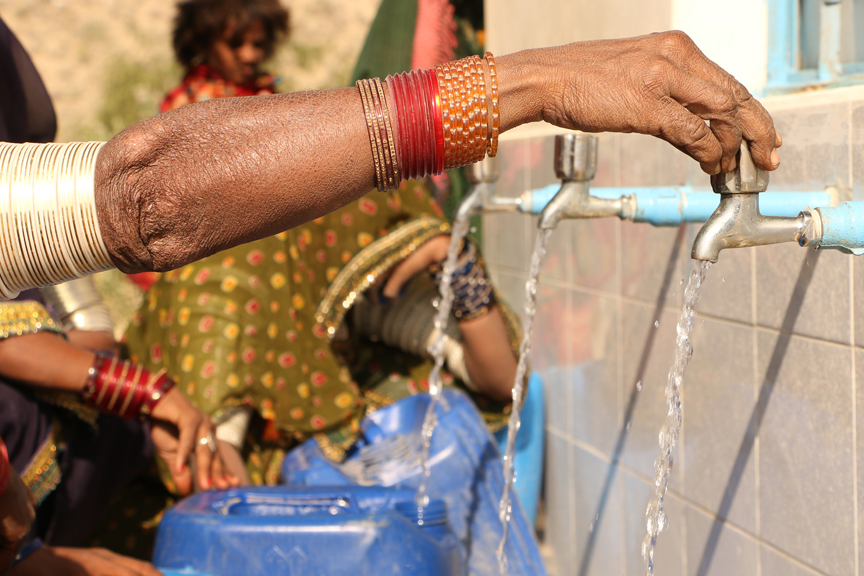
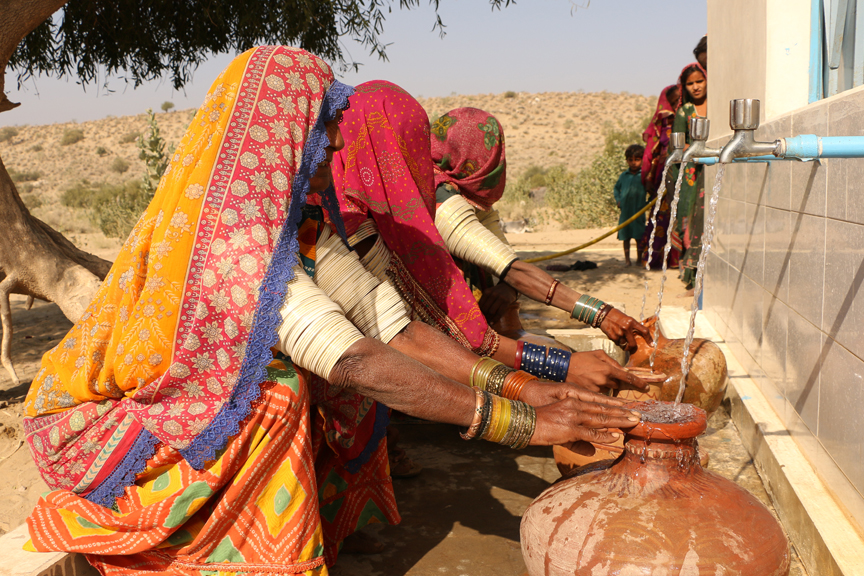
Every morning with sunrise, the plant fills up the 2000-litre storage tank for the 75 households of Bandi. Outside the little building housing the plant, activity begins early as women stream in with their pitchers followed a little later by livestock with the waiting time reduced to less than three minutes. TDS levels have reduced to around 250 ppm, with water now accessible to village homes within a maximum distance of 300 meters.
But it has been seen that virtually hundreds of RO plants lie derelict and unserviceable after only a couple of years of service. How then does the Bandi plant continue to work five years after installation? “Every member family of the WMC contributes a monthly subscription of PKR 200 (USD 0.72) which is saved for maintenance of the plant. Not even the smallest fault goes unattended,” explains Pratap.
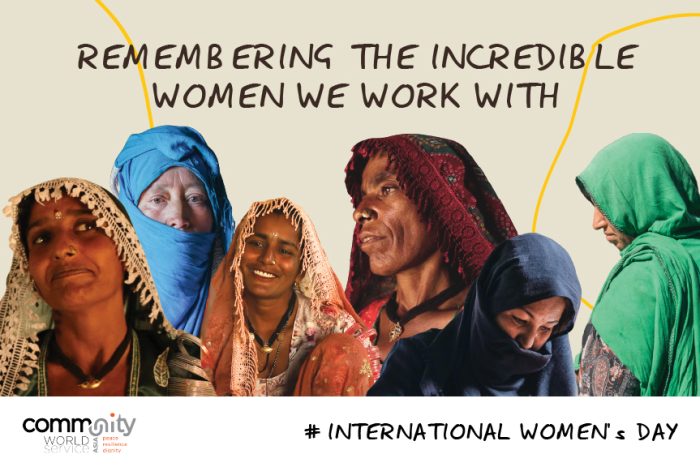
On International Women’s Day, we honoured women who are shaping stronger and more inclusive communities. At CWSA, we believe that when women rise, communities move forward. In line with the 2026 theme, ‘Rights. Equality. Empowerment: For ALL Women and Girls’, our initiatives play a crucial role in equipping women with knowledge skills and opportunities.
Sindh province in Pakistan is widely known for its vibrant craftsmanship and rich cultural heritage. The region paints a serene picture of its desert landscapes and a myriad of colors seeping through the fabric of local clothes. However, beneath this cultural splendour, many communities grapple with the challenges of inadequate infrastructure and severe climatic conditions. They are at the mercy of recurring droughts, limited sanitation, and an escalating hunger crisis. With annual rainfall often falling below 200 mm, livelihoods are precarious, and poverty is widespread.
District Umerkot is particularly hard-hit, with many residents living below the poverty line. In this struggle for survival, basic needs often take precedence over education and healthcare. Families are forced to prioritise food and water, leaving schooling and medical care as distant concerns. Accessing private medical services is often a luxury, or, in desperate situations, a burden of debt.
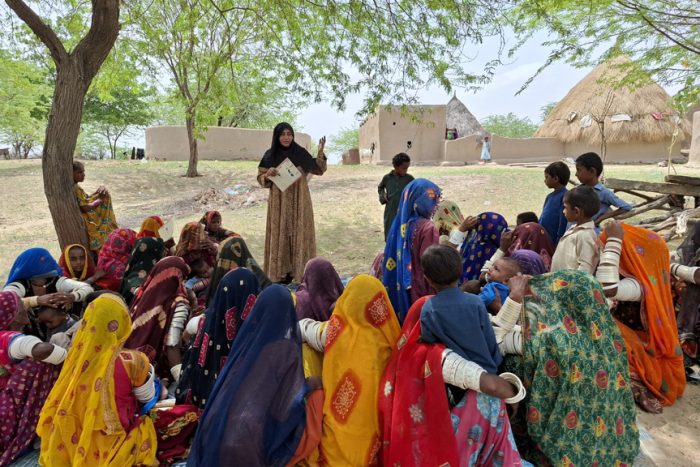
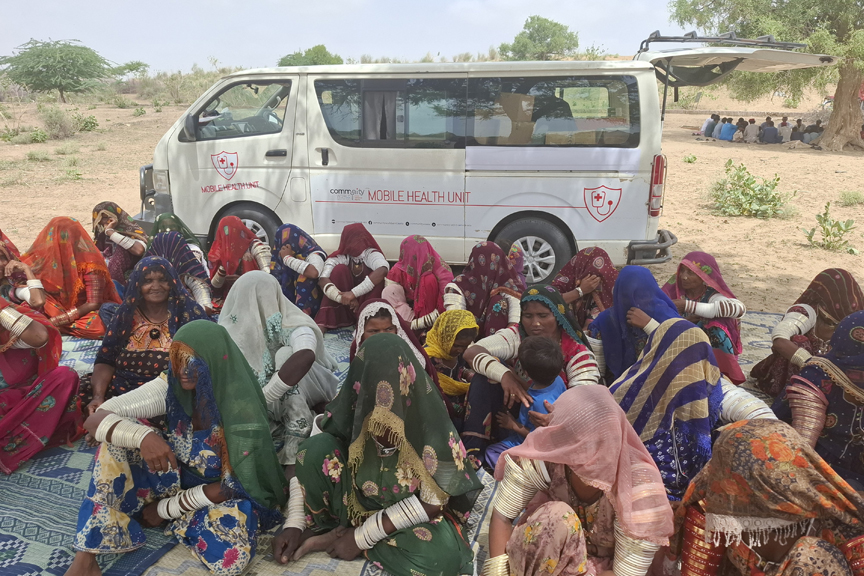
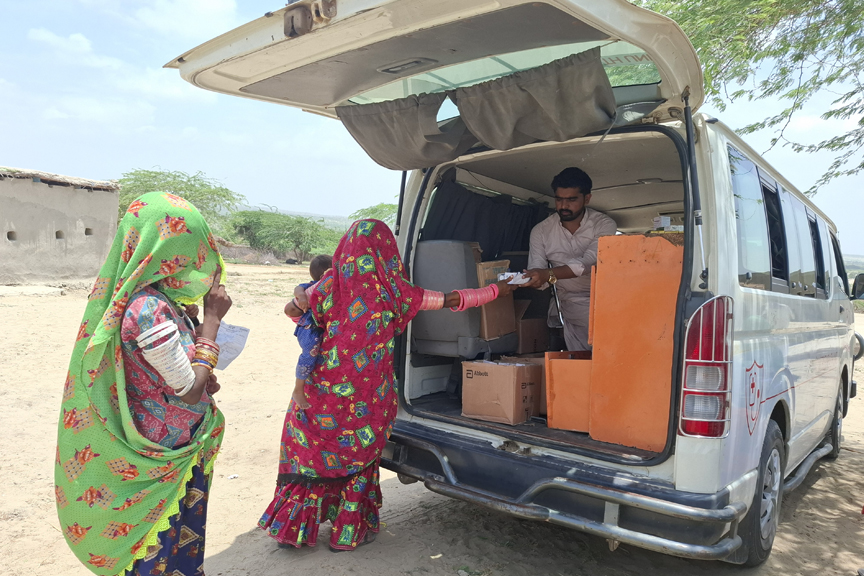
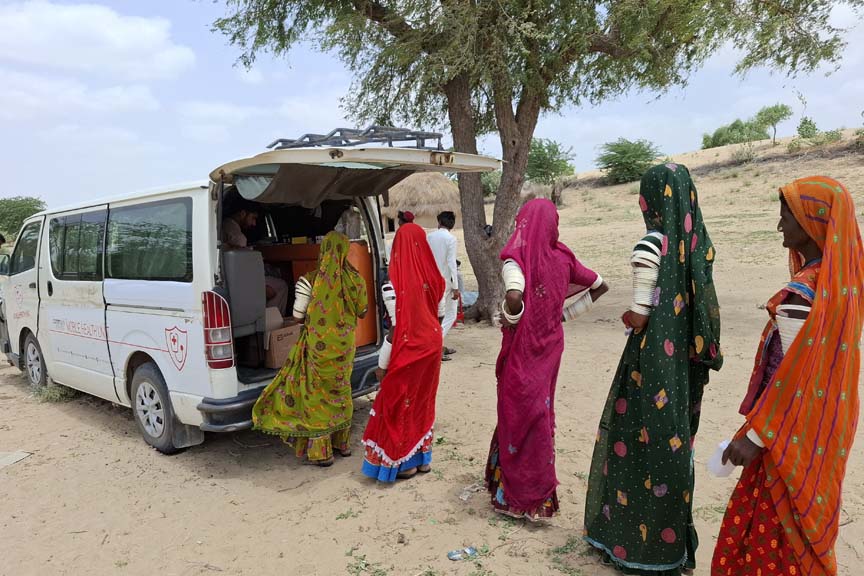
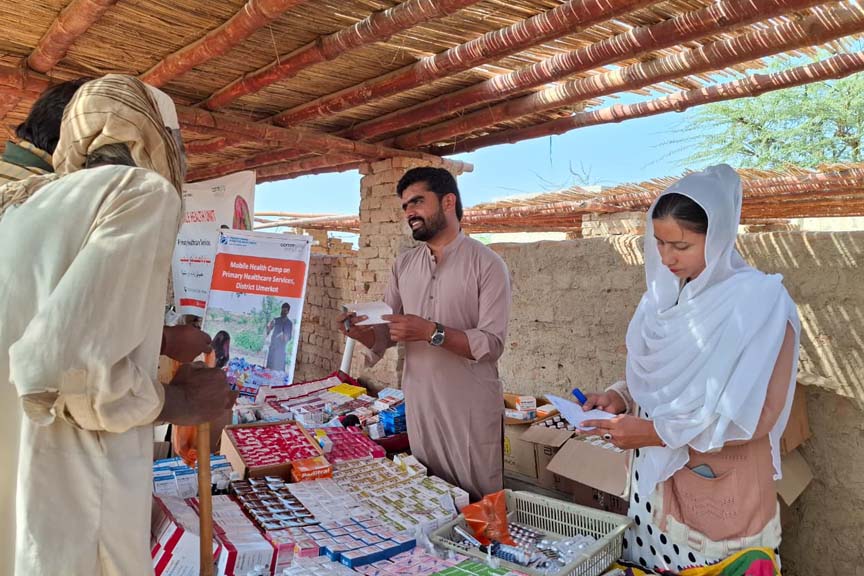
In a region where the choice between health and livelihood is a daily struggle, Community World Service Asia (CWSA) has stepped in to provide a transformative solution: a mobile health unit that delivers accessible medical assistance without requiring any sacrifice. For those who have endured years of pain and suffering from untreated illnesses, the introduction of free medical services right in their communities has been nothing short of a miracle. Previously, many had to travel long distances or sell livestock to afford treatment. Now, help is just a doorstep away.
Umerkot has a total of 42 union councils, and three of these, UC Faqeer Abdullah, Seekhro, and Kaplor, come into CWSA’s focus area. There are 153 villages in these union councils, with a combined population of nearly 85,000 people.
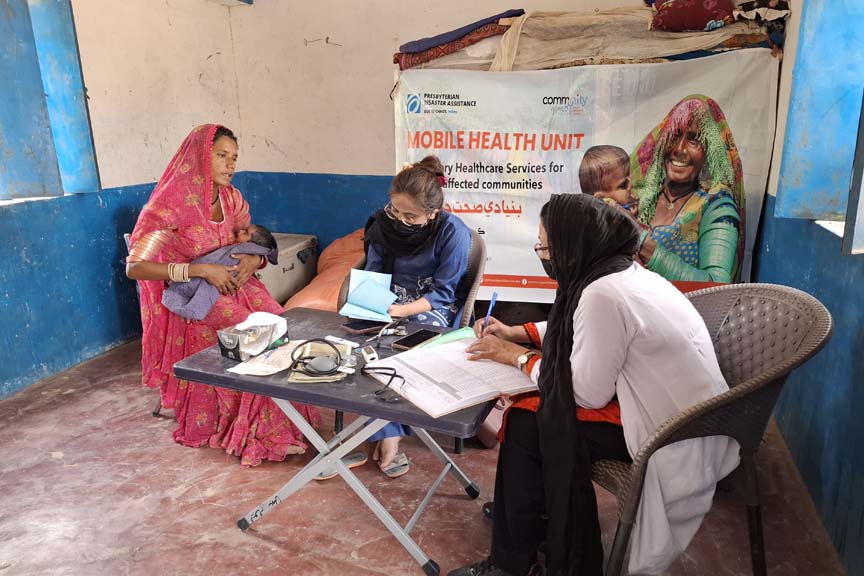
The medical camps are open to all; men, women, and children, but it is the women who have voiced the greatest joy and relief. As active caregivers at home and hardworking labourers in the fields, they often bear the weight of exhaustion from long hours of strenuous work, limited rest, and neglecting their own well-being. This relentless strain leaves them with weakened immune systems, making them more susceptible to illness. Common health issues include leg pain, scabies, digestive disorders, and complications related to pregnancy, both antenatal and postnatal, all exacerbated by the lack of clean water and proper sanitation.
In UC Kaplor, there are no hospitals or clinics nearby. The only option is to travel 50 km to Umerkot city, a journey that takes hours on foot under the scorching sun, often with only a small bottle of water for sustenance.
Radha, a mother of five from Kaplor, shared her experience of accessing medical services. “Previously, even for a minor illness, we had to travel all the way to Umerkot city for a check‑up. This journey was not only exhausting but also very costly. The bus fare alone was difficult to manage, not to mention the doctor’s fee and medicine bills.” To add to the hardship, women were not allowed to travel on their own, making it mandatory to be accompanied by a male guardian, doubling the expense.
She recalled how the rickety, overcrowded minivan worn thin by years of use, rattling along broken roads as one of the few lifelines connecting isolated communities to their destination. Those dust, bad air filled journeys had mothers clutching their sick children close to them, to leave them feeling even worse. The entire trip cost nearly PKR 5,000 to 10,000 (USD 17 -35), an amount that could otherwise feed their entire household. For her and countless others, the ‘free’ medical camp meant not only immediate relief but also peace of mind and dignity. Her daughter, who suffered from urinary problems, received free consultation too, reinforcing how important such interventions are when entire families and whole villages carry multiple untreated health issues.
Another recipient of the health camp, Akla, recounted the death of a relative due to the absence of an emergency health facility and lack of reliable transport. She also spoke of her daughter‑in‑law’s emergency C‑section at a city hospital, an ordeal that left the family with a bill of PKR 75,000 (USD 250). “It’s either your property or your livestock,” she said. In their case, it was livestock that had to be sold to pay the bill.
Now, apart from the mobile health units making stops from village to village, the same people battered by sickness, fatigue and torment are able to access what was once a non functional government dispensary revived again in 2025 by CWSA. The distance is cut down to merely 2km and expense to nearly none.
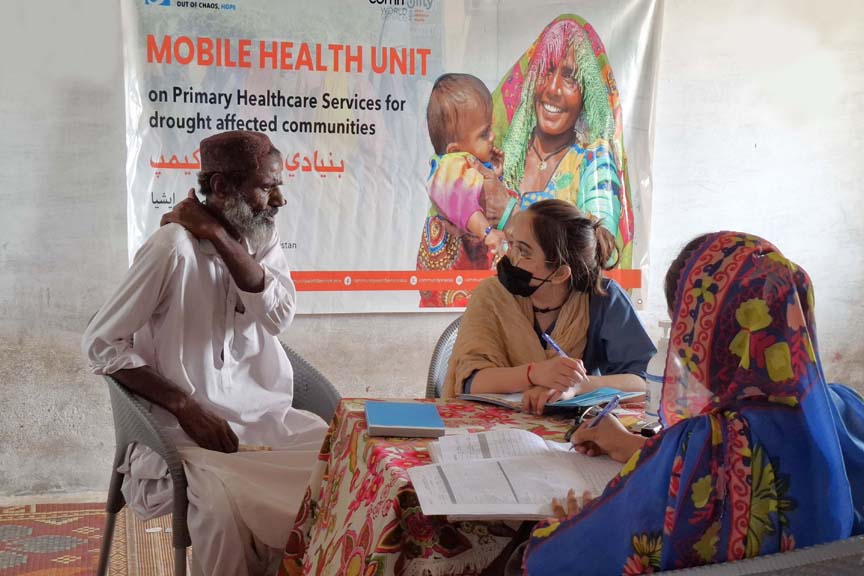
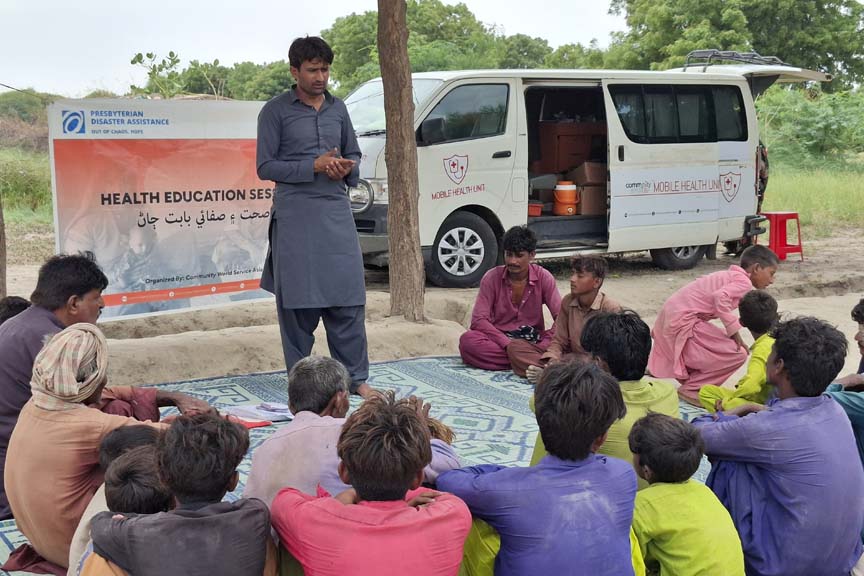
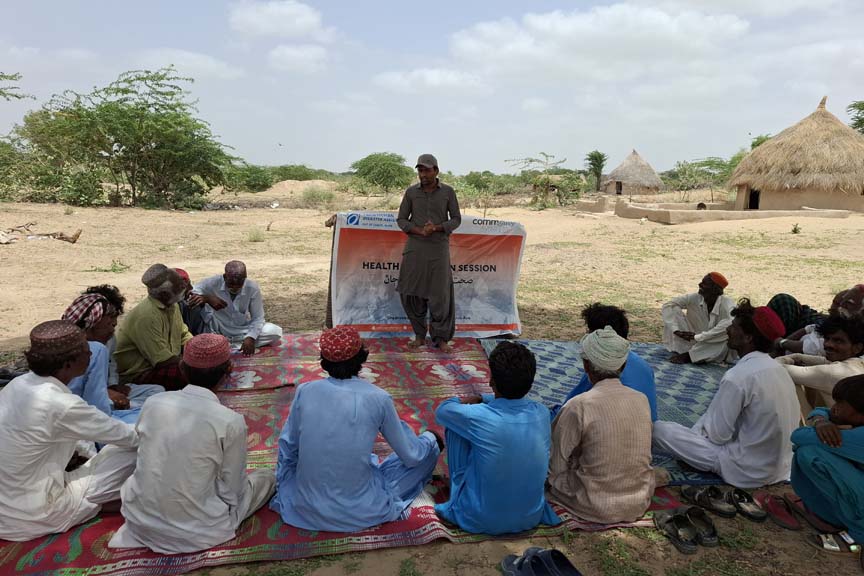
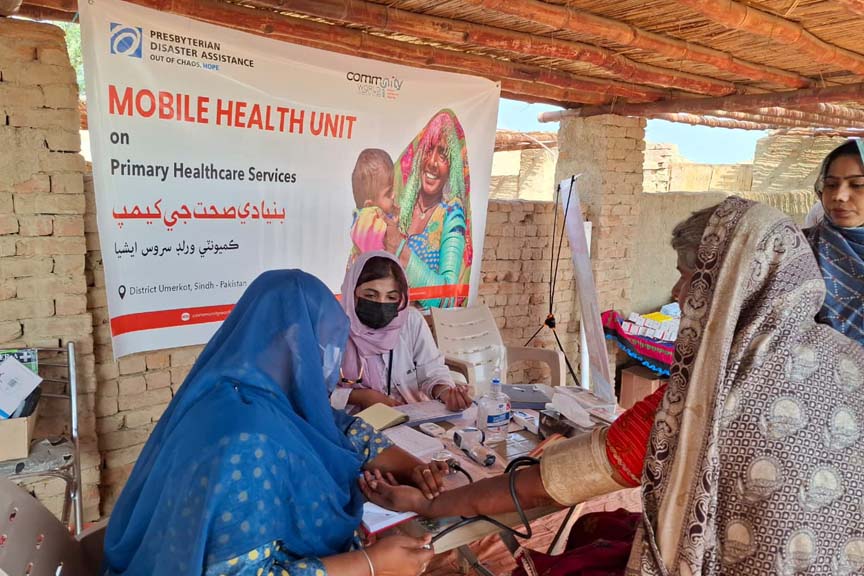
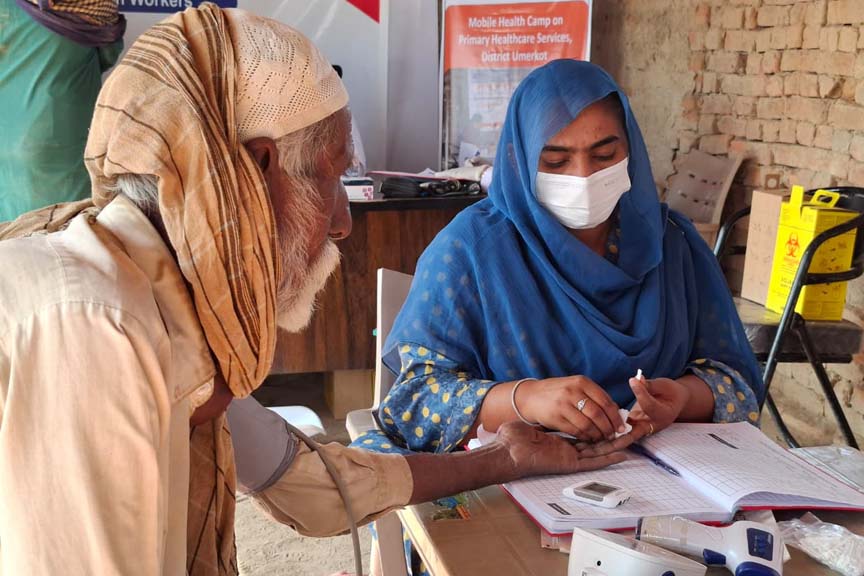
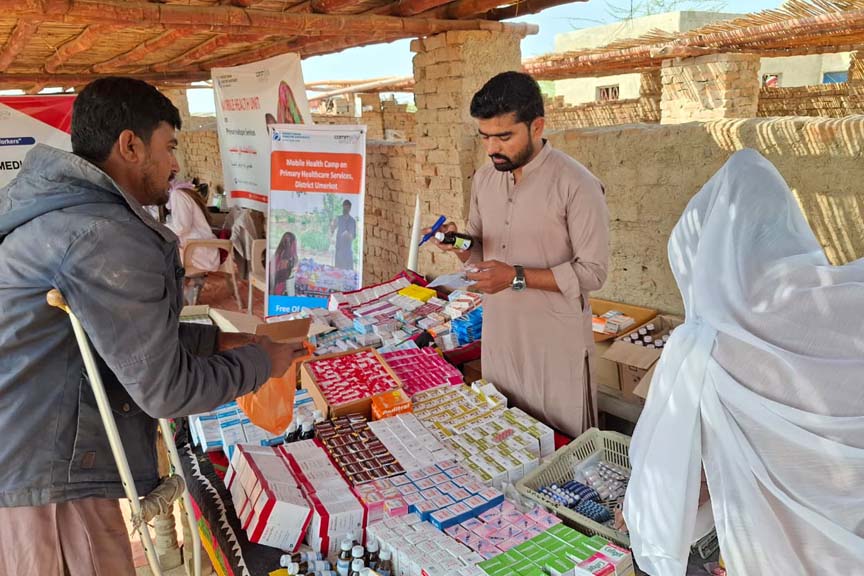
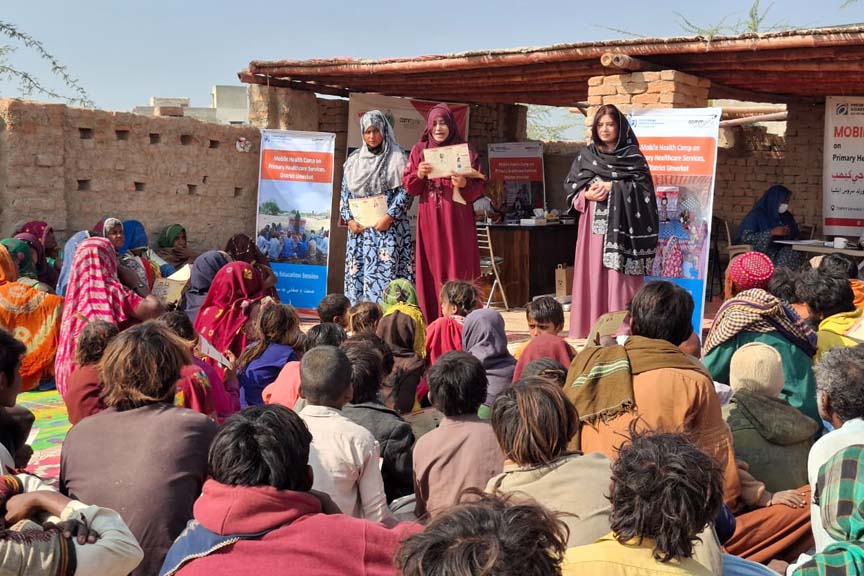
Both the mobile health units and the medical dispensary are staffed by a dedicated team, including a Women Medical Officer (WMO), a Lady Health Visitor (LHV), a Medical Technician, and a Community Mobiliser. This diverse team ensures efficient operations while maintaining cultural sensitivity. The WMO and LHV are responsible for examining and diagnosing patients, while the Medical Technician dispenses prescribed medications. Community Mobilisers conduct health awareness sessions that focus on disease prevention and basic health practices, including family planning counseling. These camps provide primary healthcare services and essential medicines at no cost to the community. Serious cases are referred to the nearest taluka and district hospitals for further diagnosis and treatment.
The doctors and field mobilisers prioritise solutions that are adaptable to the community’s environment and daily routines. They promote safe practices such as boiling water before drinking, frequently washing hands, thoroughly rinsing food, and using simple home remedies alongside prescribed medications.
In recognition of its supportive role, CWSA collaborates closely with the District Health Administration and other relevant stakeholders. Since launching the first camp in July 2025, the initiative has reached 56 remote villages and engaged over 26,000 participants through various project activities. To date, 150 mobile health camps have been conducted across 60 villages, providing curative health services to 17,295 individuals, along with free essential medicines and health consultations.
Additionally, the project team has held 260 health education sessions with 7,712 community members. These sessions have addressed critical topics such as maternal, newborn, and child health (MNCH), child-spacing, hygiene practices, and the prevention of common diseases. Critical cases, including malnourished children, are identified, screened, and referred to specialised healthcare facilities for advanced treatment.
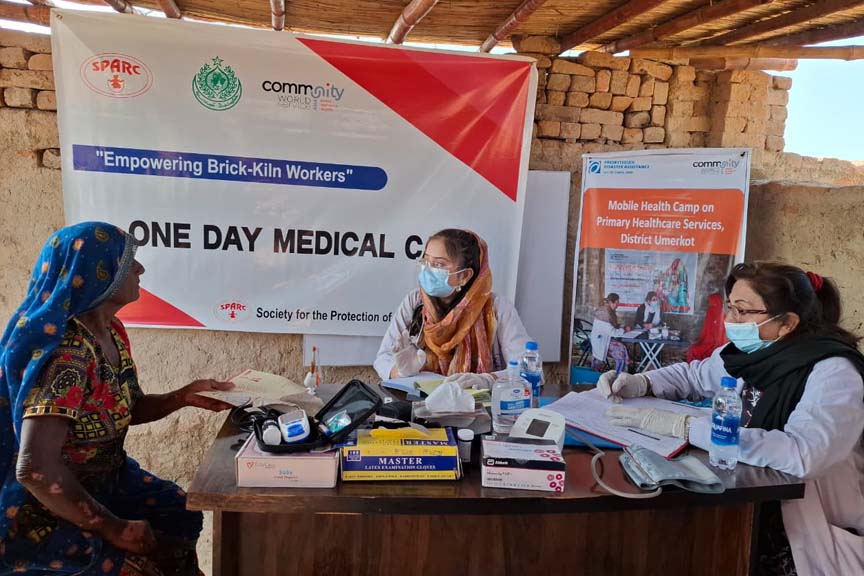
The mobile health units continue to support communities with their health and medical needs. In January of 2026, their latest stop served the brick kiln workers and their families. In collaboration with District Administration and SPARC (Society for the Protection of the Right of the Child), the initiative aimed at providing consultations, treatment, free medicines, and health awareness sessions for a segment of society very much ignored by the system, often working and living in extremely unsafe and unsuitable conditions. They remain invisible to labour protections, denied basic rights leaving them trapped in exploitative conditions with little support from formal systems. During labour, they are exposed to toxic smoke, dust, and fumes from burning wood and coal. This leads to high rates of chronic respiratory illness and other health problems.
Many workers and their families live on or near kiln sites with no access to basic amenities such as clean water, sanitation, or protective equipment, and long working hours under extreme heat only compound these risks. They are often trapped in a cycle of poverty and debt, borrowing from the kiln owners to cover basic needs, including medical expenses, with little chance of ever repaying these loans. In such conditions, health and wellbeing become secondary to survival. During this camp, 256 patients working on brick kiln sites were examined, treated, and provided essential medicine along with prevention awareness.
One worker shared his experience about the long working hours and difficult conditions faced by families at the brick kiln.
“We work here at brick kiln sites for about 12 hours a day, and sometimes even longer,” he said, adding that “most of us belong to poor families and work here together with our entire family members.”
He explained that living conditions at the site are extremely limited. “We do not have proper shelters, sanitation, or health facilities,” he said. He added that survival depends on constant labour, “For our livelihood and daily meals, we have to work very hard.”
Because of these hardships, healthcare becomes difficult to afford. “In such conditions, we cannot afford the additional burden of medical expenses,” they explained, noting that “if my family and I visit a doctor, we have to pay more than PKR 2,000 (7 USD).”
The brick kiln workers expressed appreciation for the medical support they received at the camp. These camps have not only treated thousands of patients but also restored dignity, hope, and resilience to families who had resigned themselves to suffering. The mobile health initiative has demonstrated that when healthcare is brought closer to the people, barriers of distance, cost, and neglect can be broken down, and preventable illness no longer needs to become a lifelong burden. As these units continue their journey from village to village, they stand as a testament to what is possible when communities are prioritised, partnerships are strengthened, and the health needs of even the most remote populations are met with compassion, commitment, and sustained action.
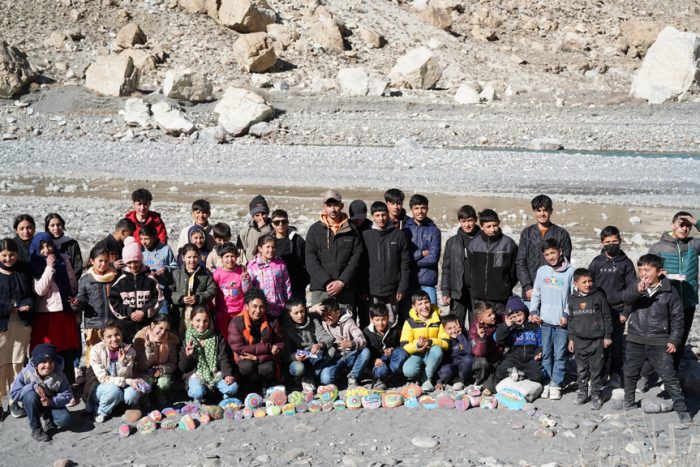
The winter wind moved sharply through the valley of Sost in Gilgit-Baltistan, carrying with it the quiet sound of a nearby river flowing between frozen stones. Snow rested lightly on the surrounding mountains, and the air was so cold that even breath turned into mist. It was here, beside the riverbank, that Community World Service Asia (CWSA) gathered a group of children and youth who had been displaced from the remote Chupursan Valley. These crisis-affected young people were forced to leave behind the valleys, homes, and memories that once shaped their everyday lives. In Sost they had found safety, but the loss of home and the uncertainty of the future often weighed heavily on their young hearts.
To help them reconnect with themselves and their surroundings, CWSA organised a mental wellbeing and meditation session in the open air, beside the river. Despite the bitter cold, the children gathered quietly on the riverbank. The mountains stood tall around them, silent witnesses to the moment.
A Mindful Beginning
With eyes gently closed and hands resting on their knees, the children listened to the natural rhythm of the valley, the soft rush of the river, the whisper of the wind moving through dry grass, and the distant calls of birds echoing across the mountains. For a few moments, the noise of worry faded. Breath by breath, the children learned to slow down, to feel the ground beneath them, and to simply be present in the quiet beauty of the landscape.
After meditation, the facilitator invited them to explore the riverbank.
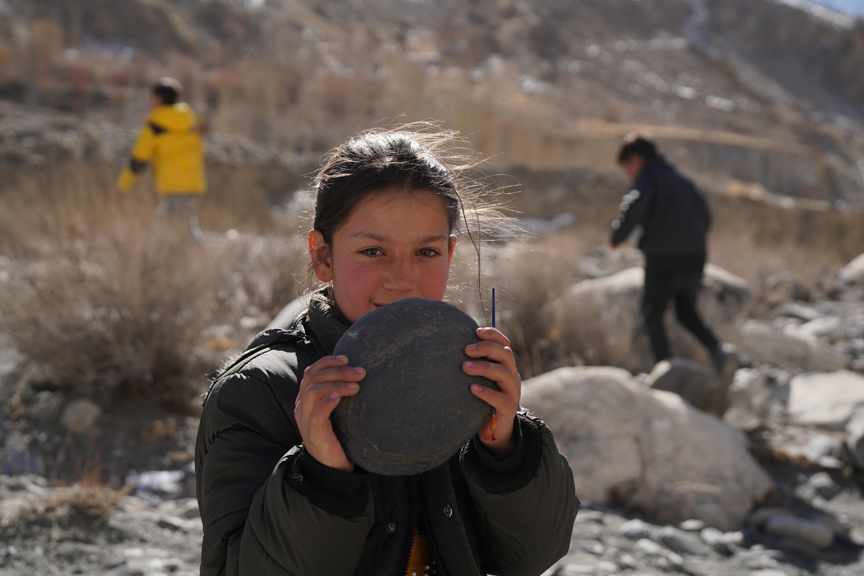
The children began collecting pebbles and small stones, turning them over in their hands, searching for shapes that felt special to them. Some chose smooth white stones, others picked darker pebbles worn soft by years of flowing water.
Then they began to paint.
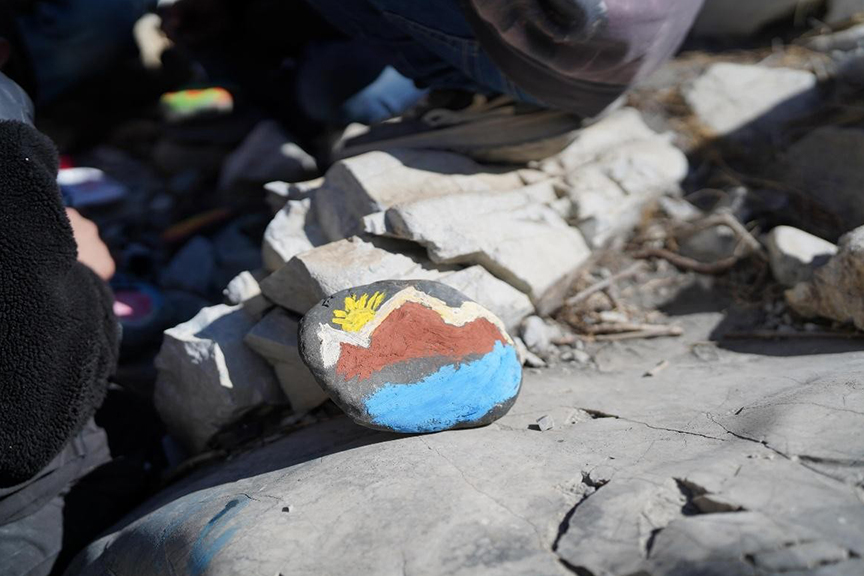
Small hands carefully brushed colours across the cold stones, bright blues, warm yellows, soft greens, and reds that stood out against the grey winter landscape.
Some children painted flowers and mountains. Others painted smiling faces, hearts, or simple patterns.
Each pebble slowly transformed into a tiny story.
Despite the freezing air and numb fingers, laughter began to rise along the riverbank. The act of creating something beautiful from an ordinary stone seemed to warm the space around them.
For a moment, the weight of displacement lifted.
But among the laughter, one quiet thought touched everyone deeply. The thought of nature terrorising them but also comforting them.
Izdah Karrim, aged 12, holding a painted pebble in her hand, looked toward the mountains and the flowing river. After a long pause, she spoke softly. “Nature heals us. Being here makes me feel calm and happy. But nature also destroyed our homes. Why does nature get angry? It looks so beautiful when it is calm.”
Her words carried a kind of innocence that only a child could express but also a truth that resonated deeply with everyone listening.
In that moment, the river kept flowing, the mountains stood still, and the painted pebbles rested in small hopeful hands.
The children placed some of the stones along the riverbank, leaving behind small pieces of colour in the winter landscape. These are tiny reminders of resilience, creativity, and healing.
Sometimes healing does not come through big gestures. Sometimes it begins with quiet breaths beside a river, with cold fingers holding on to each other and with a simple stone that becomes a symbol of hope.
And as the children looked at the painted pebbles shining against the snow, the young girl’s reflection lingered in the air, “Nature makes our hearts peaceful, but it can also take away our homes. I wish it could stay as gentle as it looks when the river is calm.”
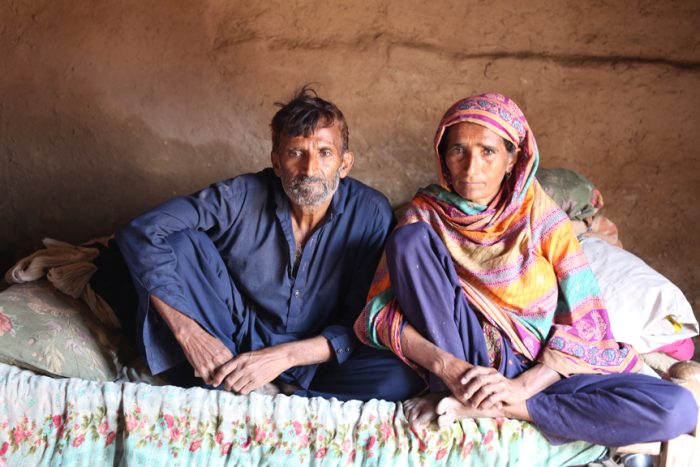
Hafeezan has a look of sharp stoicism on her calm face. This may be because she is reconciled to a life of adversity. The only time bleakness shows through is when she speaks of her husband, Ramzan’s blindness. At this point Ramzan speaks up, “Ten years ago, I had trouble with my eyes and the doctors in the government hospital told me my eyes’ battery is discharged,” he says as he pats the back of his head to indicate the location of the ‘battery’. He appeared to have misunderstood the medical explanation he had been given, interpreting the reference to damaged brain cells as a “battery” in the back of his head that could no longer be recharged. Today he can just barely see shapes and tell light from darkness. Despite this profound loss, he continues to face life with courage, supported by Hafeezan’s steadfast presence and their shared determination to endure adversity.
The couple lives in Village Maulvi Wallah. It lies about five kilometres south of Muzaffargarh city centre and about two kilometres southwest of Rohari. All around are neatly parcelled blocks of agriculture and thickly growing mango orchards. Maulvi Wallah is comparatively better off than many surrounding villages, with brick and concrete houses clustered at its center and a government school where both boys and girls attend regularly. Yet, while younger generations are gaining access to education, many elders remain without formal schooling. Despite these modest improvements, poverty continues to affect most households, shaping daily life and limiting opportunities.
Before losing his sight, Ramzan worked as a factory labourer in Muzaffargarh, earning what he recalls as a fair wage. Together with Hafeezan, he raised a large family of seven sons and four daughters. Despite their hard work, limited resources meant they could only construct a modest mud and wattle home.
As their sons grew older, they began contributing to the household income, but soon many married at a young age. Reflecting on this, Ramzan notes with quiet resignation that once children start their own families, parents can no longer rely on their support.
One son, Faiz ul Hasan, lives with them. Though married, he and his wife have no children. Faiz bears visible scars on his face and hands from severe burns sustained in childhood. At the age of five, while imitating his mother as she poured kerosene into the kitchen stove, he accidentally added fuel while the fire was still burning. The sudden flames engulfed him, leaving lasting injuries despite urgent medical care.
Today, Faiz continues to live with the physical marks of that accident, yet his presence in the household is a source of strength and companionship for his parents. He works at a brick kiln shaping the wet clay in the wooden moulds. He says he can mould 700 hundred bricks in an eight to nine hour workday for which he is paid Rs 1000. But that does not make life any better for he goes to work only two days a week. He says his burn-damaged hands ache after a long day of work and he has to take the break. The couple’s youngest son works as a helper in a general merchandise store and brings home Rs 200 every day to make things somewhat better.
For families like theirs in Muzaffargarh district, hardship is not limited to poverty alone. South Punjab is no stranger to climatic extremes. Older residents remember drought; younger generations recall either the dry years of the mid-1990s or the devastating floods of 2010 and 2015, when livelihoods and agriculture were badly affected.
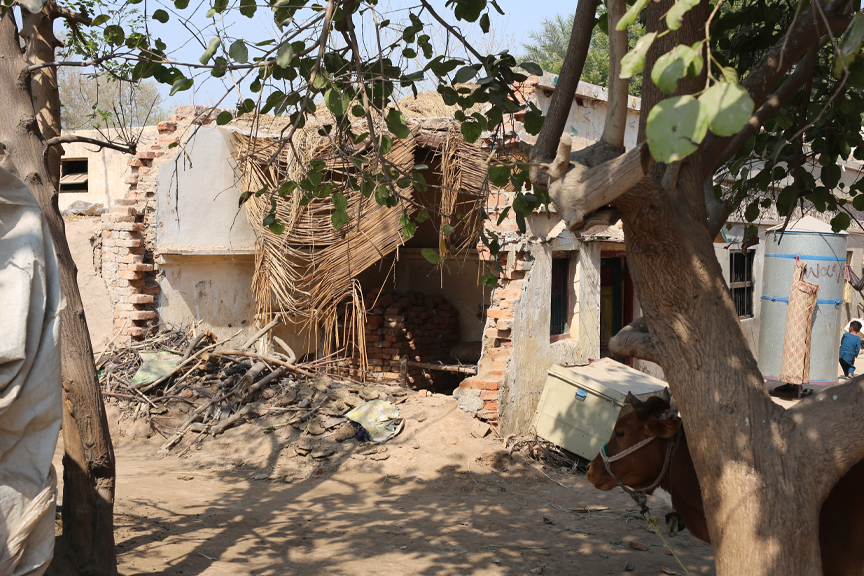
So when government agencies announced evacuations in August 2025 for villages near the Chenab River, many assumed it would be another event like 2015, disruptive but manageable, with no more than ankle-deep water entering the villages. Instead, the flood exceeded all expectations. Houses built of mud or sun-dried brick collapsed within hours once the water rose to thigh height. The force and speed of the floodwaters left families with barely enough time to save the most essential belongings.
Like everybody else in the village, Hafeezan and Ramzan left their home in the flood to take refuge on the flood protection embankment. They were fortunate to receive a tent from the government and that made life a little better. Ramzan says when the water rose, they had 600 kilograms of wheat grain in the house, which was their primary concern. The other very important part of the family was the heifer that Hafeezan tended on adhal1. Were she to lose the animal to the waters, she would have had to make good the value of the animal for the owner. And so they lost most of their bedding, clothing and kitchenware.
Five weeks later, their return was not to the home they had known, but to a heap of clay, timber and household items smashed under the fallen timbers. According to surveys, some 500,000 persons were displaced in Muzaffargarh district. Of these, the majority living in poorly built semi-permanent structures lost most of their household effects.
The humanitarian assistance provided by Community World Service Asia and its partner, Japan Platform (JPF), ensured provision of non-food items to households most severely affected by the floods which offered families vital relief and a chance to rebuild their lives with dignity. Each package, designed to meet the needs of an average family of seven (in line with Sph) included essential items for warmth, cooking, and daily living: blankets, foam mattresses, plastic mats, cooking pots with lids, serving utensils, cups, plates, a kettle, food storage containers, and basic kitchen tools.
Despite his poor eyesight, Ramzan began rebuilding the mud structure with the help of his son Faiz ul Hasan. And so, before the cold weather set in, the family was able to move from the tent to this shelter. But for the two unmarried daughters, and four sons still living with the parents, it was a tight fit. Fortunately, their two older sons had brick and mortar rooms that had survived the flood and the family shared accommodation.
Grateful for the bedding and kitchenware she received, Hafeezan shared that the support spared her from a significant expense, one that would otherwise have forced her into debt. Now she waits patiently for the heifer to be ready to mate. She believes it will happen by the end of 2026. Then by selling the milk and caring for the calf, she might be on her way to becoming a livestock owner. Meanwhile, it is a long, hard grind for the family. Until then, life remains a long and difficult grind. But Hafeezan endures it with the same quiet resolve.
The ‘Adhal’ (or sometimes referred to under similar sharing, partnership, or nomadic grazing terminology) system in rural Pakistan is a traditional livestock management arrangement where ownership and caretaking responsibilities are separated to maximise resources, typically for cattle, buffaloes, sheep, or goats. It acts as a socioeconomic support system for poor households and smallholders, allowing for the herd management of small numbers of animals ↩︎
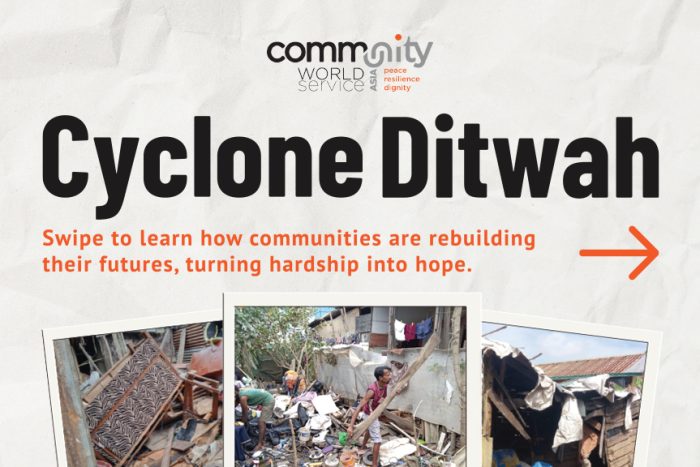
Cyclone Ditwah left a trail of devastation; damaging homes, sweeping away livelihoods, and destroying livestock and small income sources that families relied on for survival. CWSA helped these families regain income, strengthen food security, and rebuild self-reliance within their communities.
In Village Dhamraro, families once watched helplessly as their livestock, their only lifeline, succumbed to disease, one by one. For many, the loss of a single animal meant the loss of milk, income, and survival itself.
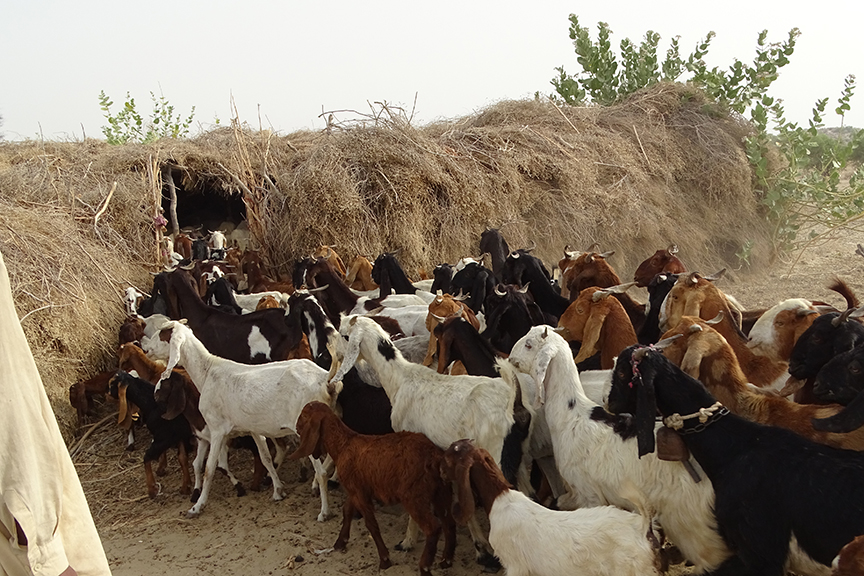
Village Dhamraro, Union Council Kaplore is a remote rural community in Sindh where livestock is not just an asset, it is the only source of survival for most families. Goats and small animals provide milk, income, and security during hard times. Five years ago, the village had an estimated livestock population of more than 5,000 animals, yet it remained completely neglected in terms of animal healthcare services.
Before Community World Service Asia (CWSA) stepped in, no government department had ever provided vaccination services in Dhamraro. There was no veterinary hospital, no medical facility, and no trained staff available in or near the village. “We have never received any government vaccination campaign for our animals. Every year, we worry about diseases such as PPR (Peste des Petits Ruminants or commonly known as ‘goat plague’) and foot-and-mouth disease, and sometimes we lose our goats and cattle. We strongly request regular vaccination services in our village so that our livestock can remain healthy and our families can feel secure,” said Mohamad Urs, a member of the Village Management Committee in Dhamraro.
The community depended only on traditional knowledge and prayers to protect their animals. For example, in cases of diarrhoea, animals are often kept without feed for 24 hours. This practice is harmful, as it can lead to severe dehydration, which further endangers the animal’s health. In cases of Foot-and-Mouth Disease (FMD), when blisters appear on the animal’s tongue and feet, some community members wash the blisters with pen ink and expose the animals to smoke produced by burning sugar up to five times a day. This smoke can cause dyspnoea (difficulty in breathing) and further weakens the animal’s condition. These practices reflect traditional local customs; however, they can negatively affect animal health and recovery.
During the extreme cold season, a severe outbreak of contagious pneumonia spread rapidly among the goats. Without access to vaccines or treatment, the disease claimed the lives of more than 1,000 goats. Families watched helplessly as their animals died one after another. Many households lost entire herds, pushing them deeper into poverty and economic distress. “During the disease outbreak, around 80 households lost most of their herds. When the rains started, our small animals became weak and suffered from bloody diarrhea. Within days, I lost almost all my sheep. We had no veterinary support, no vaccination, and no guidance. Watching them die one by one was very painful,” shared Urs.
The situation worsened during the rainy season. Weak and malnourished small animals, especially kids and lambs, became vulnerable to bloody diarrhea. Due to the absence of timely veterinary care, many young animals fell ill and died. For the villagers, it felt like every season brought new suffering and loss.
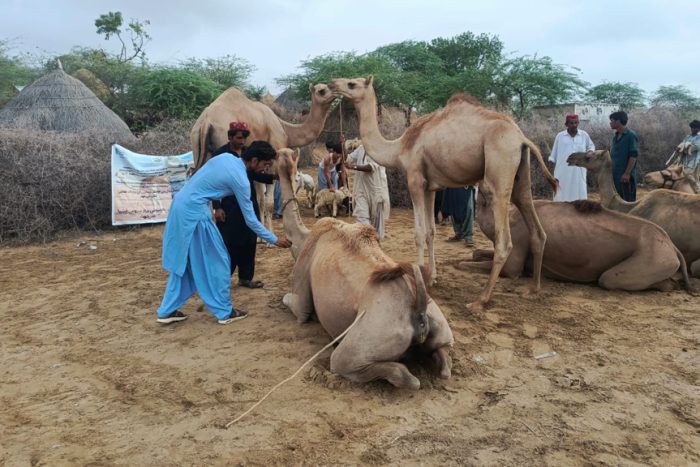
Recognising that protecting livestock is fundamental to preserving human dignity and economic independence, Community World Service Asia (CWSA), with the support of the Canadian Foodgrains Bank (CFGB) and Presbyterian World Service & Development (PWS&D), deployed an expert veterinary relief team to Dhamraro. Combining the strengths of a government staff veterinarian, a CWSA technical expert, and a community mobiliser, the team launched a rigorous “carpet vaccination” campaign. Across three targeted phases between May 2025 and January 2026, the team successfully immunised 3,781 animals in Dhamraro alone, scaling up to a staggering 41,797 vaccinations across 10 regional villages.
This timely intervention provided critical defense against lethal threats like Caprine Contagious Disease, Enterotoxemia, and Foot-and-Mouth Disease (FMD), alongside vital deworming treatments to control internal parasites. Crucially, the initiative paired medical relief with knowledge, equipping 80 vulnerable households with practical training in disease prevention and sustainable animal husbandry.
Today, the impact of this integrated approach is beautifully illustrated by Meer’s recovery. Armed with newfound knowledge on the power of timely vaccinations, Meer began rebuilding his life through a livestock-sharing arrangement. With regular deworming and strict adherence to vaccination schedules, his new herd thrived and reproduced. Now the proud owner of 15 healthy goats, Meer’s journey stands as a powerful testament to how localised, dignified aid can help a family transition from acute vulnerability to sustainable self-reliance.
The impact of the intervention was immediate and visible. Disease outbreaks1 were controlled, animal health improved, and deaths were significantly reduced. For the first time, the community felt protected and supported by structured veterinary services, and hope gradually returned to farmers who had previously faced repeated losses. The intervention also significantly reduced deadly disease outbreaks in small ruminants, improved milk production capacity, supported safer trade and movement of livestock, strengthened food security in drought-prone regions, and reduced reliance on costly treatments and losses from epidemics. The success of the vaccination campaign is evident from the fact that all 1,440 animals in Dhamraro village remained healthy, with no deaths reported.
CWSA also facilitated linkages between the community and the relevant government livestock department to ensure sustainability beyond the project period. Farmers were guided on how to access government vaccination campaigns, seek timely advice, and obtain vaccines before seasonal disease outbreaks.
Today, the people of Dhamraro understand that timely vaccination protects not only livestock but also the livelihoods of entire families. This intervention did more than safeguard animals; it strengthened resilience, restored confidence, and renewed hope in a long-neglected community.
The diseases targeted during the vaccination campaign included Peste des Petits Ruminants (PPR), which affects goats and sheep; Foot-and-Mouth Disease (FMD), which affects goats, sheep, and cattle; and Sheep Pox and Goat Pox, which affect both goats and sheep. ↩︎
A high-alert status remains in effect for Khyber Pakhtunkhwa (KPK) and Gilgit-Baltistan (GB) following a series of Glacial Lake Outburst Flood (GLOF) warnings issued by the NDMA and PMD. A current westerly weather system, active as of May 11, is bringing widespread rain and thunderstorms to mountainous regions. These conditions are significantly increasing the probability of debris flows and flash flooding in vulnerable valleys, marking the start of a high-risk period predicted to last through September 2026.
Recent heavy rainfall has already triggered mudslides and landslides, severely impacting the Karakoram Highway. Key sections in Lower Kohistan, including Dubair and Gloos Banda, have been blocked by debris and floodwater. These disruptions have stranded passenger vehicles and goods transport, creating a logistical bottleneck between KPK and GB. The dangerous travel conditions along these primary routes are currently hindering both commercial movement and potential humanitarian access.
The scale of potential impact is immense, with the Ministry of Climate Change identifying over 7.1 million people in the northern regions as vulnerable to GLOF events. Pakistan’s 13,000+ glaciers are facing unprecedented stress; approximately 10,000 glaciers in Chitral and GB are currently receding due to climate-induced temperature rises. This accelerated melting, combined with shifting weather patterns and early heatwave conditions, has created a volatile environment for downstream settlements.
The current situation demands an immediate focus on:
Early Warning Systems: Real-time dissemination of alerts to isolated mountainous communities.
Logistical Readiness: Preparing for rapid assessments as road blockages on the Karakoram Highway fluctuate.
Community Preparedness: Strengthening local-level response capacity in high-risk valleys that may become cut off by infrastructure damage.
Areas at Risk
Region
High-risk areas identified in recent alerts
Gilgit-Baltistan
Swat, Upper Chitral, Lower Chitral, Dir, Upper Hazara, and Kohistan
Khyber Pakhtunkhwa (KPK)
Communities located near glacial lakes, rivers, mountain streams, nullahs (seasonal watercourses), bridges, roads, irrigation channels, hydropower infrastructure, and agricultural land
Downstream settlements
Communities located near glacial lakes, rivers, mountain streams, nullahs (seasonal watercourses), bridges, roads, irrigation channels, hydropower infrastructure and agricultural land
Figure 1: Projected GLOF Risk Areas in Northern Pakistan, March–September 2026
Key Risks and Impact Highlights
Sector
Potential impact
Lives and safety
Sudden flooding, debris flow, landslides, injuries, loss of life and urgent evacuation needs
Shelter
Damage to houses and temporary displacement of households in downstream valleys
Infrastructure
Damage to roads, bridges, irrigation channels, water supply systems and small hydropower infrastructure
WASH
Contamination of water sources, disruption of safe drinking water access and increased sanitation risks
Health
Increased risk of injuries, waterborne diseases, limited access to health facilities and referral challenges in remote valleys
Food security and livelihoods
Loss of livestock, crops, orchards, agricultural land and household assets
Protection
Increased risks for women, children, older persons, persons with disabilities and households with limited mobility
Access and logistics
Blocked roads, damaged bridges, isolation of remote communities and delayed humanitarian access, disruption to passenger and goods transport, and traffic disruption along key routes including the Karakoram Highway
NDMA’s Summer Hazards Contingency Plan 2026 notes that sudden breaching of unstable glacial lakes may generate flash floods downstream, threatening villages, roads, bridges and hydropower infrastructure1.
The scale of exposure is significant, with millions of people in GB and KP living in areas vulnerable to GLOFs, flash flooding and debris-flow risks, particularly communities downstream of rivers, streams and glacial lakes.
This summary refines the projected humanitarian priorities for Northern Pakistan into a concise, action-oriented briefing, ensuring the focus remains on dignity, protection, and the survival of isolated communities.
Priority Needs: Anticipatory Action and Response for GLOF Emergencies
In the event of GLOF-triggered disasters or flash flooding in the high-risk valleys of Northern Pakistan, humanitarian interventions must prioritise immediate life-saving support alongside the preservation of human dignity. The following sectors have been identified as critical for an effective and principled response:
Life-Saving Relief & Shelter: Immediate focus remains on coordinated evacuation support and the provision of high-quality temporary shelter. Essential Non-Food Items (NFIs), including winterised tents, blankets, and kitchen sets are vital for families displaced in the harsh high-altitude terrain.
Health and WASH: Restoration of safe drinking water and sanitation services is a priority to mitigate disease outbreaks. This must be coupled with mobile health units and first aid services capable of providing essential medicines and emergency referrals in areas where fixed infrastructure may be damaged.
Food Security & Multipurpose Cash: Where local markets remain functional, Multipurpose Cash Assistance (MPCA) is the preferred modality to provide families with the agency and flexibility to meet their own needs. In isolated areas with market disruption, direct food assistance will be necessary.
Protection & Psychosocial Wellbeing: All assistance must be protection-sensitive, specifically tailored to the needs of women, children, older persons, and individuals with disabilities. Furthermore, psychosocial support is critical to help families and children process the trauma of sudden displacement and loss.
Community World Service Asia’s Preparedness and Response
Community World Service Asia (CWSA) is currently maintaining a high state of operational readiness through its field office in Hunza, Gilgit-Baltistan. This local footprint allows for immediate coordination with GBDMA and DDMA, building on CWSA’s significant 2025 response where they supported 1,479 individuals with food and cash assistance. Leveraging deep-rooted networks in remote areas like the Chipursan Valley, CWSA is positioned to move from monitoring to formal response activation immediately upon verification of an incident by disaster management authorities or field teams.
The mobilisation strategy is centered on reaching the “last mile” of remote mountain communities. Key priorities include:
Targeted Vulnerability: Directing assistance toward women-headed households, children, older persons, and persons with disabilities to mitigate exclusion risks.
Integrated Accountability: Maintaining safe, confidential feedback loops and ensuring communities are informed participants in their own recovery.
Multisectoral Readiness: Preparedness covers emergency shelter, WASH, mobile health, and psychosocial support, with a preference for multipurpose cash where markets allow.
Urgent Funding and Logistics Requirements
To ensure a rapid and effective response as weather patterns evolve, CWSA has identified three critical pillars for immediate support:
Pre-positioning: Securing emergency shelter, hygiene kits, and dry rations in accessible hubs near high-risk valleys.
Scaling Life-Saving Aid: Expanding the reach of mobile health referrals and cash assistance for those in the direct path of debris flows.
Logistical Resilience: Strengthening “last-mile” transport capabilities to bypass anticipated road and bridge failures along the Karakoram Highway and interconnected routes.
In a region where geography defines the risk, local presence defines the response. We invite you to stand with CWSA and our frontline teams in Northern Pakistan as we turn preparedness into a lifeline for the most isolated communities in Gilgit-Baltistan and Khyber Pakhtunkhwa.
Contacts
Shama Mall Deputy Regional Director Programs & Organisational Development Email: shama.mall@communityworldservice.asia Tele: 92-21-34390541-4
Tooba Siddiqi Associate Regional Director Emergencies & Quality and Accountability Email: tooba.siddiqi@communityworldservice.asia Tele: 92-21-34390541-4
Palwashay Arbab Associate Regional Director Email: palwashay.arbab@communityworldservice.asia Tele: 92-21-34390541-4
References
NDMA Summer Hazards Contingency Plan 2026 https://www.ndma.gov.pk/storage/plans/April2026/des1YHpOOZYMDB3W7rHH.pdf ↩︎

 Prev
Prev