
Authors Posts by comms

comms

Contributed by Sameena Jamshed

The winter wind moved sharply through the valley of Sost in Gilgit-Baltistan, carrying with it the quiet sound of a nearby river flowing between frozen stones. Snow rested lightly on the surrounding mountains, and the air was so cold that even breath turned into mist. It was here, beside the riverbank, that Community World Service Asia (CWSA) gathered a group of children and youth who had been displaced from the remote Chupursan Valley. These crisis-affected young people were forced to leave behind the valleys, homes, and memories that once shaped their everyday lives. In Sost they had found safety, but the loss of home and the uncertainty of the future often weighed heavily on their young hearts.

To help them reconnect with themselves and their surroundings, CWSA organised a mental wellbeing and meditation session in the open air, beside the river. Despite the bitter cold, the children gathered quietly on the riverbank. The mountains stood tall around them, silent witnesses to the moment.

A Mindful Beginning

With eyes gently closed and hands resting on their knees, the children listened to the natural rhythm of the valley, the soft rush of the river, the whisper of the wind moving through dry grass, and the distant calls of birds echoing across the mountains. For a few moments, the noise of worry faded. Breath by breath, the children learned to slow down, to feel the ground beneath them, and to simply be present in the quiet beauty of the landscape.

After meditation, the facilitator invited them to explore the riverbank.

The children began collecting pebbles and small stones, turning them over in their hands, searching for shapes that felt special to them. Some chose smooth white stones, others picked darker pebbles worn soft by years of flowing water.

Then they began to paint.

Small hands carefully brushed colours across the cold stones, bright blues, warm yellows, soft greens, and reds that stood out against the grey winter landscape.

Some children painted flowers and mountains. Others painted smiling faces, hearts, or simple patterns.

Each pebble slowly transformed into a tiny story.

Despite the freezing air and numb fingers, laughter began to rise along the riverbank. The act of creating something beautiful from an ordinary stone seemed to warm the space around them.

For a moment, the weight of displacement lifted.

But among the laughter, one quiet thought touched everyone deeply. The thought of nature terrorising them but also comforting them.

Izdah Karrim, aged 12, holding a painted pebble in her hand, looked toward the mountains and the flowing river. After a long pause, she spoke softly. “Nature heals us. Being here makes me feel calm and happy. But nature also destroyed our homes. Why does nature get angry? It looks so beautiful when it is calm.”

Her words carried a kind of innocence that only a child could express but also a truth that resonated deeply with everyone listening.

In that moment, the river kept flowing, the mountains stood still, and the painted pebbles rested in small hopeful hands.

The children placed some of the stones along the riverbank, leaving behind small pieces of colour in the winter landscape. These are tiny reminders of resilience, creativity, and healing.

Sometimes healing does not come through big gestures. Sometimes it begins with quiet breaths beside a river, with cold fingers holding on to each other and with a simple stone that becomes a symbol of hope.

And as the children looked at the painted pebbles shining against the snow, the young girl’s reflection lingered in the air, “Nature makes our hearts peaceful, but it can also take away our homes. I wish it could stay as gentle as it looks when the river is calm.”

Hafeezan has a look of sharp stoicism on her calm face. This may be because she is reconciled to a life of adversity. The only time bleakness shows through is when she speaks of her husband, Ramzan’s blindness. At this point Ramzan speaks up, “Ten years ago, I had trouble with my eyes and the doctors in the government hospital told me my eyes’ battery is discharged,” he says as he pats the back of his head to indicate the location of the ‘battery’. He appeared to have misunderstood the medical explanation he had been given, interpreting the reference to damaged brain cells as a “battery” in the back of his head that could no longer be recharged. Today he can just barely see shapes and tell light from darkness. Despite this profound loss, he continues to face life with courage, supported by Hafeezan’s steadfast presence and their shared determination to endure adversity.

The couple lives in Village Maulvi Wallah. It lies about five kilometres south of Muzaffargarh city centre and about two kilometres southwest of Rohari. All around are neatly parcelled blocks of agriculture and thickly growing mango orchards. Maulvi Wallah is comparatively better off than many surrounding villages, with brick and concrete houses clustered at its center and a government school where both boys and girls attend regularly. Yet, while younger generations are gaining access to education, many elders remain without formal schooling. Despite these modest improvements, poverty continues to affect most households, shaping daily life and limiting opportunities.

Before losing his sight, Ramzan worked as a factory labourer in Muzaffargarh, earning what he recalls as a fair wage. Together with Hafeezan, he raised a large family of seven sons and four daughters. Despite their hard work, limited resources meant they could only construct a modest mud and wattle home.

As their sons grew older, they began contributing to the household income, but soon many married at a young age. Reflecting on this, Ramzan notes with quiet resignation that once children start their own families, parents can no longer rely on their support.

One son, Faiz ul Hasan, lives with them. Though married, he and his wife have no children. Faiz bears visible scars on his face and hands from severe burns sustained in childhood. At the age of five, while imitating his mother as she poured kerosene into the kitchen stove, he accidentally added fuel while the fire was still burning. The sudden flames engulfed him, leaving lasting injuries despite urgent medical care.

Today, Faiz continues to live with the physical marks of that accident, yet his presence in the household is a source of strength and companionship for his parents. He works at a brick kiln shaping the wet clay in the wooden moulds. He says he can mould 700 hundred bricks in an eight to nine hour workday for which he is paid Rs 1000. But that does not make life any better for he goes to work only two days a week. He says his burn-damaged hands ache after a long day of work and he has to take the break. The couple’s youngest son works as a helper in a general merchandise store and brings home Rs 200 every day to make things somewhat better.

For families like theirs in Muzaffargarh district, hardship is not limited to poverty alone. South Punjab is no stranger to climatic extremes. Older residents remember drought; younger generations recall either the dry years of the mid-1990s or the devastating floods of 2010 and 2015, when livelihoods and agriculture were badly affected.

So when government agencies announced evacuations in August 2025 for villages near the Chenab River, many assumed it would be another event like 2015, disruptive but manageable, with no more than ankle-deep water entering the villages. Instead, the flood exceeded all expectations. Houses built of mud or sun-dried brick collapsed within hours once the water rose to thigh height. The force and speed of the floodwaters left families with barely enough time to save the most essential belongings.

Like everybody else in the village, Hafeezan and Ramzan left their home in the flood to take refuge on the flood protection embankment. They were fortunate to receive a tent from the government and that made life a little better. Ramzan says when the water rose, they had 600 kilograms of wheat grain in the house, which was their primary concern. The other very important part of the family was the heifer that Hafeezan tended on adhal1. Were she to lose the animal to the waters, she would have had to make good the value of the animal for the owner. And so they lost most of their bedding, clothing and kitchenware.

Five weeks later, their return was not to the home they had known, but to a heap of clay, timber and household items smashed under the fallen timbers. According to surveys, some 500,000 persons were displaced in Muzaffargarh district. Of these, the majority living in poorly built semi-permanent structures lost most of their household effects.

The humanitarian assistance provided by Community World Service Asia and its partner, Japan Platform (JPF), ensured provision of non-food items to households most severely affected by the floods which offered families vital relief and a chance to rebuild their lives with dignity. Each package, designed to meet the needs of an average family of seven (in line with Sph) included essential items for warmth, cooking, and daily living: blankets, foam mattresses, plastic mats, cooking pots with lids, serving utensils, cups, plates, a kettle, food storage containers, and basic kitchen tools.

Despite his poor eyesight, Ramzan began rebuilding the mud structure with the help of his son Faiz ul Hasan. And so, before the cold weather set in, the family was able to move from the tent to this shelter. But for the two unmarried daughters, and four sons still living with the parents, it was a tight fit. Fortunately, their two older sons had brick and mortar rooms that had survived the flood and the family shared accommodation.

Grateful for the bedding and kitchenware she received, Hafeezan shared that the support spared her from a significant expense, one that would otherwise have forced her into debt. Now she waits patiently for the heifer to be ready to mate. She believes it will happen by the end of 2026. Then by selling the milk and caring for the calf, she might be on her way to becoming a livestock owner. Meanwhile, it is a long, hard grind for the family. Until then, life remains a long and difficult grind. But Hafeezan endures it with the same quiet resolve.


  1. The ‘Adhal’ (or sometimes referred to under similar sharing, partnership, or nomadic grazing terminology) system in rural Pakistan is a traditional livestock management arrangement where ownership and caretaking responsibilities are separated to maximise resources, typically for cattle, buffaloes, sheep, or goats. It acts as a socioeconomic support system for poor households and smallholders, allowing for the herd management of small numbers of animals ↩︎

In Village Dhamraro, families once watched helplessly as their livestock, their only lifeline, succumbed to disease, one by one. For many, the loss of a single animal meant the loss of milk, income, and survival itself.

Village Dhamraro, Union Council Kaplore is a remote rural community in Sindh where livestock is not just an asset, it is the only source of survival for most families. Goats and small animals provide milk, income, and security during hard times. Five years ago, the village had an estimated livestock population of more than 5,000 animals, yet it remained completely neglected in terms of animal healthcare services.

The community depended only on traditional knowledge and prayers to protect their animals. For example, in cases of diarrhoea, animals are often kept without feed for 24 hours. This practice is harmful, as it can lead to severe dehydration, which further endangers the animal’s health. In cases of Foot-and-Mouth Disease (FMD), when blisters appear on the animal’s tongue and feet, some community members wash the blisters with pen ink and expose the animals to smoke produced by burning sugar up to five times a day. This smoke can cause dyspnoea (difficulty in breathing) and further weakens the animal’s condition. These practices reflect traditional local customs; however, they can negatively affect animal health and recovery.

During the extreme cold season, a severe outbreak of contagious pneumonia spread rapidly among the goats. Without access to vaccines or treatment, the disease claimed the lives of more than 1,000 goats. Families watched helplessly as their animals died one after another. Many households lost entire herds, pushing them deeper into poverty and economic distress. “During the disease outbreak, around 80 households lost most of their herds. When the rains started, our small animals became weak and suffered from bloody diarrhea. Within days, I lost almost all my sheep. We had no veterinary support, no vaccination, and no guidance. Watching them die one by one was very painful,” shared Urs.

The situation worsened during the rainy season. Weak and malnourished small animals, especially kids and lambs, became vulnerable to bloody diarrhea. Due to the absence of timely veterinary care, many young animals fell ill and died. For the villagers, it felt like every season brought new suffering and loss.

Recognising that protecting livestock is fundamental to preserving human dignity and economic independence, Community World Service Asia (CWSA), with the support of the Canadian Foodgrains Bank (CFGB) and Presbyterian World Service & Development (PWS&D), deployed an expert veterinary relief team to Dhamraro. Combining the strengths of a government staff veterinarian, a CWSA technical expert, and a community mobiliser, the team launched a rigorous “carpet vaccination” campaign. Across three targeted phases between May 2025 and January 2026, the team successfully immunised 3,781 animals in Dhamraro alone, scaling up to a staggering 41,797 vaccinations across 10 regional villages.

This timely intervention provided critical defense against lethal threats like Caprine Contagious Disease, Enterotoxemia, and Foot-and-Mouth Disease (FMD), alongside vital deworming treatments to control internal parasites. Crucially, the initiative paired medical relief with knowledge, equipping 80 vulnerable households with practical training in disease prevention and sustainable animal husbandry.

Today, the impact of this integrated approach is beautifully illustrated by Meer’s recovery. Armed with newfound knowledge on the power of timely vaccinations, Meer began rebuilding his life through a livestock-sharing arrangement. With regular deworming and strict adherence to vaccination schedules, his new herd thrived and reproduced. Now the proud owner of 15 healthy goats, Meer’s journey stands as a powerful testament to how localised, dignified aid can help a family transition from acute vulnerability to sustainable self-reliance.

The impact of the intervention was immediate and visible. Disease outbreaks1 were controlled, animal health improved, and deaths were significantly reduced. For the first time, the community felt protected and supported by structured veterinary services, and hope gradually returned to farmers who had previously faced repeated losses. The intervention also significantly reduced deadly disease outbreaks in small ruminants, improved milk production capacity, supported safer trade and movement of livestock, strengthened food security in drought-prone regions, and reduced reliance on costly treatments and losses from epidemics. The success of the vaccination campaign is evident from the fact that all 1,440 animals in Dhamraro village remained healthy, with no deaths reported.

CWSA also facilitated linkages between the community and the relevant government livestock department to ensure sustainability beyond the project period. Farmers were guided on how to access government vaccination campaigns, seek timely advice, and obtain vaccines before seasonal disease outbreaks.

Today, the people of Dhamraro understand that timely vaccination protects not only livestock but also the livelihoods of entire families. This intervention did more than safeguard animals; it strengthened resilience, restored confidence, and renewed hope in a long-neglected community.


  1. The diseases targeted during the vaccination campaign included Peste des Petits Ruminants (PPR), which affects goats and sheep; Foot-and-Mouth Disease (FMD), which affects goats, sheep, and cattle; and Sheep Pox and Goat Pox, which affect both goats and sheep. ↩︎

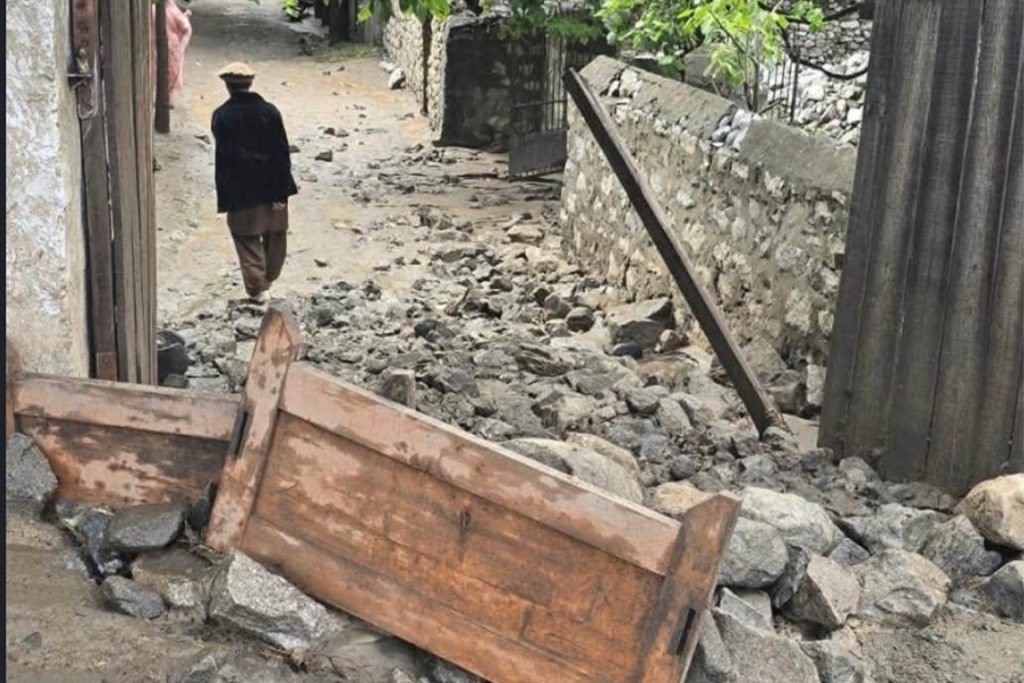
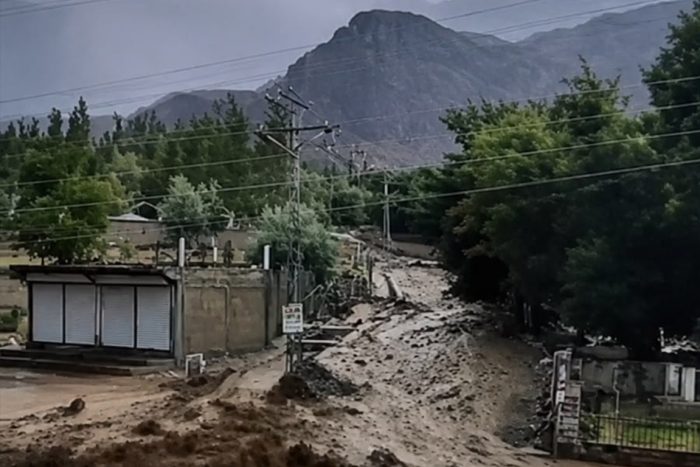
A high-alert status remains in effect for Khyber Pakhtunkhwa (KPK) and Gilgit-Baltistan (GB) following a series of Glacial Lake Outburst Flood (GLOF) warnings issued by the NDMA and PMD. A current westerly weather system, active as of May 11, is bringing widespread rain and thunderstorms to mountainous regions. These conditions are significantly increasing the probability of debris flows and flash flooding in vulnerable valleys, marking the start of a high-risk period predicted to last through September 2026.

Recent heavy rainfall has already triggered mudslides and landslides, severely impacting the Karakoram Highway. Key sections in Lower Kohistan, including Dubair and Gloos Banda, have been blocked by debris and floodwater. These disruptions have stranded passenger vehicles and goods transport, creating a logistical bottleneck between KPK and GB. The dangerous travel conditions along these primary routes are currently hindering both commercial movement and potential humanitarian access.

The scale of potential impact is immense, with the Ministry of Climate Change identifying over 7.1 million people in the northern regions as vulnerable to GLOF events. Pakistan’s 13,000+ glaciers are facing unprecedented stress; approximately 10,000 glaciers in Chitral and GB are currently receding due to climate-induced temperature rises. This accelerated melting, combined with shifting weather patterns and early heatwave conditions, has created a volatile environment for downstream settlements.

The current situation demands an immediate focus on:

  • Early Warning Systems: Real-time dissemination of alerts to isolated mountainous communities.
  • Logistical Readiness: Preparing for rapid assessments as road blockages on the Karakoram Highway fluctuate.
  • Community Preparedness: Strengthening local-level response capacity in high-risk valleys that may become cut off by infrastructure damage.

Areas at Risk

RegionHigh-risk areas identified in recent alerts
Gilgit-BaltistanSwat, Upper Chitral, Lower Chitral, Dir, Upper Hazara, and Kohistan
Khyber Pakhtunkhwa (KPK)Communities located near glacial lakes, rivers, mountain streams, nullahs (seasonal watercourses), bridges, roads, irrigation channels, hydropower infrastructure, and agricultural land
Downstream settlementsCommunities located near glacial lakes, rivers, mountain streams, nullahs (seasonal watercourses), bridges, roads, irrigation channels, hydropower infrastructure and agricultural land
Figure 1: Projected GLOF Risk Areas in Northern Pakistan, March–September 2026

Key Risks and Impact Highlights

SectorPotential impact
Lives and safetySudden flooding, debris flow, landslides, injuries, loss of life and urgent evacuation needs
ShelterDamage to houses and temporary displacement of households in downstream valleys
InfrastructureDamage to roads, bridges, irrigation channels, water supply systems and small hydropower infrastructure
WASHContamination of water sources, disruption of safe drinking water access and increased sanitation risks
HealthIncreased risk of injuries, waterborne diseases, limited access to health facilities and referral challenges in remote valleys
Food security and livelihoodsLoss of livestock, crops, orchards, agricultural land and household assets
ProtectionIncreased risks for women, children, older persons, persons with disabilities and households with limited mobility
Access and logisticsBlocked roads, damaged bridges, isolation of remote communities and delayed humanitarian access, disruption to passenger and goods transport, and traffic disruption along key routes including the Karakoram Highway

NDMA’s Summer Hazards Contingency Plan 2026 notes that sudden breaching of unstable glacial lakes may generate flash floods downstream, threatening villages, roads, bridges and hydropower infrastructure1.

The scale of exposure is significant, with millions of people in GB and KP living in areas vulnerable to GLOFs, flash flooding and debris-flow risks, particularly communities downstream of rivers, streams and glacial lakes.

This summary refines the projected humanitarian priorities for Northern Pakistan into a concise, action-oriented briefing, ensuring the focus remains on dignity, protection, and the survival of isolated communities.

Priority Needs: Anticipatory Action and Response for GLOF Emergencies

In the event of GLOF-triggered disasters or flash flooding in the high-risk valleys of Northern Pakistan, humanitarian interventions must prioritise immediate life-saving support alongside the preservation of human dignity. The following sectors have been identified as critical for an effective and principled response:

Life-Saving Relief & Shelter: Immediate focus remains on coordinated evacuation support and the provision of high-quality temporary shelter. Essential Non-Food Items (NFIs), including winterised tents, blankets, and kitchen sets are vital for families displaced in the harsh high-altitude terrain.

Health and WASH: Restoration of safe drinking water and sanitation services is a priority to mitigate disease outbreaks. This must be coupled with mobile health units and first aid services capable of providing essential medicines and emergency referrals in areas where fixed infrastructure may be damaged.

Food Security & Multipurpose Cash: Where local markets remain functional, Multipurpose Cash Assistance (MPCA) is the preferred modality to provide families with the agency and flexibility to meet their own needs. In isolated areas with market disruption, direct food assistance will be necessary.

Protection & Psychosocial Wellbeing: All assistance must be protection-sensitive, specifically tailored to the needs of women, children, older persons, and individuals with disabilities. Furthermore, psychosocial support is critical to help families and children process the trauma of sudden displacement and loss.

Community World Service Asia’s Preparedness and Response

Community World Service Asia (CWSA) is currently maintaining a high state of operational readiness through its field office in Hunza, Gilgit-Baltistan. This local footprint allows for immediate coordination with GBDMA and DDMA, building on CWSA’s significant 2025 response where they supported 1,479 individuals with food and cash assistance. Leveraging deep-rooted networks in remote areas like the Chipursan Valley, CWSA is positioned to move from monitoring to formal response activation immediately upon verification of an incident by disaster management authorities or field teams.

The mobilisation strategy is centered on reaching the “last mile” of remote mountain communities. Key priorities include:

  • Targeted Vulnerability: Directing assistance toward women-headed households, children, older persons, and persons with disabilities to mitigate exclusion risks.
  • Integrated Accountability: Maintaining safe, confidential feedback loops and ensuring communities are informed participants in their own recovery.
  • Multisectoral Readiness: Preparedness covers emergency shelter, WASH, mobile health, and psychosocial support, with a preference for multipurpose cash where markets allow.

Urgent Funding and Logistics Requirements

To ensure a rapid and effective response as weather patterns evolve, CWSA has identified three critical pillars for immediate support:

  • Pre-positioning: Securing emergency shelter, hygiene kits, and dry rations in accessible hubs near high-risk valleys.
  • Scaling Life-Saving Aid: Expanding the reach of mobile health referrals and cash assistance for those in the direct path of debris flows.
  • Logistical Resilience: Strengthening “last-mile” transport capabilities to bypass anticipated road and bridge failures along the Karakoram Highway and interconnected routes.

In a region where geography defines the risk, local presence defines the response. We invite you to stand with CWSA and our frontline teams in Northern Pakistan as we turn preparedness into a lifeline for the most isolated communities in Gilgit-Baltistan and Khyber Pakhtunkhwa.

Contacts

Shama Mall
Deputy Regional Director
Programs & Organisational Development
Email: shama.mall@communityworldservice.asia
Tele: 92-21-34390541-4

Tooba Siddiqi
Associate Regional Director
Emergencies & Quality and Accountability
Email: tooba.siddiqi@communityworldservice.asia
Tele: 92-21-34390541-4

Palwashay Arbab
Associate Regional Director
Email: palwashay.arbab@communityworldservice.asia
Tele: 92-21-34390541-4


References

  1. NDMA Summer Hazards Contingency Plan 2026
    https://www.ndma.gov.pk/storage/plans/April2026/des1YHpOOZYMDB3W7rHH.pdf ↩︎

Overview

Severe heatwave conditions are currently affecting Sindh, with particularly heightened risks for vulnerable communities in Umerkot district during the late April–May 2026 pre peak and peak summer period. According to the Multi Hazard Vulnerability and Risk Assessment (MHVRA), Umerkot’s hot, semi arid climate records mean maximum temperatures of around 45°C across April, May, and June. For this district, the intensity of heatwave hazards has been assessed as “Severe to Extreme,” underscoring the urgent need for protective measures and community preparedness.

Umerkot district has an estimated population of 1.16 million people, including 0.90 million rural and 0.26 million urban residents1. The wider at-risk population includes outdoor workers, pedestrians, daily wage labourers, agricultural workers, women, children, elderly persons, persons with disabilities, and low-income households. These populations have limited access to safe drinking water, shaded spaces, cooling facilities, and timely health referral support.

The heatwave situation in Umerkot is not limited to health exposure alone. Higher temperatures increase dehydration risk, reduce water availability, disrupt outdoor labour, and affect agriculture and livestock-dependent livelihoods. This is particularly relevant in Umerkot due to its rural spread, low rainfall, hot semi-arid conditions, and dependence on climate-sensitive livelihoods.

Heatwaves are forecastable hazards, and the Umerkot District Disaster Management Plan states that actions can be taken before occurrence through warnings, alerts, public precautions, awareness campaigns, water arrangements, heatstroke facilitation camps, mobile medical teams, and mobilisation of non-governmental organisations (NGO) and volunteers. Investing in early action is therefore both life-saving and cost-effective. Evidence from anticipatory action shows that every USD 1 invested in anticipatory action can yield up to USD 7 in avoided losses and added benefits, reinforcing the importance of supporting cooling centers, hydration points, awareness outreach, and referral linkages before heatwave impacts escalate 2.

Impact Snapshot

Community World Service Asia’s (CWSA) current field observations have identified multiple cases of extreme dehydration and fatigue among heat-exposed individuals, indicating increasing health risks at community level. Heatwave alerts circulated by local government/district sources further underline the need for early action before heat-related illnesses escalate into severe cases or avoidable loss of life.

Moreover prolonged heat places pressure on essential elements such as water supply points, health facilities, shaded public spaces, and electricity dependent cooling arrangements.

Heatwave risk is also closely linked with livelihoods, agriculture, livestock, and food security in Umerkot, where many people depend on rural livelihoods, daily wage labour, and outdoor work. Higher temperatures can reduce working capacity, increase dehydration risk, affect crops and livestock, and worsen water stress. The Provincial Disaster Management Authority (PDMA) Sindh’s heatwave guidance identifies water scarcity, agricultural disruption, and economic/livelihood disruption as key heatwave impacts.

Women, children, including those engaged in child labour, elderly persons, pregnant and lactating women, persons with disabilities, outdoor workers, daily wage earners, agricultural labourers, pedestrians, and low income households face heightened risks during extreme heat. Direct exposure, limited access to cooling, and reduced coping capacity compound their vulnerability. The World Health Organization (WHO) and the PDMA Sindh both underscore the urgent need for targeted protection measures to safeguard these groups throughout the heatwave period.

Emerging Humanitarian Needs

Water SecurityWater distribution points ensuring the supply of safe drinking water
Medical Assistance First aid, Oral Dehydration Salts (ORS) supply and urgent medical care
Emergency ShelterHeat camps, shaded resting spaces, cooling centres
Public Awareness & Coordination with District Authorities Dissemination of key messages such as avoiding outdoor exposure during peak heat hours, drinking safe water regularly, using ORS when needed, recognising symptoms of heat exhaustion and heatstroke, and seeking timely medical support.

Community World Service Asia’s Proposed Relief & Response

CWSA has initiated voluntary heatwave response measures in coordination with the District Administration/DDMA Umerkot by establishing basic heatwave camps for heat-exposed populations pedestrians, outdoor workers, daily wage labourers including minors, and vulnerable groups. These camps are equipped with essential medicines, first aid support, oral rehydration solutions (ORS), cold drinking water, resting seats for heat exposed individuals. Awareness sessions are also being conducted at intervention locations on heatstroke prevention, signs and symptoms, precautionary measures during heatwaves, the use of ORS, first aid and timely cooling during heat related illness.These heatwave camps are set up at three locations including Umerkot city/Deputy Commissioner’s Office area, Village Ramser in Union Council Kaplore, and Government Dispensary Xheelband in Union Council Faqeer Abdullah.

These initial measures have reached approximately 2800 people so far, while the high daily turnout indicates continued need among heat-exposed groups in these and nearby high-footfall areas.

Call to Action

Community World Service Asia (CWSA) urges the international community and humanitarian partners to support an immediate, coordinated heatwave response in Umerkot, Sindh. Current heatwave alerts and field observations indicate that communities with limited access to safe water, shade, cooling spaces, and timely health support are at high exposure risk. Immediate support is required to strengthen existing camps and establish additional cooling spaces in priority locations identified with the District Administration/DDMA Umerkot.

Based on latest needs assessments, CWSA proposes establishing well equipped cooling spaces in priority locations, ensuring the availability of drinking water and oral rehydration solutions (ORS), and providing shaded resting areas with basic first aid support. Trained mobilisers will be deployed to raise awareness through local language materials, strengthen referral linkages, and maintain responsive feedback mechanisms. All interventions will be closely coordinated with district authorities and aligned with the Provincial Disaster Management Authority (PDMA) Sindh’s Heatwave Standard Operating Procedures (SOPs).

Contacts

Shama Mall
Deputy Regional Director
Programs & Organisational Development
Email: shama.mall@communityworldservice.asia
Tele: 92-21-34390541-4

Tooba Siddiqi
Associate Regional Director
Emergencies & Quality and Accountability
Email: tooba.siddiqi@communityworldservice.asia
Tele: 92-21-34390541-4

Palwashay Arbab
Associate Regional Director
Visibility, Stakeholder Engagement & Inclusive Protection
Email: palwashay.arbab@communityworldservice.asia
Tele: 92-21-34390541-4


References

  1. Pakistan Bureau of Statistics Census 2023 ↩︎
  2. https://www.unocha.org/publications/report/world/saving-lives-time-and-money-evidence-anticipatory-action-may-2025 ↩︎

To bridge this gap, Community World Service Asia (CWSA), in collaboration with the Social Welfare Department (SWD), Government of Sindh, and networks SCAN, NHN, HRCN ,Wash First Alliance, Wide Vision Civil Society Network , FANSA, hosted an Advisory Session on Regulatory Compliances at the CSO Club in Hyderabad, April 2, 2026

Hyderabad, April 2, 2026 — Navigating the complexities of compliance shouldn’t stand in the way of impactful community work. To bridge this gap, Community World Service Asia (CWSA), in collaboration with the Social Welfare Department (SWD), Government of Sindh, hosted an Advisory Session on Regulatory Compliances at the CSO Club in Hyderabad.

This session was designed to be more than just a presentation; it was a practical space to demystify the regulatory compliances and financial hurdles, opening bank account per se, that many local organizations face daily.

Mr. Joseph Masih is giving an orientation on advisory session to the CSOs.

What we achieved:

Responding directly to the needs of CSOs, CWSA took the regulatory authority to the doorstep of the CSOs to facilitate them at the specific request of the networks. By engaging with the experts from the relevant departments, CWSA implemented a strategy designed to minimize administrative friction and address concerns in real-time. This session mobilized 67 members from five key networks:

  • Sindh Climate Action Network (SCAN)
  • National Humanitarian Network Pakistan (NHN)
  • Hyderabad Rural CSO Network (HRCN)
  • Wide Vision Civil Society Network
  • Freshwater Action Network South Asia (FANSA)
  • Wash First Alliance

The participating networks formally acknowledged and appreciated CWSA for arranging this session, recognizing it as a significant platform for direct engagement.

Mr. Joseph Masih is giving an orientation on the advisory session to the CSOs.

Banking Regulations

A major highlight of the day was the direct involvement of the commercial bank (Askari Bank) and national bank. Recognizing the banking hurdles like opening bank account that CSOs face with financial access, both banks:

  • Shared a comprehensive compliance checklist for CSOs.
  • Offered active facilitation, inviting all participating CSOs to approach them directly for assistance with banking regulations.
Mr. Muhammad Rafique Jamali (Director SWD) is giving an orientation on the NGOs registration and renewal to the CSOs.

A Technical Roadmap for Growth

Led by Mr. Muhammad Rafique Jamali (Director SWD) and Mr. Joseph Masih (Program Coordinator, CWSA), the session provided a deep dive into:

  • EAD Procedures: Guidance on signing of the MOU with the EAD for the receiving of the foreign contribution and guidance on the process and procedure to enable CSOs to upload their applications on the EAD portal.
  • Registration & Renewal: Practical steps for navigating the SWD-Sindh processes.
  • Institutional Support: A briefing on the upcoming NGO Helpdesk to be established at the SWD Office in Karachi.
  • Mr. Majid, Technical Advisor for the e-portal, participated in the session to directly engage with CSOs, ensuring their specific concerns and feedback are effectively integrated into the portal’s technical design.
Mr. Muhammad Rafique Jamali (Director SWD) receiving ajrak from the CSO.

The Way Forward

CWSA aims to expand this “doorstep facilitation” model by engaging other key authorities, including Joint Stock Companies, the Home Department, SECP, and the Charity Commission. By creating these direct lines of communication, CWSA is ensuring that CSOs can focus on what they do best, serving their communities.

The Climate Podcast – Episode 1: Community World Service Asia hosts an insightful conversation with Shumaila Murtaza, MEAL Manager and PSEA Focal Point at the Foundation for Rural Development (FRD) and Nishanie Jayamaha, Co‑coordinator of the Secretariat for the Climate and Environment Charter for Humanitarian Organisations. Together, they explored how the humanitarian sector is responding to the climate challenge and unpacked the Climate Charter’s role in turning commitments into action; from policy discussions to frontline realities and climate action already taking place in Pakistan. Tune in to discover how aid organisations are building resilience and driving change in this climate‑critical decade.

High in the mountains of northern Pakistan lies Broghil Valley, one of the most remote and isolated landscapes in the country. Located nearly 250 kilometers from Chitral town and rising between 3,280 to over 4,300 meters above sea level, the valley borders Afghanistan’s Wakhan Corridor and is surrounded by towering snow-covered peaks. Broghil is known for its breathtaking alpine meadows, vast wetlands, and the stunning Qarambar Lake. During the short summer months, the valley comes alive with grazing yaks, migratory birds, and cultural festivals that celebrate the traditions of its pastoral communities. Yet beneath this extraordinary beauty lies a quieter reality. Life in Broghil is shaped by geographic isolation, extreme winters where temperatures can drop below –17°C, and limited access to services. Roads remain nearly impassable for months, healthcare facilities are scarce, and educational opportunities are limited.

Three years ago, a group of 28 young girls and boys from Broghil Valley were displaced and relocated to Gulmit, where the local community welcomed and supported them with care and compassion. The young IDPs have been well looked after and gradually integrated into the community.

Yet even in a supportive environment, the emotional weight of displacement and distance from their homeland quietly lingers. Loneliness, uncertainty about the future, and the memories of a place left behind often take their toll. Recognising this need, the Gulmit Council requested Community World Service Asia (CWSA) to organise a Mental Health and Psychosocial Support (MHPSS) and Wellbeing Workshop for these young people. Conducted on 26 February 2026, the workshop was made possible with the support of the Week of Compassion (WoC). The goal was simple but powerful; creating a safe space where the youth could express their emotions, reconnect with their strengths, and begin healing together.

When Silence Turns Into Stress

In remote mountain communities, mental health is rarely discussed openly. Daily life revolves around survival, herding livestock, enduring long winters, and navigating limited opportunities. In such settings, emotions are often carried quietly. For the youth from Broghil now living in Gulmit, the experience of displacement added another layer to this silence. Many shared feelings of isolation, homesickness, and uncertainty about what their futures might hold. The workshop aimed to gently open conversations around emotional wellbeing and help participants understand that these feelings were valid and shared.

Painting in the Cold: A Moment of Resilience

One of the most powerful moments of the workshop came during a creative expression activity. Participants were invited to paint their thoughts, memories, and emotions. Although facilitators initially planned to conduct the activity indoors due to the cold weather, the youth asked for something different. They wanted to paint outside surrounded by the mountains and landscapes that reminded them of home.

Wrapped in warm shawls and sitting on the frozen ground, the young participants began painting the valleys, lakes, and peaks that shaped their memories. Brushes moved slowly across canvases, translating emotions that words often struggled to express. For many of them, it was the first time they had ever been invited to share their feelings through art. Some painted mountains as symbols of strength and endurance. Others painted open skies representing hope and freedom. What emerged was more than artwork. It became a quiet but powerful expression of resilience.

“In these mountains we learned to stay strong in silence. Today, with colors in our hands, we finally learned how to speak, shared one of the participants”, Zahra.

A Workshop for Healing

The Mental Health and Wellbeing Workshop used several community-based psychosocial approaches designed to encourage reflection, connection, and confidence. Through therapeutic arts and storytelling, participants explored ways to release stress and communicate emotions safely. Guided reflection and mindfulness exercises introduced breathing techniques and simple practices that help manage anxiety and restore inner calm. Small group dialogues created safe spaces where participants could share their experiences, listen to each other, and realise they were not alone in their feelings. For many participants, it was the first time emotional wellbeing had been openly discussed and supported.

Power of Small Interventions

For communities living in remote and underserved regions, even small psychosocial support initiatives can create meaningful change. When young people feel heard and supported, they gain the confidence to cope with stress, rebuild hope, and strengthen their relationships with others. Programs like this move communities from survival toward resilience. They remind young people that their dreams still matter. They encourage girls and boys to find their voices. And they strengthen the bonds that hold communities together.

Why Support Matters

Delivering psychosocial support in remote mountain regions requires determination and sustained investment. Long travel distances, harsh weather conditions, and limited infrastructure make such initiatives challenging but deeply necessary. Yet the impact can be transformative. By supporting initiatives like this Mental Health and Wellbeing Workshop, partners and donors contribute to:

  • Strengthening resilience among displaced and vulnerable youth
  • Supporting emotional wellbeing in remote and isolated communities
  • Creating safe spaces for dialogue, healing, and self-expression
  • Building more connected and confident young generations

In places where emotional struggles often remain unspoken, even small moments of support can spark powerful change.

Jami, a resident of Village Bandi, Union Council Kaplor in Sindh, grew up in a family where early marriage was a deeply rooted tradition. “In my family, marrying young was what everyone did. My parents believed it would secure our daughters’ future,” she recalled. Married at a very young age, Jami experienced early pregnancy, which affected her health and exposed her to the hidden risks of child marriage. She also witnessed the pressures within her own family, as her children’s engagements were arranged early in line with community norms.

Jami is the mother of eight children. The youngest child is six months old, while the eldest son is 16 years old. The other children are between six and 14 years of age. Jami had her first child at a young age, around 17 years old, soon after her marriage. Three of the children were born at home with the help of a traditional birth attendant, while five births took place in a government hospital.

During some of her pregnancies, Jami suffered from tuberculosis, weakness, and other health problems. She often felt very tired and experienced bleeding issues due to repeated pregnancies, short gaps between births, and limited access to proper nutrition and medical care. Having eight children in a short time span has had serious effects on her health. She has become physically weak, experiences body pain, and often feels exhausted. Repeated pregnancies without enough recovery time have negatively affected her overall well-being.

Her husband works as a daily wage labourer. During the rainy season, he is engaged in seasonal agricultural activities such as land preparation, sowing, weeding, and harvesting. Jami also supports her husband by working alongside him. Before and after the rainy season, he works as a labourer in road construction.

The family’s average monthly income is approximately PKR 24,000 (approx. USD 86), depending on the availability of work. Their average monthly expenses are around PKR 30,000 (approx. USD 107). Jami manages the shortfall and other household expenses through Benazir Income Support Program (BISP) installments.

Poverty, social pressure, and traditional norms often drive families toward early marriage in her community. “We didn’t have much money, and relatives suggested marriage as a solution,” she explained. “For many families, marrying daughters early feels like reducing one burden.”

When her daughter Khetu turned 14, similar pressure began mounting for her marriage. Jami was determined not to repeat the cycle that had shaped her own life. “I didn’t want my daughter to suffer the way I did,” she said.

Recognising the harmful effects of these practices, interventions under the Humanitarian Early Recovery & Development (HERD) and Agriculture, Gender & Livelihood (AGL) projects, implemented by Community World Service Asia (CWSA) and supported by the Canadian Foodgrains Bank (CFGB) and Presbyterian World Service & Development (PWS&D), introduced gender awareness sessions and community theatre performances in Village Bandi. These activities were designed to educate families, encourage dialogue, and challenge traditional norms. The sessions provided practical information, helped families reflect on their own experiences, and enabled them to make informed decisions to protect the rights of their children.

The project began with community consultations and collaboration with village management committees to develop a curriculum on gender roles, rights, leadership, and decision-making. A total of 20 training sessions were conducted, reaching approximately 600 participants including 425 women and 175 men. These aimed to strengthen their role in household and community decision-making.

Jami and her family actively participated in the first open air theatre performance and gender awareness session held on 24 October 2025. Jami convinced her husband through persistent discussions at home, with the support of her father-in-law and mother-in-law, about the benefits of women’s empowerment and the importance of participating in training sessions. Her husband became supportive and agreed to her attendance once he understood that the sessions would help improve the family’s decision-making, income opportunities, and overall well-being.

Although he also attended the sessions, he was initially not fully convinced due to concerns about what people in the village might say. However, he received informal counseling from project staff during community outreach and household visits, which helped him better understand the value of women’s participation in capacity-building activities.

Through engagement with the sessions and performances, the family gained knowledge about the harms of child marriage, early pregnancy, and gender discrimination. They were prompted to reflect on their own life experiences and decisions. As a result, Jami and her husband made a firm commitment to delay the marriages of all their children until adulthood.

Despite pressure from relatives, they successfully refused to arrange the marriage of Khetu at age 14, ensuring her right to a safe and healthy adolescence. This decision brought great happiness to Khetu and marked a significant shift in family and community norms. At home, Khetu wakes up early in the morning and helps her mother with household chores such as cleaning, washing dishes, fetching water, preparing tea or breakfast, and taking care of her younger siblings. As the family has livestock, she also helps with feeding the animals. During the day, she continues to carry out domestic responsibilities. In the evening, she again supports her family with cooking and other household tasks.

Jami has enrolled four of her children in primary school, including her younger daughter. This means that only four out of the six school-age children are currently attending school due to financial challenges and household responsibilities. The others help their parents at home. The couple never went to school because, at that time, there were no schools in their area and girls’ education was also not given much importance. This further reflects the family’s commitment to education and empowerment, as they want their children to have better opportunities than they had.

While Khetu is currently not in school, Jami is actively seeking education and skills-development opportunities to secure her future.

Jami shared, “I want my children to make informed choices, not just follow old traditions. Knowing what’s at stake gave me the courage to protect them.”

Her story highlights how community-based awareness initiatives can empower families, encourage dialogue, and challenge harmful practices such as child marriage and early pregnancy. The project enabled Jami’s family to prioritise health, education, and rights. It highlights how sustained community engagement can bring meaningful behavioural change and promote gender equality.