

Situation Alert I: Drought Threatens Food Security and Livelihoods in Umerkot and Tharparkar, Sindh
Overview
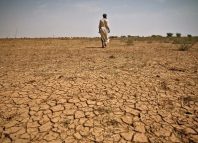
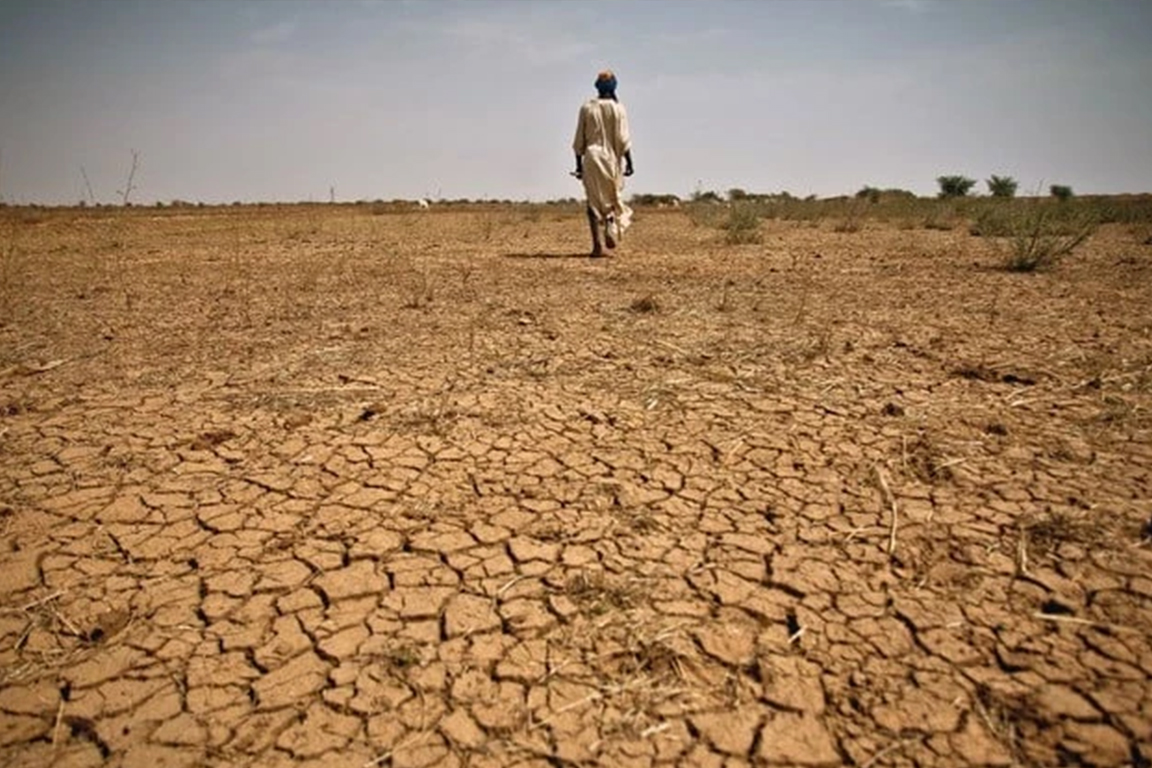
The Umerkot and Tharparkar districts of Sindh face severe, recurring drought risks due to their heavy reliance on rain-fed agriculture, livestock rearing, and extremely limited access to sustainable water sources. These pre-existing vulnerabilities have escalated following a severe precipitation deficit during the 2026 monsoon season (July–September), compounding agricultural failures, fodder shortages, and acute household food insecurity across the region.
According to data from the Pakistan Meteorological Department (PMD), Sindh recorded a 50.8% rainfall deficit between July and September 2026, receiving just 71.1 mm of precipitation against a seasonal norm of 144.3 mm, the largest shortfall among all provinces in Pakistan. Crucial follow-up rains in September were severely depleted, stripping essential moisture from rain-dependent crops and natural pasturelands.
On November 7–8, 2026, the Government of Sindh officially declared Tharparkar a drought-affected / calamity-hit district, noting that up to 90% of seasonal crops have been lost or rendered unproductive across all seven talukas.
Key District-Level Impacts
- Tharparkar District:
- Crop Failures & Loss: Over 90% of rain-fed seasonal crops, primarily millet (bajra), guar, and pulses have failed.
- Geographical Drought Stress: Satellite assessments report spatial drought stress reaching 98% in Chachro and Dahli, 97% in Islamkot, and 95% in Mithi.
- Livestock & Displacement: Widespread fodder shortages and dried-up natural grazing lands are forcing pastoralist families to migrate prematurely toward canal-irrigated areas in search of feed and water. Local reports indicate between 700,000 and 1,000,000 people are impacted by drought conditions across the district.
- Government Response: The Chief Minister of Sindh has directed emergency measures to restore water supply facilities (including RO plant repairs) and provide urgent fodder and essential relief.
- Umerkot District:
- High-Risk Vulnerability: In the Community Development Foundation’s (CDF) Risk Assessment, Umerkot received a Drought Risk Score of 20 out of 25 (“Very High Risk”), highlighting extreme dependence on rain-fed farming and a lack of alternative livelihood safety nets.
- Compounded Strain: Inadequate soil moisture has led to widespread agricultural yields collapsing, diminishing daily wage labor opportunities for vulnerable landless households.
Food Security Outlook & Risks
- Acute Food Insecurity (IPC Phase 3): The Famine Early Warning Systems Network (FEWS NET) projects Crisis-level acute food insecurity (IPC Phase 3) across vulnerable arid pockets of Sindh through at least early 2027.
- Compounding Economic Drivers: Reduced agricultural earnings, depleted household food stocks, rising food inflation, and loss of livestock assets are eroding community resilience, forcing vulnerable households into negative coping mechanisms (such as distress sales of livestock and debt accumulation).
Emerging Humanitarian Needs
| Priority Area | Humanitarian Needs |
| Food Security and Essential Needs | Multipurpose Cash Assistance (MPCA) to enable vulnerable households to meet essential needs, including food, drinking water, healthcare and other household necessities. |
| Water Security | Provision of safe drinking water, rehabilitation of existing water sources and water storage facilities in drought-affected communities. |
| Livestock Support | Provision of livestock fodder, drinking water for animals and essential veterinary services to protect livestock-dependent livelihoods. |
| Medical and Nutrition Assistance | Essential healthcare, nutrition screening and treatment, particularly for children, pregnant and lactating women and other vulnerable individuals. |
| Climate-Smart Awareness and Coordination with District Authorities | Community awareness on drought preparedness, water conservation, climate-smart agricultural practices, livestock management and safe drinking water, alongside coordination with district authorities to identify priority needs and avoid duplication |
Community World Service Asia’s Proposed Response & Priorities
Community World Service Asia (CWSA) is closely monitoring the situation on the ground in coordination with local affected communities, community-based organisations and district level governing bodies and regional disaster management authorities and proposes providing unconditional Multipurpose Cash Assistance (MPCA) to vulnerable drought-affected households in Umerkot and Tharparkar districts. This will enable families to meet essential needs, including food, drinking water, healthcare, and other household necessities and address reduced household purchasing power where essential goods and services remain available in local markets.
The response will prioritize households affected by agricultural losses, reduced livelihood opportunities, and declining purchasing power. Particular consideration will be given to women-headed households, persons with disabilities, older persons, and other vulnerable groups.
Implementation & Operational Strategy:
- Participant Identification & Verification: Undertaken in coordination with relevant district authorities and community representatives to support transparent, vulnerability-based selection.
- Delivery & Transfer Values: Delivered through accessible payment mechanisms, with transfer values informed by the Minimum Expenditure Basket (MEB) and prevailing market conditions. Target caseload, transfer arrangements, and geographical coverage will be finalised following verification of household needs, market functionality, and available resources.
- Accountability & Safeguards: CWSA will incorporate community feedback and complaints mechanisms, appropriate safeguards for safe and equitable access to assistance, and post-distribution monitoring.
Focus & Coordination: While CWSA’s proposed direct intervention focuses on MPCA, other identified needs, including drinking water supply, livestock support, and health and nutrition services, will require coordination with relevant authorities and humanitarian partners. Where appropriate, households will be referred to available services, particularly where essential goods or services cannot be accessed through cash assistance.
Call to Action: Community World Service Asia (CWSA) urges the international community and humanitarian partners to support a timely, coordinated drought response in Umerkot and Tharparkar districts of Sindh. The reported agricultural and livestock-related impacts in Tharparkar, together with the documented drought vulnerabilities in Umerkot and the wider food-security outlook, highlight the need for targeted humanitarian assistance. Without timely support, vulnerable families and individuals may face increasing difficulty meeting essential needs and protecting their livelihoods.
Contacts
Shama Mall
Deputy Regional Director
Programs & Organisational Development
Email: shama.mall@communityworldservice.asia
Tele: 92-21-34390541-4
Tooba Siddiqi
Associate Regional Director
Emergencies & Quality and Accountability
Email: tooba.siddiqi@communityworldservice.asia
Tele: 92-21-34390541-4
Palwashay Arbab
Associate Regional Director
Visibility, Stakeholder Engagement & Inclusive Protection
Email: palwashay.arbab@communityworldservice.asia
Tele: 92-21-34390541-4
References
- https://www.cdf.org.pk/publication/drought-risk-analysis-report-jacobabad-kamber-shahdadkot-umerkot
- https://www.thenews.pk/print/1440366-monsoon-rainfall-remains-below-normal-in-2026
- https://tribune.com.pk/story/2635145/tharis-on-the-move-as-drought-drives-livestock-exodus
- https://sindhcourier.com/tharparkar-the-drought-crisis/