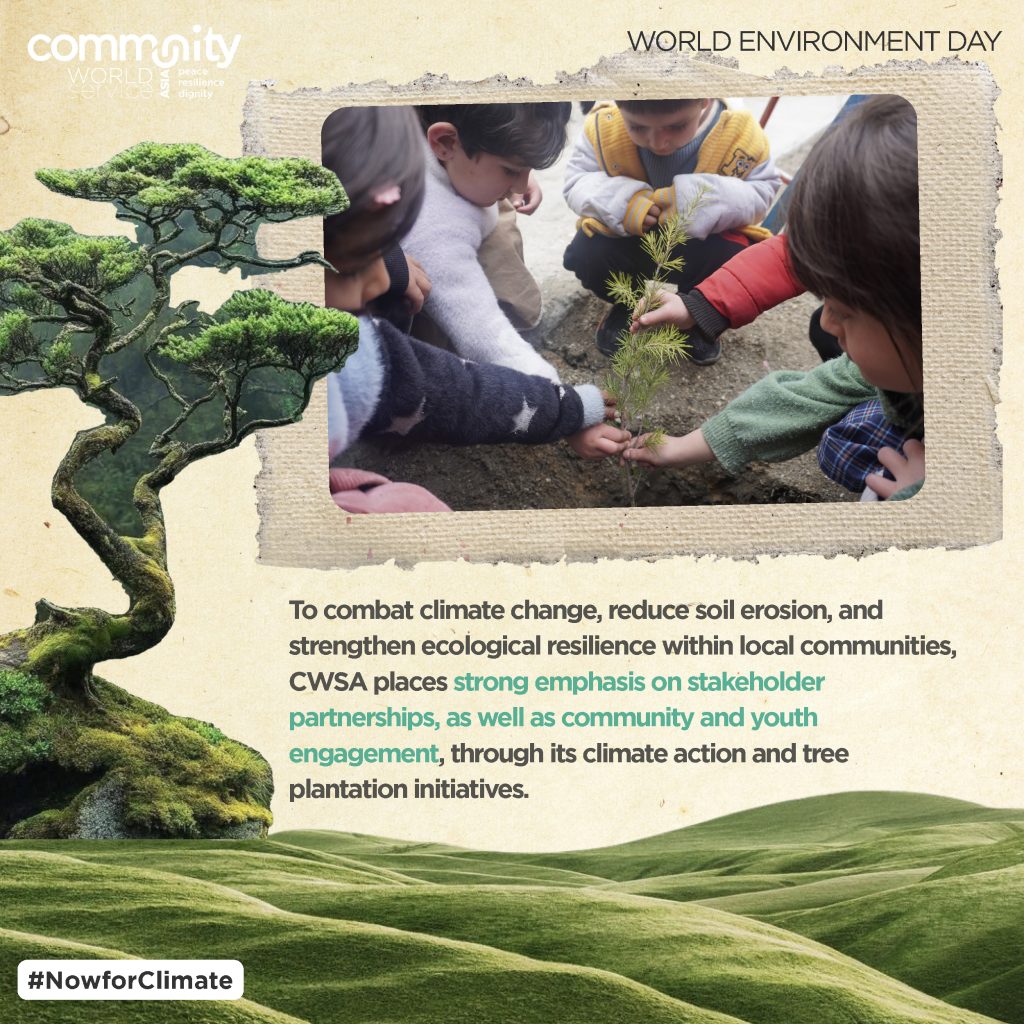
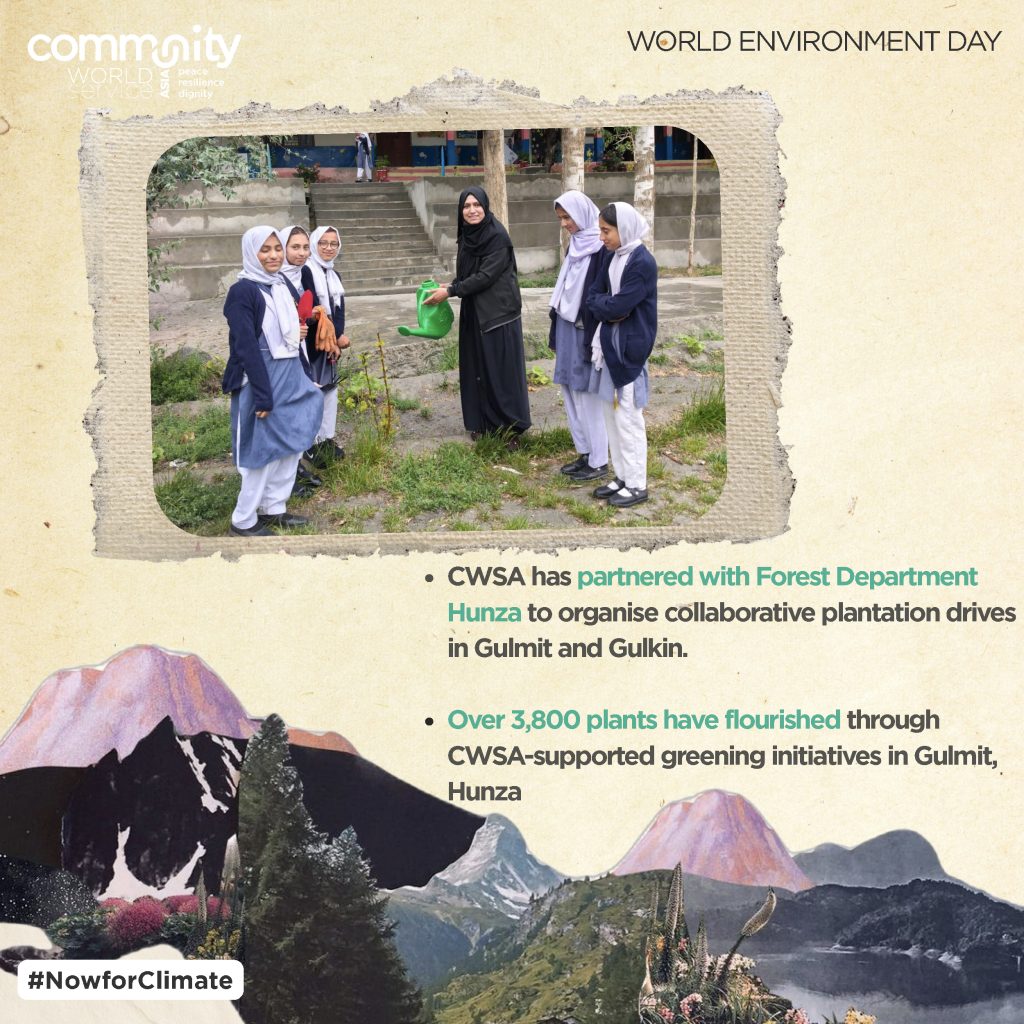
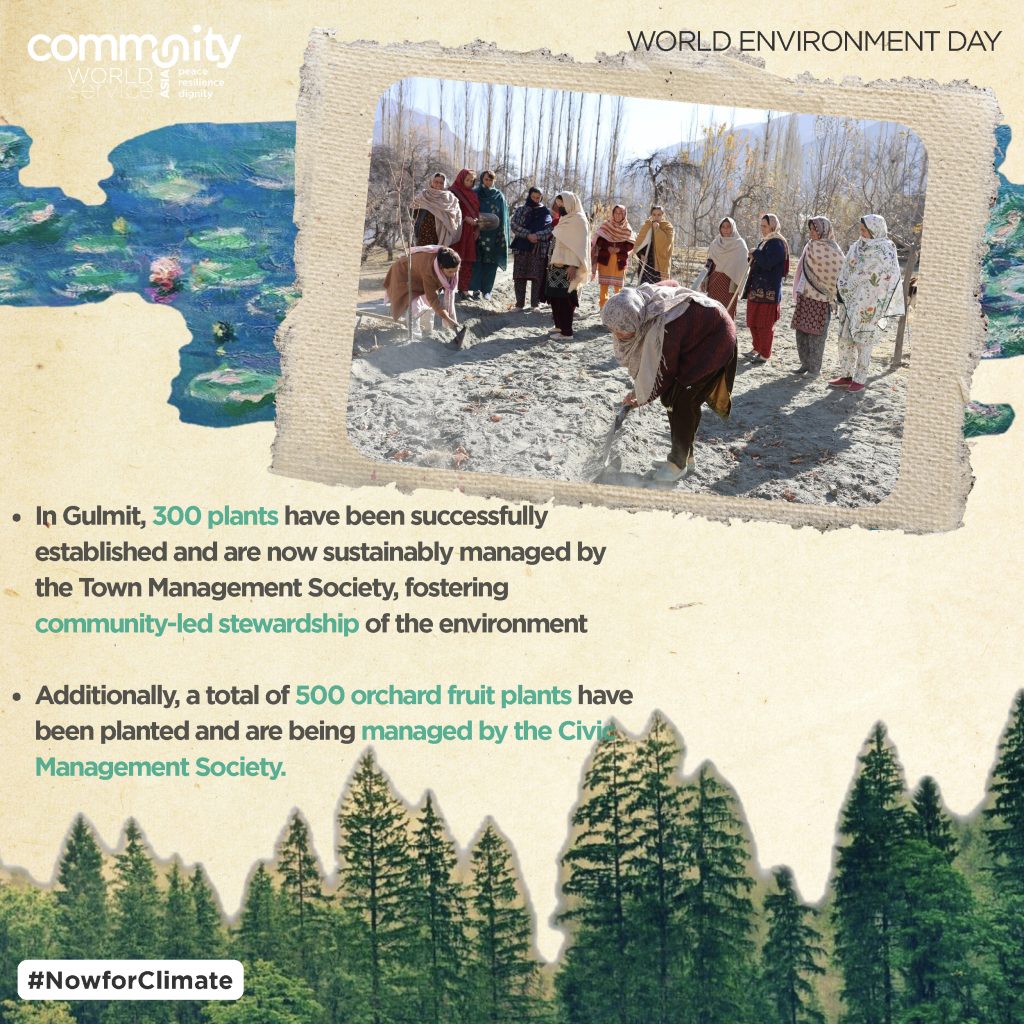
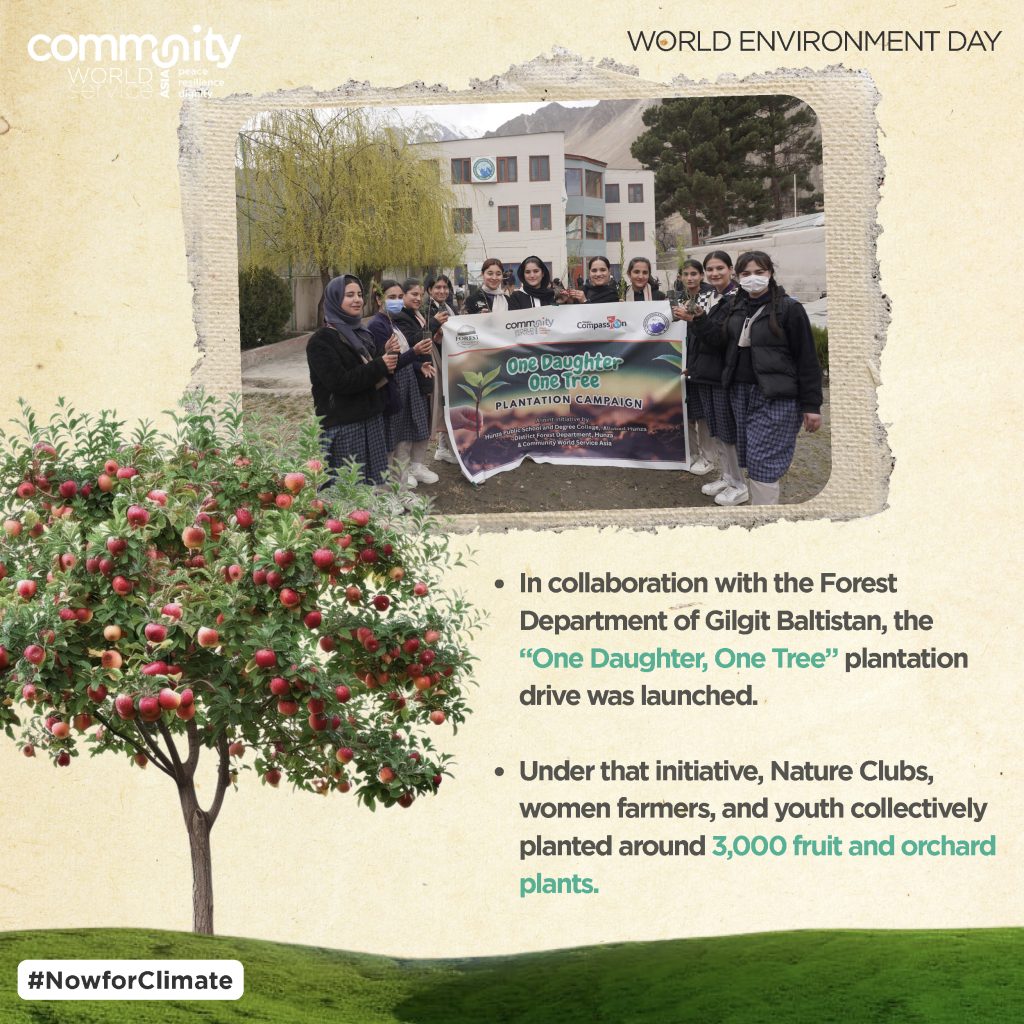
At Community World Service Asia, we actively work alongside the communities we serve, our partners and local stakeholders to address these challenges.
Through our climate and resilience initiatives, we support sustainable resource management, strengthen local capacities, and help communities adapt to the impacts of climate change. From promoting climate-smart practices to supporting plantation and ecosystem restoration efforts, our interventions contribute to healthier environments and stronger, more resilient communities.
We extend our sincere gratitude to our partners and community members whose dedication make this work possible.
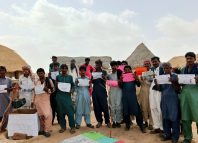
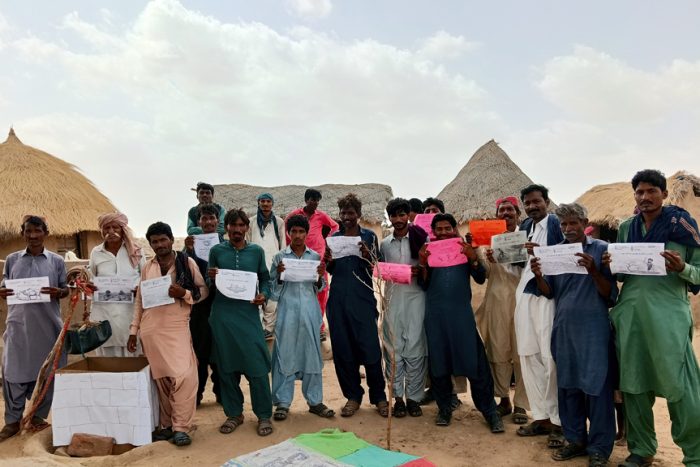
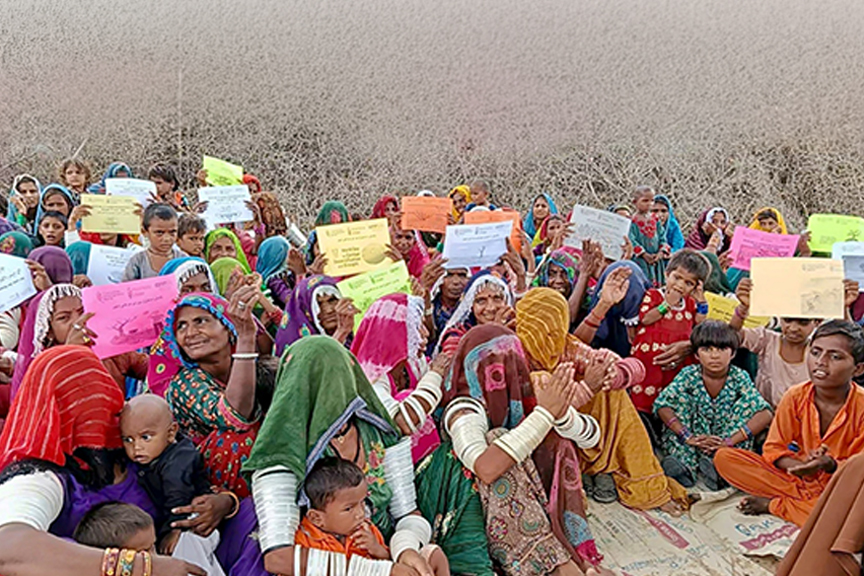
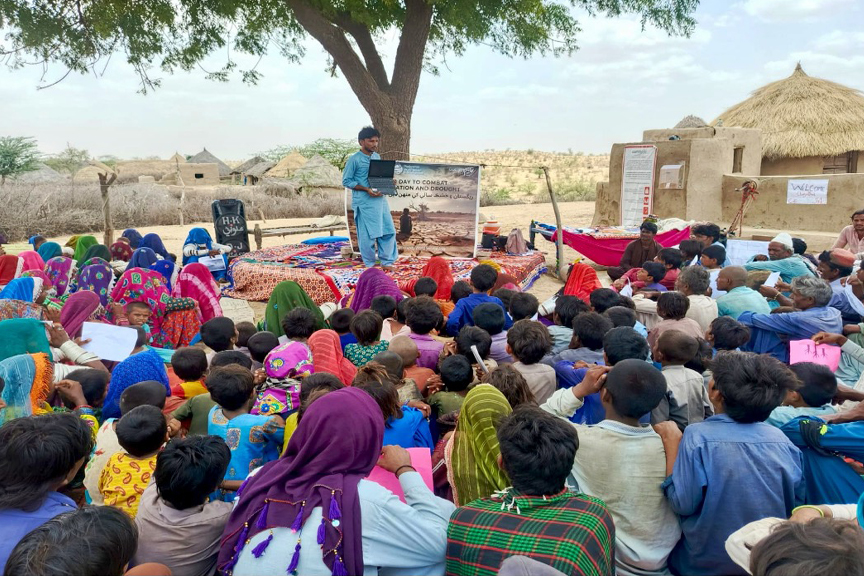
On World Day to Combat Desertification and Drought 2026, Community World Service Asia (CWSA) engaged communities in Village Charihar Bheel, Thar, to raise awareness about the impacts of land degradation, water scarcity, and climate change on livelihoods and natural resources.
Through interactive awareness sessions, educational videos, cultural performances, and a community walk under the slogan “Save Water, Save Lives, Save Earth,” local communities reflected on the challenges they face and the collective action needed to promote water conservation, environmental stewardship, and resilience.
This event also encouraged community dialogue on water conservation and environmental protection and strengthened local participation through cultural performances. In line with the theme, community members presented a drama titled “Thar Ji Pukar”, depicting local environmental challenges. Another cultural performance based on the local song highlighted the hardships faced by women in fetching water during drought conditions.
Are you working in humanitarian or development operations and looking to strengthen your supply chain knowledge and practical skills?
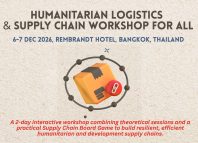
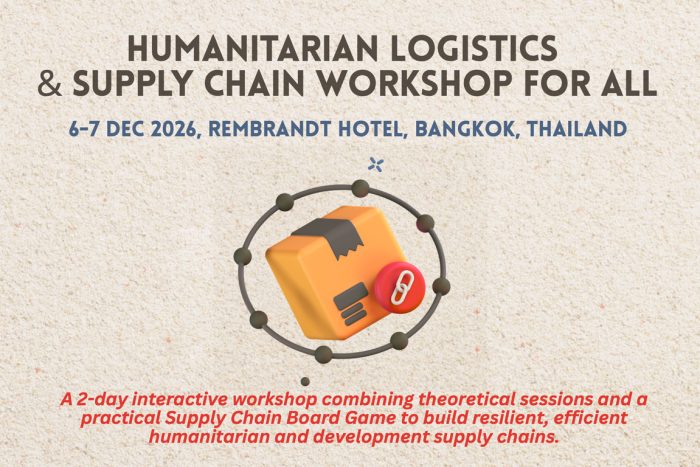
Community World Service Asia (CWSA), in partnership with HELP Logistics, is organising a 2-day interactive Humanitarian Logistics & Supply Chain Workshop on 6–7 December 2026 at the Rembrandt Hotel, Bangkok, Thailand.
The workshop will combine theoretical learning with practical and interactive sessions, including a Supply Chain BoardGame, covering key areas such as:
Humanitarian Logistics Principles & Practices
Human-Centred Design for Supply Chain Solutions
Supply Chain Readiness Assessment
And more
Application deadline: 30 September 2026
Interested participants can register through the registration link provided below or by scanning the QR code in the attached brochure.
We encourage interested colleagues and organisations to apply and take this opportunity to strengthen their capacity to build more resilient and efficient humanitarian and development supply chains.
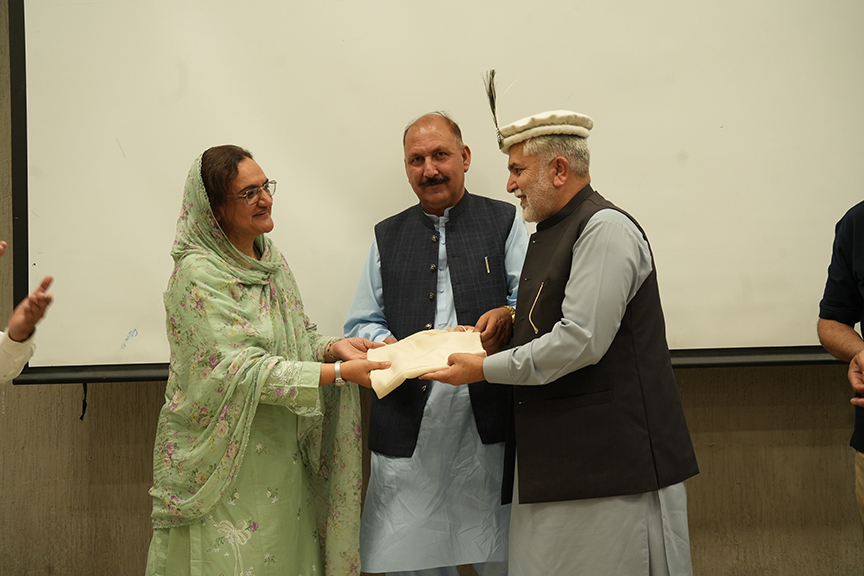
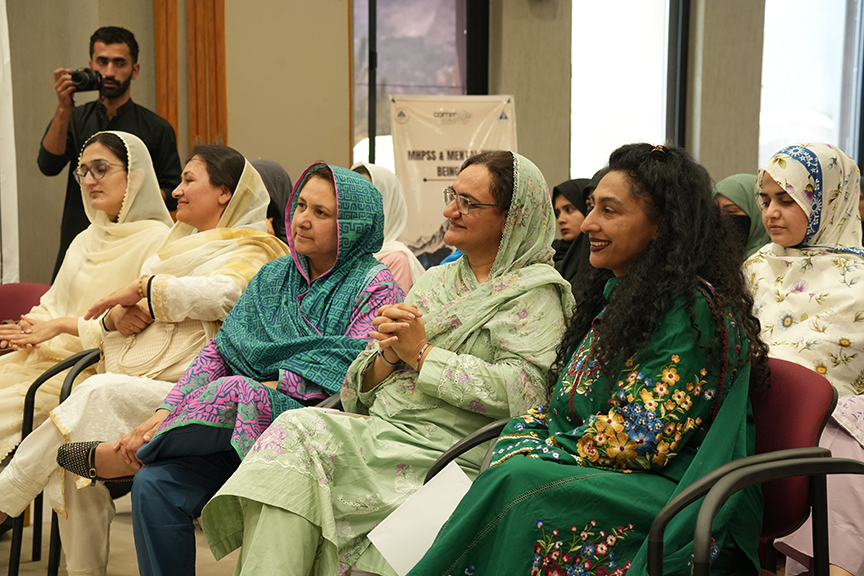
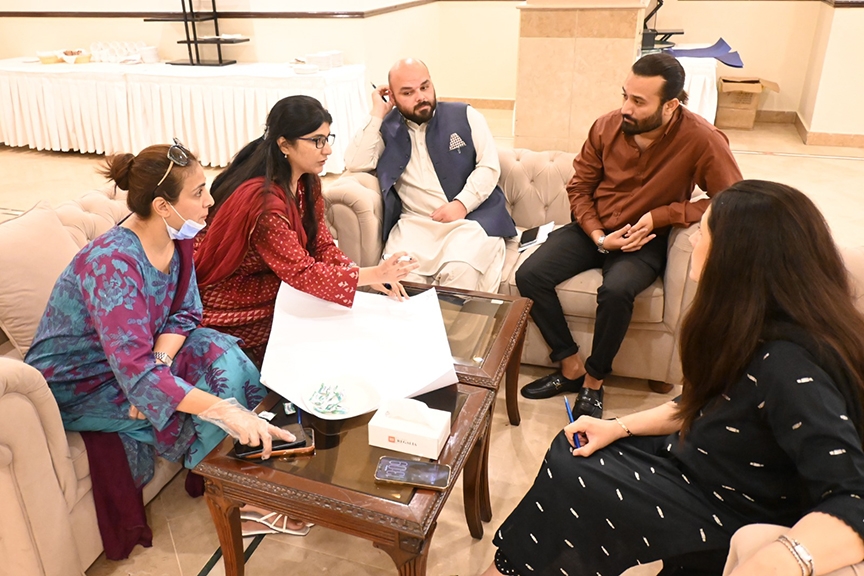
Community World Service Asia (CWSA) had the opportunity to engage with the Media Secretary and press officials in Gilgit, Baltistan during a networking lunch, fostering dialogue on the importance of advancing mental health and psychosocial support services and strengthening collective efforts to promote wellbeing across the region.
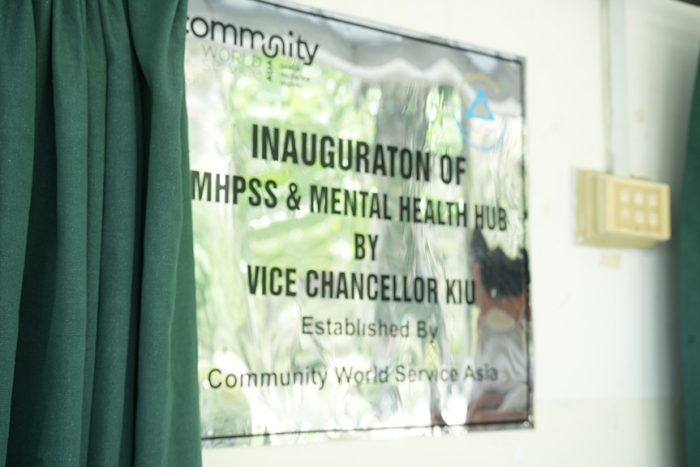
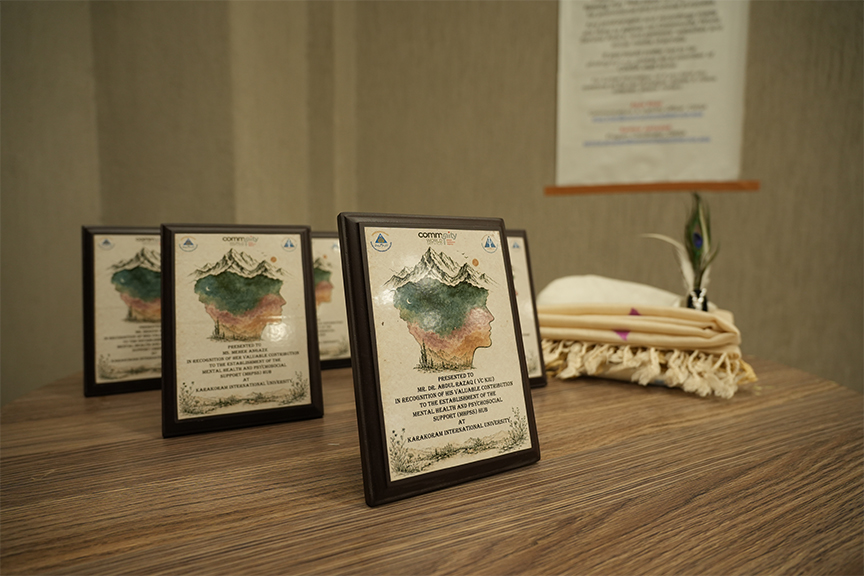
The meeting provided an opportunity to highlight the newly established, first of its kind Mental Health and Psychosocial Support (MHPSS) Hub at Karakoram International University (KIU). The officials expressed their support for the KIU–CWSA partnership and appreciated the efforts being made to expand access to mental health services and promote wellbeing in the region.
Particular interest was shown in the innovative therapeutic healing approaches being implemented by CWSA, with participants recognizing their potential to support individual and community resilience.
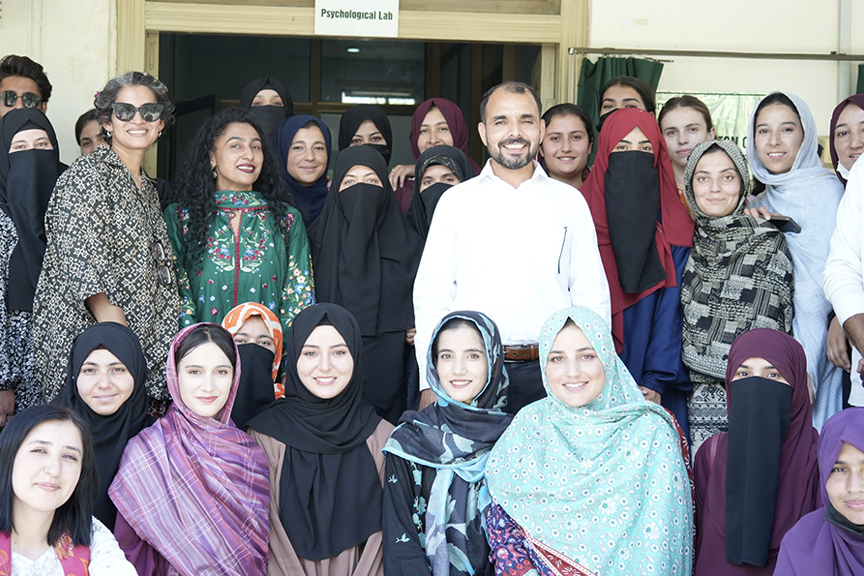
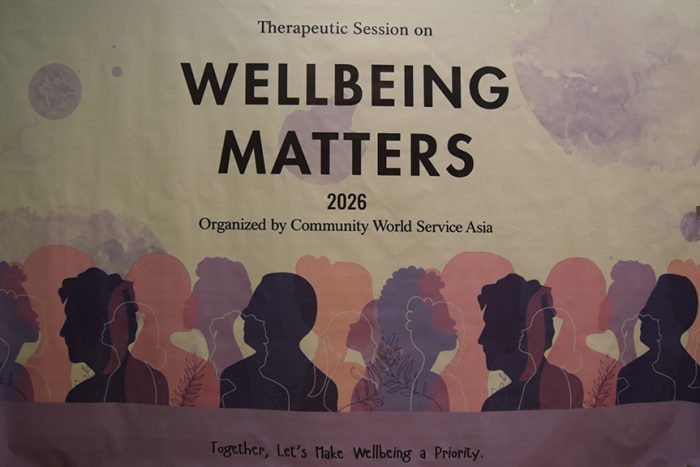
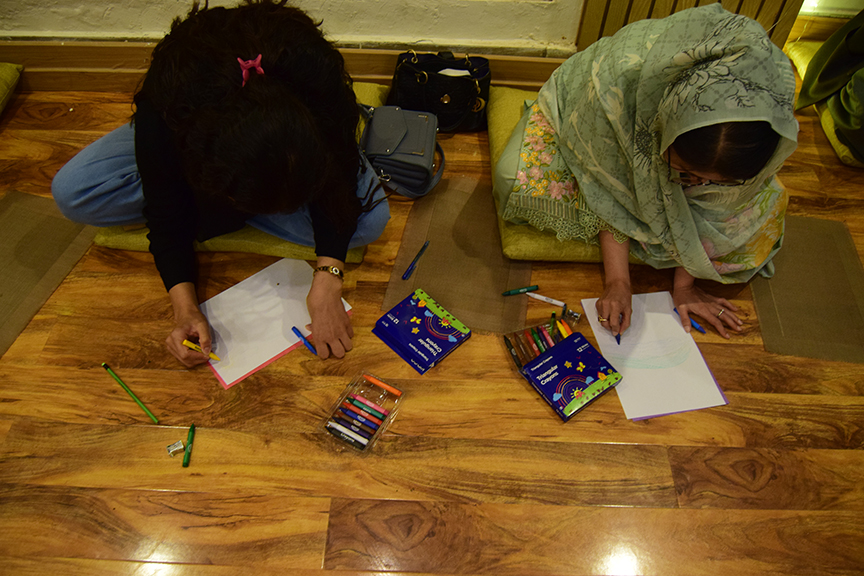
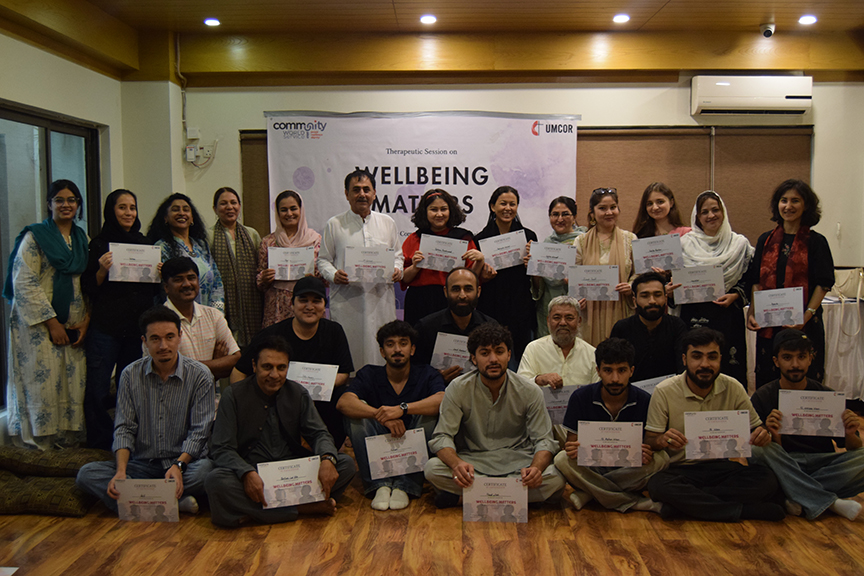
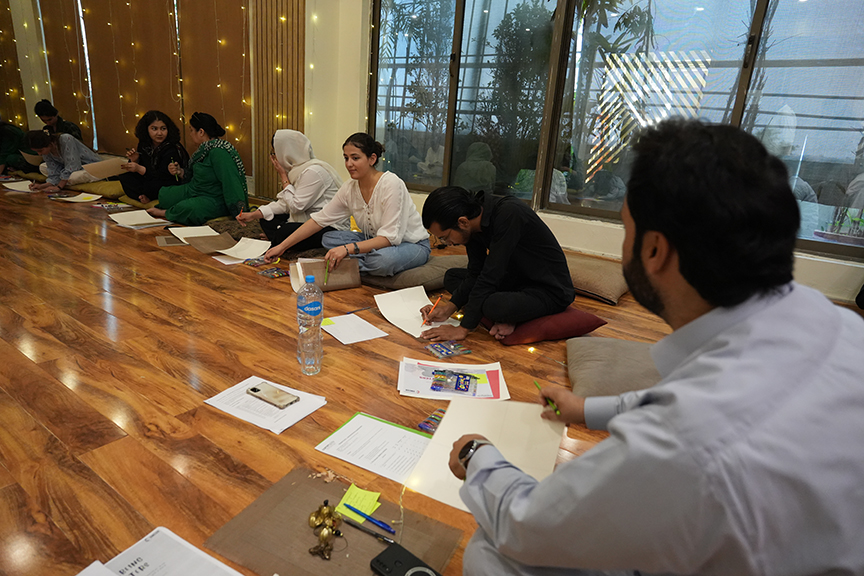
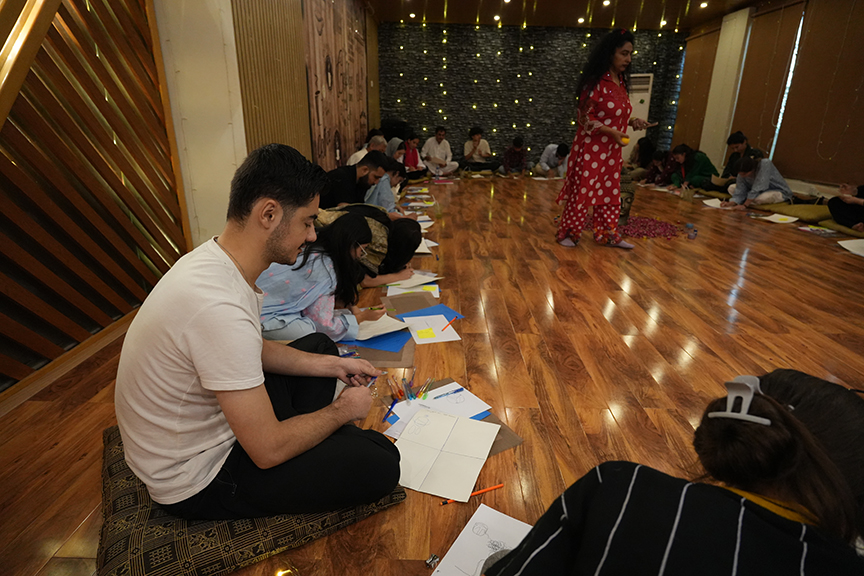
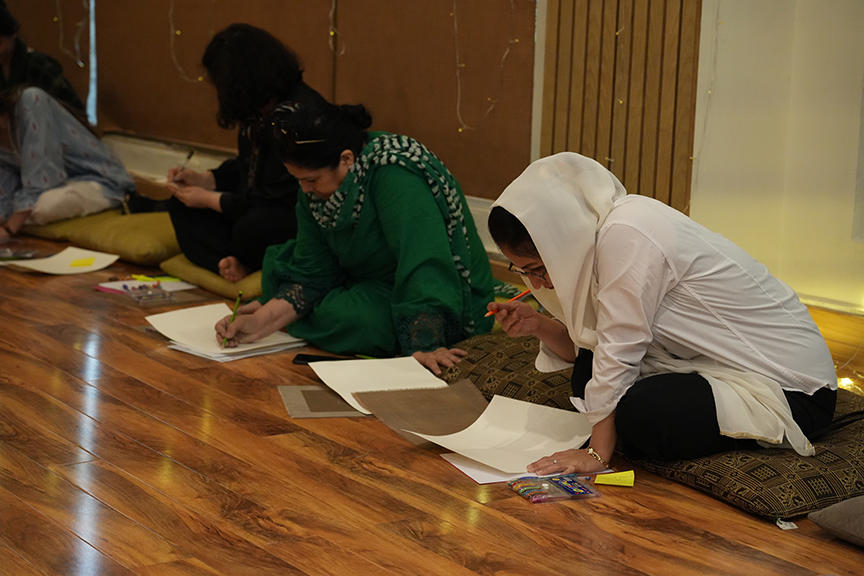
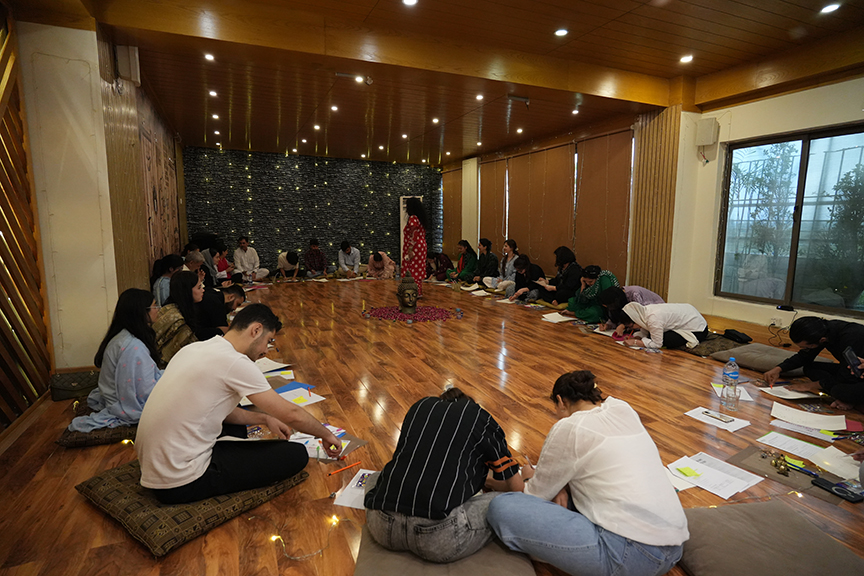
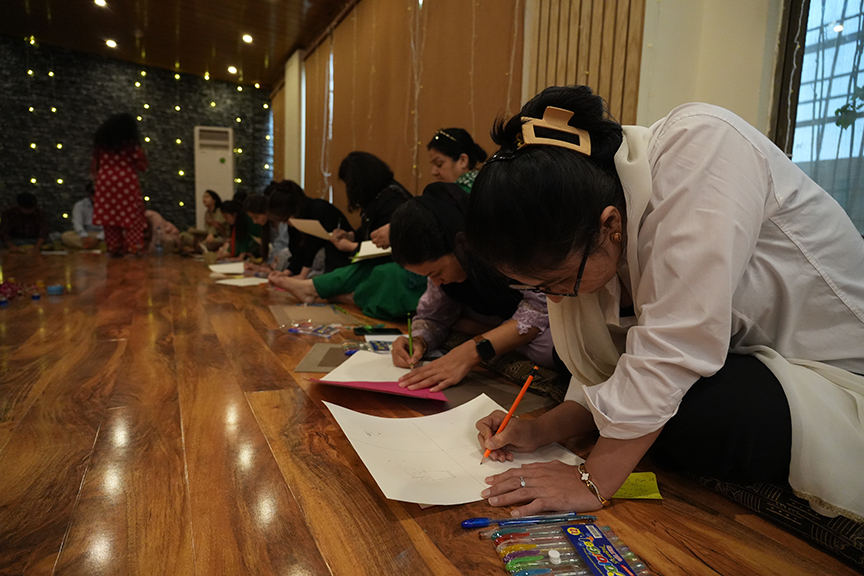
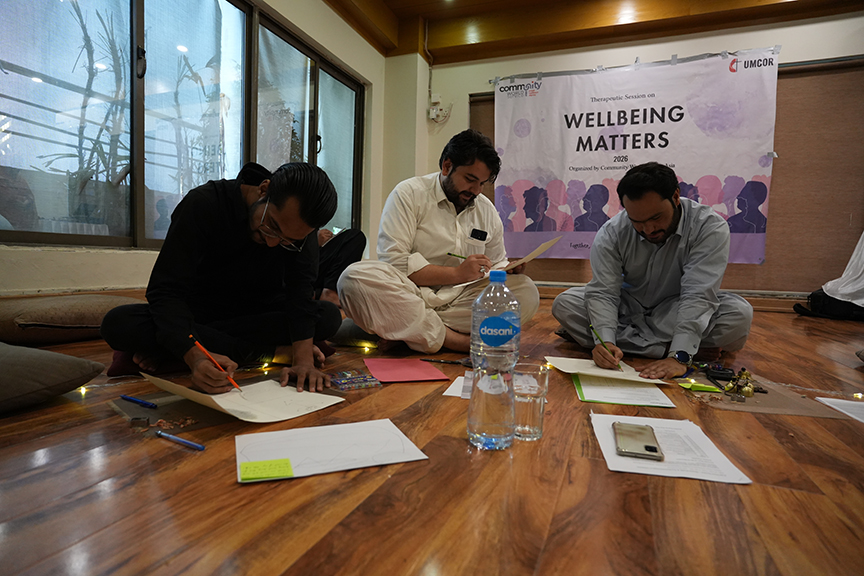
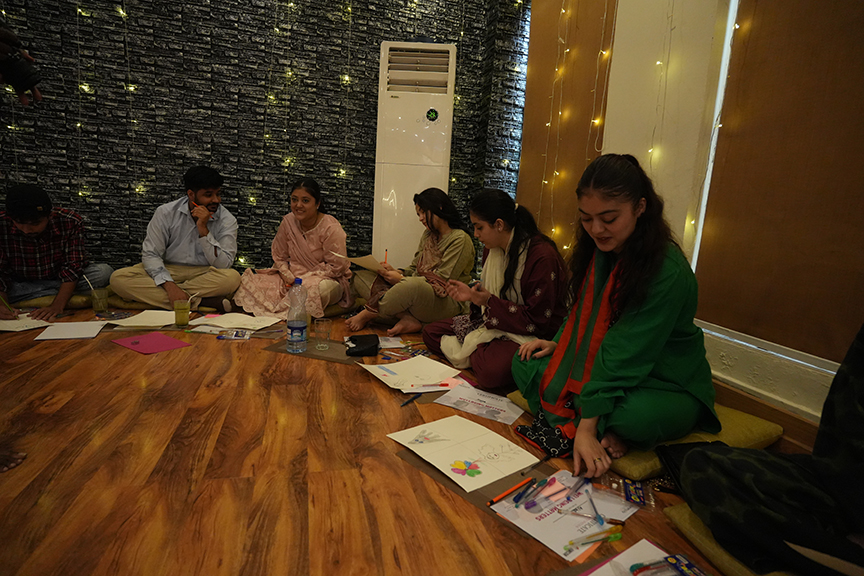
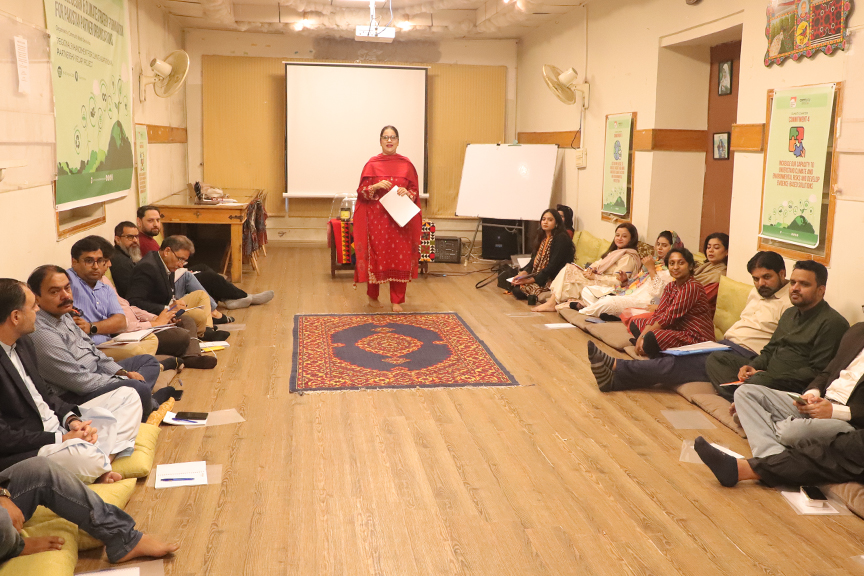
A Mental Wellbeing Session was conducted on 21 July 2026, bringing together 25 participants in a safe and confidential indoor setting designed to encourage openness, trust, and meaningful dialogue. The session was facilitated using Dialogue Therapy, a therapeutic approach that creates space for participants to reflect on their experiences, express emotions, listen with empathy, and build connections through shared stories.
The session was honoured by the participation of Sarfraz Lal, who joined not as a guest observer but as a participant, fully engaging in the therapeutic activities alongside the group. His participation reinforced the importance of prioritizing mental wellbeing at every level of leadership and highlighted the value of creating spaces where everyone can engage as equals in the healing process.
Reflecting on the experience, Sarfraz shared that while he had attended many MHPSS and mental health sessions in the past that were largely structured around presentations, PowerPoint slides, and theoretical discussions, the CWSA approach was distinctly different. Rather than simply delivering information, the session immersed every participant in a lived therapeutic experience, allowing them to personally connect with the concepts being explored. He noted that this experiential approach where participants actively feel, reflect, and engage with their emotions rather than only learning about them is what makes CWSA’s Mental Wellbeing methodology both unique and deeply impactful.
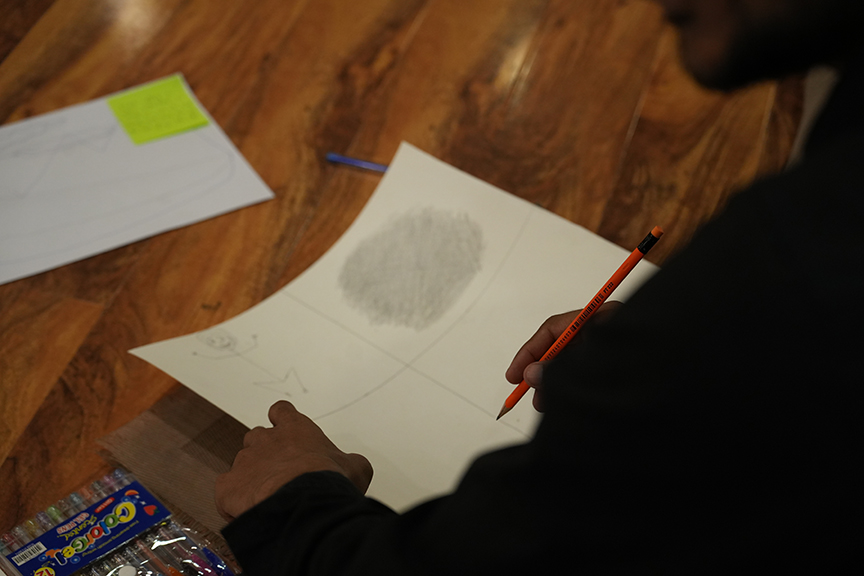
At Community World Service Asia (CWSA), every Mental Wellbeing Space is intentionally designed to go beyond a one-time therapeutic experience. Our approach ensures that each participant leaves not only with greater self-awareness but also with three practical tools they can continue using in their daily lives to support their own healing and wellbeing. These tools may include grounding and breathing techniques, reflective journaling, mindfulness practices, creative expression, emotional regulation strategies, or simple self-care exercises that strengthen resilience long after the session has ended. Throughout the dialogue, participants explored personal challenges, reflected on sources of strength, and discovered that many emotions are shared experiences rather than individual burdens. The atmosphere gradually shifted from silence and hesitation to openness, trust, and mutual encouragement, demonstrating the power of collective healing.
As one participant reflected: “I arrived carrying stress I couldn’t explain. Today, I leave carrying hope and practical ways to take care of myself.”
Another participant shared: “Healing begins when someone truly listens not to respond, but to understand.”
The session reaffirmed that mental wellbeing is not achieved in a single day. It is nurtured through safe spaces, compassionate conversations, and practical tools that empower individuals to care for themselves and support others.
“Sometimes, the most powerful therapy begins with a conversation.” “When people feel heard, they begin to heal; when they learn simple tools for wellbeing, they begin to thrive.”
Therapeutic Mental Wellbeing Experience
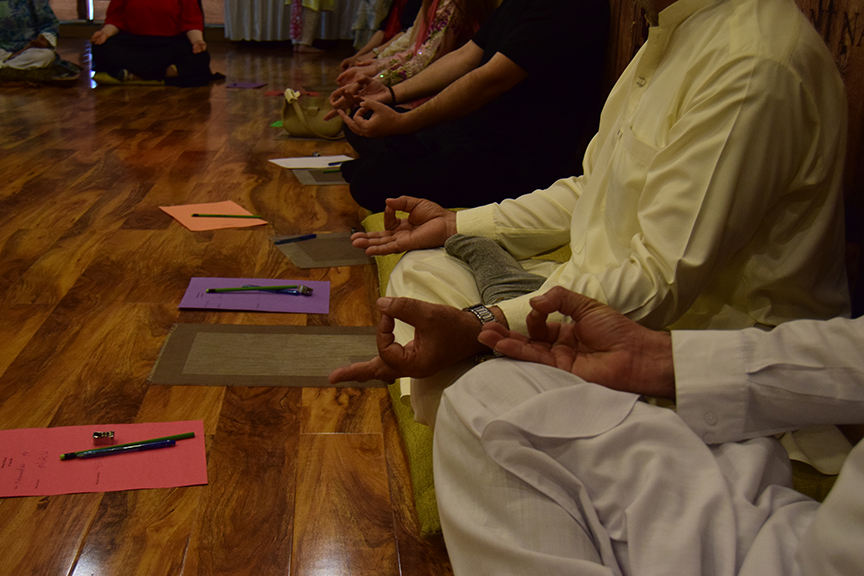
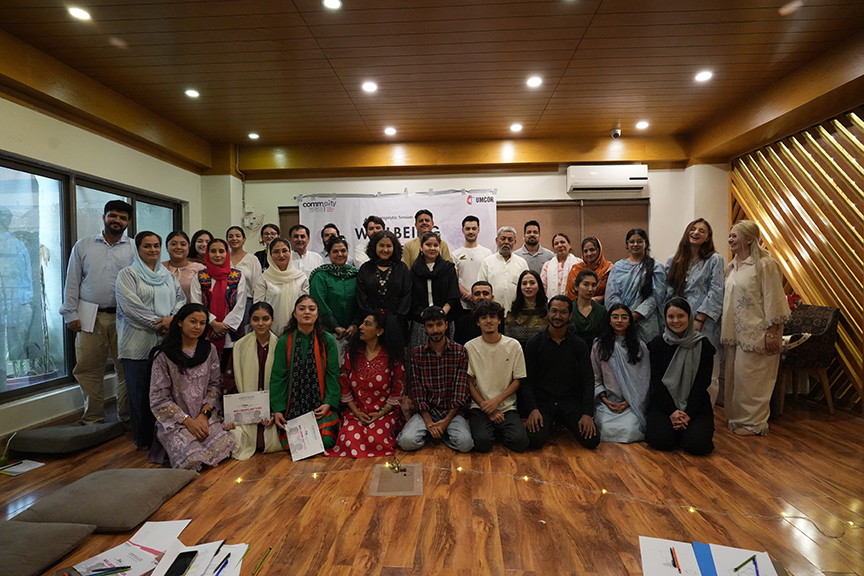
The second Therapeutic Mental Wellbeing Session was held on 22 July 2026, bringing together 35 participants in a safe, confidential, and supportive environment designed to foster emotional wellbeing, self-awareness, and meaningful human connection. Guided by CWSA’s experiential Mental Wellbeing methodology, the session moved beyond conventional awareness-raising by allowing participants to actively experience therapeutic healing rather than simply learning about it. The approach emphasized that healing begins when individuals are given the opportunity to pause, reconnect with themselves, and experience practical techniques that can be integrated into everyday life.
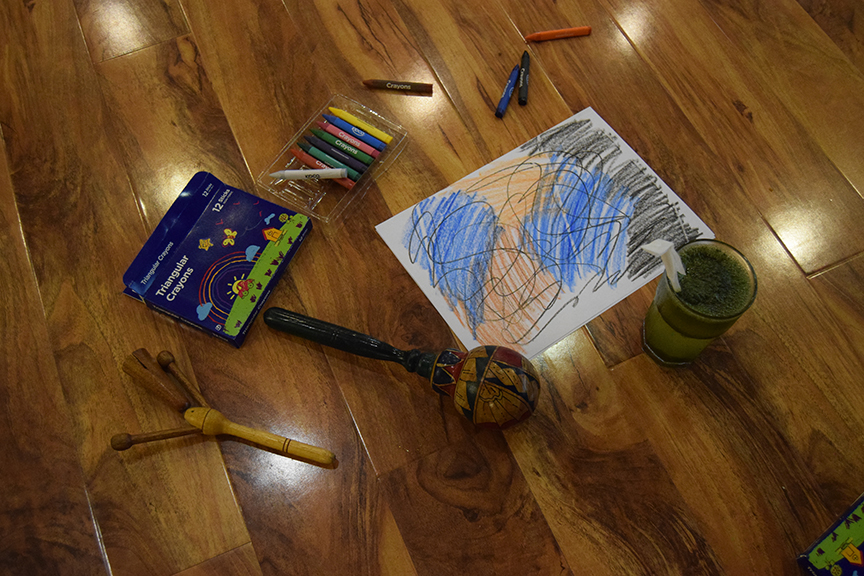
The session incorporated a series of evidence-informed therapeutic interventions, including experience sharing, grounding exercises, box breathing, and sound therapy. Participants were first encouraged to share their personal reflections and lived experiences, creating an atmosphere of trust, empathy, and psychological safety. This was followed by grounding techniques that helped participants reconnect with the present moment, while box breathing exercises demonstrated practical methods for reducing stress, calming the nervous system, and improving emotional regulation. The sound therapy component offered a deeply restorative experience, enabling participants to release tension, enhance mindfulness, and reconnect with a sense of inner calm. Together, these interventions created a holistic healing experience that addressed emotional, cognitive, and physiological wellbeing.
The session was enriched by the participation of Ashraf Mall, CEO of PPI, who joined the activities as a participant rather than an observer. Reflecting on the experience, he shared that working closely with children and families in brick kiln communities has given him firsthand insight into the immense psychosocial challenges they face, including chronic stress, intergenerational trauma, and limited opportunities for emotional expression. He emphasized that the therapeutic techniques demonstrated by CWSA were both practical and transformative, and expressed a strong interest in collaborating to bring similar Mental Wellbeing and Therapeutic Healing sessions to brick kiln communities.
He noted that while many humanitarian interventions focus on education, livelihoods, or basic services, the emotional wellbeing of families often remains overlooked. He shared that introducing therapeutic healing spaces for parents, caregivers, and children could significantly strengthen resilience, improve family relationships, and support healthier emotional development within these highly vulnerable communities.
At Community World Service Asia (CWSA), every Mental Wellbeing Space is intentionally designed to leave participants with more than just awareness. Each individual leaves equipped with practical self-care tools that can be used long after the session ends. Whether through grounding techniques during moments of anxiety, mindful breathing in times of stress, or simple practices for emotional regulation, participants gain skills that enable them to care for their own mental wellbeing while also supporting those around them.
The session concluded with participants expressing a renewed sense of calm, connection, and hope. Many described the experience as a rare opportunity to pause amidst the demands of daily life, reconnect with themselves, and recognize that healing is a continuous journey rather than a single event.
As one participant reflected: “Today, I didn’t just learn about mental wellbeing I experienced what it feels like to slow down, breathe, and truly reconnect with myself.”
Another participant shared: “The simplest practices can have the deepest impact. Sometimes healing begins with a single breath and the knowledge that you are not alone.”
The session reaffirmed CWSA’s commitment to promoting mental wellbeing through experiential, trauma-informed approaches that empower individuals with practical tools for healing while strengthening resilience within families and communities.
Engagement with Australian Aid and SHARP
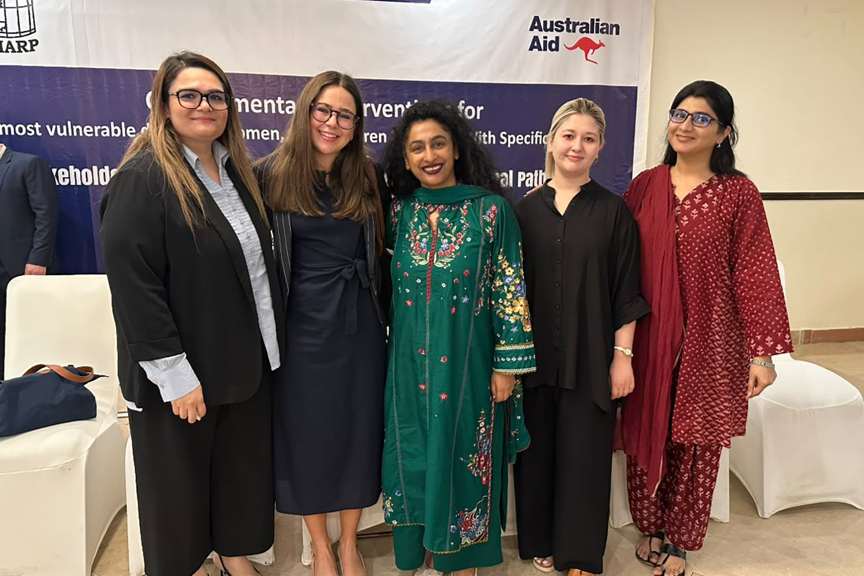
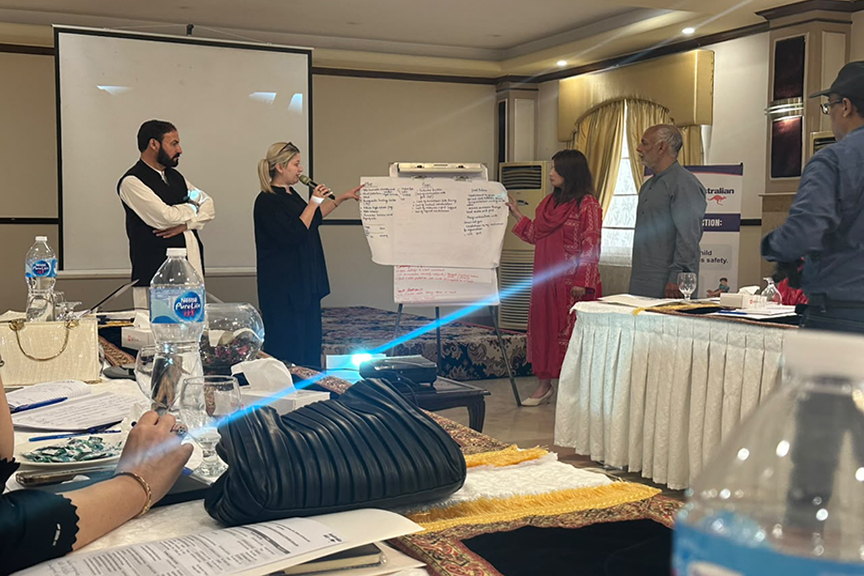
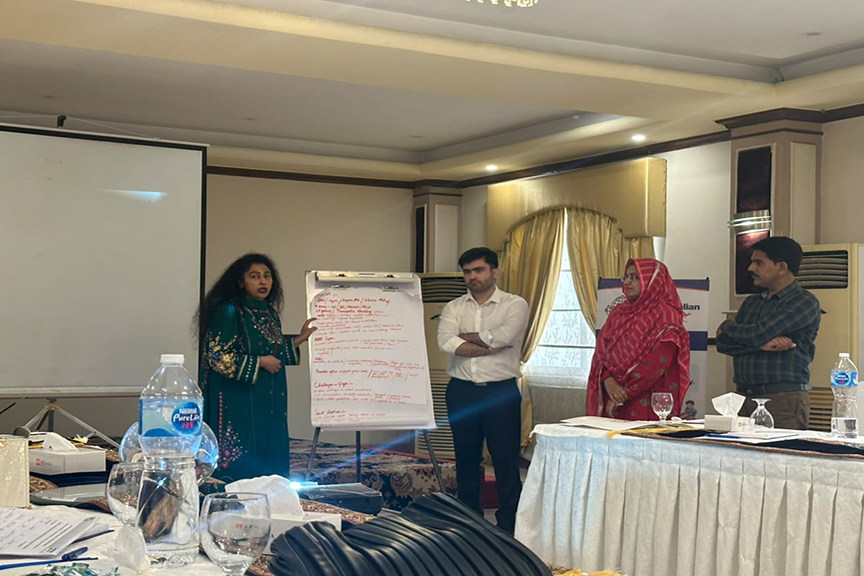
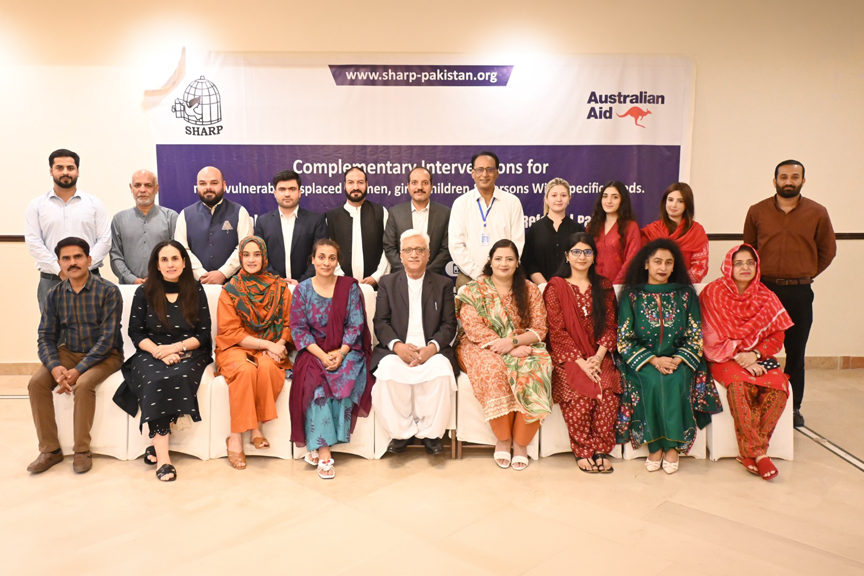
Community World Service Asia (CWSA) team participated in the “Complementary Interventions for the Most Vulnerable Women, Girls, Children, and Persons with Specific Needs” event, hosted by SHARP and supported by Australian Aid. The event brought together humanitarian and development stakeholders committed to advancing protection, inclusion, and sustainable support for vulnerable populations, providing an important platform for collaboration and knowledge exchange.
During the event, the CWSA team had the opportunity to meet with Georgia from the Australian Embassy and present CWSA’s program portfolio, with a particular focus on its innovative Mental Health and Psychosocial Support (MHPSS) and Therapeutic Healing interventions. CWSA’s holistic, community-centred approach received strong appreciation, particularly for integrating mental health into humanitarian and development programming through practical, culturally responsive, and trauma-informed methodologies.
The Australian Embassy team acknowledged the significance of prioritizing mental health among marginalized and vulnerable communities, recognizing that psychosocial wellbeing is fundamental to recovery, resilience, and sustainable development. The discussion highlighted the growing need for accessible, community-based mental health services that not only address psychological distress but also strengthen individual resilience, family wellbeing, and social cohesion.
The engagement reaffirmed the increasing global recognition of Mental Health and Psychosocial Support as an essential component of humanitarian response and community development. It also created valuable opportunities to showcase CWSA’s leadership in advancing innovative therapeutic healing approaches and explore future collaborations to expand access to quality mental health and psychosocial support for those who need it most.
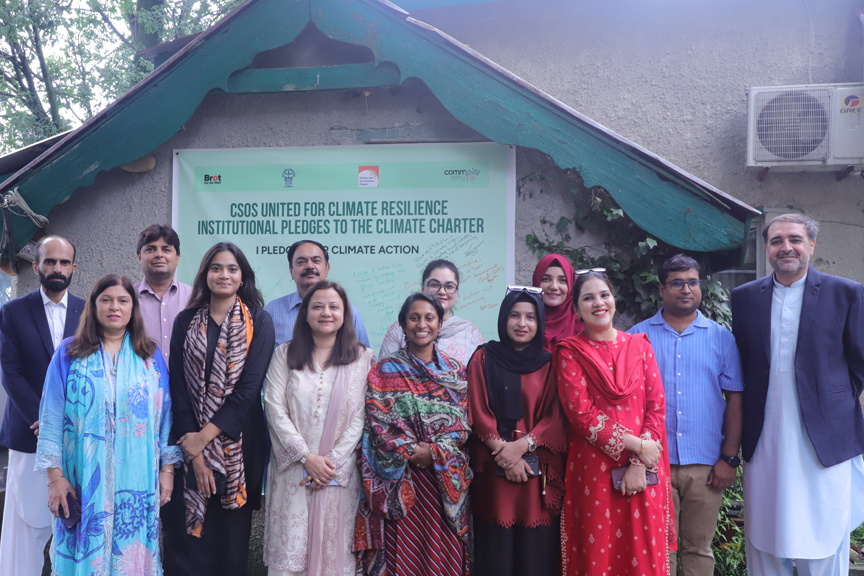
Community World Service Asia (CWSA) recently collaborated with the Climate and Environment Charter Secretariat and various stakeholders across a series of events highlighting climate resilience as a shared responsibility. The events emphasised stronger youth leadership, locally led solutions, environmental sustainability, and collaboration to translate climate commitments into action for a more resilient and sustainable Pakistan.
Nishanie Jayamaha, Co-Coordinator of the Climate and Environment Charter Secretariat, along with other climate and humanitarian experts, contributed to these discussions, sharing insights on strengthening climate action and advancing practical, locally led solutions.
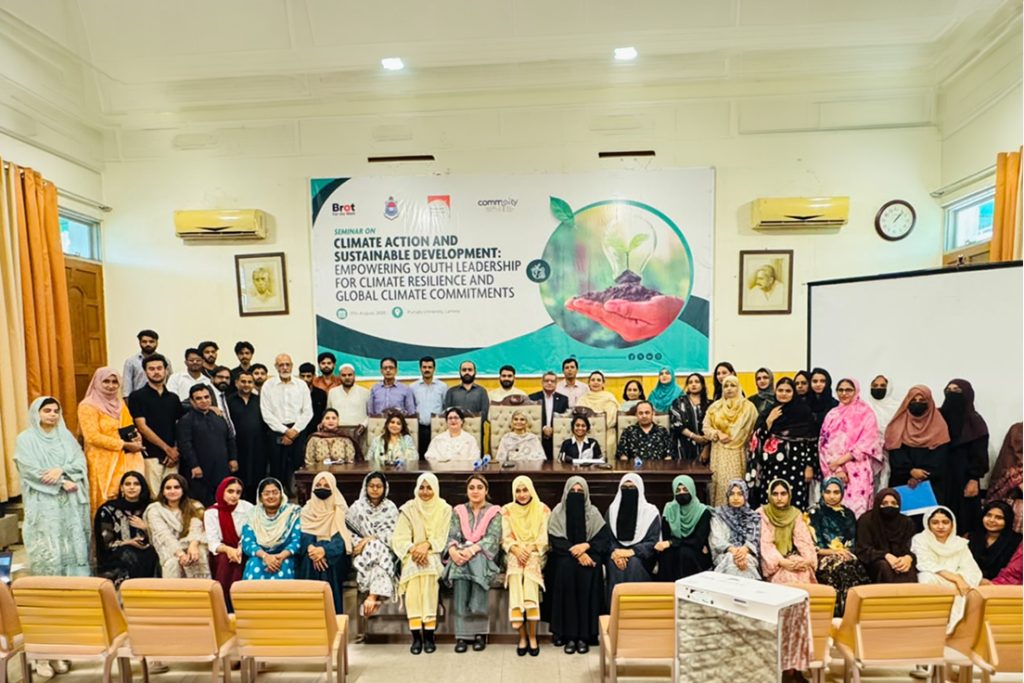
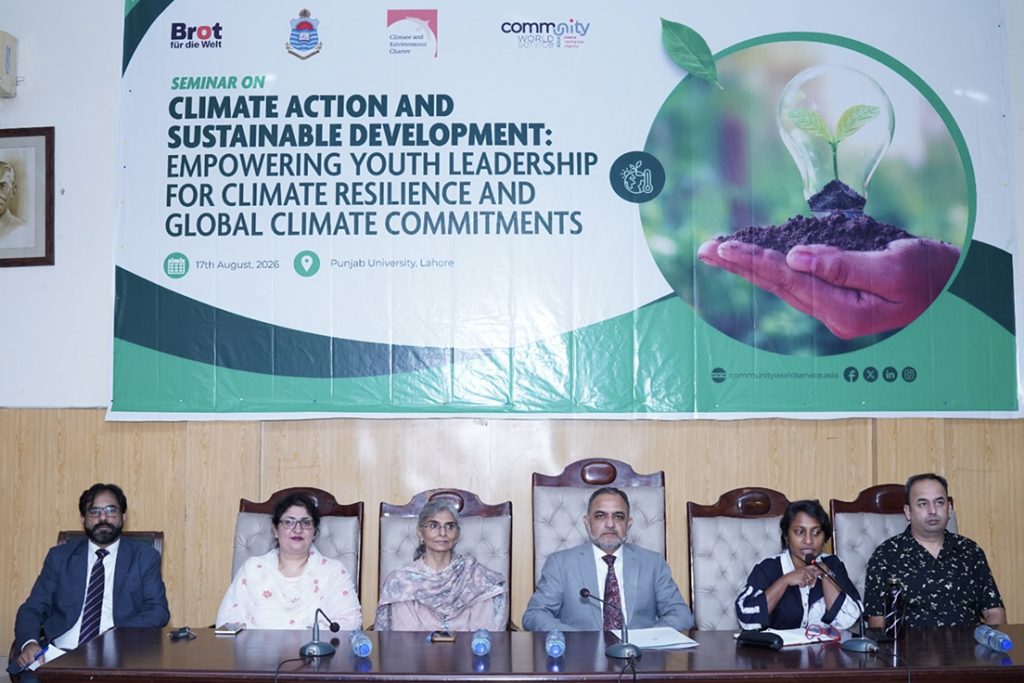
Seminar with University of Punjab
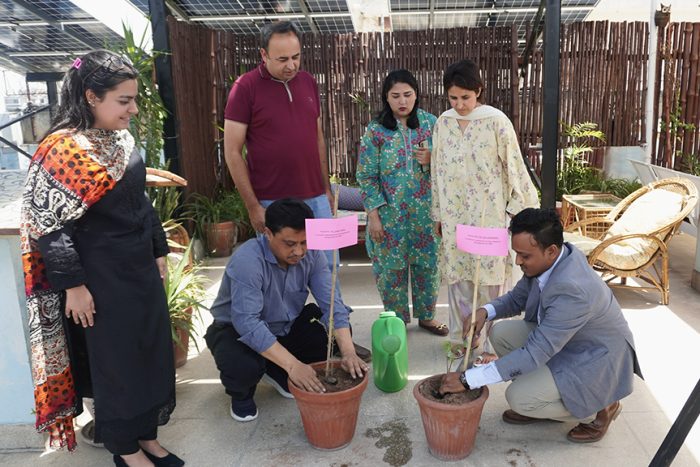
The seminar was organised in collaboration with the Department of Social Work, University of the Punjab, Lahore, under the theme “Climate Action and Sustainable Development: Empowering Youth Leadership for Climate Resilience and Global Climate Commitments.” It brought together students, academia, civil society and development practitioners to discuss Pakistan’s climate challenges and the urgent need to translate global climate commitments into meaningful, locally led action.
A key highlight was the keynote address by Ms. Nishanie Jayamaha, Co-Coordinator, Climate Charter, on “Climate Leadership and the Climate and Environment Charter – Inspiring Collective Action.” She introduced the Climate and Environment Charter for Humanitarian Organizations as a framework for transformational change and emphasized the need to strengthen adaptation to climate and environmental crises, reduce the environmental footprint of humanitarian work, develop evidence-based solutions, and place local actors and communities at the centre of climate action.
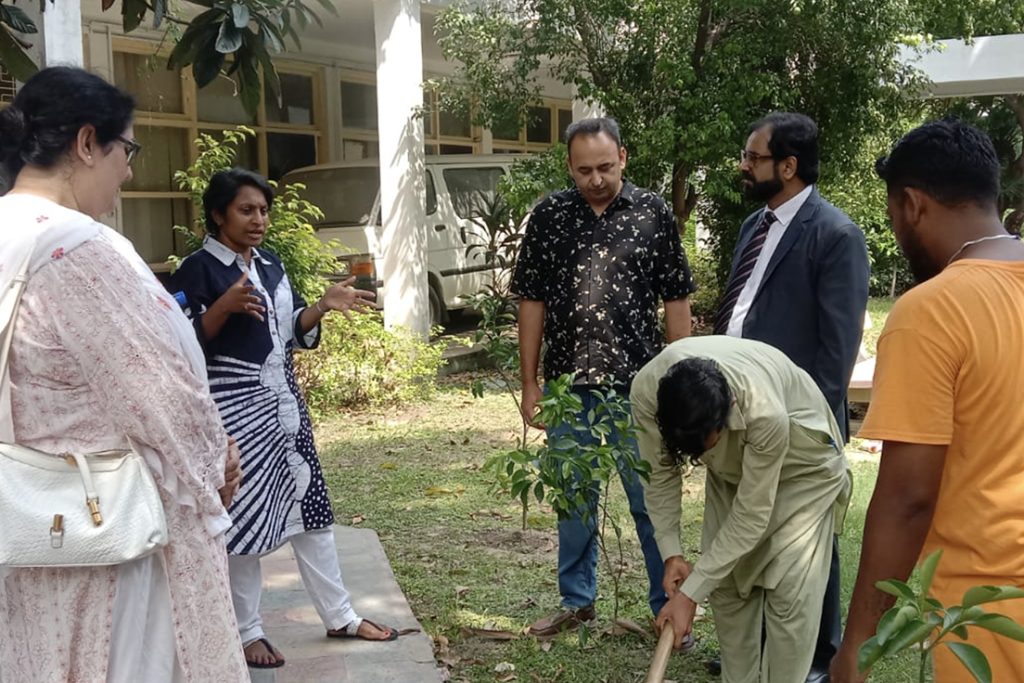
The seminar highlighted the growing global engagement with the Charter, which has 540 signatories and 14 state supporters, representing a broad range of humanitarian, development, research and civil society organizations. The seminar concluded with the plantation activity, symbolizing the importance of translating climate dialogue and commitments into practical environmental action.
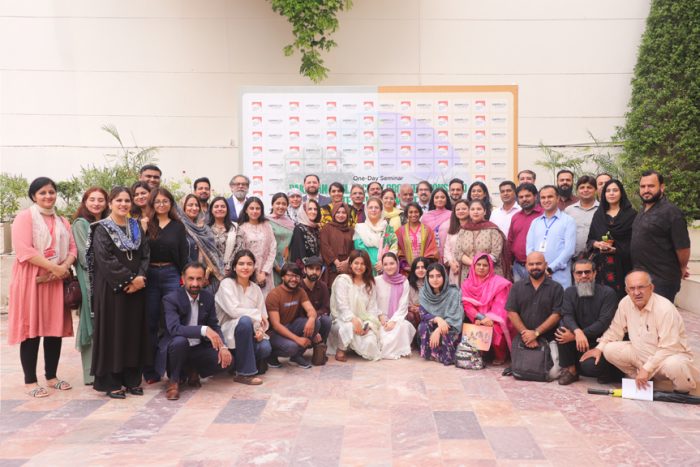
One-Day Seminar with Pakistan CSOs & the Climate and Environment Charter From Global Commitments to Local Action: Strengthening Climate Resilience in Pakistan
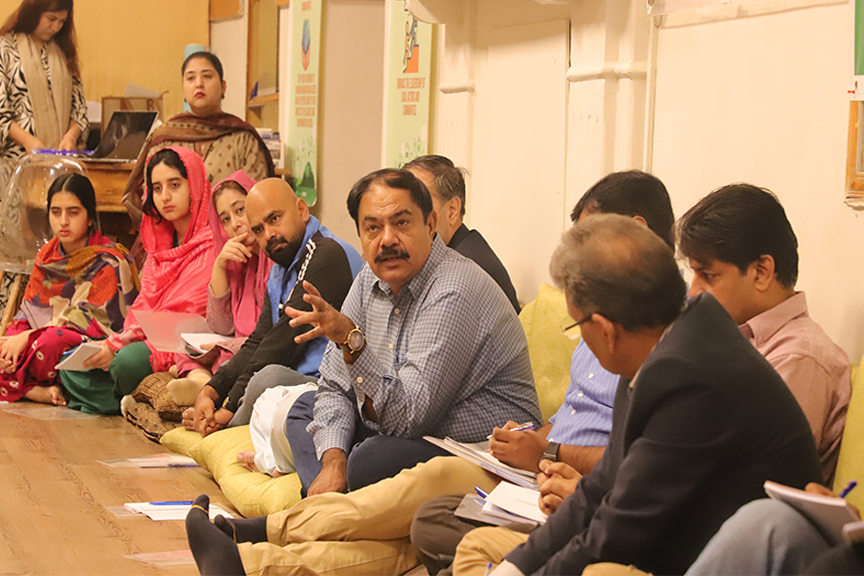
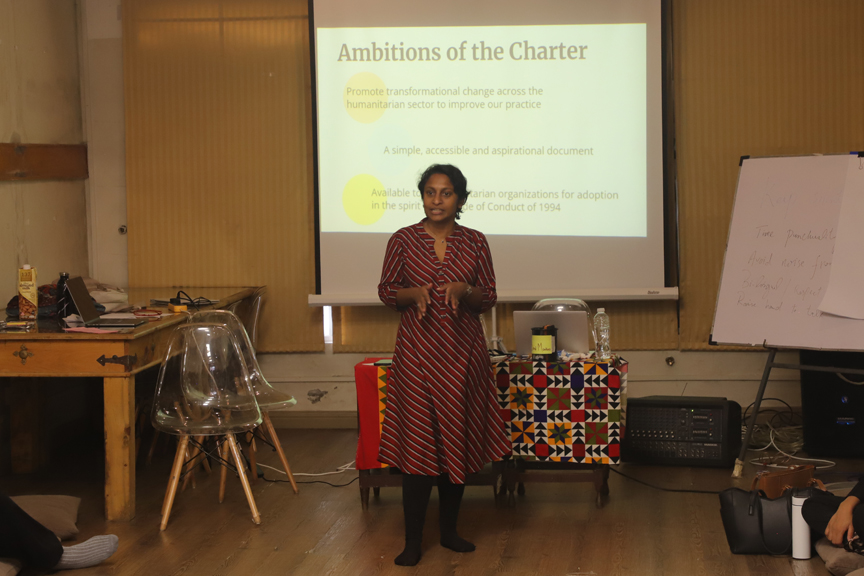
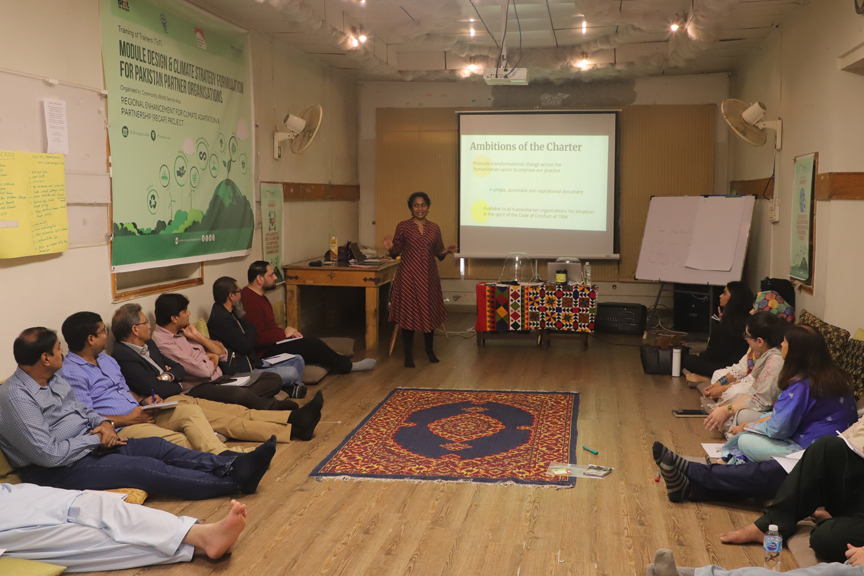
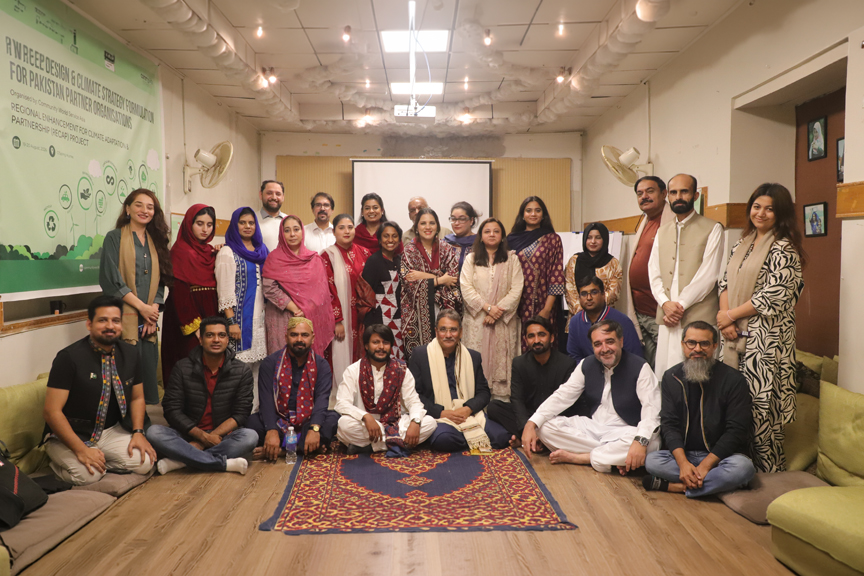
Community World Service Asia (CWSA), in collaboration with the Climate and Environment Charter for Humanitarian Organizations and Climate Action Forum (CAF) Pakistan, organised a National Training on the Climate and Environment Charter for Responsible Climate Action on 19–20 August 2026 at CWSA’s Training Facility in Murree.
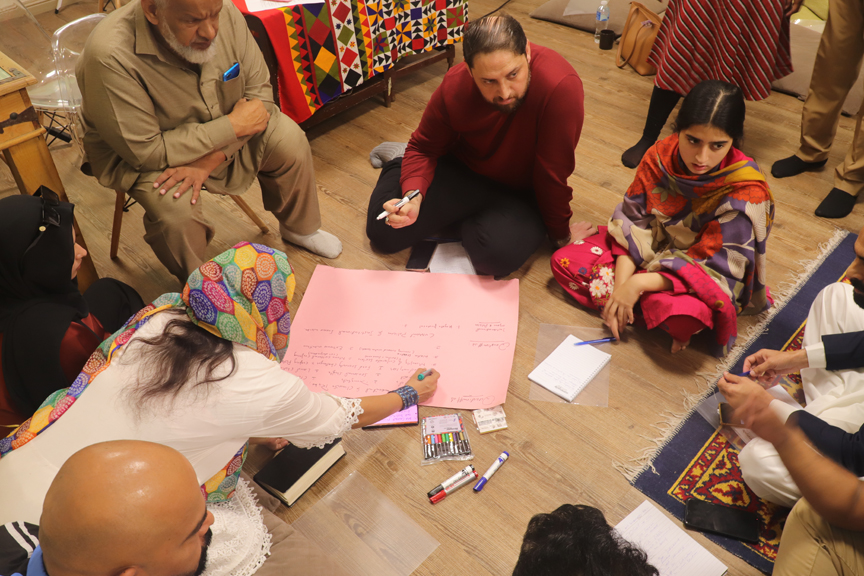
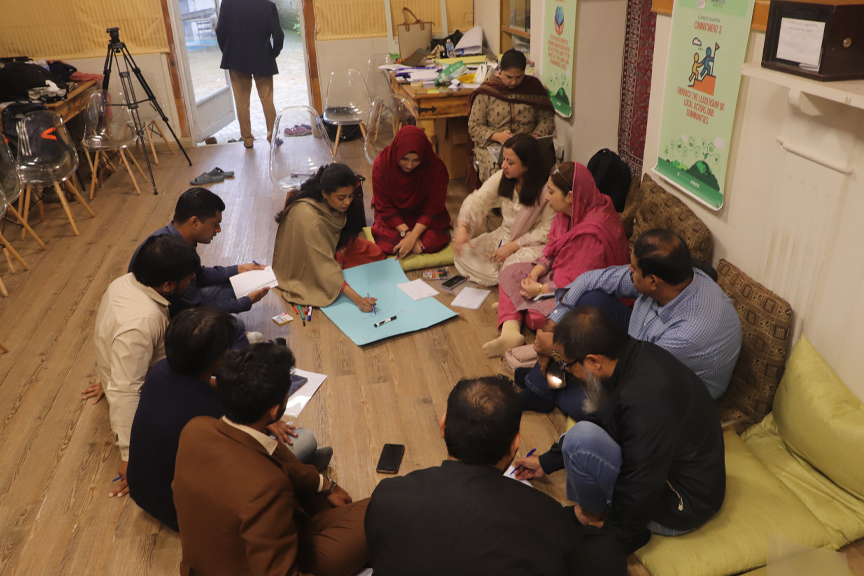
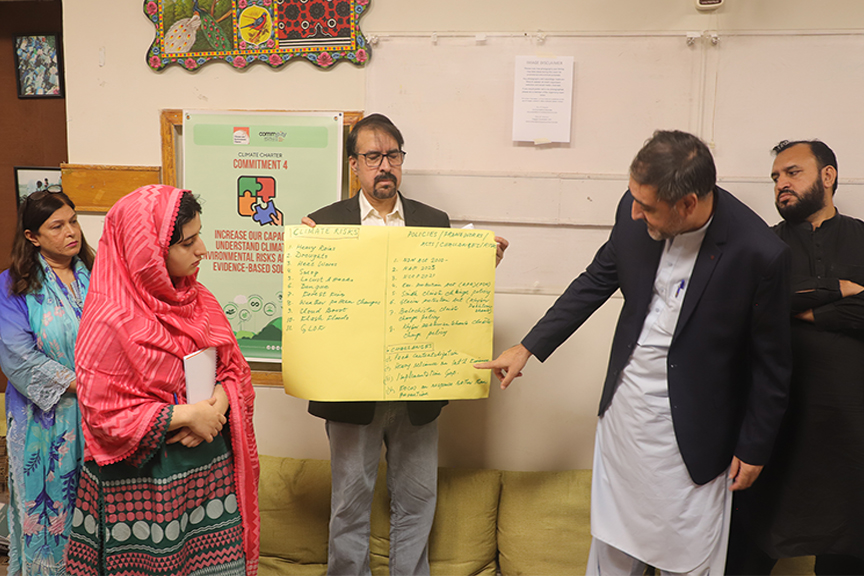
The two-day training brought together around 30 representatives from NGOs, CWSA RECAP Project partners, CAF Pakistan, and members and signatories of the Climate and Environment Charter. Through interactive sessions and practical exercises, participants explored the Charter’s principles and commitments and developed organisational action plans to strengthen climate-resilient and environmentally sustainable humanitarian and development programming.
The training was facilitated by Nishanie Jayamaha, Co-Coordinator, Climate and Environment Charter Secretariat; Dr. Manzoor Ahmed, Programme Advisor, CWSA; and Danish Batool Zaidi, MPH, Programme Coordinator, CWSA.
The training was followed by a one-day seminar, “From Global Commitments to Local Action: Strengthening Climate Resilience in Pakistan,” bringing together Pakistan’s civil society organisations and the Climate and Environment Charter.
The seminar focused on Pakistan’s climate realities, the role of civil society in generating evidence for climate sustainability, and the relevance of global climate and environmental commitments for organisations working in Pakistan.
The seminar explored Pakistan’s climate realities and national commitments, the role of CSOs in generating evidence for climate sustainability, and the Climate and Environment Charter’s principles and commitments. Participants also discussed practical ways to integrate climate action into organisational work and identified opportunities for continued collaboration and collective action.
National Training on Climate and Environment Charter for Responsible Climate Action
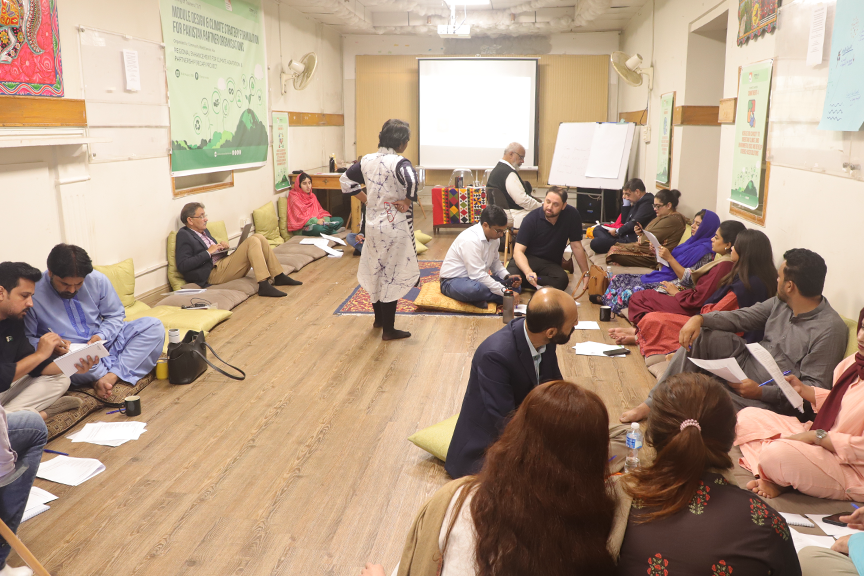
Community World Service Asia (CWSA), in collaboration with the Climate and Environment Charter Secretariat and Climate Action Forum (CAF) Pakistan, organised a two-day national training at CWSA Training Facility, Murree, Pakistan to strengthen understanding and implementation of the Climate and Environment Charter.
The training brought together around 30 representatives from NGOs, CWSA RECAP Project partners, CAF Pakistan, and members and signatories of the Charter. Participants explored the Charter’s principles and commitments and developed practical organisational action plans to strengthen climate-resilient and environmentally sustainable humanitarian and development programming.
The training explored the importance of climate and environmental action, introduced the Climate and Environment Charter and its application to humanitarian action, and examined its key commitments. Participants also explored how climate and environmental considerations can be integrated into organisational programming and operations.
The sessions further focused on developing organisational targets and goals, with participants working on practical action plans and receiving feedback to translate Charter commitments into concrete steps.
The training was facilitated by Nishanie Jayamaha, Co-Coordinator, Climate and Environment Charter Secretariat; Dr. Manzoor Ahmed, Programme Advisor, CWSA; and Danish Batool, Programme Coordinator, CWSA.
The training reinforced a key message: turning climate and environmental commitments into action requires practical planning, organisational ownership, and collective effort.
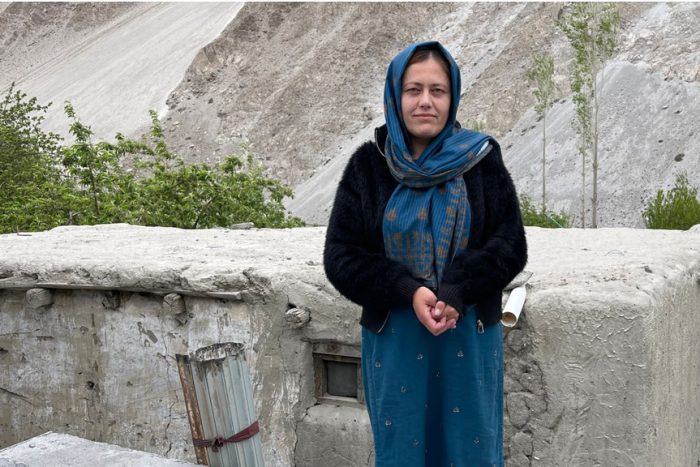
In the aftermath of disaster, recovery is about more than just rebuilding homes. It is about restoring hope and dignity to create a better future. For Hina Kabeer, a devastating earthquake in Pakistan’s Chipurson Valley, Gilgit-Baltistan on 19 January 2026 marked the beginning of an unexpected journey. Faced with the loss of her home, livelihood and sense of security, she refused to let adversity define her future. Through resilience and determination, Hina transformed one of the most challenging moments of her life into an opportunity to rebuild, not only for herself, but for her three children.
Hina Kabeer, a resident of Zoodkhun village in Chipurson Valley, lived with her husband and children. Before the earthquake, the family relied on agriculture as their primary source of income, cultivating crops and managing small-scale farming activities to meet their daily needs.
Life was not without its challenges. Hina’s husband was chronically ill with Arthritis and unable to work, leaving to shoulder much of the responsibility for supporting the household while caring for their four daughters aged 5 to 12, who were studying in Classes 1, 2, 6 and 7. caring for her family. Despite these hardships, Hina remained committed to providing stability for her children and ensuring they could continue their education.
Displacement and Loss
The powerful earthquake caused widespread destruction, leaving Hina’s home completely destroyed, forcing her family to leave their village. In addition to losing their home, they also lost their source of livelihood. This loss caused Hina and her family great amounts of stress, anxiety, and uncertainty about the future. The displacement made it difficult to adjust to a new environment, and Hina worried constantly about providing food, shelter, and education for her children. The earthquake severely damaged irrigation channels that sustained their farmland, making it impossible to continue agricultural activities. “Our land is still there, but without water, we cannot grow anything,” Hina recalled.
With no income source and no permanent shelter, the family relocated to Gulmit Gojal, where they lived in temporary accommodation while facing growing financial and emotional hardship. Despite the loss of both home and livelihood, Hina remained determined to support her family. She ensured her children continued their education despite the disruption and began exploring ways to earn an income and rebuild their lives. “I wanted to do something for my children, but I had no resources to start,” she shared.
Emergency Relief in Action
At this critical moment, Community World Service Asia (CWSA), in collaboration with ACT Alliance, provided timely humanitarian assistance to Hina’s family. The support included Multi-Purpose Cash Assistance (MPCA) of PKR 60,000 (215 USD), along with essential non-food items (NFIs), including four blankets, four mattresses, a wood stove and a tarpaulin.
This timely and flexible assistance enabled Hina to address her family’s most urgent needs while also investing in their future. Rather than spending the cash assistance solely on immediate consumption, she used it to purchase the furniture and basic equipment needed to establish a small restaurant in Gulmit Gojal. There, she serves breakfast and lunch, including traditional local (desi) dishes. The restaurant now provides a stable source of income, generating approximately PKR 50,000 per month and enabling Hina to support her family. This decision marked a turning point in her recovery, transforming the loss of her livelihood into an opportunity to rebuild.
The restaurant has brought meaningful improvements to the family’s lives including:
A stable source of income
Continued support for her three children’s education
Improved access to food and other essential needs
Greater financial independence and confidence
“Now, I can manage my household expenses and support my children,” Hina said.
Beyond supporting her own family, Hina’s restaurant also serves the local community by providing affordable meals and contributing to the local economy. Her ability to adapt to changing circumstances demonstrates remarkable resilience. When agriculture was no longer a viable source of livelihood, she embraced a new opportunity and successfully established a small business.
Standing Strong, Looking Ahead
Reflecting on her journey, Hina expressed heartfelt gratitude to Community World Service Asia (CWSA) and ACT Alliance for their timely support during one of the most difficult periods of her life. With no income and few options after the earthquake, the assistance gave her the opportunity to rebuild with dignity and confidence.
“This support helped me stand on my own feet and rebuild our lives,” Hina said.
Looking ahead, Hina hopes to further develop her restaurant and strengthen her family’s financial security. While the business now provides a stable source of income, it remains modest and requires additional support to grow sustainably. Her aspirations include expanding the restaurant, improving its facilities and equipment, and increasing its income so she can better provide for her family.
Hina’s journey is a testament to the power of resilience, determination and timely humanitarian assistance. Although the earthquake upended her life, it also marked the beginning of a new chapter. With support from CWSA and ACT Alliance, Hina was able to meet her family’s immediate needs while investing in a sustainable livelihood. Today she is not only rebuilding her life but also creating a more secure future for her children, one built on hope, dignity and self-reliance.
As part of the Regional Enhancement for Climate Adaptation and Partnership (RECAP) project, a team from the Christian Commission for Development in Bangladesh (CCDB), comprising Mr. Md. Ashik Sarder, Project Coordinator, and Mr. John Rahul Baidya, Project Officer, visited Pakistan from 7–11 June 2026. The visit provided a valuable opportunity to strengthen regional collaboration, exchange experiences, and deepen partnerships among RECAP consortium members working across South Asia to enhance climate resilience and adaptation capacities.
A key component of the visit was the engagement with RECAP partner organisations and national institutions, providing the CCDB team with firsthand exposure to diverse approaches, experiences, and initiatives being implemented across Pakistan to address climate and development challenges.
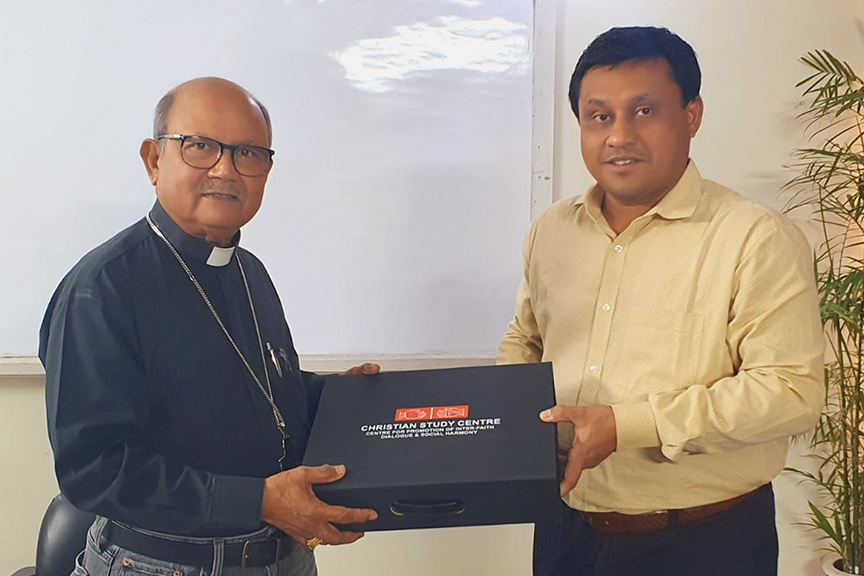
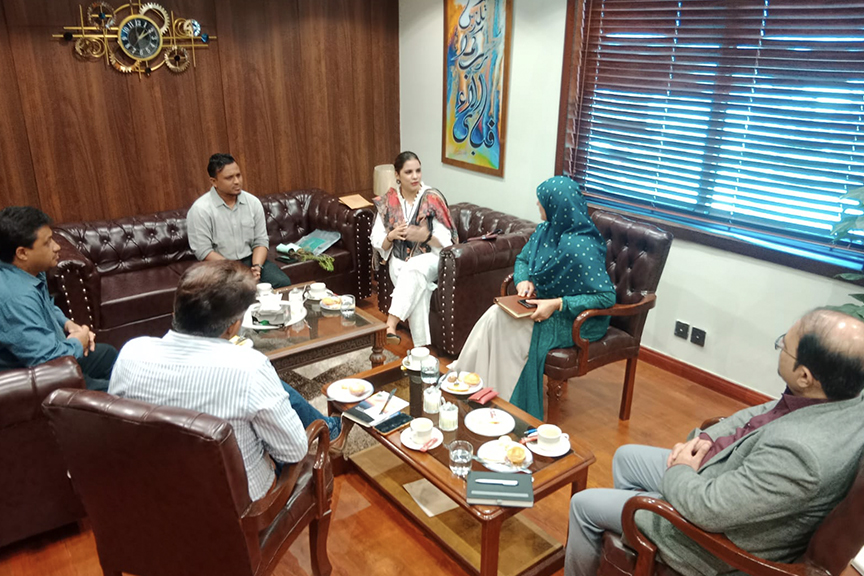
Visit to Christian Study Centre (CSC) – 8 June 2026
On 8 June 2026, the CCDB team visited the Christian Study Centre (CSC) in Rawalpindi, where they were briefed on the organization’s longstanding commitment to promoting social justice, peacebuilding, interfaith harmony, and community empowerment. CSC shared insights into its work with marginalised communities, youth engagement initiatives, climate justice programming, and advocacy efforts aimed at fostering inclusive and resilient societies. The discussion highlighted the importance of integrating social cohesion and community participation into climate adaptation efforts, while providing an opportunity for both organisations to exchange experiences, lessons learned, and explore areas of mutual learning and collaboration.
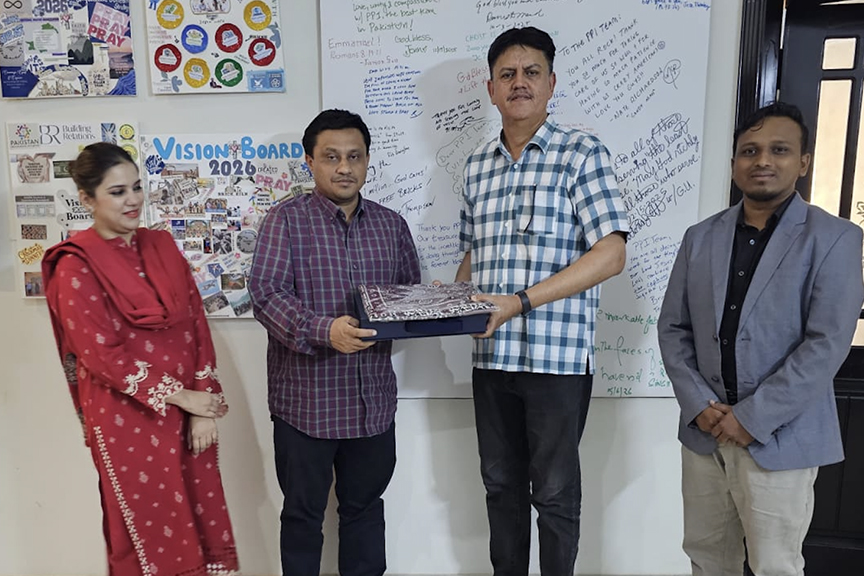
Visit to Pakistan Partnership Initiative (PPI) – 9 June 2026
On 9 June 2026, the CCDB team visited the Pakistan Partnership Initiative (PPI), where they received an overview of the organisation’s role in strengthening local civil society organizations through capacity building, institutional development, and partnership facilitation. PPI shared its experiences in supporting community-led development initiatives, enhancing organisational effectiveness, and promoting sustainable development practices across Pakistan. Discussions focused on approaches to strengthening local capacities, fostering collaborative networks, and enabling grassroots organisations to play a greater role in addressing climate and development challenges. The exchange provided valuable insights into effective partnership models and strategies for strengthening community resilience through local ownership and collective action.
Visit to Global Change Impact Studies Centre (GCISC), MOCC – 10 June 2026
On 10 June 2026, the CCDB team visited the Global Change Impact Studies Centre (GCISC), operating under Pakistan’s Ministry of Climate Change. The team was introduced to GCISC’s mandate and its contributions to climate science, policy research, and evidence-based decision-making in Pakistan. The briefing highlighted the Centre’s work on climate modeling, vulnerability assessments, adaptation planning, disaster risk reduction, and policy support for national climate action. Discussions explored emerging climate trends, adaptation priorities, and the critical role of research institutions in informing policy and practice. The interaction enabled participants to better understand how scientific knowledge, research, and innovation can support climate resilience efforts and contribute to informed climate action across South Asia.
Capacity Building Training on Nature-Based Solutions (NbS) for Integrated Water and Climate Resilience – 8-10 June 2026
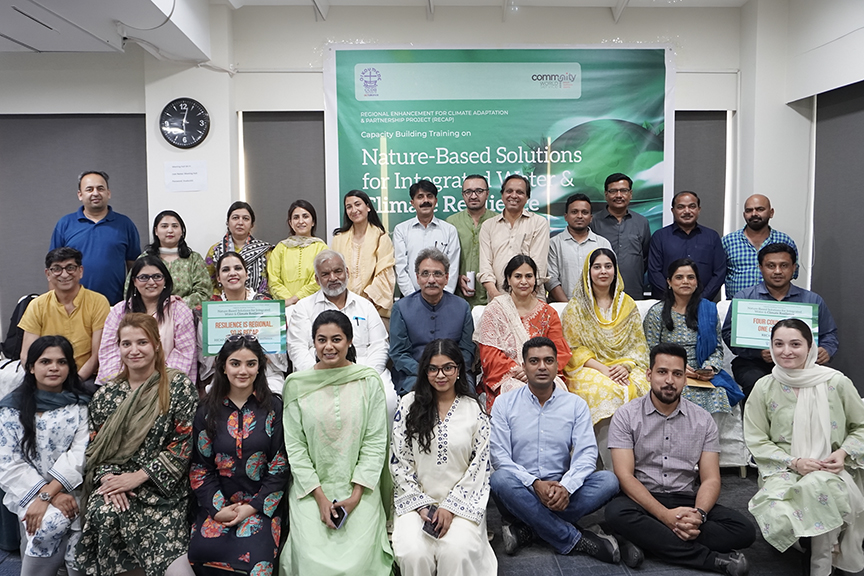
A key highlight of the visit was the participation of the CCDB team in the three-day Capacity Building Training on Nature-Based Solutions (NbS) for Integrated Water and Climate Resilience, organised by Community World Service Asia (CWSA) in Islamabad from 8–10 June 2026. The training brought together representatives from partner organisations, civil society groups, and climate practitioners from across Pakistan. Led by Dr. Manzoor Ahmed, Lead Consultant, CWSA, the training provided participants with a comprehensive understanding of Nature-Based Solutions and their application in addressing climate and water-related challenges. The programme was further enriched by technical sessions delivered by experts, including Dr. Roomi Hayat, Chief Executive Officer, Institute of Rural Management – IRM, Mr. Mahmood Akhtar Cheema, Former Country Representative, IUCN Pakistan, Mr. Haider Raza, Director NbS/North WWF-Pakistan, and Dr. Huma, Senior Research Officer, WWF-Pakistan. Drawing on their extensive experience in climate adaptation, biodiversity conservation, ecosystem restoration, and sustainable natural resource management, the speakers shared practical insights, field experiences, and global best practices for designing and implementing effective Nature-Based Solutions.
The training covered the IUCN Global Standard for Nature-Based Solutions (NbS), climate adaptation, biodiversity conservation, water resilience, gender inclusion, indigenous knowledge, and ecosystem-based approaches. Through expert-led sessions, case studies, and interactive exercises, participants explored practical ways to integrate NbS into organisational and community initiatives. The CCDB team shared experiences from Bangladesh on flood management, wetland restoration, and community resilience, while participants developed action plans to strengthen climate resilience and sustainable ecosystem management.
The CCDB team’s visit to Pakistan was marked by meaningful exchanges, shared learning, and strengthened partnerships among RECAP consortium members and partner organisations. Through institutional briefings, technical discussions, partner engagements, and collaborative learning opportunities, participants gained deeper insights into diverse approaches to climate adaptation, resilience building, and sustainable development being implemented across the region. The visit reaffirmed the importance of regional cooperation, cross-country learning, and knowledge sharing in addressing the growing challenges of climate change. These strengthened partnerships, shared experiences, and collective commitments will continue to contribute to the objectives of the RECAP project, fostering greater collaboration and enhancing climate adaptation and resilience-building efforts across South Asia.
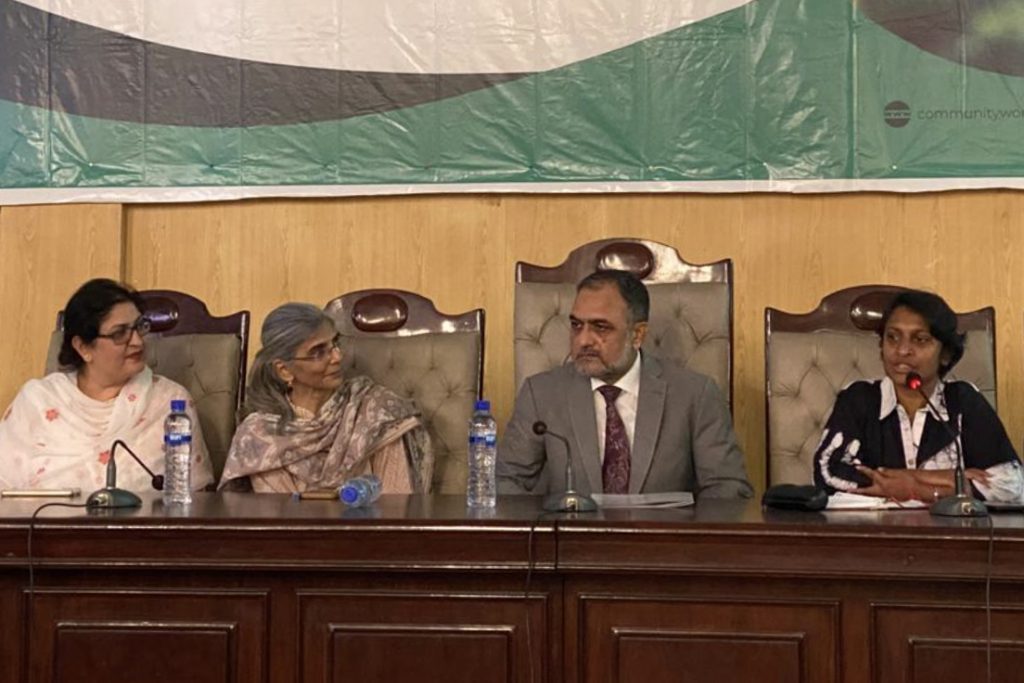
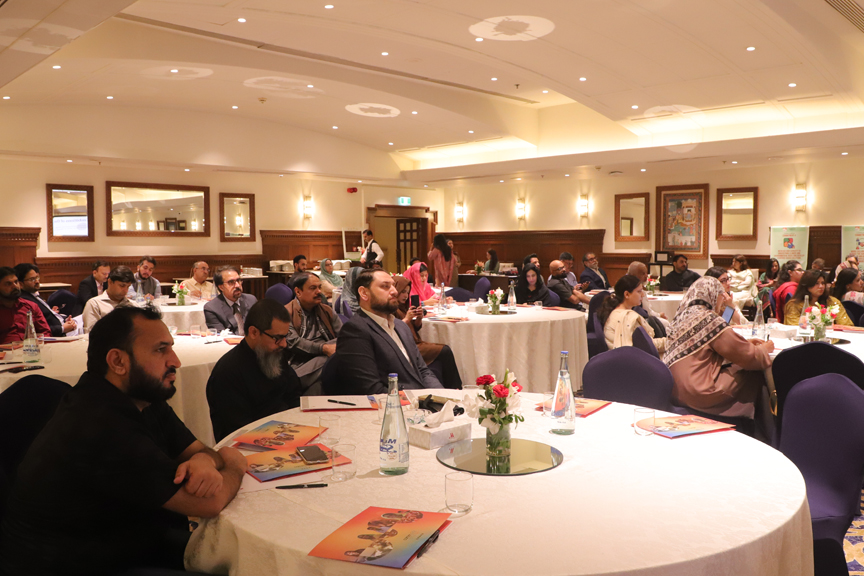
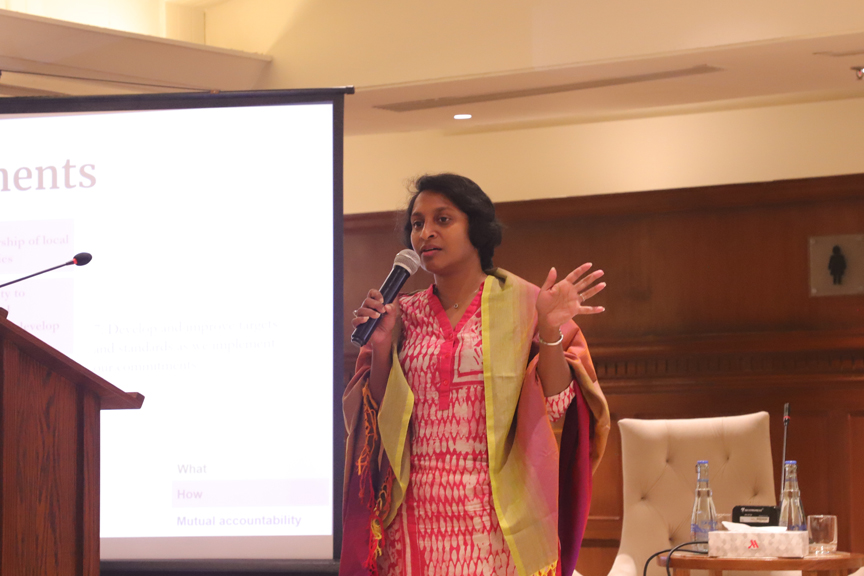
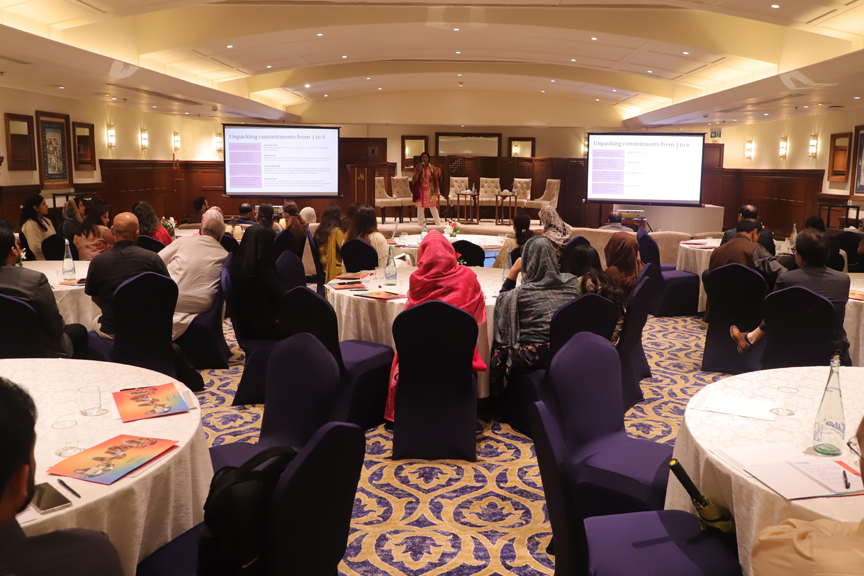
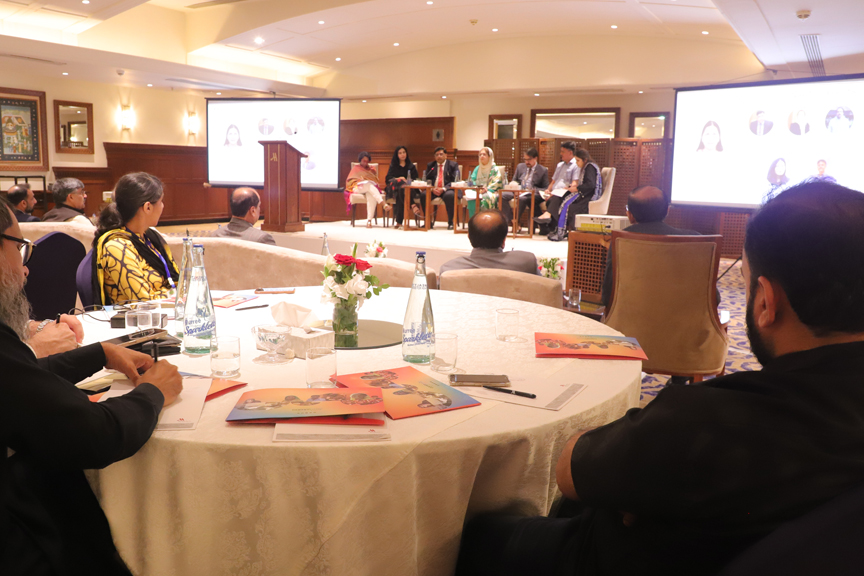
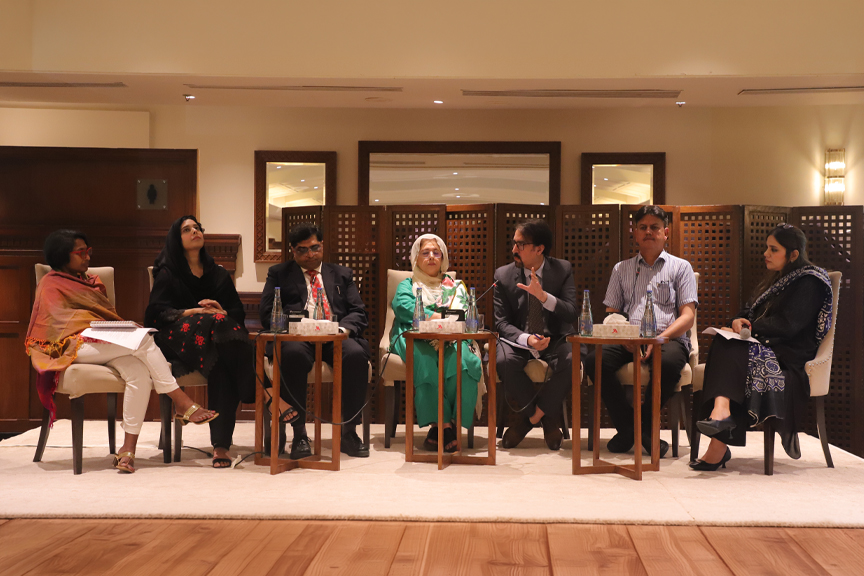
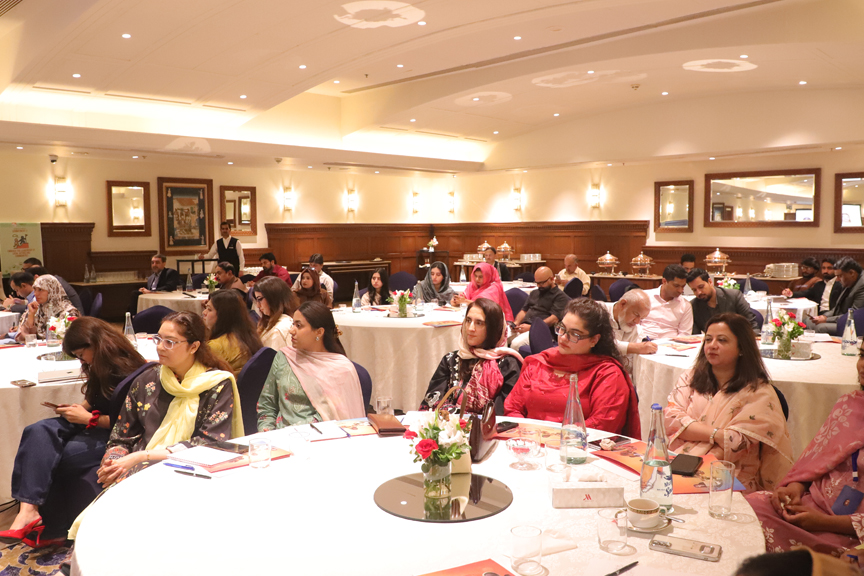
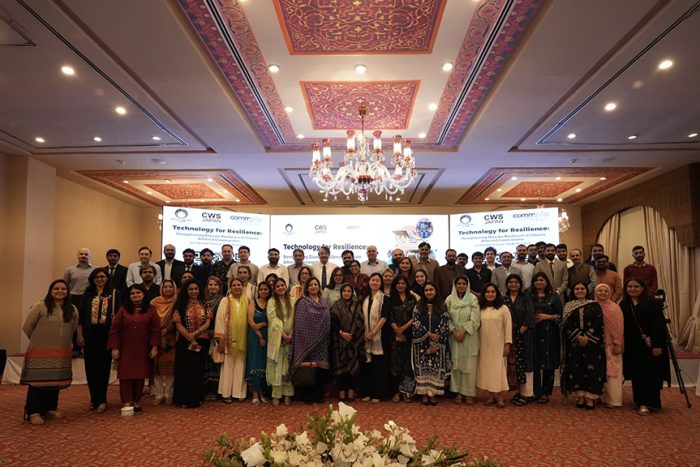
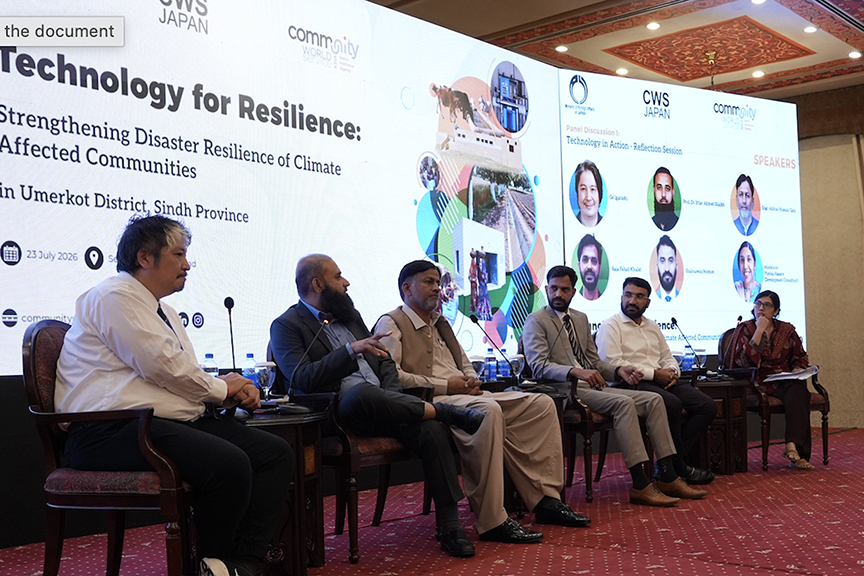
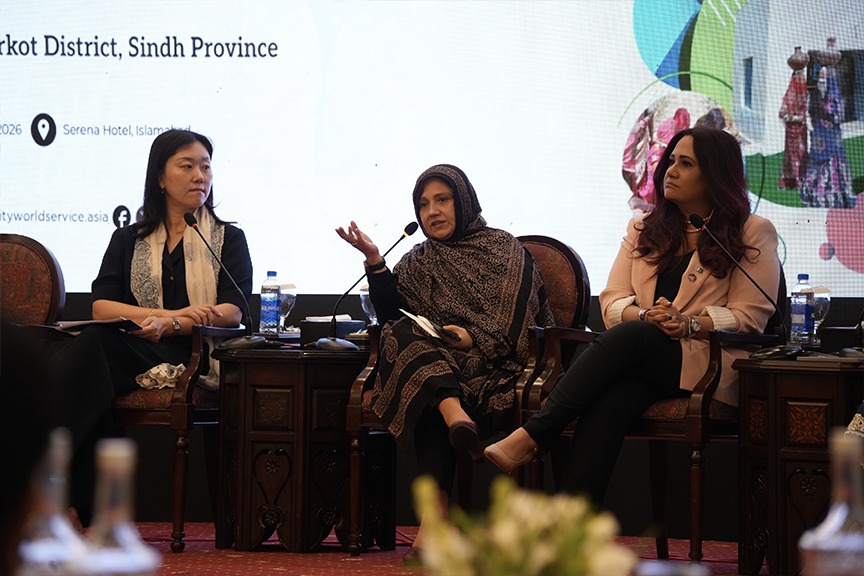
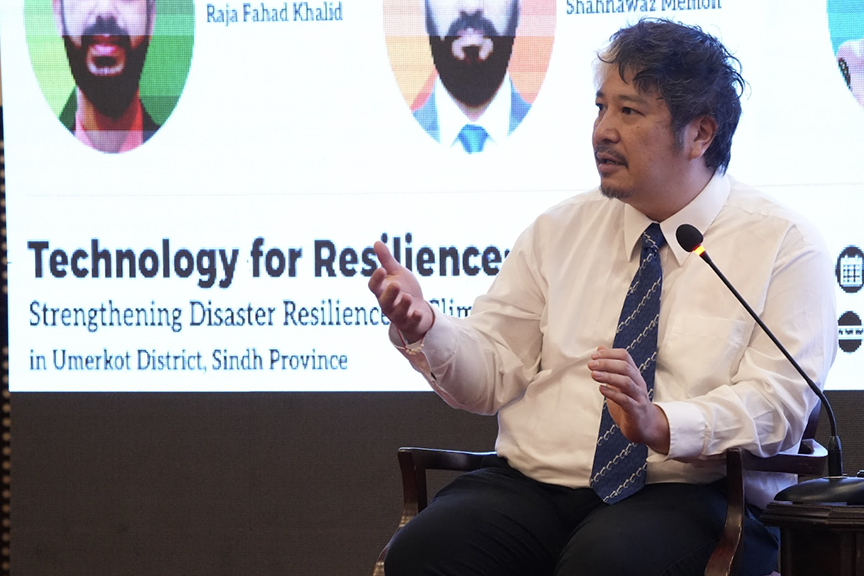
On 23 July 2026, Community World Service Asia (CWSA) and CWS Japan, with the support of the People of Japan, hosted Technology for Resilience: Strengthening Disaster Resilience of Climate-Affected Communities at the Serena Hotel in Islamabad. The half-day experience-sharing event brought together government institutions, academia, NGOs, UN agencies, the private sector and community representatives from Umerkot District to reflect on six years of resilience programming and explore how technology and innovation can strengthen climate adaptation and disaster risk reduction.
At the heart of the event were the experiences of communities themselves.
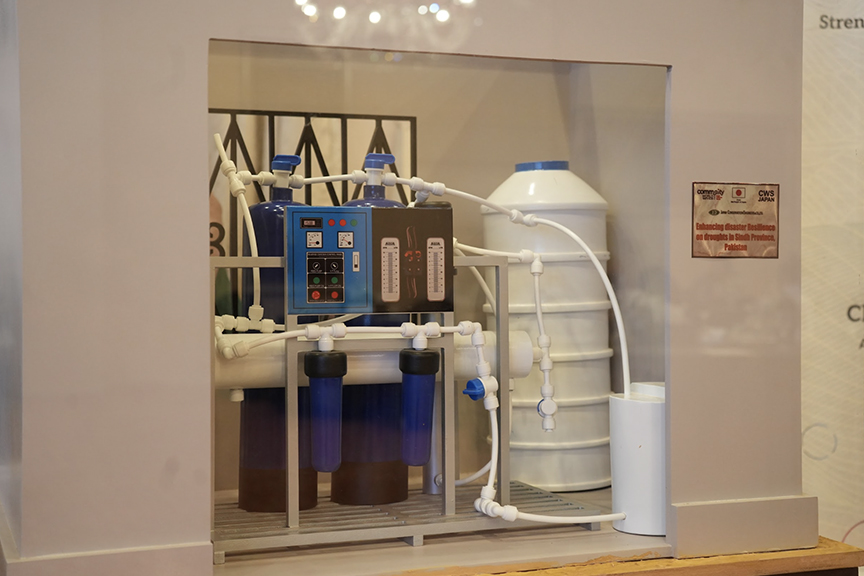
“Water is dearer and more expensive than gold for us.” — Ms. Dahi, community member, Umerkot For Ms. Dahi, access to safe drinking water once meant spending entire days travelling to collect it. The installation of a reverse osmosis (RO) plant in her village one of 24 installed under the project has brought the water source closer to home, improving access to safe water and easing the chronic back pain she experienced from years of carrying water over long distances.
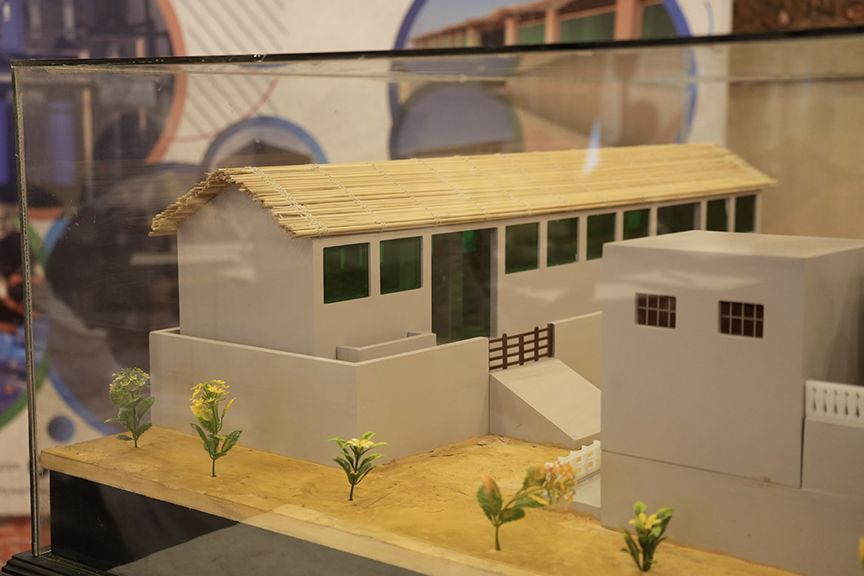
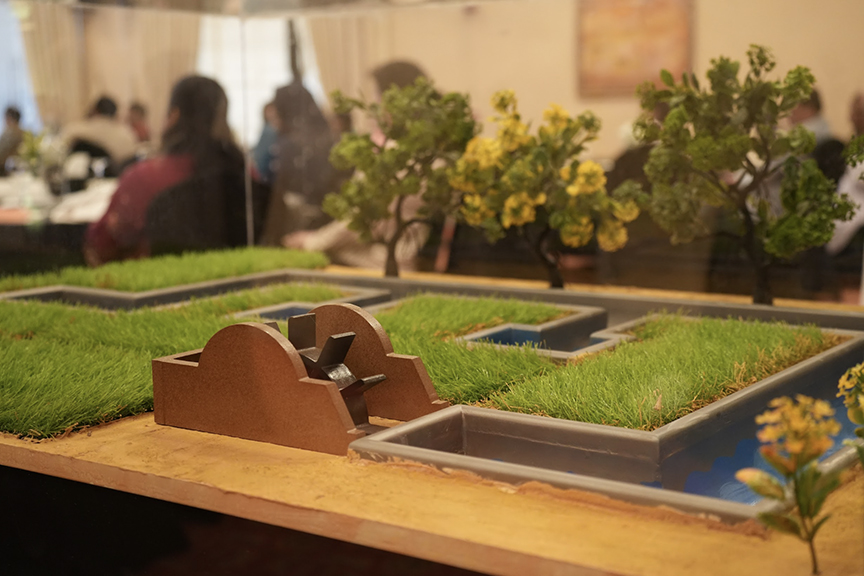
For Mr. Sikander, lined water channels helped transform flood-damaged agricultural land. Improved water management enabled him to expand his farmland from 8 to 12 acres and establish a flourishing kitchen garden.
Mr. Gulzar spoke about a different kind of transformation. After losing his home to floods, the introduction of safe evacuation shelters, mock drills and disaster risk reduction awareness has helped his community move from facing disasters with uncertainty to being better prepared for what may come.
These stories reflect a broader journey of resilience programming in Umerkot. Over six years, three complementary interventions responded to evolving community needs: RO plants from 2020–2023, water channel lining from 2024–2025, and evacuation shelters and flood risk mapping from 2025–2026.
When Community Knowledge Becomes Data
One of the strongest messages emerging from the event was that technology is most effective when it is combined with local knowledge.
In Umerkot’s flat terrain, satellite imagery alone cannot always provide a complete picture of flood risk. Communities therefore contributed their own knowledge of where floodwaters had previously travelled, which areas had been submerged and which routes remained accessible. This information was translated into hazard maps using QGIS, turning lived experience into data that could support preparedness and planning.
Technology was also used to identify suitable locations for safe drinking water infrastructure. Electrical Resistivity Surveys conducted across 28 villages helped identify areas with access to fresh groundwater, informing the placement of 24 RO plants.
But technology was only one part of the solution. The infrastructure is sustained by Village Management Committees, trained local operators and community contributions, demonstrating how local ownership can determine whether an intervention remains useful long after a project ends.
Inclusion Is Part of Innovation
The event also highlighted that access to technology must go beyond providing digital tools or infrastructure.
Project materials were translated into Sindhi and Dhatki, ensuring that communities could understand and participate in the interventions affecting their lives. Local committees were involved in managing infrastructure, while community members contributed their knowledge to risk mapping and preparedness planning.
The message was clear: innovation does not always mean the highest technology; it means technology that is appropriate, relevant and accessible.
As Ms. Minyoung Kim of the United Nations Development Programme (UNDP) noted, “Innovation does not always mean the highest technology; it means technology that is appropriate, relevant, and accessible.”
From Local Experience to a National Conversation
The event provided a space for community experiences to inform a wider conversation on climate resilience and disaster risk reduction.
Representatives from the National Disaster Management Authority (NDMA), United Nations Development Programme (UNDP), International Water Management Institute (IWMI), Fatima Group, Pakistan Meteorological Department (PMD), Pakistan Council of Research in Water Resources (PCRWR) and academia joined community members in discussing how technology can support more effective and inclusive climate action.
Discussions highlighted the importance of strengthening data sharing, improving access to technology and digital skills, and ensuring that innovation does not deepen existing inequalities. NDMA shared insights into the use of artificial intelligence and satellite imagery for disaster management, while UNDP emphasised the importance of appropriate and accessible innovation. IWMI highlighted the risk that the digital divide can further exclude vulnerable communities, while the private sector brought perspectives on strengthening resilient agriculture and aligning investments with longer-term sustainability targets.
The Way Forward
The discussions pointed towards several priorities for strengthening climate resilience:
Improve data-sharing mechanisms, with national and provincial disaster management authorities playing a leading role.
Close the digital divide through greater access to technology, information and capacity building.
Put communities at the centre of climate and disaster risk reduction policies and planning.
Connect scientific and technological tools with local knowledge to develop solutions that respond to actual community needs.
Expand successful approaches to neighbouring communities facing similar climate and disaster risks.
The event also reinforced the importance of collaboration. Government institutions, civil society, academia, UN agencies, the private sector and communities each hold different pieces of the resilience puzzle. Bringing these perspectives together can help turn data, technology and knowledge into practical protection.
A Cake That Everyone Must Bake
Closing the event, Mr. Go Igarashi of CWS Japan shared a Japanese expression, “e ni kaita mochi,” a picture of a cake that looks delicious but cannot actually be eaten.
The analogy captured the central lesson of the day: a sophisticated hazard map, evacuation plan or technological solution has limited value if it remains on paper or inside an office. Technology creates resilience when communities can understand it, access it, use it and ultimately take ownership of it.
A picture of a cake feeds no one.
By bringing together technology, community knowledge, local ownership and partnership, the experience from Umerkot demonstrates how maps and plans can become meaningful protection and how climate resilience can move from a concept to something communities experience in their everyday lives.