

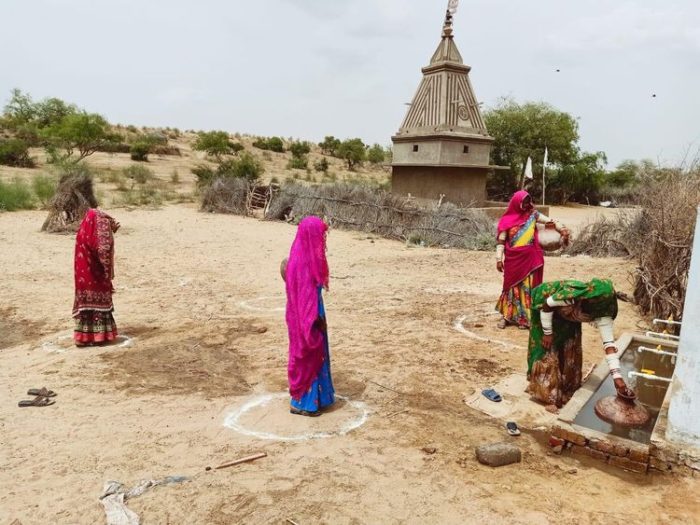
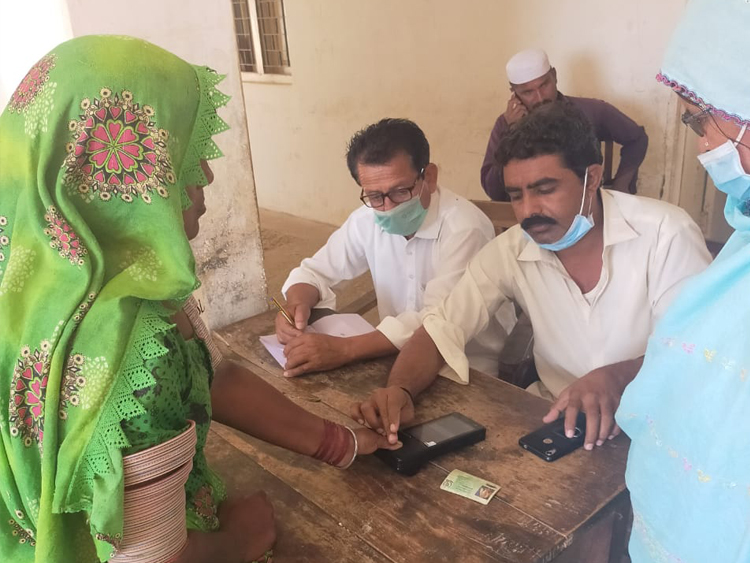
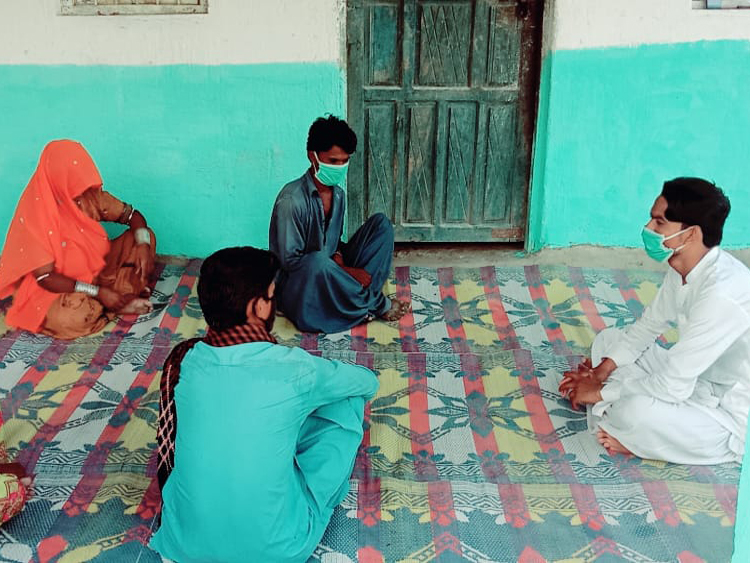
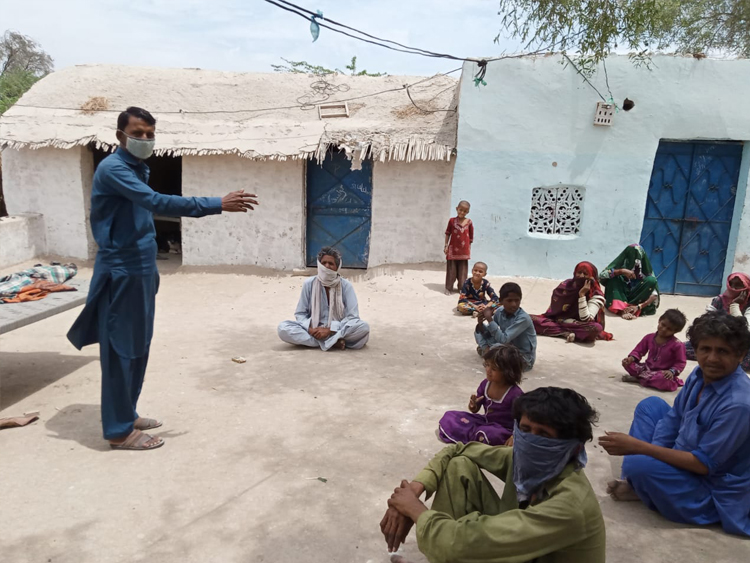
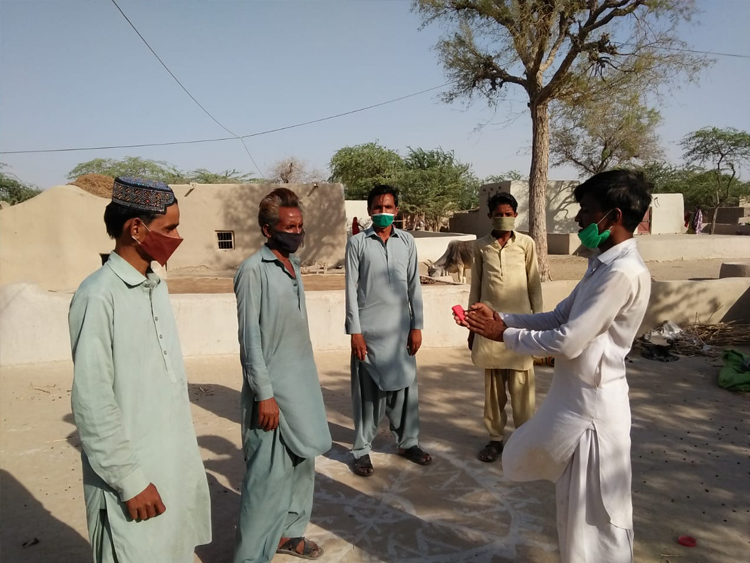
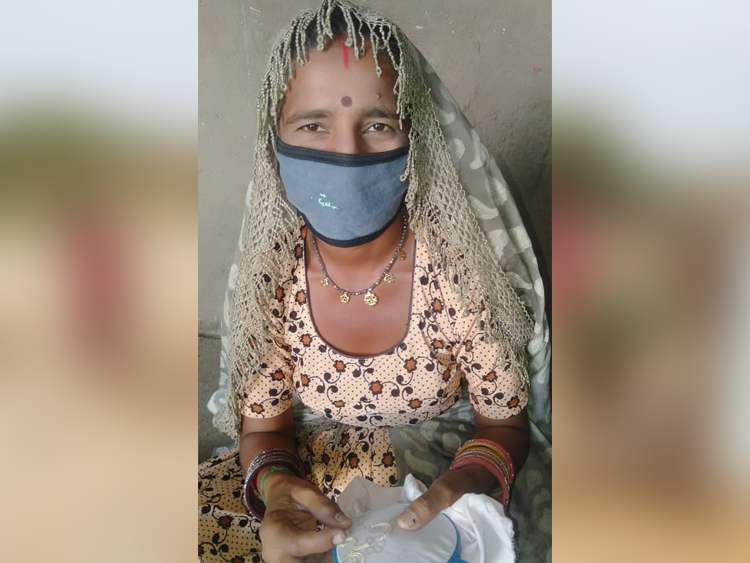
Photo Credit: Sun/Fayaz Moosa
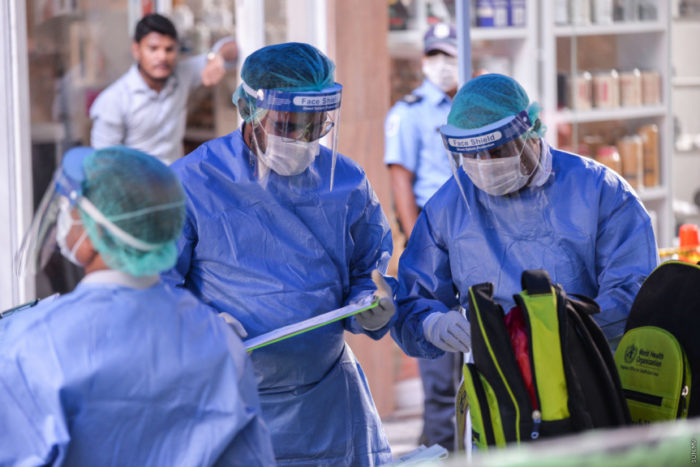
The COVID-19 pandemic poses unprecedented challenges to the global humanitarian sector. At a time like this, coordination among governments, the non-profit sector, the civil society and other partners is imperative to ensure that those most affected by the crisis are well supported.
COVID-19 has affected everyone without exception and this is a very unique moment in our history. All of us present today, networks, organisations and individuals, need to ask ourselves what our value addition as humanitarian practitioners is in this difficult time,
said Takeshi Komino – Secretary General, Asian Disaster Reduction and Response Network (ADRRN), while moderating the webinar on ‘Humanitarian Coordination during COVID-19’ that was jointly hosted by Community World Service Asia (CWSA) , International Council of Voluntary Agencies (ICVA), Asian Disaster Reduction and Response Network (ADRRN) and Humanitarian Forum Indonesia (HFI) on June 11th, 2020.
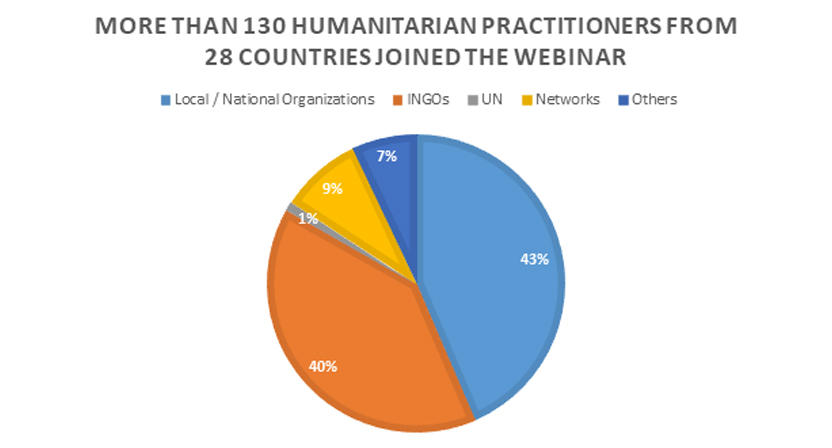
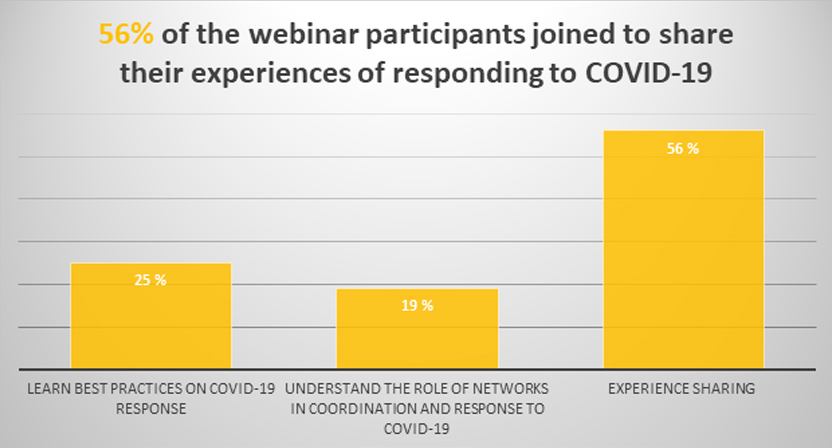
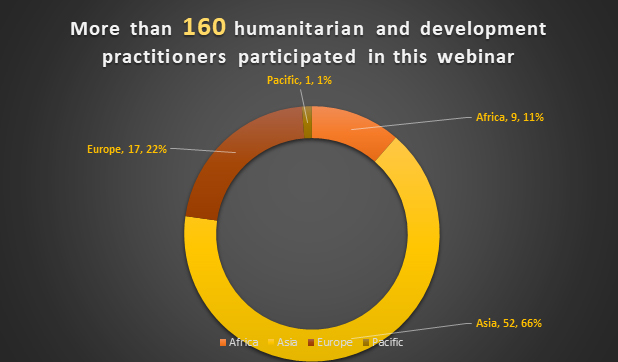
The webinar focused on discussing the impact of the current pandemic on the future of the humanitarian sector and its coordination aspects. During the 90-minutes of the webinar, speakers and participants discussed good practices, challenges, and gained insights of different humanitarian networks and communities working on the ground in response to COVID-19.
Qingrui Huang, Acting Regional Representative for Asia and the Pacific at ICVA, Thailand, Hafiz Amirrol, Network Coordinator at ADRRN, Malaysia and Dear NB Sinandang, Communication and Partnership Manager, HFI participated as key speakers in the webinar.
Channeling awareness raising during COVID-19 response
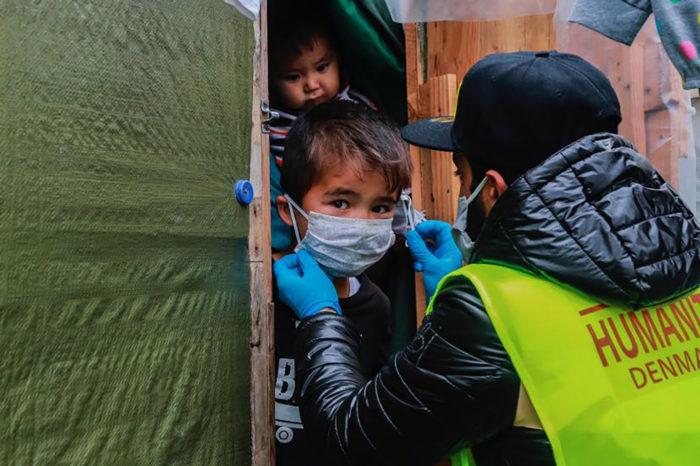
Awareness-raising on COVID-19 in local languages with communities was highlighted as vital for communities to better understand the problem and to take the necessary actions needed to prevent being infected.
Members have come up with effective and innovative ways to interact with communities such as the launch of Covid-19 Car with a voice enhancer. The team travels to remote communities and shares knowledge of Covid-19 with regards to measures that can be taken within households and communities to prevent the spread of the virus,
shared Dear.
Given the possibility that the pandemic can continue for a longer period of time, it is appropriate and necessary to address the actions, skills and capability at both the personal and institutional levels to promote the response of the humanitarian community to the pandemic. Qingrui highlighted the importance of maintaining pre-existing relations as they are key to promote effective and efficient coordination at such a time.
When a country or region is struck by some catastrophe, we cannot establish new partnerships after the tragedy occurs, but rather we establish stronger coordination with our pre-existing partners and stakeholders to participate in joint ventures and remedies. We have also seen donor organisations advocating with their respective governments to provide funding for vulnerable groups and most affected populations.
As well established now, COVID-19 is affecting different people in different ways. Not everyone is affected in the same manner. People with pre-existing weak or complicated health conditions, or the elderly will react to the virus differently than those that are physically healthy and younger in age per se. Therefore, identifying and finding out these pre-existing conditions make all the difference while responding to a unique crisis as such.
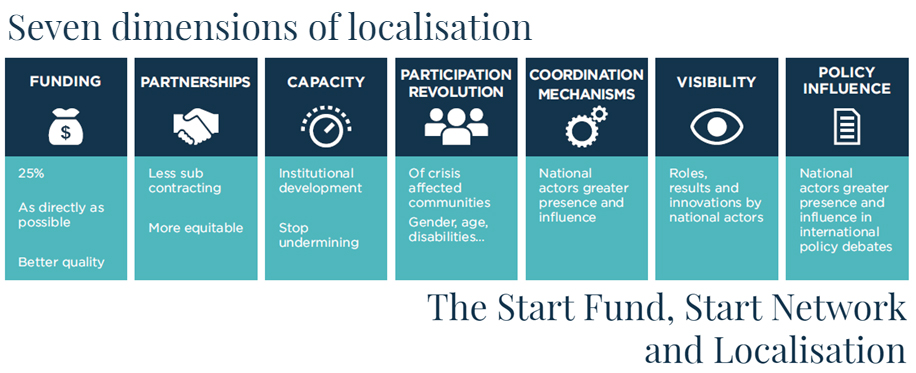
This is one of the reason why localisation in mandatory in the Covid-19 response,
says Takeshi.
Many national and local organisations in the Asian region have adopted innovative advocacy and creative communication activities to best reach and impact the communities they are targeting.
We have seen member organisations engaged in broadcasting health awareness messages, publishing creative infographics and launching videos and short animations,
expressed Hafiz Amirrol,
This pandemic has pushed national and local organisations to do things differently for better risk communications and meaningful localisation. Owing to the reality of restricted travel due to the lockout scenario, we have seen improved localisation leadership. One of the best and effective ways of transferring information and coordination is through the local leaders.
Best Practices on Humanitarian Coordination in COVID-19
As highlighted in ICVA’s introduction, the network’s current work is aligned under its four main focus areas of Forced Migration, Coordination, Financing and Navigating Change, and Covid-19 response. ICVA analyzes and explains new policies, trends and highlights key areas of concern for NGOs to cater to in Covid-19 response. Three briefing papers for Localisation in Covid-19 Global Humanitarian Response have been developed by ICVA recently.
In addition, we are working to influence and advocate by issuing joint NGO statement and collective inputs and feedback on IASC Guidelines such as the Global Humanitarian Response Planning (GHRP) revision process,
shared Qingrui.
Speaking at the webinar, Hafiz Amirrol said,
ADRRN members have been working hard to support people in need at this difficult time and have taken local initiatives to provide health and livelihood support to respective communities. This situation survey documents local initiatives and action taken by ADRRN member organizations in the region in supporting their local and national government to cope with this pandemic. Moreover, ADRRN as a network advocates and promotes the idea of close coordination to the members and consequently we see positive progress of members. By promoting tangible and intangible knowledge and information, members capture and document experiences of good practices in different formats including print and digital media.
The Humanitarian Forum Indonesia (HFI) has also aligned a series of strategic plans to respond to COVID-19. The forum has initiated coordination and communication with internal members and their networks with the government’s Task Force on COVID-19 Response Acceleration at the national and local level (provincial and city/district level). HFI has also introduced a joint need assessments and networking with strategic partners to hold dialogues with UN agencies, the private sector and donor organisations in order to respond to the needs of the most vulnerable communities in this difficult time. Dear NB further added,
HFI has developed a guideline on Safety and Security of humanitarian workers and volunteers for HFI members and their networks. Media centers have also been set up within members to act as helplines and complaint response mechanisms to cater to the complaints and feedback of the community and the general public.
Participants’ Insights
Humanitarian practitioners attending the webinar were encouraged to share some of their reflections to promote effective coordination during COVID-19 response plans and activities:
- There is a need to develop policies and strategies for effective and productive education especially for communities with limited access to mobile phones and internet
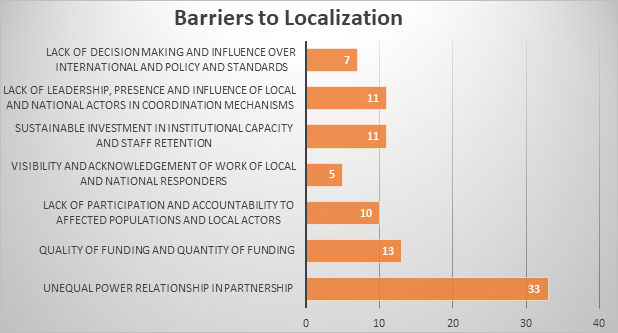
- Localisation is important, particularly in terms of better understanding the communities’ culture, geographic profile and trust. International support can provide technical support and resources to local organisations to meet the needs of local communities
- Digital Platforms have proven to be one of the most effective mediums to engage people and jointly hold interventions to respond to the needs of communities
- INGOs can play a role in buffering donor compliance requirements and supporting skills, programming and governance gaps that some local NGOs have
- The collaboration of local actors during the initial days of the pandemic must be valued and those local actors who are already on the ground long before any emergency strikes must be recognized







 José Jódar is the Senior Technical Officer at CaLP and joined them in July 2019 after more than 12 years of work experience in multi-sectoral emergencies, livelihoods/food security and Cash & Vouchers Assistance programs with different organizations (mainly Spanish Agency for International Development Cooperation AECID, Spanish Red Cross/International Red Cross and Red Crescent Movement and Action Against Hunger) and in several contexts: Latin America, Sub-Saharan Africa and, lately, MENA region. José holds a PhD in International Cooperation and Development Studies (University of Murcia, Spain) and a Master’s degree in Africa Studies (major in African Politics) at School of Oriental and African Studies (SOAS, London). He has a wide range of experience in CVA design and implementation, technical advisory, capacity building and both technical and institutional coordination.
 Regina “Nanette” Salvador-Antequisa is the founding Executive Director of the Ecosystems Work for Essential Benefits, Inc. (ECOWEB) in the Philippines and convenor of the Community Led Emergency Action Response Network (CLEARNet) in the Philippines that actively promotes survivor and community-led response (sclr) to crisis approach – a humanitarian-development-peace nexus advocacy in action. She has been involved with peace and development work for over 25 years and is engaged in local and national policy advocacy on the issues of disaster, poverty, conflict, environment and governance. Regina is currently the sectoral representative of the Victims of Disaster and Calamities sector to the government’s National Anti-Poverty Commission. She is actively involved in international advocacy on localization of humanitarian aid through her engagement with the global Alliance for Empowering Partnerships (A4EP), Charter4Change, Local to Global Protection and participation in the World Humanitarian Action Forum.
 Sudhanshu S. Singh is a humanitarian and development professional with over 32 years of global experience in the sector. Sudhanshu is founder and CEO of Humanitarian Aid International (HAI) which aims to become the first Indian organisation, working globally with the Indian identity on poverty alleviation and disaster management. HAI is also currently hosting the international secretariat of Charter4Change.
 MS. Qingrui Huang Qingrui is Acting Regional Representative for Asia and the Pacific at ICVA, a global network of NGOs whose mission is to make humanitarian action more principled and effective by working collectively and independently to influence policy and practice. She has over 15 years’ experience in technical advisory and program management with both UN agencies and NGOs in the areas of humanitarian and development in Asia, particularly in China, Myanmar and Thailand. In her current role, Qingrui closely works with ICVA members, NGOs and NGO networks, and humanitarian partners such as UN agencies and donors to ensure the humanitarian actions in Asia and the Pacific are more coordinated, accountable and inclusive.
 Mr. Hafiz AMIRROL Hafiz is the network coordinator for Asia Disaster Reduction and Response Network (ADRNN), a network of 52 civil society organizations across Asia that focuses on disaster risk reduction, and disaster response and preparedness. Hafiz is also Head of Strategic Planning and Building Resilient Communities at MERCY Malaysia. Hafiz is an urban designer and also a lecturer/researcher in the field of architecture, urbanism and city planning.
 Ms. Dear NB Sinandang Dear is Communication and Partnership Manager of Humanitarian Forum Indonesia, a forum of faith-based organizations in Indonesia that was established in 2008. She has over 10 years’ experience in project management, capacity building programs, network management, and coordination and partnership with humanitarian key actors in the areas of humanitarian assistance and disaster management in Indonesia. In her current role, Dear closely works with HFI members, and humanitarian partners such as UN agencies, Red Cross, NGOs/INGOs, private sector, academia, donors, and regional to global networks.
 Mr. Takeshi Komino – Secretary General, Asian Disaster Reduction and Response Network (ADRRN) Takeshi currently serves as General Secretary of CWS Japan and a member of Executive Committee of Asian Disaster Reduction and Response Network (ADRRN) as Secretary General. He also serves as Co-chairperson of Japan Platform, and joint secretariat of Japan CSO Coalition for DRR (JCC-DRR), as well as the chairperson of Japan Quality and Accountability Network (JQAN).

 Prev
Prev