Authors Posts by comms

comms

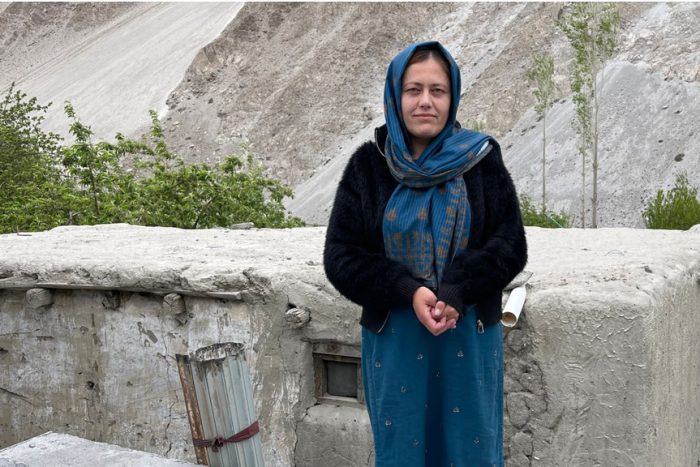
The Hunza Valley, known for its mesmerising views, from breathtaking orchards to the grand mountains that surround it, has now become a source of concern for its locals. The people who once felt pride and comfort in building their livelihoods on the predictable rhythms of nature have grown puzzled and uneasy about what the future holds. Ahmed, a member of the Borong Welfare and Development Organization, which supports community engagement, local welfare, agricultural support, and IT education for students, feels strongly about anything that directly or indirectly impacts his community.

Ahmed Karim is a resident of the beautiful valley of Hunza, and has been a professional farmer for the last six years. Over the past five years, Ahmed has observed significant changes in weather patterns. One of the earliest and most alarming has been the accelerated melting of glaciers, Hunza’s primary source of water. With the ever-changing climate, strong reactions have emerged from the people. For Ahmed, who once relied on stable weather patterns for his livelihood and lifestyle, it has been especially frustrating and disheartening to witness the collapse of agricultural systems under sudden climatic outbursts and extreme fluctuations. Snow-covered winters, spring glacier melts, and timely rainfall that once sustained the region’s farming now take form in rising temperatures, unpredictable rainfall, and the rapid melting of glaciers that disrupt the environment and threaten livelihoods.

In Hunza, the most common agricultural yields include potatoes, tomatoes, cherries, apples, and apricots, many of which are in high demand across the country and beyond due to their quality and health benefits. Potato farming, another cornerstone of Hunza’s agriculture, has been particularly affected. The harvesting process for this staple crop requires six months of effort, mostly dependent on manual techniques and family labour. It involves soil preparation, irrigation, composting, weeding, and hand-harvesting. The harsh weather patterns kill months of arduous effort and labour leaving the community in despair. Other crops, like tomatoes, now face frequent pest outbreaks and damage from unseasonal warmth. It is important to note that these are not isolated incidents but clear indicators of a growing climate crisis.

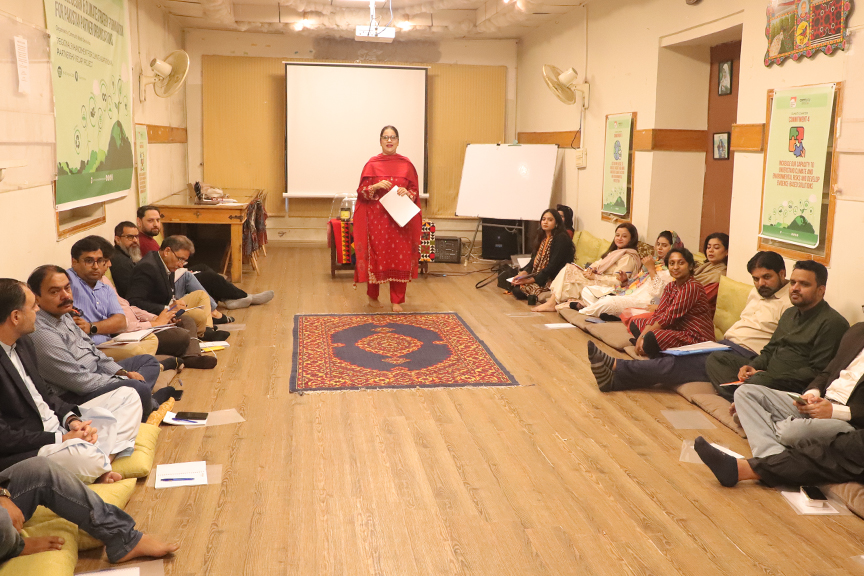
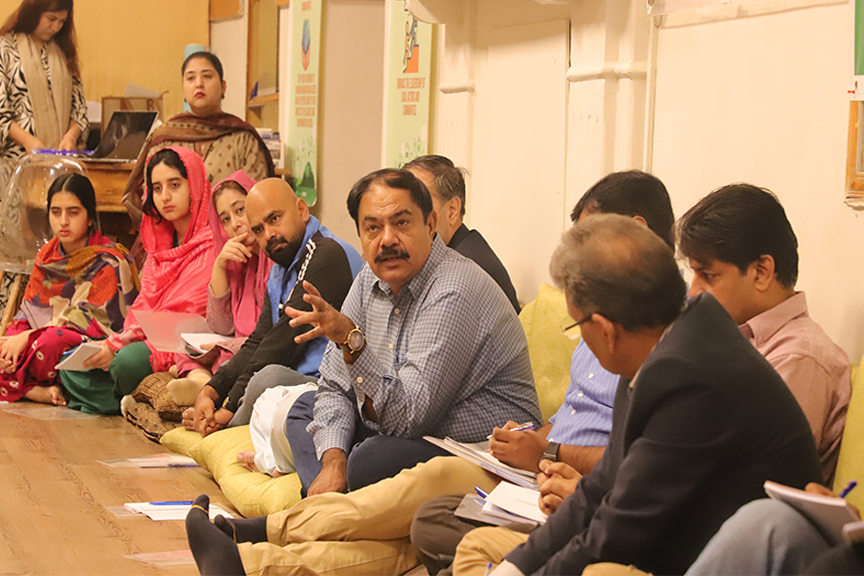
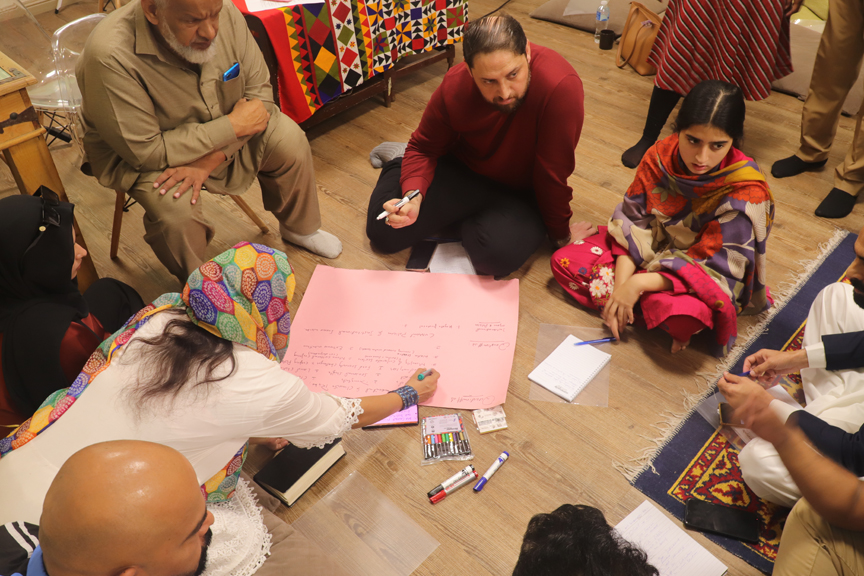
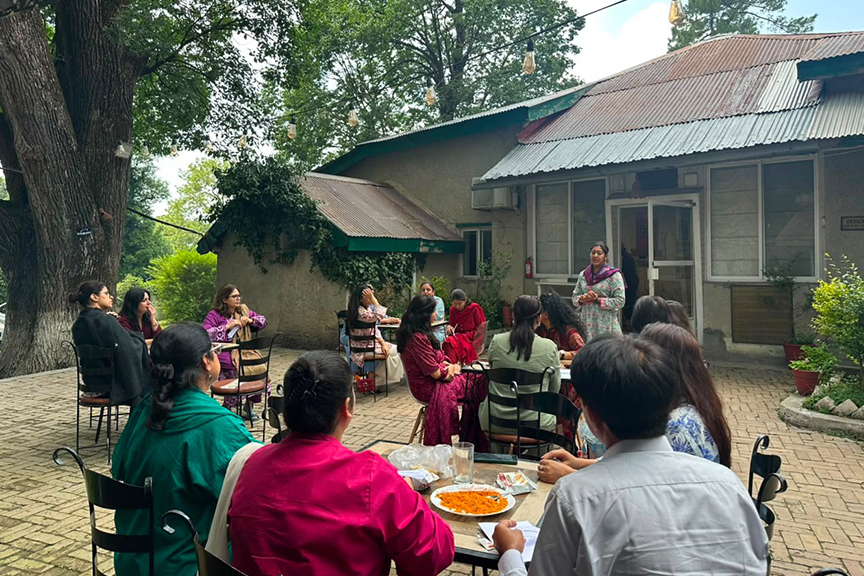
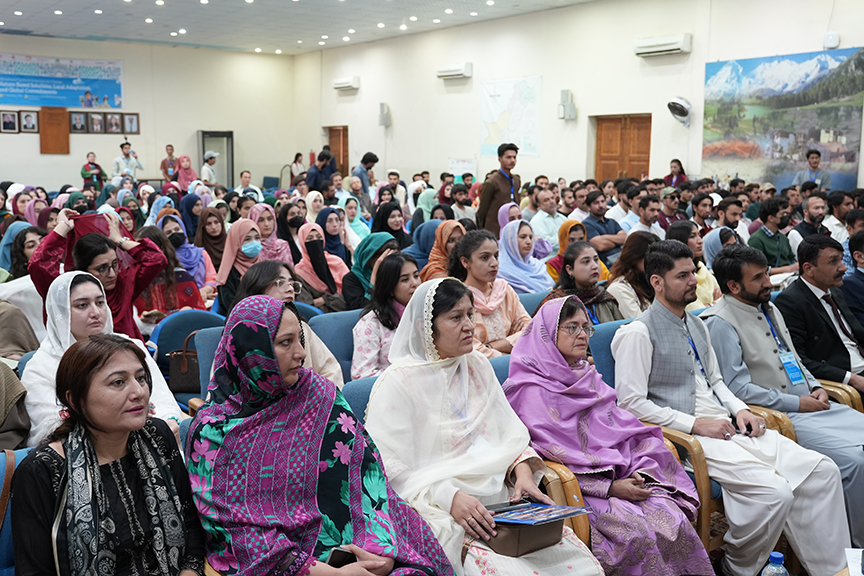
Recently, Ahmed participated in a community engagement session on climate change and sustainable agriculture, organised by Community World Service Asia. The session brought together farmers, agricultural experts, and local stakeholders to explore practical solutions and adaptation strategies. Techniques such as crop rotation, organic composting, water-efficient irrigation, and the use of climate-resilient crop varieties were discussed. The session also emphasised the importance of conserving water, protecting soil health, and implementing community-driven solutions. Building on traditional techniques and knowledge, Ahmed was introduced to evidence-based agricultural practices, including organic mulching and integrated pest management. For communities like Hunza’s, such learning sessions are not merely supplementary, they are essential for sustainable growth, food security, and long-term resilience.

While Ahmed had participated in similar sessions in the past, he found this one particularly impactful for its emphasis on practical knowledge, community-driven innovation, and preparedness. As a forward-thinking and engaged member of his community, he strongly advocates for the equal participation of women, recognising their vital contributions and the pivotal role they play in shaping collective progress.

More than just an informative experience, the session left Ahmed with a renewed sense of hope and responsibility. He now sees his role not only as an agricultural grower but also as a messenger, committed to raising awareness about climate change and encouraging others to act. For him, climate change is no longer a distant concern. It is here, in the fields, homes, and mountains of Hunza. Ahmed believes the time to act is now, to prepare today for the generations that will come after.

Bangkok, 10 December 2025 — The Regional Humanitarian Partnership Week Asia Pacific (RHPW) 2025 concluded in Bangkok today after three days of solutions-focused dialogue on how humanitarian action must adapt in a time of funding suspensions, climate shocks, and protracted crises.

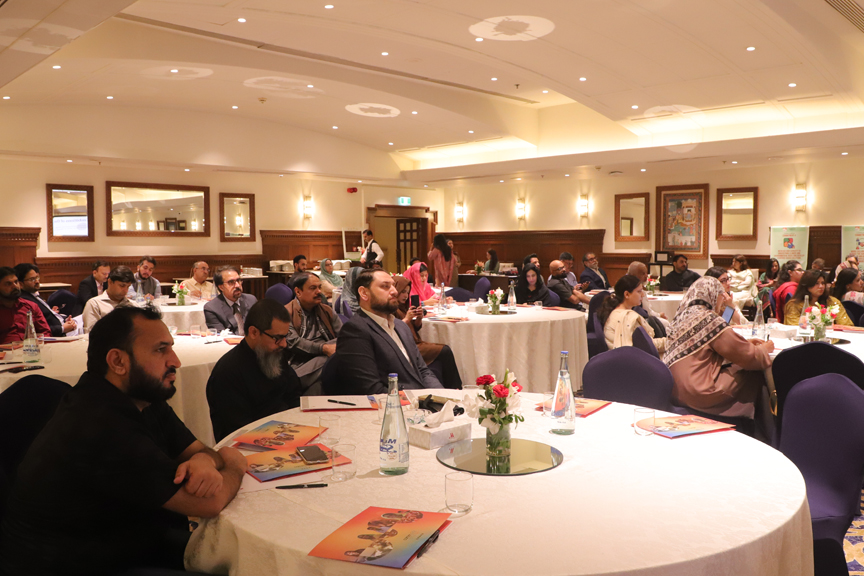
The Asian Disaster Reduction and Response Network (ADRRN), Community World Service Asia (CWSA), the International Council of Voluntary Agencies (ICVA), and the United Nations Office for the Coordination of Humanitarian Affairs (UNOCHA) co-organised this year’s RHPW under the theme Beyond Emergencies: Reframing Humanitarianism for a Changing World. The event brought together 517 aid practitioners, from 279 organisations and 38 countries representing the civil society, governments, UN agencies, private sector partners, academics, and crisis-affected community leaders from across Asia and the Pacific.

Asia Pacific is the world’s most disaster-prone region, facing frequent climate shocks, protracted crises, and rapid social change, making it a critical hub for innovation and leadership in humanitarian action.

The opening session, Mobilizing Compassion: Reclaiming the Heart of Humanitarianism, set out the central challenge: how to sustain principled humanitarian action when needs rise and resources tighten. The first-ever Humanitarian Story Circle placed lived experiences at the heart of the conversation as storytellers from crisis-affected contexts described how they organise, adapt, and care for one another.

Over the 3 days, participants focused on five areas of change: shifting power and resources to crisis-affected communities and local organisations; connecting climate, development, and humanitarian work; rethinking business models and financing; using data and technology responsibly; and operating in fragile and politically contested environments.

“In a year of shrinking resources and rising needs, RHPW 2025 showed that humanitarian actors are ready to reframe aid by putting crisis affected communities at the centre. The conversations here in Bangkok were not just about principles, but about practical steps to shift power, diversify financing, and ensure dignity in every response,” global humanitarian practitioner and RHPW 2025 participant.

Discussions on power and localisation moved from principles to practice. Participants examined how to increase quality, multi-year, and flexible funding for local and national NGOs, simplify compliance, strengthen leadership of women’s organisations, youth groups, and organisations of persons with disabilities, and embed accountability to affected people in partnership and coordination structures. Climate-related conversations looked at how to align humanitarian response with climate adaptation, social protection, and disaster risk reduction. Practitioners shared examples of anticipatory action and community-based early warning that reduce loss and damage before crises escalate and called for closer collaboration with climate funds and national authorities.

With traditional donor funding under strain, many sessions examined complementary financing. Participants discussed blended finance, impact investment, insurance, and risk-pooling, and digital finance solutions that can support preparedness, locally led innovation, and recovery, provided these instruments remain accessible and channel resources to community-level initiatives. Moreover, technology and data-focused exchanges explored how artificial intelligence, earth observation, drones, and digital platforms can improve analysis, targeting, and two-way communication with affected people, while stressing data responsibility, safeguarding, and digital inclusion.

As RHPW 2025 concluded, participants reaffirmed their commitment to reframe humanitarianism by advancing locally led action, strengthening climate and risk-informed programming, diversifying financing, and building accountable partnerships. The insights and relationships forged in Bangkok will continue to shape humanitarian practice across Asia Pacific and beyond. Organisers announced that preparations for RHPW 2026 are already underway, ensuring this momentum is carried forward.

Two events in September, co-hosted by Community World Service Asia (CWSA), held in Karachi and Hyderabad, brought together educators, civil society organisations (CSOs), development professionals, and public and private sector representatives to address climate-related challenges and strengthen institutional capacity in Sindh.

Empowering Educators to Lead Climate Action in Karachi

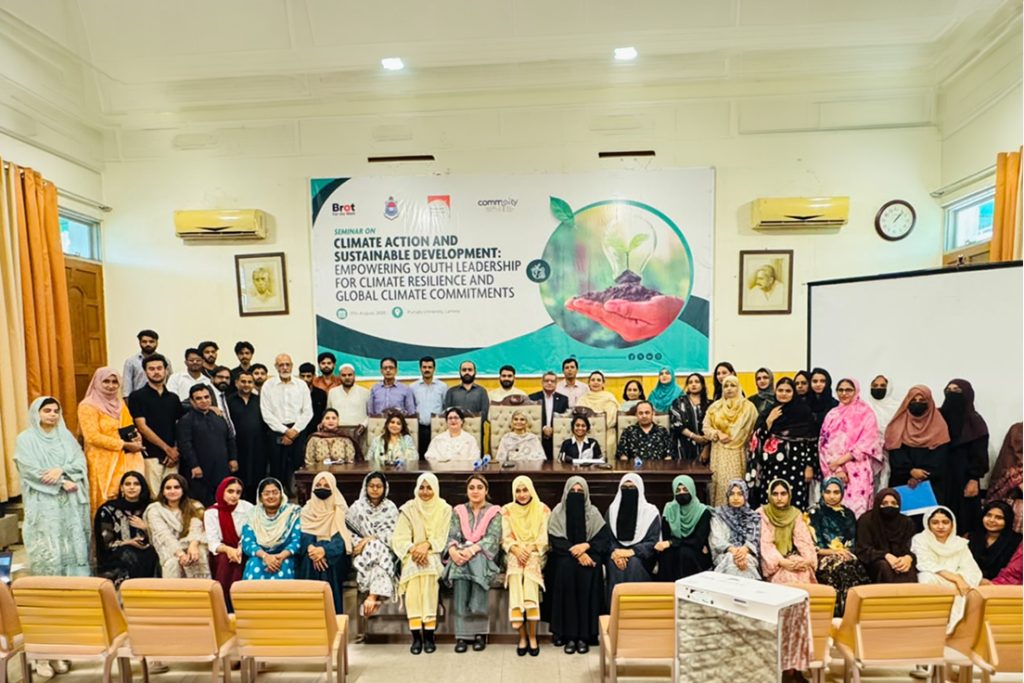
On September 30, 2025, CWSA partnered with the Teachers’ Resource Centre (TRC) to host a one-day event titled “Empowering Educators to Lead Climate Action for a Sustainable Future” at the TRC campus in Karachi. The gathering brought together a diverse audience of teachers, coordinators, education officers from public and private schools, and representatives from the corporate, finance sector and other organisations.

The event opened with a keynote address by Ambreena Ahmed, Director of TRC, who emphasised the critical role educators play in advancing climate action aligned with Sustainable Development Goal 13.

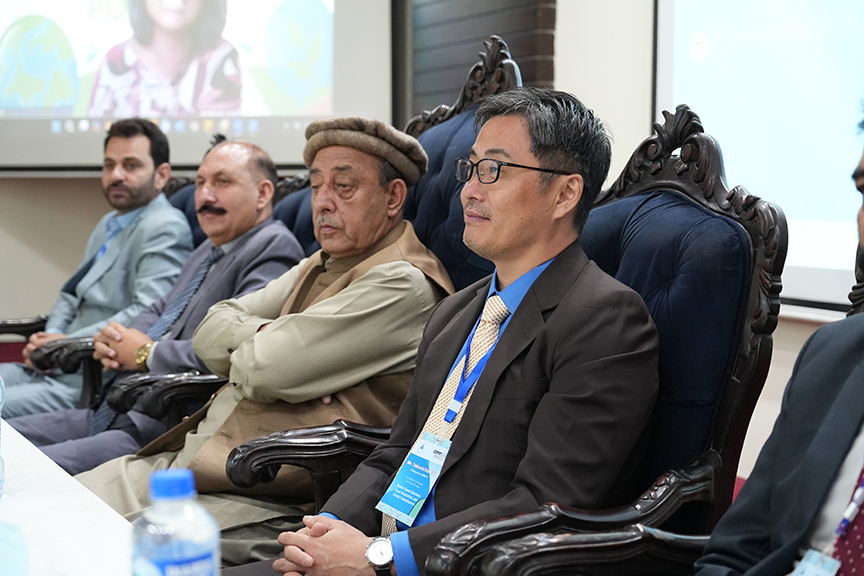
A lively panel discussion followed, featuring climate activist Afia Salam, development expert Naveed Ahmed Shaikh, gender justice and localisation advocate Plawashay Arbab, environmental entrepreneur Ahmed Shabbar, incubation head Raza Abbas, and youth leader Rizwan Jaffar. Together, they explored climate education, Karachi’s environmental challenges, and innovative solutions for climate-responsive learning.

The panel discussion focused on how climate awareness must evolve as a ground-up movement, beginning from schools. Speakers stressed the importance of empowering school administrators with the authority to implement tangible measures, reflecting the kind of responsibility often reserved for government bodies. The discussion emphasized the need to educate and engage the most receptive segment of society, the youth, the generation soon to take the lead and bear the brunt of it.

Climate Activist Afia Salam shared, “Climate change should not merely pertain to ecological areas, or be limited to geography or environmental lessons, but should be prioritised across every facet of schooling, as all are equally affected, be it physical activity, design thinking, or critical analysis. A country like Pakistan has faced massive flooding catastrophes in its history, the most devastating being in 2022, when more than half of Pakistan was submerged. Now you tell me, how many children know swimming as a basic life skill?”
Afia left the audience with a reflective question, it is not a one-time lecture to be discussed casually during free periods; rather, it is a responsibility that every teacher owes to their students, to convey the weight and urgency of the issue.

Ahmad Shabbar, leading a waste recycling organisation, shed light on how small individual efforts can collectively lead to significant change. He shared a short story about receiving thousands of books and papers meant to be recycled. Instead of discarding them, his team distributed them among underserved children who had little access to water, let alone books. He also recounted how, after floods destroyed several schools, they built small libraries out of recycled bottles, wrappers, and plastics, structures just as strong as concrete ones.

He attributed much of the environmental gap and disparity to a growing disconnect, a disconnect from nature, from the environment, and from one’s surroundings.

Raza Abbas, the Incubation head at the renowned Institute of Business Management, reiterated an emerging phenomenon: climate-tech startups. He reflected on the broader state of Pakistan and its people. How, over time, systemic inefficiencies have alienated many from observing civic discipline, whether in traffic regulations or adherence to policies. Years of frustration with governance and societal systems, he noted, have led to disengagement and apathy toward issues like climate change.

“But the thing is,” he emphasised, “both go hand in hand, and we must focus on leaving the world better than it was before.” He further highlighted the significance of teacher participation, noting that youth remain the most affected population when it comes to climate change and should be the ones most prepared.

Strengthening Strategic Planning for Climate CSOs in Hyderabad

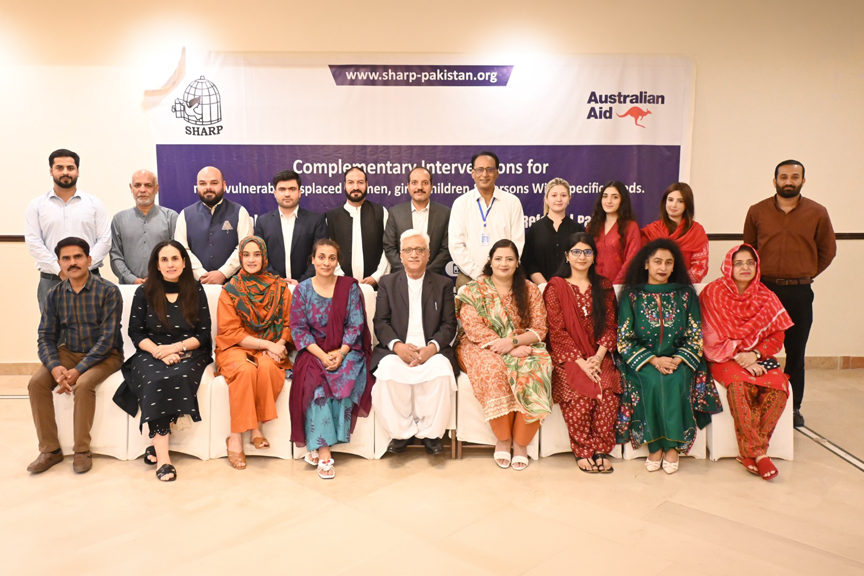
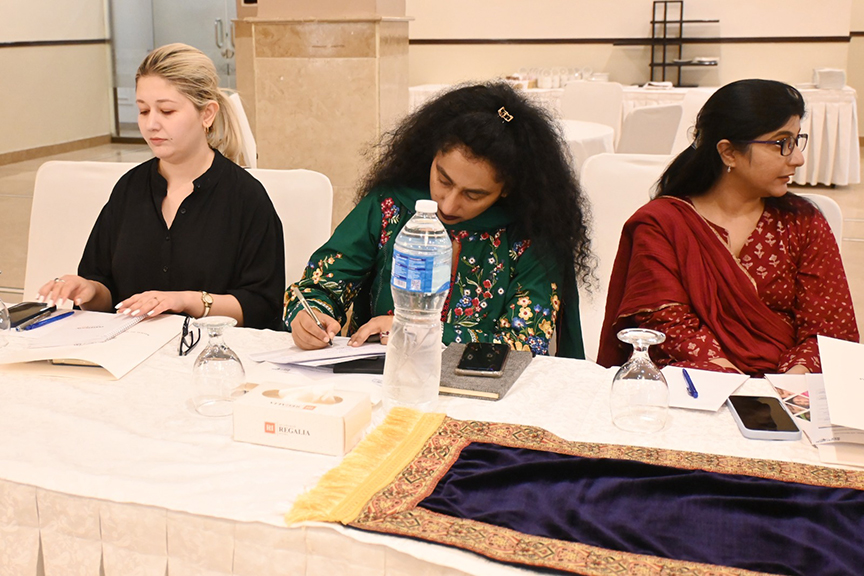
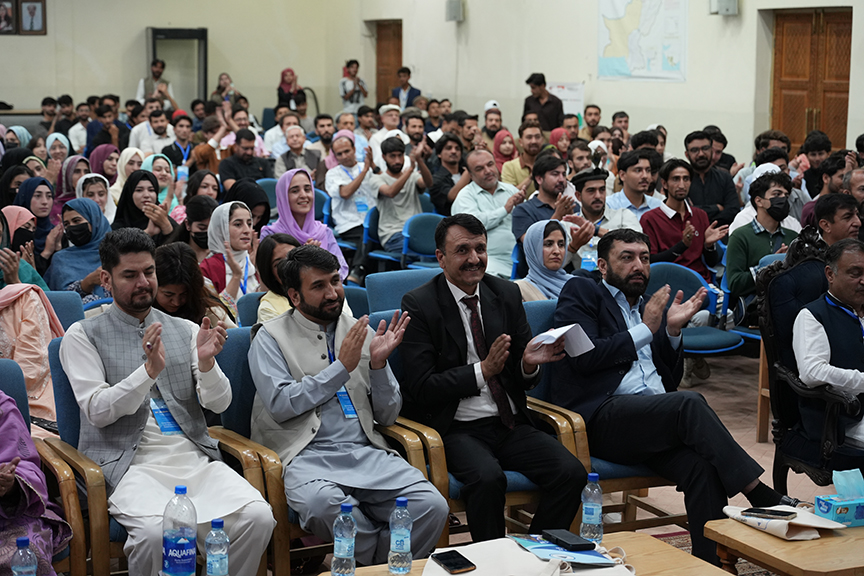
In Hyderabad, CWSA joined hands with the Global Network of Civil Society Organisations for Disaster Reduction (GNDR) to co-host a one-day learning event titled “Funding & Developing Strategy for Climate CSOs in Sindh” at the CSOs Club. The event convened CSO leaders, parliamentarians, academics, and representatives from the public, private, and corporate sectors to discuss strategic planning, resource mobilisation, and institutional sustainability.

Advocate Saima Agha, MPA and Chairperson of the Standing Committee on Sports and Youth Affairs, Government of Sindh, addressed the closing session, highlighting the shrinking civic space and the need for policy and legal support to enable CSOs to fulfill their development roles effectively.

The event featured thematic presentations by experts including Khadim Dahot (SEWA Trust), Danish Batool (CWSA), and Kashif Siddiqui (CARD), who shared insights on funding landscapes, locally led initiatives, and strategic planning. A panel discussion moderated by Amarta included voices from BASIC Development Foundation and the Social Welfare Department of Sindh.

Corporate Social Responsibility (CSR) was also a key focus, with contributions from Abid Ali Gaho (OGDCL), Asim Ahmed (Askari Bank), and Ghulam Abbas Khoso (GEF CSOs Network), who discussed the private sector’s role in supporting social development through CSOs.

Tahira Joyo, who moderated the event, summarised key reflections and emphasized the importance of strategic planning in adapting to climate challenges and evolving development needs.

Several participants shared their reflections on inclusion, participation, and accountability within climate strategies. One attendee noted: “Our climate strategies will remain incomplete until we actively bring women to the planning table. At the local level, women are not just victims of climate change, they are custodians of knowledge on water, food, and energy. A truly resilient Sindh requires funding and programs that are designed with women, not just for them. When our plans are gender-inclusive, our communities become climate-proof.”

Another attendee representing a local climate advocacy group added a perspective of youth: “While we demand larger systemic change, we cannot overlook the power of our individual actions. Every plastic bottle we refuse, every tap we close, and every native plant we grow is a vote for the future we want to see. Responsibility doesn’t start with governments or corporations alone, it starts in our homes, our universities, and our local communities. We, the youth, are not just leaders of tomorrow; we are the accountable citizens of today.”

A Shared Commitment to Climate Resilience

Through these two events, Community World Service Asia reaffirmed its commitment to fostering inclusive dialogue, capacity enhancement, and collaborative action for climate resilience. By empowering educators and strengthening CSOs, we are helping shape a more sustainable and responsive future for communities across Sindh.

After witnessing decades of traditional cold winters and pleasant mild summers, erratic weather patterns have become a recurring reality. Homes that once needed no fans or air conditioners are now unbearably hot in the summer. Winters bring less snow, summers are warmer, signaling the broader climate crisis threatening the region’s fragile ecosystem and agricultural viability.

Gulkin, nestled in the heart of Upper Hunza, is renowned for its breathtaking beauty, most notably the iconic Passu Cones of the Karakoram range. It stands near Gulmit, the cultural hub of Gojal Valley, known for its history and awe inspiring landscapes. Yet, like many mountain communities, the region has grown increasingly vulnerable to the effects of climate change.

Saeed Arab Shah, a 61-year-old prominent Community member, farmer, and a businessman has lived a lifetime in the village Gulkin in Gojal, Hunza.Saeed Arab Shah, a 61-year-old prominent Community member, farmer, and a businessman has lived a lifetime in the village Gulkin in Gojal, Hunza.

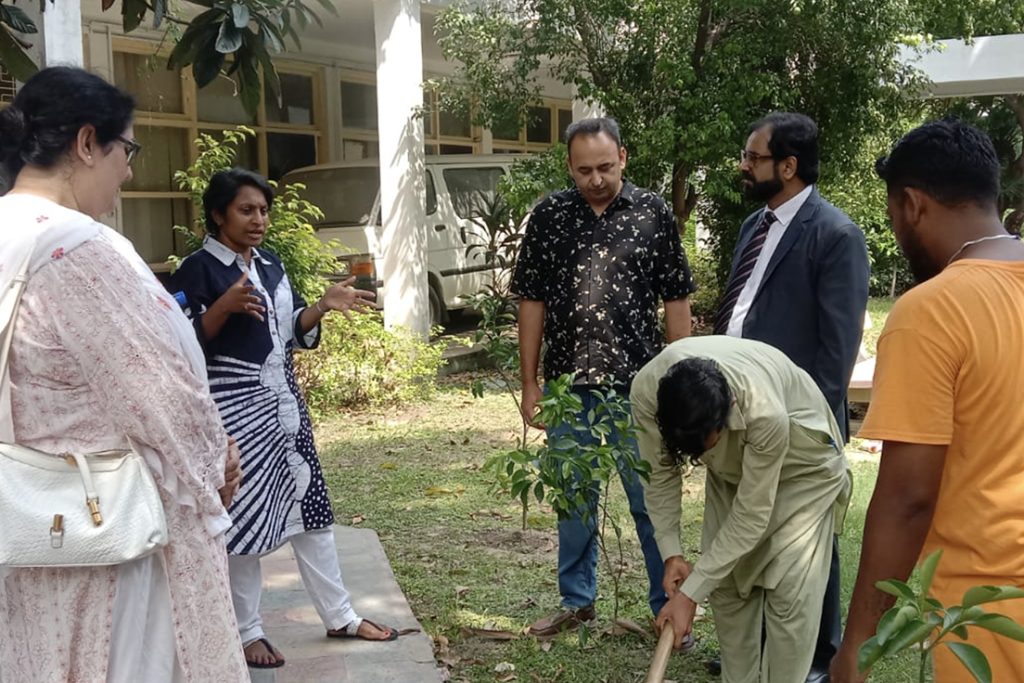
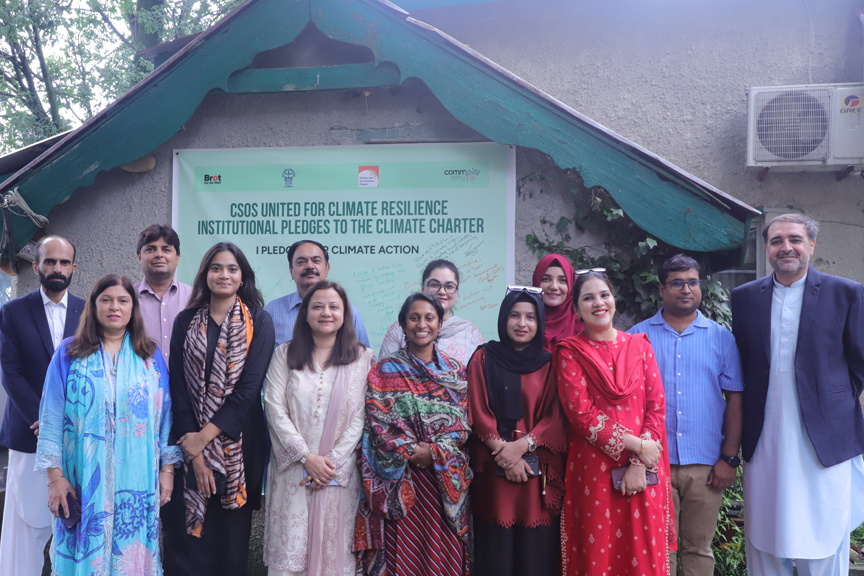
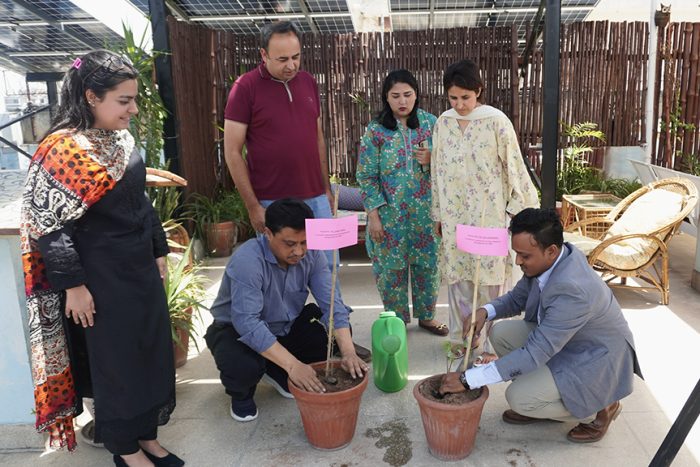
In response to the challenges faced by northern communities, Community World Service Asia (CWSA), in partnership with the Forest Department Hunza, recently organized a collaborative plantation drive in Gulkin and Gulmit. The initiative brought together 35 participants, including students, local leaders, government officials, and community members. For Arab Shah, the enthusiastic involvement of youth reflected a growing generational commitment to environmental protection and civic responsibility.

A passionate advocate for community capacity building, Arab Shah has long emphasized the importance of grassroots efforts. He believes tree plantation carries drastic long-term benefits such as reduced soil erosion, water conservation, and strengthening of the region’s natural ecosystem. However, he also expresses concern over the unregulated cutting of trees for domestic and commercial use, which makes the land more susceptible and prone to landslides, floods, and other climate-induced hazards. He asserts that afforestation can rejuvenate soil, improve air quality, conserve water resources, and help restore the region’s natural ecosystem.

A strong advocate for inclusive development, Arab Shah underscores the crucial role of women in fostering sustainable and resilient communities. He believes that empowering women and integrating their leadership into local decision-making processes is, in his view, essential for lasting change. People of Northern Pakistan have long valued women’s contributions in environmental, educational, and economic spheres, and Arab Shah believes this legacy must be strengthened further as it not only enhances community outcomes but also ensures more balanced and inclusive development.

Reflecting on the plantation drive, Saeed Arab Shah highlighted the high level of community engagement as the most inspiring aspect of the initiative. The participation of youth and families from diverse backgrounds created a strong sense of unity, purpose, and collective responsibility. This shared effort not only deepened participants’ connection to their land but also sparked a renewed determination to protect and preserve their natural environment.

Looking ahead, Arab Shah envisions a future where community-led initiatives, such as tree plantation, awareness sessions, and the promotion of sustainable agricultural practices become routine. He particularly advocates for initiatives that actively engage schools, youth, and women’s groups, reinforcing the benefit that could be gained after utilizing maximum community engagement due to the participation of women fostering a culture of environmental consciousness and civic responsibility from the ground up.

The recent plantation drive concluded on a pleasant and optimistic note. Participants, especially the young, expressed a profound sense of fulfillment, purpose, and redirection to continue working together for a greener and more resilient Hunza. For Arab Shah and his fellow community members, this initiative marked a meaningful step toward combating the local impacts of climate change and restoring the natural beauty and ecological balance of the Gojal Valley.

Ghizer: CWSA distributes 90,000 rupees cash assistance and food rations to 264 flood-affected households in 15 villages

(Press Release) Community World Service Asia (CWSA) distributed financial assistance and food rations to 264 affected households in 15 flood-hit villages of District Ghizer (Dayeen, Asumber, Chatorkhand, Kochuda, Bargoal, Kanche, Tali Das, Haks, Haks Thangi, Khalti, Rawshan, Gupis, Sultanabad, Taus, and Karkalti).

Each affected family received a total of 90,000 rupees in cash through three relief cheques, along with a one-month ration pack consisting of 100 kg flour, 8 kg pulses, 7 liters cooking oil, 4 kg sugar, and 1 kg salt.

Additionally, Dignity Kits were distributed to 100 women to help them meet their basic daily needs.

The local residents and affected families expressed deep appreciation and gratitude to CWSA and the ACT Alliance, saying that this assistance proved to be a great support for them during difficult times.

https://www.facebook.com/share/p/176N7Qqsxn/?mibextid=xfxF2i: CWSA Extends Lifeline Support to 264 Flood-Hit Families in Ghizer with Cash Assistance and Food Rations https://www.facebook.com/share/1GAJAjqkD8/?mibextid=xfxF2i: CWSA Extends Lifeline Support to 264 Flood-Hit Families in Ghizer with Cash Assistance and Food Rations https://www.facebook.com/share/1PWa7Xn3Rn/: CWSA Extends Lifeline Support to 264 Flood-Hit Families in Ghizer with Cash Assistance and Food Rations

Join us for a transformative 2-day regional training designed to strengthen age and disability inclusion in humanitarian response. Based on the Humanitarian Inclusion Standards (HIS) and aligned with the Core Humanitarian Standard (CHS) and Sphere Handbook, this training equips participants with practical tools to ensure no one is left behind.

When: December 6–7, 2025
Where: Bangkok, Thailand
Organised by: HelpAge International & Community World Service Asia (CWSA)
Fee: USD 250 (National/Local Organisations), USD 300 (International Agencies)

Why This Training Matters

In the face of overlapping crises, from climate shocks to conflict, older people and persons with disabilities are often overlooked. This training introduces a proven framework to embed inclusive practices across humanitarian programming.

What You’ll Gain

Participants will:

  • Understand the importance of age and disability inclusion in emergencies
  • Apply the nine HIS standards across program cycles
  • Use the Age & Disability Organisational Assessment Tool
  • Strengthen inclusive practices within their organisations

Who Should Attend

Ideal for Inclusion Advisors, Programme Managers, Technical Coordinators (Protection, Health, Livelihoods), and MEAL staff. Full attendance and commitment to sharing learning are required.

Additional Information

Note: Travel and visa arrangements are the responsibility of participants. Invitation letters for visa purposes will not be issued.

Optional participation in Regional Humanitarian Partnership Week (RHPW) from December 8–10, 2025. Separate registration required.

Download Brochure

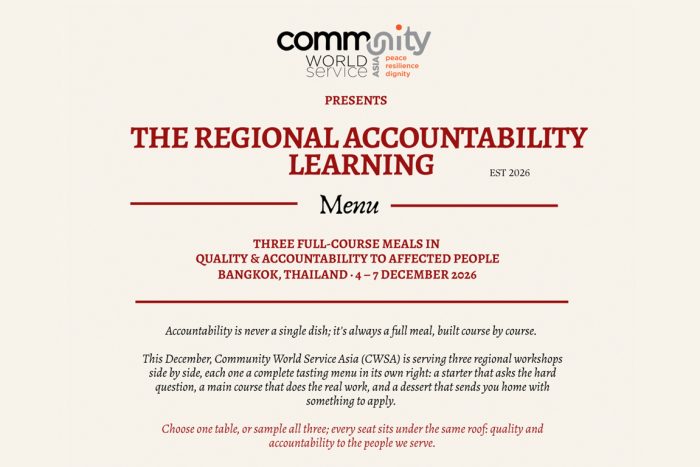
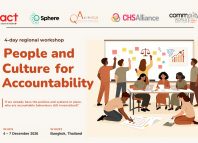
Community World Service Asia is hosting a QAS in Action: Putting Principles into Practice regional workshop, taking place from December 4–7, 2025 in Bangkok, Thailand.

This 4-day learning event is designed for humanitarian professionals committed to advancing Quality, Accountability, and Safeguarding (QAS) in their work. Whether you’re a QAS focal point, programme manager, safeguarding lead, or local NGO leader, this workshop offers a dynamic space to strengthen your leadership, share good practices, and co-create practical tools for smarter, safer, and more accountable aid.

Why join?

  • Deepen your understanding of QAS principles in real-world settings
  • Learn mentoring techniques to multiply good practice
  • Connect with a global network of QAS champions
  • Gain access to contextualised tools from the QAS in Action – A Smart Guide for Aid Actors

Limited seats available. Apply by October 15th, 2025 on a first-come, first-served basis.
or questions, contact: qa.support@communityworldservice.asia

Pakistan is facing one of the most catastrophic monsoon flood emergencies in recent history. Torrential rains, compounded by cross-border water releases from India, have triggered widespread riverine overflows across Punjab, while northern regions remain highly vulnerable to flash floods and landslides. As of mid-September, over 3 million people had been evacuated, with 150,000 still sheltering in evacuation centres. Though waters in Punjab have begun to recede, the scale of devastation is staggering.

More than 2.6 million displaced people have returned to homes that are damaged or destroyed. The Punjab Disaster Management Authority reports the loss of 2.5 million acres of farmland; severely impacting wheat and cotton harvests and threatening long-term food security. Urban flooding in Karachi has compounded risks, while stagnant water in rural Punjab and Sindh is fueling outbreaks of water- and vector-borne diseases.

Forecasts warn of continued heavy rainfall and rising river levels in the Sutlej, Ravi, and Chenab. The National Disaster Management Authority (NDMA) has flagged heightened risks downstream, particularly in low-lying areas of Sindh. As floodwaters shift southward, the humanitarian situation remains dynamic and demands sustained, coordinated response.

National Humanitarian Needs

  • Shelter & NFIs: Over 2.6 million returnees in Punjab require emergency tents, repair kits, and winterization materials.
  • WASH: Safe drinking water, sanitation facilities, hygiene kits, and disease prevention measures are urgently needed.
  • Health: Mobile health services, essential medicines, and disease surveillance are critical to address rising cases of diarrhea, malaria, and dengue.
  • Food Security & Livelihoods: Crop and livestock losses threaten food access and recovery, particularly in Punjab.
  • Protection: Displaced women and children face heightened risks of exploitation and gender-based violence. Prolonged school closures are worsening child protection concerns.

The Asian Disaster Reduction and Response Network (ADRRN) has highlighted the urgent need to strengthen inclusive early warning and early action systems, backed by transformative investment in disaster risk reduction (DRR) to break Pakistan’s recurring cycle of flood-related loss and damage. Priority areas include:

  • Community-based DRR; training local residents in search and rescue
  • Forming Emergency response teams
  • Building local capacity for immediate medical and psychosocial support
  • Advancing locally-led climate adaptation requires complementing community knowledge with scientific and technical support to effectively address evolving risks.

Sindh Overview

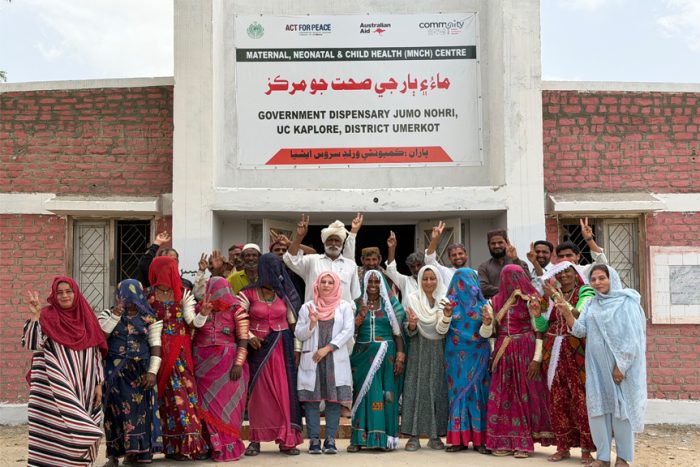
Sindh province continues to be severely impacted, with intense urban flooding reported in Karachi, Hyderabad, and Mirpurkhas. The overflow of the Indus River has displaced approximately 191,500 people across 643 villages in 12 districts. Vulnerable communities residing in katcha1 areas have suffered extensive livelihood losses and significant damage to agricultural assets. Although conditions in Umerkot have now stabilized, the district endured widespread flooding throughout August and September.

Humanitarian Needs in Sindh
HealthMobile health teams and essential medicines
WASHSafe water, latrines, hygiene kits
Shelter/NFIsTents, tarpaulins, mosquito nets
Food SecurityDry rations and cooked meals
Livelihoods:Support to restore income-generating activities
Protection/MHPSSPsychosocial support and community outreach

Gilgit-Baltistan Overview

In September, Gilgit-Baltistan was struck by Glacial Lake Outburst Floods (GLOFs) and flash floods, resulting in 41 deaths, 52 injuries, and the destruction of 1,253 homes. Infrastructure damage includes 87 bridges and 20 km of roads, with valleys such as Diamer and Ghizer cut off from relief access. Damages are estimated at PKR 20 billion.

Humanitarian Needs in Gilgit-Baltistan
Shelter, clean water, food, and medical care
Winterisation support for displaced families
Strengthened health services to address disease outbreaks
Livelihood recovery and protection for vulnerable groups

Community World Service Asia’s Response

Anticipatory Action in Sindh: With upstream river discharges threatening a “super flood” in Sindh, Community World Service Asia (CWSA) has activated anticipatory measures across flood-prone districts:

  • Pre-positioned supplies: Lifesaving medicines, medical equipment, and hygiene kits stocked at Umerkot warehouse.
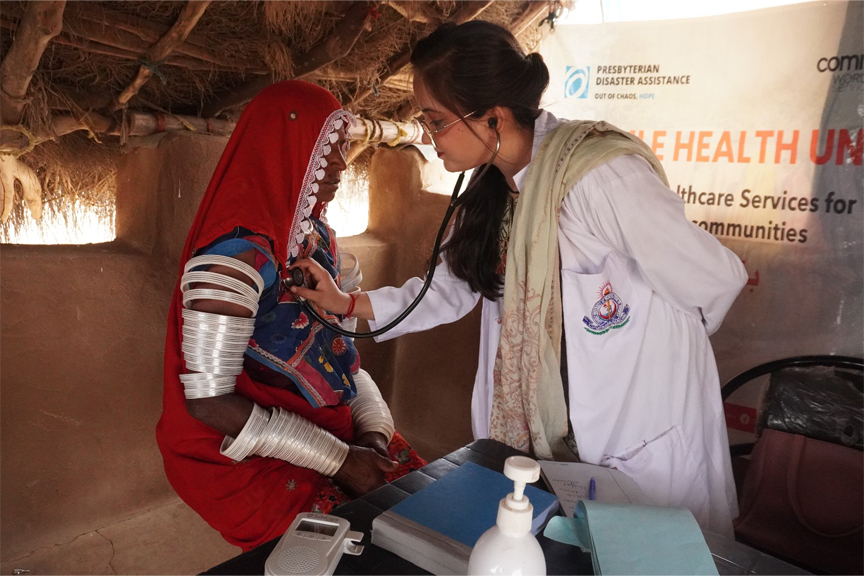
  • Mobile health units: Strategically placed for rapid deployment.
  • Risk communication: Disseminating early warnings, safe water guidance, evacuation protocols, and disease prevention messages in local languages.
  • Coordination: Working closely with PDMA Sindh, health agencies, and cluster partners to ensure targeted, inclusive response and avoid duplication.

Additional support will be needed for winterisation, sanitation, shelter, logistics, and multipurpose cash assistance.

In Gilgit-Baltistan: In response to glacial lake outburst floods (GLOFs) and monsoon-induced landslides, Community World Service Asia (CWSA) has initiated emergency relief operations in Hunza and neighboring districts. Emergency Relief Kits have been distributed in Hunza, with preparations underway for the delivery of food supplies, non-food items (NFIs), and winterisation kits.

In Ghizer district, CWSA has established a dedicated field office, secured the necessary No Objection Certificate (NOC), recruited and oriented staff, and arranged two vehicles to facilitate field activities. Coordination meetings have been held with key stakeholders, including GBDMA, WWF-Pakistan, the Social Welfare Department, AKRSP, and the Deputy and Assistant Commissioners of Ghizer. Engagements with community organisations in flood-affected areas have also been completed.

Assessments for 240 project participants have been finalised, and data entry is currently in progress. Procurement processes have commenced following the submission of Purchase Request Forms (PRFs) and quotations for food packages. Distributions of food and multipurpose cash assistance are scheduled for October 2025.

Projected Gaps:

  • Many households remain unreached due to access and resource constraints.
  • Additional winterisation, sanitation, and shelter supplies are needed.
  • Multipurpose cash support is critical where markets remain functional.
  • Enhanced coordination with local authorities is required to facilitate last-mile delivery.

Coordination & Accountability

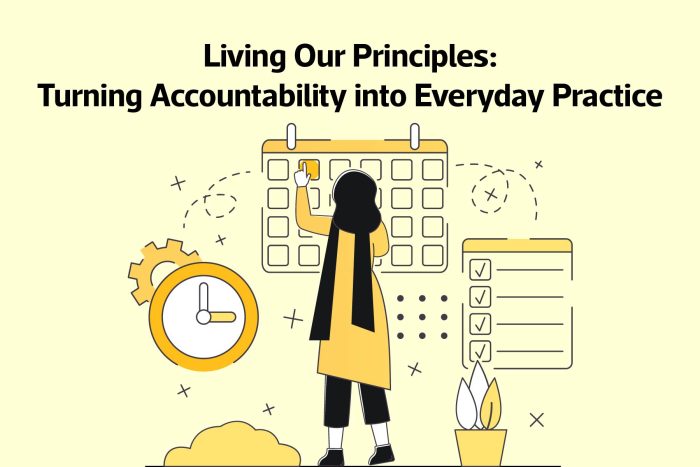
Community World Service Asia (CWSA) continues to work in close coordination with NDMA, PDMAs, UN agencies, humanitarian clusters, and ACT members in the country to harmonise response efforts and avoid duplication. As Co-Chair of the AAP (Accountability to Affected People) Working Group in Pakistan, CWSA places communities at the centre of the response by ensuring fair access to aid, clear and timely information in local languages, and inclusive decision-making processes and update the coordination networks accordingly. Safe, confidential feedback and complaints channels, through hotlines, community focal points, and helpdesks, are available across Sindh, Punjab, and Gilgit-Baltistan, enabling people to voice concerns and shape the response. Special efforts are made to reach women, children, persons with disabilities, and minority groups, while disaggregated data helps track who is reached and address risks of exclusion. Communities are also informed about the type, quantity, and timing of assistance, strengthening transparency and trust. These accountability measures are not add-ons but an integral part of CWSA’s principled humanitarian action, ensuring that relief is both effective and dignified.
Urgent Funding Priorities:

  • Expand anticipatory action in Sindh with rapid deployment capacity and community communication.
  • Scale up winterisation, shelter, and cash support in Gilgit-Baltistan based on community-identified needs.
  • Strengthen logistics and last-mile transport to reach high-risk, remote communities.

Community World Service Asia remains committed to delivering principled, inclusive, and locally led humanitarian assistance. As the situation evolves, we call on partners, donors, and humanitarian actors to join us in scaling up coordinated response efforts and investing in long-term resilience across Pakistan.

Contacts:

Shama Mall
Deputy Regional Director
Programs & Organisational Development
Email: shama.mall@communityworldservice.asia
Tele: 92-21-34390541-4

Palwashay Arbab
Head of Communication
Email: palwashay.arbab@communityworldservice.asia
Tele: 92-21-34390541-4


References

  • UNOCHA Flash Update #10, 19 Sept 2025
  • PDMA Punjab Situation Reports
  • NDMA National Updates
  • ADRRN Regional Advisory, Sept 2025
  • PDMA Sindh Flood Update, Sept 2025
  • District Administration Umerkot Updates, Sept 2025
  • GB Government & NDMA Situation Updates, Sept 2025
  • Pakistan Red Crescent Reports, Sept 2025

  1. Informal settlements ↩︎

A Learning Event Hosted by Community World Service Asia – Lahore, 9th September 2025

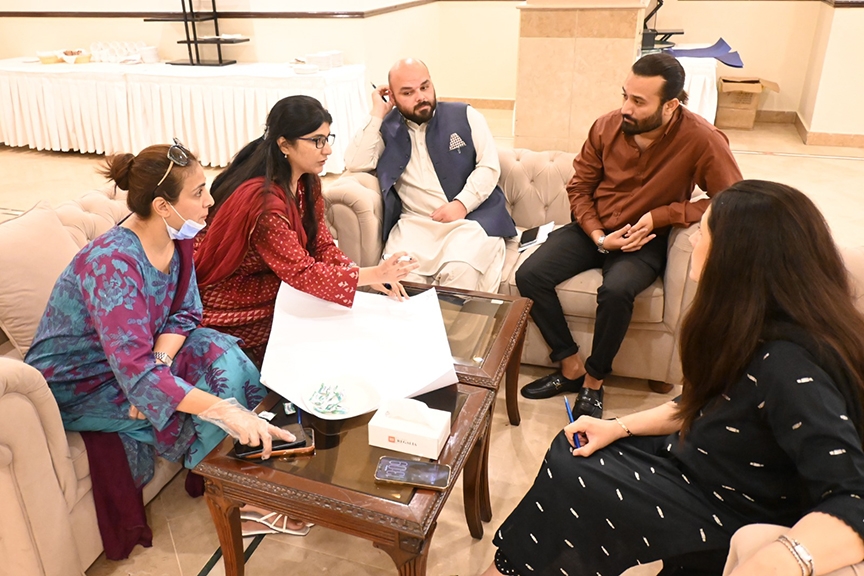
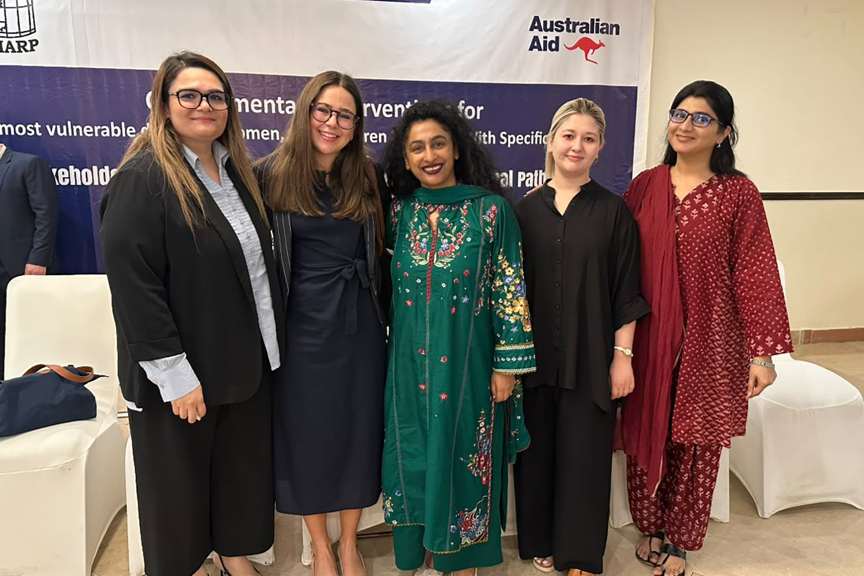
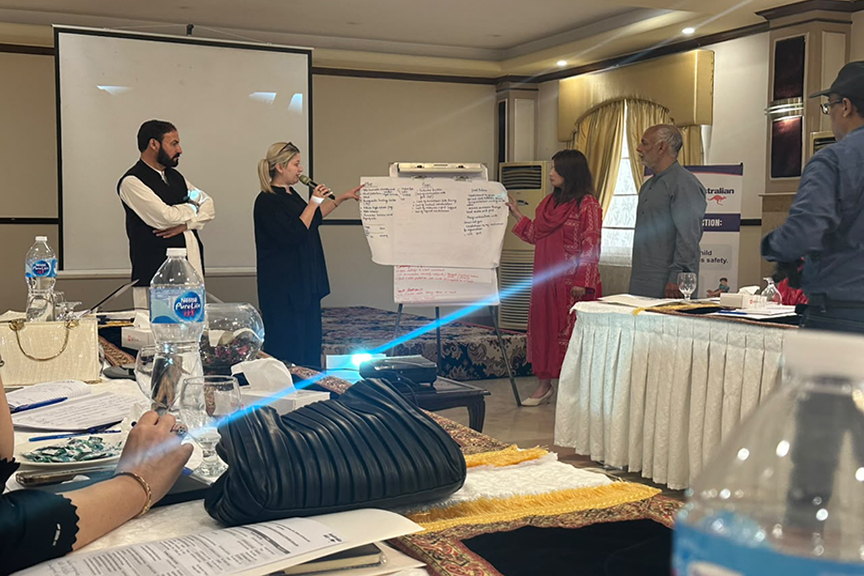
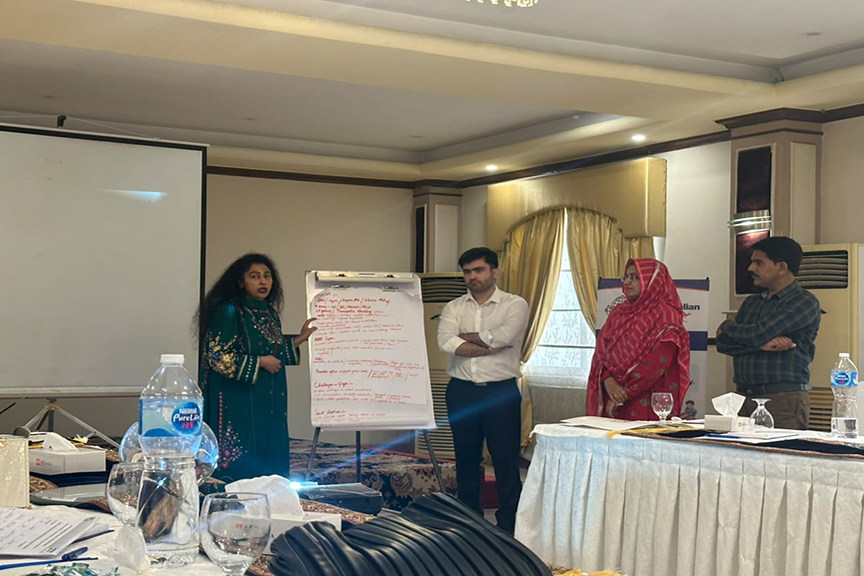
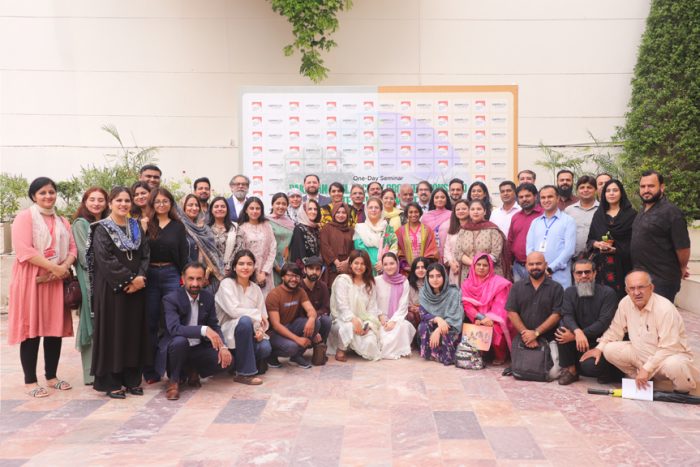
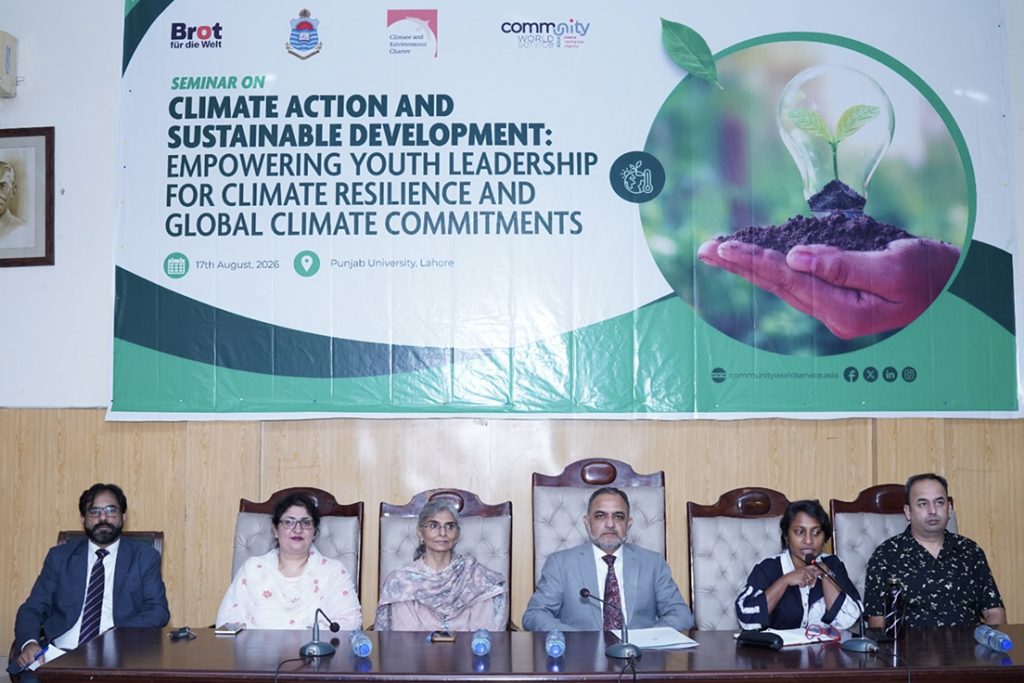
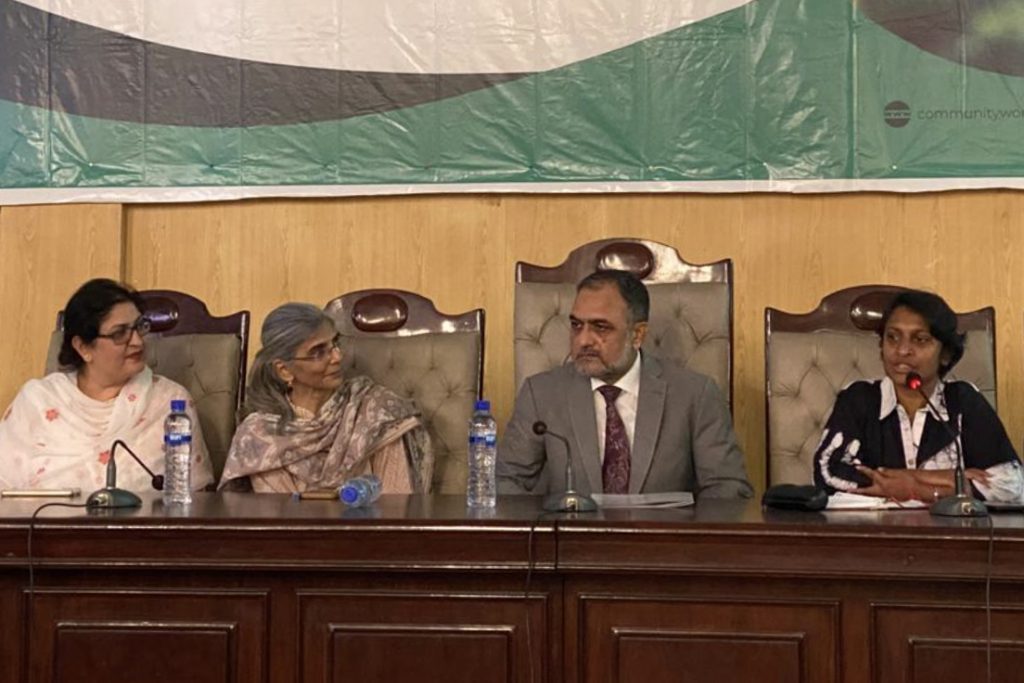
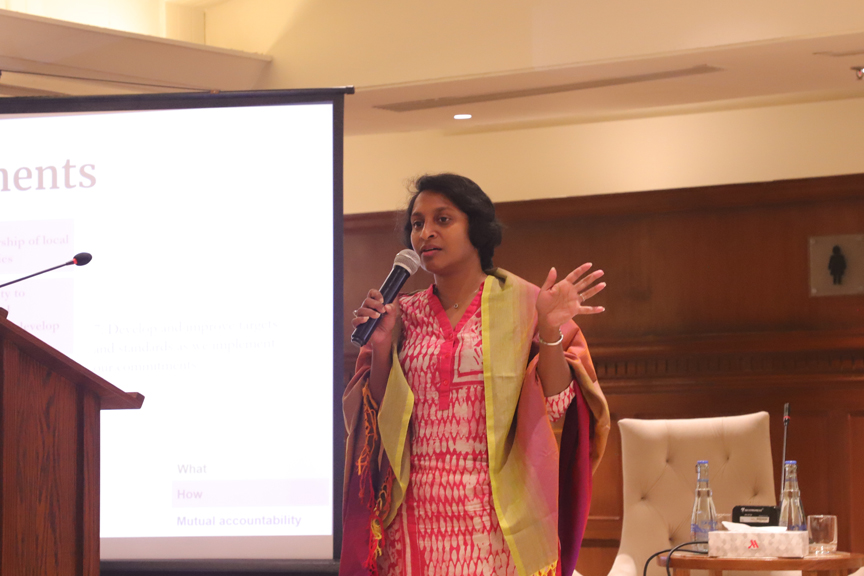
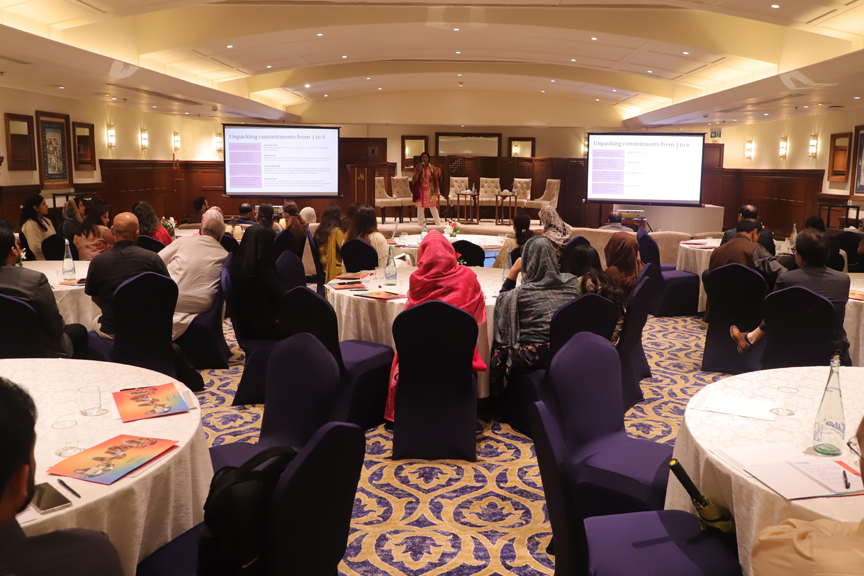
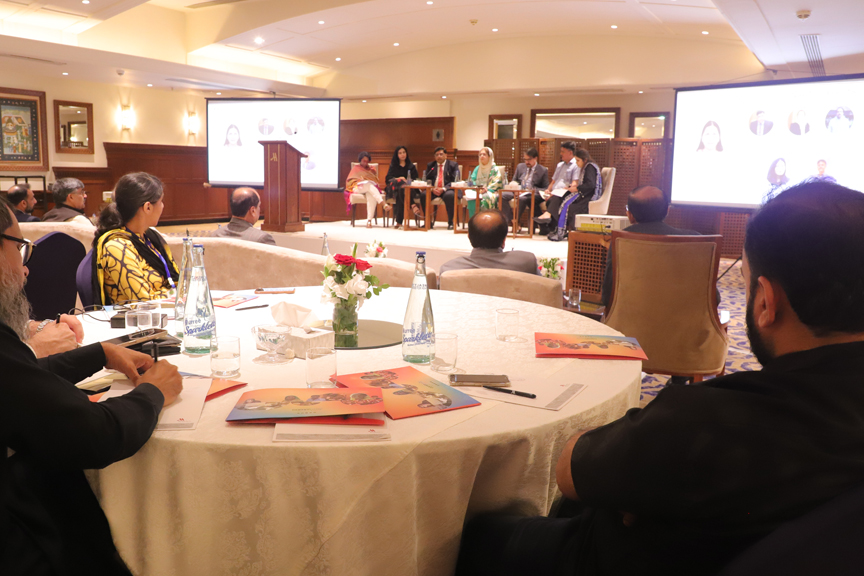
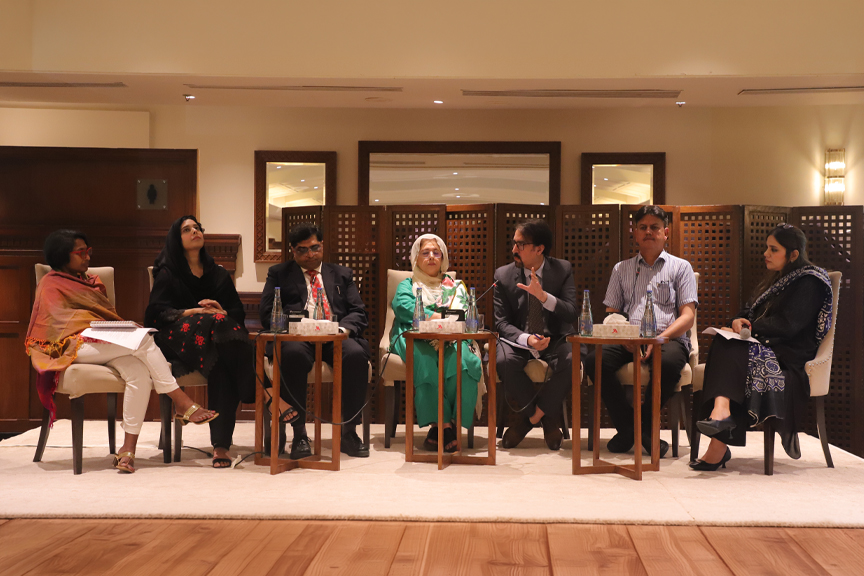
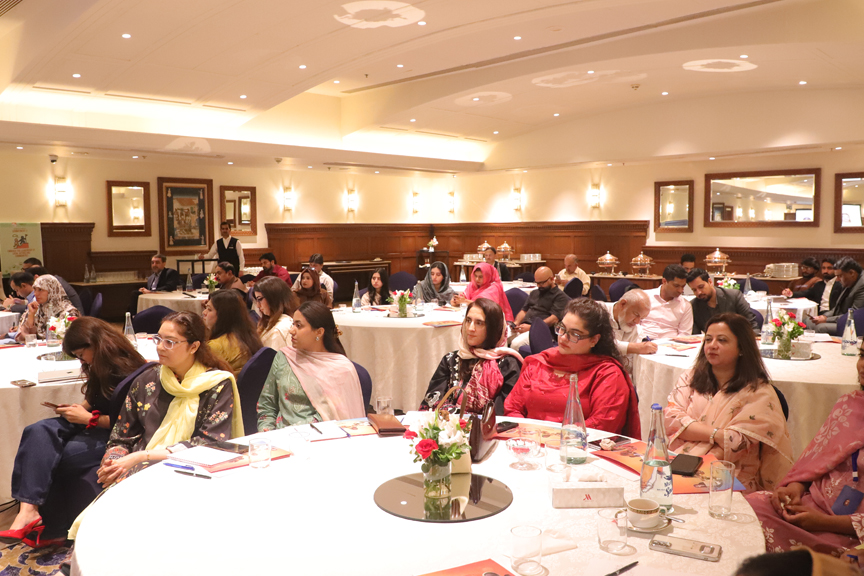
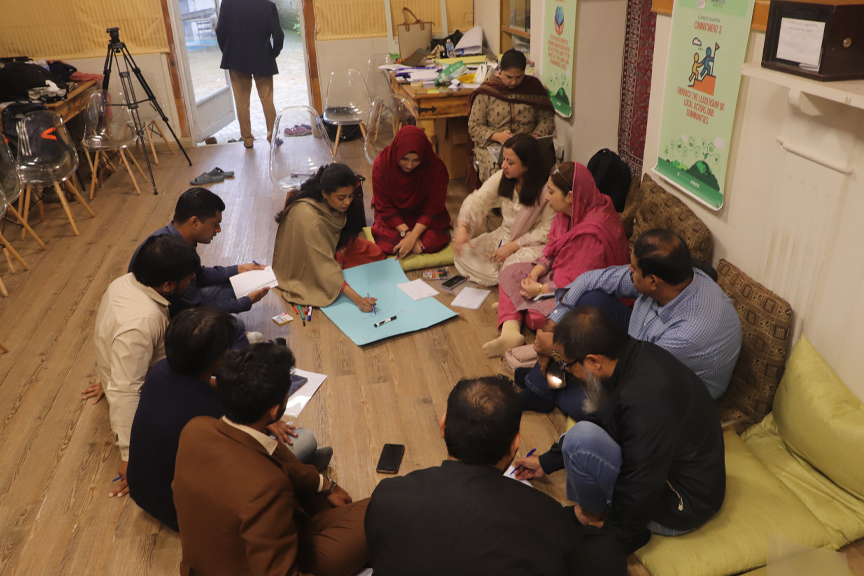
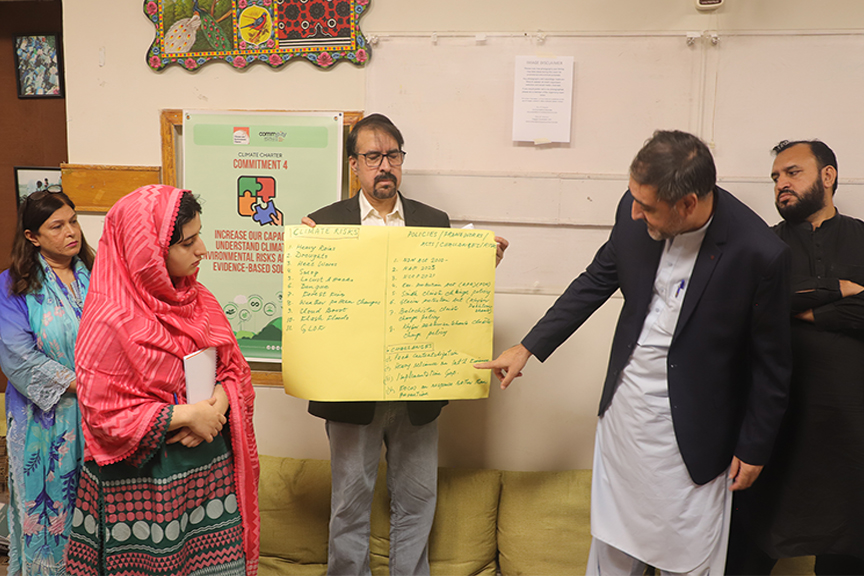
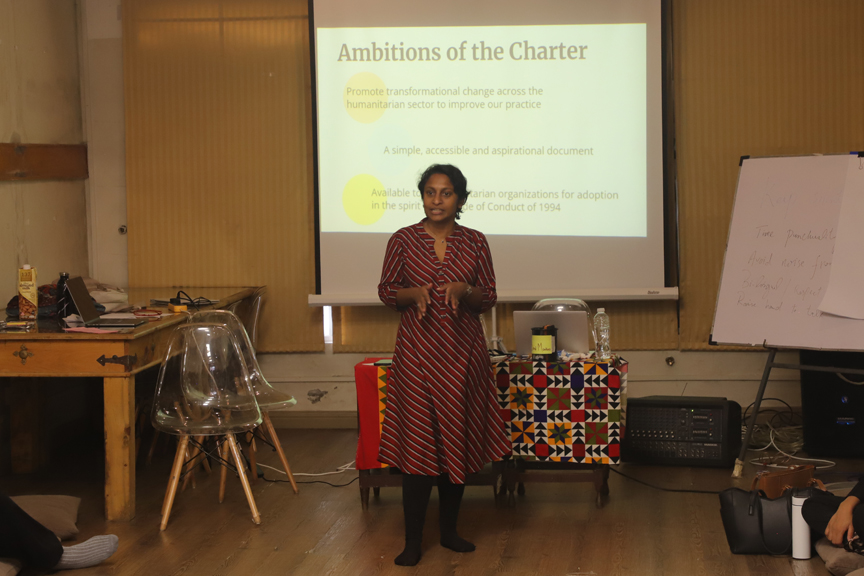
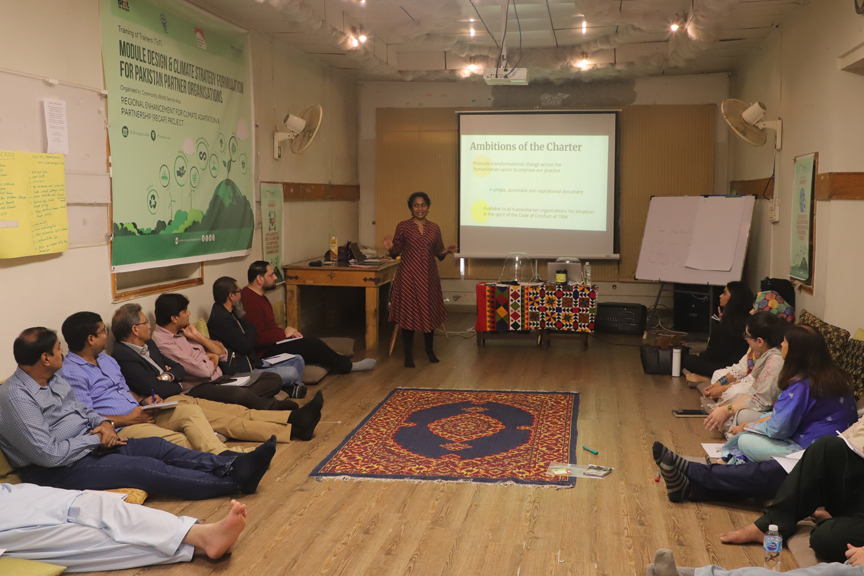
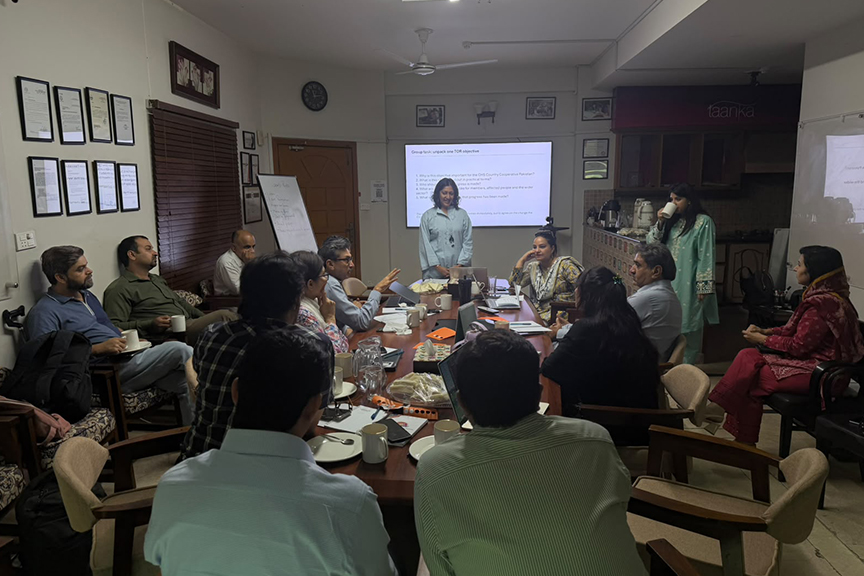
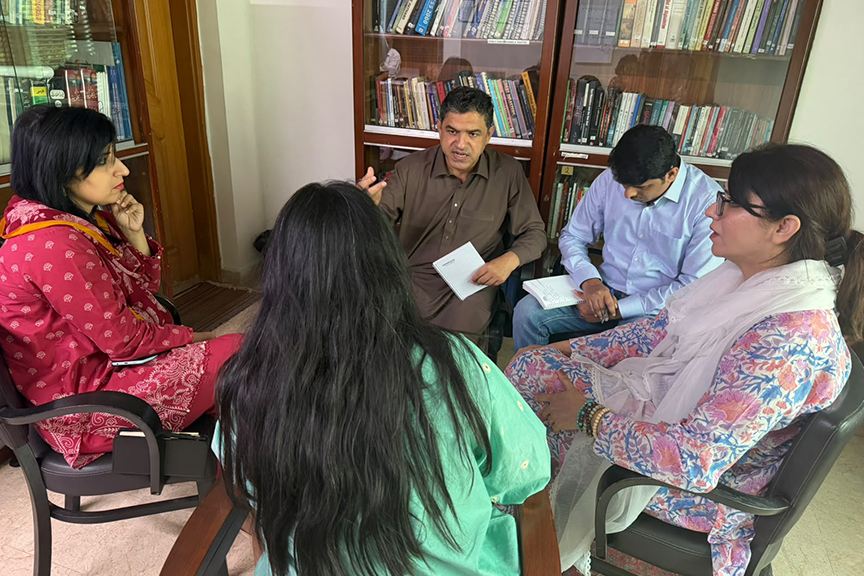
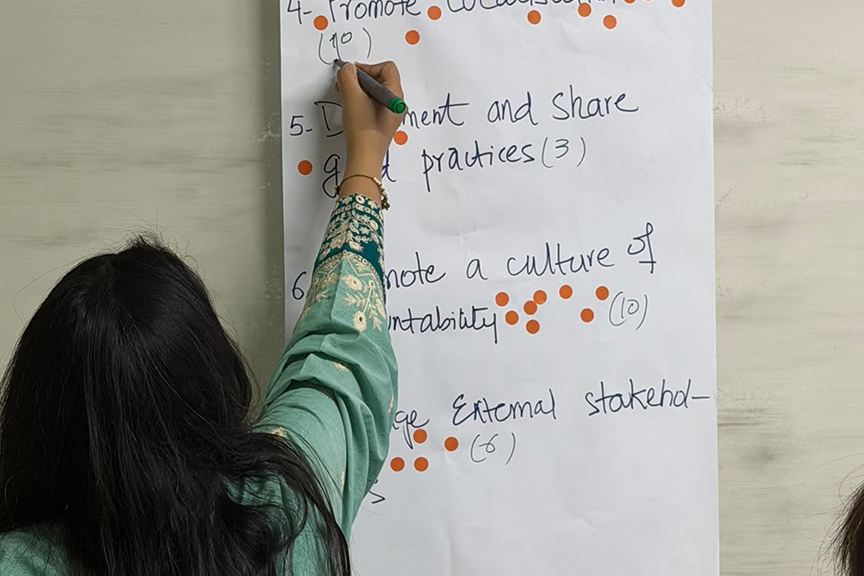
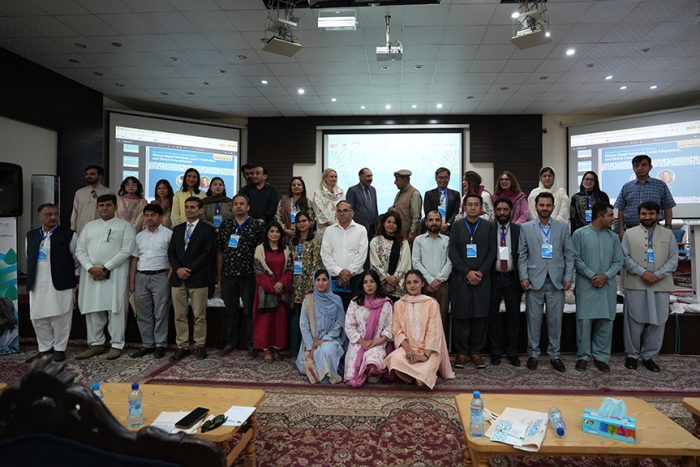
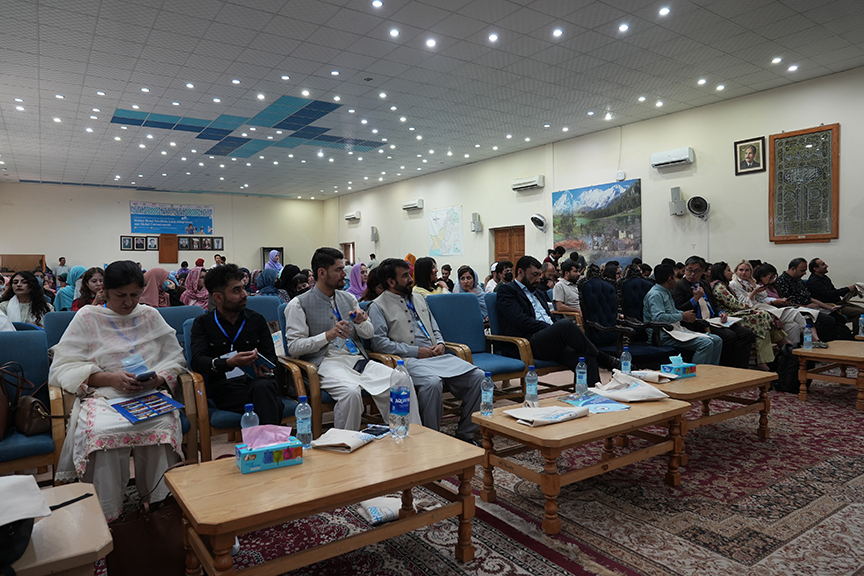
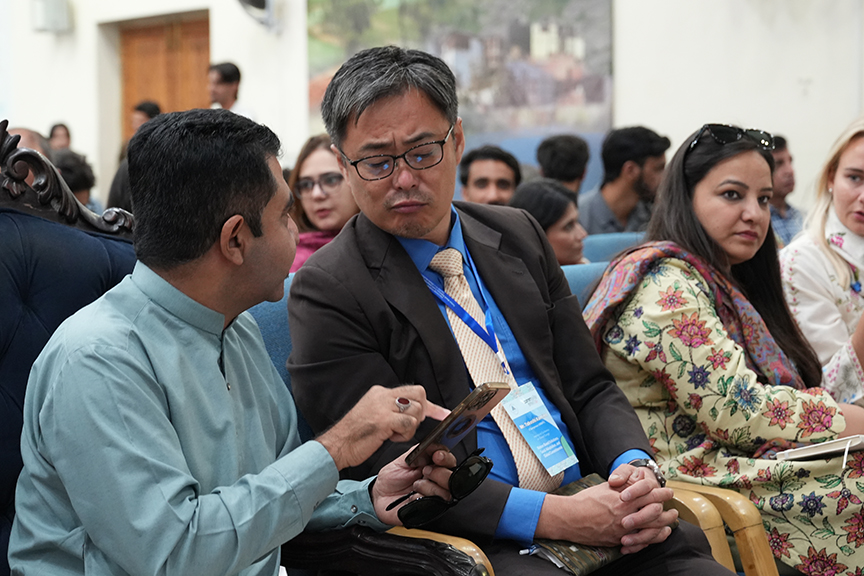
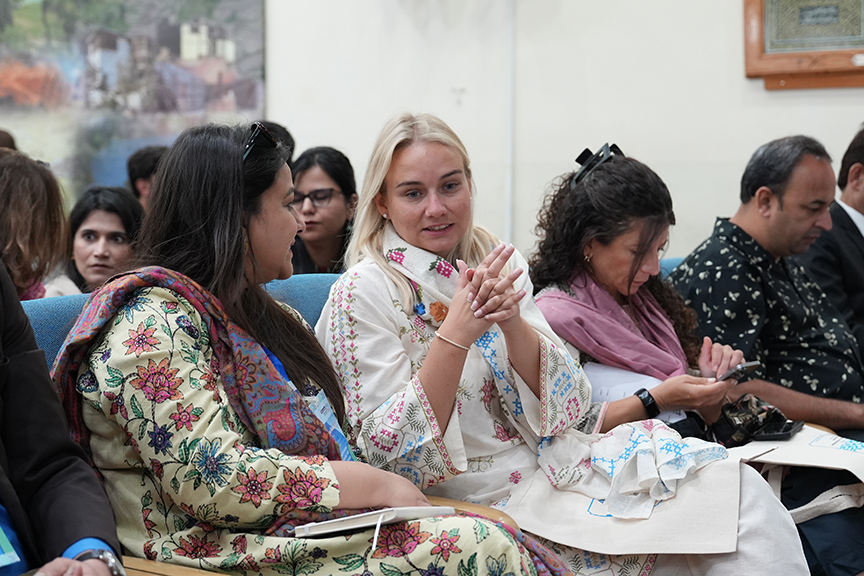
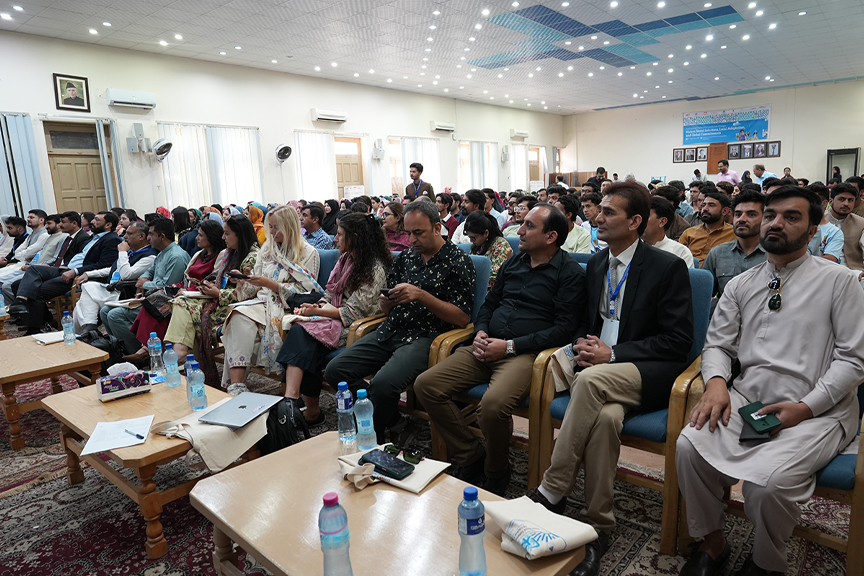
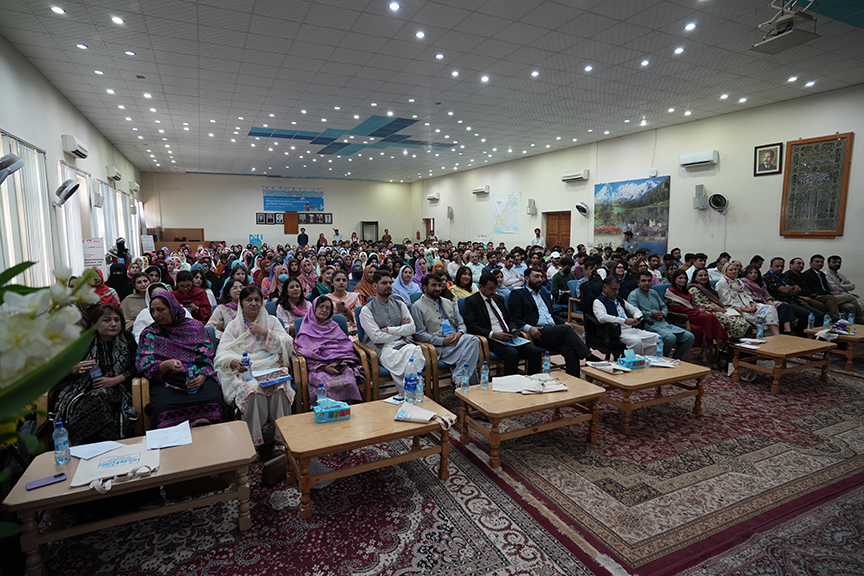
Community World Service Asia convened a timely and impactful learning event in Lahore on September 9th, 2025, bringing together key stakeholders to explore actionable strategies for Punjab’s climate resilience. Titled “Strategising Punjab’s Climate Roadmap: Policy, Practice & Partnership,” the event served as a dynamic platform for dialogue, collaboration, and forward-thinking solutions.

With climate-induced disasters escalating across Pakistan, the urgency to align policy with practice has never been greater. This learning event brought together representatives from government departments, humanitarian organisations, academia, and civil society to examine how integrated approaches can strengthen provincial climate adaptation and disaster risk reduction efforts.

Key Highlights:

  • Policy Alignment & Gaps: Participants reviewed existing climate policies and frameworks, identifying critical gaps in implementation and coordination across sectors.
  • Localising Climate Action: Emphasis was placed on community-led adaptation, with discussions on how local knowledge and inclusive planning can inform provincial strategies.
  • Strengthening Partnerships: The event fostered cross-sector collaboration, encouraging stronger linkages between humanitarian actors, government bodies, and technical experts.
  • Practical Tools & Innovations: Attendees explored practical tools for climate risk mapping, early warning systems, and safeguarding mechanisms tailored to Punjab’s diverse geography and vulnerabilities.

Voices from the Field: Participants shared insights from their respective contexts, highlighting the need for:

  • Gender-responsive climate programming
  • Youth engagement in climate advocacy
  • Strengthening institutional capacities for long-term resilience

Why This Matters:

This learning event marks a significant step toward building a cohesive and inclusive climate roadmap for Punjab. By bridging policy with practice and fostering meaningful partnerships, Community World Service Asia is helping shape a future where climate resilience is not just a goal, but a shared responsibility.