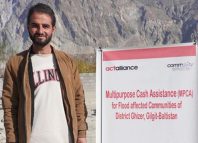
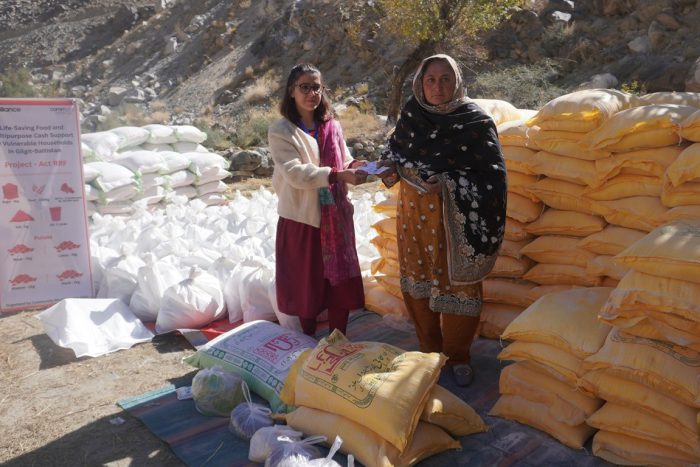
Ghizer: CWSA distributes 90,000 rupees cash assistance and food rations to 264 flood-affected households in 15 villages
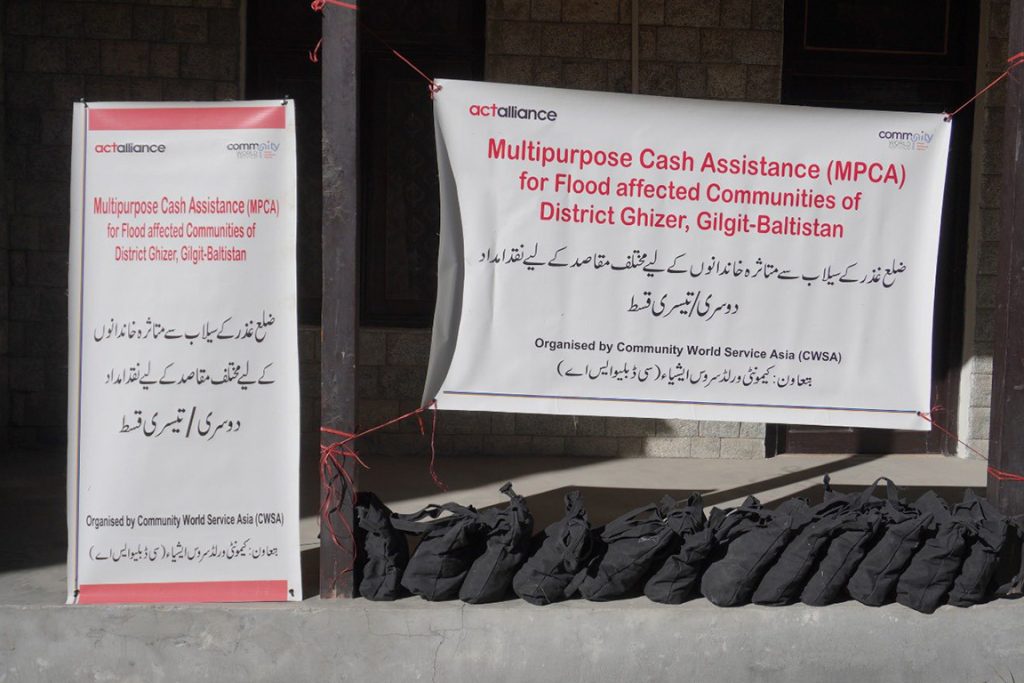
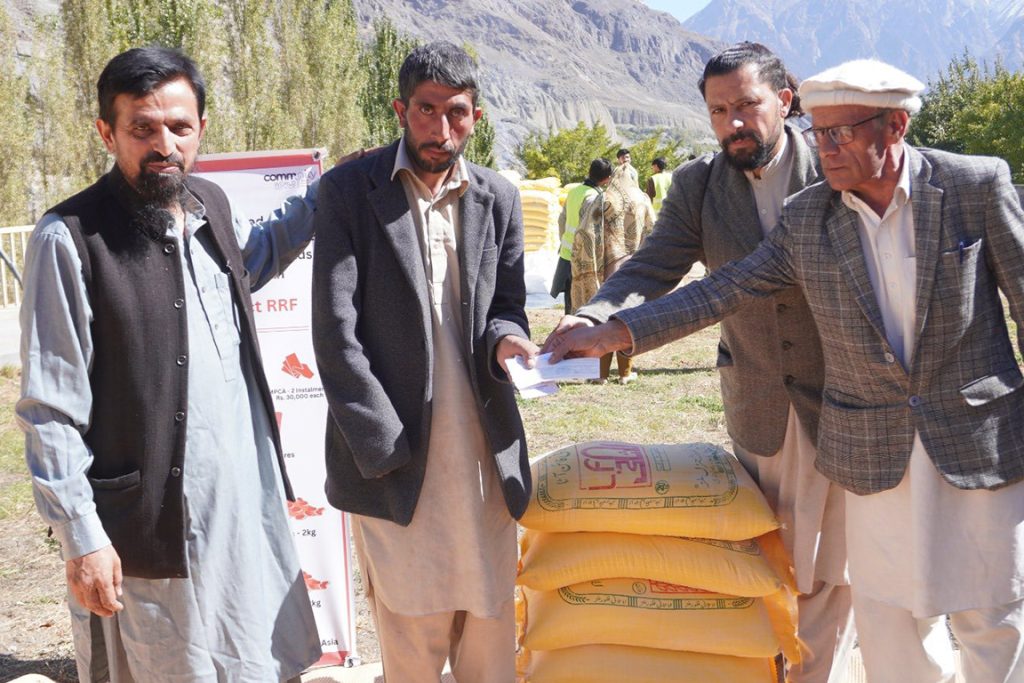
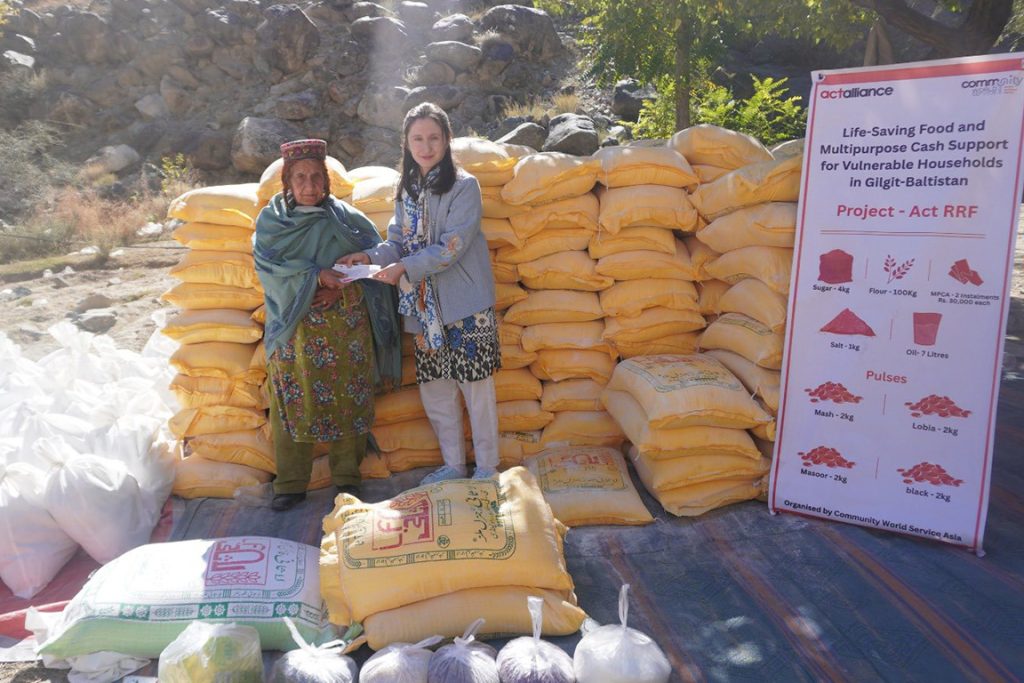
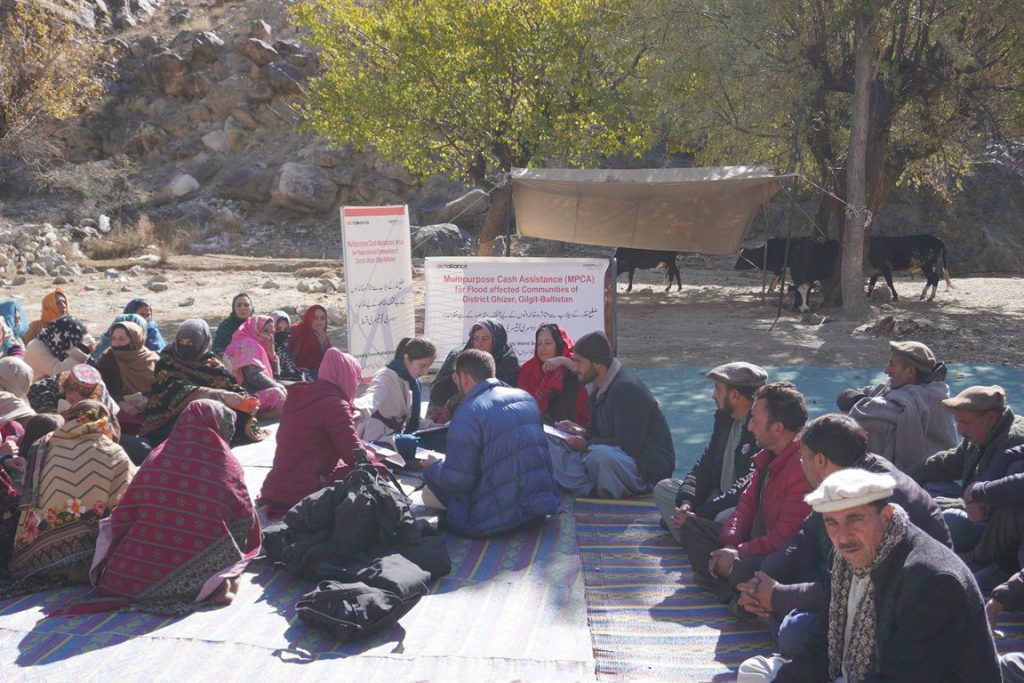
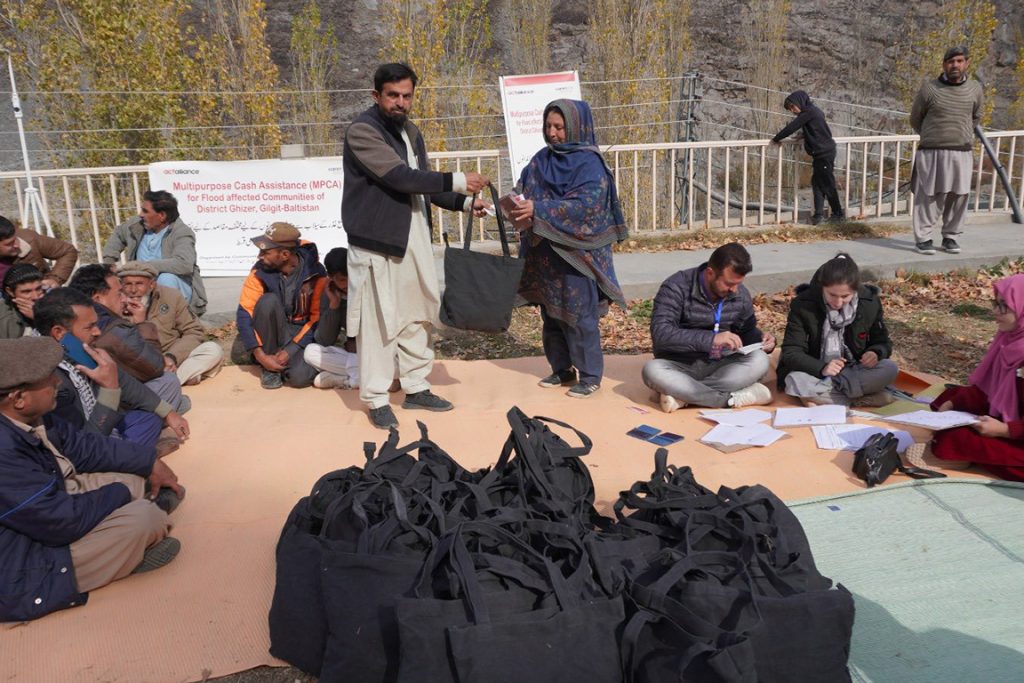
(Press Release) Community World Service Asia (CWSA) distributed financial assistance and food rations to 264 affected households in 15 flood-hit villages of District Ghizer (Dayeen, Asumber, Chatorkhand, Kochuda, Bargoal, Kanche, Tali Das, Haks, Haks Thangi, Khalti, Rawshan, Gupis, Sultanabad, Taus, and Karkalti).
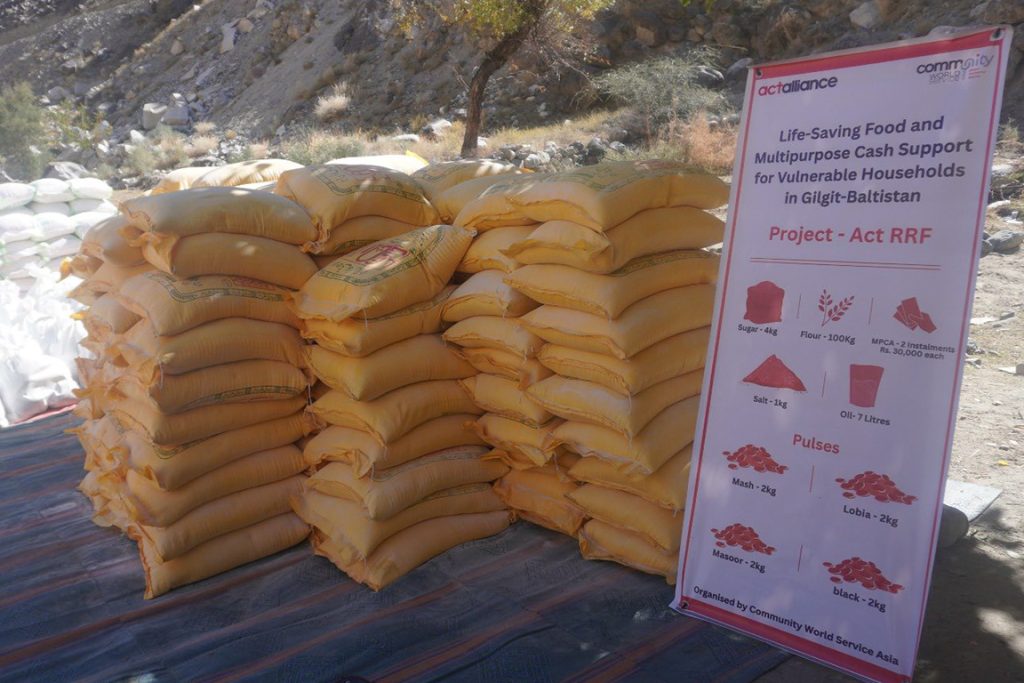
Each affected family received a total of 90,000 rupees in cash through three relief cheques, along with a one-month ration pack consisting of 100 kg flour, 8 kg pulses, 7 liters cooking oil, 4 kg sugar, and 1 kg salt.
Additionally, Dignity Kits were distributed to 100 women to help them meet their basic daily needs.
The local residents and affected families expressed deep appreciation and gratitude to CWSA and the ACT Alliance, saying that this assistance proved to be a great support for them during difficult times.
Pakistan is facing one of the most catastrophic monsoon flood emergencies in recent history. Torrential rains, compounded by cross-border water releases from India, have triggered widespread riverine overflows across Punjab, while northern regions remain highly vulnerable to flash floods and landslides. As of mid-September, over 3 million people had been evacuated, with 150,000 still sheltering in evacuation centres. Though waters in Punjab have begun to recede, the scale of devastation is staggering.
More than 2.6 million displaced people have returned to homes that are damaged or destroyed. The Punjab Disaster Management Authority reports the loss of 2.5 million acres of farmland; severely impacting wheat and cotton harvests and threatening long-term food security. Urban flooding in Karachi has compounded risks, while stagnant water in rural Punjab and Sindh is fueling outbreaks of water- and vector-borne diseases.
Forecasts warn of continued heavy rainfall and rising river levels in the Sutlej, Ravi, and Chenab. The National Disaster Management Authority (NDMA) has flagged heightened risks downstream, particularly in low-lying areas of Sindh. As floodwaters shift southward, the humanitarian situation remains dynamic and demands sustained, coordinated response.
National Humanitarian Needs
Shelter & NFIs: Over 2.6 million returnees in Punjab require emergency tents, repair kits, and winterization materials.
WASH: Safe drinking water, sanitation facilities, hygiene kits, and disease prevention measures are urgently needed.
Health: Mobile health services, essential medicines, and disease surveillance are critical to address rising cases of diarrhea, malaria, and dengue.
Food Security & Livelihoods: Crop and livestock losses threaten food access and recovery, particularly in Punjab.
Protection: Displaced women and children face heightened risks of exploitation and gender-based violence. Prolonged school closures are worsening child protection concerns.
The Asian Disaster Reduction and Response Network (ADRRN) has highlighted the urgent need to strengthen inclusive early warning and early action systems, backed by transformative investment in disaster risk reduction (DRR) to break Pakistan’s recurring cycle of flood-related loss and damage. Priority areas include:
Community-based DRR; training local residents in search and rescue
Forming Emergency response teams
Building local capacity for immediate medical and psychosocial support
Advancing locally-led climate adaptation requires complementing community knowledge with scientific and technical support to effectively address evolving risks.
Sindh Overview
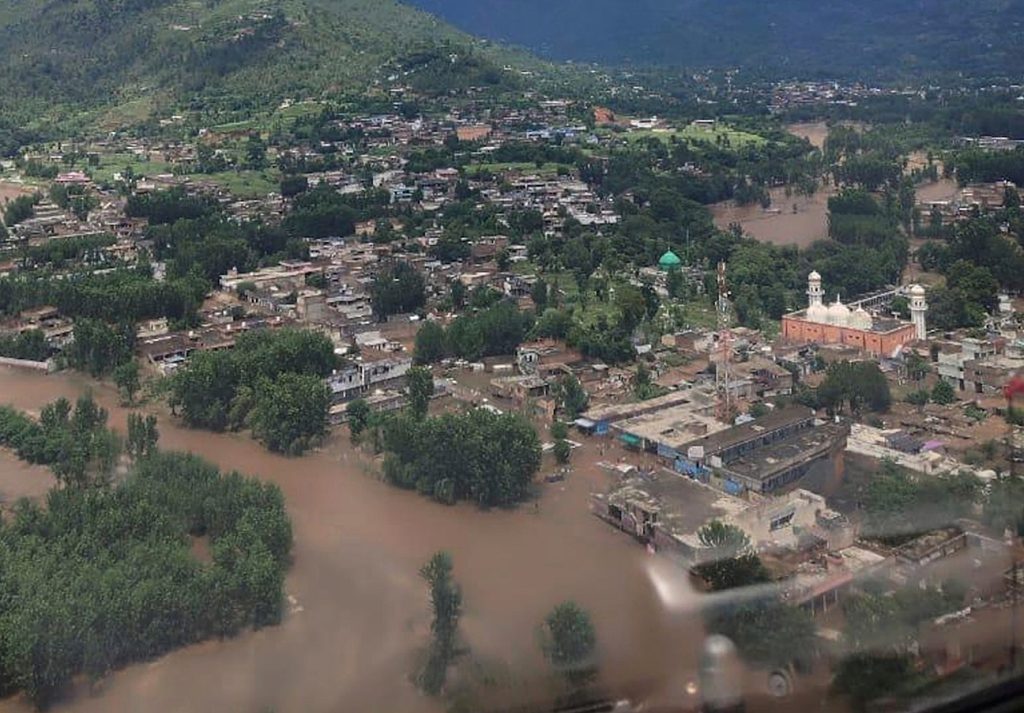
Sindh province continues to be severely impacted, with intense urban flooding reported in Karachi, Hyderabad, and Mirpurkhas. The overflow of the Indus River has displaced approximately 191,500 people across 643 villages in 12 districts. Vulnerable communities residing in katcha1 areas have suffered extensive livelihood losses and significant damage to agricultural assets. Although conditions in Umerkot have now stabilized, the district endured widespread flooding throughout August and September.
Humanitarian Needs in Sindh
Health
Mobile health teams and essential medicines
WASH
Safe water, latrines, hygiene kits
Shelter/NFIs
Tents, tarpaulins, mosquito nets
Food Security
Dry rations and cooked meals
Livelihoods:
Support to restore income-generating activities
Protection/MHPSS
Psychosocial support and community outreach
Gilgit-Baltistan Overview
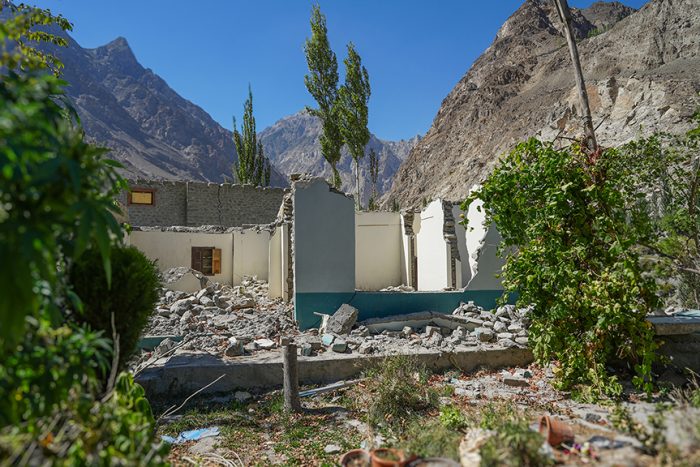
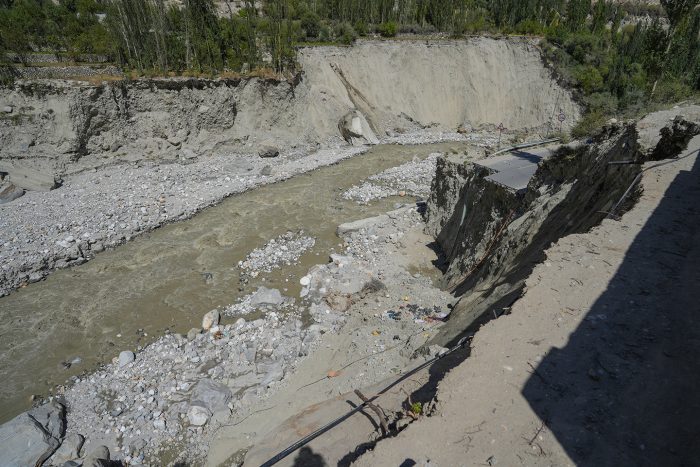
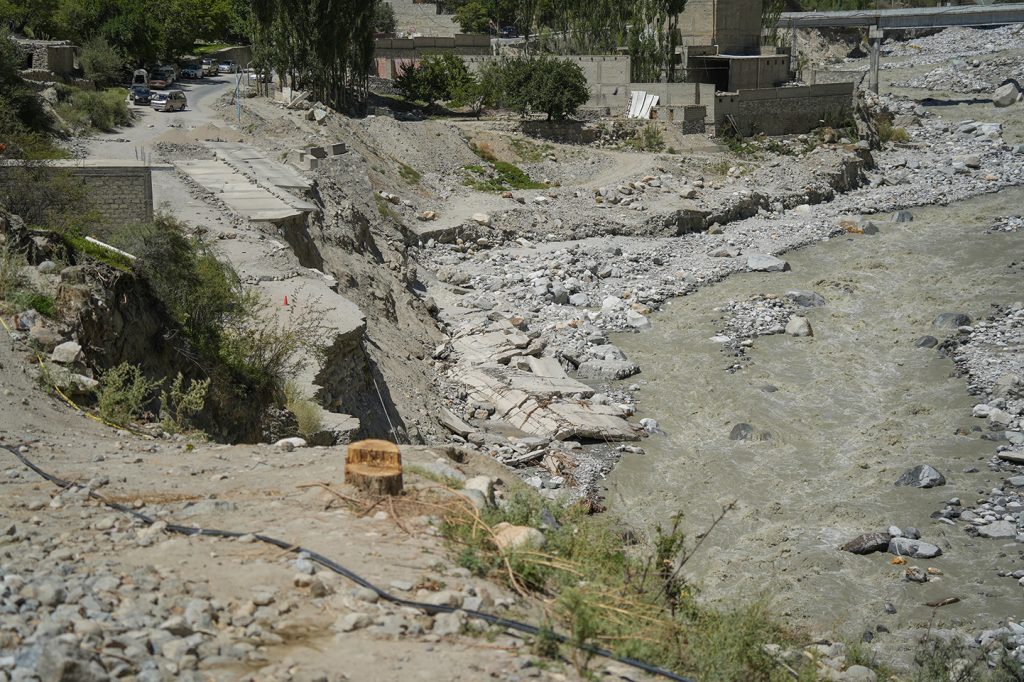
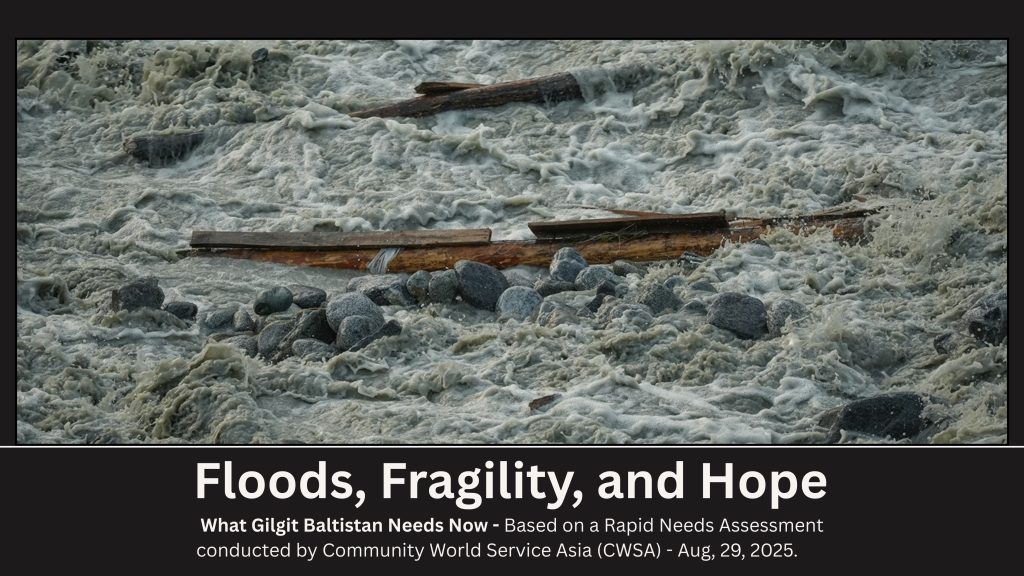
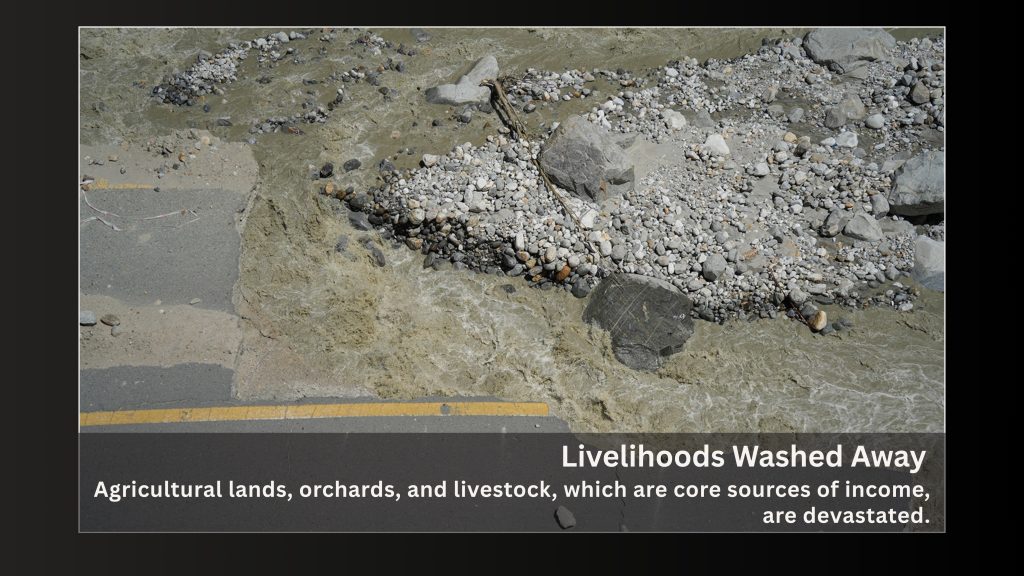
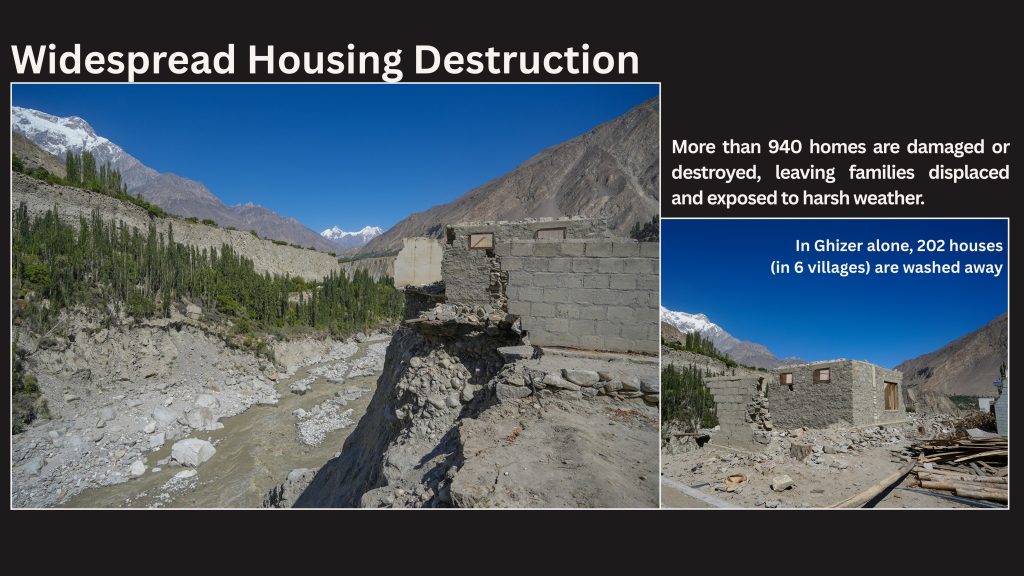
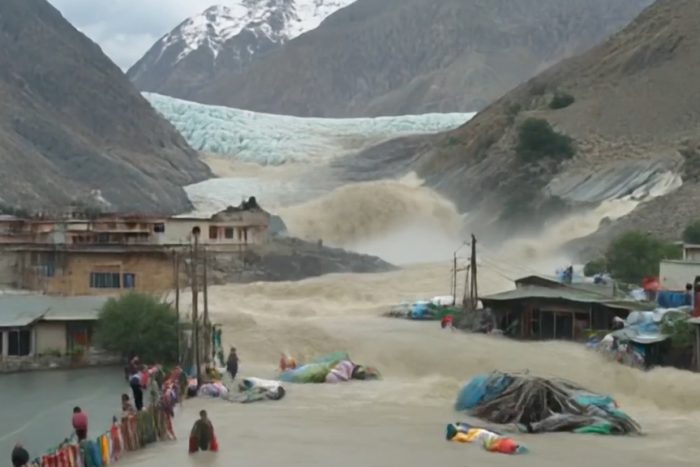
In September, Gilgit-Baltistan was struck by Glacial Lake Outburst Floods (GLOFs) and flash floods, resulting in 41 deaths, 52 injuries, and the destruction of 1,253 homes. Infrastructure damage includes 87 bridges and 20 km of roads, with valleys such as Diamer and Ghizer cut off from relief access. Damages are estimated at PKR 20 billion.
Humanitarian Needs in Gilgit-Baltistan
Shelter, clean water, food, and medical care
Winterisation support for displaced families
Strengthened health services to address disease outbreaks
Livelihood recovery and protection for vulnerable groups
Community World Service Asia’s Response
Anticipatory Action in Sindh: With upstream river discharges threatening a “super flood” in Sindh, Community World Service Asia (CWSA) has activated anticipatory measures across flood-prone districts:
Pre-positioned supplies: Lifesaving medicines, medical equipment, and hygiene kits stocked at Umerkot warehouse.
Mobile health units: Strategically placed for rapid deployment.
Risk communication: Disseminating early warnings, safe water guidance, evacuation protocols, and disease prevention messages in local languages.
Coordination: Working closely with PDMA Sindh, health agencies, and cluster partners to ensure targeted, inclusive response and avoid duplication.
Additional support will be needed for winterisation, sanitation, shelter, logistics, and multipurpose cash assistance.
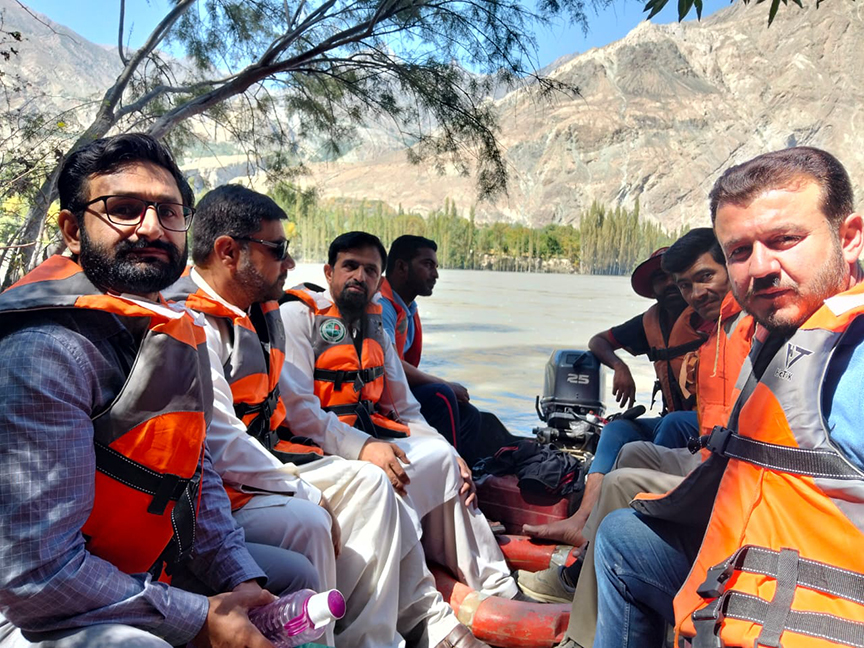
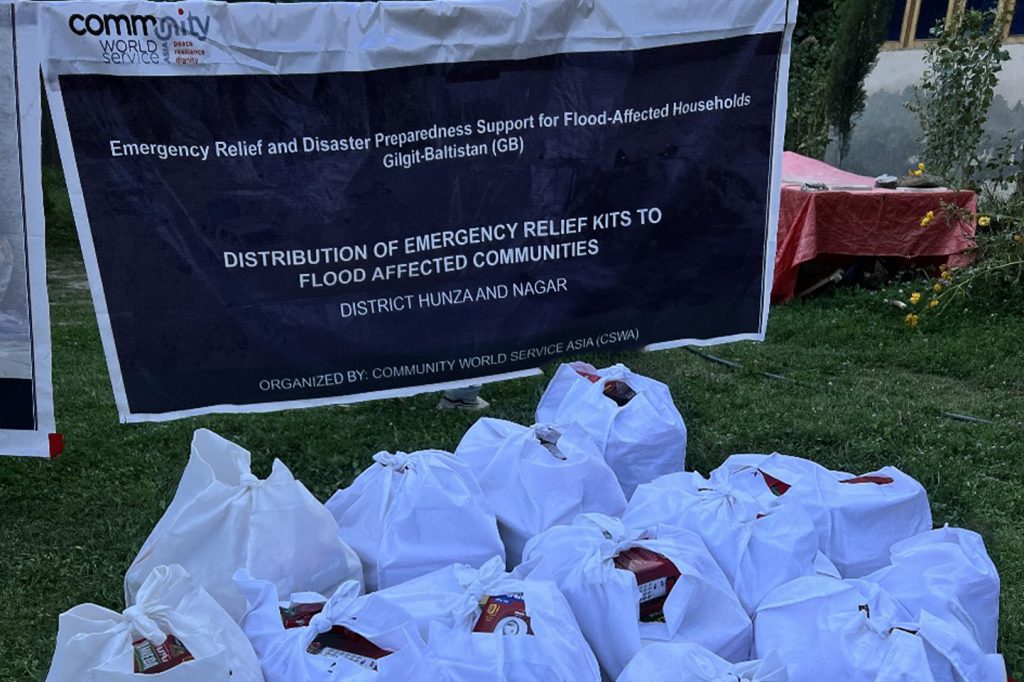
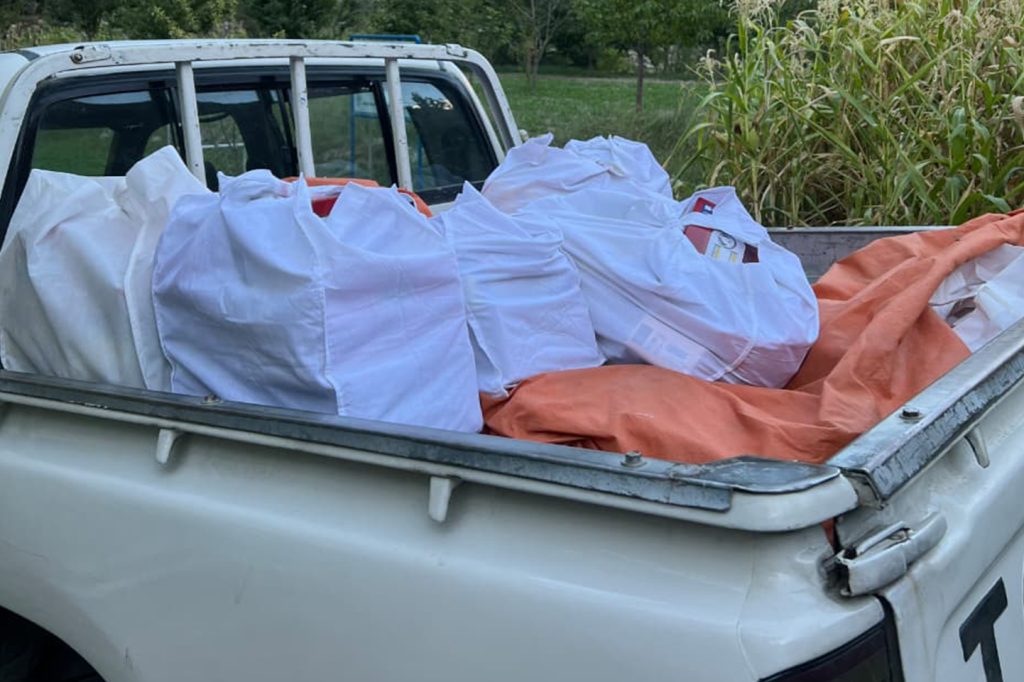
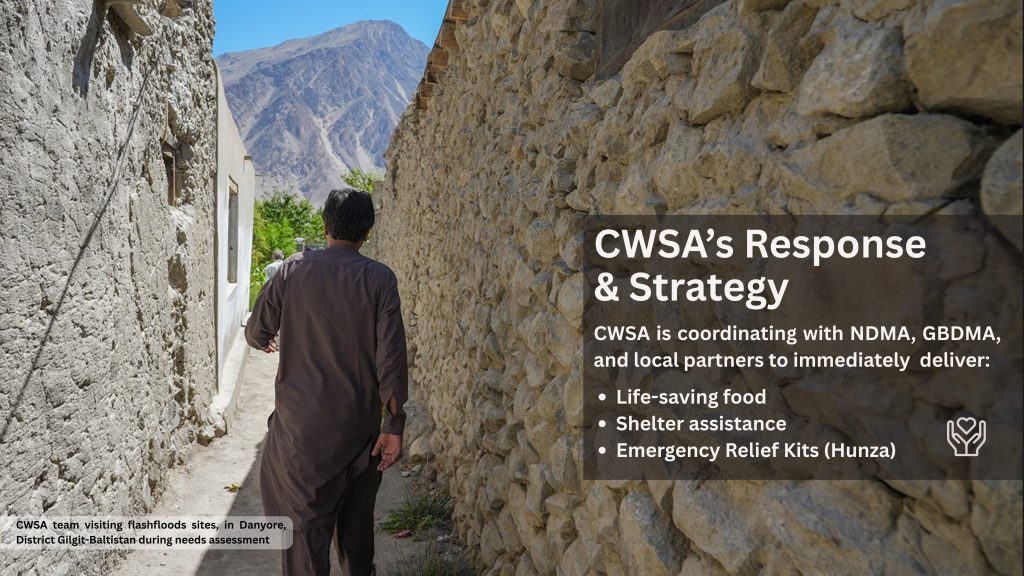
In Gilgit-Baltistan: In response to glacial lake outburst floods (GLOFs) and monsoon-induced landslides, Community World Service Asia (CWSA) has initiated emergency relief operations in Hunza and neighboring districts. Emergency Relief Kits have been distributed in Hunza, with preparations underway for the delivery of food supplies, non-food items (NFIs), and winterisation kits.
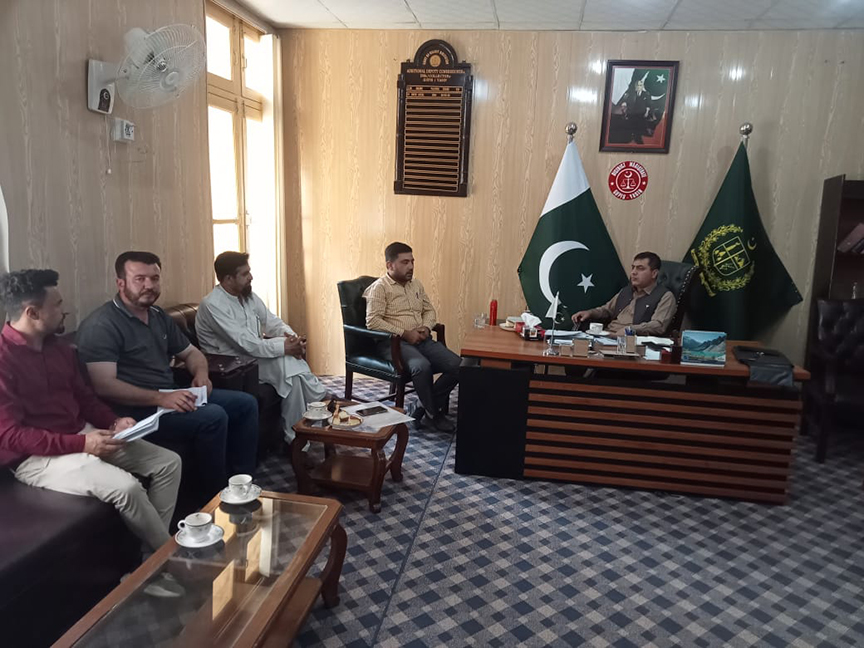
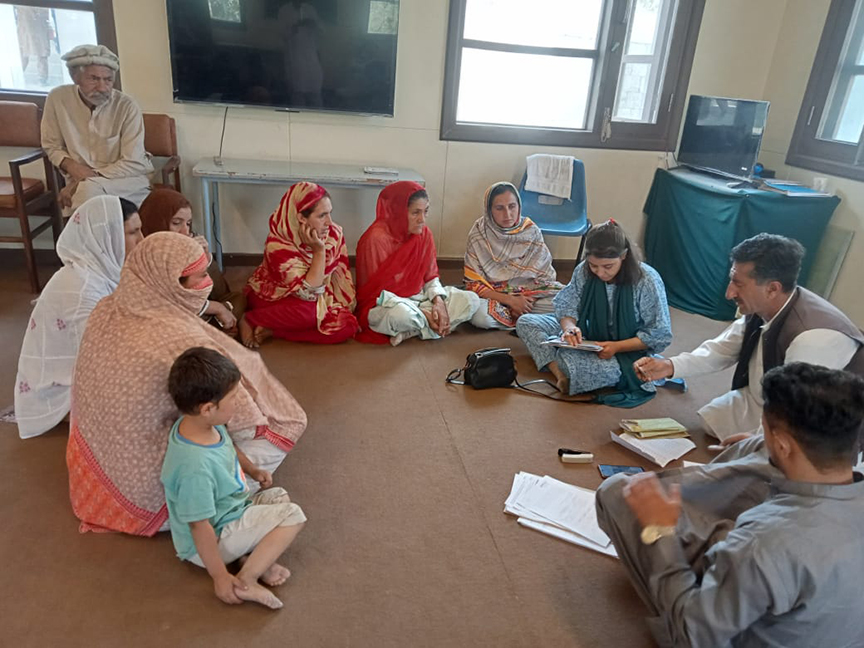
In Ghizer district, CWSA has established a dedicated field office, secured the necessary No Objection Certificate (NOC), recruited and oriented staff, and arranged two vehicles to facilitate field activities. Coordination meetings have been held with key stakeholders, including GBDMA, WWF-Pakistan, the Social Welfare Department, AKRSP, and the Deputy and Assistant Commissioners of Ghizer. Engagements with community organisations in flood-affected areas have also been completed.
Assessments for 240 project participants have been finalised, and data entry is currently in progress. Procurement processes have commenced following the submission of Purchase Request Forms (PRFs) and quotations for food packages. Distributions of food and multipurpose cash assistance are scheduled for October 2025.
Projected Gaps:
Many households remain unreached due to access and resource constraints.
Additional winterisation, sanitation, and shelter supplies are needed.
Multipurpose cash support is critical where markets remain functional.
Enhanced coordination with local authorities is required to facilitate last-mile delivery.
Coordination & Accountability
Community World Service Asia (CWSA) continues to work in close coordination with NDMA, PDMAs, UN agencies, humanitarian clusters, and ACT members in the country to harmonise response efforts and avoid duplication. As Co-Chair of the AAP (Accountability to Affected People) Working Group in Pakistan, CWSA places communities at the centre of the response by ensuring fair access to aid, clear and timely information in local languages, and inclusive decision-making processes and update the coordination networks accordingly. Safe, confidential feedback and complaints channels, through hotlines, community focal points, and helpdesks, are available across Sindh, Punjab, and Gilgit-Baltistan, enabling people to voice concerns and shape the response. Special efforts are made to reach women, children, persons with disabilities, and minority groups, while disaggregated data helps track who is reached and address risks of exclusion. Communities are also informed about the type, quantity, and timing of assistance, strengthening transparency and trust. These accountability measures are not add-ons but an integral part of CWSA’s principled humanitarian action, ensuring that relief is both effective and dignified.
Urgent Funding Priorities:
Expand anticipatory action in Sindh with rapid deployment capacity and community communication.
Scale up winterisation, shelter, and cash support in Gilgit-Baltistan based on community-identified needs.
Strengthen logistics and last-mile transport to reach high-risk, remote communities.
Community World Service Asia remains committed to delivering principled, inclusive, and locally led humanitarian assistance. As the situation evolves, we call on partners, donors, and humanitarian actors to join us in scaling up coordinated response efforts and investing in long-term resilience across Pakistan.
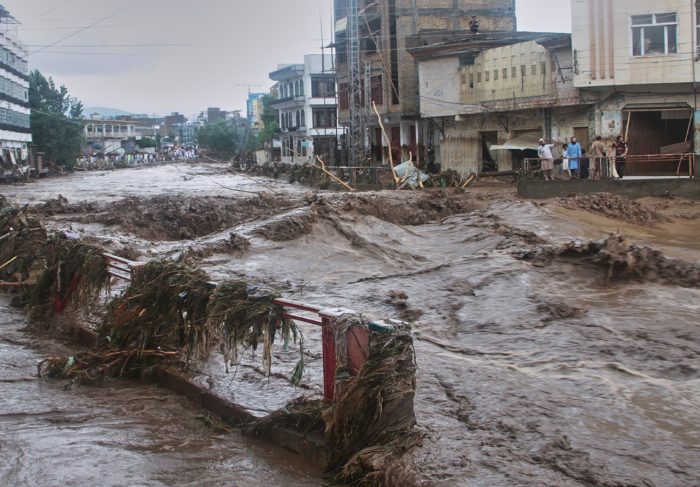
Pakistan is currently facing one of its most devastating monsoon emergencies in recent history. Since the onset of the rains in late June, relentless downpours intensified by cross-border water releases, have triggered widespread riverine flooding across Punjab and recurrent flash floods and landslides in northern and mountainous regions, including Khyber Pakhtunkhwa and Gilgit-Baltistan.
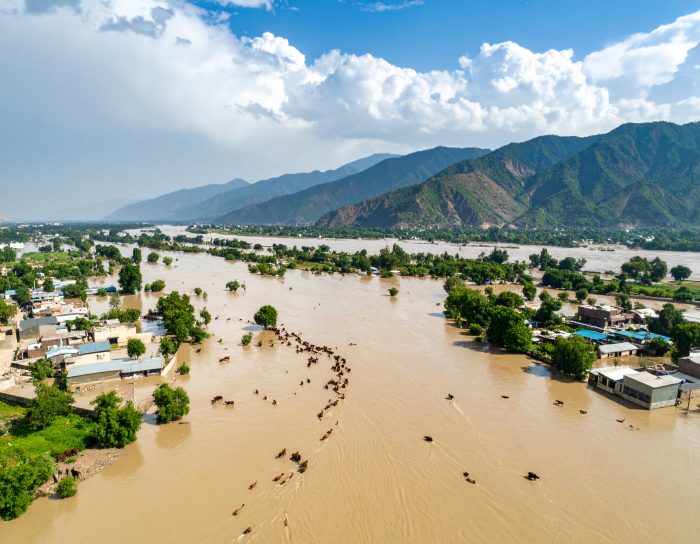
As of early September, over 883 lives have been lost, with more than 1.8 million people displaced nationwide. Punjab, the country’s agricultural heartland, has been particularly hard-hit, with over 3.9 million people affected, thousands of villages inundated, and entire wheat-producing districts submerged. Emergency responders have deployed boats, drones, and mobile relief camps to reach isolated communities, yet access remains limited in many areas.
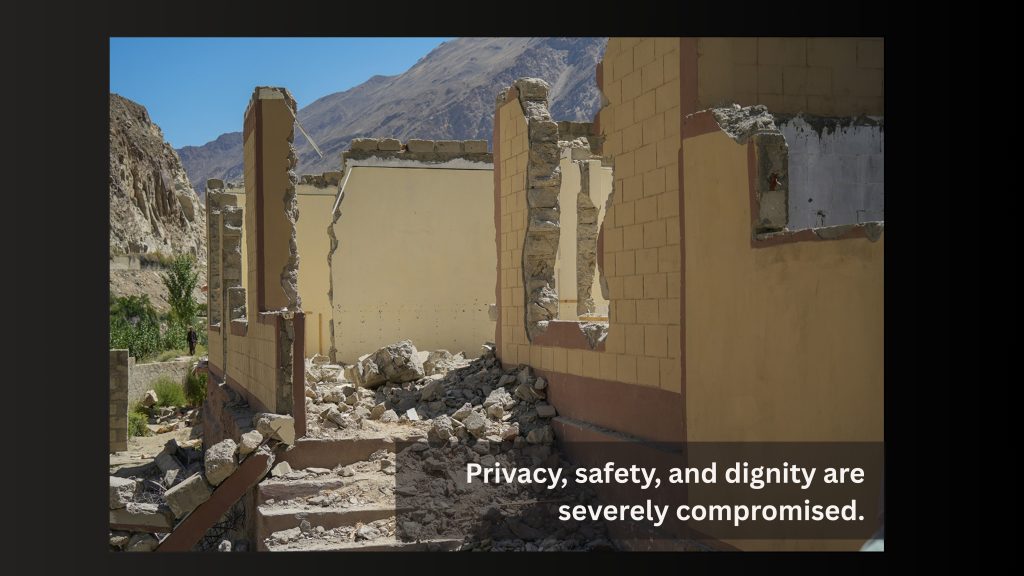
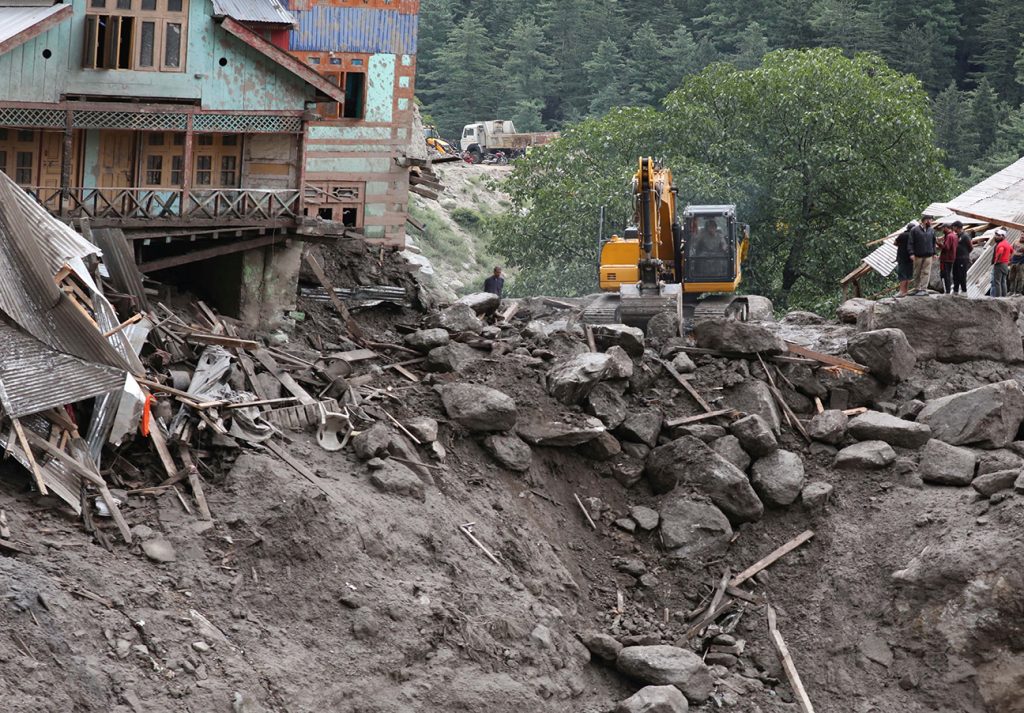
In Khyber Pakhtunkhwa, flash floods and landslides have destroyed homes, schools, and roads, cutting off entire villages. Glacier lake outburst floods (GLOFs) in Gilgit-Baltistan have added another layer of destruction, wiping out water systems and power infrastructure. Urban flooding in Sindh, particularly in Karachi, Hyderabad, and Mirpurkhas—has caused fatalities, submerged roads, and damaged crops and homes4.
Despite large-scale evacuations and the relocation of over 900,000 individuals, humanitarian needs continue to outpace response capacity. The National Disaster Management Authority (NDMA) warns of sustained high flows in the Sutlej, Ravi, and Chenab rivers, with floodwaters projected to reach the Guddu Barrages, posing downstream threats to Sindh and straining evacuation and flood defense systems.
Key Risks and Impact
Sector
Impact
Shelter & Displacement
4,700+ homes destroyed and hundreds of thousands displaced, many sheltering in schools or with host communities.
Urgent need for emergency tents, winterisation kits, and transitional shelter as floodwaters recede.
Water, Sanitation & Hygiene (WASH)
Widespread contamination of water sources and collapse of sanitation infrastructure.
Rising cases of malaria, skin infections, and diarrheal diseases, especially in urban flood zones and remote valleys.
Critical gaps in hygiene kits, clean water access, and disease prevention measures.
Health
Damage to 40+ health facilities, disruption of medicine supply chains, and limited disease surveillance capacity.
WHO and partners are scaling up vector control and outbreak containment, but access remains a challenge in cut-off areas.
Food Security & Livelihoods
Agricultural losses mounting across Punjab and Sindh, with thousands of acres of crops destroyed.
Livestock deaths and disrupted supply chains threaten food availability and income for rural households.
Need for cash-for-work programs to support debris clearance and recovery
Protection & Education
Over 400 schools damaged or closed, leaving children without safe learning spaces.
Increased protection risks for women, girls, and displaced families, with urgent need for dignity kits, psychosocial support, and safe shelters.
Forecast & Climate Risks
Meteorological forecasts warn of continued heavy rainfall and landslides through early September, especially in eastern Punjab and northern highlands.
GLOFs and unstable glacial lakes in Gilgit-Baltistan pose ongoing threats, exacerbated by climate change and rising temperatures
ADRRN has highlighted the urgent need to strengthen inclusive early warning and early action systems, backed by transformative investment in disaster risk reduction (DRR) to break Pakistan’s recurring cycle of flood-related loss and damage. Priority areas include:
Community-based DRR; training local residents in search and rescue
Forming Emergency response teams
Building local capacity for immediate medical and psychosocial support
Advancing locally-led climate adaptation requires complementing community knowledge with scientific and technical support to effectively address evolving risks.
Immediate Humanitarian Needs
The 2025 monsoon floods have triggered a nationwide humanitarian emergency, with over 2 million people affected and more than 880 lives lost. Punjab remains the epicenter, but downstream threats to Sindh and cascading disasters in Gilgit-Baltistan are rapidly escalating humanitarian needs across provinces.
Priority Needs Across Pakistan:
Shelter & NFIs: Over 4,700 homes destroyed; displaced families urgently require tents, tarpaulins, blankets, and kitchen sets. Winterisation items are critical in northern regions.
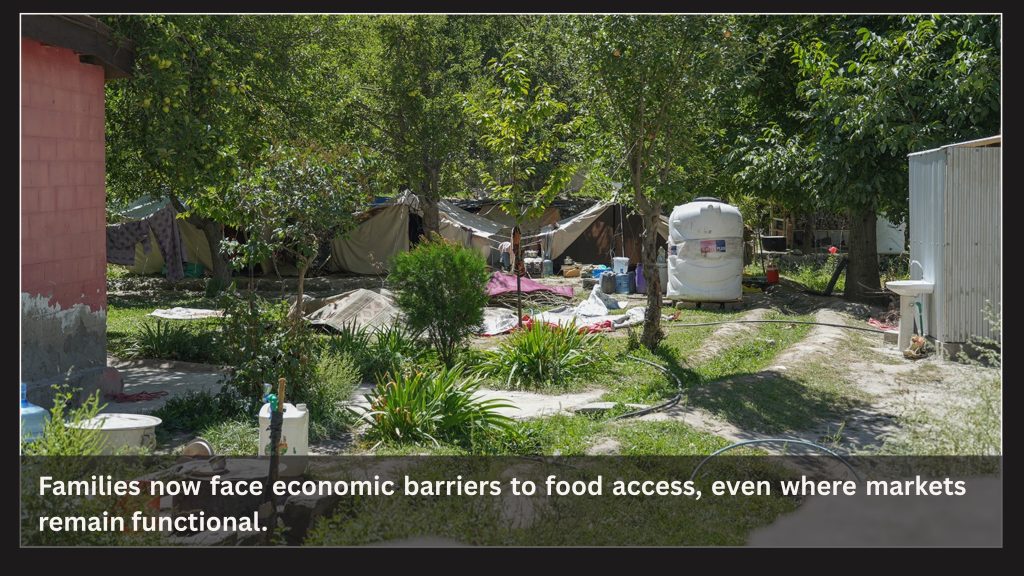
Multipurpose Cash Assistance: Where markets remain functional, cash support is critical to enable families to meet diverse needs; food, medicine, transport, and shelter, while preserving dignity and choice.
Health Services: More than 40 health facilities damaged; rising cases of malaria, dengue, and diarrheal diseases demand mobile health units, medicines, and disease surveillance.
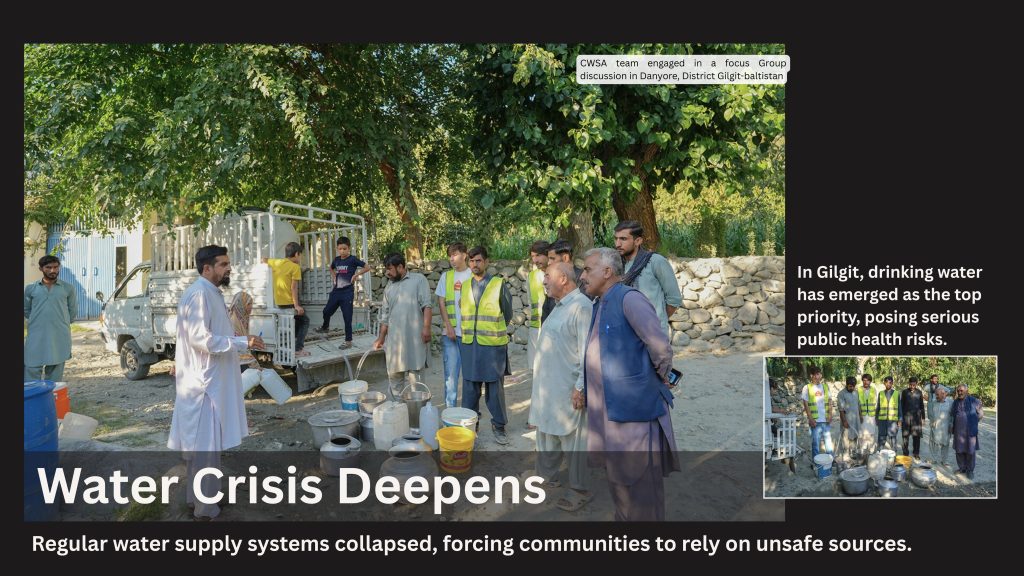
Water, Sanitation & Hygiene (WASH): Contaminated water sources and collapsed sanitation systems have led to surging infections. Hygiene kits, safe water access, and sanitation facilities are urgently needed.
Food Security & Livelihoods: Agricultural losses in Punjab and Sindh threaten food availability. Livestock deaths and disrupted supply chains require food rations and cash-for-work support.
Protection & Education: Over 400 schools damaged or closed; children face heightened protection risks. Dignity kits, safe learning spaces, and psychosocial support are essential.
Climate & Disaster Risk: Forecasts warn of continued heavy rainfall and landslides. Glacier lake outburst floods (GLOFs) in Gilgit-Baltistan compound risks, especially with winter approaching.
Community World Service Asia (CWSA) Response
Anticipatory Action in Sindh: With upstream river discharges threatening a “super flood” in Sindh, CWSA has activated anticipatory measures across flood-prone districts:
Pre-positioned supplies: Lifesaving medicines, medical equipment, and hygiene kits stocked at Umerkot warehouse.
Mobile health units: Strategically placed for rapid deployment.
Risk communication: Disseminating early warnings, safe water guidance, evacuation protocols, and disease prevention messages in local languages.
Coordination: Working closely with PDMA Sindh, health agencies, and cluster partners to ensure targeted, inclusive response and avoid duplication.
Despite these efforts, additional support is urgently needed to scale operations, particularly for reaching remote communities and covering operational costs.
Continuous Response in Gilgit-Baltistan
In response to GLOFs and monsoon-triggered landslides, Community World Service Asia (CWSA) has launched emergency relief in Hunza and surrounding districts:
Emergency Relief Kits: Distributed to affected households.
Winterisation & NFIs: Planned distributions of household items and kitchen sets to mitigate cold-related risks (if funds are mobilised)
Food & Shelter Assistance: New projects initiated to support displaced families.
Many households remain unreached due to access and resource constraints.
Additional winterisation, sanitation, and shelter supplies are needed.
Multipurpose cash support is critical where markets remain functional.
Enhanced coordination with local authorities is required to facilitate last-mile delivery.
Coordination & Accountability
CWSA continues to work in close coordination with NDMA, PDMAs, UN agencies, and humanitarian clusters and working groups and with ACT members in the country to harmonise response efforts and avoid duplication. As Co-Chair of the AAP Working Group in Pakistan, CWSA places communities at the centre of response, ensuring fair access to aid, clear information in local languages, safe feedback channels, and inclusive decision-making. However, the scale of the crisis demands urgent and flexible funding to translate readiness into lifesaving action.
Urgent Funding Priorities:
Expand anticipatory action in Sindh with rapid deployment capacity and community communication.
Scale up winterisation, shelter, and cash support in Gilgit-Baltistan based on community-identified needs.
Strengthen logistics and last-mile transport to reach high-risk, remote communities.
Without timely and flexible funding, the humanitarian toll in Sindh, Gilgit-Baltistan, and other provinces will continue to rise. CWSA stands ready to respond, grounded in local partnerships, strategic coordination, and a commitment to inclusive, dignified humanitarian action.
Contacts:
Shama Mall Deputy Regional Director Programs & Organisational Development Email: shama.mall@communityworldservice.asia Tele: 92-21-34390541-4
Palwashay Arbab Head of Communication Email: palwashay.arbab@communityworldservice.asia Tele: 92-21-34390541-4
References
ADRRN Statement on Recent Disasters in Afghanistan and Pakistan – ADRRN
Live Updates: Pakistan floods 2025 – DAWN.COMhttps://www.thenews.com.pk/latest/1336438-trail-of-death-and-destruction-rescuers-recover-bodies-as-rains-floods-toll-tops-350
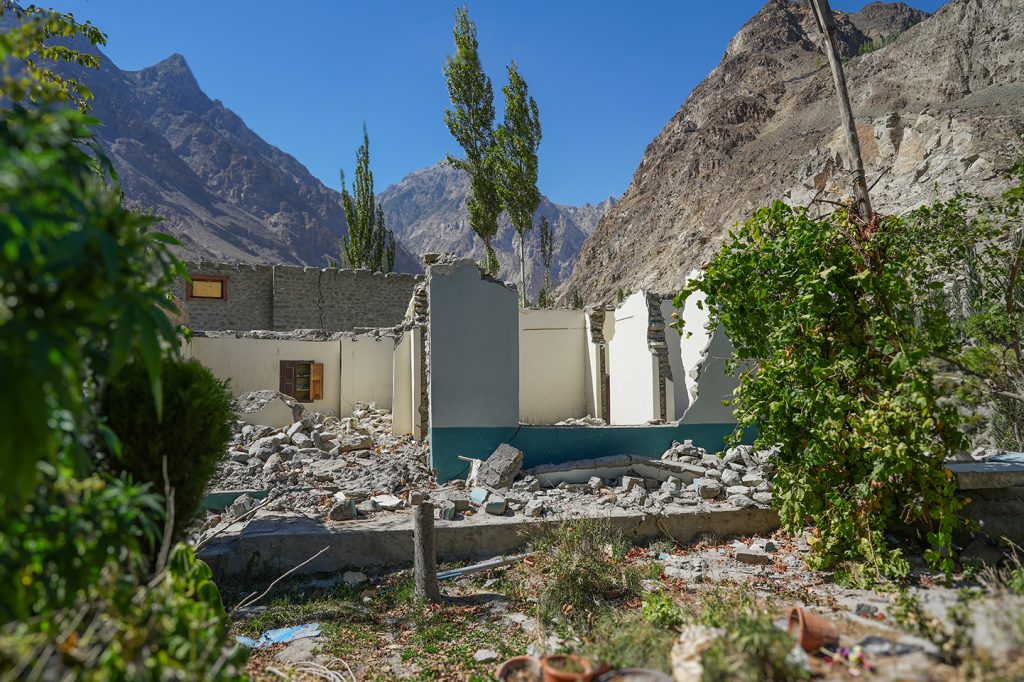
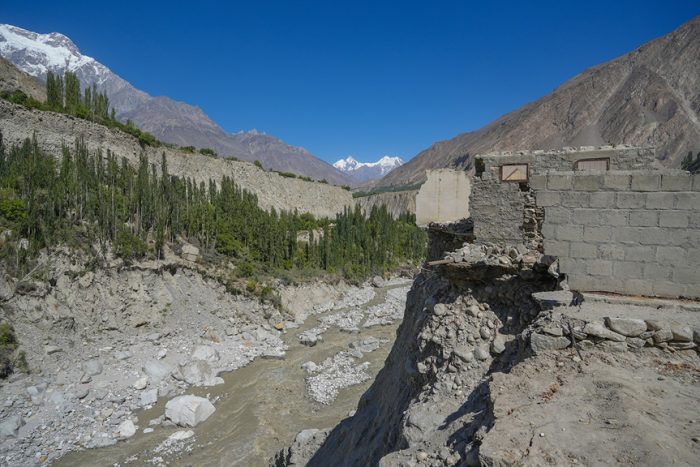
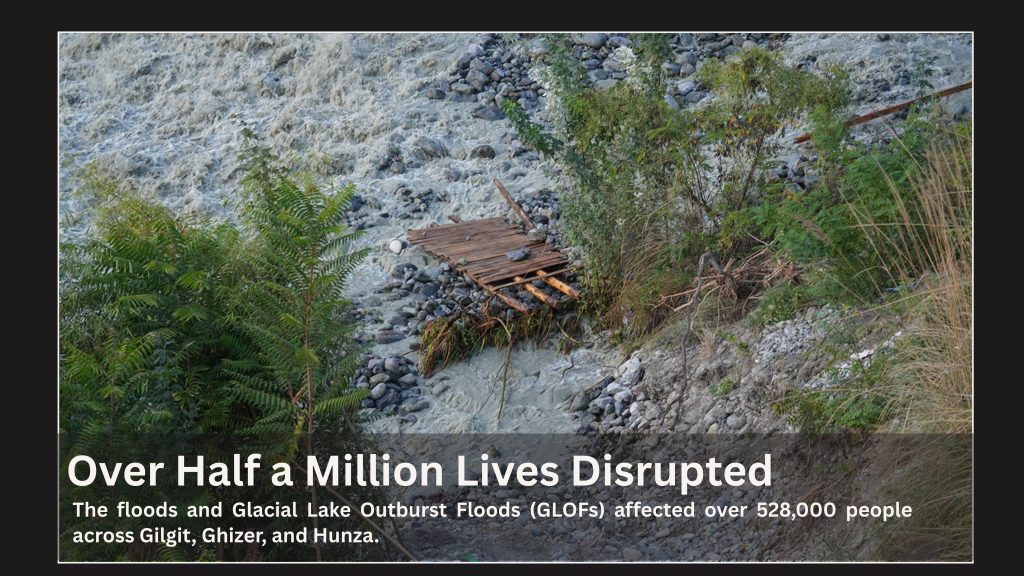
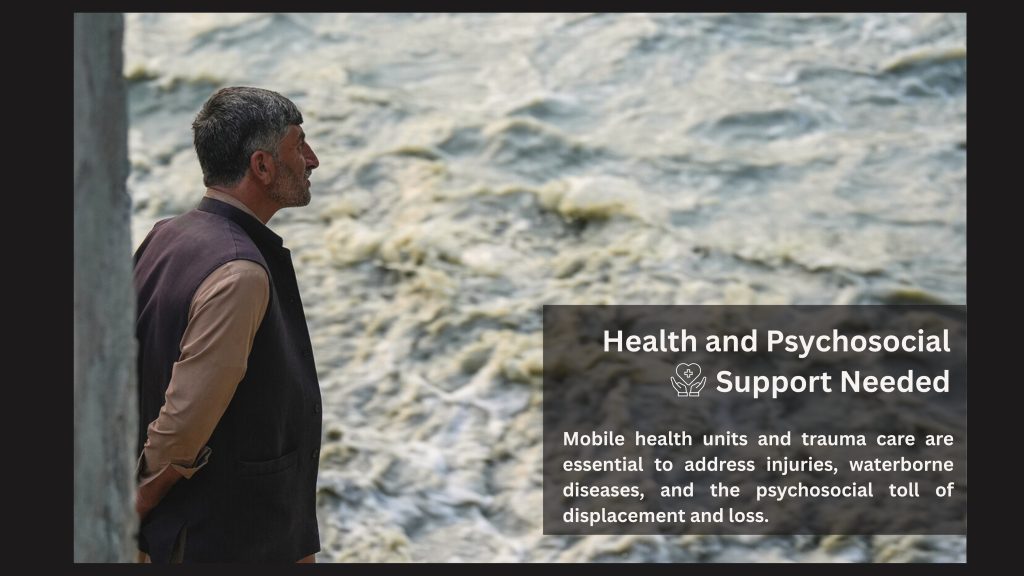
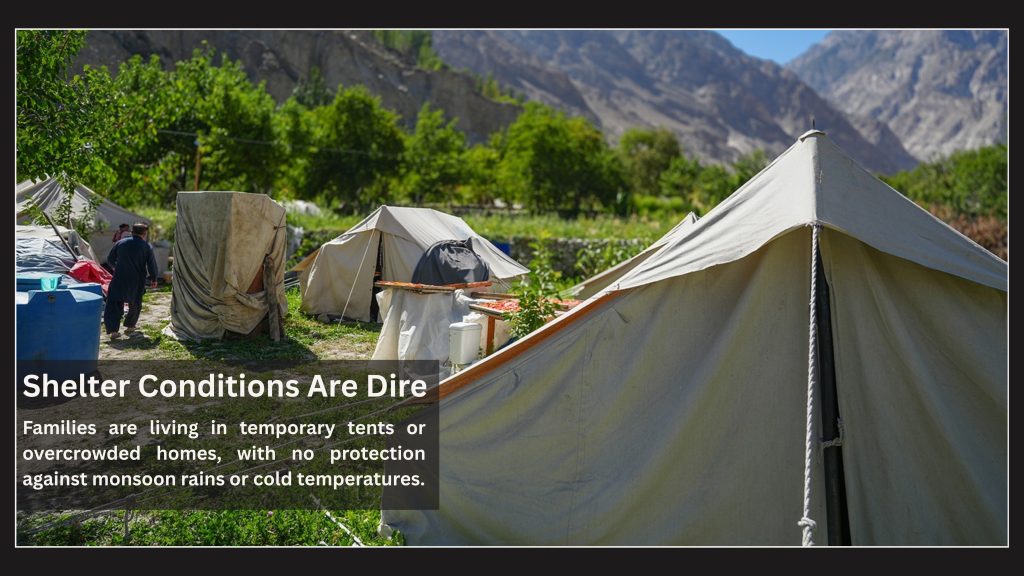
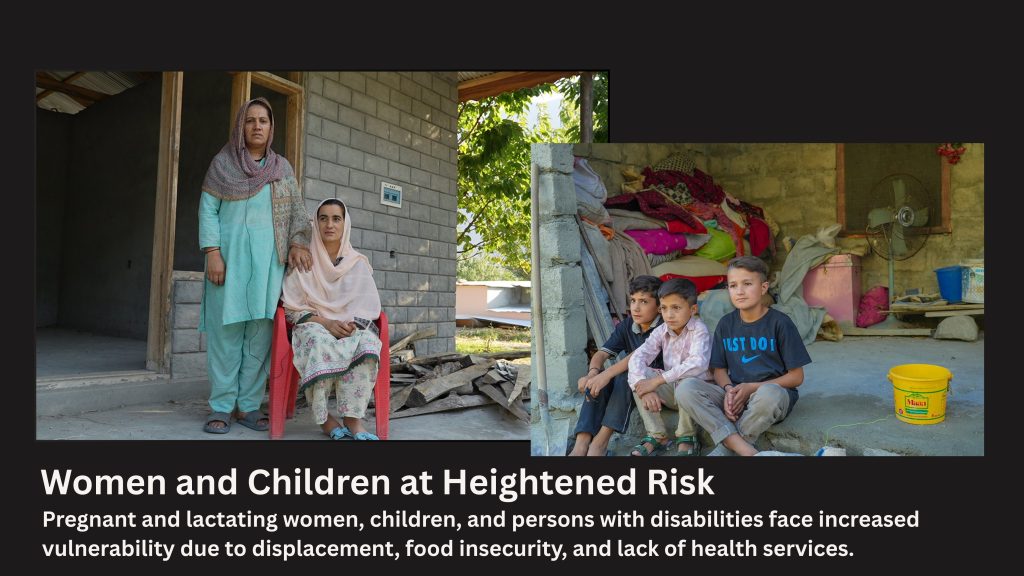
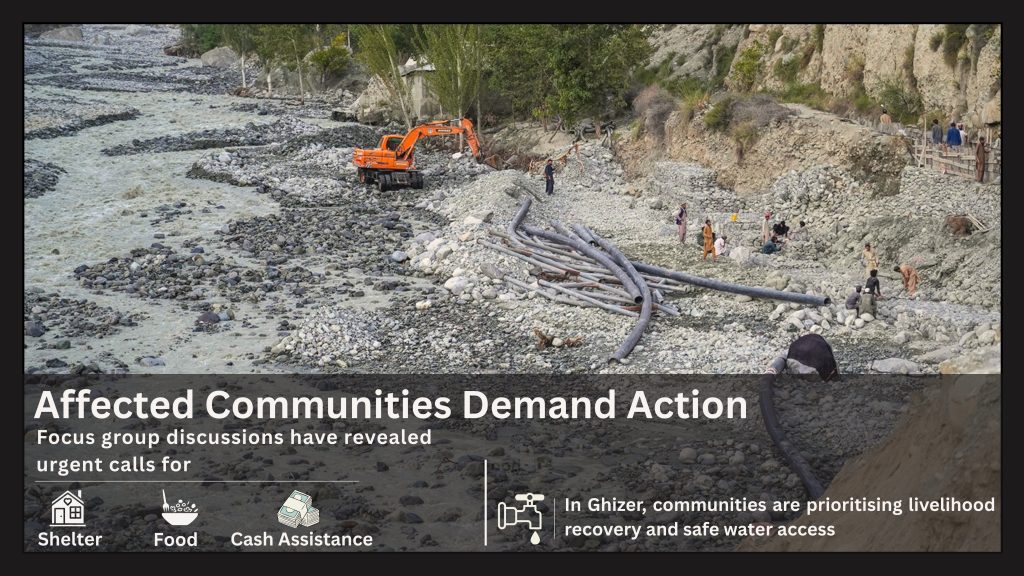
As climate-induced disasters intensify across Pakistan, the remote region of Gilgit Baltistan stands at the frontline; battered by glacial lake outburst floods, landslides, and relentless monsoon rains. Entire communities have been uprooted, homes destroyed, and livelihoods lost.
This photo essay documents the unfolding humanitarian crisis through the eyes of those living it. It captures not only the devastation but also the extraordinary resilience of families navigating loss and uncertainty. Their stories reveal urgent needs for shelter, food, healthcare, and long-term recovery, and call for a coordinated, compassionate response.
CWSA is on the ground, working with local partners to deliver life-saving aid and advocate for climate justice. These images are more than documentation, they are a call to stand in solidarity.
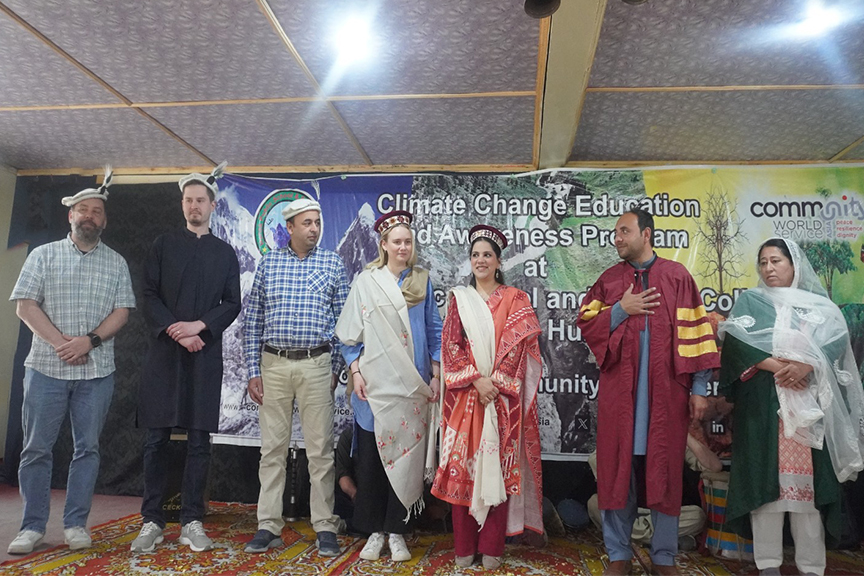
On April 30, 2025, Hunza Public School became a vibrant hub of intergenerational learning, as students and community elders came together with a shared commitment to climate awareness. In partnership with Community World Service Asia (CWSA), the school hosted a Climate Change Education & Awareness event that highlighted the transformative potential of youth activism and community-led engagement.
The event brought together students, teachers, and local leaders for a dynamic dialogue on environmental stewardship, glacier preservation, and sustainable living. Guests from Act Church of Sweden and Community World Service Asia (CWSA) joined the gathering, highlighting the transformative role of education in fostering climate-resilient communities.
A traditional welcome ceremony, rooted in the customs of Gilgit-Baltistan, honored the guests with pharsin, locally crafted caps worn by both men and women. The cultural exchange continued with folklore songs recounting the ancient legacy of the region’s glaciers, followed by a spirited dance performed jointly by elders and youth.
Students voiced their concerns with passion and clarity, speaking on the urgent threats of global warming, glacier retreat, and climate-induced disasters. Their discussions reflected not only the gravity of the challenges but also the ingenuity and commitment needed to overcome them.
“Our glaciers are vanishing faster than our leaders are acting. If we don’t push for clean energy and water conservation today, our children will inherit a barren land,” shared Farida, a Grade 8 student.
Naema, a Class 7 student, spoke with passion, “Climate change isn’t just science; it is our reality. Last year’s floods destroyed homes. We need schools to teach survival skills, not just theories.” Her words echoed the lived experiences of many in the region, underscoring the urgency of climate education rooted in real-world resilience.
The event featured a satirical play titled “Our Planet Earth,” in which extraterrestrial visitors confronted humanity for its environmental negligence. The performance concluded with a dramatic ultimatum: offer solutions or surrender the planet. The message was clear and compelling; the time to act is now.
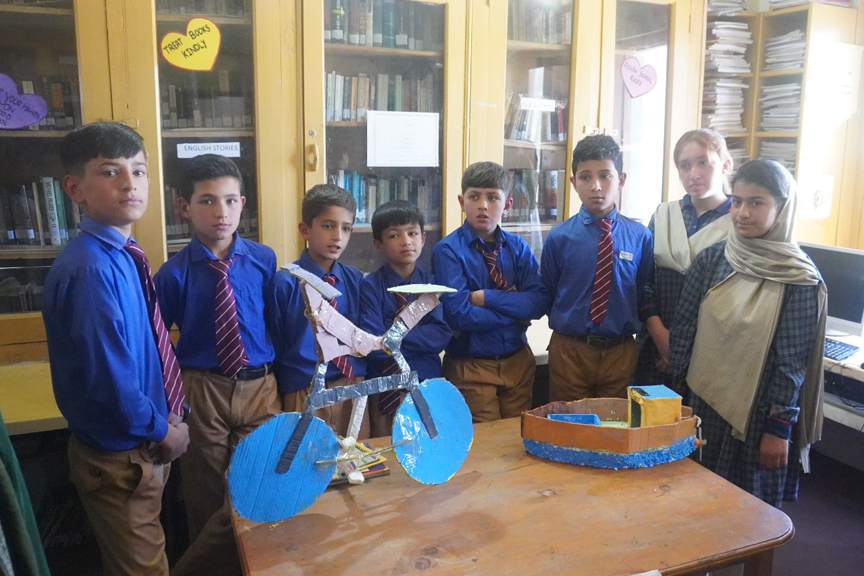
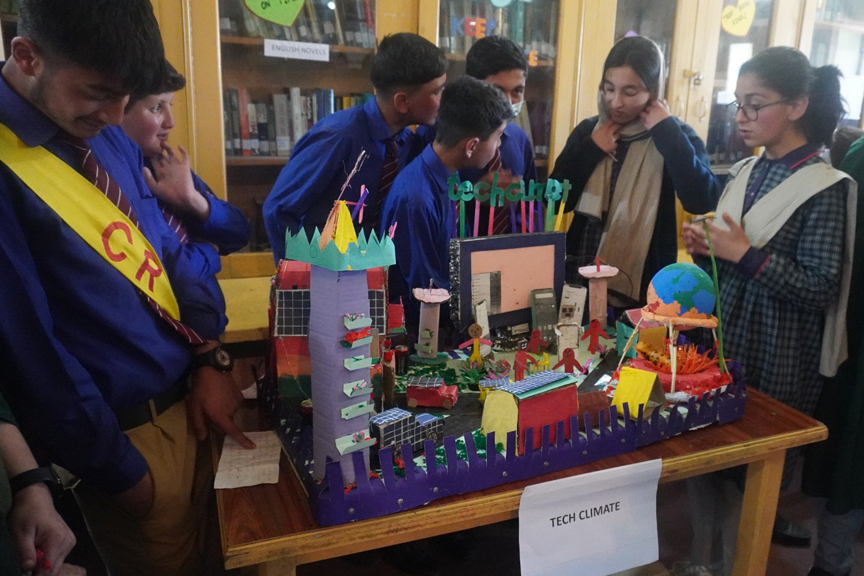
Students also presented innovative scientific models focused on climate adaptation. From water filtration and slope stabilisation to rainwater harvesting, biodiversity conservation, and green school initiatives, their projects reflected both creativity and a deep commitment to sustainable living.
“Our students are well aware of climate change and its solutions. What they need is support and facilities to develop these ideas and emerge as future decision-makers,” highlighted Memoona, senior teacher and focal person at Hunza Public School.
“Our ancestors said glaciers and peaks are bound in eternal union. The mountains provide strength, the glaciers give water. Now this union is failing because we broke our covenant with nature. This is the time to act, by harnessing the power of youth through education and community support,” added Nazia Zafar, CWSA staff in Hunza, citing the wisdom of indigenous traditions.
A Pledge for a Sustainable Future
With CWSA’s continued commitment to climate education, students left the event not only informed but inspired, ready to champion sustainable practices, safeguard their glaciers, and lead transformative change within their communities.
The Earth’s future is in our hands — and the time to act is now.
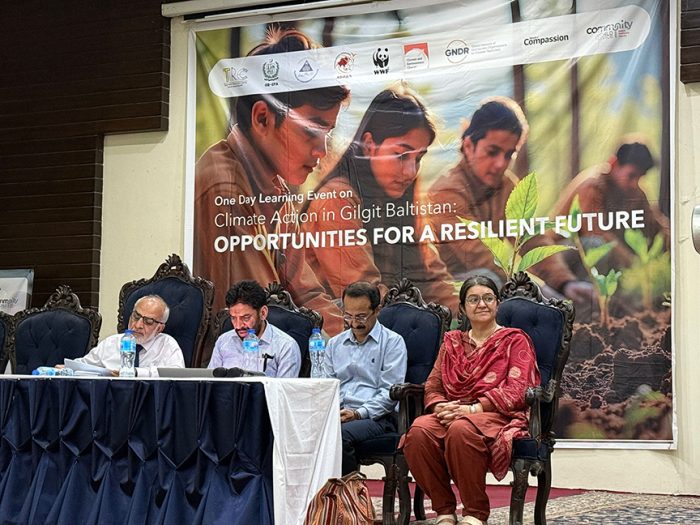
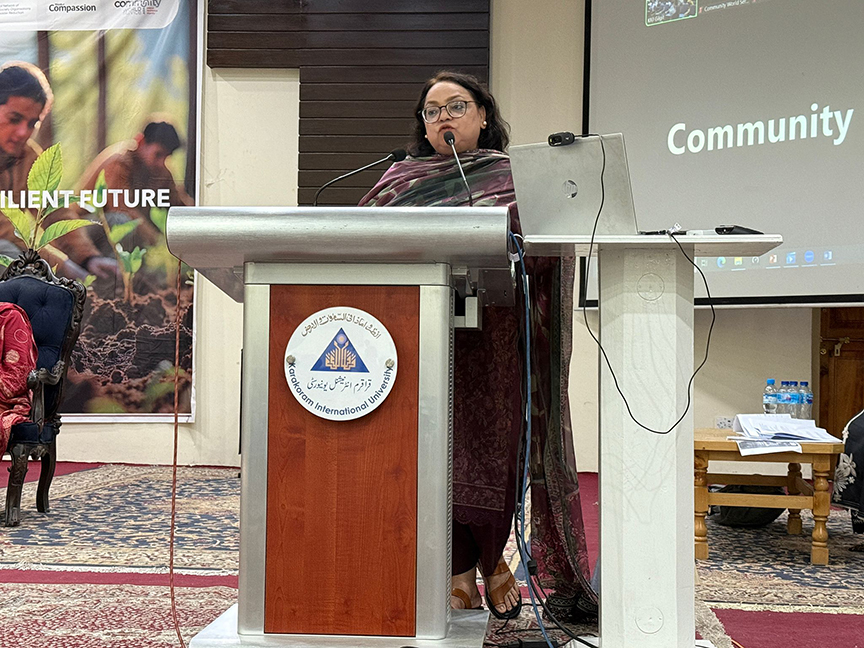
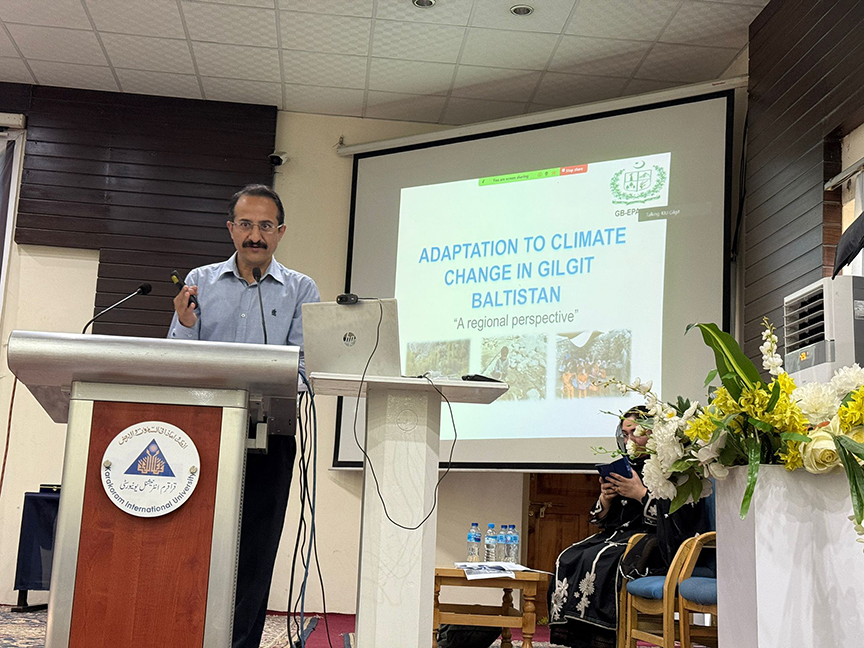
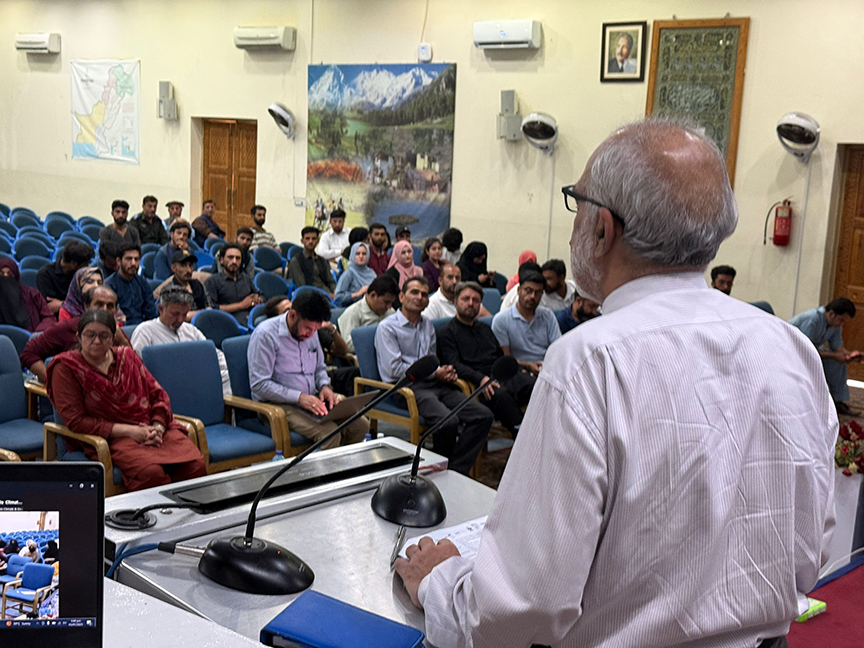
On July 3, 2025, Community World Service Asia (CWSA) organised a transformative Climate Change Learning Event titled ‘Climate Action in Gilgit Baltistan: Opportunities for a Resilient Future’ at Karakoram International University (KIU) in Gilgit, bringing together climate change experts, local stakeholders, and students to address the pressing challenges of climate change in Gilgit-Baltistan. The event, attended by a diverse audience, emphasised the urgent need for education, community-led solutions, and collaborative action to build resilience in one of the world’s most climate-vulnerable regions.
Dr. Sajjad Ali, Associate Professor and Director of Academics at KIU, delivered the welcome address, urging young students to act. “It is a form of disrespect against nature to not take action towards climate change efforts,” he stated, highlighting Pakistan’s vulnerability as one of the top 10 countries affected by climate change. He noted a critical barrier, “We are among the lowest to benefit from climate change funds due to a lack of education, awareness, and advocacy.” Dr. Ali proposed investing in youth education as a key solution to this global crisis.
Takashi Komino of the Asian Disaster Response and Reduction Network (ADRRN) emphasised the prevalence of floods and storms as the most frequent disasters in Asia. He advocated for community-led strategies, stating, “We need to turn technical science into people’s science, reaching communities in ways they understand.” Despite a brief internet disruption, his message resonated, underscoring the importance of accessible, community-driven approaches.
Khadim Hussain, Director of the Environmental Protection Agency, highlighted the value of youth and indigenous knowledge. “We have faced numerous challenges, but we are still surviving. Together, we can take collective action,” he said, advocating for natural resource-based solutions and increased awareness efforts by NGOs.
Nishanie Jayamaha, a climate expert, stressed the need for community-aligned strategies. “We must constantly evaluate if our strategies are helping and working with communities. Misaligned approaches can cause harm,” she cautioned, urging organisations to prioritise community needs to avoid unintended consequences.
Dr Iftikhar Ali, Senator at KIU emphasised on active participation and contribution of local governments, he shared that “Local governments play a vital role in building climate-resilient and sustainable communities by implementing green policies, promoting renewable energy, and ensuring infrastructure can withstand climate impacts”.
Dr. Farasat Ali of World Wildlife Fund Pakistan shared alarming data, noting that climate change costs Pakistan $30 billion annually. He highlighted the risks posed by 33 of the 3,044 glacial lakes in northern Pakistan, classified as hazardous zones for extreme flooding, threatening lives and economic stability. “Increased water temperatures will also affect freshwater sources, impacting fishing and farming,” he added, emphasising the widespread impact across urban and rural communities.
Tabinda Jabeen from the Teacher Resource Center underscored the role of education in preparing Pakistan’s youth for a climate-challenged future. “Children and youth are our future. We must share knowledge and collaborate to equip them for the world we are leaving behind,” she said.
A KIU student studying climate change offered a compelling perspective, suggesting, “We should use local languages instead of English to educate communities and incorporate indigenous knowledge into community-based adaptation efforts for greater success.”
Dr. Shaukat Ali of KIU delivered a powerful closing statement: “Climate change is no longer a distant threat. It is here, and it is very real.”
The event culminated in a significant milestone, the signing of a Memorandum of Understanding (MoU) between CWSA, and the Vice Chancellor of KIU, on behalf of the Gilgit-Baltistan government. This MoU formalises a commitment to collaborate on climate change education and resilience-building initiatives, marking a promising step for CWSA and the communities of northern Pakistan facing escalating climate challenges.
This event, supported by partnerships with KIU and other stakeholders, reflects CWSA’s dedication to fostering dialogue, raising awareness, and driving collective action to address climate change in Gilgit-Baltistan. By empowering youth, integrating indigenous knowledge, and strengthening local collaborations, CWSA continues to pave the way for a more resilient and sustainable future.
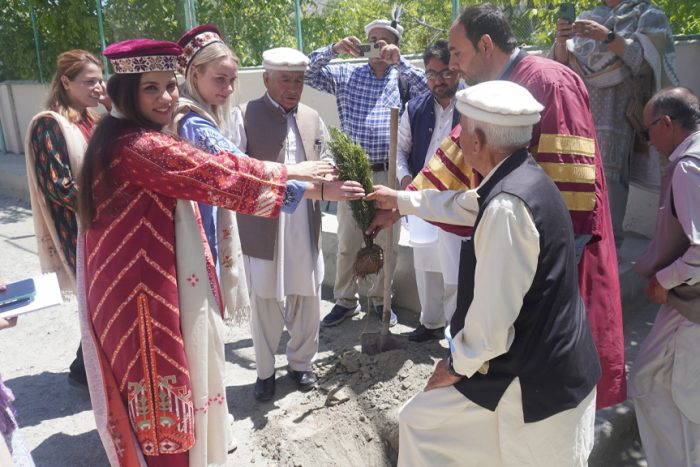
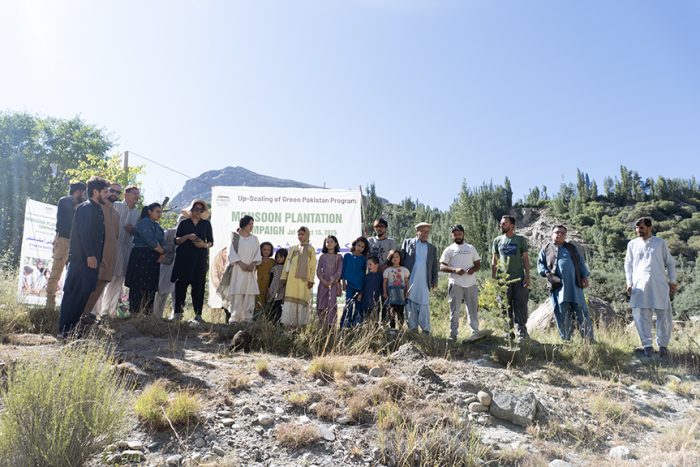
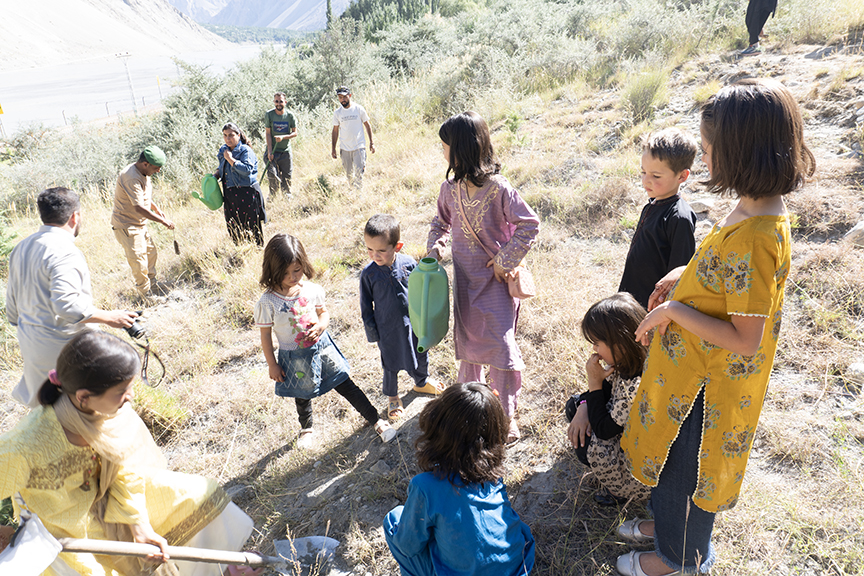
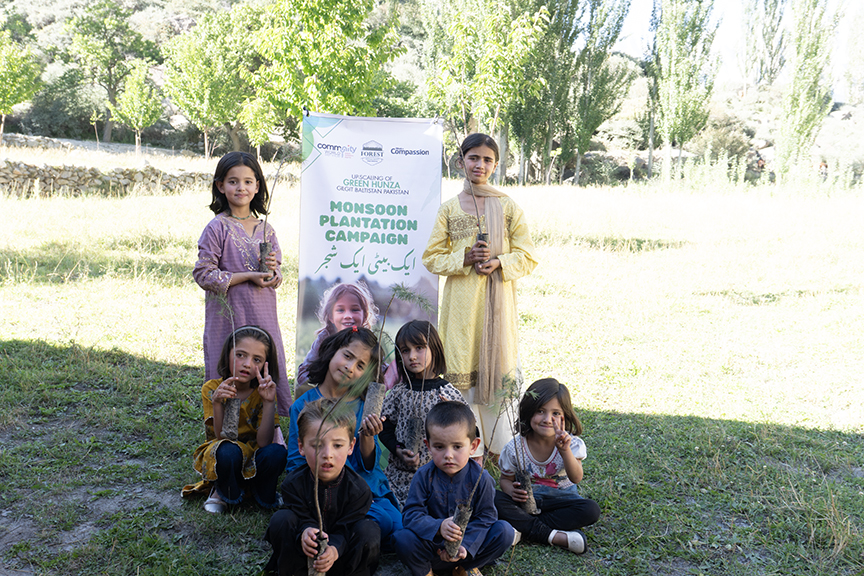
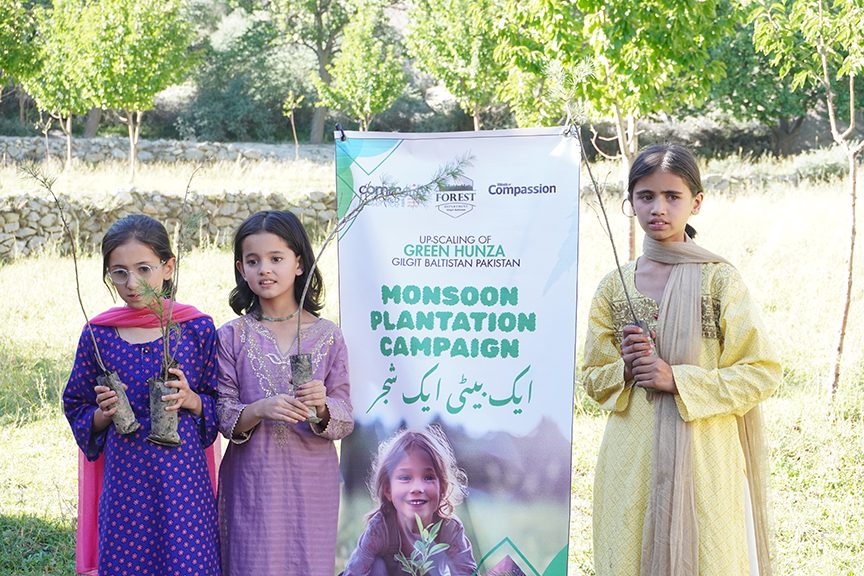
In the scenic valley of Golkin, Hunza, a powerful movement has taken root; one that blends environmental stewardship with a celebration of women’s roles in community resilience. Launched in collaboration with the Forest Department of Gilgit Baltistan, the “One Daughter, One Tree” (Aik Bete, Aik Shajar) plantation drive marks a significant step in combating climate change through afforestation.
This initiative, supported by Community World Service Asia’s Climate Education and Awareness Program and funded by Week of Compassion, goes beyond tree planting. It is a tribute to daughters, mothers, and grandmothers, honouring their contributions while fostering environmental consciousness among students and local communities.
As Gulnaaz, a woman farmer from the region, shared, “We are planting hope. We are honouring nature. We are celebrating women and teaching our children to protect what sustains us.”
The urgency of this campaign is underscored by the increasing frequency of floods and glacier retreat in the region. A representative from the Forest Department emphasised the critical need for afforestation to safeguard Hunza’s fragile ecosystem and raise public awareness about sustainable practices.
This event is the first in a series of plantation drives planned across more than 25 public and private schools, engaging youth and communities in long-term climate adaptation efforts.
Among the young changemakers is Safina, a passionate student from Al Amin Model School in Gulmit, Gojal. Having witnessed firsthand the devastating effects of glacier melt and flooding in her valley, Safina joined the plantation drive with a clear purpose; to contribute to a greener, more resilient future.
Her actions speak volumes. By planting trees and advocating for climate awareness, Safina is not only protecting her community but also inspiring her peers to take ownership of their environment. Her story is a testament to the power of individual action in addressing global challenges.
As Hunza’s youth and elders unite under the banner of climate resilience, CWSA remains committed to supporting locally led solutions that protect both people and the planet. Together, these efforts are sowing the seeds of sustainability—one daughter, one tree at a time.
Pakistan is facing one of its deadliest monsoon seasons in recent history. Since late June, relentless rains have triggered flash floods, landslides, and glacial lake outburst floods (GLOFs) across Khyber Pakhtunkhwa (KP), Gilgit-Baltistan (GB), Punjab, Sindh, Balochistan, and Azad Jammu & Kashmir (AJK). Over 650 lives have been lost, with 351 deaths reported in KP alone in the past 72 hours. Entire villages have been swept away, infrastructure crippled, and thousands displaced.
The situation is particularly dire in KP’s Buner district, where 204 fatalities have been confirmed and entire communities have been obliterated. In GB, GLOFs have destroyed roads and homes, isolating vulnerable populations and complicating relief efforts.
2,462 homes damaged; mass displacement in KP, GB, and AJK
Infrastructure
152 bridges destroyed; major road closures including Karakoram Highway
Livelihoods
Crop and livestock losses; economic devastation in rural districts
Health
Rising cases of trauma, waterborne diseases, and mental health distress
Protection
Heightened risks of GBV, exploitation, and early marriage in displacement settings
Immediate Humanitarian Needs
Search & Rescue Operations in landslide-prone and inaccessible areas
Emergency Shelter & NFIs including tents, blankets, lighting, and kitchen sets
Safe Drinking Water & Hygiene Kits to prevent disease outbreaks
Mobile Health Services for trauma, maternal care, and psychosocial support
Food Assistance & Cash Support for families cut off from supply routes
Debris Clearance & Road Access Restoration to reopen relief corridors
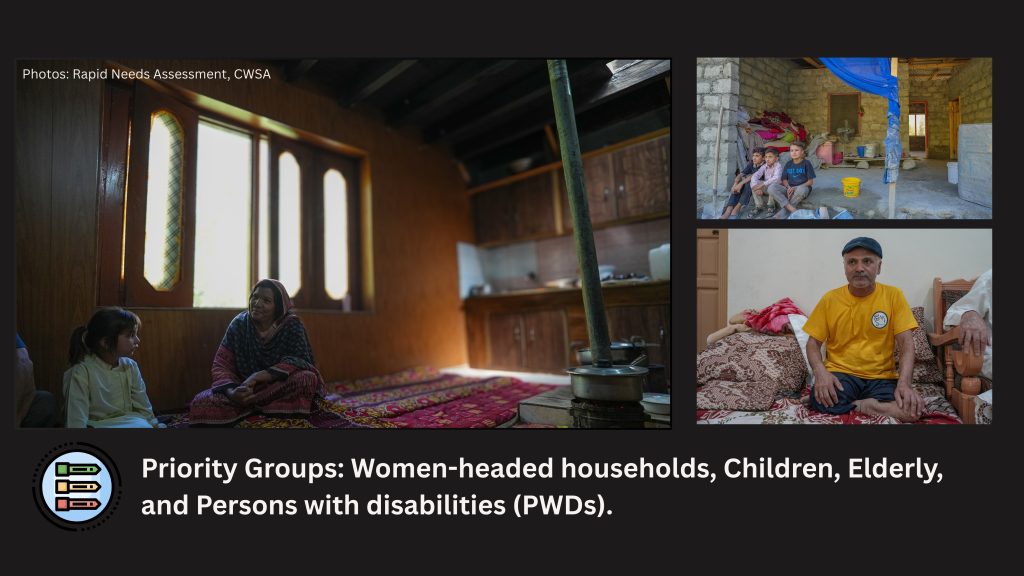
Protection Services for women, children, elderly, and persons with disabilities
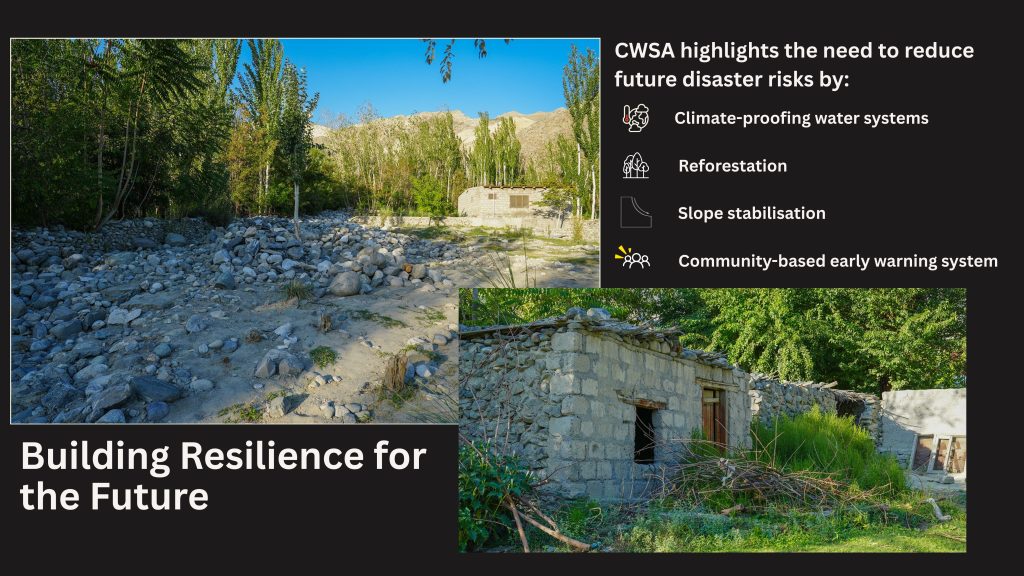
Early Warning Systems & Community Alerts for continued rainfall and GLOF threats
Community World Service Asia (CWSA) Response & Preparedness
Community World Service Asia has launched emergency relief operations in Hunza and Nagar districts of Gilgit-Baltistan, which are among the most remote, and hard to reach areas of Northern Pakistan. Hunza and Nagar are nestled within the Karakoram Range, and are surrounded by some of the highest Karakoram peaks like Rakaposhi, Golden Peak, and Ultar. These districts are most affected by recent climate change impacts, despite zero contribution to emissions. CWSA is distributing Emergency Relief Kits to 150 families in these two districts. These kits include food items, first aid, and hygiene supplies tailored to restore dignity and safety.
CWSA is coordinating closely with NDMA, PDMAs, and local partners and intends to scale its emergency response activities in areas where it already has a strong field presence, while retaining the flexibility to expand operations as the crisis develops. Built on existing local networks and partnerships, the response will remain adaptive, inclusive, and community-driven. Our approach prioritises:
Mobile Health Units for emergency care and psychosocial support
Temporary Shelters for families who have lost their homes
Protection-Focused Spaces for women and children
Gender-Responsive Programming across all sectors
Multipurpose Cash Assistance & In-Kind Support
Community Engagement & Accountability Mechanisms
Call to Action
Community World Service Asia urges humanitarian partners, donors, and media to amplify the voices of affected communities and support a coordinated, dignified response. The scale of devastation demands urgent action to prevent further loss of life and restore hope for thousands.
Contacts:
Shama Mall Deputy Regional Director Programs & Organisational Development Email: shama.mall@communityworldservice.asia Tele: 92-21-34390541-4
PalwashayArbab Head of Communication Email: palwashay.arbab@communityworldservice.asia Tele: 92-21-34390541-4
As climate extremes intensify across Pakistan, vulnerable communities are bearing the brunt of rising temperatures, erratic rainfall, and environmental degradation. This short video captures firsthand reflections from local residents and civil society on how climate change is reshaping their lives, livelihoods, and landscapes. Produced by Community World Service Asia & Leigh Larson, Week of Compassion, the film amplifies voices from the frontlines, calling for urgent, inclusive action to build resilience and protect those most at risk.
Pakistan is currently experiencing intensified monsoon rainfall, consistent with forecasts from the Pakistan Meteorological Department (PMD) and alerts issued by the National Disaster Management Authority (NDMA). Since late June, above-normal precipitation has impacted Sindh, Punjab, Khyber Pakhtunkhwa (KP), Balochistan, and Gilgit-Baltistan (GB), triggering widespread flooding, landslides, and displacement.
In Gilgit-Baltistan, temperatures have reached an unprecedented 48.5°C, accelerating glacial melt across the Himalayas, Hindu Kush, and Karakoram ranges. This has significantly heightened the risk of Glacial Lake Outburst Floods (GLOFs), particularly in historically stable regions like Shakyote, where agricultural lands and homes have been swept away.
Sindh, in southern Pakistan, is currently experiencing a moderate to high-risk period, with urban flooding impacting major cities and a continued threat of rural flooding. While rainfall in Sindh has not been as intense as in Punjab or KPK, the province remains highly vulnerable due to poor drainage and overstretched infrastructure. Additionally, heavy rains in northern and central Pakistan can increase flood risks in Sindh through rising river levels, hill torrents, snowmelt, and GLOF events, even if Sindh itself receives only light rainfall. Local authorities have issued advisories to all relevant stakeholders to ensure preparedness.
Rajanpur, Dera Ghazi Khan, Muzaffargarh, Layyah, Multan, Bahawalpur
Balochistan
Lasbela, Jhal Magsi, Khuzdar, Sibi, Naseerabad
Khyber Pakhtunkhwa
Swat, Chitral, Dir, Shangla, Kohistan, Mansehra, Dera Ismail Khan
Gilgit-Baltistan & AJK
Hunza, Ghizer, Skardu, Muzaffarabad, Bagh
Urban Centers
Karachi, Lahore, Peshawar, Quetta
Humanitarian Impact (as of July 16, 2025)
124 fatalities reported across five provinces
264 injuries, primarily due to collapsed structures
522 homes damaged, 126 livestock lost, and multiple roads and bridges destroyed
Thousands displaced, particularly in mountainous and flood-prone zones
Heightened vulnerability among women, children, and marginalised groups
Escalating Risks
Urban Flooding in major cities due to poor drainage
Flash Floods & Landslides in KPK, Punjab, GB, and Balochistan
Rural Inundation threatening food security in Sindh and southern Punjab
Waterborne Disease Outbreaks (cholera, malaria, dengue) due to stagnant water
Protection Concerns for displaced women, girls, and vulnerable communities
Recurring Disaster Zones still recovering from the 2022 super floods
Gendered & Inclusive Impact
Women, girls, and marginalised groups face disproportionate risks due to pre-existing inequalities. Displacement has disrupted access to maternal healthcare, education, and safe shelter. Overcrowded conditions and lack of gender-sensitive facilities increase exposure to gender-based violence and exploitation. Persons with disabilities, the elderly, and ethnic minorities face additional barriers to accessing relief.
Anticipated Needs
Emergency Shelter & Non-Food Items (NFIs)
WASH support (clean water, hygiene kits, sanitation)
Health services via mobile/static units
Food assistance (cash or in-kind)
Livelihood recovery for farmers and labourers
Protection services for vulnerable populations
CWSA Preparedness and Response
Community World Service Asia is actively coordinating with NDMA, PDMAs, and local partners to monitor the evolving crisis. Our response prioritises:
Gender-responsive programming across all sectors
Mobile health units for emergency care and psychosocial support
Protection-focused spaces for women and children
Emergency shelter and NFIs for displaced families
Cash-for-food assistance and in-kind distributions
Humanitarian Quality & Accountability mechanisms to ensure dignity and community engagement
Our multidisciplinary teams are ready to deploy in active field areas, with flexibility to expand operations as needed. CWSA will initiate its emergency operations in regions where we maintain an active presence and will scale up as needed, ensuring that our response is coordinated, adaptive, and rooted in local partnerships.
Rapid Response Fund Appeal
To enable swift, life-saving assistance, CWSA is establishing a Rapid Response Fund (RRF). We call on our partners to support this fund and strengthen our collective ability to respond efficiently and equitably, within 24 hours of the emergency. Together, we can act before the storm becomes catastrophe.
The 2025 monsoon and GLOF crisis underscores the urgent need for climate-resilient, people-centered humanitarian strategies. Without inclusive and sustained efforts, future disasters will continue to deepen inequalities and reverse development gains. CWSA remains committed to protecting lives, restoring dignity, and building resilience across Pakistan’s most vulnerable communities.






 Prev
Prev