Situation Overview
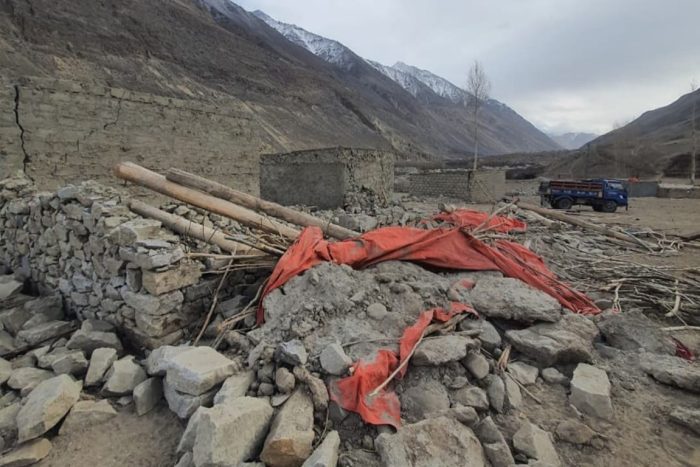
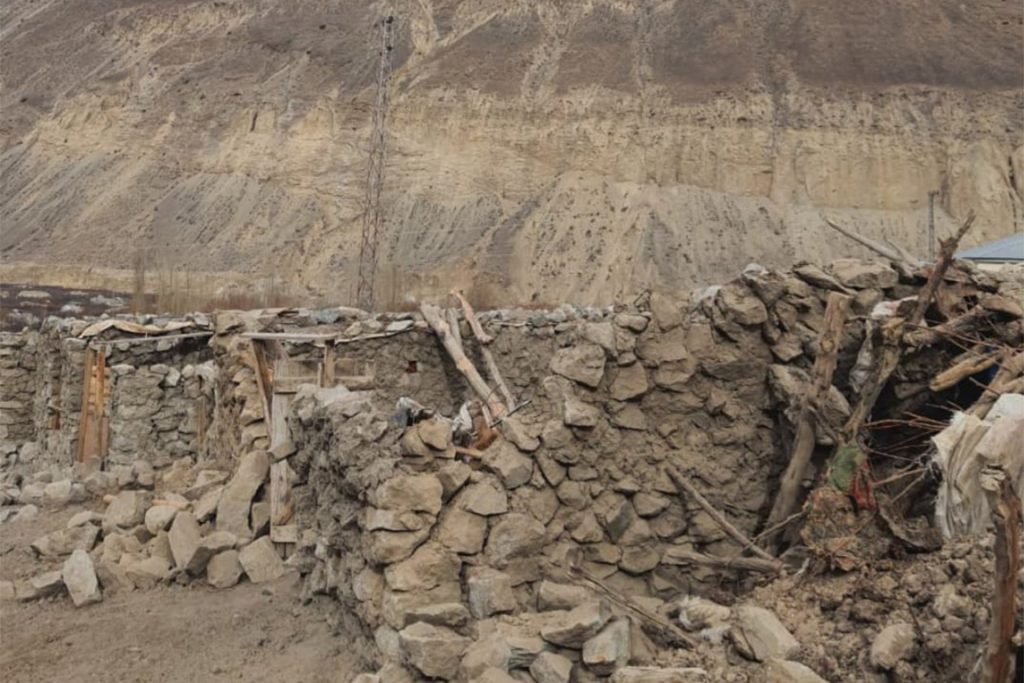
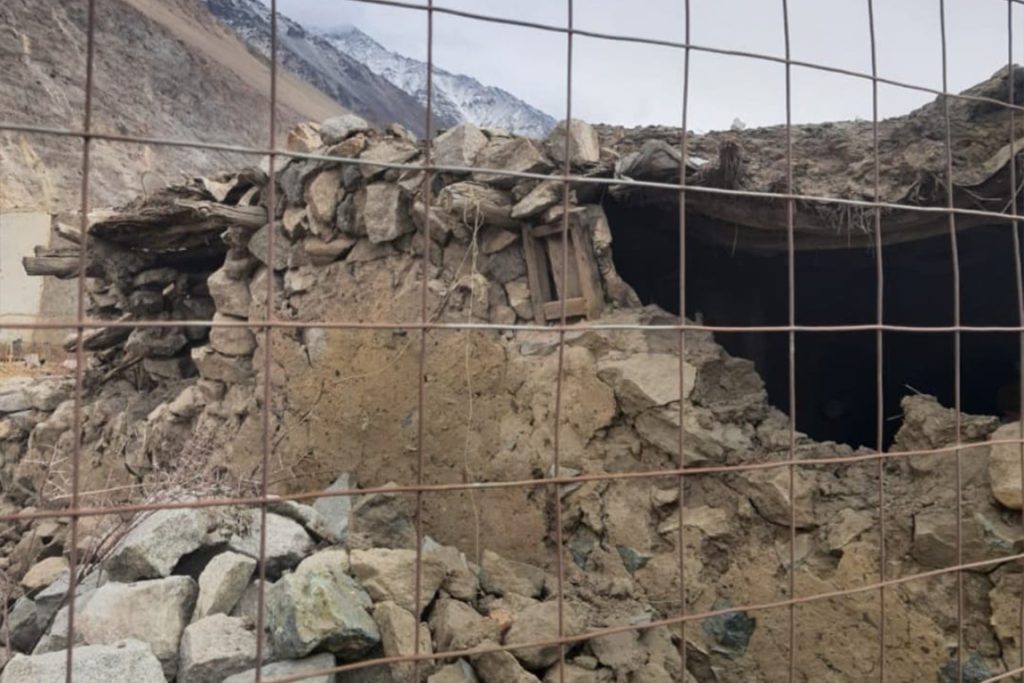
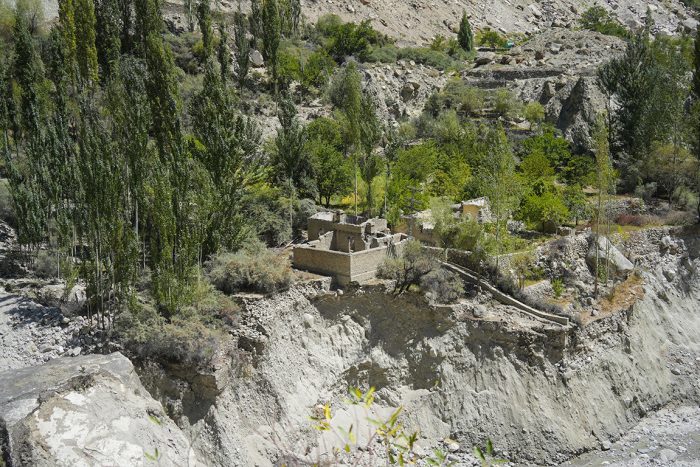
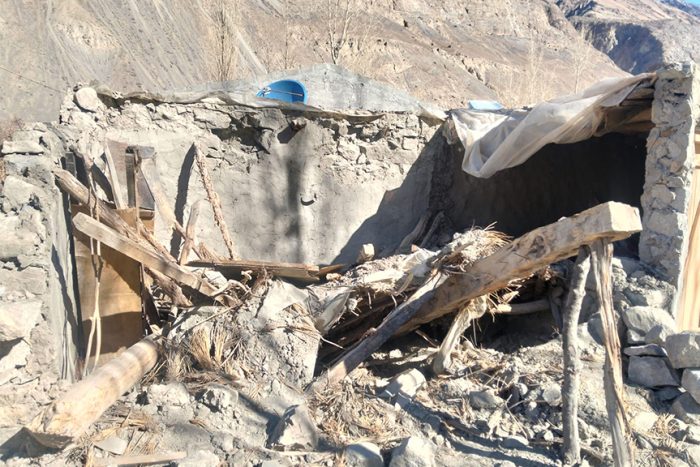
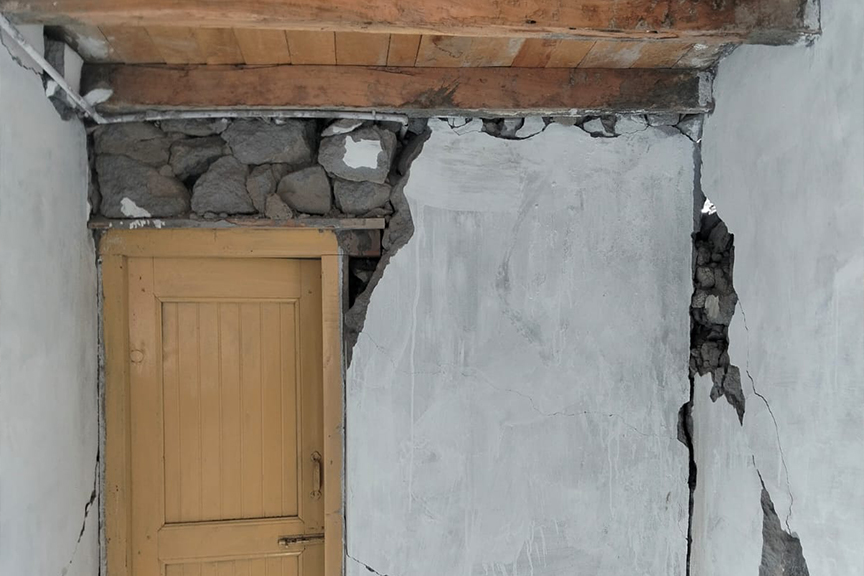
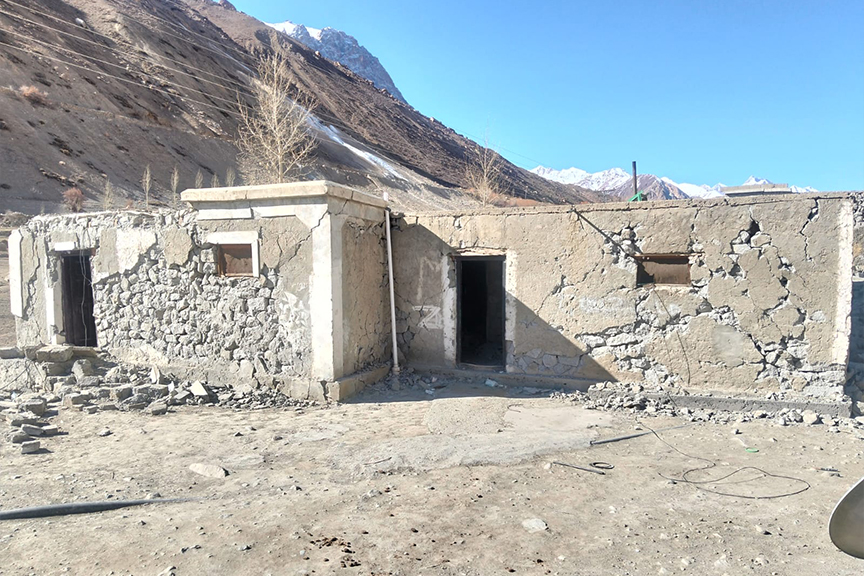
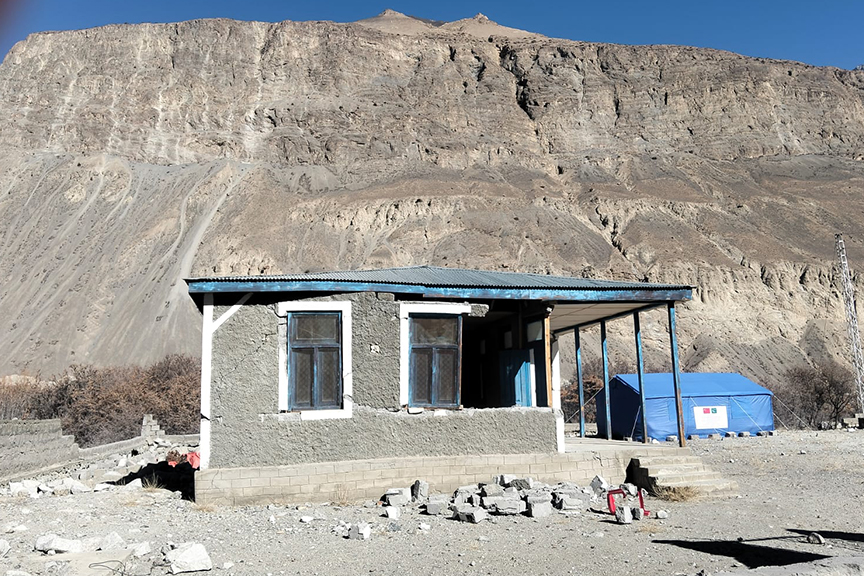
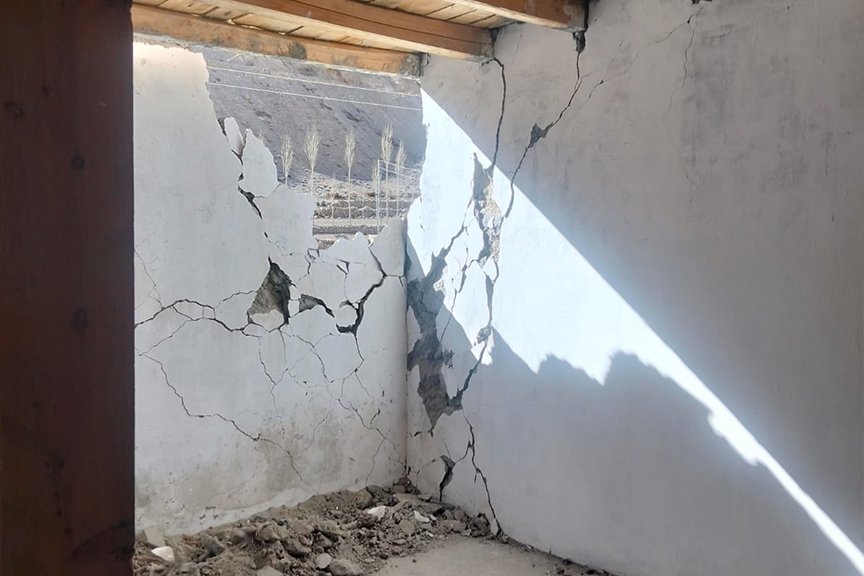
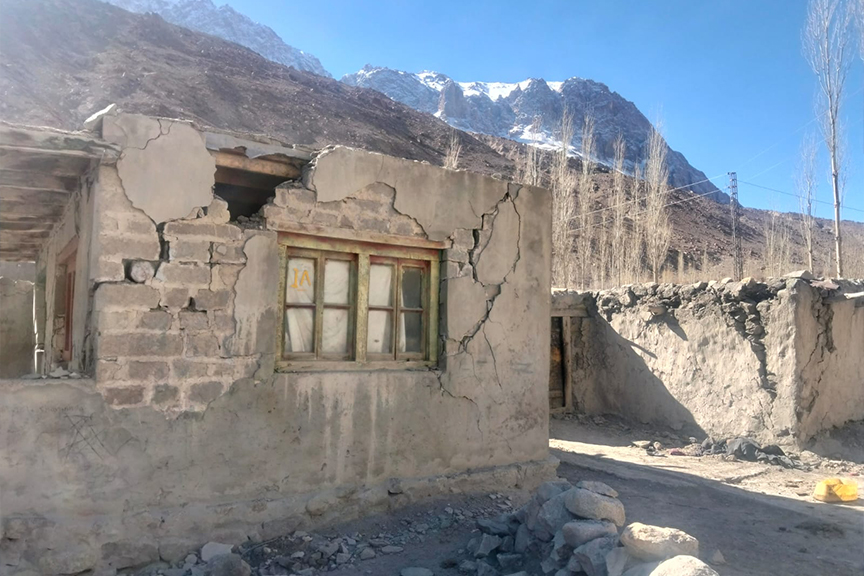
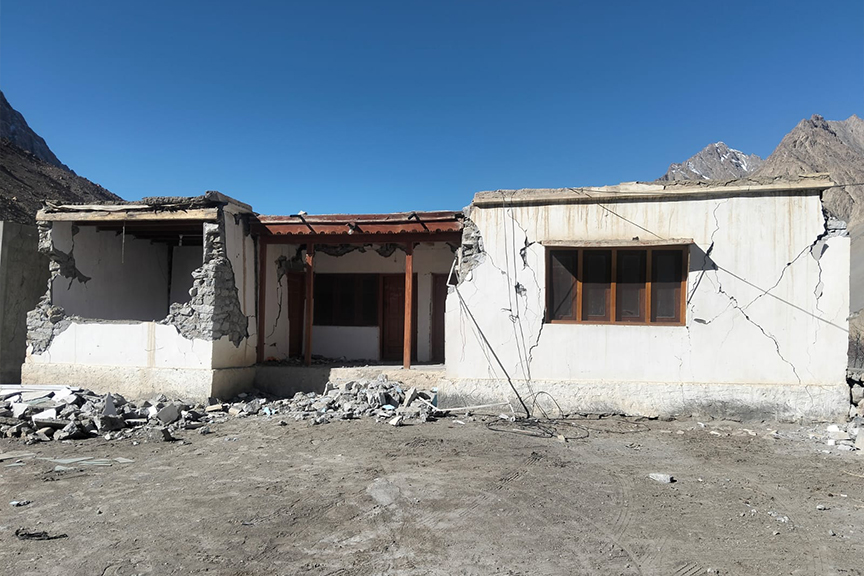
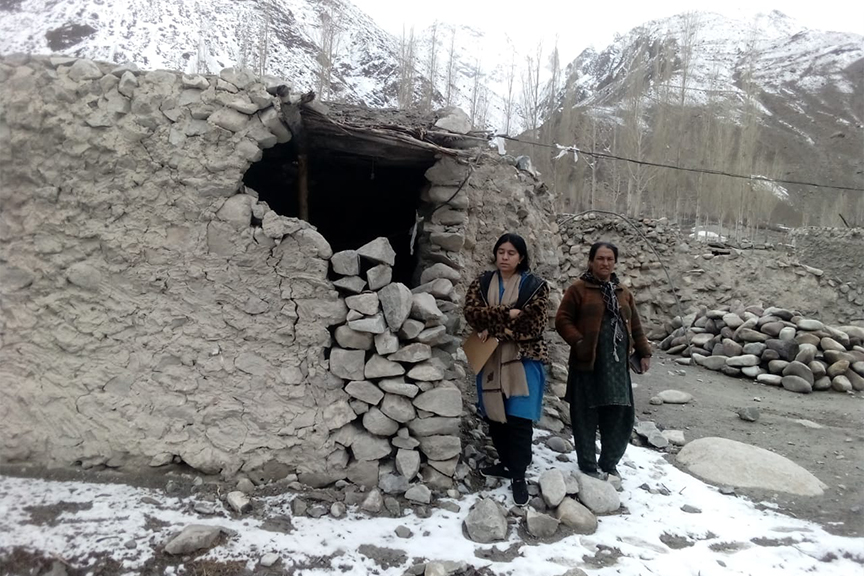
On January 19, 2026, at 11:21 AM local time, a shallow earthquake of magnitude Mw 5.6–5.8 struck Gilgit-Baltistan in northern Pakistan. The epicenter near Barishal severely impacted the remote Chipursan Valley in Upper Hunza. Despite its moderate magnitude, the shallow depth and fragile mountainous terrain caused significant localised destruction.
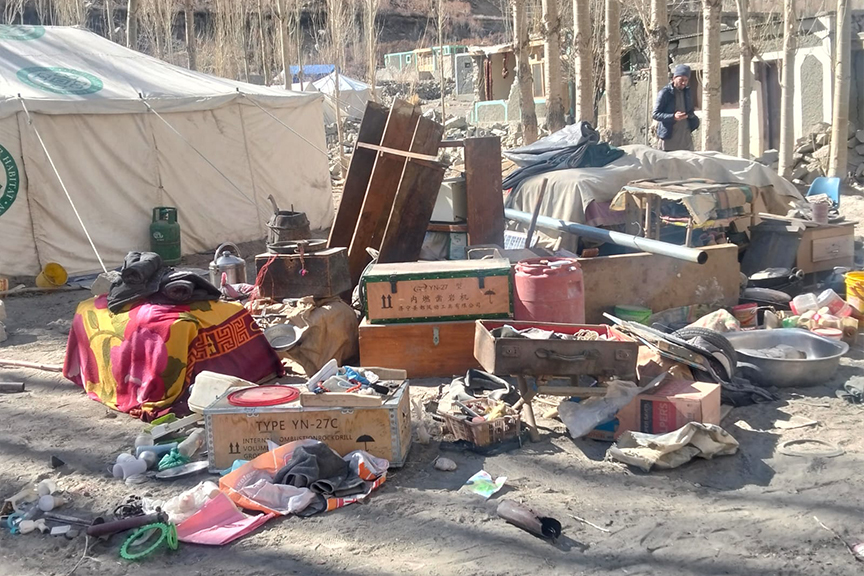
At least two lives were lost, several individuals injured, and eleven villages were affected; three of them completely destroyed. Approximately 300 households (2,100–2,400 people) are displaced, many now sheltering in tents, damaged homes, or with host families in nearby settlements such as Sost and Gulmit. The disaster coincided with peak winter, with temperatures dropping to –20°C, heightening risks of hypothermia and cold-related illness.
Landslides disrupted road access and damaged critical infrastructure, including micro-hydropower systems, water channels, and livestock shelters. Power outages have left families without heating, lighting, or communication during extreme winter conditions.
Impact Snapshot
| Impact Area | Details |
| Fatalities | 2 confirmed |
| Injuries | Several reported |
| Villages affected | 11 (3 fully destroyed) |
| Households affected | 300 HHs (2,100–2,400 people) |
| Displacement | Families in tents, damaged homes, or host communities |
| Infrastructure damage | Roads blocked, micro-hydropower destroyed, water channels & shelters damaged |
| Vulnerable groups | Women-headed households, children, elderly, persons with disabilities |
| Key risks | Hypothermia, cold-related illness, limited healthcare access |
Humanitarian Needs
- Multipurpose cash assistance for food, heating fuel, medicines, and temporary accommodation.
- Winterisation support including winterized tents and non-food items to protect families from sub-zero temperatures.
- Shelter and medical care for displaced families living in unsafe or temporary arrangements.
- Psychosocial support to address trauma, stress, and displacement-related anxiety.
Community World Service Asia’s (CWSA) Response
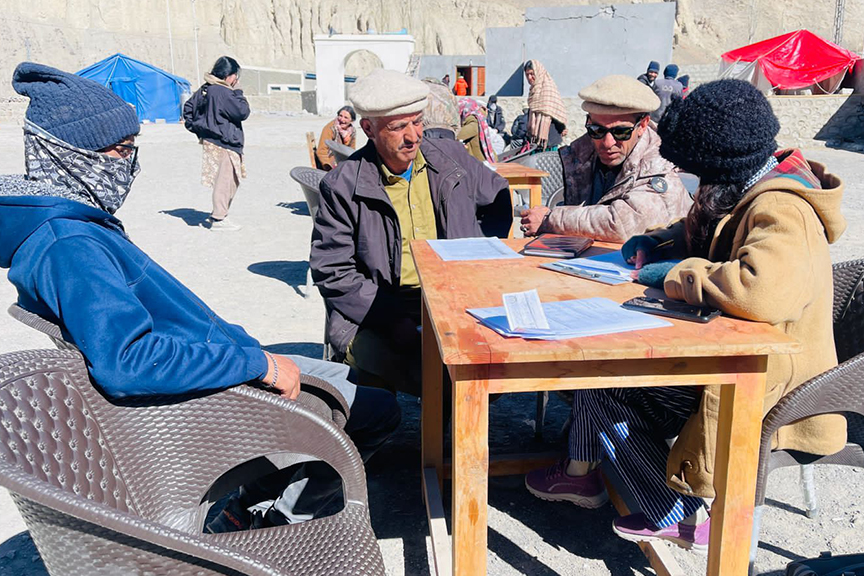
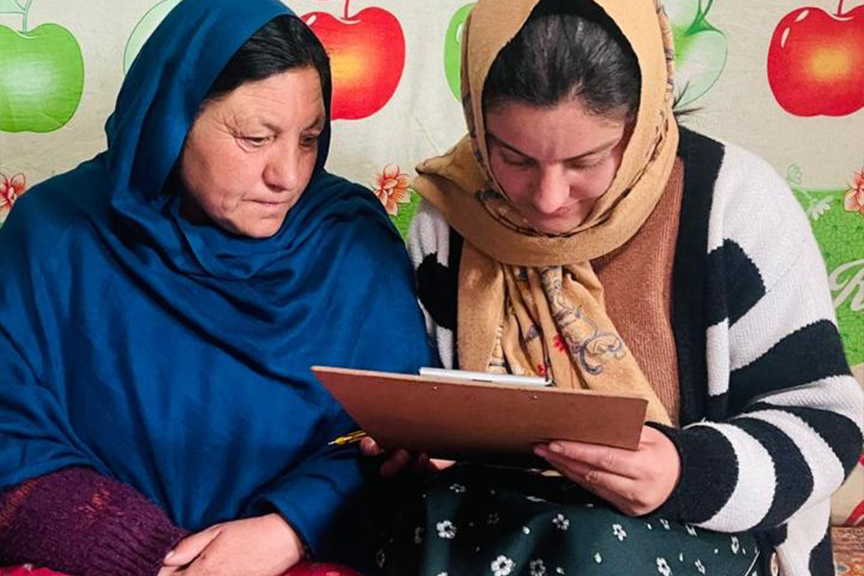
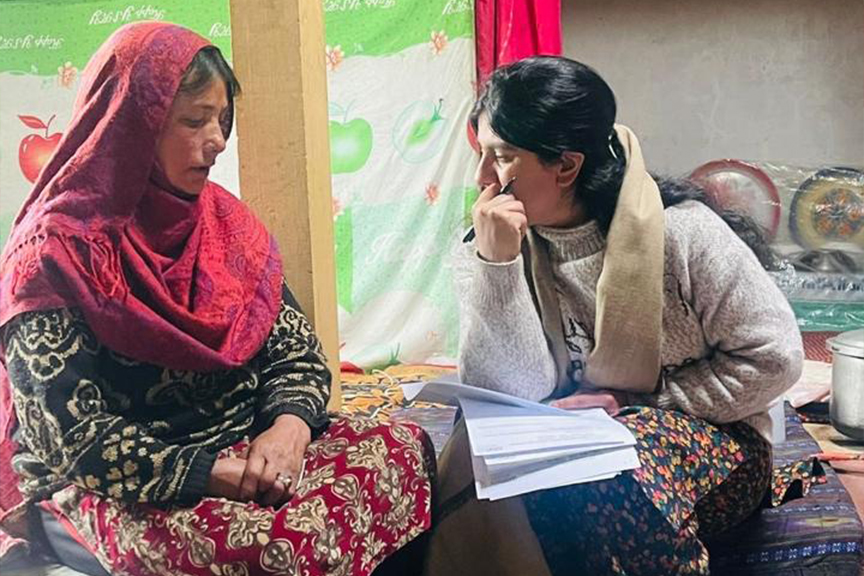
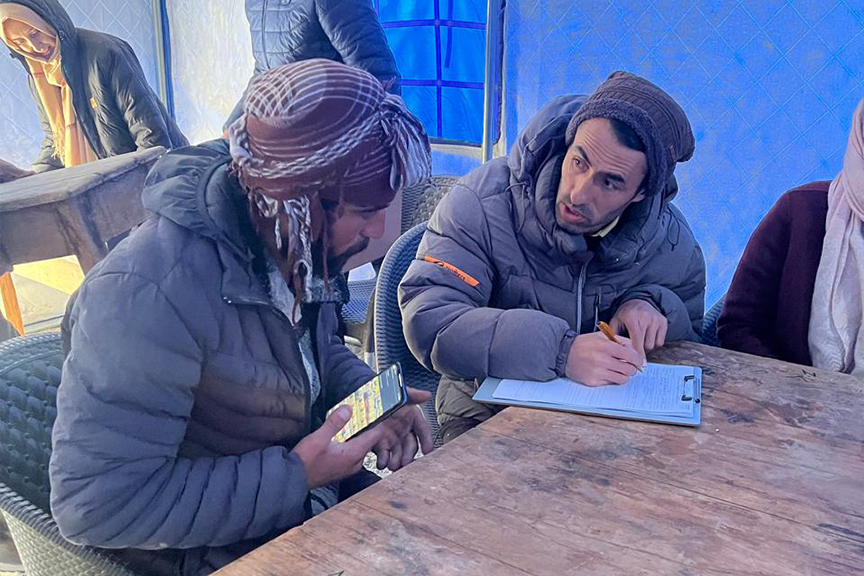
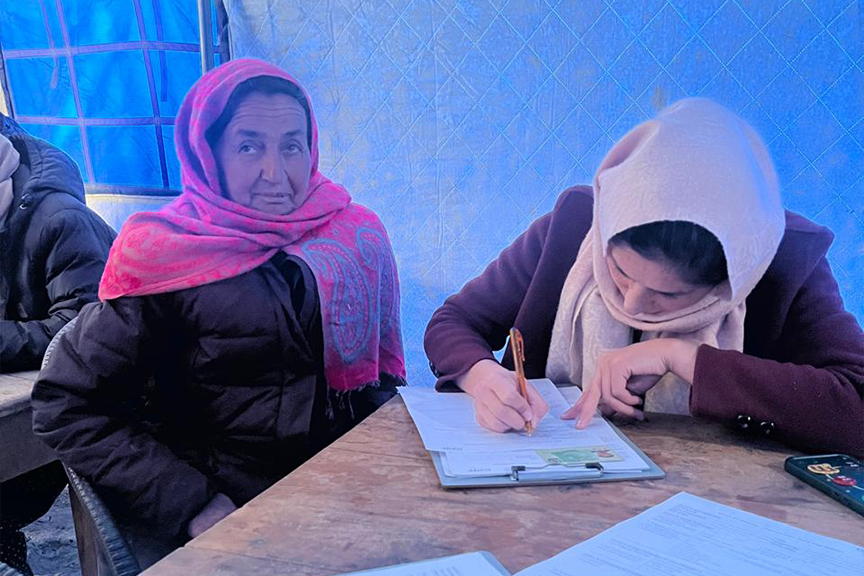
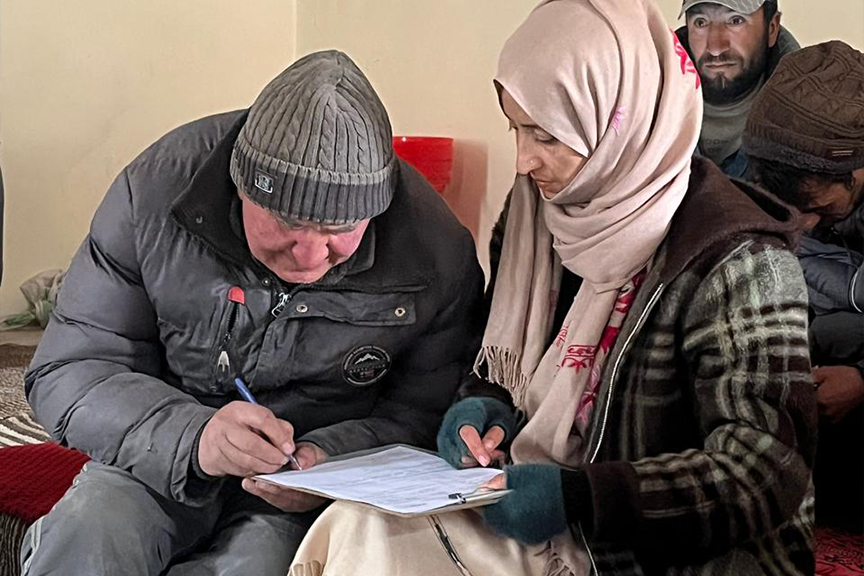
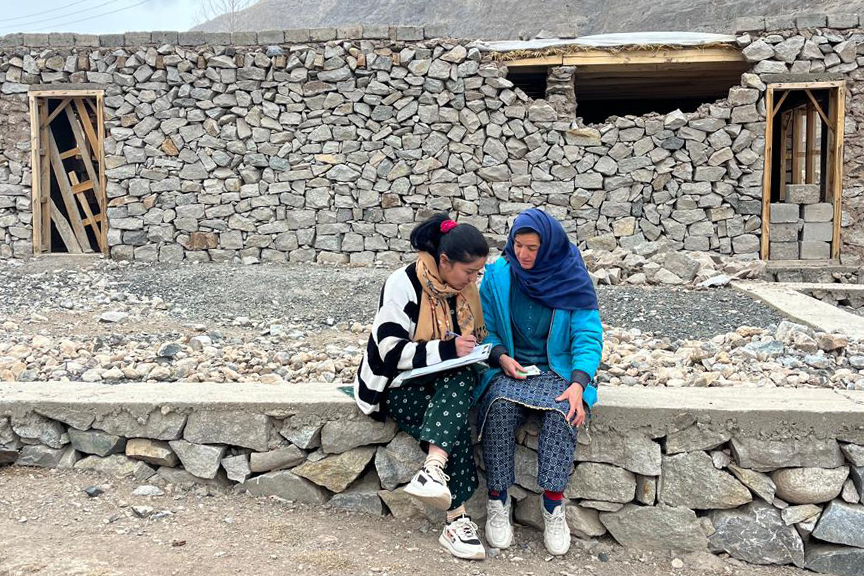
Community World Service Asia (CWSA), in coordination with the Gilgit-Baltistan Disaster Management Authority (GBDMA), Hunza District Administration, and humanitarian partners, has launched a community-centered, gender-responsive emergency response. Quality, Accountability and Safeguarding (QAS) measures have been applied throughout the response, including community consultations, transparent participant verification, and complaint and feedback mechanisms to ensure accountability and safe programming for affected communities.
Plan and Action:
- Field Office Established: A base set up in Khudadad Sost to coordinate relief operations
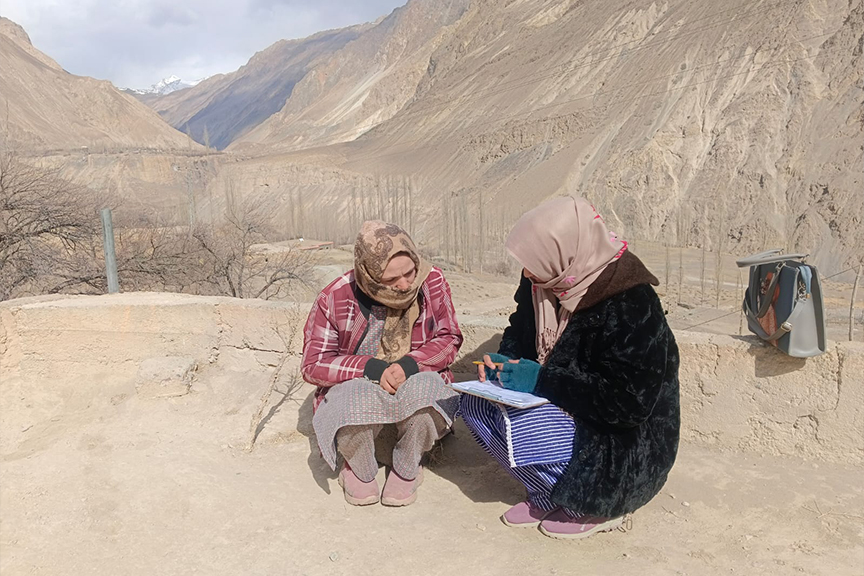
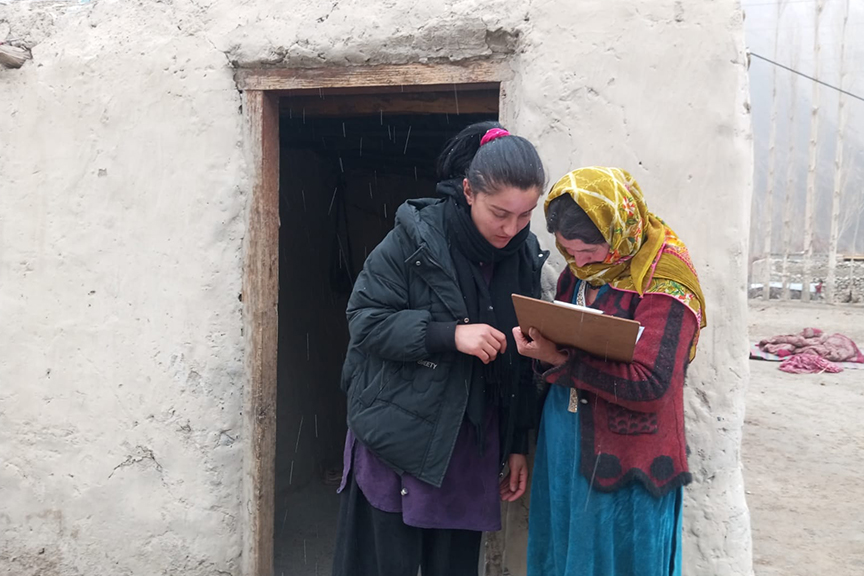
- Household Assessments: Surveys completed across nine villages covering 300 households, with verification underway by the MEAL team.
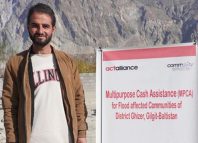
- Multipurpose Cash Assistance (MPCA): The first tranche for 300 households is planned to be disbursed tentatively scheduled for the third week of March, following completion of verification and administrative processes
- Winterisation Kits: Procurement of high-quality kits aligned with global standards and community needs for 200 households underway
- Mental Health & Psychosocial Support (MHPSS):
- 10 group sessions conducted, reaching 351 participants (women, girls, children, elderly, persons with disabilities).
- 27 individual counselling sessions provided, focusing on trauma, stress, and coping strategies.
- Special session organised for internally displaced persons (IDPs) from Chitral, engaging 28 participants.
Solidarity and Partnership
These interventions are made possible through the support and solidarity of our global partners, ACT Alliance and Week of Compassion, whose commitment strengthens our ability to respond swiftly and effectively in times of crisis.
CWSA remains committed to ensuring dignified, inclusive, and effective humanitarian assistance for the affected communities of Chipursan Valley. Our response prioritises the most vulnerable, while building resilience and solidarity across the region.
Contacts:
Shama Mall
Deputy Regional Director
Programs & Organisational Development
Email: shama.mall@communityworldservice.asia
Tele: 92-21-34390541-4
Tooba Siddiqi
Associate Regional Director
Emergencies, Healthy & Quality, Accountability & Safeguarding (QAS)
Email: tooba.siddiqi@communityworldservice.asia
Tele: 92-21-34390541-4
Palwashay Arbab
Associate Regional Director
Visibility & Strategic Engagement
Email: palwashay.arbab@communityworldservice.asia
Tele: 92-21-34390541-4