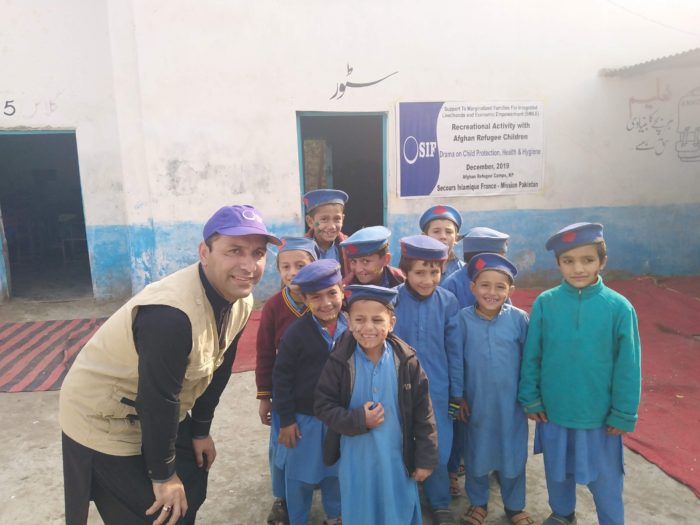
Tariq at a school theatre and recreational activity session with Afghan refugee children in December 2019.
“As a Livelihoods Officer in Secours Islamique France (SIF), I am mainly engaged in preparation, design, execution and follow-up of project delivery requirements which includes evaluations, and proposal development. I also provide professional assistance to established cooperatives and also organise technical trainings on business development, food processing, marketing, livestock management and income generating activities for underprivileged communities,” shared Tariq Khan.
Tariq has been working at SIF since 2017, a humanitarian and development organisation that works on WASH, Livelihoods, Child Welfare and awareness raising activities that support the poorest and most vulnerable populations. With over fifteen years of experience in the humanitarian aid sector, Tariq believes raising public awareness enhances community knowledge and helps in changing attitudes and behavior patterns. Tariq has participated in a number of theater plays on awareness issues performed at the community level. Tariq also encourages community members to be part of the plays itself, as he believes the plays and their messages are more effective when people see their own community members performing.
“My purpose to join the Interactive Theater for Influencing training was to improve my immersive theater abilities. Interactive action, particularly drama, successfully highlights the dynamics of conventional management principles, including conflict and negotiation, control and policy, and strategic decision-making. In addition, the seven-day intensive program offered a forum to develop leadership and communications capabilities such as empowering staff, introducing innovative communication strategies and integrating dispute resolution into the organisational practices of the organisation” said Tariq.
Community World Service Asia and partners organised a seven-day residential workshop in October, 2019, that encouraged participating organisations to incorporate issue-based content into an interactive theatre performance and introduced them to methods and techniques that would help them cater to different demographics.
During the training, conceptual clarity and difference was put forward highlighting Cathartic Theater as a play to release emotions such as pity, sadness and fear through witnessing art. The sessions also focused on how theater aids with endorsing community discussions and commitments. Participants were familiarised with the fundamentals of interactive theatre, art, and storytelling as a tool for social awareness.
“The training engaged participants in creative learning on complexities of real-life scenarios. We were involved in conversations that helped us gain different insights from peers and reflections were put on personal experiences.”
After the training, SIF, with the help of Tariq’s new learnings, organised a recreational activity for child welfare in Peshawar and Charsadah districts of the Khyber Pakhtunkhwa province. Over a hundred children and youth members participated in the interactive theater performance that shared messages and opportunities for innovation that would help eliminate and address long-standing issues like early marriages, child protection and promoted good health, hygiene and education for all.
“As learnt in the training, we designed the content for the theater before the activity and rehearsed to perform better and efficiently,” shared Tariq, “I felt the change in communicating with the communities. I had a different kind of energy and positive attitude during the performance. I was more confident and vocal.”
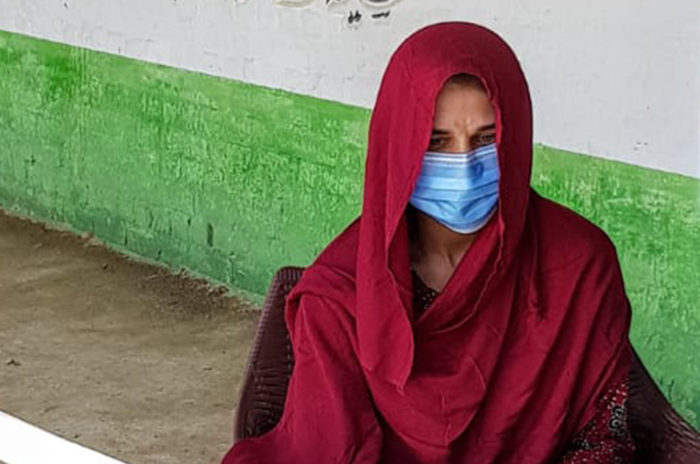
Naima, a 26 year old Afghan woman suffering from a physical disability she was born with, lives with her family in the Refugee Camp of Khaki District in Mansehra, Pakistan. She has two elder brothers who work as daily wage labourers, earning PKR 300 (US $ 1.78) a day. Their father is unable to work due to his old age and their mother is too weak to engage in any form of labour either. The family has been living in Pakistan since 1980 when they fled the war in Afghanistan.
“Naima was born a normal, healthy baby. But by the time she turned one we noticed that she could not move, crawl or try to stand. Both her legs started to look a bit unusual. We hurried to the closest doctor to get her checked. The doctor advised us that it would heal with time as she grew. Sadly, just the opposite occurred. Her legs became more and more incapacitated with time and she could not walk at all,” shared Naima’s mother.
“To help us in any little way that she could, Naima started weaving from an early age and always helped us with small household chores. In 2017, Naima experienced another setback. Her right hand started showing signs of impairment which meant she was unable to move it much and eventually she couldn’t even engage in the activities that kept her busy and provided us financial support.”
In 2012, Naima’s sister-in-law was diagnosed with cancer. The family took her to a cancer hospital in Lahore, but she was refused treatment there due to her refugee status. She was then admitted in a private hospital in Lahore.
“We had to take a loan for the treatment of my daughter-in-law. We also received donations from our in-laws and community elders. Despite the generous donations, we were unable to afford all the expenses incurred at the private hospital. We were already unable to cover Naima’s medical expenses so this additional expense came as another burden on our shoulders.
Due to COVID-19, there are barely any work opportunities for my sons and we are all struggling to make ends meet. The family has not earned a penny since the lockdown in March. With a disabled daughter and an unwell daughter-in-law, it has become extremely difficult to manage our household expenses and put food on the table three times a day,” expressed Naima’s father with grief.
Community World Service Asia and Street Child – UK, with the support of the Commissionerate for Afghan Refugees (CAR) in Pakistan, conducted cash distribution activities under a ‘COVID-19 Rapid Response for Afghan Refugees in Pakistan’ project. As a project participant, the cash assistance provided to Naima’s family has brought some relief to the family.
“No organisation has come to our help. CWSA has been the first to respond to our grievance request. Upon receiving the cash support, I purchased food items and some medicines for Naima and my daughter-in-law. This support has provided some comfort for our families, as there was no source of income coming at home,” thanked Naima’s mother.
The Alliance for Empowering Partnership (A4EP) celebrates with pride the achievements of local heroes. On World Humanitarian Day 2020, we pay tribute to the many local heroes in the many local organisations that responded quickly, and often at great personal risk, to the impacts of COVID-19 and the lockdown measures to control its spread. These unknown and sometimes unpaid individuals raised awareness, provided information and a lifeline to a rapidly expanding number of people who were impacted in one or multiple ways. In many countries, they have been the ‘essential’ people alongside health workers, sanitary workers, drivers, shopkeepers and others. They have and continue to work with the local authorities to upscale the response with limited local resources, while the international aid system was largely paralysed. They stepped up and stepped in and took responsibility to lobby on behalf of communities, provided information, food, essential items, raised alarm about gender-based violence and overcame the obstacles of lockdowns through innovation. We recognize and acknowledge the resilience of local organisations in this pandemic showing capacity and using the nexus approach. Real-time heroes are in our midst all the time – the living souls that sustain humanity in us. We celebrate their diversity, commitment and adaptability. [Details Report]
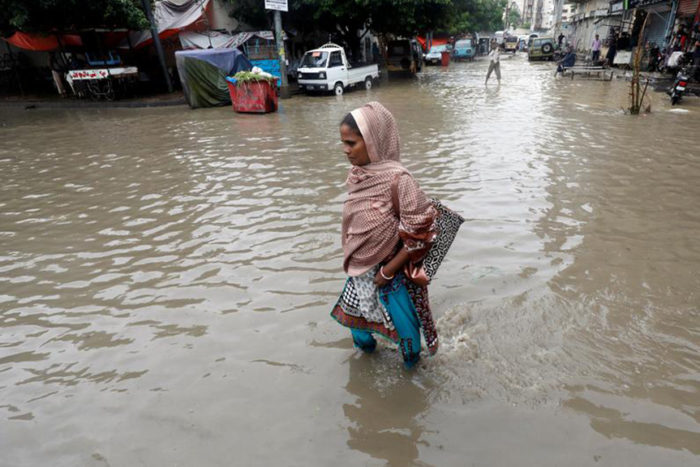
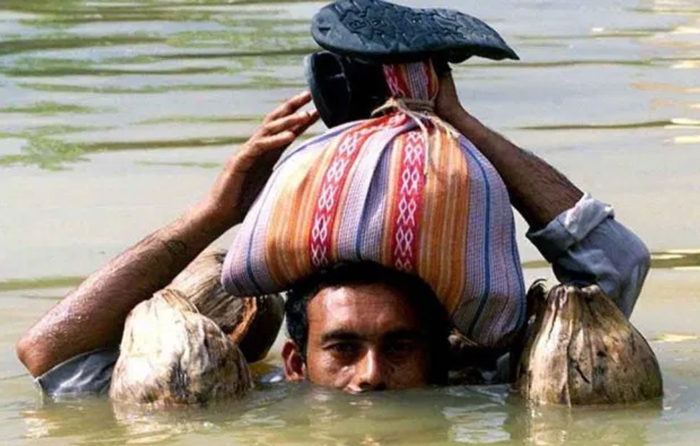
This year’s fourth spell of monsoon rains, with three days of continuous downpour, has claimed at least sixty-eight lives, left many injured and caused large-scale infrastructural damage across Pakistan. The monsoon rains led flash floods have resulted in road blockages, breaches in canals and destruction of property.
An NDMA report confirmed the death of nineteen people in rain-related incidents in northwestern Khyber Pakhtunkhwa province, thirty in southern Sindh and Karachi city,eight in Punjab province and ten in the country’s scenic northern Gilgit-Baltistan region in the past three days.
In Balochistan, at least eight people have been killed, seventeen injured and 142 houses have been completely damaged after the monsoon rains hit land and resulted in heavy flooding in Khuzdar, Jhal Magsi, Lasbela, Gwadar, Pasni, Kachi, Dera Bugti districts and surrounding areas in Balochistan province. According to Pakistan’s National Disaster Management Authority(NDMA) reports, Sambli dam in Karkh of khuzdar district has been damaged, while nearly thirty villages and link roads in Jhal Magsi district have severely been affected by flood waters. “More than a dozen people are still missing in Balochistan,” a spokesperson for the provincial disaster management authority, said.
A bridge at Pasni in District Gwadar along the Makran Coastal Highway and another bridge at Bibi Nani in Bolan district have been damaged resulting in a massive traffic suspension on both ends. Similarly, more roads in the surrounding districts have been blocked due to rain induced land sliding and flooding. Gas pipe lines in Bolan have also been reportedly damaged by flood water.
In Khyber Pakhtunkhwa, 100 houses have been partially damaged and two have been made completely unlivable. There has been severe damage to standing crops, trees and civil irrigation channels in the province.
Different parts of Sindh including large urban hubs such as Karachi, Hyderabad and other districts namely Shaheed Benazirabad, Sakrand, Tando Jam and Thatta have been severely impacted by the heavy rainfall. Property damages have been reported in the affected areas. Majority of the deaths in Sindh have been reported in Karachi alone, with rain led electrocution being the main cause. Standing water, disrupting communication and transport, is also reported in many areas. Moreover, 28 ft. of water from hill torrents of Balochistan entered Nai Gaj, Tehsil Johi, District Dadu of Sindh. Over-flowing water from Nai Gaj has affected fifty villages in the province’s Kachho area.
Community World Service Asia (CWSA) Response
CWSA’s Emergency response team is currently engaged in relief operations responding to the needs of COVID-19 affected communities in district Umerkot and Karachi city of Sindh. The team is regularly monitoring the rain and floods situation and will plan a humanitarian response to provide support to flood-affected communities when required.
Humanitarian and development organisations must handle sexual exploitation, abuse, and harassment complaints professionally, but they often struggle with understanding complaint protocols and structured investigation processes. The online learning series aims
Event Details
Humanitarian and development organisations must handle sexual exploitation, abuse, and harassment complaints professionally, but they often struggle with understanding complaint protocols and structured investigation processes. The online learning series aims to teach staff about complaints management and investigations, providing clarity on roles, confidentiality, legal risks, and survivor protection, without requiring certification as investigators.
Who Are We?
Community World Service Asia (CWSA) is a humanitarian and development organisation and a member of Sphere and the Core Humanitarian Standard (CHS) Alliance. We are also the Regional Focal Point for the Asian Disaster Risk Reduction Network’s (ADRRN) Quality & Accountability Hub, Sphere Country Focal Point in Pakistan and the Regional Partner in Asia for Sphere. CWSA is highly committed towards Accountability to Affected People and People Centered Aid. We have offered different webinars and learning series over the last years to raise more awareness on overall accountability as well as its key aspects such as establishing efficient and transparent complaints/feedback systems and protection from and prevention of sexual exploitation and abuse.
Who Should Apply?
This learning series is ideal for professionals from
NGOs,
INGOs
Who are directly responsible for, or closely engaged in:
Complaints and Feedback Mechanisms
Safeguarding and PSEA initiatives
Accountability, Compliance, and Risk Management
Internal Audits and HR Oversight
Target roles include:
Senior Management
Safeguarding & Complaints Focal Persons
Safeguarding Committee Members
Compliance & Investigation Leads
MEAL Managers
Internal Auditors
HR Managers
Trainer
Ester Dross
Quality Assurance, Compliance and Investigations Specialist
Ester brings over 30 years of experience in the humanitarian sector. She has led sensitive investigations across Africa, Asia, Europe, and Latin America, and worked extensively on preventing and addressing SEAH. Ester has developed global training content and policies for INGOs and regularly advises organisations on safeguarding strategies and accountability systems.
Learning Outcomes
Session 1:
Understanding Complaints Assessment and Investigations – (21 July 2025) – 2.5 Hours
Review key safeguarding policies and terminology
Understand complaint intake and assessment
Distinguish between preliminary and full investigations
Introduction to investigation steps and principles
Ghulam Sher is a 45-year-old father of eight children, who migrated, along with his family to Pakistan as an Afghan refugee in 1980. He was only five years old at the time. Today, Ghulam Sher has eight children of his own and they all live together in the Afghan Refugee Camp located in Khaki, Mansehra district.
At the age of eight, Ghulam Sher suffered from a paralysis which followed a severe case of typhoid that went untreated. This left him completely paralysed from down his waist for a long time. After undergoing a lengthy therapy, Ghulam Sher was able to move his arms and hands, but one of his legs and limbs remained paralysed for life.
Ghulam Sher verifying his token at the cash distribution activity.
“I did not lose hope in life. I learnt embroidery skills and started doing embroidery on men’s wear. Since the age of 15, I have been earning a sufficient income for my family through this work. However, when Afghans were requested to repatriate things became difficult for us here and we were left in an economic crisis. Many Afghan families were sent back to Afghanistan from the camp which meant I lost a lot of my clients and the demand for my products fell drastically. Eventually there was not much work left for me to do.
Shortly after, I set up a scarp shop, selling waste plastic pieces and tins which were collected and sold to me by local children. The earning was close to nothing but we were trying to survive.
Two months ago, I bought two large gas cylinders and started a small gas refilling business that would cater to domestic households. This helped me earn PKR 6000 (Approx. USD 37) monthly which was just enough to bear the minimum family expenses,” said Ghulam Sher.
Since a country-wide lockdown was imposed, Ghulam Sher’s business also had to be shut down at end of March, 2020. The restrictions on visiting households and delivering the gas refills personally lead to him discontinuing his services. Due to his physical disability, he was not able to find another job to earn an income either. His family was left without any livelihood.
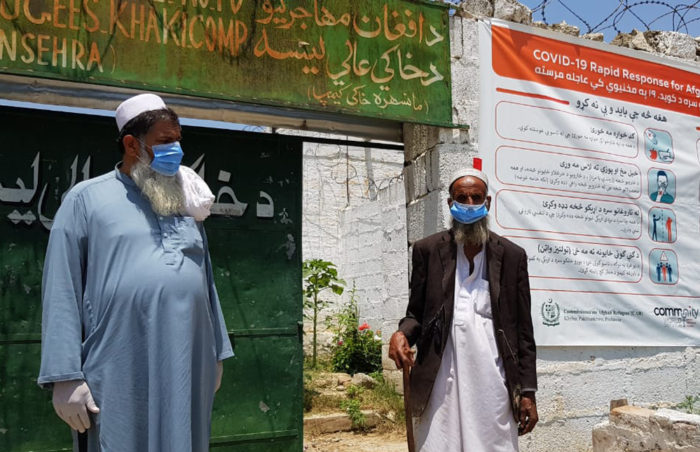
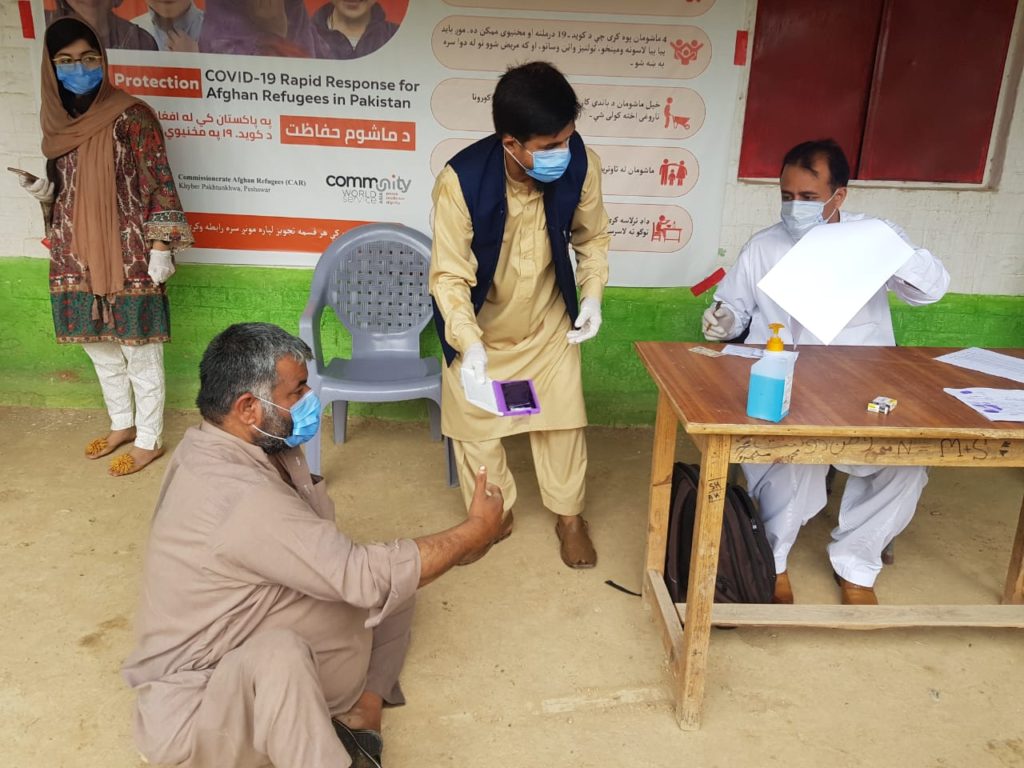
To address this challenge, Community World Service Asia with the support of Street Child initiated a ‘COVID-19 Rapid Response for AR in Pakistan’ program in May. Under this project, cash vouchers were distributed among 150 Afghan Refugee families residing in Khaki Refugee Village of District Mansehra. The cash assistance intended to help one of the most vulnerable communities of Pakistan overcome the many challenges they were facing during the current pandemic.
Families who had lost their livelihoods amid the crisis, included 27 widows, 83 poor daily wagers, 4 orphans and 36 PWDsⁱ were nominated and verified by the Commissioner Afghan Refugee (CAR) office through UNHCR and NADRA database for the project. The distribution activity was conducted in a strict controlled and safe environment that ensured all precautionary SOPs were followed. Staff and refugee community members maintained social distancing and all stakeholders wore essential protective gears. To avoid cluster gathering, 12-15 families were called at the distribution point at a time at different time slots. Each family received PKR 12,000 (in line with Government of Pakistan’s AHSSAS Emergency Cash Program) after being presented with a token issued to them prior to the distribution. The head of Refugees Elders (Shura) Khaki, Refugee Village Administrator (RVA)/ Security in-charge District Administrator office Mansehra and a representative of Community Development Unit (CDU) from Commissioner A/R office were present during the distribution activity.
According to UNHCR, Pakistan hosts approximately 1.4 million registered Afghan refugees, approximately 68 percent of whom live in urban and semi-urban areas alongside Pakistani host communities. Half of the refugee population lives under the poverty line. Most of those who had employment, as daily wagers, have now been laid off as a result of the COVID-19 outbreak. Ghulam Sher was one of them.
“My elders who live here nominated me as a project participant in the COVID response project as they knew I was not able to find sufficient work because of my disability. I received PKR 12,000 under the rapid relief project. I plan to purchase essential food items and other necessities for my family. I will also pay off some of the loan I had taken to establish my shop.”
As a child immigrant of 5 years old, from Afghanistan’s Paktia province, Bibi Zahra, made the refugee camp in Mansehra Khaki, Pakistan her home for the last thirty years. She is now 35 years old and a mother to four children of her own. Her husband succumbed to cancer three years ago which has left Bibi Zahra a struggling, single mother in a foreign land.
Before the coronavirus pandemic, Bibi Zahra and her eldest, 8-year-old daughter earned a monthly income of PKR 5000 (Approx. USD 32)through household cleaning work in the local neighbourhood. They cleaned dishes, served tables, washed clothes and other such domestic chores for a living. The income they earned was not much but it helped the family survive on a day-to-day basis. However, the COVID-19 crisis has further strained the family with more financial challenges and has even deprived them of a single decent meal.
Since there is widespread fear of the coronavirus being highly contagious, most homes in the neighbouring community have barred part-time domestic workers from entering their houses. Many local businesses are also suffering and cannot afford to offer credit services to their regular customers. Similarly, local shopkeepers are no longer providing credit services to Bibi Zahra to purchase essential food and household items. Many families like Zahra’s are left to depend on the in-kind or financial support of family and friends, whenever that is.
“I’m feeling helpless right now. I have no choice but to expect help from others. Neither the government nor any agency has offered any assistance. These days, I can hardly place food on the table for my children.”
Bibi Zahra confessed she faces a lot of mental stress because of the increased anxiety about the future of her family. She cannot even afford to buy her own medication at this point.
“I know only that this virus is extremely contagious and can be spread easily from one person to the next. I do not have protective items such as sanitizers or virus-protecting masks for myself or my family. I have barely enough money to purchase soap. I am more concerned about the well-being and safety of my children. Since my children barely get a proper meal a day, their health will suffer and they will become less immune to the deadly virus.”
As a result of the pandemic, their lives are at stake. Bibi Zahra spends every day worrying about the future of her children.
Prepared by Community World Service Asia’s Communication Office
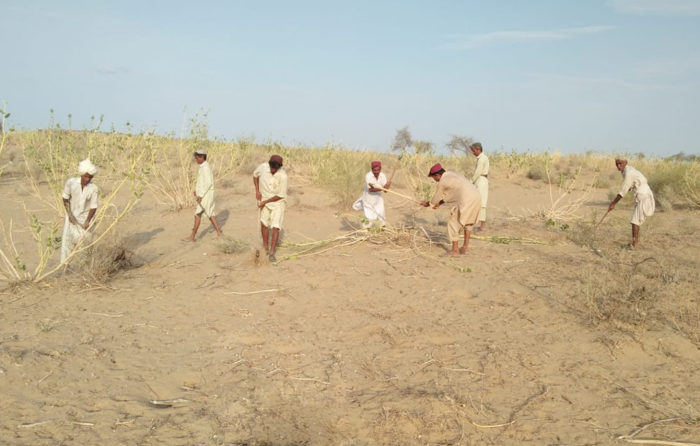
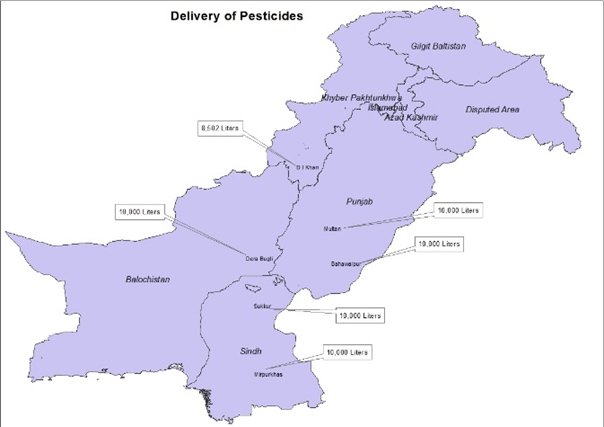
Community World Service Asia (CWSA) is working in partnership with the National Disaster Management Authority (NDMA) to combat locust infestations in various parts of Pakistan. Through financial support from the Japanese Embassy in Islamabad, Japan Platform and CWS Japan, 58,502 liters of Lambda Cyhalothrine EC2.5% pesticides are provided to Provincial Disaster Management Authorities (PDMAs) of the respective provinces. The intervention will ensure a safe and secure application of the pesticides as per the plant protection guidelines. CWSA is also supporting 1,600 farmer families with conditional cash grants for tilling/ploughing of lands to eradicate the locust eggs before hatching. With this support, around 16,187 hectares of land will be made free of locust eggs and will be prepared for the next cultivation. As an additional preparedness measure, around 2,000 farmers will be trained on Integrated Crop Management and Integrated Pest Management approaches to be able to efficiently manage similar threats in the future.
Many Pakistani farmers, particularly in Pakistan’s Sindh province, are currently struggling to combat a series of natural hazards that have left agrarian communities crumbling. The country’s agricultural sector has been struggling for years in the face of drought and dwindling water supplies and since last year has been hit by the worst locust plague to hit the country in nearly three decades. Showing no remorse, the COVID-19 landed in Pakistan with full intensity in March and has since endangered lives and livelihoods of millions of Pakistani people.
On Sunday July 5th the country was hit by its first monsoon rains that wreaked havoc in Karachi and other areas of Sindh further damaging crops and threatening lives. The rains are expected to continue pouring with the same intensity through the season. This will further drive Sindh’s most vulnerable rural communities into extreme poverty and famine.
Pakistan declared tackling the locust infestation as a national emergency in February 2020 as it destroyed huge areas of crop lands in the country’s most fertile province of Punjab. The Locusts have decimated entire harvests in the country’s agricultural heartlands and have sent food prices spiraling. The agriculture sector that provides food security and livelihoods to a large majority of Pakistan’s population has been damaged and severely threatened.
Since June 2019, thirty-eight percent of Pakistan’s land (60% in Baluchistan, 25% in Sindh and 15% in Punjab) has become a breeding ground for the desert locust. If the breeding regions do not contain the hazardous pests, the entire country could well be threatened by a locust invasion (FAO).
The Food and Agriculture Organization has warned of ‘potentially serious food security crisis this year in several regional countries including Pakistan due to locust attacks’.
Community World Service Asia continues to work in close collaboration with the NDMA, PDMA[1] Sindh, local government bodies, district office and the local communities to manage these disasters, provide relief and rehabilitate affected communities with the utmost respect and dignity.
Prepared by Community World Service Asia’s Communications Office
At least seven people were killed and dozens of others wounded in different rain-related incidents in Pakistan’s southern city of Karachi due to its first seasonal monsoon rainfall.
After weeks of extremely hot weather, residents of Karachi found consolation in the season’s first monsoon rains, pouring over 20 million people in the port city. However, the rains led to a series of unfortunate incidents of electrocution, roofs collapsing and uprooted trees and billboards that claimed seven lives.
Rescue teams reported that most of the casualties, including that of a woman and two girls, were caused by electrocution, while the wounded included those struck by branches, billboards, and other airborne items in the heavy storm. According to the Pakistan Meteorological Department (PMD), rainfall up to 43 mm was recorded in the city, and it wreaked havoc in areas that experienced heavy winds along with the rains. Electric poles were also uprooted in several parts of the city, resulting in hours-long suspension of electricity supply.
The Provincial Disaster Management Authority (PDMA) of Sindh province, where Karachi is located, issued a warning of urban flooding in parts of the city and other areas of the province. PDMA noted that heavy rainfall is expected in the province due to the monsoon and that the people and the urban areas concerned should remain vigilant and take requisite precautionary measures during the forecast cycle to avoid any unfortunate incident.
For the next two days, the PDMA has predicted further rains on the same trend in the city. As per the overall weather outlook for monsoon released by PDMA, the monsoon rainfall is expected to remain normal (+10%) during July to September 2020 in Pakistan. Sindh and Kashmir are likely to receive moderately above normal (+20%) rainfall during August and September.
Pakistan is still reeling under the impact of coronavirus pandemic. The World Bank in a recent report stated that Pakistan and the rest of South Asia would account for two-thirds of the 176 million people expected to be pushed into poverty by the COVID pandemic.
Sindh and Baluchistan provinces of Pakistan have faced severe droughts for the past three years. In addition, Pakistan is suffering from one of the worst locust infestation in 25 years, while meteorologists have forecast widespread flooding, potentially compromising national food insecurity and displacing millions of people. In the midst of additional impacts by Covid-19 on health, livelihoods and food security and nutrition of the most vulnerable communities and populations of Pakistan, it is imperative to contain and successfully control the desert Locust infestation and provide immediate relief to the flood-affected populations in Sindh, as fears about food security are at an all-time high in the country.
Community World Service Asia’s Response:
Community World Service Asia is in contact with the local government and other stakeholders active in the area. Its emergency response team is on standby and can start the relief operations immediately if required. CWSA has worked in response to numerable humanitarian emergencies, providing assistance in food security, shelter and NFIs, health and WASH. Given the current COVID-19 pandemic and its repercussions on the sector and the communities, CWSA will ensure limited direct physical interaction with the communities and its response will mostly focus on provision of cash grants through mobile cash transfers.
Norwegian Church Aid (NCA) Response:
For monsoon emergency response, NCA in collaboration with its implementing partners and relevant Government Departments will ensure timely operationalization of Mobile Water Treatment Units in Sindh and KPK provinces to provide safe drinking water. Also, at national and provincial level, coordination with disaster management authorities is ongoing, either directly or through the Pakistan Humanitarian Forum. Furthermore, NCA and partners present in Sindh, KPK, Punjab and ICT are engaged in ongoing COVID-19 response through WASH-IPC interventions.
Diakonie Katastrophenhilfe Response:
Diakonie Katastrophenhilfe has active presence in Sindh Province from the last two years and can mobilize resources immediately when required.
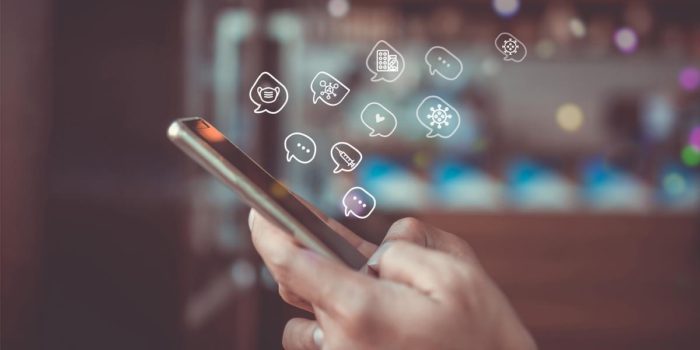
In the COVID-19 pandemic, each one of us is responsible for slowing the spread of the virus. Every action counts. Similarly, one must be accountable in the fight against propaganda, and the spread of misinformation, rumours and hear-say. The rise of digital and social media has enabled the spread of misinformation at a speed and scale not seen before. The World Health Organization (WHO) has described this phenomenon as an infodemic. We, the civil society and responsible media, acknowledge that the infodemic has spread faster than the pandemic itself and action must be taken at a personal level to mitigate this.
Community World Service Asia, BBC Media Action and First Draft jointly hosted a webinar on Understanding and Handling Misinformation in the COVID-19 context. Genevieve Hutchinson, Senior Health Advisor, BBC Media Action moderated the session and was joined by speakers Victoria Kwan, Ethics and Standards Editor, First Draft and Radharani Mitra, Global Creative Advisor, BBC Media Action.
The 90-minute webinar discussed an overview of the current infodemic, the reasons behind and challenges faced because of the spread of mis and dis- information during the COVID-19 pandemic and best practices and strategies for best addressing and handling this sort of a communication crisis.
“The infodemic related to COVID-19 started incredibly quickly. By the end of January, there were already WhatsApp messages, claiming to be from a Ministry of Health or from different governmental offices going around multiple countries. These messages claimed to share preventive measures of coronavirus, except all the information in them was false,” said Genevieve. “There was a challenge to handle a mass of information which was both false and fact based.”
Research on social media propaganda shows that bystander inaction can encourage the proliferation of fake news. Anyone with access to the internet can contribute to the war on misinformation.
It is essential to work on this together as misinformation affects everyone.
“It is not just a communication issue, it is not just a media issue and it affects us personally and professionally,” Genevieve said.
What do we mean by misinformation?
Misinformation can refer to a range of false information, including:
Rumours: Unverified information that is transmitted between people.
Misinformation: Incorrect information that people share without realising that it is false or misleading
Disinformation: When people intentionally create false or misleading information, for example to make money, have political influence or maliciously cause harm or trouble.
Misinformation about health or any other issue is not new. Long before the internet era, people have faced the challenge of misinformation. The issue now is the speed in which it travels; the nature of social media and the internet means that there is a lot of misinformation that can be created and shared within a matter of minutes to millions of people. This can be done without verification. The more the information is shared, the more credibility it gains.
“The challenge is that misinformation can have negative impacts. It can harm human reputation, it can cause widespread uncertainty, panic and fear and it can make people take decisions that are harmful to themselves or others. And we have witness this in the case of the current pandemic – COVID-19,” emphasized Genevieve.
When the pandemic started, First Draft staffers around the globe began tracking the kinds of coronavirus content that was available online to identify patterns and trends that they could then share with newsrooms and other communications professionals. Some of the challenges identified in this process included:
Overabundance of information
Well-intentioned sharing
Closed online spaces
Visual, memetic and video content
“One thing that makes the current infodemic different is the sheer quantity of information that is flooding the online ecosystem. It is coming at a time when people are feeling particularly scared and vulnerable and when there are so many unknowns about the virus’ origins and treatments. Low-quality information can add to the noise and drown out high-quality information,” shared Victoria.
Humans do not have a rational relationship with information but an emotional connection felt with the information that is received and shared.
“This is the part that makes the infodemic very challenging. We need to understand why people are sharing misinformation and create content and strategies to address that. We need to further think on how we can help people change attitudes around sharing. Media literacy efforts to teach people how to stop and think before sharing are incredibly important,” added Victoria.
The human brain is able to process and recall visuals much faster than a text, which makes the memes and pictures very effective. Placing emphasis on the impact of visual misinformation, Victoria said,
“The visual content is tempting to share sometimes as people think it is funny or it’s amusing. It can feel harmless to share it. But when it is forwarded a number of times to the wider audience, it can become a problem. It is also more difficult to track and monitor visual misinformation compared to textual misinformation. To meet these challenges, we need to develop better ways of tracking visual misinformation. We need to learn how to counteract misinformation with visual content of our own and understand the attitude of people sharing these visual contents.”
Journalists play a crucial role in getting accurate information out to the public, but face the challenge of cutting through the noise. To help meet these challenges, First Draft has created a free Coronavirus Course, which may also be of use to NGOs and other community groups. Provided in six different languages, the course will walk you through how and why false information spreads, provides techniques for monitoring and verifying information online and shares best practices on slowing down the spread of misinformation.
Additionally, First Draft believes that collaborations between newsrooms is crucial. Collaborations can help newsrooms avoid duplication of efforts such as in the case of verificationof specific information. In addition, it also allows newsrooms to examine the kinds of misinformation and rumors that have spread in other regions, and anticipate what their own communities might be seeing next.
The media can help curb widespread misinformation. BBC Media Action has been providing people with accurate and relevant information including fact checking. They have created a space for discussion, dialogue and reflection on issues that can drive the spread of misinformation. They aim at influencing attitudes and norms behind sharing mis- and disinformation online and improving critical digital and media literacy skills among audiences.
BBC Media Action has adopted social and behavior change communications (SBCC) approaches to influence audiences’ behavior in relation to issue that can be subject to misinformation.
“We take a more holistic approach to combat misinformation which includes capacity strengthening of media practitioners and organizations and to broaden the agenda around media development to support and strengthen the quality and independence of media,” explained Radharani.
There has been a range of COVID-19 related content created by BBC Media Action.
“In all of the countries where we work, we have established audiences from existing programs across a range of media platforms from TV to radio and to various social media channels. Consequently, we were able to revert the audiences in a fast pace who required information on COVID-19 and we capitalized on the existing relationship engagement and trust we had with these audiences. Much of this has been done online as it’s the fastest way to get content out and reach mass audiences.”
Radharani highlighted that it is not merely enough for health information to be credible, it also needs to be grounded in the realities of the target audience and it must be contextualised to be accurate and effective. Messages on COVID-19 awareness need to be localised using local talent and local languages to make an impact that is required for a pandemic of this nature and magnitude.
“We initially aimed at providing factual and accurate information, to build understanding about prevention and what to do in the case of suspected symptoms of coronavirus with the focus on quality information rather than quantity. It has been a two-fold strategy, to work as quickly as possible and creating content that is generic enough so that it can be shared across countries and can be easily adapted for any country or any language. We have also worked on developing country specific content suited to a particular context,” Radharani said.
In addition, BBC Media Action has rolled out online and remote training and mentoring for local media on how to respond to the pandemic, available in multiple languages.
Mitigating Misinformation in the COVID-19 Context
Participants asked how they could fact check and verify information.
“There are different tactics that can be used. We encourage the audience to do lateral reading, which means looking at other trusted sites and resources and examining what they say about the claim you are seeking to verify. In the case of an image, conduct a reverse image search on Google or Yandex and verify whether it actually depicts what it claims to depict,” advised Victoria.
Radharani added that one has to be extra vigilant in groups where mass information sharing takes place.
“If one feels any doubt about a piece of information, it is important to call it out immediately. We have to be cautious and encourage skeptical behavior to combat misinformation.”
Her top tips are:
Understand (and listen to) your audience(s) and keep an eye on rumours and misinformation that are circulating
Tailor content to context where possible
Provide clear, simple, precise and actionable information
Be credible – use trusted voices or communication platforms
Remember the battle for engagement – and so the need for engaging and shareable formats/ approaches
Quality, not necessarily quantity
Follow the 10 seconds rule: Stop and think. If you have doubts, do a quick research before sharing ahead
Influence attitudes and norms around sharing information – it’s not all about fact-checking
There were questions raised on how to address misinformation with organizations who have limited access to media in the context of the current pandemic. Radharani addressed the question saying,
“We have developed a series of audio messages on hand and respiratory hygiene, social distancing and symptoms and treatments. This has been specifically developed for rural audiences. For this reason, we have tied up with the aggregator of community radio stations. Our audio spots will be heard across community radio stations that are reaching people residing in remote areas with limited access to smartphones. We have to tailor dissemination and broadcast strategies and they have to be bespoke to the situations we have on hand.”
Participants also asked about how people could strike a balance between sharing healthy awareness-raising information and that which would cause anxiety. The content we see every day can be distressing and tiring, and it can feel like we do not get a break from it even outside of work. To address this, its best balance to out the negative content with some positive content, like number of people who have recovered and how families are spending more time with each other and news that exhibits “good vibes”. It is also recommended to rephrase the language so that it’s not panic-inducing or too alarming.
Questions were asked on how to manage and counter misinformation through social media.
“We need to keep trying to change the culture around sharing misinformation. In addition, we need to encourage people to practice emotional skepticism and thinking before passing on information to others. We also need to do a better job of explaining the tactics and techniques behind misinformation. Audiences should be made aware of the different types of misinformation and why is it so easy to believe them,” suggested Victoria.
Participants inquired around methods to track rumors and if they were available online, in order to combat that spread of misinformation. Radharani addressed the question saying,
“The responsibility to track how misinformation is spreading is not up to an individual. This is where media development comes into focus. It is to build the capacity of journalists and media professionals so that they can fact-check. As far as individual behavior is concerned, we’ve tried to build their confidence and competence in feeling more responsible while sharing, making people more conscious of sharing, and work on their media literacy.”







 Radharani highlighted that it is not merely enough for health information to be credible, it also needs to be grounded in the realities of the target audience and it must be contextualised to be accurate and effective. Messages on COVID-19 awareness need to be localised using local talent and local languages to make an impact that is required for a pandemic of this nature and magnitude.
 Prev
Prev