Yearly Archives: 2026

Though Kumbhar Bhada lies only 45 kilometres east of Umerkot town, its setting among vast sand dunes gives it the feel of a remote desert settlement. Home to around a hundred families, all of whom are Muslim, the village has long struggled with limited educational facilities. Two government schools exist, one co-educational and another for boys, but opportunities for girls have remained scarce. In the early years of this century, the government allocated a single room to function as a girls’ school. For a community where families often have ten or more children, this provision was far from sufficient, leaving many girls without access to meaningful education.
No official teacher was appointed, however. In this vacuum, an NGO sent a woman teacher to work in the village. This private project lasted some five years and with its end the school closed down in 2007. Though some rare girl students joined the boys school, most simply dropped out and became their family’s help in household chores or in the fields. In a nutshell, since about 2007 there was no girls’ school in the village. For parents, themselves generally uneducated, this was no significant setback. Girls at home meant they could be gainfully employed with the parents to help at home and in the fields. However, there were also those rare parents who wanted their daughters to be educated.

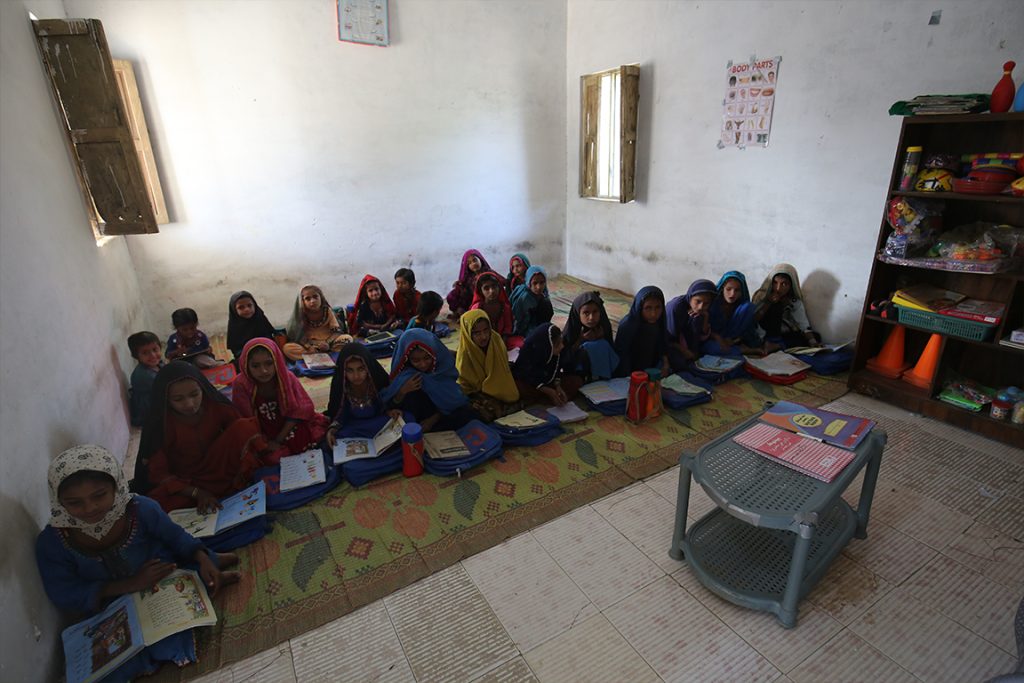
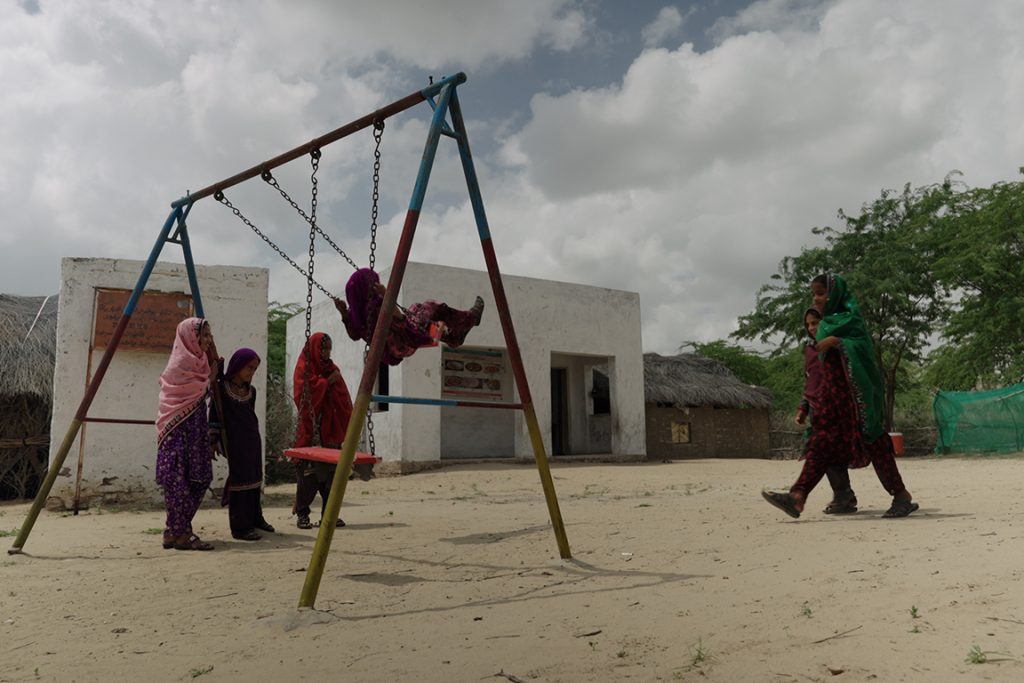
In January 2024, community elders appealed to Community World Service Asia (CWSA) to revive the abandoned girls’ school and bring it back to life with a dedicated teacher. Responding to this call, CWSA appointed a qualified woman teacher and equipped the school with resources to make learning both meaningful and enjoyable. Children were introduced to sports equipment such as hoops and balls, and delighted in the novelty of a steel frame fitted with two swings. Classrooms were enriched with colourful teaching aids, foam blocks marked with alphabets and numbers, along with picture books, transforming lessons into engaging experiences.

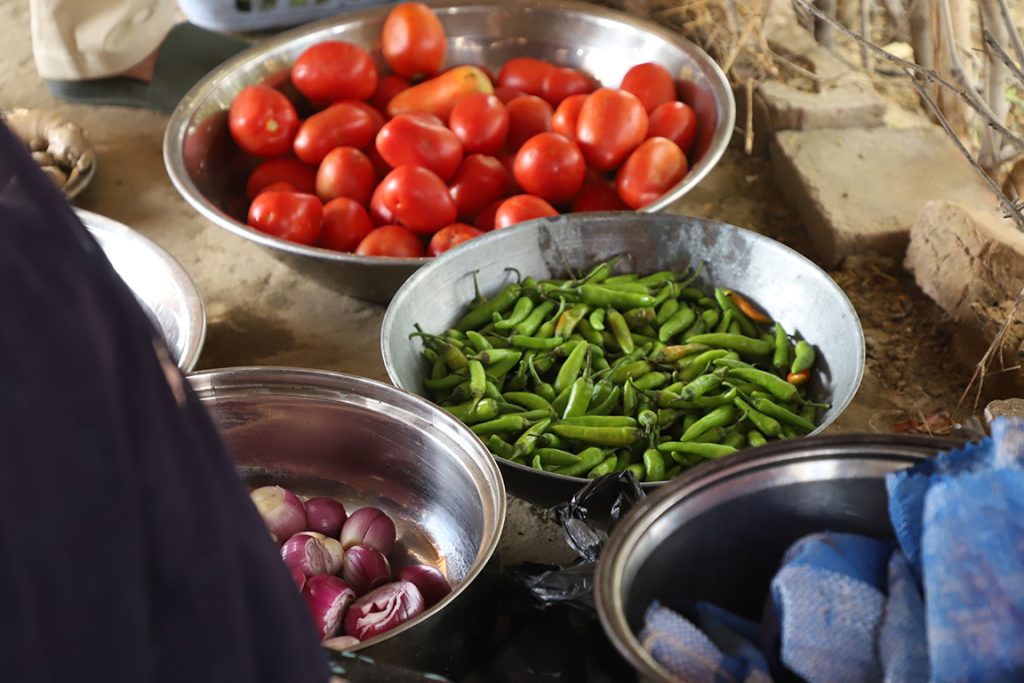
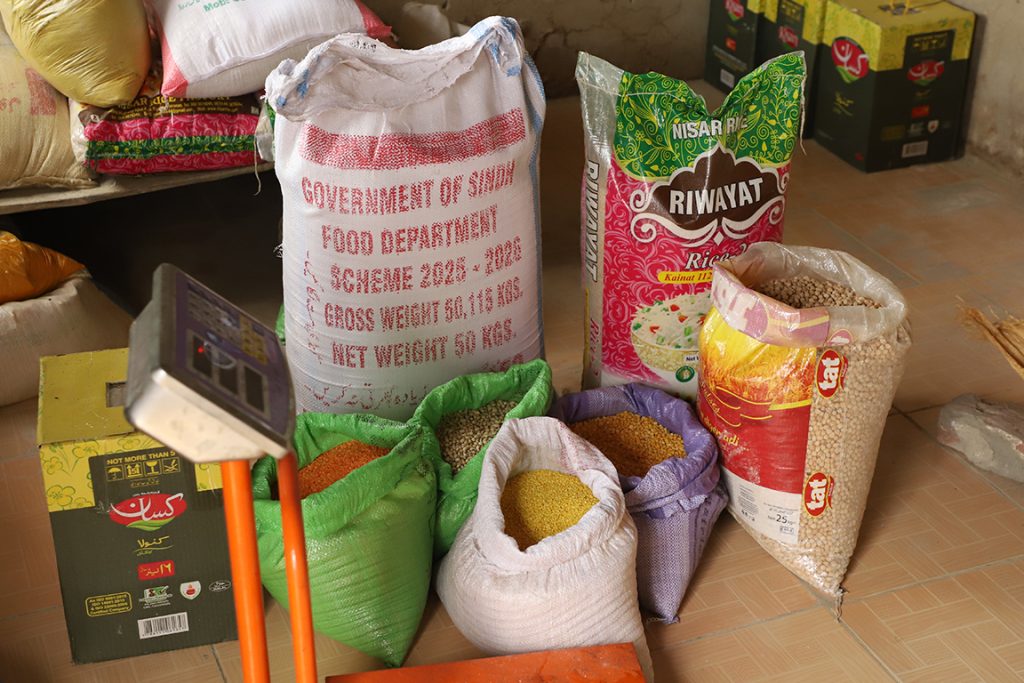
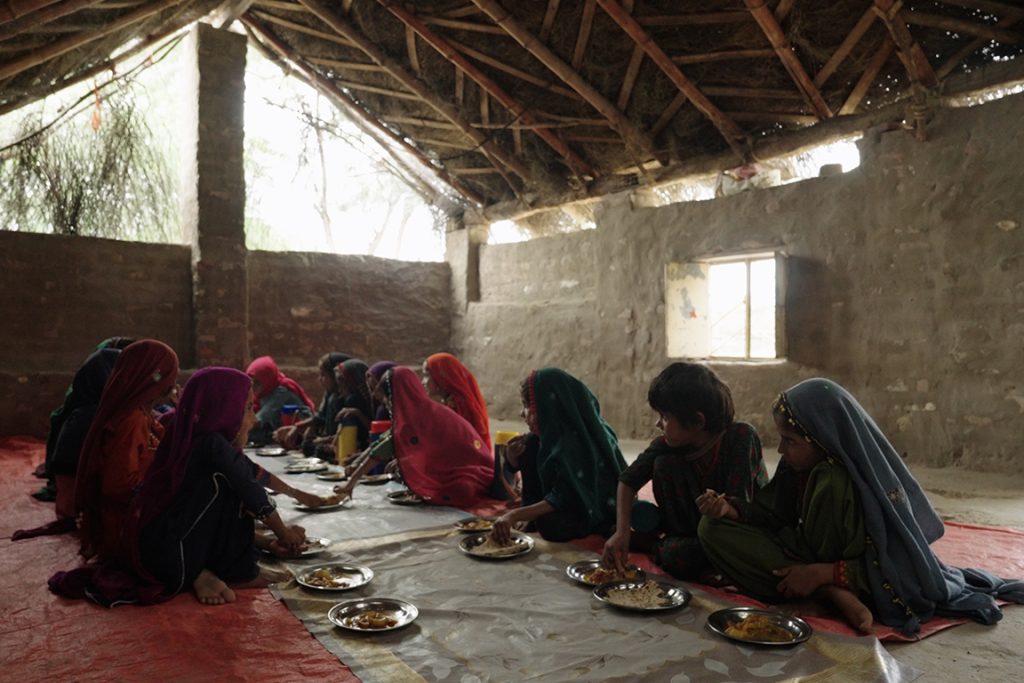
Another highlight, under a sister project also implemented by CWSA, was the introduction of a school feeding programme, ensuring that every child received a nutritious lunch. The menu varied daily, with vegetables and lentils forming the staple, and chicken biryani served once a week, a meal that not only nourished but also brought joy to the students. This initiative helped safeguard children from malnutrition and encouraged regular school attendance.

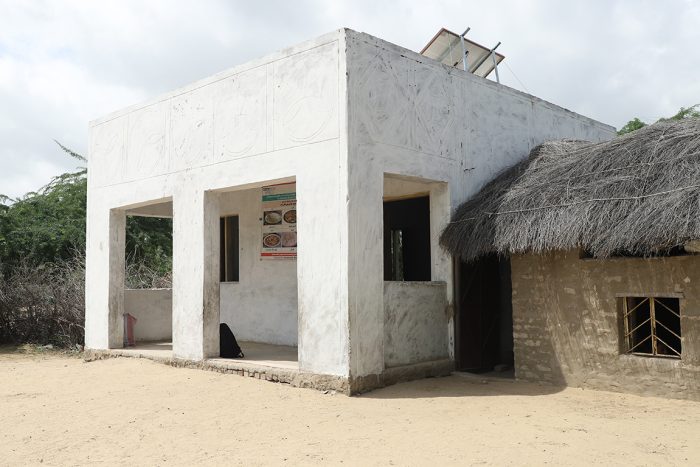
As the single classroom could not accommodate cooking and serving, the community rallied together to expand the facilities. A hut was built beside the classroom to serve as a dining area, while a small shed became the cookhouse. The village community centre was also handed over to the school, repurposed as a pantry. These collective efforts created a welcoming environment where children could learn, play, and thrive.

Rather tentatively the attendance register listed some 35 students in the first week. Numbers slowly ticked upward and soon there were 80 until the rolls now stand at 120. As the students take their classes in the single room, two local women in the hut adjacent to it prepare lunch. During the break, the students take turns, 20 at a time, to be fed.

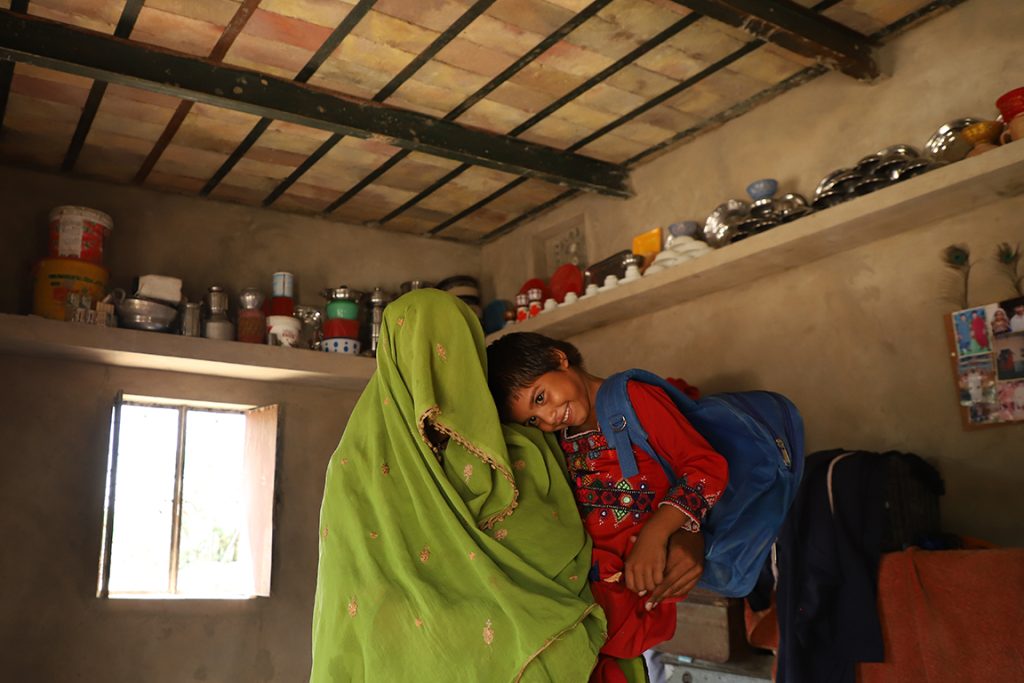
Gulshan, third among five sisters and seven brothers, is in Grade 2 and says she is eight years old. She started classes some years ago in the coeducation school, but soon dropped out. She has no idea if her parents thought it improper to her, a grown girl even at the age of eight, to be studying with boys, but she says she was put to work helping her mother with household chores. During the farming season, she went with her parents to their small holding where she minded her younger brother while the parents worked.

Though one of her older brothers takes local transport to Kaplor, six kilometres away, to attend school in Grade 5, none of her other sisters are in school. Some of her younger siblings do attend the local mosque for religious lessons, however. Quite clearly her family is not one that lays any great merit on girls’ education.

Gulshan has been in school since it restarted in January 2024 and in almost two years has worked her way to Grade 2. In between, her attendance became irregular and she relates that her parents would take her to work in the fields. Outside of farming season, when her father goes to work in a confectionery shop in Karachi, her mother insists she stays home to help with housework. She says she wanted to be in school and it was only after much pleading with the elders that she was able to resume classes. She affirms that she will continue to attend school even if the lunch programme comes to an end when the CWSA project ends in 2026. She has to fulfil her dream of being a doctor one day.

Eleven-year-old Ayaza, the third among three sisters and six brothers, carries a story marked by resilience. Living with a polio-affected leg that causes her to walk with a limp, she refuses to let this challenge define her. In fact, she considers herself fortunate compared to one of her brothers, who suffers from polio in both legs and can only crawl. When her parents are busy tending their small plot of land , where Ayaza also lends a hand, her father supplements the family’s income by working as a labourer on construction sites. For the family, however, education has never been a priority. Only one of her brothers attends the local boys’ school, leaving Ayaza and most of her siblings without access to formal learning.

When asked about her future, eleven-year-old Ayaza speaks with quiet conviction. After completing Grade 7, she dreams of becoming a teacher. Her heart is firmly set on this path, and she insists she will do whatever it takes to achieve it. For Ayaza, the daily school lunch is not the only motivation to attend classes; she carries with her higher ambitions and the hope of shaping young minds one day.

For Grade 2 students, both girls read surprisingly well from their primers. Even random pages are read fluently. This surely is a reflection on the efficiency of the teacher and her teaching methods.

In the two years since CWSA rehabilitated the school, a Children’s Day and a Cultural Day festivals have been held. Both events were fun-filled days of games and eats attended by students of the other two schools as well. According to the parents, despite the schools functioning since the mid-1990s, these events were the first such to have ever taken place in the village. It seems this might be the reason parental interest in their children’s education has risen and the students are not being withdrawn to help at home.

As the CWSA project draws to an end in late 2026, the school will be handed over to the government and a lady teacher appointed here. Going by the yearning for education seen among the students, it is clear that the village committee will raise a clamour in the event of government apathy. Surely children like Gulshan and Ayaza and all the others who dream of being useful adults need to be given the chance to prove themselves.
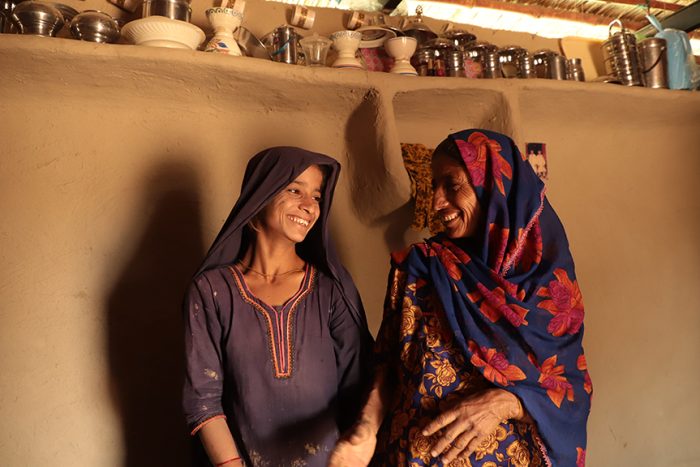
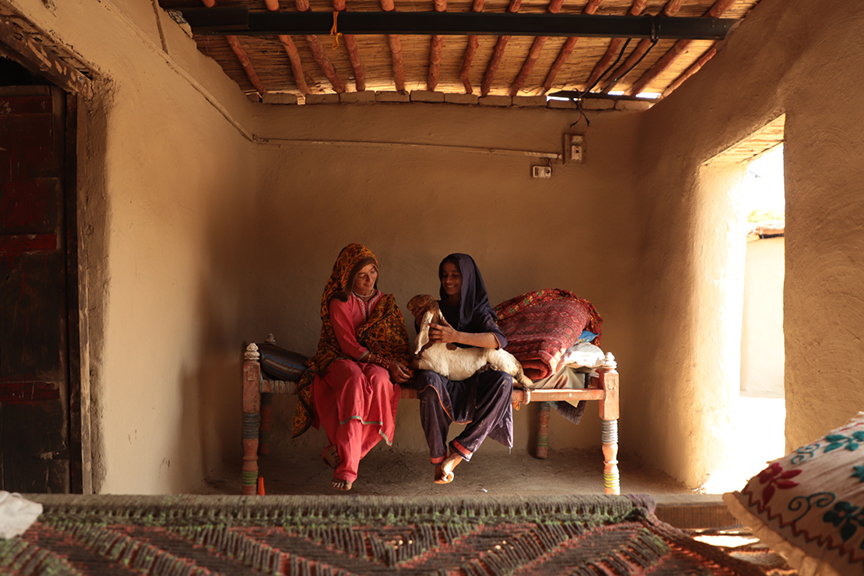
In 2016, Nangar of Mallay ji Bhit died of tuberculosis of the lungs. In his final weeks, he was also haemorrhaging violently from the nose and mouth and had to be hospitalised in Karachi. In that trying time, Ameenat tended to her home and five daughters while her only son looked after the ailing father in the hospital. Ameenat says her husband’s hospitalisation cost the family about PKR 400,000 (approx. USD 1428).

She sold her two buffalos, one cow, three goats, a donkey and the cart to pay for the treatment. But when she was left with nothing more to sell, she borrowed from family and friends. Sadly, Nangar’s illness was so far gone that there was no coming back and when he passed away, Ameenat was under a debt of PKR 250,000 (approx. USD 893) and with no assets. She was lucky that her relatives wrote off their loans to her. There still remained a substantial sum owed to others. She and her eldest son eventually repaid after much hard work over three years during which she worked as a sharecropper, while her son tended other people’s livestock.

Ameenat’s most handy skill is mud plastering of houses for which she is called by householders in the village. As well as that, during season she goes chilli pepper or cotton picking which fetches PKR 500 (approx. USD 1.79) for every 40 kilograms picked.

Between 2021 and 2024, things were comparatively better for her and she wedded off her son and two of the older daughters. To complete the count, she says, she still has to wed three more girls. Now with her son working as a helper on a waste management truck for PKR 15,000 (approx. USD 54) a month, she was always worried it would take a long time to arrange the necessary dowry for the girls.
“My son gives me Rs 5000 to 7000 [approx. USD 18 to 25] a month from his salary. But that is only enough for household expenses, not to put away for dowry,” says Ameenat.

Her fortune changed when she became one of the participants under a food security and livelihoods initiative implemented by Community World Service Asia (CWSA) and financially supported by Diakonie Katastrophenhilfe (DKH). In October and November 2024, she received the first two installments of multi-purpose cash assistance under the project. That year, her portion as sharecropper was reasonable and the cash was used partially for food while the bulk was spent on dowry items. It was the goat that came with the package that was the biggest boon because it soon delivered a very healthy kid.

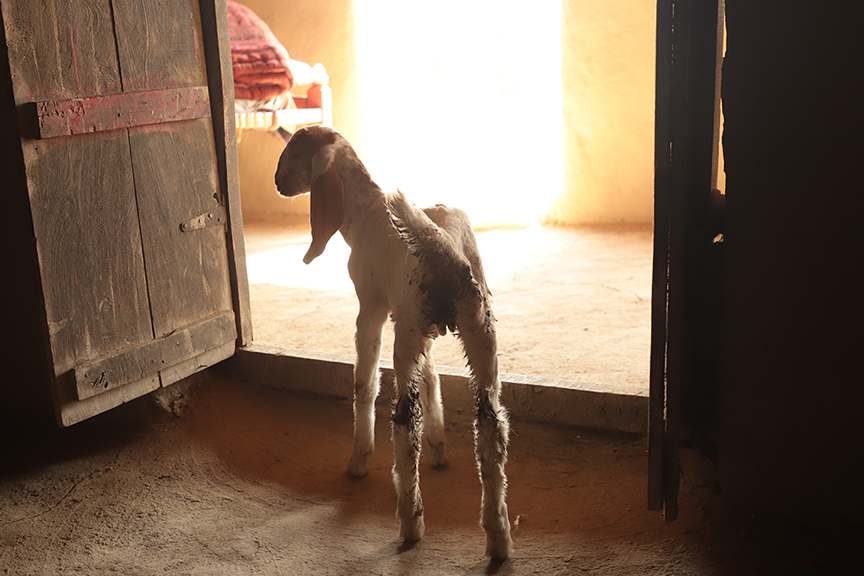
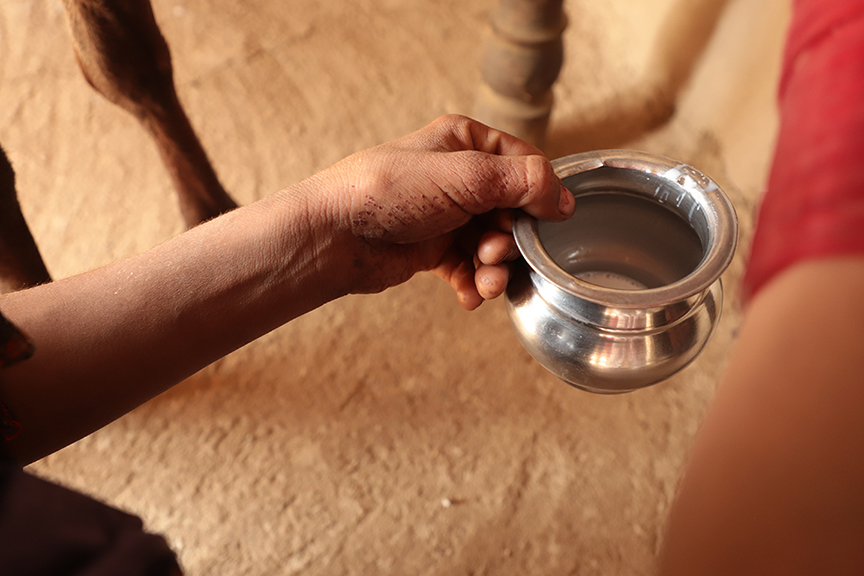
Ameenat says she would normally have worried about the health of her goat in the dry season starting in March, but in 2025, she had hydroponic fodder to augment the dry fodder she had saved from the past harvest. The kid gambolling around her yard looks very healthy and she says though it is now weaned, it had plenty of milk when it needed because of the green fodder she was trained to grow. The bonus was the supplemental feed for the goat which also increased its milk production and she was able to have her own supply for morning and evening tea.

The kitchen garden was another great bonus. Since the death of Nangar, the family rarely had vegetables to dine on but that was not the case now. This was only when her son came home for a day or two and brought a supply from town. In November 2025, she was preparing her little patch for the third round of gardening.

“We used to have homemade chilli and garlic chutney with chapatti [flatbread] because we could rarely afford vegetables. But now there is so much and in such variety that when vegetables are in season we always dine well and also give away to others,” says Ameenat. She is proud that she now entertains visitors with good milk tea and excellent vegetable stews.

“Since this intervention, our life has changed for the better. I can now look forward to buying my own livestock again. If luck holds out I will have at least one buffalo in good time,” says Ameenat.

Overview

On 19 January 2026 at 11:21 hours (Pakistan time), a magnitude 5.8 earthquake struck Gilgit-Baltistan. The USGS reported the epicentre approximately 50 km north-northwest of Karimabad, Hunza, near the Yash Kuk Glacier in Chipurson Valley, and around 10 km from Zudkhun village, at a focal depth of ~35 km [9]. The Pakistan Meteorological Department (PMD) noted the epicentre near north-western Kashmir, at a shallow depth of 10–35 km. Tremors were widely felt across Hunza, Nagar, Gilgit, Ghizer, and Diamer, as well as parts of Khyber Pakhtunkhwa and Islamabad.

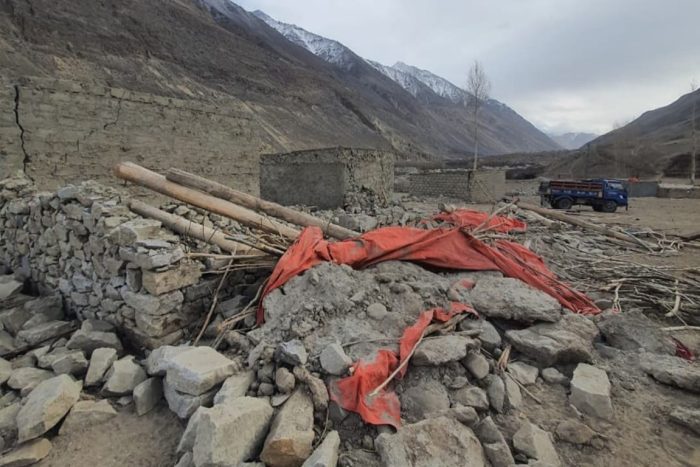
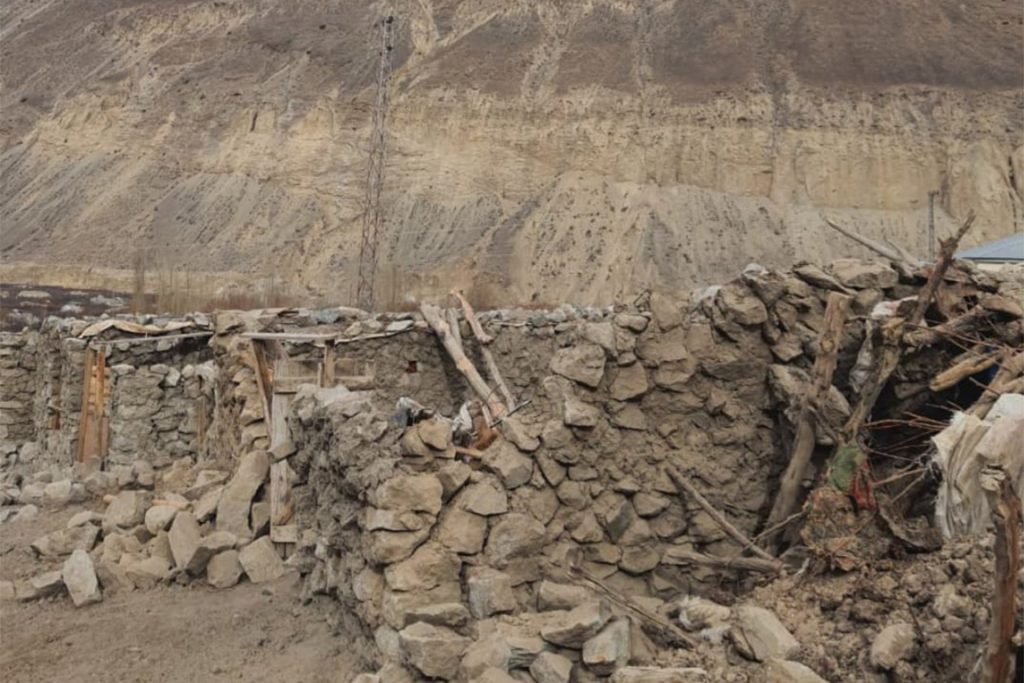
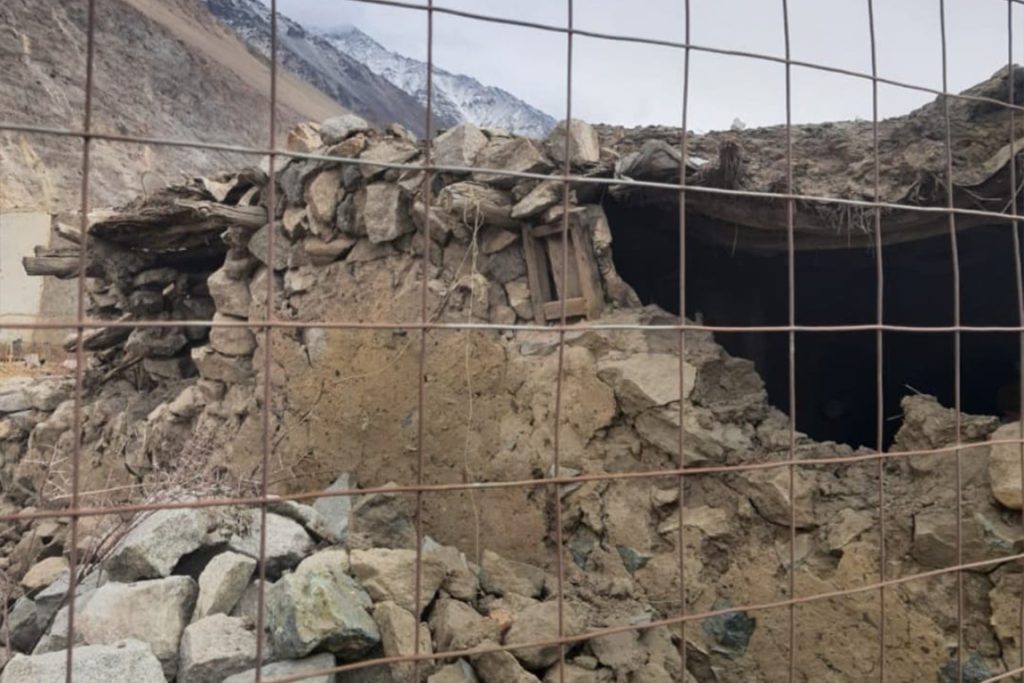
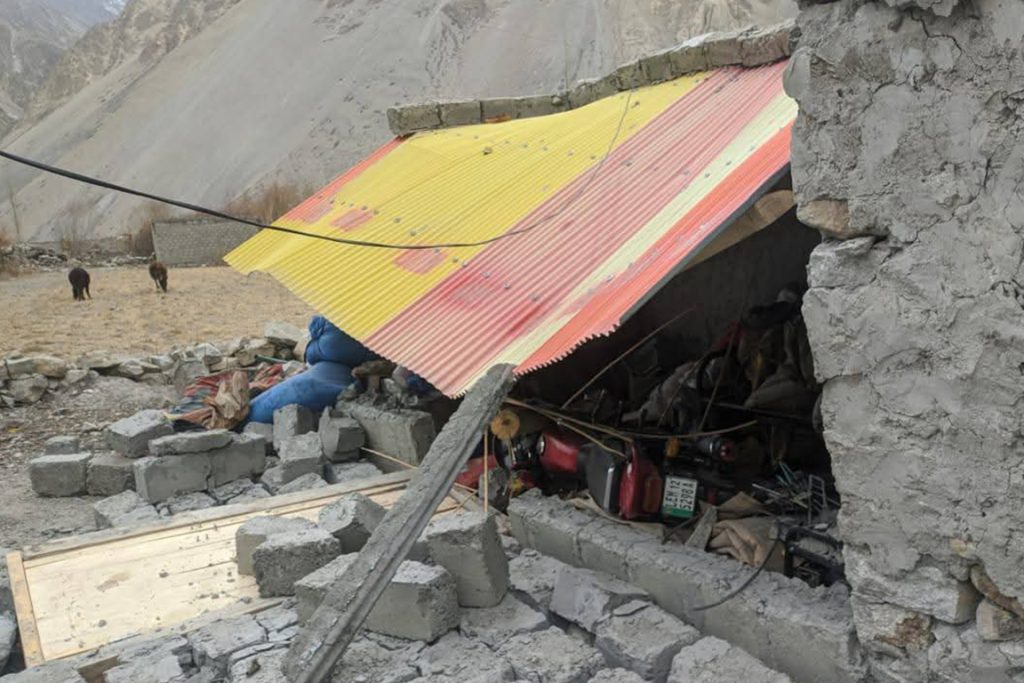
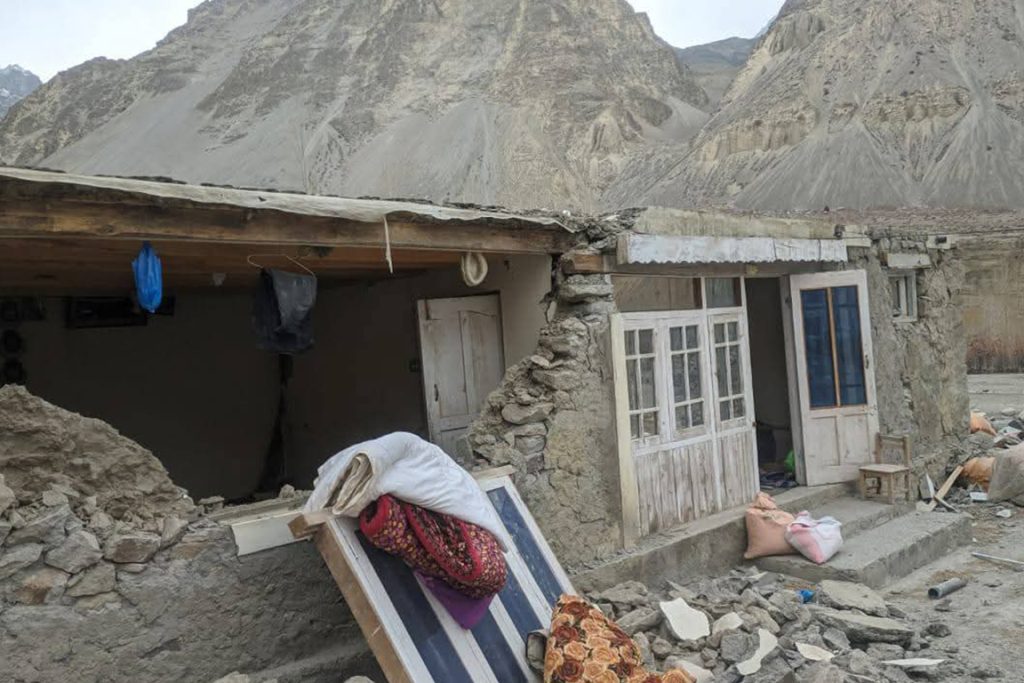
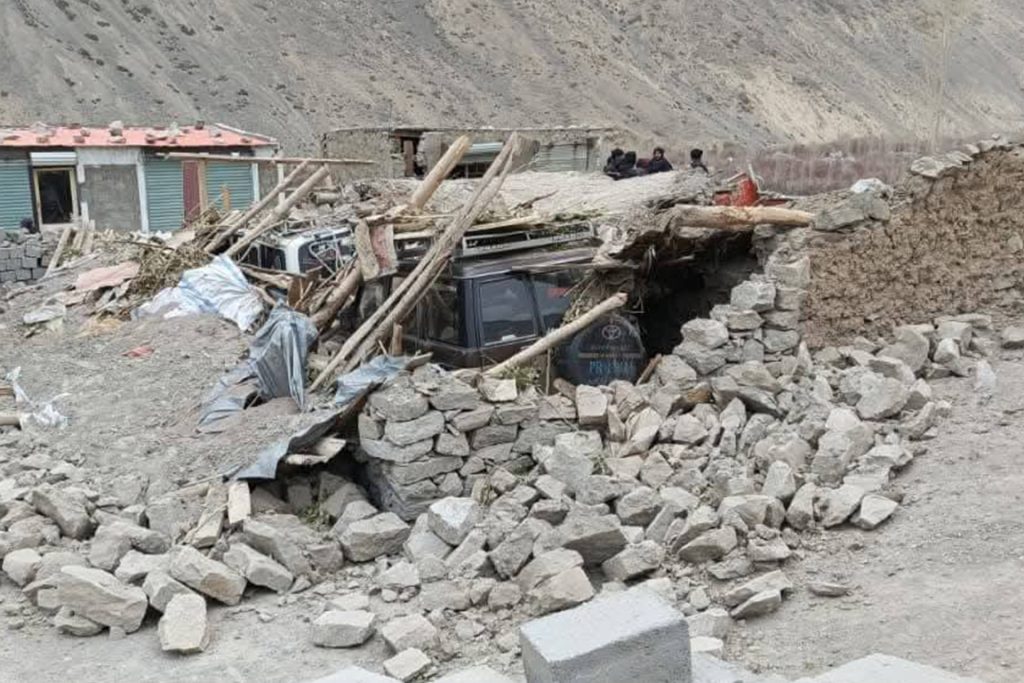
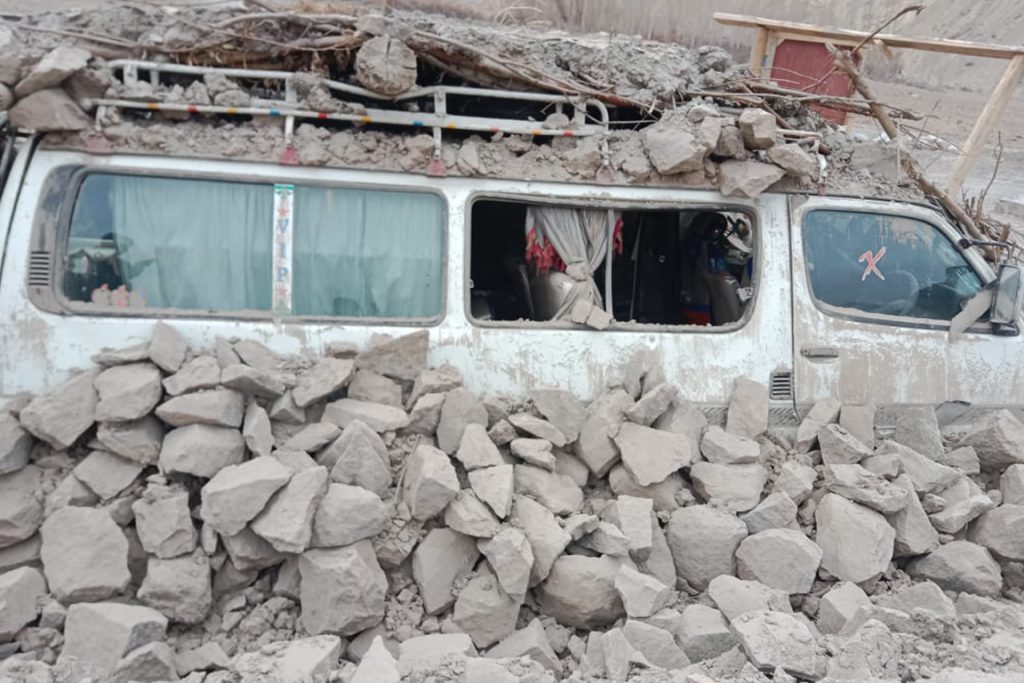
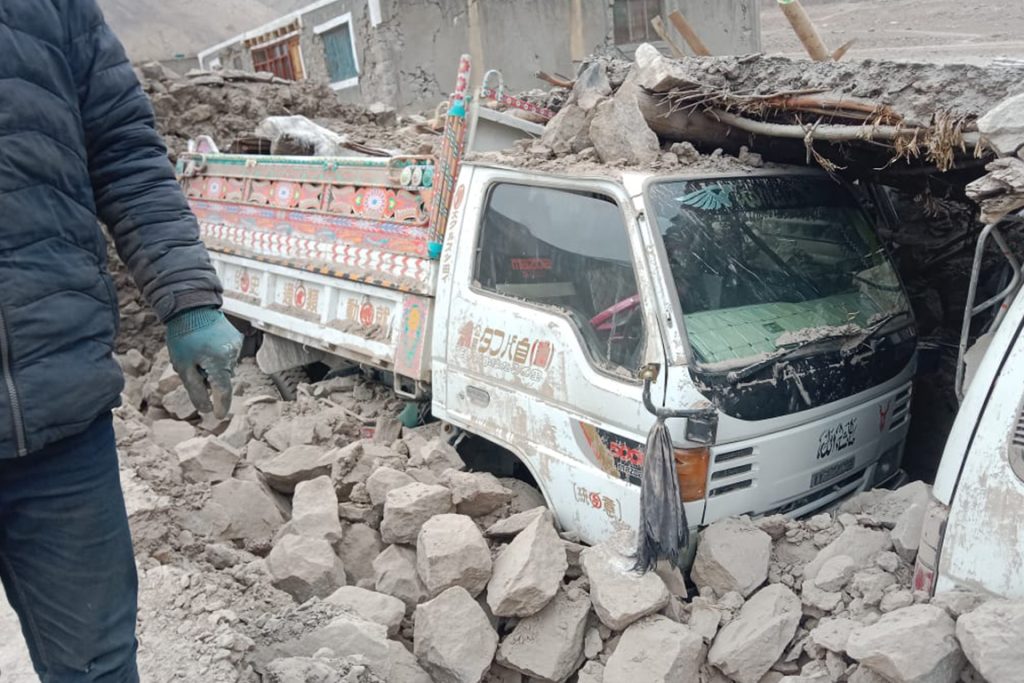
The earthquake triggered widespread rockfalls, particularly in Chipurson Valley, causing severe structural damage and making many homes unsafe. Minor injuries were reported among children, and livestock shelters collapsed, threatening livelihoods. Ongoing aftershocks since October 2025 have caused anxiety among residents, many of whom are reluctant to return home. Harsh winter conditions, with temperatures falling to –20°C, have increased the risk to life and wellbeing.

Impact

The earthquake has severely affected 11 villages, leaving around 500 households (2,500 people) impacted. Casualties remain limited but include four injured, two children in Zudkhun and two adults in Shetmerg, all receiving medical care, with further assessments ongoing in remote settlements.

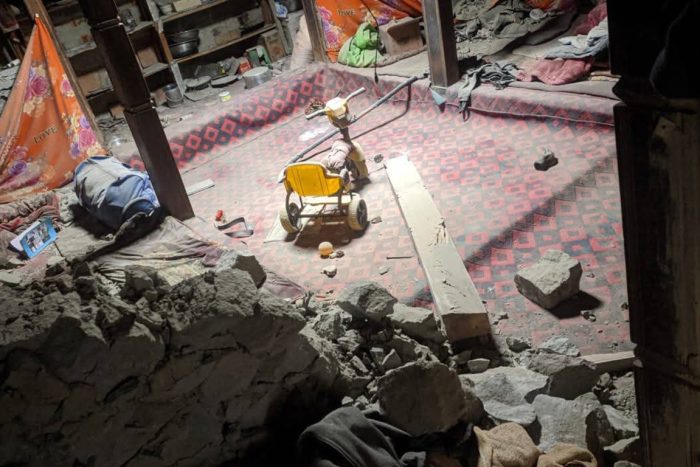
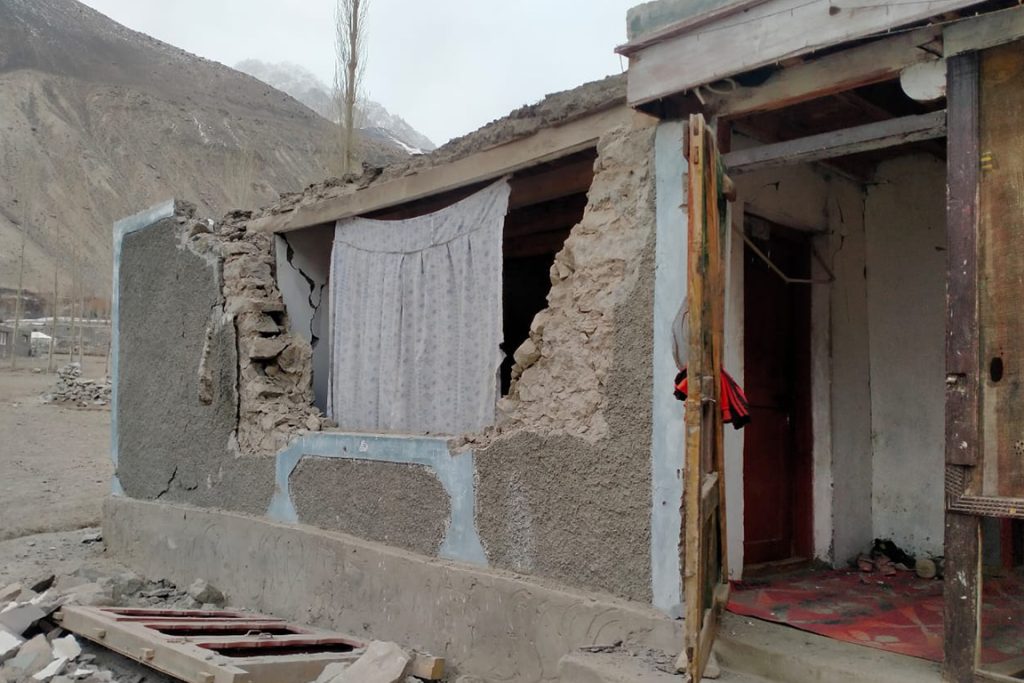
Infrastructure damage is extensive: over 210 houses collapsed or became unsafe, with 150 completely destroyed. Public and community facilities such as schools, prayer halls, Jamatkhanas, and Rural Education Centers sustained major cracks. Water channels, micro hydropower systems, and cattle sheds were destroyed, resulting in livestock losses. Landslides and rockfalls blocked roads, disrupted electricity, internet, and communications, and cut off access to Chipurson Valley and parts of the Karakoram Highway.

Families have been forced into makeshift shelters or temporary camps under extreme winter conditions. Vulnerable groups, women, children, the elderly, widows, and persons with disabilities face heightened risks due to overcrowding, damaged housing, and limited access to essential services.

Emerging Humanitarian Needs

Emergency ShelterWinterised tents, tarpaulins, blankets, and warm clothing for families affected by infrastructure/ housing damage, prefabricated homes/sheds, energy and lighting
HealthHealth, Mental Health & PSS, and Protection aimed to support the entire valley, temporary medical services
FoodImmediate food rations & multipurpose cash support
Water & SanitationClean drinking water, hygiene, dignity & maternity kits, and sanitation facilities to prevent disease outbreaks
Psychosocial SupportPsychosocial Support for grieving families and children affected by trauma

Immediate priority actions include scaling up winterised shelter support, distributing winter NFIs (blankets, warm clothing, hygiene, and maternity kits), providing temporary shelters for unsafe homes, delivering in-kind food assistance, and deploying cash support for urgent winter needs. Distributions must be gender- and vulnerability-sensitive, accompanied by health and psychosocial services.

Relief & Response Overview

Relief efforts in Gilgit Baltistan are underway despite challenging access. Road connectivity to Reshet has been restored, and a medical camp set up in Shetmirg is providing care with doctors, paramedics, and Rescue 1122 support. District Disaster Management Authority (DDMA ) Hunza has distributed 250 food packs, blankets, kerosene heaters, kitchen sets, and tents to affected families. Senior government officials, including the Ministers for Interior and Tourism, visited Chipurson Valley on 21 January to meet communities and assess needs.

The Aga Khan Development Network (AKDN) has activated an Emergency Operations Centre in Gilgit, supported remotely from Islamabad. A helicopter mission on 20 January evacuated seven patients, including women and children, to Gilgit for treatment.

The Gilgit Baltistan Disaster Management Authority (GBDMA), working with the Aga Khan Agency for Habitat (AKAH), civil society organisations, and community emergency teams, has launched a rapid needs assessment in Chipurson Valley. Findings will guide coordinated support measures from the GB government, federal authorities, and civil society.

Local NGOs and community groups have mobilised resources such as firewood, tents, and food. Human rights organisations are highlighting gaps in evacuation procedures, medical support, and winterised shelters. While coordination with authorities exists, a systematic multi-agency coordination mechanism has not yet been fully established.

Pakistan’s UN cluster system offers a framework for sectoral coordination, though no formal cluster activation for Chipurson has been reported. NDMA, GBDMA, UNOCHA, and UN agencies have conducted preparedness exercises to strengthen earthquake response.

Community World Service Asia Response

Community World Service Asia (CWSA) continues inter-agency coordination and rapid assessments in Hunza District and as the situation evolves, it calls on partners and humanitarian actors to join them in scaling up coordinated response efforts and providing timely winter assistance to Chipurson Valley, Upper Hunza, where affected communities face immediate survival risks. Built on existing local networks and partnerships, the response will remain adaptive, inclusive, and community-driven.

Response Plan includes:

  • Winterisation Assistance: Distribution of winterisation kits to vulnerable households to reduce exposure to extreme cold, prioritising families with damaged shelters, elderly members, women-headed households, and children.
  • Non-Food Items (NFI): Provision of essential NFIs to households that have lost or damaged basic household items due to the earthquake.
  • Multipurpose Cash Assistance (MPCA): Provision of cheque-based MPCA to enable affected households to meet urgent needs, including food, winter items, healthcare, and minor repairs in a dignified manner.
  • Reinforcement of humanitarian Quality, Accountability & Safeguarding mechanisms to ensure dignity and community engagement throughout the respone
  • Gender-Sensitive Aid Distribution: Ensuring equitable access for women and girls

A multi-sectoral team is on standby for rapid deployment, ensuring that our response remains adaptive, inclusive, and locally led. CWSA’s planned response integrates gender-sensitive measures across all areas of intervention.

Contacts

Shama Mall
Deputy Regional Director
Programs & Organisational Development
Email: shama.mall@communityworldservice.asia
Tele: 92-21-34390541-4

Felix Dennis Joseph
Associate Regional Director
Email: dennis.joseph@communityworldservice.asia
Tele: 92-51-2307484-5

Palwashay Arbab
Head of Communications
Email: palwashay.arbab@communityworldservice.asia
Tele: 92-21-34390541-4


References

  • (The Express Tribune)
  • (Pakistan Today)
  • (Dawn)
  • (ProPakistani)
  • Local Reports – ASWED (Association for Social Welfare & Educational Development) (internal/field source)
  • KADO Rapid Assessment Report, January 2026 (unpublished/internal)
  • AKAH/AKDN Disaster Assessment Report, January 2026 (unpublished/internal)
  • USGS Earthquake Data & Pakistan Meteorological Department (PMD)

Crisis Overview

On 19 January 2026 at approximately 11:21 am, a 5.8-magnitude earthquake struck northern Pakistan, with the Pakistan Meteorological Department (PMD) reporting the epicenter near Barishal in north-western Kashmir at a shallow depth of 10–35 km. Strong tremors were felt across Gilgit-Baltistan, including Hunza, Nagar, Gilgit, Ghizer, and Diamer districts, as well as parts of Khyber Pakhtunkhwa and Islamabad. The shaking triggered landslides and rockfalls in mountainous areas, causing localized infrastructure damage and access disruptions.

The most significant impacts were reported from Upper Hunza, particularly Chipurson Valley, where residential structures were damaged and the only access road was blocked at multiple locations. Public infrastructure was also affected in Karimabad, where the already vulnerable building of Boys Middle School Karimabad developed structural cracks, rendering it unsafe for students and teachers. The earthquake occurred amid an ongoing severe winter cold wave, with temperatures dropping below –10°C, increasing risks for affected communities and heightening urgent humanitarian concerns.

Impact

The earthquake has caused one confirmed fatality and several injuries, including among children, in Hunza District.

Severe structural damage has been reported to homes, public buildings, and community infrastructure, with Chipurson Valley particularly affected, hundreds of families displaced and now living in camps under extreme cold conditions. In Karimabad, the Boys Middle School building has developed major cracks, leaving it unsafe for students and teachers.

Access routes remain blocked by landslides, including sections of the Karakoram Highway, restricting movement and delaying emergency response.

Across Gilgit-Baltistan, families face heightened risks due to unsafe housing, continued aftershocks, and exposure to sub zero temperatures. Vulnerable groups, women, children, elderly persons, and persons with disabilities, are at greatest risk of health complications, protection concerns, and disruption of essential services.

Urgent assistance is required to provide safe shelter, medical care, and protection support to prevent further deterioration of humanitarian conditions.

Emerging Humanitarian Needs

Emergency ShelterWinterised tents, tarpaulins, blankets, and warm clothing for families affected by infrastructure/ housing damage
Medical AssistanceFirst aid supplies, essential medicines, and basic health support to address cold-related illnesses, respiratory infections
Food SecurityImmediate food rations needed for affected families or multipurpose cash support to meet these needs
Water & SanitationClean drinking water, hygiene & maternity kits, and sanitation facilities to prevent disease outbreaks
Psychosocial SupportPsychosocial Support for grieving families and children and women affected by trauma

Local authorities and community representatives have called on humanitarian organisations to provide urgent winter assistance, including shelter materials, blankets, maternity kits, food support, and essential medical supplies, to protect vulnerable populations especially located in Chipurson Valley during the ongoing cold wave.

Community World Service Asia’s Proposed Relief & Response

Community World Service Asia (CWSA) is coordinating with local partners, affected communities and international agencies to mobilise a rapid response. Proposed actions include:

  • Distribution of winter NFIs, including blankets, warm clothing, hygiene kits, and maternity/dignity kits
  • Provision of temporary and winterized shelters, including tents and tarpaulins for families with damaged homes
  • In-kind food assistance for households affected by access constraints and livelihood disruption
  • Gender-sensitive distributions to ensure equitable access for women, children, elderly persons, and persons with disabilities
  • Psychosocial support for children and families affected by displacement and ongoing aftershock fears.

CWSA is engaged in inter-agency coordination and rapid needs assessments in Hunza District and remains committed to delivering principled, inclusive, and locally led humanitarian assistance. As the situation evolves, we call on partners, donors, and humanitarian actors to join us in scaling up coordinated response efforts and investing in long-term resilience across Pakistan.

Contacts

Shama Mall
Deputy Regional Director
Programs & Organisational Development
Email: shama.mall@communityworldservice.asia
Tele: 92-21-34390541-4

Felix Dennis Joseph
Associate Regional Director
Email: dennis.joseph@communityworldservice.asia
Tele: 92-51-2307484-5

Palwashay Arbab
Head of Communications
Email: palwashay.arbab@communityworldservice.asia
Tele: 92-21-34390541-4


References

  • https://www.geo.tv/latest/645925-58-magnitude-earthquake-rattles-islamabad
  • https://tribune.com.pk/story/2587984/1-dead-2-injured-as-magnitude-58-quake-jolts-gilgit-baltistan
  • https://apnews.com/article/6ee9e66ff46406fc0a0fafe500932a15
  • https://www.radio.gov.pk/19-01-2026/58-magnitude-earthquake-jolts-islamabad-gb-kp
  • https://pamirtimes.net/2026/01/19/one-killed-three-injured-as-5-8-magnitude-earthquake-creates-havoc-in-hunza-and-ghizer-districts
  • Local Community Reports