
PRESS RELEASE: Regional Humanitarian Partnership Week Asia Pacific 2025 Closes with Clear Calls to Reframe Aid in a Difficult Year for the Sector
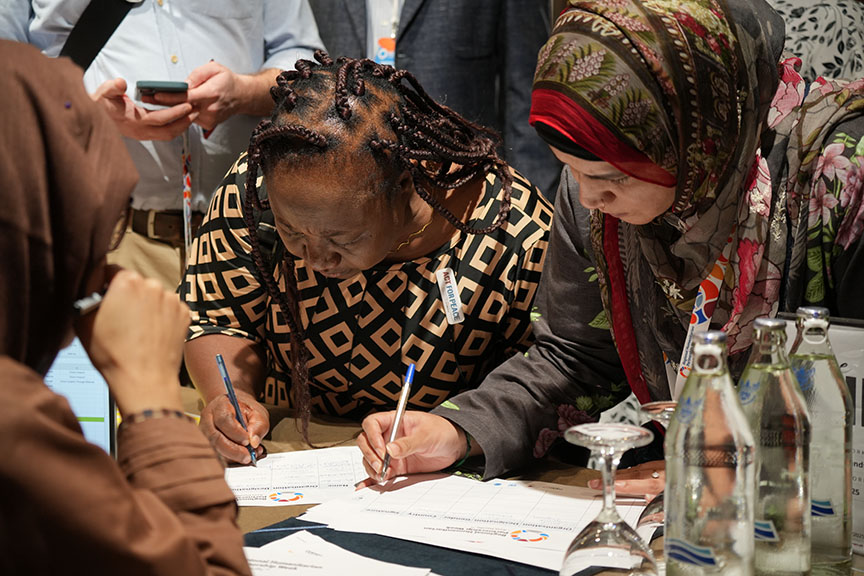
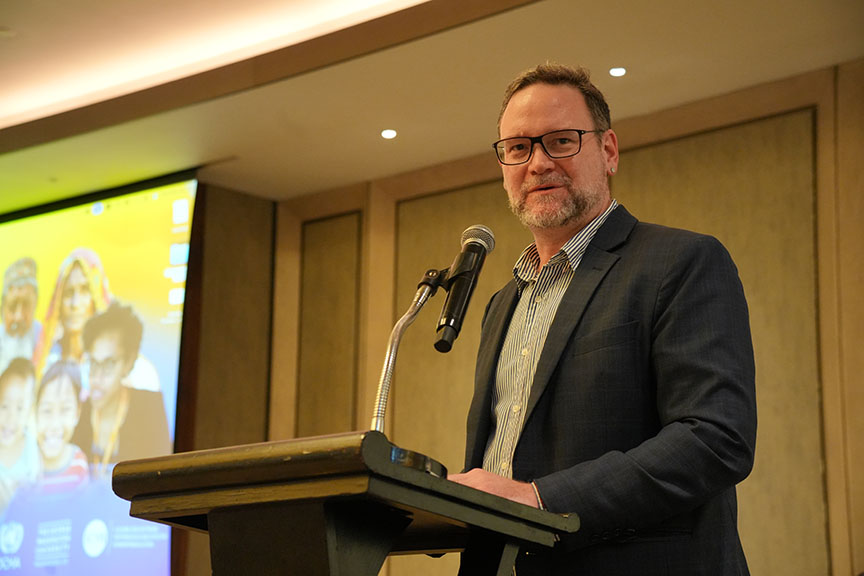
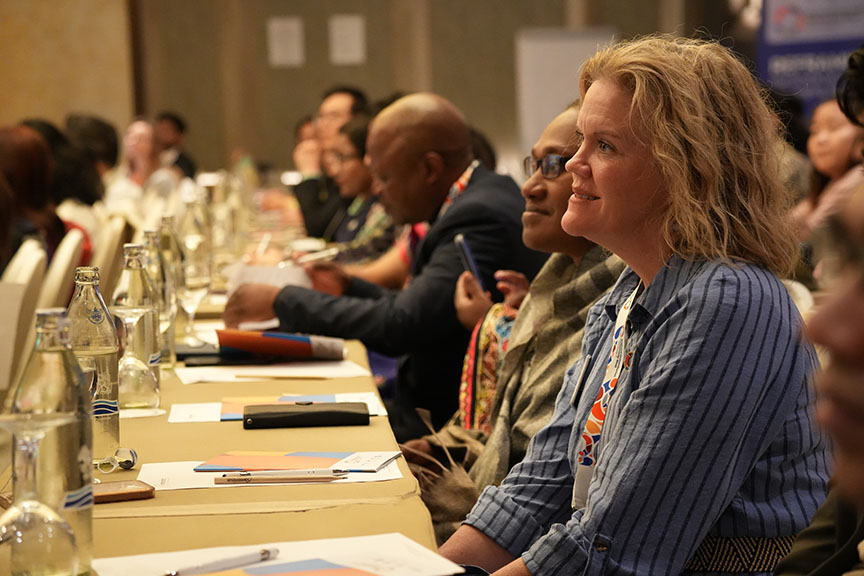
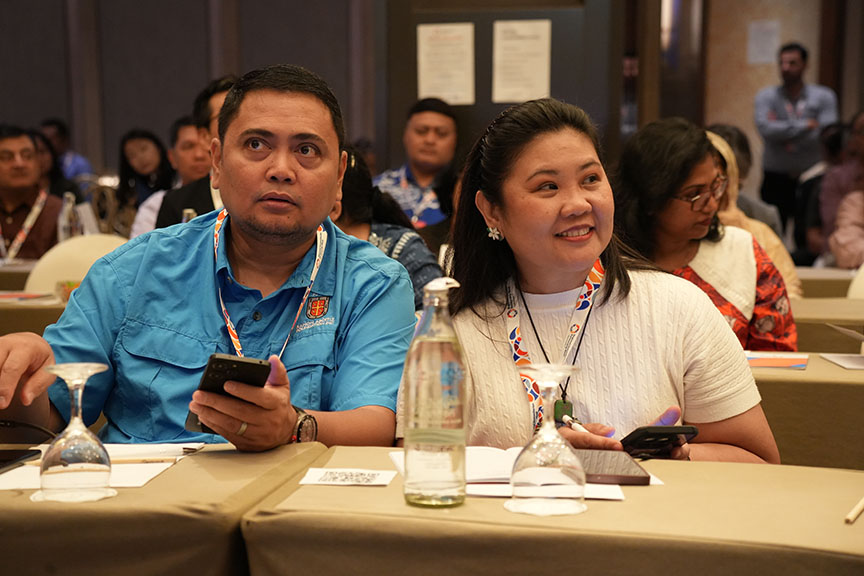
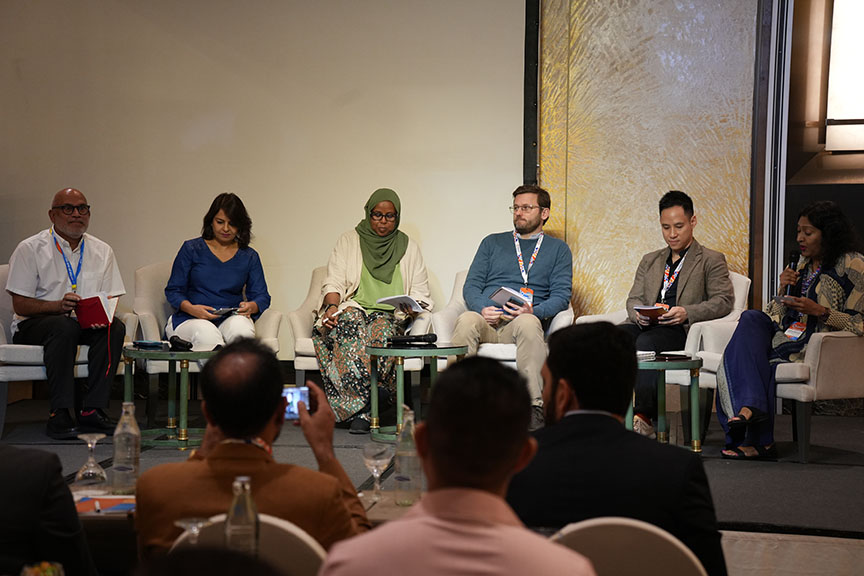
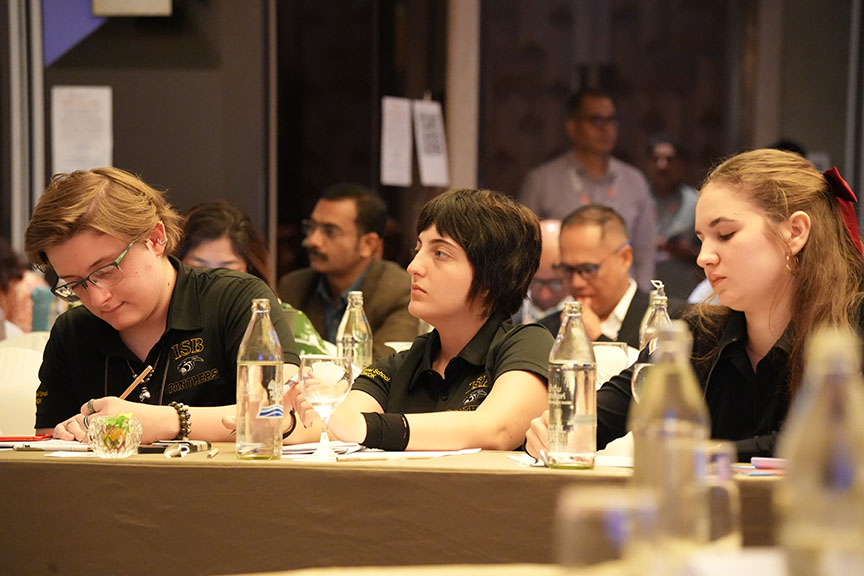
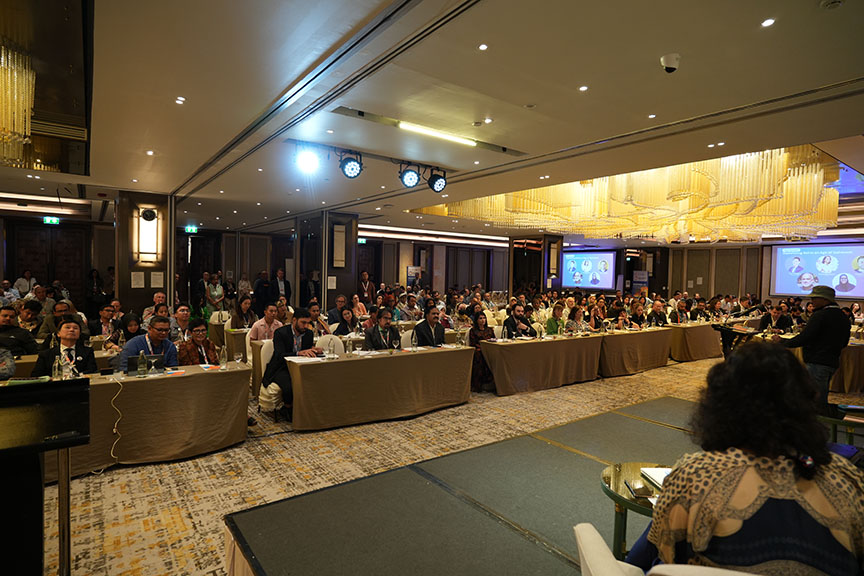
Bangkok, 10 December 2025 — The Regional Humanitarian Partnership Week Asia Pacific (RHPW) 2025 concluded in Bangkok today after three days of solutions-focused dialogue on how humanitarian action must adapt in a time of funding suspensions, climate shocks, and protracted crises.
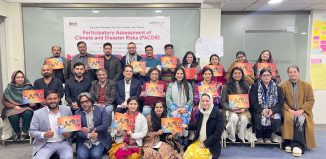
The Asian Disaster Reduction and Response Network (ADRRN), Community World Service Asia (CWSA), the International Council of Voluntary Agencies (ICVA), and the United Nations Office for the Coordination of Humanitarian Affairs (UNOCHA) co-organised this year’s RHPW under the theme Beyond Emergencies: Reframing Humanitarianism for a Changing World. The event brought together 517 aid practitioners, from 279 organisations and 38 countries representing the civil society, governments, UN agencies, private sector partners, academics, and crisis-affected community leaders from across Asia and the Pacific.
Asia Pacific is the world’s most disaster-prone region, facing frequent climate shocks, protracted crises, and rapid social change, making it a critical hub for innovation and leadership in humanitarian action.
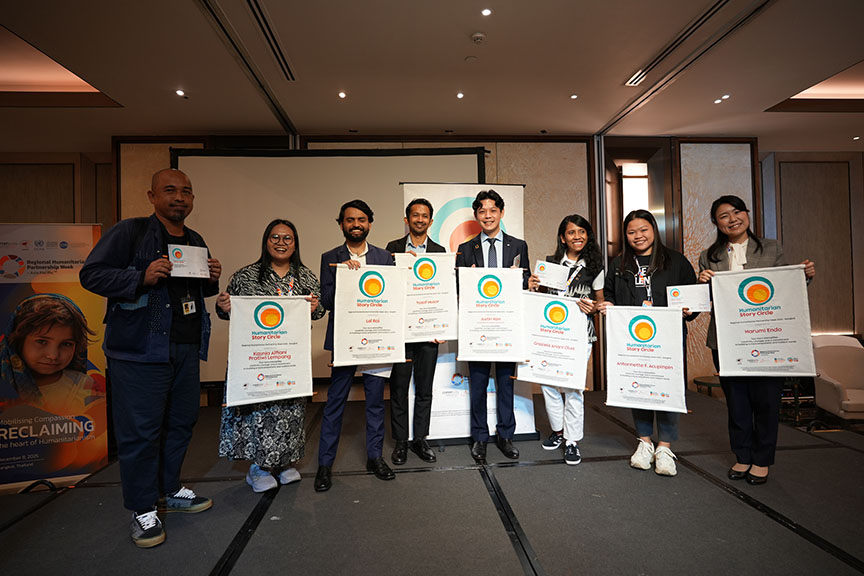
The opening session, Mobilizing Compassion: Reclaiming the Heart of Humanitarianism, set out the central challenge: how to sustain principled humanitarian action when needs rise and resources tighten. The first-ever Humanitarian Story Circle placed lived experiences at the heart of the conversation as storytellers from crisis-affected contexts described how they organise, adapt, and care for one another.
Over the 3 days, participants focused on five areas of change: shifting power and resources to crisis-affected communities and local organisations; connecting climate, development, and humanitarian work; rethinking business models and financing; using data and technology responsibly; and operating in fragile and politically contested environments.
“In a year of shrinking resources and rising needs, RHPW 2025 showed that humanitarian actors are ready to reframe aid by putting crisis affected communities at the centre. The conversations here in Bangkok were not just about principles, but about practical steps to shift power, diversify financing, and ensure dignity in every response,” global humanitarian practitioner and RHPW 2025 participant.
Discussions on power and localisation moved from principles to practice. Participants examined how to increase quality, multi-year, and flexible funding for local and national NGOs, simplify compliance, strengthen leadership of women’s organisations, youth groups, and organisations of persons with disabilities, and embed accountability to affected people in partnership and coordination structures. Climate-related conversations looked at how to align humanitarian response with climate adaptation, social protection, and disaster risk reduction. Practitioners shared examples of anticipatory action and community-based early warning that reduce loss and damage before crises escalate and called for closer collaboration with climate funds and national authorities.
With traditional donor funding under strain, many sessions examined complementary financing. Participants discussed blended finance, impact investment, insurance, and risk-pooling, and digital finance solutions that can support preparedness, locally led innovation, and recovery, provided these instruments remain accessible and channel resources to community-level initiatives. Moreover, technology and data-focused exchanges explored how artificial intelligence, earth observation, drones, and digital platforms can improve analysis, targeting, and two-way communication with affected people, while stressing data responsibility, safeguarding, and digital inclusion.
As RHPW 2025 concluded, participants reaffirmed their commitment to reframe humanitarianism by advancing locally led action, strengthening climate and risk-informed programming, diversifying financing, and building accountable partnerships. The insights and relationships forged in Bangkok will continue to shape humanitarian practice across Asia Pacific and beyond. Organisers announced that preparations for RHPW 2026 are already underway, ensuring this momentum is carried forward.