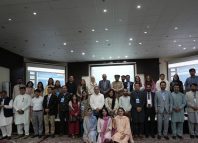
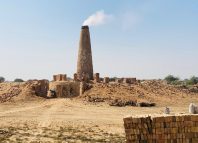
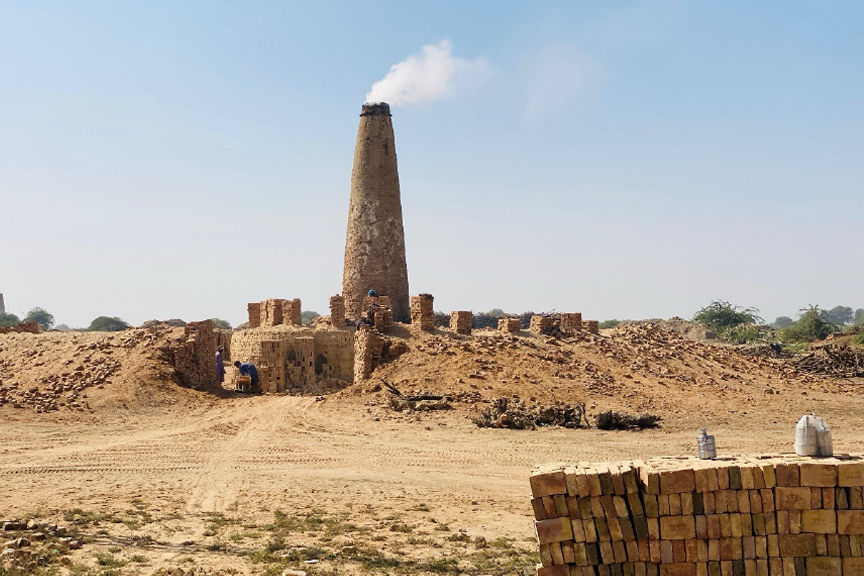
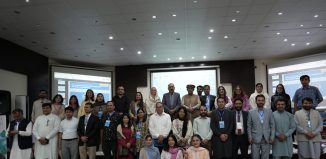
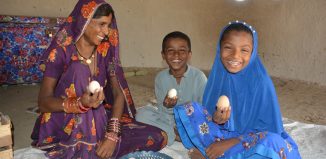
In collaboration with the National Commission on the Rights of the Child (NCRC), Community World Service Asia (CWSA) conducted a situational analysis of brick kilns in Punjab and Sindh to examine human, labour, women’s and children’s rights concerns. The study highlights exploitation, bonded labour, child rights violations and gaps in essential services while identifying opportunities to improve workers’ living and working conditions.
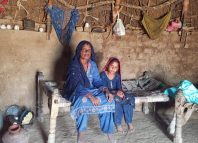
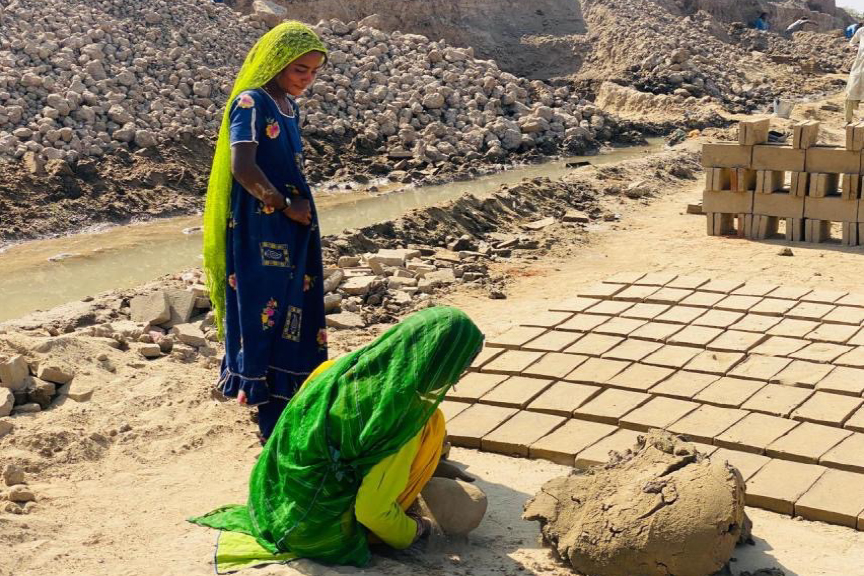
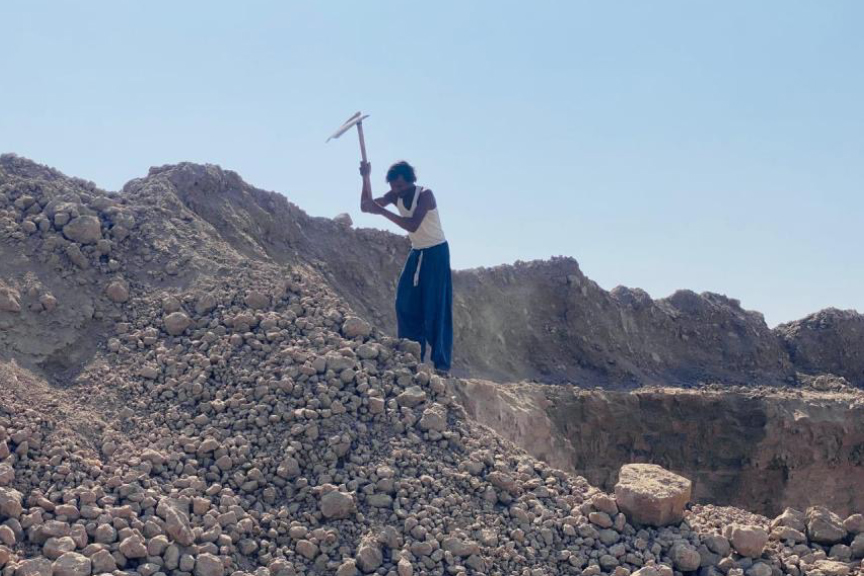
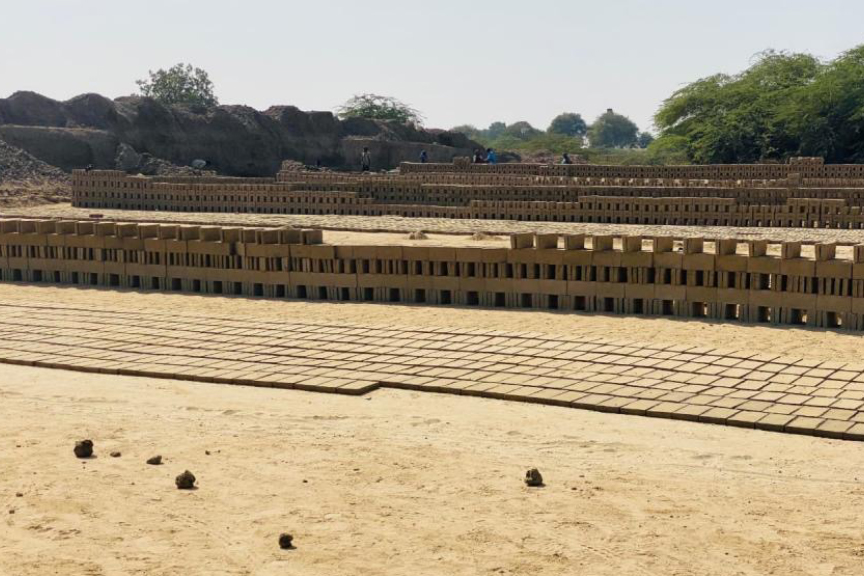
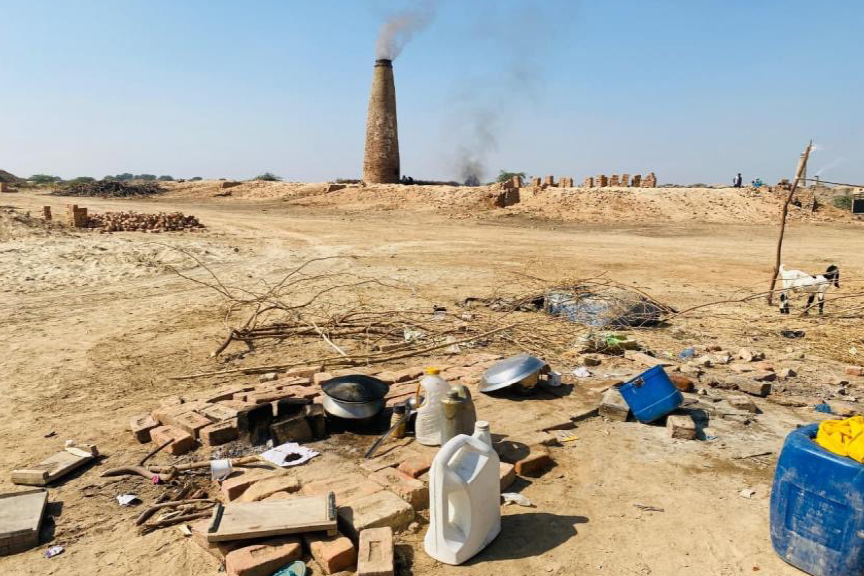
These two young girls are making bricks through an iron frame. Both of them are sisters and they told that they spend more than 8 hours daily on‑site making bricks in harsh weather.An elderly man from the minority community digs and gathers mud at the brick kiln, working each day to shape bricks for his family’s survival.Bricks are carefully stacked in neat rows to prevent damage, ensuring durability and quality. This organized arrangement protects them from cracks, breakage, and wastage during storage and handling.This open kitchen at the brick kiln exposes workers to burning fuel smoke, creating severe health hazards. The smoke contaminates food, making it unsafe and poisonous, risking serious illnesses for everyone nearby.