
Breaking the Cycle: How a Village Committee Saved Fariha’s Childhood
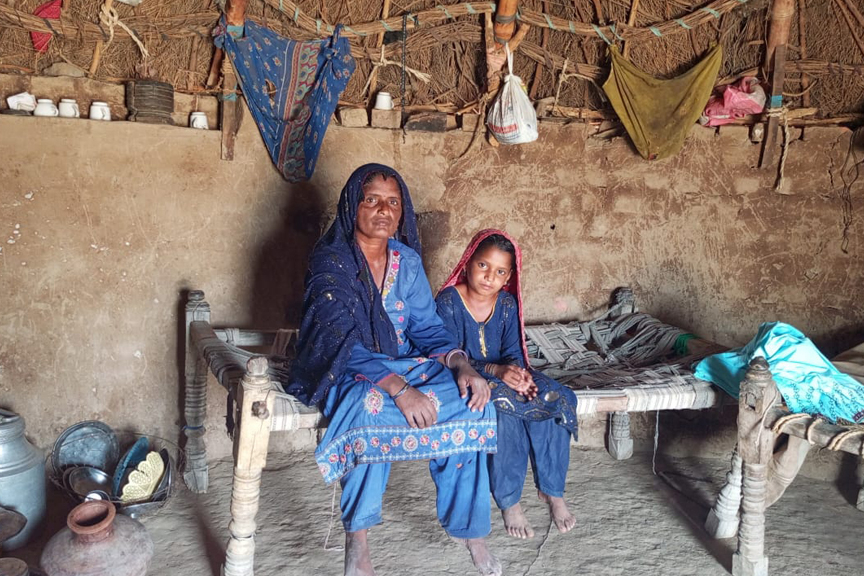
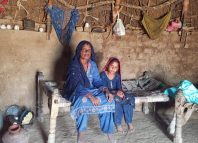
Raising six school-aged children on a variable income takes extraordinary dedication. In Sindh’s Umerkot district, Tahira1 and her husband, Naseeb, have spent years building a life centred on their family’s growth and care.
Like many in their village, the family relies on more than one source of income. Naseeb earns a modest wage through farm work, while Tahira turns traditional quilt-making (Ralli) into a small economic cushion for the household. Their combined earnings rarely exceed PKR 30,000 (USD 100) a month, yet every rupee goes towards food, healthcare and schooling for their children.
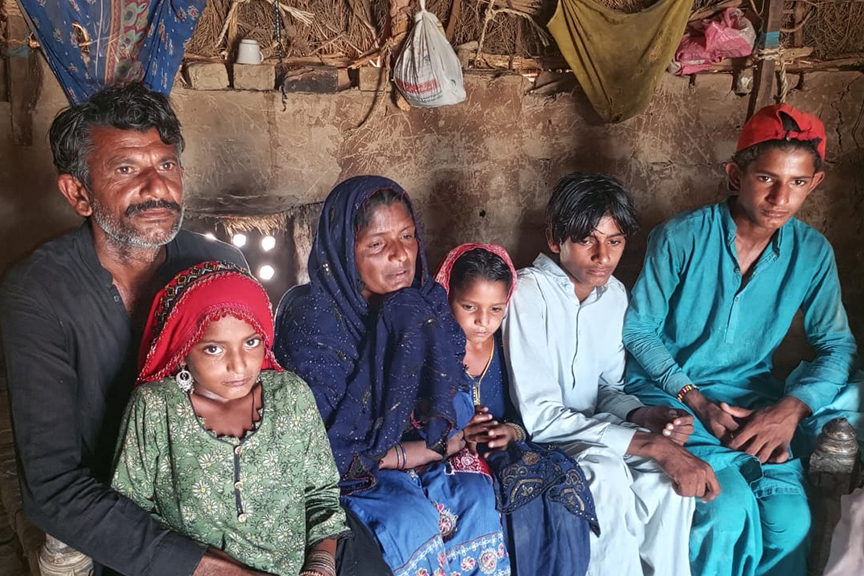
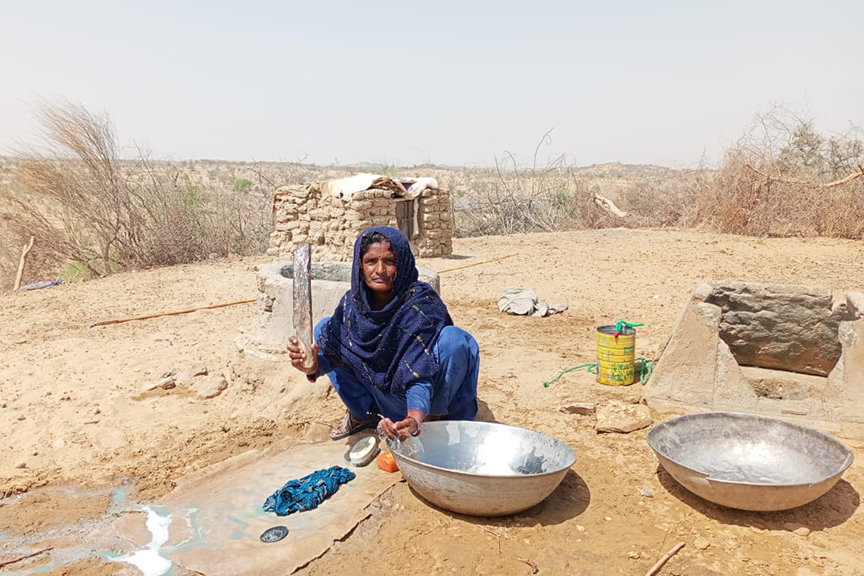
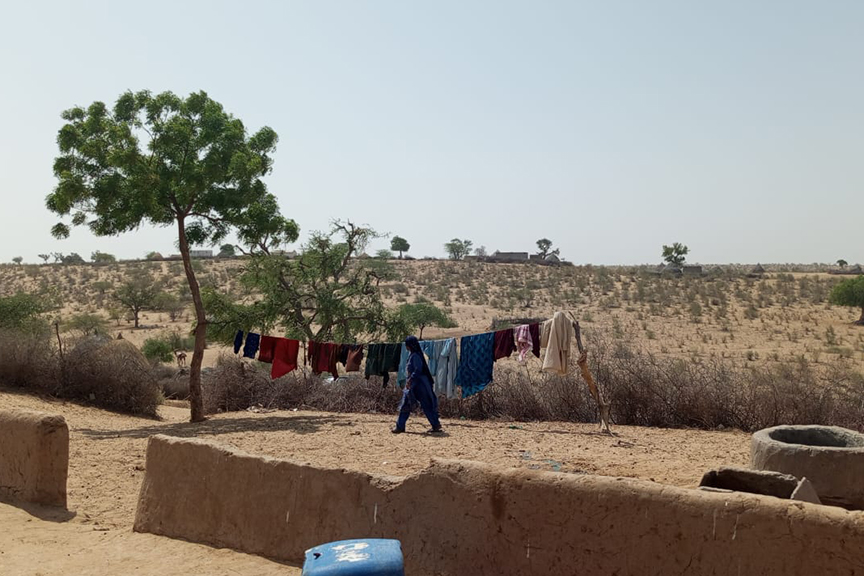
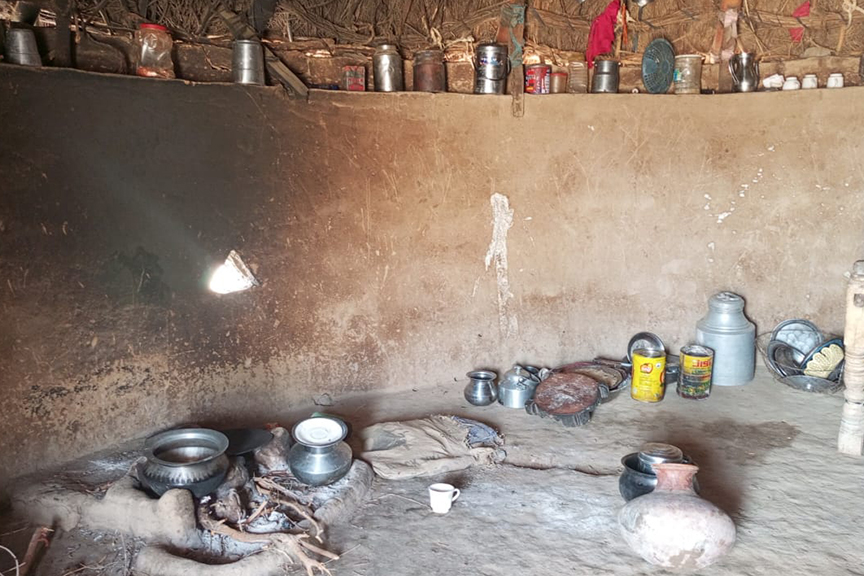
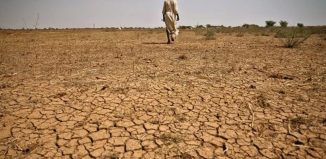
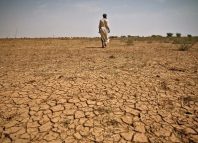
Tahira and Naseeb also own 20 acres of land, but it lies barren, unfarmable for lack of water and years of climate shocks. Over the past four to five years, increasingly unpredictable weather has undermined livelihoods across desert communities in the district, while rising inflation has deepened the strain on rich and poor alike.
In villages like Deediyo Mangrio, hardship of this kind often triggers a harmful pattern. To ease the burden of feeding large families, young boys are pushed into labour, and underage girls are married off to older men who hold power and land in the area, landlords, feudal figures, or anyone able to afford the cost of a young bride. Sometimes this happens with a family’s agreement; often, it is forced upon them. What typically follows is a further cycle of harm: domestic violence, early pregnancy, health complications, abuse and neglect, leaving lasting damage on the wellbeing and rights of women and girls.
Real, lasting change rarely happens overnight. It takes deep trust, open dialogue, and a shared willingness to rethink long-held traditions.
Building Local Structures for Change
Recognising this, Community World Service Asia (CWSA), supported by Presbyterian World Service & Development (PWSD), partnered with communities across selected villages in Umerkot on a multi-year effort to address both climate-driven livelihood shocks and the gender disparities that so often follow them.
While providing kitchen gardening tools, climate-resilient seeds, and poultry to help families sustain themselves through difficult seasons, and adapt the work on its own long after external support ends, its deeper investment was in local leadership. The tools and seeds addressed an immediate need; the leadership training addressed a more impending one.
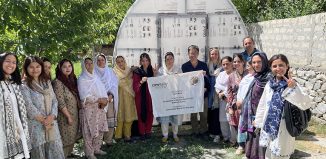
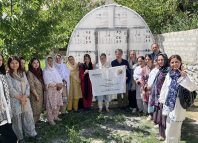
Through regular community gatherings, residents first established Village Management Committees (VMCs) under the Humanitarian Early Recovery and Development (HERD) project, embedding equal leadership for women and men. Building on this foundation, the subsequent Agriculture, Gender, and Livelihood (AGL) project expanded the VMCs’ role. Under AGL, specialised Resolution Committees were formed within these same village structures, equipping community leaders to identify protection risks, understand legal safeguards for children, and connect directly with local authorities.
Twenty training sessions on gender roles, rights, leadership and decision-making reached 600 participants – 425 women and 175 men, supported by open-air theatre performances and group discussions that gave women, often for the first time, a confident platform to speak. These committees were then formally linked to government departments, including the Deputy Commissioner’s office, the Social Welfare and Women’s Development Departments, and the police, ensuring that when a case arose, help was not far from reach.
When Tahira joined her local VMC under the HERD project, community-led governance was still a new concept in Deediyo Mangrio. Neither she nor her neighbours had ever received training on child rights or the legal protections available to them. Child marriage was widely accepted, often viewed as a practical, desperate attempt to ease household poverty, with few aware that the Sindh Child Marriage Restraint Act 2013 makes the practice illegal.
A Liability
In 2021, Tahira fell seriously ill and needed an emergency appendectomy. To cover the cost, she borrowed money from a moneylender based in Rahim Yar Khan. The debt grew to PKR 150,000 (USD 541), and despite the family’s best efforts, they could not clear it. The moneylender showed little patience.
He eventually made a demand: he would forgive the debt entirely, and pay a further PKR 150,000 (USD 540), if Tahira agreed to marry her twelve-year-old daughter, Fariha, to him.
Tahira refused outright, telling him Fariha was far too young. The lender grew aggressive and refused to discuss any other terms of repayment. Community members tried to intervene on the family’s behalf, but he remained rigid in his demand.
Community Action Changes the Outcome
As an active VMC member now connected to the AGL project’s Resolution Committee, Tahira knew she did not have to face the lender alone. The Resolution Committee, trained in child protection laws and linked directly with local police and district officials, intervened immediately to halt the coercion.
Fariha’s case was handled with a swiftness and seriousness that marked a real departure from decades of precedent in the region. Today, she remains at home with her family, safe, and continuing her childhood free of the threat that once hung over her.
“I was afraid when I heard about the marriage, because I am only twelve. I want to continue my education,” says Fariha, now 12.
A Ripple Effect Across the Village
Resolution Committees are now active in every targeted village, working alongside trained VMC members. Every household in the project area has been reached through awareness sessions, and the committees now hold monthly discussions on child marriage and children’s rights. Of the 150 VMC and Village Advisory Committee members across the district, 77 are women – a deliberate balance that has helped bring women’s voices into decisions that once excluded them.
In the twelve months since Fariha’s case, a second child protection case has been referred to the authorities through the same structure, and other cases of early marriage linked to debt coercion have also been resolved successfully. This is no longer a one-off intervention, but a functioning, repeatable system that the community itself now owns and runs.
Reclaiming Agency, Transforming a Village
Resolving Tahira’s financial burden remains an ongoing process. Guided by the Resolution Committee, she has set up a structured one-year repayment plan using income from her livestock, allowing her family to pay off their debt without compromising her children’s safety.
This single breakthrough has sent a ripple through Deediyo Mangrio. Protecting Fariha showed the entire community that alternatives to early marriage exist. Today, village leaders step up on their own, and families speak openly about child protection, relying on joint monitoring by the VMC, the Resolution Committee, and local authorities to keep vulnerable families safe.
“In the past, poverty and tradition dictated our choices,” says Tahira. “Now we know that our children have the right to be safe, educated, and free to build their own lives.”
Tahira’s experience captures the true essence of sustainable humanitarian action; when families are supported by organised local leadership and connected to responsive public systems, they gain the strength to stand firm against deep-rooted harms. Protecting Fariha’s future did more than save one young girl’s potential, it shifted the social norms and values of an entire village.
This transformation highlights the lasting power of layered, long-term community partnerships. Building directly on the foundation laid by the Humanitarian Early Recovery and Development (HERD) project, the subsequent Agriculture, Gender, and Livelihood (AGL) initiative returned to the same villages to deepen local capacity. Where HERD first established inclusive village committees and sparked women’s leadership, AGL reinforced these structures, equipping the same community leaders with specialised child protection tools, legal knowledge, and direct linkages to government authorities.
By investing continuously in local leadership, this initiative has proven that long-term safety, gender equity, and dignity are best sustained when communities are trusted and equipped to lead their own protection.
- Pseudonyms used to protect identity. ↩︎