
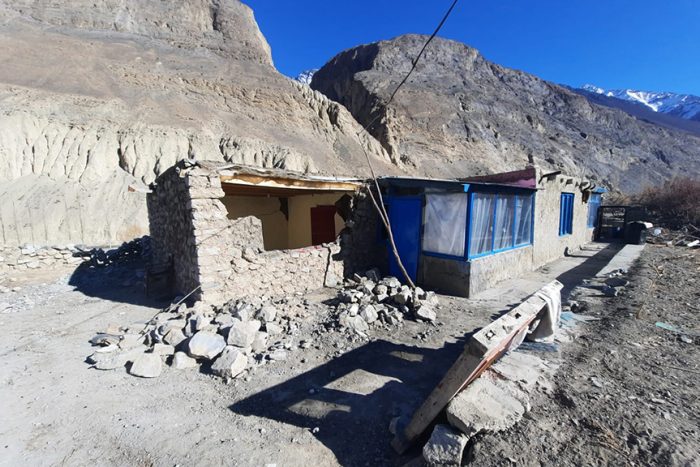
High in the northernmost reaches of Pakistan, in Upper Hunza of Gilgit-Baltistan, lies the remote and breathtaking Chupurson Valley. Bordering the Wakhan Corridor and surrounded by towering peaks and vast glaciers, this isolated valley is home to a resilient Wakhi community whose lives revolve around livestock, small-scale farming, and deep-rooted traditions. Winters here are long and merciless. In January, temperatures plunge to –19°C and –20°C, freezing water sources, sealing off roads, and testing human endurance.
On January 19, 2026, at approximately 11:21 AM, that endurance was tested beyond measure. A magnitude 5.8 earthquake struck the valley, its shallow depth amplifying the violent shaking. The epicenter was near the Yash Kuk Glacier and Zoodkhun village, about 50 kilometers north-northwest of Karimabad, Hunza. The tremor was followed by relentless aftershocks, prolonging fear and instability.
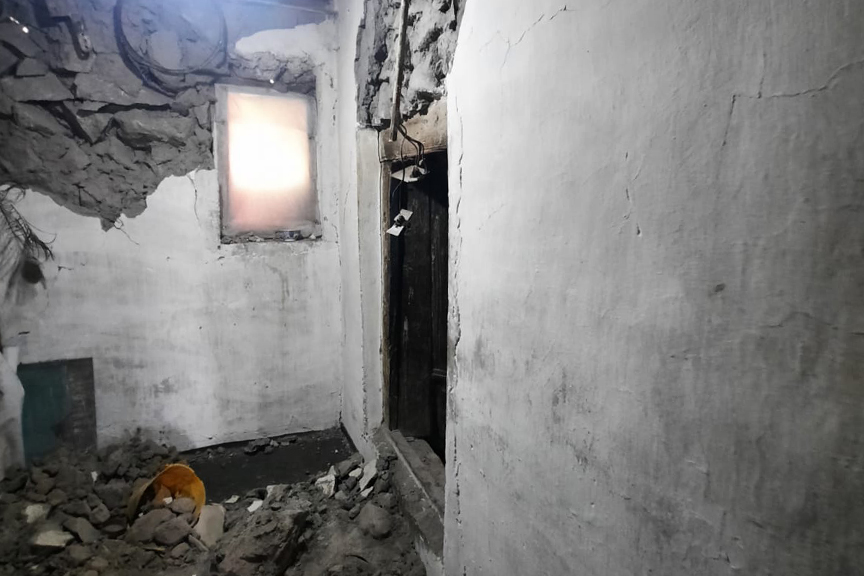
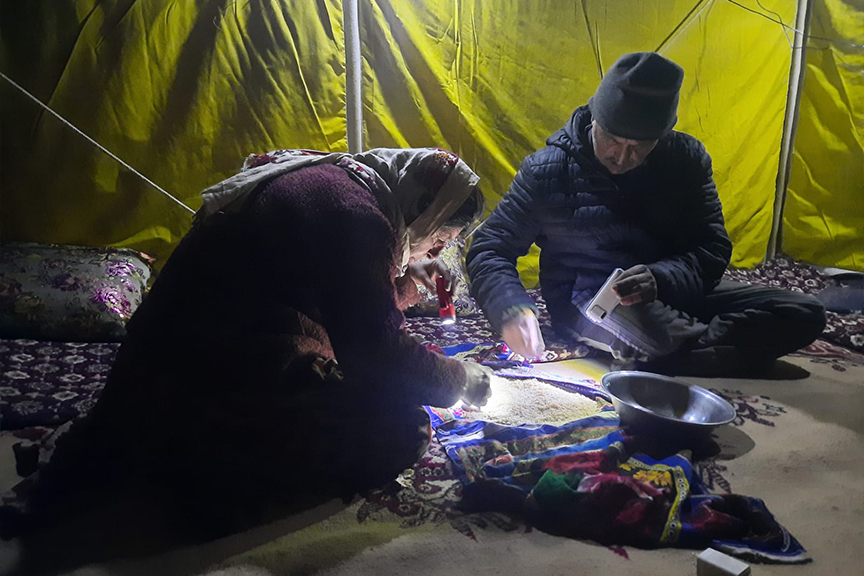
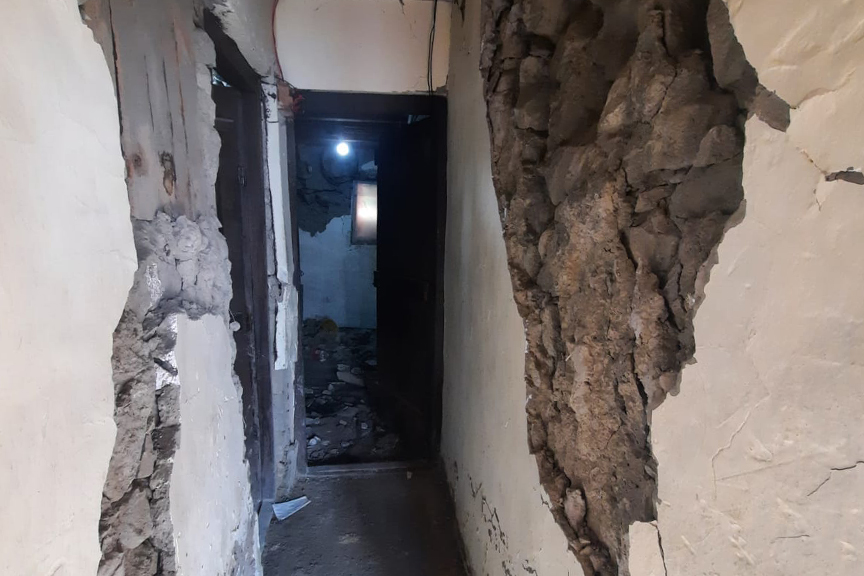
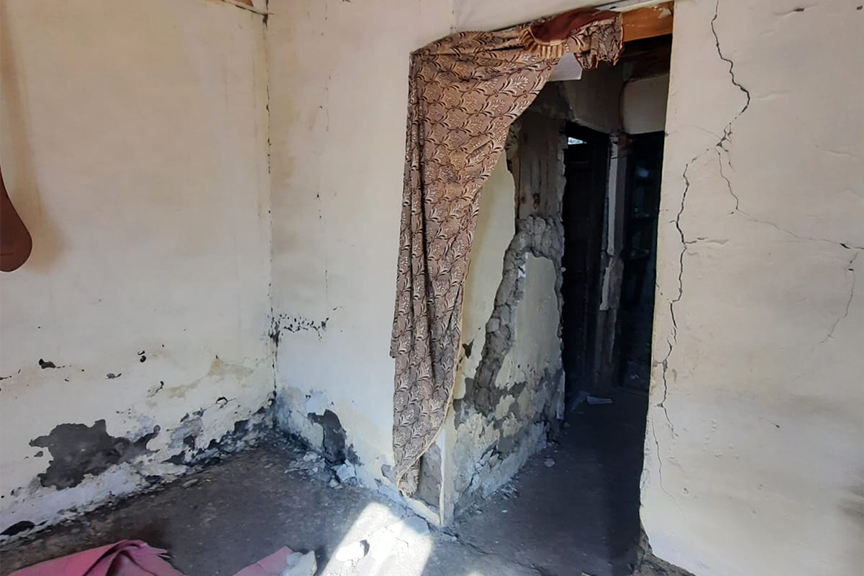
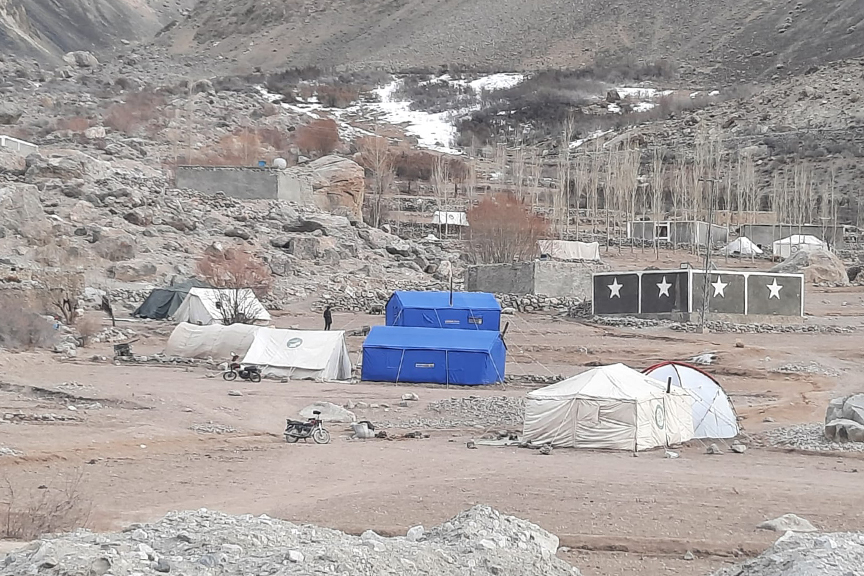
The impact was devastating.
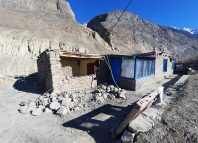
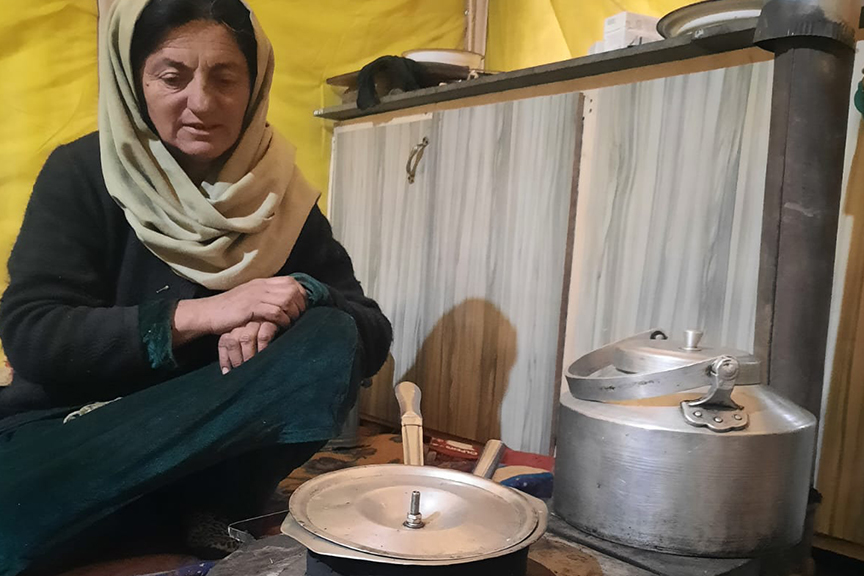
At least 11 villages were affected, with Zoodkhun and Shetmerg among the hardest hit. Nearly 2,500 people across 500 households were impacted. Between 210 and 300 homes, built largely of stone, mud, and timber, collapsed or were rendered unsafe. Landslides cut off road access, isolating communities already battling extreme weather. Livestock sheds crumbled, leading to significant animal losses, a devastating blow in a region where animals are central to survival. With temperatures dropping to –20°C, families were forced to seek refuge in tents pitched over frozen ground. Nights were brutal, the cold seeping through fabric and blankets, while every aftershock revived panic and trauma.
Amid these statistics is the story of one mother.
That morning, she was preparing tea when the first tremor rattled her home. Her son had been playing outside moments earlier. Instinctively, she ran to find him, but in the confusion, he had rushed back inside. Within seconds, the house collapsed. Dust and debris filled the air. Amid the chaos, she heard his faint voice beneath the rubble. Neighbours rushed to help, digging with bare hands and shovels. Hours of desperate effort finally pulled him out alive. Injured and in urgent need of care, he was evacuated by helicopter the following day. Today, he is physically recovering, but emotionally, the earthquake still grips him, startled by aftershocks, waking at night in fear, like many other children of the valley.
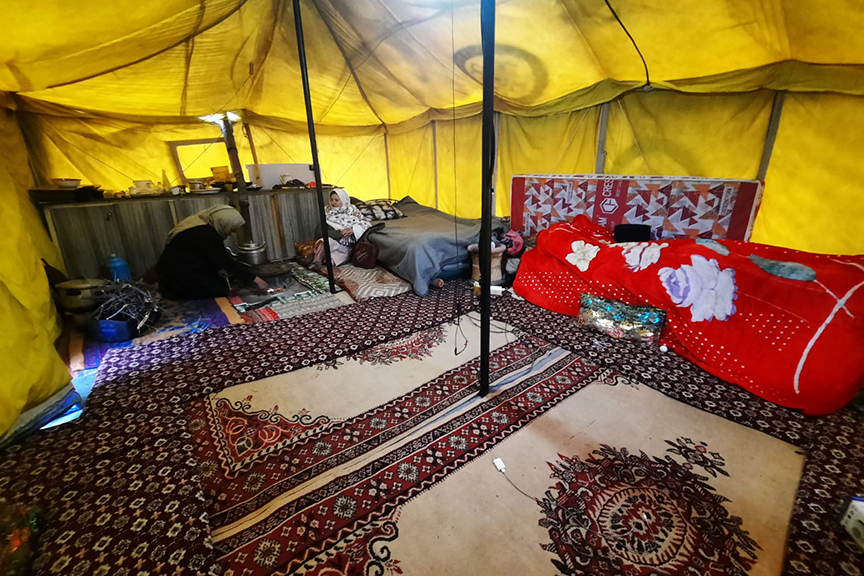
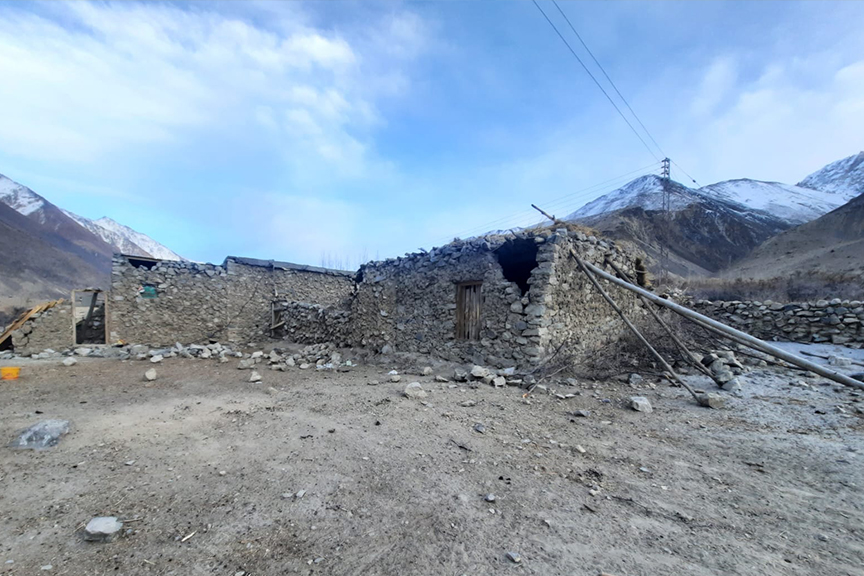
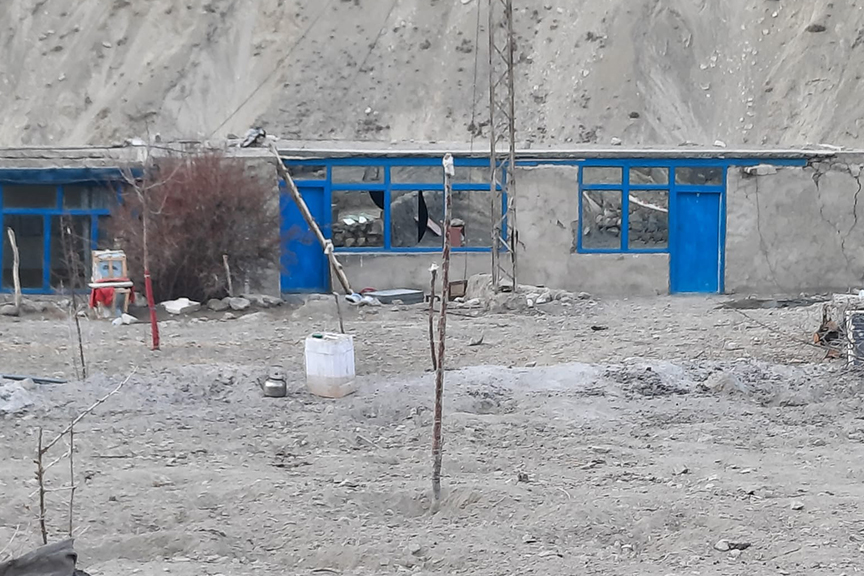
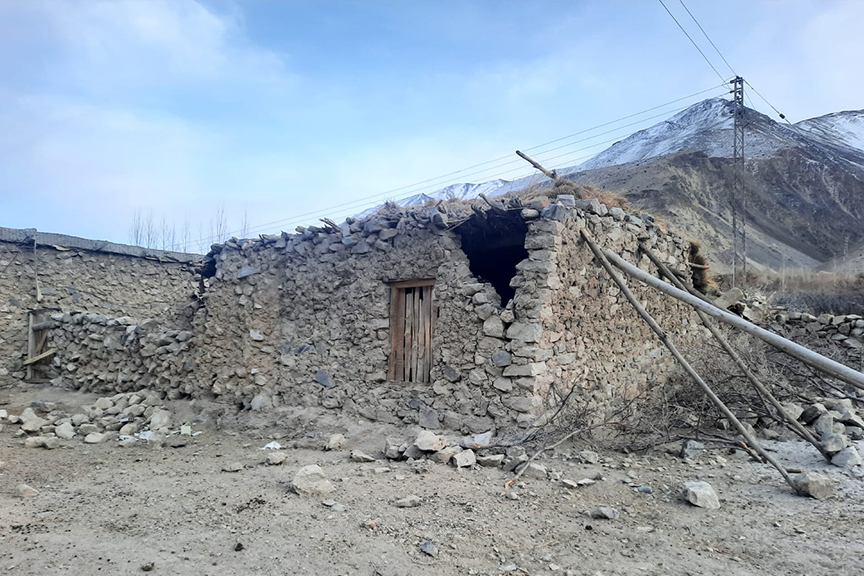
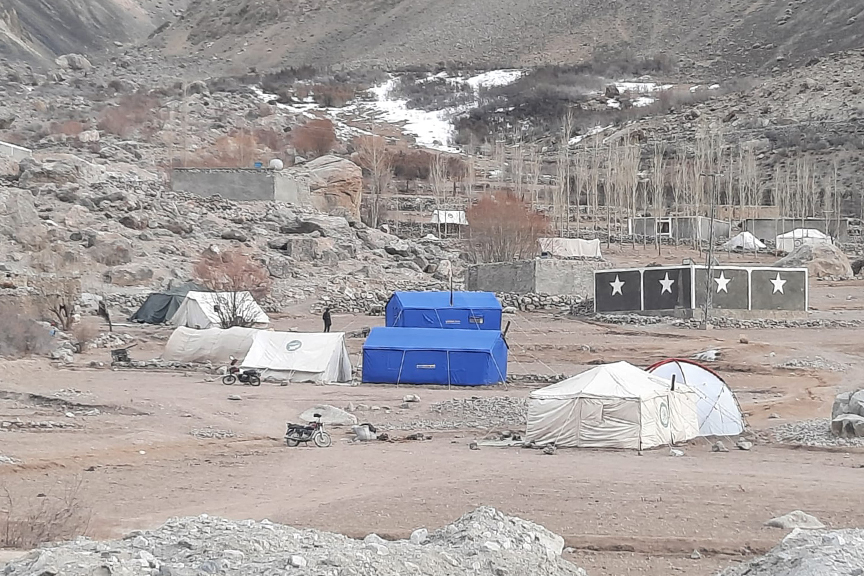
Relief efforts were initiated by the Gilgit-Baltistan Disaster Management Authority (GBDMA) and local NGOs, distributing tents, blankets, food packs, and kerosene heaters. Yet ongoing aftershocks, blocked roads, and extreme cold slowed assistance, creating a critical humanitarian situation.
For the people of Chupurson, survival is not new. But this disaster has left scars deeper than cracked walls and fallen roofs. It has shaken a community already living on the edge of geography and climate. Rebuilding will require more than bricks and timber, it will require restoring a sense of safety in a land where the earth itself has become uncertain.
Community World Service Asia’s (CWSA) Mental Health and Psychosocial Support (MHPSS) Response
In response to the earthquake, Community World Service Asia (CWSA) supported local communities with Mental Health and Psychosocial Support (MHPSS) and Psychosocial Support (PSS) sessions, specifically requested by families enduring freezing temperatures and difficult conditions. Children were traumatised and frightened, and many families refused to return to their cracked homes.
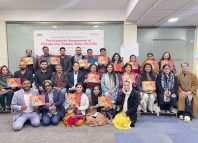
Through its MHPSS and PSS Camp initiatives, which were financially supported by Week of Compassion (WoC), CWSA conducted 10 sessions, directly reaching 352 individuals, including affected community members and internally displaced persons (IDPs). In addition, 27 one-on-one counseling sessions were provided to youth and elders, offering targeted psychosocial support.
The team also responded to a special request from the Gulmit Council to facilitate a dedicated session for 28 youth IDPs from Chitral (Baroghol), who had been hosted by local families in Gulmit for the past three years. A comprehensive full-day session was conducted, providing them with tailored support and engagement.
These interventions not only addressed immediate trauma but also contributed to strengthening resilience, restoring hope, and reaffirming community solidarity in the face of disaster.
In Chupurson Valley, the earth may have trembled, but the spirit of its people, supported by collective action and compassion, remains unshaken.