Healing in the High Mountains: A Mental Health & Wellbeing Journey for Youth from Broghil Valley
High in the mountains of northern Pakistan lies Broghil Valley, one of the most remote and isolated landscapes in the country. Located nearly 250 kilometers from Chitral town and rising between 3,280 to over 4,300 meters above sea level, the valley borders Afghanistan’s Wakhan Corridor and is surrounded by towering snow-covered peaks. Broghil is known for its breathtaking alpine meadows, vast wetlands, and the stunning Qarambar Lake. During the short summer months, the valley comes alive with grazing yaks, migratory birds, and cultural festivals that celebrate the traditions of its pastoral communities. Yet beneath this extraordinary beauty lies a quieter reality. Life in Broghil is shaped by geographic isolation, extreme winters where temperatures can drop below –17°C, and limited access to services. Roads remain nearly impassable for months, healthcare facilities are scarce, and educational opportunities are limited.
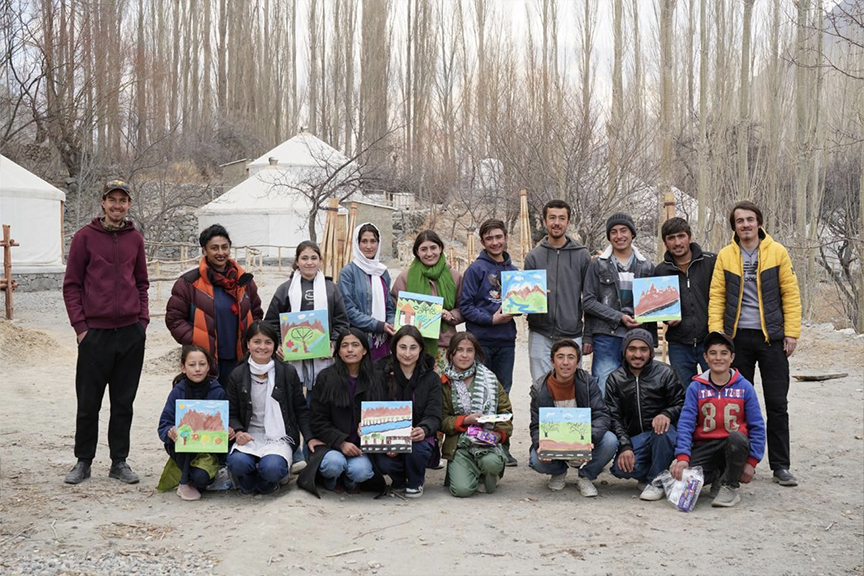
Three years ago, a group of 28 young girls and boys from Broghil Valley were displaced and relocated to Gulmit, where the local community welcomed and supported them with care and compassion. The young IDPs have been well looked after and gradually integrated into the community.
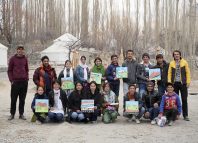
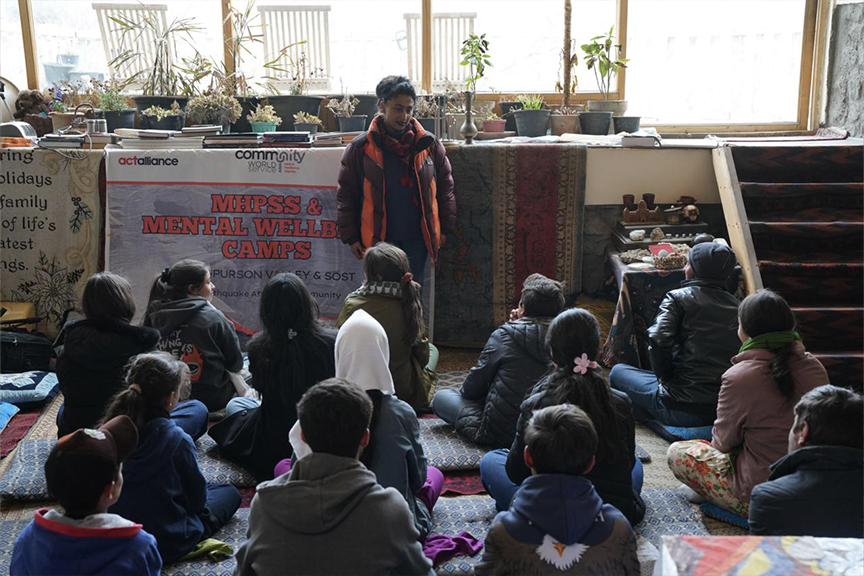
Yet even in a supportive environment, the emotional weight of displacement and distance from their homeland quietly lingers. Loneliness, uncertainty about the future, and the memories of a place left behind often take their toll. Recognising this need, the Gulmit Council requested Community World Service Asia (CWSA) to organise a Mental Health and Psychosocial Support (MHPSS) and Wellbeing Workshop for these young people. Conducted on 26 February 2026, the workshop was made possible with the support of the Week of Compassion (WoC). The goal was simple but powerful; creating a safe space where the youth could express their emotions, reconnect with their strengths, and begin healing together.
When Silence Turns Into Stress
In remote mountain communities, mental health is rarely discussed openly. Daily life revolves around survival, herding livestock, enduring long winters, and navigating limited opportunities. In such settings, emotions are often carried quietly. For the youth from Broghil now living in Gulmit, the experience of displacement added another layer to this silence. Many shared feelings of isolation, homesickness, and uncertainty about what their futures might hold. The workshop aimed to gently open conversations around emotional wellbeing and help participants understand that these feelings were valid and shared.
Painting in the Cold: A Moment of Resilience
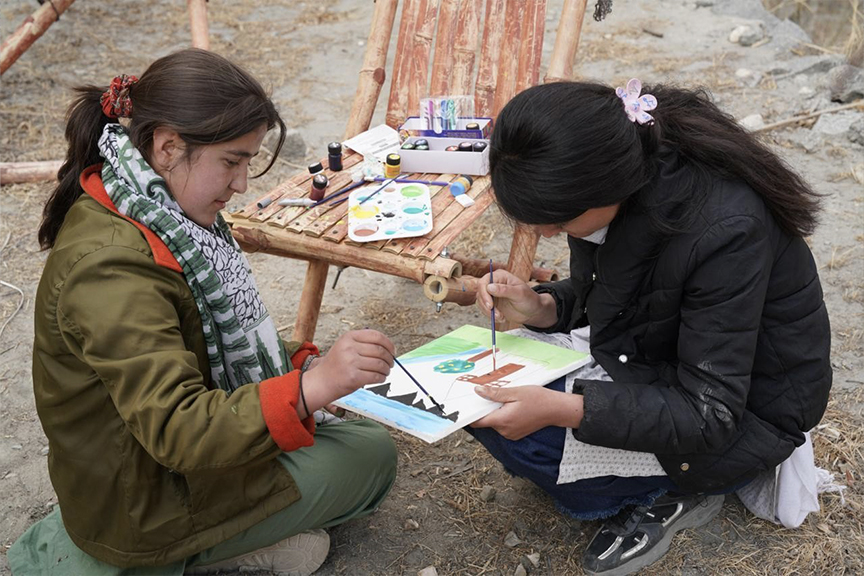
One of the most powerful moments of the workshop came during a creative expression activity. Participants were invited to paint their thoughts, memories, and emotions. Although facilitators initially planned to conduct the activity indoors due to the cold weather, the youth asked for something different. They wanted to paint outside surrounded by the mountains and landscapes that reminded them of home.
Wrapped in warm shawls and sitting on the frozen ground, the young participants began painting the valleys, lakes, and peaks that shaped their memories. Brushes moved slowly across canvases, translating emotions that words often struggled to express. For many of them, it was the first time they had ever been invited to share their feelings through art. Some painted mountains as symbols of strength and endurance. Others painted open skies representing hope and freedom. What emerged was more than artwork. It became a quiet but powerful expression of resilience.
“In these mountains we learned to stay strong in silence. Today, with colors in our hands, we finally learned how to speak, shared one of the participants”, Zahra.
A Workshop for Healing
The Mental Health and Wellbeing Workshop used several community-based psychosocial approaches designed to encourage reflection, connection, and confidence. Through therapeutic arts and storytelling, participants explored ways to release stress and communicate emotions safely. Guided reflection and mindfulness exercises introduced breathing techniques and simple practices that help manage anxiety and restore inner calm. Small group dialogues created safe spaces where participants could share their experiences, listen to each other, and realise they were not alone in their feelings. For many participants, it was the first time emotional wellbeing had been openly discussed and supported.
Power of Small Interventions
For communities living in remote and underserved regions, even small psychosocial support initiatives can create meaningful change. When young people feel heard and supported, they gain the confidence to cope with stress, rebuild hope, and strengthen their relationships with others. Programs like this move communities from survival toward resilience. They remind young people that their dreams still matter. They encourage girls and boys to find their voices. And they strengthen the bonds that hold communities together.
Why Support Matters
Delivering psychosocial support in remote mountain regions requires determination and sustained investment. Long travel distances, harsh weather conditions, and limited infrastructure make such initiatives challenging but deeply necessary. Yet the impact can be transformative. By supporting initiatives like this Mental Health and Wellbeing Workshop, partners and donors contribute to:
- Strengthening resilience among displaced and vulnerable youth
- Supporting emotional wellbeing in remote and isolated communities
- Creating safe spaces for dialogue, healing, and self-expression
- Building more connected and confident young generations
In places where emotional struggles often remain unspoken, even small moments of support can spark powerful change.