

ACT Church of Sweden Team Visits Community-Led Resilience Initiatives in Hunza and Umerkot
In September 2026, Community World Service Asia (CWSA) hosted a delegation from Act Church of Sweden (ACT CoS), including Rania Salameh, Method Advisor, and Laura Jensen, Regional Representative for Asia, for field visits across Pakistan’s diverse climate-affected regions: Hunza in Gilgit-Baltistan and Umerkot in Sindh. Together, the visits offered an opportunity to witness community-led initiatives in action and engage directly with the local leaders, farmers and climate affected communities.
Strengthening Mountain Resilience in Hunza (6–7 September 2026)
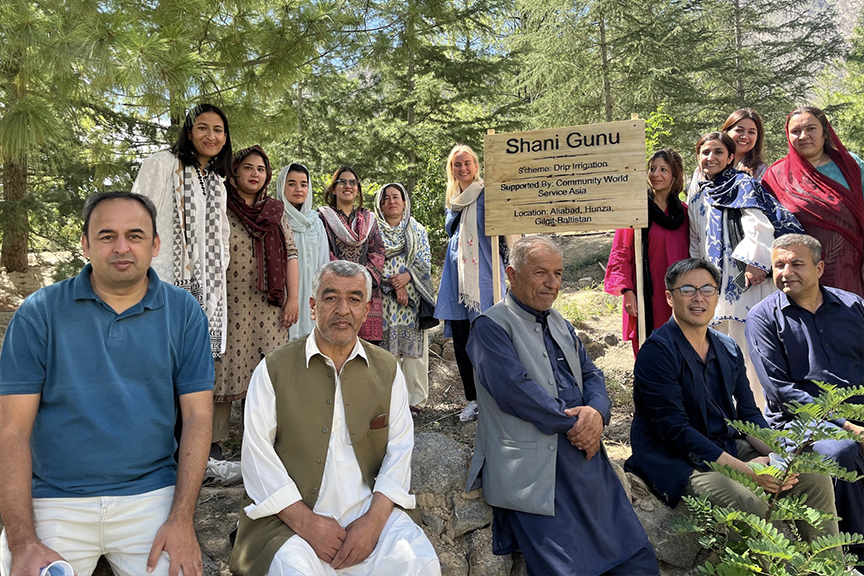
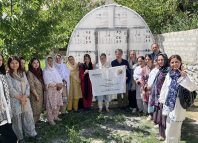
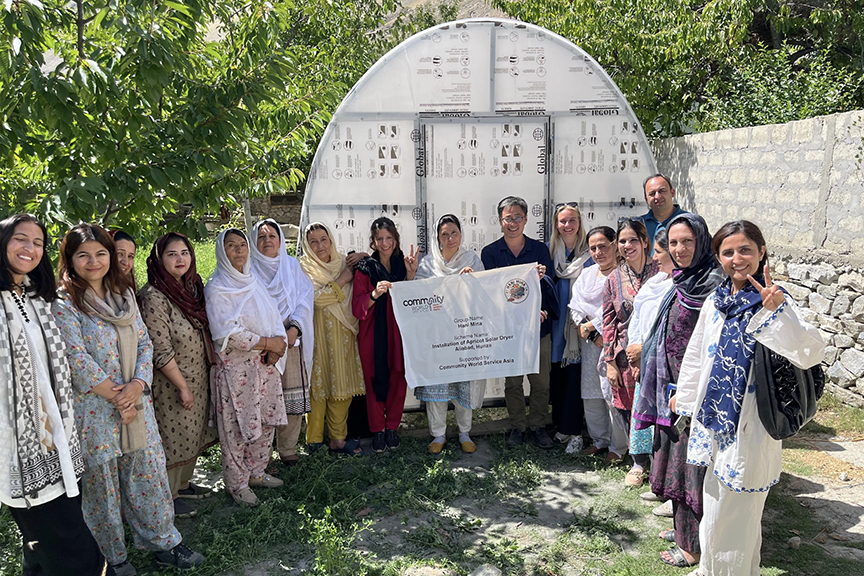
During a two-day visit to Hunza on 6–7 September 2026, the ACT CoS and CWSA teams observed initiatives implemented through the survivor and community-led response (sclr) approach across Shishkat, Gulmit, Aliabad and Hyderabad. Engaging directly with local groups, farmers, and women, the delegation explored community-driven efforts in slope stabilisation, honey production, solar drying, drip irrigation and an indigenous seed bank.
Conversations with community members highlighted how these practical interventions are protecting vital agricultural land, reducing post-harvest losses, preserving indigenous resources and building stronger, climate-resilient livelihoods. Demonstrating active ownership and forward-looking planning, community members also shared concrete recommendations for next steps, including expanding slope stabilisation works, improving access to solar dryers, establishing plant nurseries and creating safe recreational spaces for children. The visit underscored how genuine community ownership, paired with continued technical support and capacity-building, forms the foundation for lasting sustainability.
Advancing Livelihoods and Preparedness in Umerkot (12–13 September 2026)
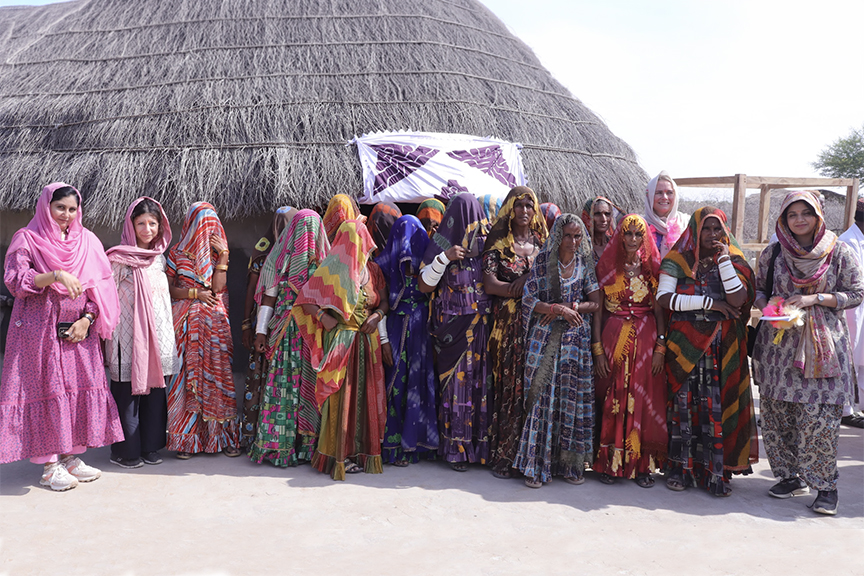
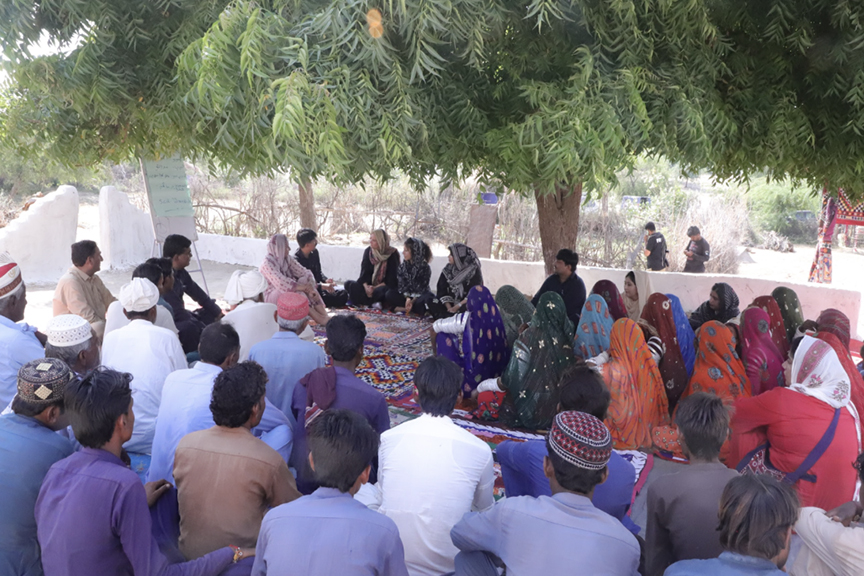
Following their time in the north, the ACT CoS team, accompanied by CWSA, travelled to Umerkot, Sindh, on 12–13 September 2026. Visiting communities in Kaplor, Satriyoon, and Khejrari, the delegation reviewed a wide range of locally driven initiatives spanning vocational training, solar energy solutions, livestock-based livelihoods, water infrastructure, drip irrigation, kitchen gardening and emergency shelters designed to protect both people and livestock during disasters.
Through candid discussions with Self-Help Groups (SHGs), Steering Committee members, and community representatives, Laura and Rania gained first-hand insights into how communities are managing and utilising these initiatives. These interactions highlighted how locally led action is expanding access to essential services, strengthening household livelihoods and enhancing disaster preparedness across Umerkot.
Across both Hunza and Umerkot, the ACT CoS team witnessed first-hand how locally led solutions thrive when communities are trusted with resources and decision-making.
Reflection and Fine-tuning Workshop in Islamabad (16–18 September 2026)
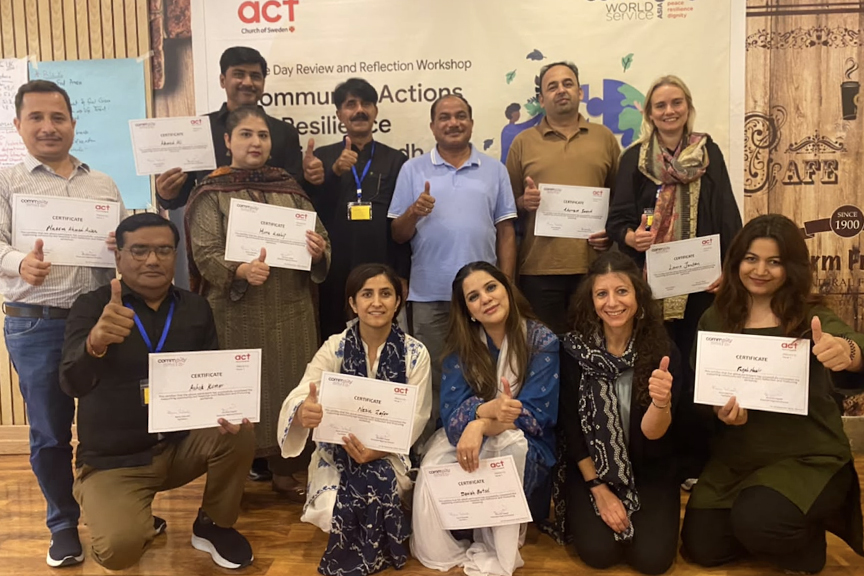
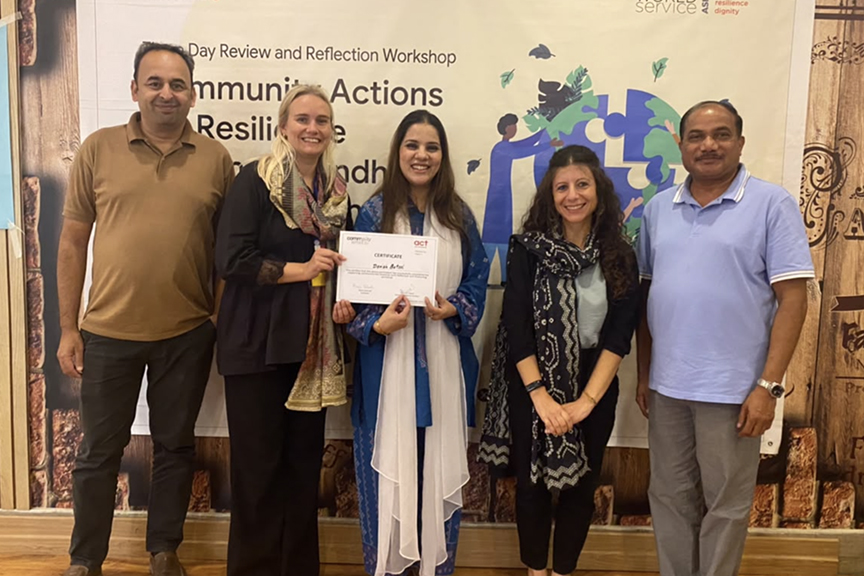
The ACT CoS Team conducted a three-day Reflection and Fine-tuning Workshop in Pakistan from 16–18 September 2026, bringing together CWSA programme teams to reflect on their experiences, share lessons learned and strengthen the implementation of the Supporting Community-Led Crisis Response (sclr) approach.
The workshop provided an opportunity to review the process of supporting community-led crisis response, assess progress and emerging outcomes and explore early indications of positive change at the community level. Teams from Hunza and Umerkot shared their experiences, highlighting achievements, challenges, lessons learned and the impact of community-led initiatives.
Participants revisited the core principles, objectives and practical tools of the SCLR approach, with discussions covering appreciative inquiry, community facilitation, safe-to-fail practices, risk mitigation and the importance of doing no harm. Dedicated sessions also explored the effective use of microgrants, demand-led training, selection committees and mechanisms for monitoring community-level change.
The workshop further addressed monitoring, evaluation, accountability and learning (MEAL), including complaints response mechanisms, lesson-learning processes and approaches to tracking progress. These discussions helped identify areas for adaptation and improvement, ensuring that future programme cycles remain responsive to community priorities and needs.
The workshop concluded with operational planning and discussions on integrating key learning into the next cycle of sclr implementation, reaffirming the importance of empowering communities to take the lead in identifying challenges, shaping solutions and strengthening their resilience to crises.