Situation Alert I: Earthquake Emergency: Lives and Livelihoods at Risk
Crisis Overview
On 19 January 2026 at approximately 11:21 am, a 5.8-magnitude earthquake struck northern Pakistan, with the Pakistan Meteorological Department (PMD) reporting the epicenter near Barishal in north-western Kashmir at a shallow depth of 10–35 km. Strong tremors were felt across Gilgit-Baltistan, including Hunza, Nagar, Gilgit, Ghizer, and Diamer districts, as well as parts of Khyber Pakhtunkhwa and Islamabad. The shaking triggered landslides and rockfalls in mountainous areas, causing localized infrastructure damage and access disruptions.
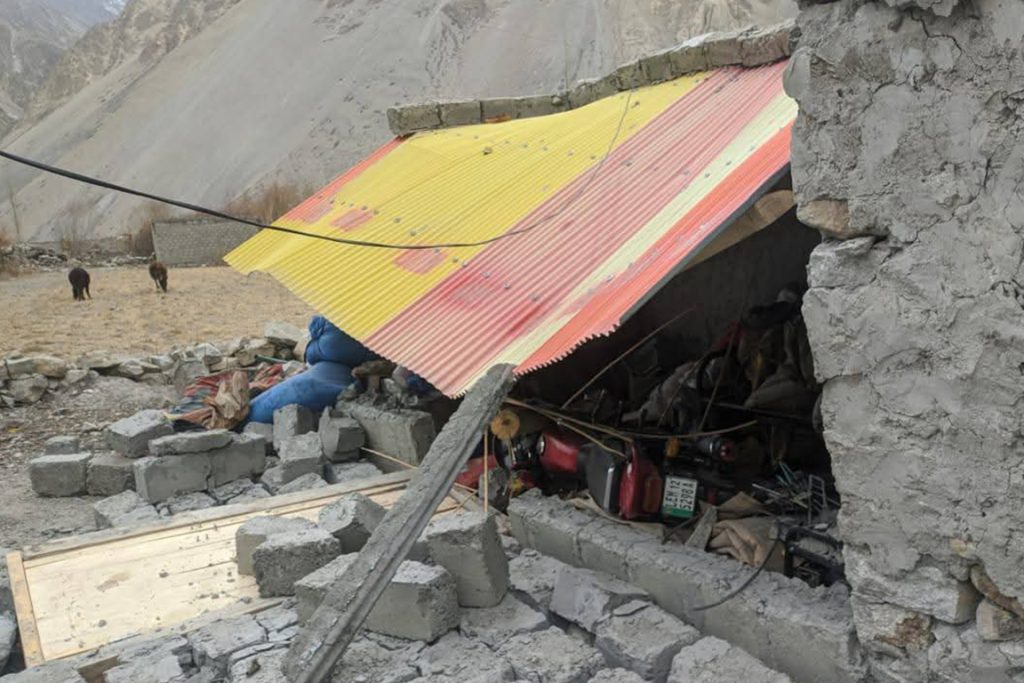
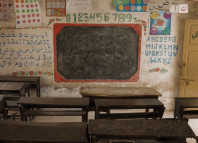
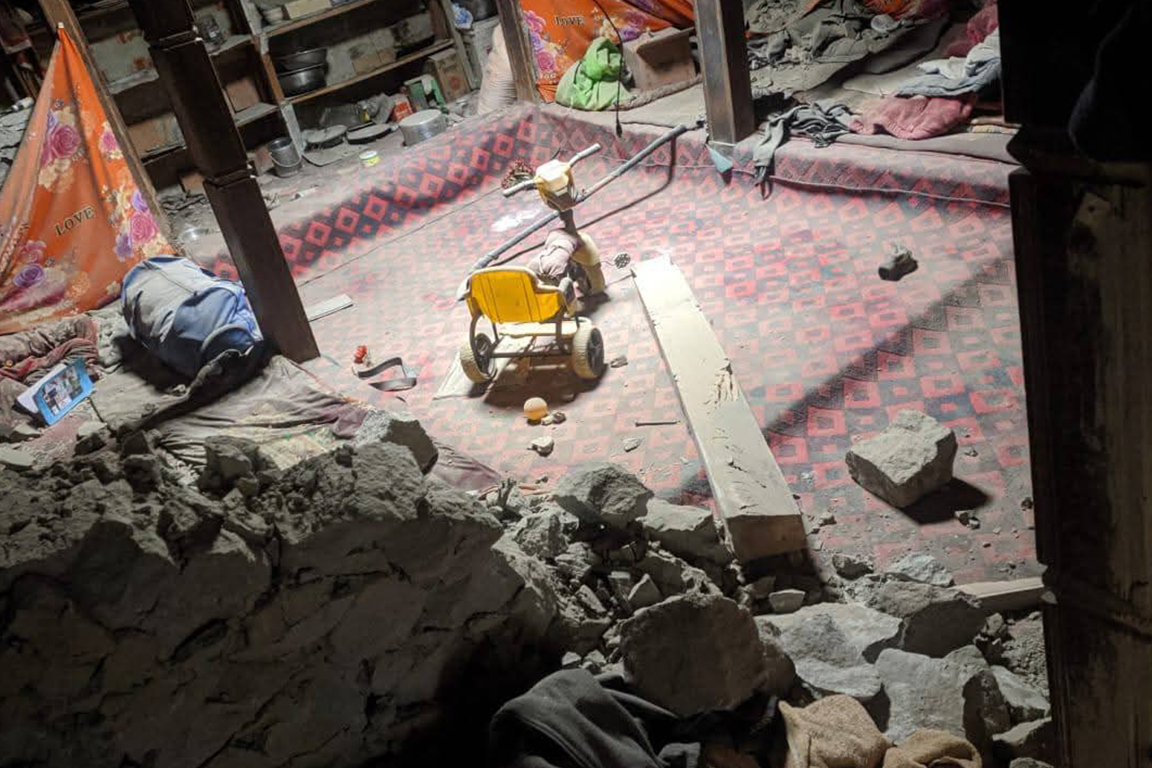
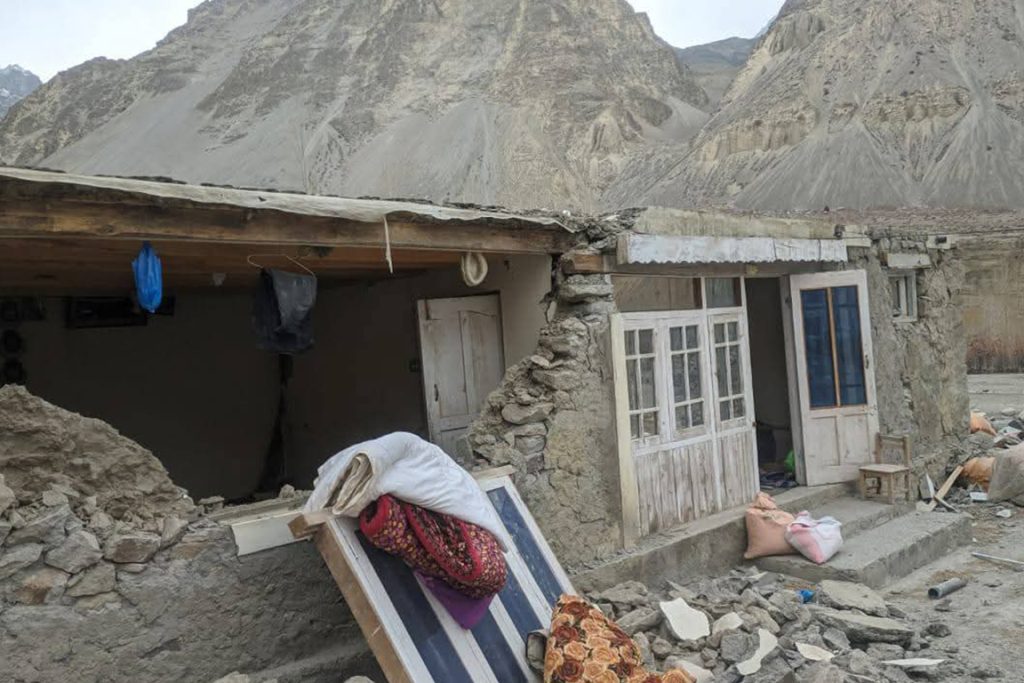
The most significant impacts were reported from Upper Hunza, particularly Chipurson Valley, where residential structures were damaged and the only access road was blocked at multiple locations. Public infrastructure was also affected in Karimabad, where the already vulnerable building of Boys Middle School Karimabad developed structural cracks, rendering it unsafe for students and teachers. The earthquake occurred amid an ongoing severe winter cold wave, with temperatures dropping below –10°C, increasing risks for affected communities and heightening urgent humanitarian concerns.
Impact
The earthquake has caused one confirmed fatality and several injuries, including among children, in Hunza District.
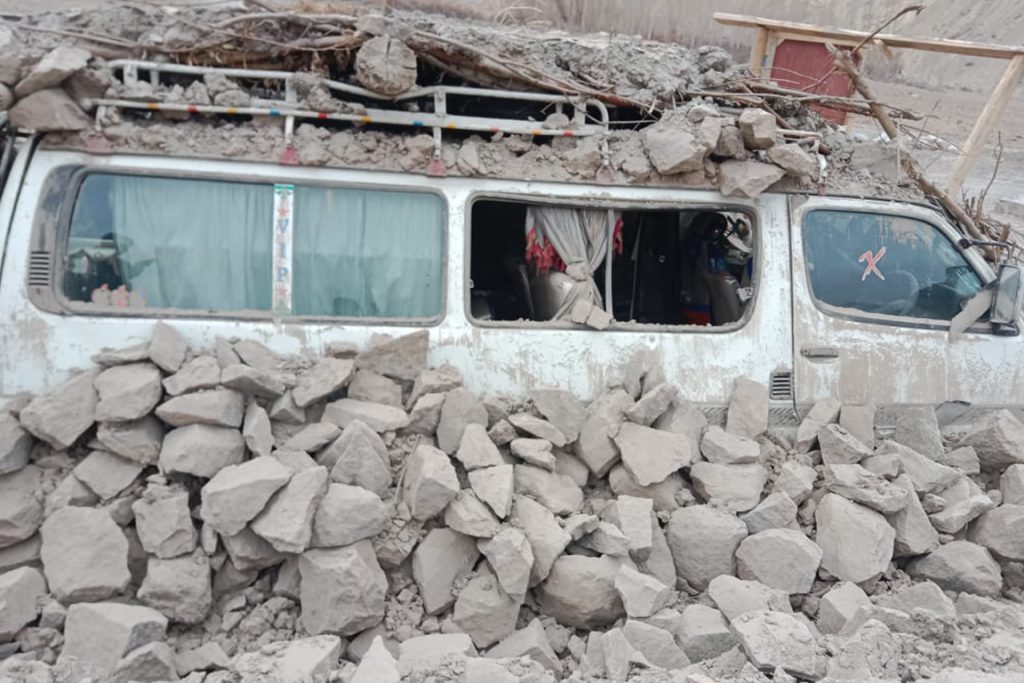
Severe structural damage has been reported to homes, public buildings, and community infrastructure, with Chipurson Valley particularly affected, hundreds of families displaced and now living in camps under extreme cold conditions. In Karimabad, the Boys Middle School building has developed major cracks, leaving it unsafe for students and teachers.
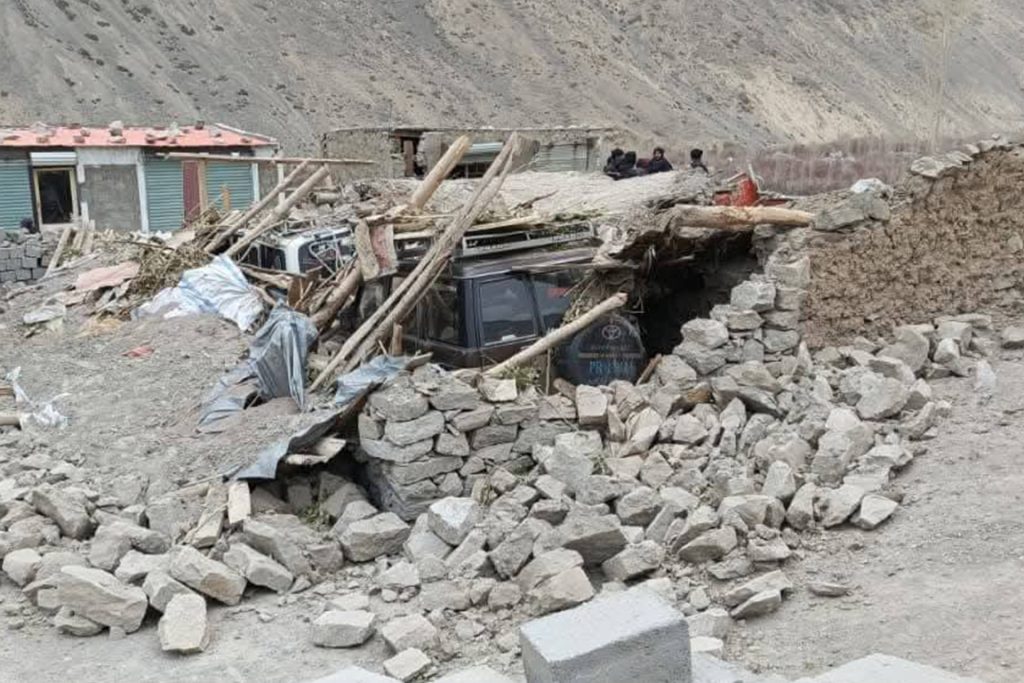
Access routes remain blocked by landslides, including sections of the Karakoram Highway, restricting movement and delaying emergency response.
Across Gilgit-Baltistan, families face heightened risks due to unsafe housing, continued aftershocks, and exposure to sub zero temperatures. Vulnerable groups, women, children, elderly persons, and persons with disabilities, are at greatest risk of health complications, protection concerns, and disruption of essential services.
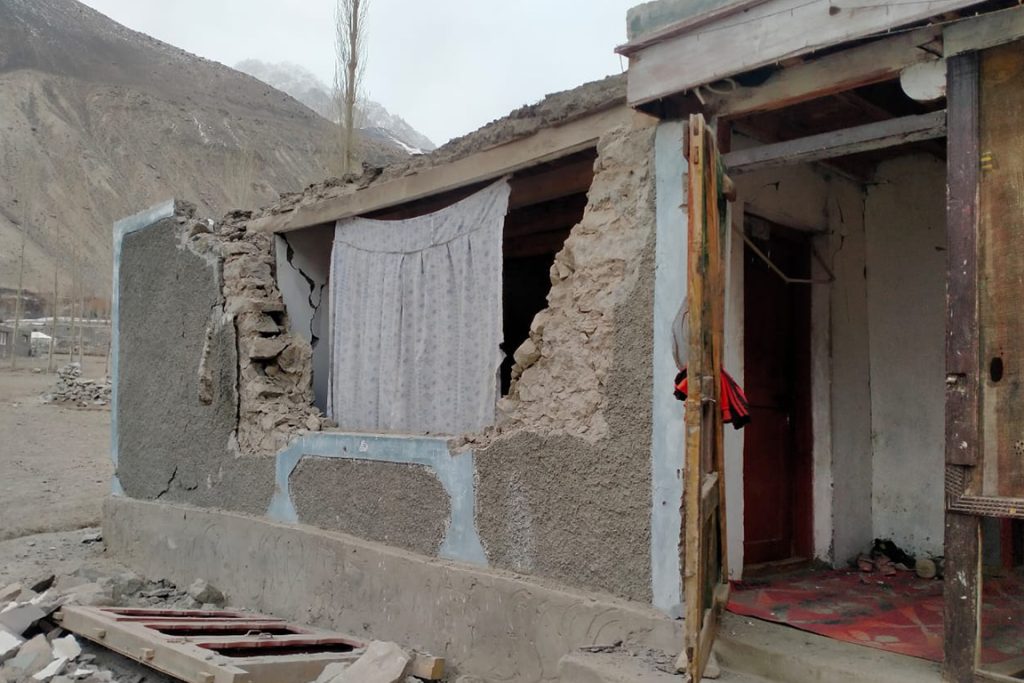
Urgent assistance is required to provide safe shelter, medical care, and protection support to prevent further deterioration of humanitarian conditions.
Emerging Humanitarian Needs
| Emergency Shelter | Winterised tents, tarpaulins, blankets, and warm clothing for families affected by infrastructure/ housing damage |
| Medical Assistance | First aid supplies, essential medicines, and basic health support to address cold-related illnesses, respiratory infections |
| Food Security | Immediate food rations needed for affected families or multipurpose cash support to meet these needs |
| Water & Sanitation | Clean drinking water, hygiene & maternity kits, and sanitation facilities to prevent disease outbreaks |
| Psychosocial Support | Psychosocial Support for grieving families and children and women affected by trauma |
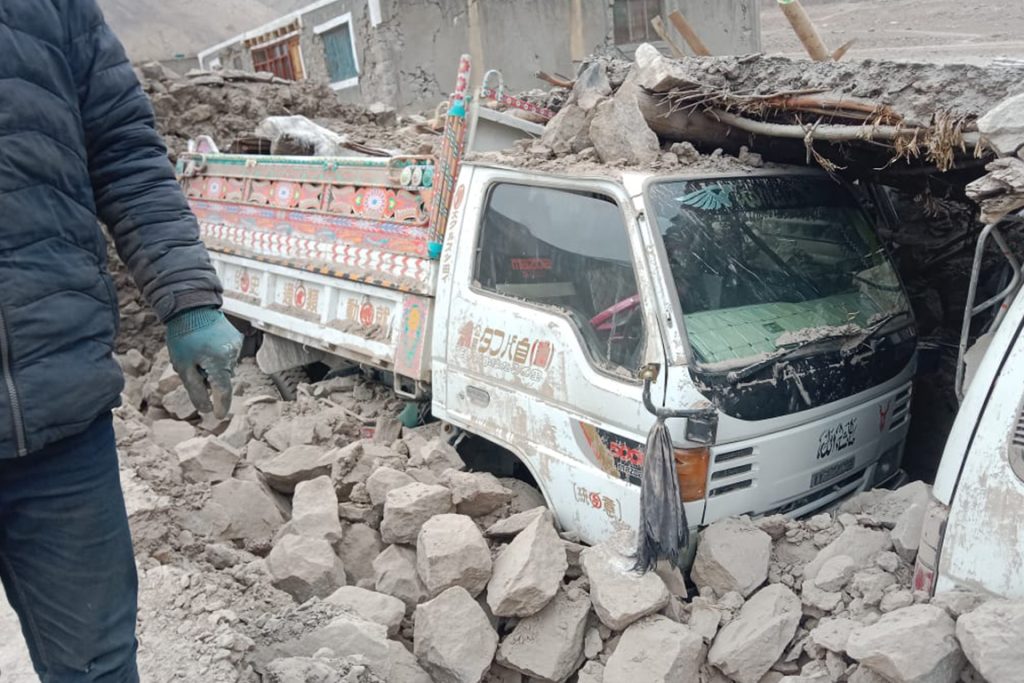
Local authorities and community representatives have called on humanitarian organisations to provide urgent winter assistance, including shelter materials, blankets, maternity kits, food support, and essential medical supplies, to protect vulnerable populations especially located in Chipurson Valley during the ongoing cold wave.
Community World Service Asia’s Proposed Relief & Response
Community World Service Asia (CWSA) is coordinating with local partners, affected communities and international agencies to mobilise a rapid response. Proposed actions include:
- Distribution of winter NFIs, including blankets, warm clothing, hygiene kits, and maternity/dignity kits
- Provision of temporary and winterized shelters, including tents and tarpaulins for families with damaged homes
- In-kind food assistance for households affected by access constraints and livelihood disruption
- Gender-sensitive distributions to ensure equitable access for women, children, elderly persons, and persons with disabilities
- Psychosocial support for children and families affected by displacement and ongoing aftershock fears.
CWSA is engaged in inter-agency coordination and rapid needs assessments in Hunza District and remains committed to delivering principled, inclusive, and locally led humanitarian assistance. As the situation evolves, we call on partners, donors, and humanitarian actors to join us in scaling up coordinated response efforts and investing in long-term resilience across Pakistan.
Contacts
Shama Mall
Deputy Regional Director
Programs & Organisational Development
Email: shama.mall@communityworldservice.asia
Tele: 92-21-34390541-4
Felix Dennis Joseph
Associate Regional Director
Email: dennis.joseph@communityworldservice.asia
Tele: 92-51-2307484-5
Palwashay Arbab
Head of Communications
Email: palwashay.arbab@communityworldservice.asia
Tele: 92-21-34390541-4
References
- https://www.geo.tv/latest/645925-58-magnitude-earthquake-rattles-islamabad
- https://tribune.com.pk/story/2587984/1-dead-2-injured-as-magnitude-58-quake-jolts-gilgit-baltistan
- https://apnews.com/article/6ee9e66ff46406fc0a0fafe500932a15
- https://www.radio.gov.pk/19-01-2026/58-magnitude-earthquake-jolts-islamabad-gb-kp
- https://pamirtimes.net/2026/01/19/one-killed-three-injured-as-5-8-magnitude-earthquake-creates-havoc-in-hunza-and-ghizer-districts
- Local Community Reports