Advancing Climate Leadership and Strategic Action: CWSA Hosts Two Transformative Events in Sindh
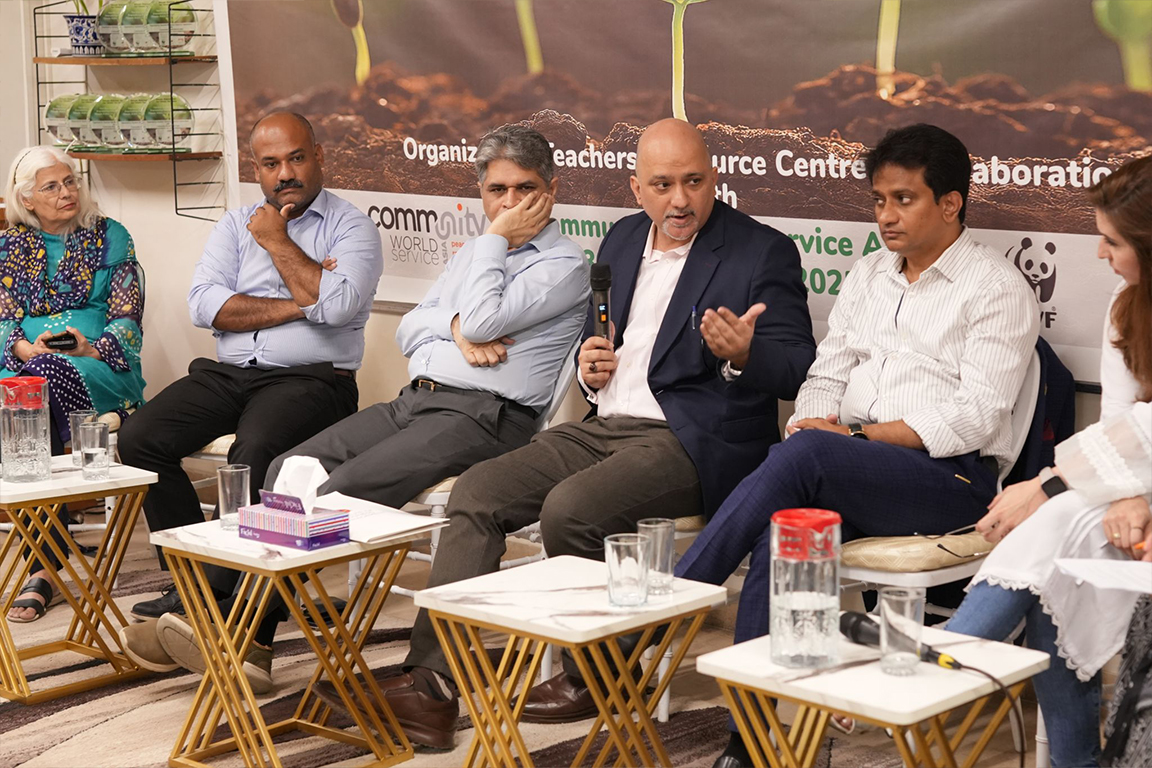
Two events in September, co-hosted by Community World Service Asia (CWSA), held in Karachi and Hyderabad, brought together educators, civil society organisations (CSOs), development professionals, and public and private sector representatives to address climate-related challenges and strengthen institutional capacity in Sindh.
Empowering Educators to Lead Climate Action in Karachi
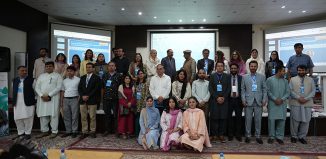
On September 30, 2025, CWSA partnered with the Teachers’ Resource Centre (TRC) to host a one-day event titled “Empowering Educators to Lead Climate Action for a Sustainable Future” at the TRC campus in Karachi. The gathering brought together a diverse audience of teachers, coordinators, education officers from public and private schools, and representatives from the corporate, finance sector and other organisations.
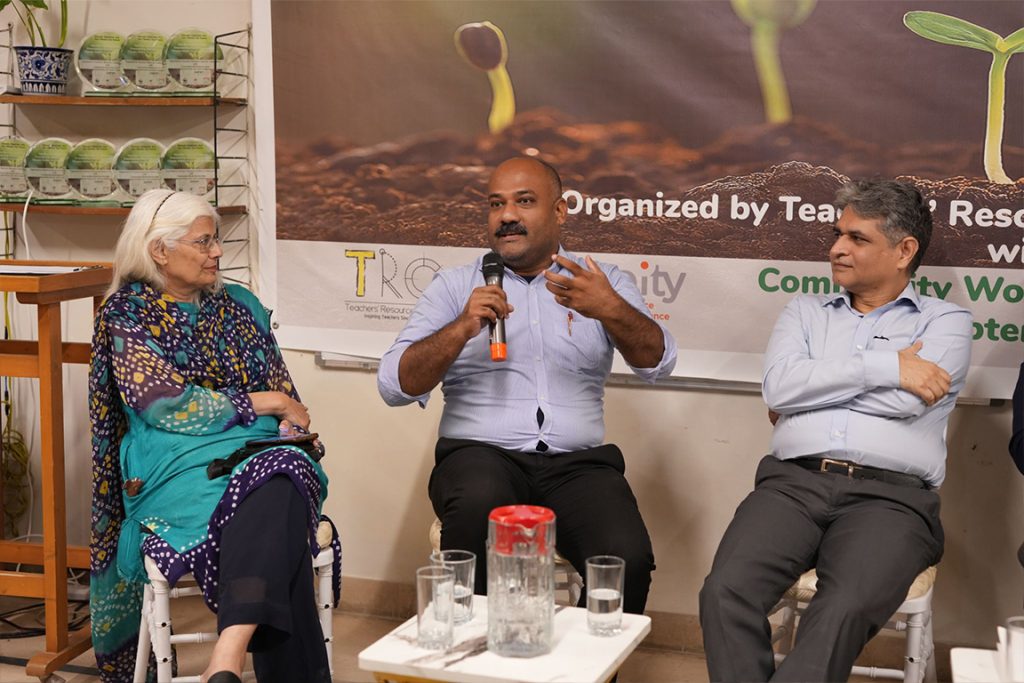
The event opened with a keynote address by Ambreena Ahmed, Director of TRC, who emphasised the critical role educators play in advancing climate action aligned with Sustainable Development Goal 13.
A lively panel discussion followed, featuring climate activist Afia Salam, development expert Naveed Ahmed Shaikh, gender justice and localisation advocate Plawashay Arbab, environmental entrepreneur Ahmed Shabbar, incubation head Raza Abbas, and youth leader Rizwan Jaffar. Together, they explored climate education, Karachi’s environmental challenges, and innovative solutions for climate-responsive learning.
The panel discussion focused on how climate awareness must evolve as a ground-up movement, beginning from schools. Speakers stressed the importance of empowering school administrators with the authority to implement tangible measures, reflecting the kind of responsibility often reserved for government bodies. The discussion emphasized the need to educate and engage the most receptive segment of society, the youth, the generation soon to take the lead and bear the brunt of it.
Climate Activist Afia Salam shared, “Climate change should not merely pertain to ecological areas, or be limited to geography or environmental lessons, but should be prioritised across every facet of schooling, as all are equally affected, be it physical activity, design thinking, or critical analysis. A country like Pakistan has faced massive flooding catastrophes in its history, the most devastating being in 2022, when more than half of Pakistan was submerged. Now you tell me, how many children know swimming as a basic life skill?”
Afia left the audience with a reflective question, it is not a one-time lecture to be discussed casually during free periods; rather, it is a responsibility that every teacher owes to their students, to convey the weight and urgency of the issue.
Ahmad Shabbar, leading a waste recycling organisation, shed light on how small individual efforts can collectively lead to significant change. He shared a short story about receiving thousands of books and papers meant to be recycled. Instead of discarding them, his team distributed them among underserved children who had little access to water, let alone books. He also recounted how, after floods destroyed several schools, they built small libraries out of recycled bottles, wrappers, and plastics, structures just as strong as concrete ones.
He attributed much of the environmental gap and disparity to a growing disconnect, a disconnect from nature, from the environment, and from one’s surroundings.
Raza Abbas, the Incubation head at the renowned Institute of Business Management, reiterated an emerging phenomenon: climate-tech startups. He reflected on the broader state of Pakistan and its people. How, over time, systemic inefficiencies have alienated many from observing civic discipline, whether in traffic regulations or adherence to policies. Years of frustration with governance and societal systems, he noted, have led to disengagement and apathy toward issues like climate change.
“But the thing is,” he emphasised, “both go hand in hand, and we must focus on leaving the world better than it was before.” He further highlighted the significance of teacher participation, noting that youth remain the most affected population when it comes to climate change and should be the ones most prepared.
Strengthening Strategic Planning for Climate CSOs in Hyderabad
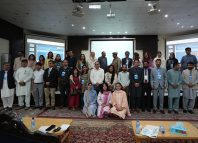
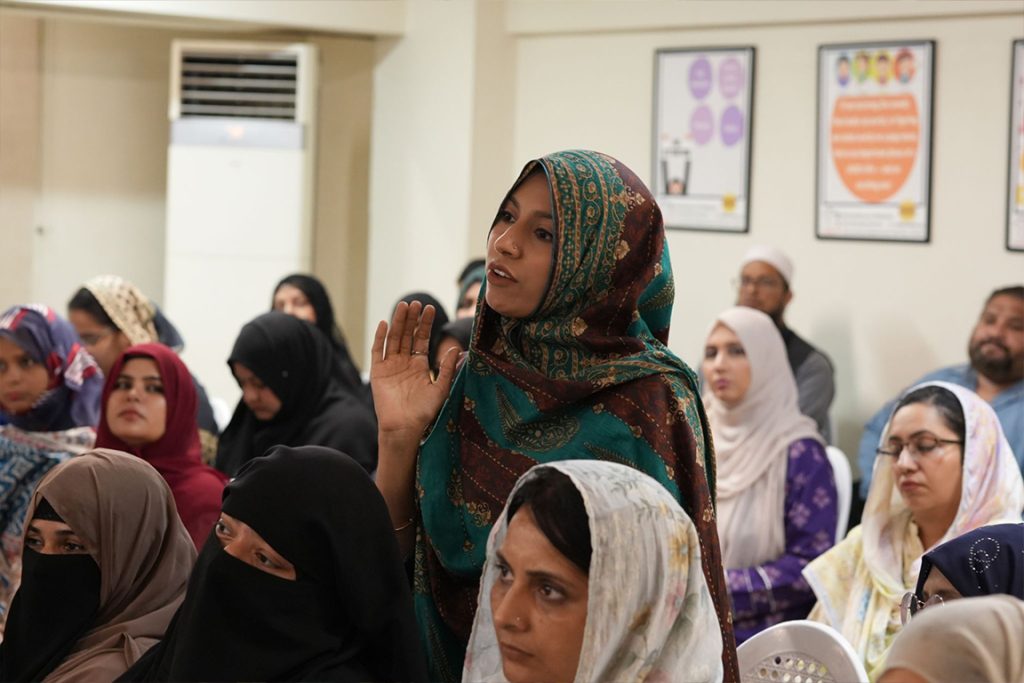
In Hyderabad, CWSA joined hands with the Global Network of Civil Society Organisations for Disaster Reduction (GNDR) to co-host a one-day learning event titled “Funding & Developing Strategy for Climate CSOs in Sindh” at the CSOs Club. The event convened CSO leaders, parliamentarians, academics, and representatives from the public, private, and corporate sectors to discuss strategic planning, resource mobilisation, and institutional sustainability.
Advocate Saima Agha, MPA and Chairperson of the Standing Committee on Sports and Youth Affairs, Government of Sindh, addressed the closing session, highlighting the shrinking civic space and the need for policy and legal support to enable CSOs to fulfill their development roles effectively.
The event featured thematic presentations by experts including Khadim Dahot (SEWA Trust), Danish Batool (CWSA), and Kashif Siddiqui (CARD), who shared insights on funding landscapes, locally led initiatives, and strategic planning. A panel discussion moderated by Amarta included voices from BASIC Development Foundation and the Social Welfare Department of Sindh.
Corporate Social Responsibility (CSR) was also a key focus, with contributions from Abid Ali Gaho (OGDCL), Asim Ahmed (Askari Bank), and Ghulam Abbas Khoso (GEF CSOs Network), who discussed the private sector’s role in supporting social development through CSOs.
Tahira Joyo, who moderated the event, summarised key reflections and emphasized the importance of strategic planning in adapting to climate challenges and evolving development needs.
Several participants shared their reflections on inclusion, participation, and accountability within climate strategies. One attendee noted: “Our climate strategies will remain incomplete until we actively bring women to the planning table. At the local level, women are not just victims of climate change, they are custodians of knowledge on water, food, and energy. A truly resilient Sindh requires funding and programs that are designed with women, not just for them. When our plans are gender-inclusive, our communities become climate-proof.”
Another attendee representing a local climate advocacy group added a perspective of youth: “While we demand larger systemic change, we cannot overlook the power of our individual actions. Every plastic bottle we refuse, every tap we close, and every native plant we grow is a vote for the future we want to see. Responsibility doesn’t start with governments or corporations alone, it starts in our homes, our universities, and our local communities. We, the youth, are not just leaders of tomorrow; we are the accountable citizens of today.”
A Shared Commitment to Climate Resilience
Through these two events, Community World Service Asia reaffirmed its commitment to fostering inclusive dialogue, capacity enhancement, and collaborative action for climate resilience. By empowering educators and strengthening CSOs, we are helping shape a more sustainable and responsive future for communities across Sindh.