Situation Update I: Earthquake in Gilgit-Baltistan: Impact & Relief Snapshot
Overview
On 19 January 2026 at 11:21 hours (Pakistan time), a magnitude 5.8 earthquake struck Gilgit-Baltistan. The USGS reported the epicentre approximately 50 km north-northwest of Karimabad, Hunza, near the Yash Kuk Glacier in Chipurson Valley, and around 10 km from Zudkhun village, at a focal depth of ~35 km [9]. The Pakistan Meteorological Department (PMD) noted the epicentre near north-western Kashmir, at a shallow depth of 10–35 km. Tremors were widely felt across Hunza, Nagar, Gilgit, Ghizer, and Diamer, as well as parts of Khyber Pakhtunkhwa and Islamabad.
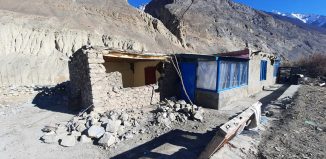
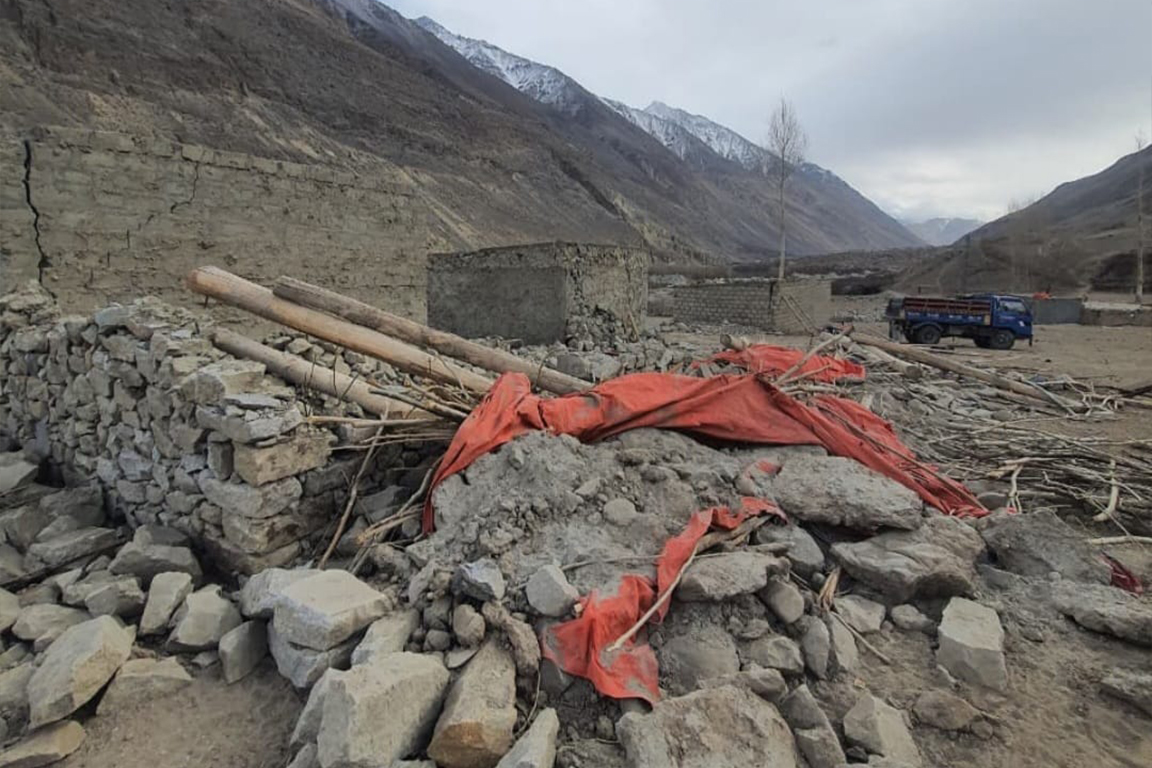
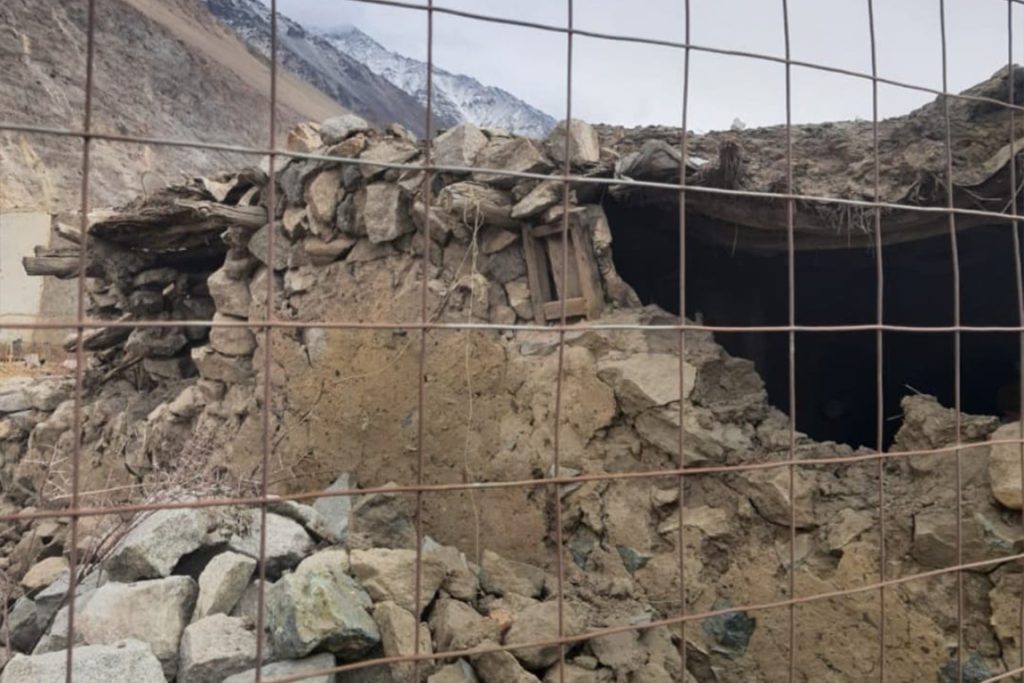
The earthquake triggered widespread rockfalls, particularly in Chipurson Valley, causing severe structural damage and making many homes unsafe. Minor injuries were reported among children, and livestock shelters collapsed, threatening livelihoods. Ongoing aftershocks since October 2025 have caused anxiety among residents, many of whom are reluctant to return home. Harsh winter conditions, with temperatures falling to –20°C, have increased the risk to life and wellbeing.
Impact
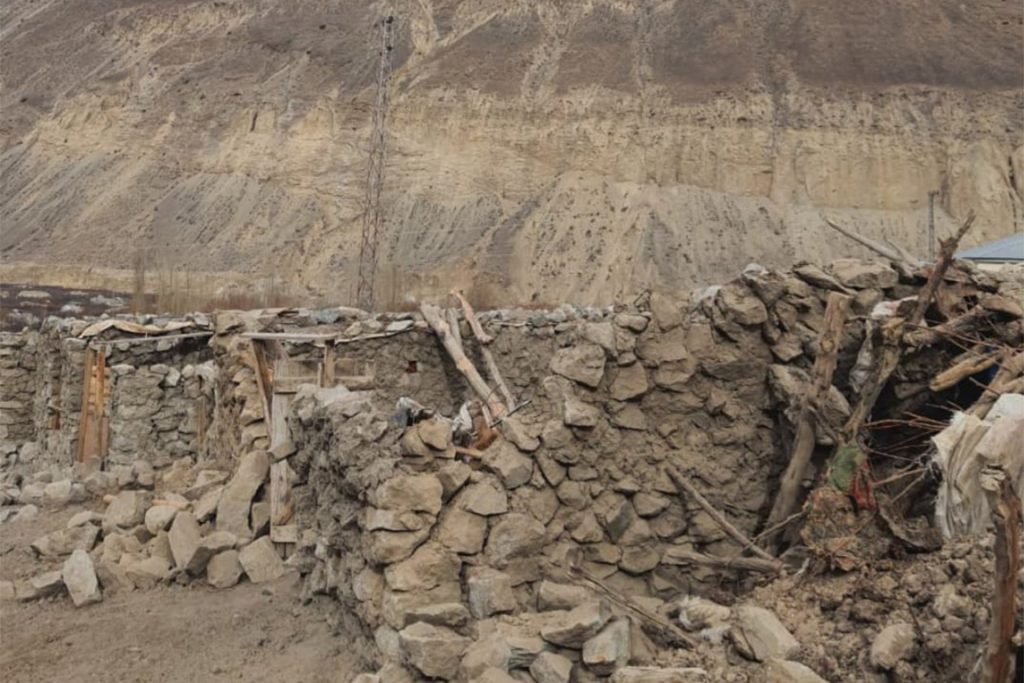
The earthquake has severely affected 11 villages, leaving around 500 households (2,500 people) impacted. Casualties remain limited but include four injured, two children in Zudkhun and two adults in Shetmerg, all receiving medical care, with further assessments ongoing in remote settlements.
Infrastructure damage is extensive: over 210 houses collapsed or became unsafe, with 150 completely destroyed. Public and community facilities such as schools, prayer halls, Jamatkhanas, and Rural Education Centers sustained major cracks. Water channels, micro hydropower systems, and cattle sheds were destroyed, resulting in livestock losses. Landslides and rockfalls blocked roads, disrupted electricity, internet, and communications, and cut off access to Chipurson Valley and parts of the Karakoram Highway.
Families have been forced into makeshift shelters or temporary camps under extreme winter conditions. Vulnerable groups, women, children, the elderly, widows, and persons with disabilities face heightened risks due to overcrowding, damaged housing, and limited access to essential services.
Emerging Humanitarian Needs
| Emergency Shelter | Winterised tents, tarpaulins, blankets, and warm clothing for families affected by infrastructure/ housing damage, prefabricated homes/sheds, energy and lighting |
| Health | Health, Mental Health & PSS, and Protection aimed to support the entire valley, temporary medical services |
| Food | Immediate food rations & multipurpose cash support |
| Water & Sanitation | Clean drinking water, hygiene, dignity & maternity kits, and sanitation facilities to prevent disease outbreaks |
| Psychosocial Support | Psychosocial Support for grieving families and children affected by trauma |
Immediate priority actions include scaling up winterised shelter support, distributing winter NFIs (blankets, warm clothing, hygiene, and maternity kits), providing temporary shelters for unsafe homes, delivering in-kind food assistance, and deploying cash support for urgent winter needs. Distributions must be gender- and vulnerability-sensitive, accompanied by health and psychosocial services.
Relief & Response Overview
Relief efforts in Gilgit Baltistan are underway despite challenging access. Road connectivity to Reshet has been restored, and a medical camp set up in Shetmirg is providing care with doctors, paramedics, and Rescue 1122 support. District Disaster Management Authority (DDMA ) Hunza has distributed 250 food packs, blankets, kerosene heaters, kitchen sets, and tents to affected families. Senior government officials, including the Ministers for Interior and Tourism, visited Chipurson Valley on 21 January to meet communities and assess needs.
The Aga Khan Development Network (AKDN) has activated an Emergency Operations Centre in Gilgit, supported remotely from Islamabad. A helicopter mission on 20 January evacuated seven patients, including women and children, to Gilgit for treatment.
The Gilgit Baltistan Disaster Management Authority (GBDMA), working with the Aga Khan Agency for Habitat (AKAH), civil society organisations, and community emergency teams, has launched a rapid needs assessment in Chipurson Valley. Findings will guide coordinated support measures from the GB government, federal authorities, and civil society.
Local NGOs and community groups have mobilised resources such as firewood, tents, and food. Human rights organisations are highlighting gaps in evacuation procedures, medical support, and winterised shelters. While coordination with authorities exists, a systematic multi-agency coordination mechanism has not yet been fully established.
Pakistan’s UN cluster system offers a framework for sectoral coordination, though no formal cluster activation for Chipurson has been reported. NDMA, GBDMA, UNOCHA, and UN agencies have conducted preparedness exercises to strengthen earthquake response.
Community World Service Asia Response
Community World Service Asia (CWSA) continues inter-agency coordination and rapid assessments in Hunza District and as the situation evolves, it calls on partners and humanitarian actors to join them in scaling up coordinated response efforts and providing timely winter assistance to Chipurson Valley, Upper Hunza, where affected communities face immediate survival risks. Built on existing local networks and partnerships, the response will remain adaptive, inclusive, and community-driven.
Response Plan includes:
- Winterisation Assistance: Distribution of winterisation kits to vulnerable households to reduce exposure to extreme cold, prioritising families with damaged shelters, elderly members, women-headed households, and children.
- Non-Food Items (NFI): Provision of essential NFIs to households that have lost or damaged basic household items due to the earthquake.
- Multipurpose Cash Assistance (MPCA): Provision of cheque-based MPCA to enable affected households to meet urgent needs, including food, winter items, healthcare, and minor repairs in a dignified manner.
- Reinforcement of humanitarian Quality, Accountability & Safeguarding mechanisms to ensure dignity and community engagement throughout the respone
- Gender-Sensitive Aid Distribution: Ensuring equitable access for women and girls
A multi-sectoral team is on standby for rapid deployment, ensuring that our response remains adaptive, inclusive, and locally led. CWSA’s planned response integrates gender-sensitive measures across all areas of intervention.
Contacts
Shama Mall
Deputy Regional Director
Programs & Organisational Development
Email: shama.mall@communityworldservice.asia
Tele: 92-21-34390541-4
Felix Dennis Joseph
Associate Regional Director
Email: dennis.joseph@communityworldservice.asia
Tele: 92-51-2307484-5
Palwashay Arbab
Head of Communications
Email: palwashay.arbab@communityworldservice.asia
Tele: 92-21-34390541-4
References
- (The Express Tribune)
- (Pakistan Today)
- (Dawn)
- (ProPakistani)
- Local Reports – ASWED (Association for Social Welfare & Educational Development) (internal/field source)
- KADO Rapid Assessment Report, January 2026 (unpublished/internal)
- AKAH/AKDN Disaster Assessment Report, January 2026 (unpublished/internal)
- USGS Earthquake Data & Pakistan Meteorological Department (PMD)