Breathing Life Back into Jumo Norhi’s Healthcare
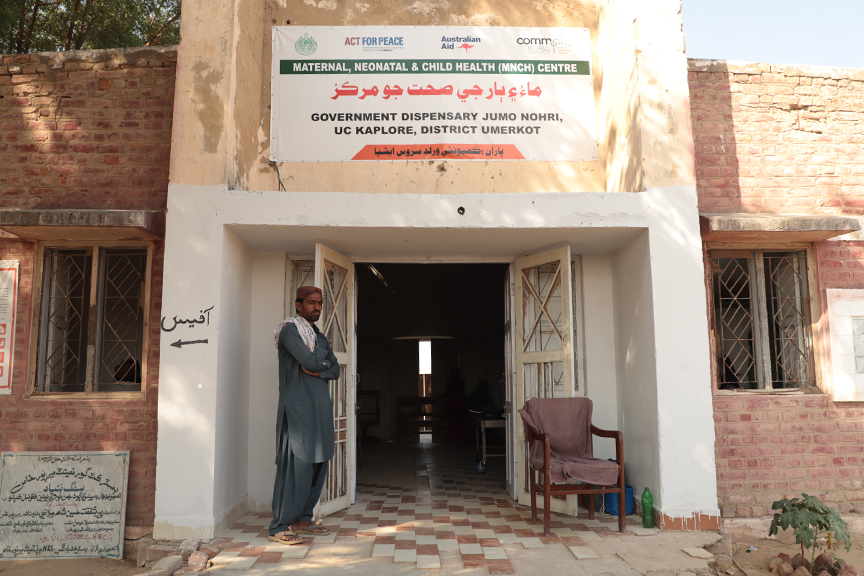
In its fresh whitewash and with its newly painted doors, the dispensary of village Jumo Nohri looks as if it was built recently. But it first opened in 2003 with staff, including a doctor (man), Lady Health Visitor (LHV) and dispenser. Riaz Ahmed, of the same village, says that the arrangement worked well for only about three years. At that time, though the dispenser attended daily, the doctor was assigned for only two days a week. “Even when he was here, he hardly ever worked in the dispensary. Instead, he went around the village to see patients who called him. That was not free; we paid what we could afford,” alleges the man.
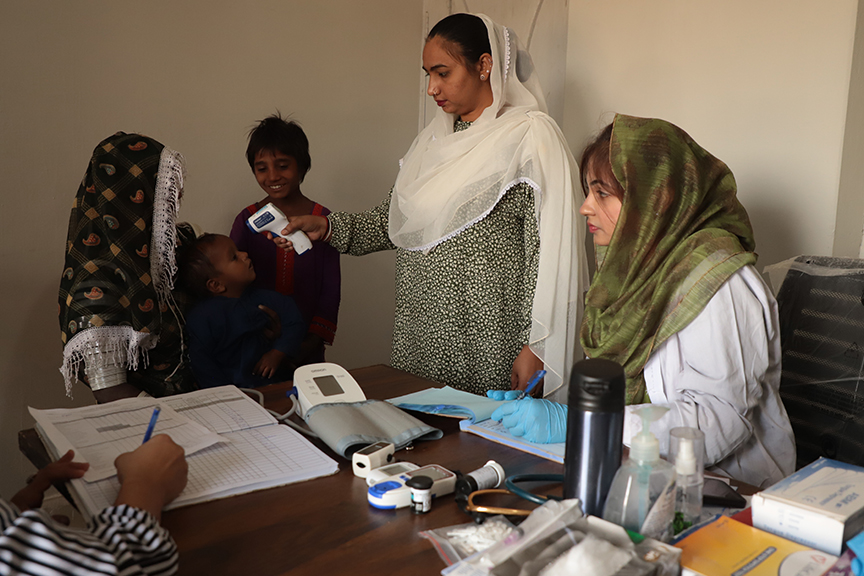
Though there is no data of health issues in the area, Noor Muhammad of Community World Service Asia (CWSA) says that at the time of rehabilitating the dispensary they heard of cases of diphtheria and measles because of lack of immunisation. Allah Dad, the government dispenser who has served at the facility since June 2025, explained that past immunisation efforts were poorly managed and ultimately ineffective.
In the brief years when the dispensary functioned in the early 2000s, the absence of a lady doctor meant that women, particularly expectant mothers, had no access to proper care. Families relied entirely on the village midwife, often untrained. For serious complications, patients had to travel nearly forty kilometres to hospitals in Umerkot or Chhachro. While public transport was affordable, emergencies required hiring a private vehicle, an expense of around PKR 10,000 (USD 36), far beyond the reach of most families. Those unable to bear the cost were left without options, often resigning themselves to fate.
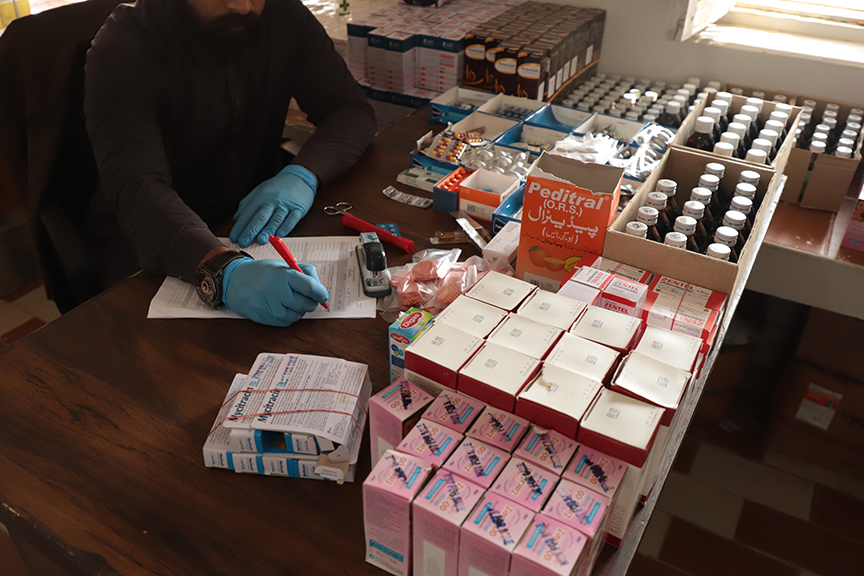
By 2006, the dispensary had fallen into disuse. For nearly two decades, it remained largely defunct, staffed only by a part-time dispenser and offering no meaningful services to the community.
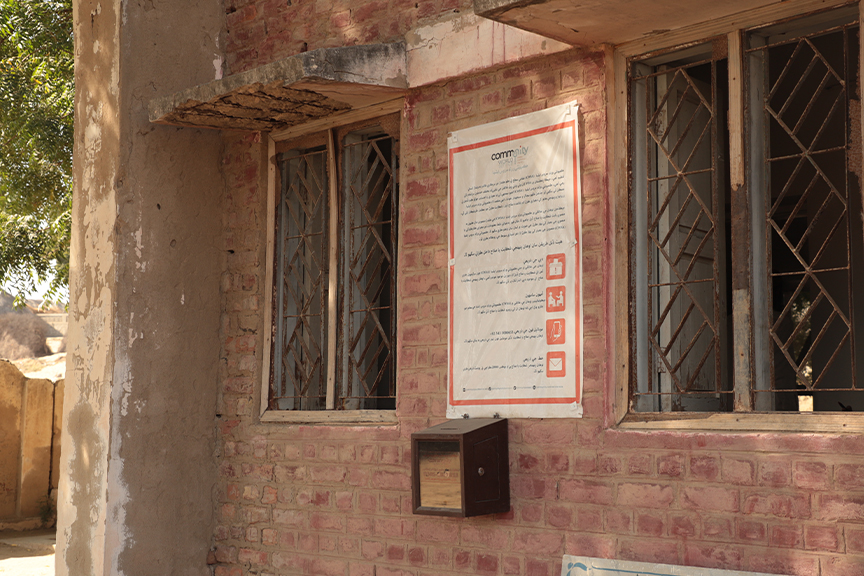
In mid-2025, the District Health Officer at Umerkot requested CWSA to revitalise the Jumo Nohri dispensary. CWSA taking charge meant a full staff headed by Dr Misbah Marri, two LHVs, namely Musarat who also doubles as counsellor and social mobiliser and Farkhanda, with medical technician Waqas Ahmed. This staff divides their week in two-day shifts between this dispensary and two others in nearby villages. However, before operations could begin in August, the building being almost ramshackle required a facelift. New doors and a fresh coat of whitewash changed the aura of the facility.
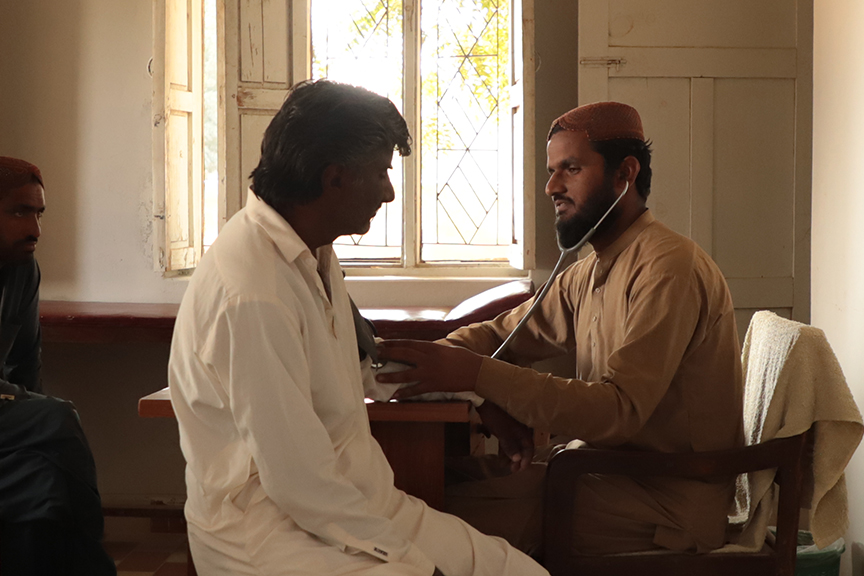
Dr Misbah Marri says that she treats some 40 to 50 patients a day on her two days in this dispensary. The most common complaints she has to deal with are skin and gastro-intestinal problems which she attributes to contaminated water. Then there are respiratory tract infections, especially during the colder months of the year. Her patients come from about a dozen nearby villages whose collective population is between 10,000 to 12,000. Since this catchment is covered by the three dispensaries that CWSA manages, patients are within range of medical assistance six days a week. According to the doctor, she and her staff focus on mother and child health, ante and post-natal care, women in general and elderly and special persons.
“We have many antenatal cases of severely malnourished women,” says Dr Marri. “Deficiencies such as in B complex and folic acid result in malformed babies. As well as that, for the same reason, we hear of so many miscarriages.” The doctor who has been with CWSA since 2023, is of the view that Thar is particularly affected by these disorders. Between the months of August 2025, when the CWSA team began work here and November, she noticed a marked improvement in general health of women, especially pregnant individuals, because of the supplements they are being administered on a regular basis. However, she says there are still cases that have to be referred to the government’s Peoples Primary Healthcare Initiative.
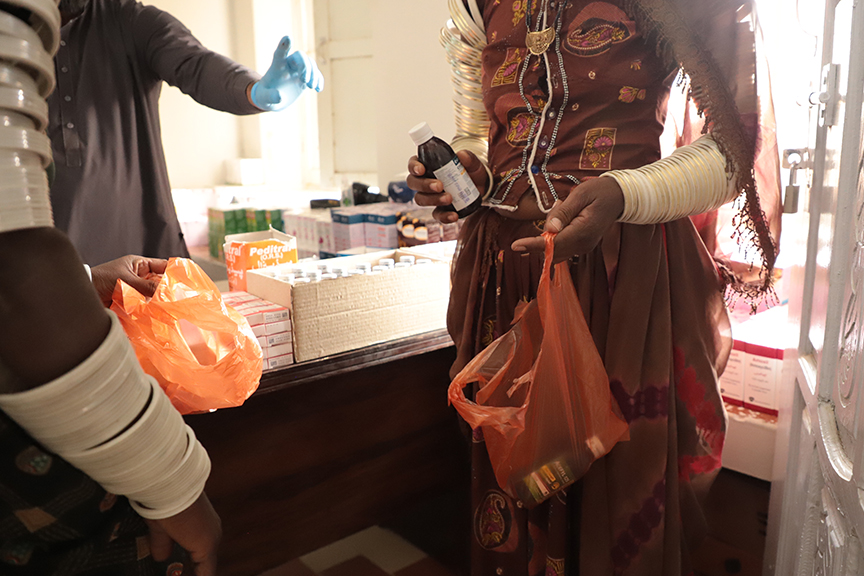
Waqas Ahmed, a medical technician with Community World Service Asia (CWSA), explains that poverty has long prevented local families from accessing even basic health supplements. Many relied on traditional home remedies, which offered little relief. Under previous government arrangements, essential medicines such as the antibiotic syrup Augmentin were available only at a cost of PKR 800 (approximately USD 3) per pack, far beyond the reach of most villagers, who endured their illnesses in silence. Today, with these medicines provided free of charge, the community has seen a marked decline in respiratory tract infections.
Lady Health Visitor (LHV) Musarat, who also serves as a social mobiliser, has been conducting regular health awareness sessions in the area. In her four months of service, she has observed a troubling pattern.
She narrates the case of a woman brought in on a camel cart because she was unable to walk even if assisted, leave alone walking on her own. She was bleeding heavily when Dr Marri and LHV Farkhanda provided her first aid for high blood pressure. During treatment the patient fainted but was soon stabilised and referred to Civil Hospital, Umerkot. In November, the woman was in the pink of health, according to Musarat.
Farkhanda relates the case of a woman named Zainab who was so weak from under nourishment that she could not even speak. She was severely anaemic and the doctor suspected heavy intestinal helminth infection. She was administered a drip and given necessary anti-helminth drugs as well as vitamin supplements. She too visits the health facility on her own now along with her two children.
Riaz Ahmed of the village says that since the CWSA intervention, the Jumo Nohri dispensary has been a boon for local women. He says it is a first-class facility right at their doorsteps. Earlier, the nearest facility for them was the Umerkot hospital, almost 45kilometres and a considerable expense away. But that does not mean that men are not benefitting, he adds. “We too get quality medication and for which we pay nothing.”