
Breaking the Cycle of Early Marriage
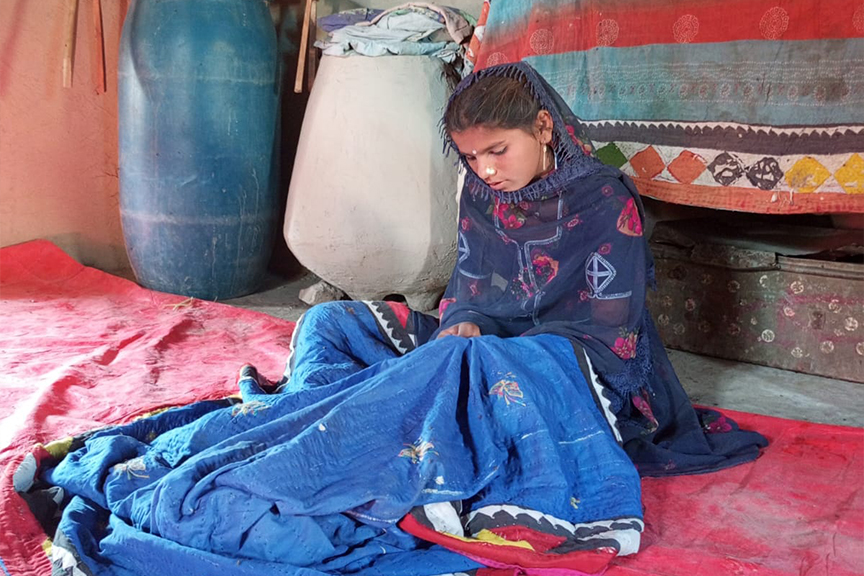
Jami, a resident of Village Bandi, Union Council Kaplor in Sindh, grew up in a family where early marriage was a deeply rooted tradition. “In my family, marrying young was what everyone did. My parents believed it would secure our daughters’ future,” she recalled. Married at a very young age, Jami experienced early pregnancy, which affected her health and exposed her to the hidden risks of child marriage. She also witnessed the pressures within her own family, as her children’s engagements were arranged early in line with community norms.
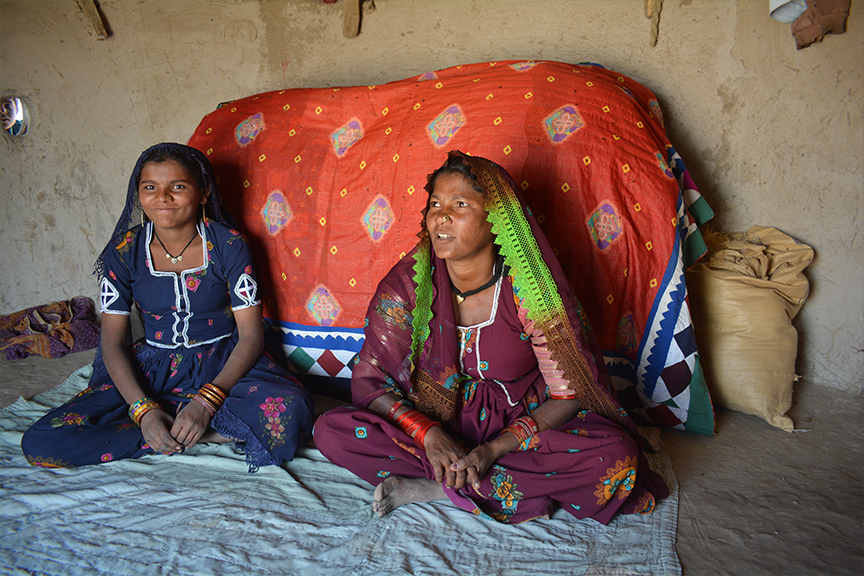
Jami is the mother of eight children. The youngest child is six months old, while the eldest son is 16 years old. The other children are between six and 14 years of age. Jami had her first child at a young age, around 17 years old, soon after her marriage. Three of the children were born at home with the help of a traditional birth attendant, while five births took place in a government hospital.
During some of her pregnancies, Jami suffered from tuberculosis, weakness, and other health problems. She often felt very tired and experienced bleeding issues due to repeated pregnancies, short gaps between births, and limited access to proper nutrition and medical care. Having eight children in a short time span has had serious effects on her health. She has become physically weak, experiences body pain, and often feels exhausted. Repeated pregnancies without enough recovery time have negatively affected her overall well-being.
Her husband works as a daily wage labourer. During the rainy season, he is engaged in seasonal agricultural activities such as land preparation, sowing, weeding, and harvesting. Jami also supports her husband by working alongside him. Before and after the rainy season, he works as a labourer in road construction.
The family’s average monthly income is approximately PKR 24,000 (approx. USD 86), depending on the availability of work. Their average monthly expenses are around PKR 30,000 (approx. USD 107). Jami manages the shortfall and other household expenses through Benazir Income Support Program (BISP) installments.
Poverty, social pressure, and traditional norms often drive families toward early marriage in her community. “We didn’t have much money, and relatives suggested marriage as a solution,” she explained. “For many families, marrying daughters early feels like reducing one burden.”
When her daughter Khetu turned 14, similar pressure began mounting for her marriage. Jami was determined not to repeat the cycle that had shaped her own life. “I didn’t want my daughter to suffer the way I did,” she said.
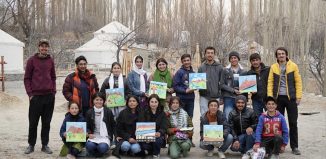
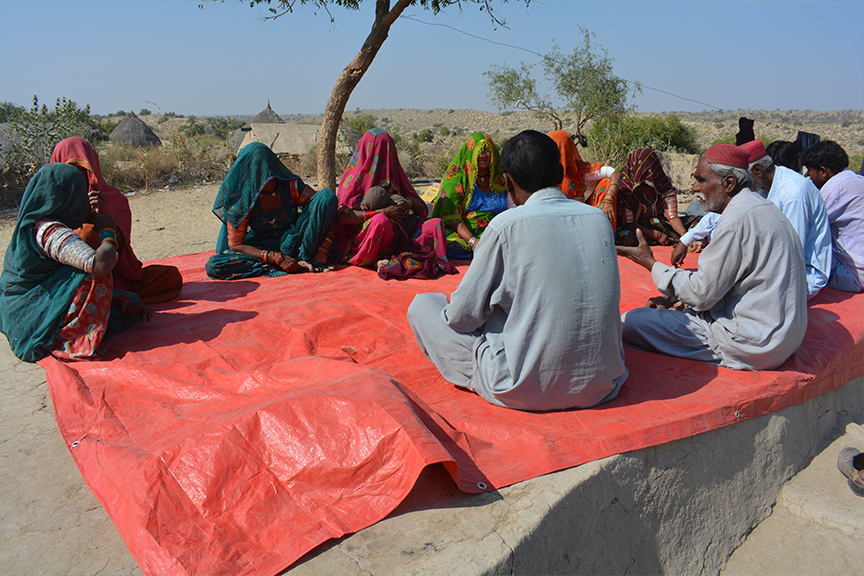
Recognising the harmful effects of these practices, interventions under the Humanitarian Early Recovery & Development (HERD) and Agriculture, Gender & Livelihood (AGL) projects, implemented by Community World Service Asia (CWSA) and supported by the Canadian Foodgrains Bank (CFGB) and Presbyterian World Service & Development (PWS&D), introduced gender awareness sessions and community theatre performances in Village Bandi. These activities were designed to educate families, encourage dialogue, and challenge traditional norms. The sessions provided practical information, helped families reflect on their own experiences, and enabled them to make informed decisions to protect the rights of their children.
The project began with community consultations and collaboration with village management committees to develop a curriculum on gender roles, rights, leadership, and decision-making. A total of 20 training sessions were conducted, reaching approximately 600 participants including 425 women and 175 men. These aimed to strengthen their role in household and community decision-making.
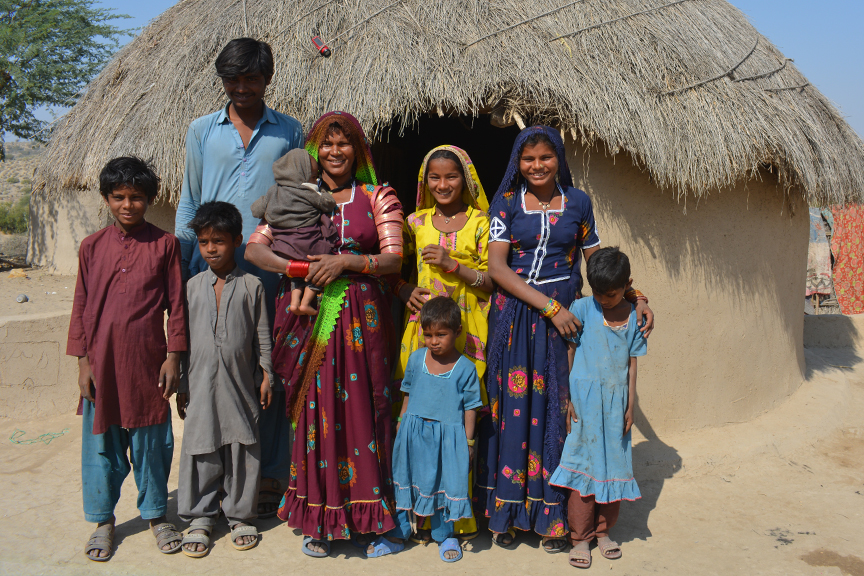
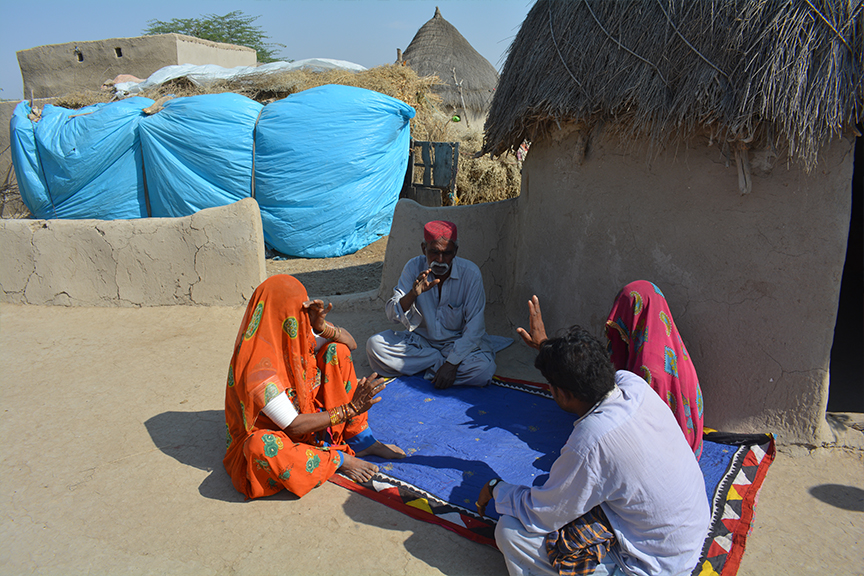
Jami and her family actively participated in the first open air theatre performance and gender awareness session held on 24 October 2025. Jami convinced her husband through persistent discussions at home, with the support of her father-in-law and mother-in-law, about the benefits of women’s empowerment and the importance of participating in training sessions. Her husband became supportive and agreed to her attendance once he understood that the sessions would help improve the family’s decision-making, income opportunities, and overall well-being.
Although he also attended the sessions, he was initially not fully convinced due to concerns about what people in the village might say. However, he received informal counseling from project staff during community outreach and household visits, which helped him better understand the value of women’s participation in capacity-building activities.
Through engagement with the sessions and performances, the family gained knowledge about the harms of child marriage, early pregnancy, and gender discrimination. They were prompted to reflect on their own life experiences and decisions. As a result, Jami and her husband made a firm commitment to delay the marriages of all their children until adulthood.
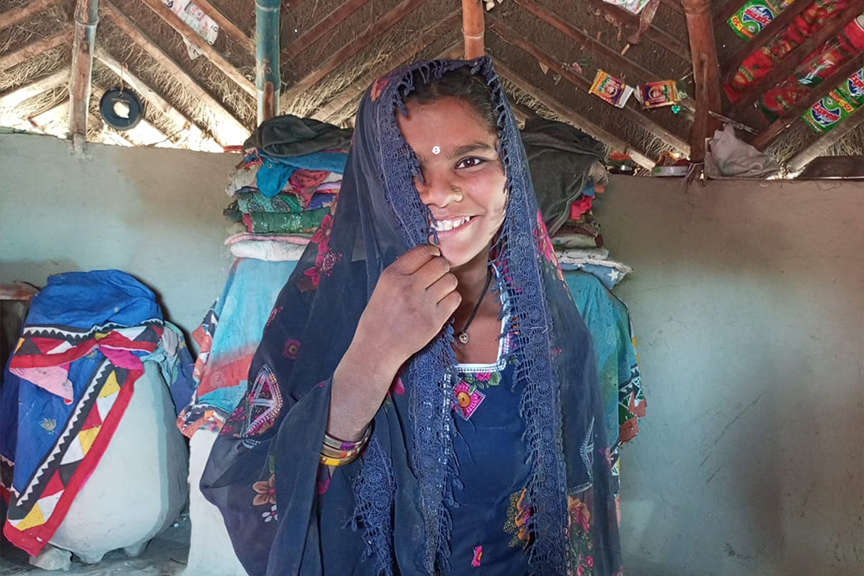
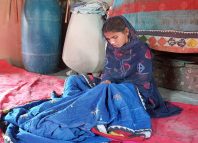
Despite pressure from relatives, they successfully refused to arrange the marriage of Khetu at age 14, ensuring her right to a safe and healthy adolescence. This decision brought great happiness to Khetu and marked a significant shift in family and community norms. At home, Khetu wakes up early in the morning and helps her mother with household chores such as cleaning, washing dishes, fetching water, preparing tea or breakfast, and taking care of her younger siblings. As the family has livestock, she also helps with feeding the animals. During the day, she continues to carry out domestic responsibilities. In the evening, she again supports her family with cooking and other household tasks.
Jami has enrolled four of her children in primary school, including her younger daughter. This means that only four out of the six school-age children are currently attending school due to financial challenges and household responsibilities. The others help their parents at home. The couple never went to school because, at that time, there were no schools in their area and girls’ education was also not given much importance. This further reflects the family’s commitment to education and empowerment, as they want their children to have better opportunities than they had.
While Khetu is currently not in school, Jami is actively seeking education and skills-development opportunities to secure her future.
Jami shared, “I want my children to make informed choices, not just follow old traditions. Knowing what’s at stake gave me the courage to protect them.”
Her story highlights how community-based awareness initiatives can empower families, encourage dialogue, and challenge harmful practices such as child marriage and early pregnancy. The project enabled Jami’s family to prioritise health, education, and rights. It highlights how sustained community engagement can bring meaningful behavioural change and promote gender equality.