When Technology Meets Community Knowledge: Lessons from Technology for Resilience
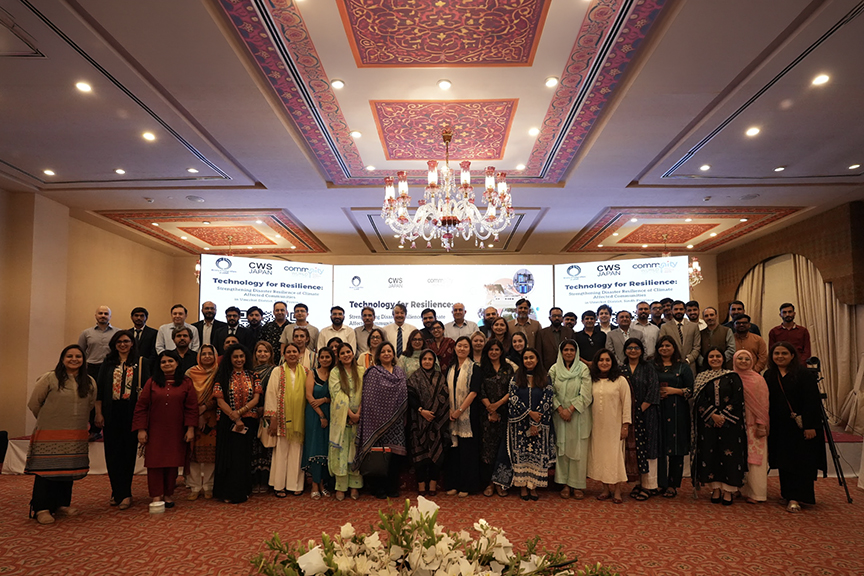
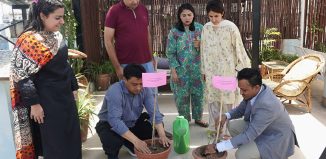
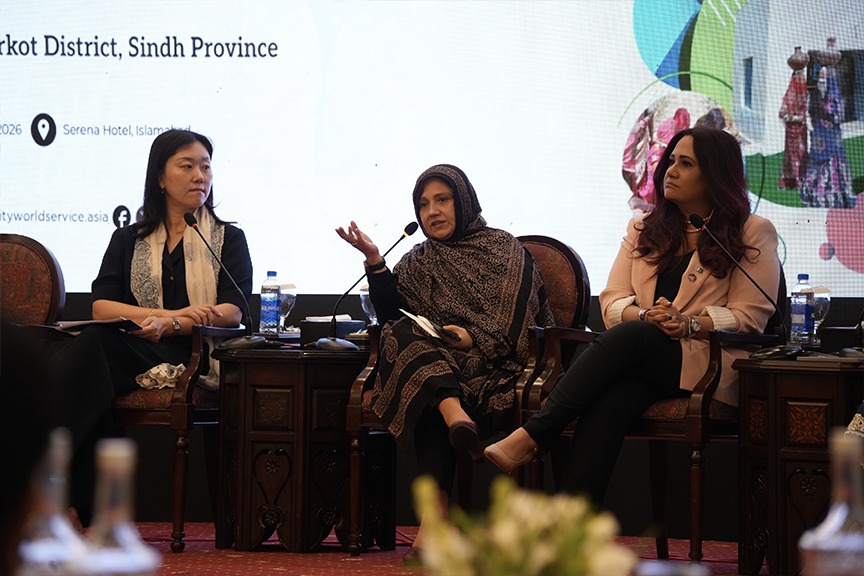
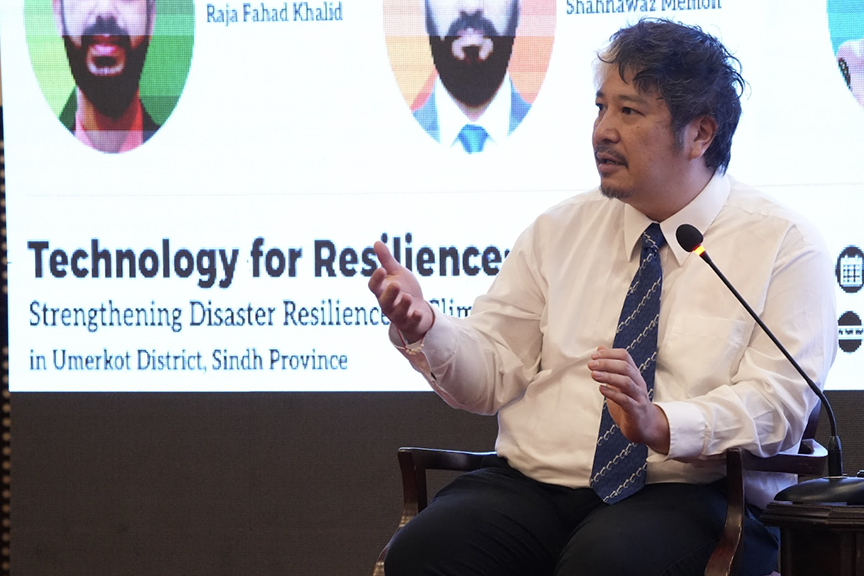
On 23 July 2026, Community World Service Asia (CWSA) and CWS Japan, with the support of the People of Japan, hosted Technology for Resilience: Strengthening Disaster Resilience of Climate-Affected Communities at the Serena Hotel in Islamabad. The half-day experience-sharing event brought together government institutions, academia, NGOs, UN agencies, the private sector and community representatives from Umerkot District to reflect on six years of resilience programming and explore how technology and innovation can strengthen climate adaptation and disaster risk reduction.
At the heart of the event were the experiences of communities themselves.
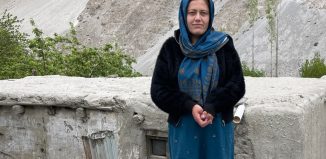
“Water is dearer and more expensive than gold for us.” — Ms. Dahi, community member, Umerkot
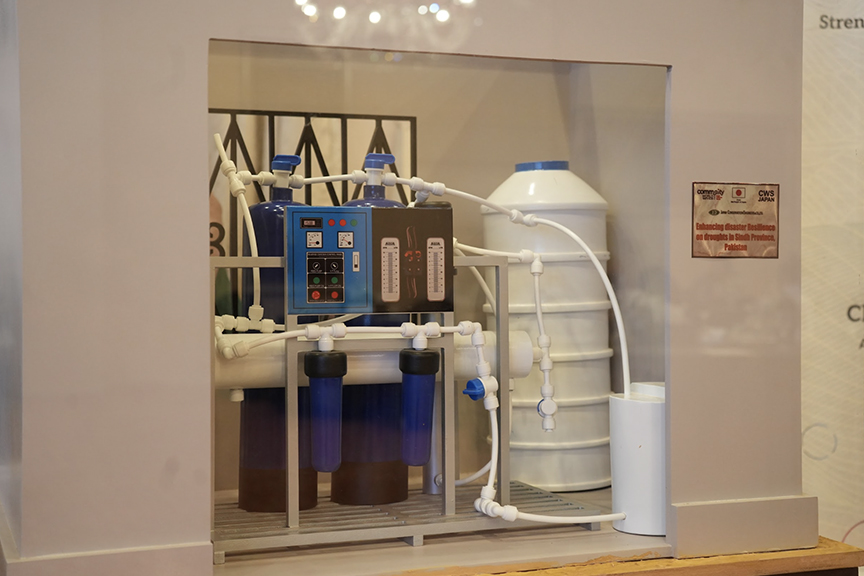
For Ms. Dahi, access to safe drinking water once meant spending entire days travelling to collect it. The installation of a reverse osmosis (RO) plant in her village one of 24 installed under the project has brought the water source closer to home, improving access to safe water and easing the chronic back pain she experienced from years of carrying water over long distances.
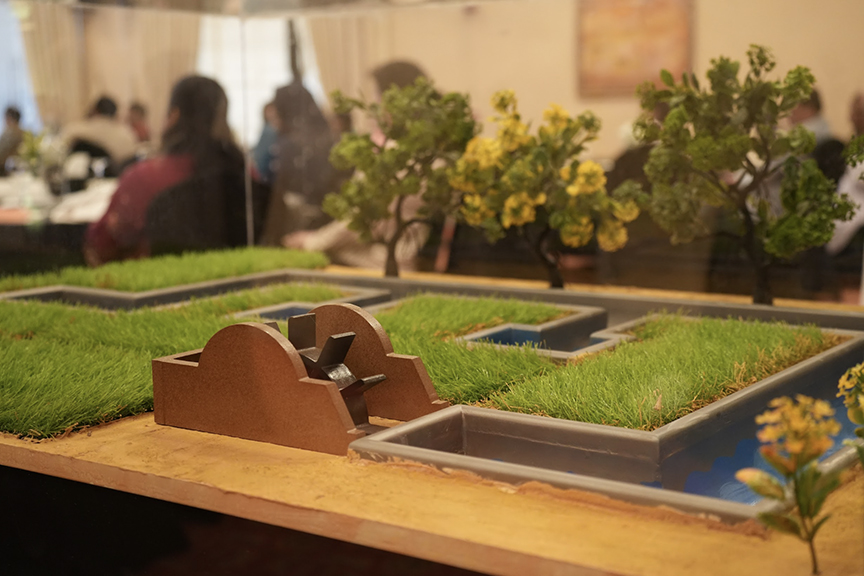
For Mr. Sikander, lined water channels helped transform flood-damaged agricultural land. Improved water management enabled him to expand his farmland from 8 to 12 acres and establish a flourishing kitchen garden.
Mr. Gulzar spoke about a different kind of transformation. After losing his home to floods, the introduction of safe evacuation shelters, mock drills and disaster risk reduction awareness has helped his community move from facing disasters with uncertainty to being better prepared for what may come.
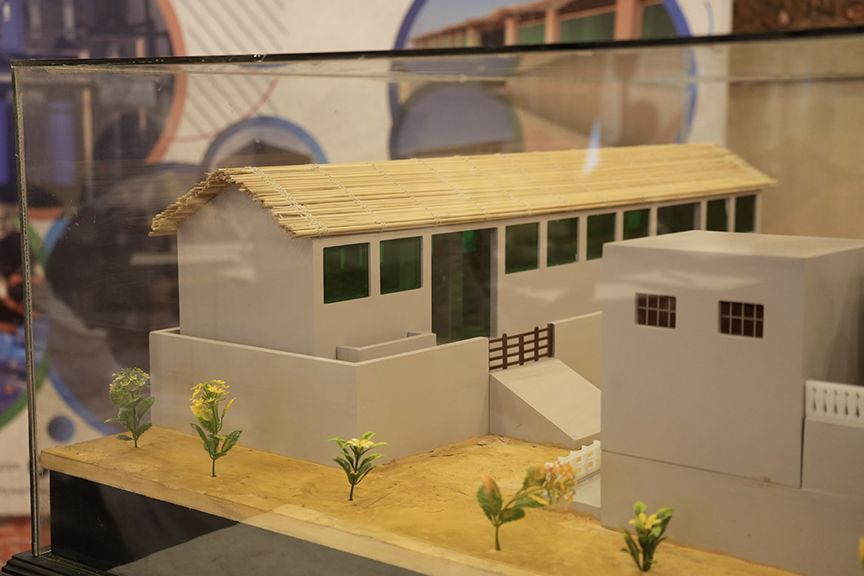
These stories reflect a broader journey of resilience programming in Umerkot. Over six years, three complementary interventions responded to evolving community needs: RO plants from 2020–2023, water channel lining from 2024–2025, and evacuation shelters and flood risk mapping from 2025–2026.
When Community Knowledge Becomes Data
One of the strongest messages emerging from the event was that technology is most effective when it is combined with local knowledge.
In Umerkot’s flat terrain, satellite imagery alone cannot always provide a complete picture of flood risk. Communities therefore contributed their own knowledge of where floodwaters had previously travelled, which areas had been submerged and which routes remained accessible. This information was translated into hazard maps using QGIS, turning lived experience into data that could support preparedness and planning.
Technology was also used to identify suitable locations for safe drinking water infrastructure. Electrical Resistivity Surveys conducted across 28 villages helped identify areas with access to fresh groundwater, informing the placement of 24 RO plants.
But technology was only one part of the solution. The infrastructure is sustained by Village Management Committees, trained local operators and community contributions, demonstrating how local ownership can determine whether an intervention remains useful long after a project ends.
Inclusion Is Part of Innovation
The event also highlighted that access to technology must go beyond providing digital tools or infrastructure.
Project materials were translated into Sindhi and Dhatki, ensuring that communities could understand and participate in the interventions affecting their lives. Local committees were involved in managing infrastructure, while community members contributed their knowledge to risk mapping and preparedness planning.
The message was clear: innovation does not always mean the highest technology; it means technology that is appropriate, relevant and accessible.
As Ms. Minyoung Kim of the United Nations Development Programme (UNDP) noted, “Innovation does not always mean the highest technology; it means technology that is appropriate, relevant, and accessible.”
From Local Experience to a National Conversation
The event provided a space for community experiences to inform a wider conversation on climate resilience and disaster risk reduction.
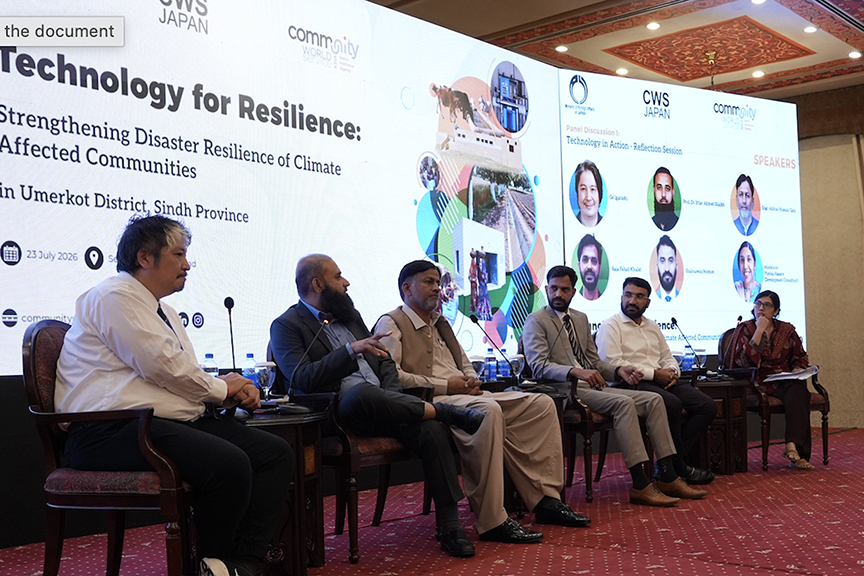
Representatives from the National Disaster Management Authority (NDMA), United Nations Development Programme (UNDP), International Water Management Institute (IWMI), Fatima Group, Pakistan Meteorological Department (PMD), Pakistan Council of Research in Water Resources (PCRWR) and academia joined community members in discussing how technology can support more effective and inclusive climate action.
Discussions highlighted the importance of strengthening data sharing, improving access to technology and digital skills, and ensuring that innovation does not deepen existing inequalities.
NDMA shared insights into the use of artificial intelligence and satellite imagery for disaster management, while UNDP emphasised the importance of appropriate and accessible innovation. IWMI highlighted the risk that the digital divide can further exclude vulnerable communities, while the private sector brought perspectives on strengthening resilient agriculture and aligning investments with longer-term sustainability targets.
The Way Forward
The discussions pointed towards several priorities for strengthening climate resilience:
- Improve data-sharing mechanisms, with national and provincial disaster management authorities playing a leading role.
- Close the digital divide through greater access to technology, information and capacity building.
- Put communities at the centre of climate and disaster risk reduction policies and planning.
- Connect scientific and technological tools with local knowledge to develop solutions that respond to actual community needs.
- Expand successful approaches to neighbouring communities facing similar climate and disaster risks.
The event also reinforced the importance of collaboration. Government institutions, civil society, academia, UN agencies, the private sector and communities each hold different pieces of the resilience puzzle. Bringing these perspectives together can help turn data, technology and knowledge into practical protection.
A Cake That Everyone Must Bake
Closing the event, Mr. Go Igarashi of CWS Japan shared a Japanese expression, “e ni kaita mochi,” a picture of a cake that looks delicious but cannot actually be eaten.
The analogy captured the central lesson of the day: a sophisticated hazard map, evacuation plan or technological solution has limited value if it remains on paper or inside an office. Technology creates resilience when communities can understand it, access it, use it and ultimately take ownership of it.
A picture of a cake feeds no one.
By bringing together technology, community knowledge, local ownership and partnership, the experience from Umerkot demonstrates how maps and plans can become meaningful protection and how climate resilience can move from a concept to something communities experience in their everyday lives.
Technology matters most when it works for people.