

Leaders, Youth, Humanitarian Practitioners and Global Experts Unite for Locally Led Climate Action in Gilgit-Baltistan
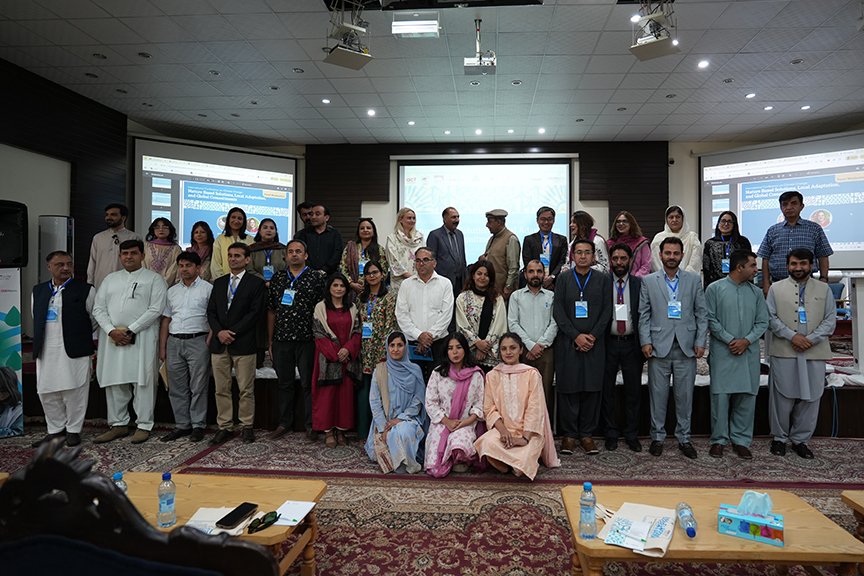
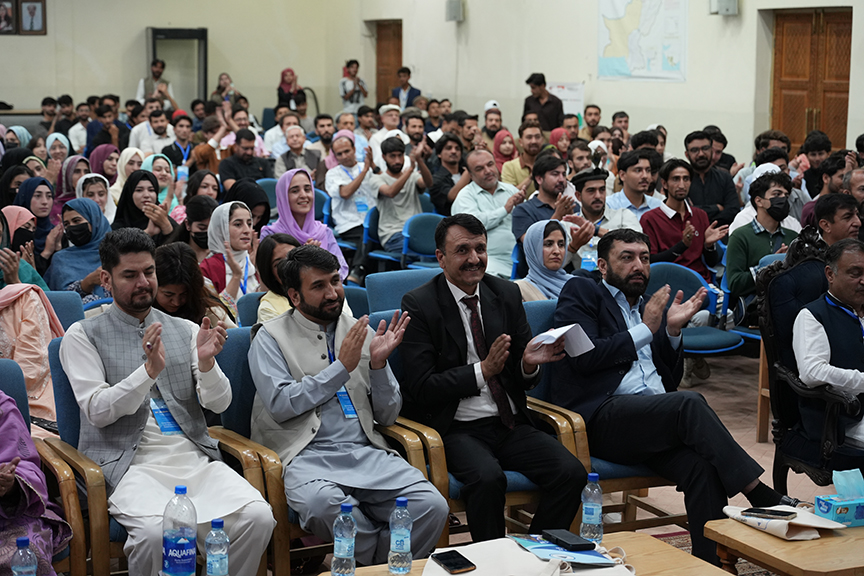
Gilgit, September 8, 2026 — In a major step toward strengthening climate resilience in high-mountain and severely climate impacted ecosystems, Karakoram International University (KIU), in partnership with Community World Service Asia (CWSA), hosted the International Conference on Nature-Based Solutions, Local Adaptation, and Global Commitments today at the KIU Gilgit Campus.
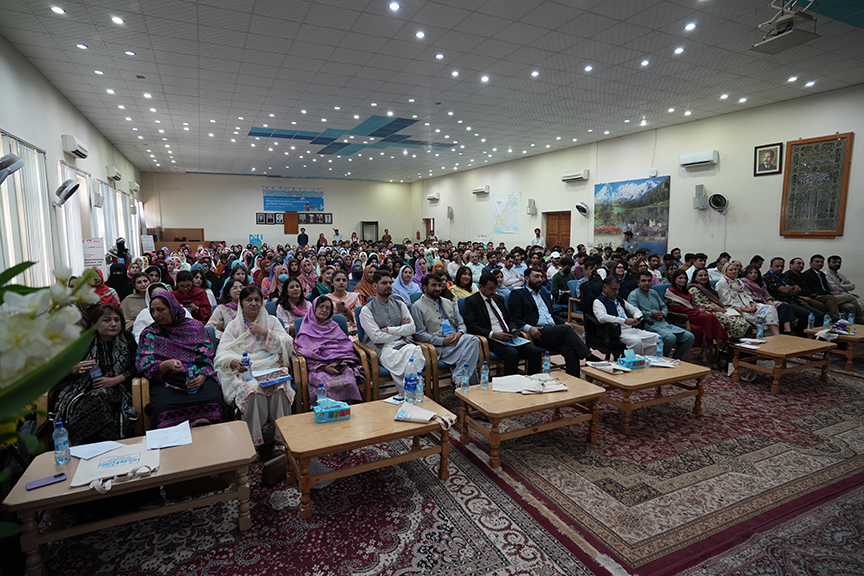
The landmark gathering brought together over 200 youth leaders, climate affected communities, researchers, environmental practitioners, and global humanitarians to advance practical, community-centered responses to the climate crisis in mountain regions.
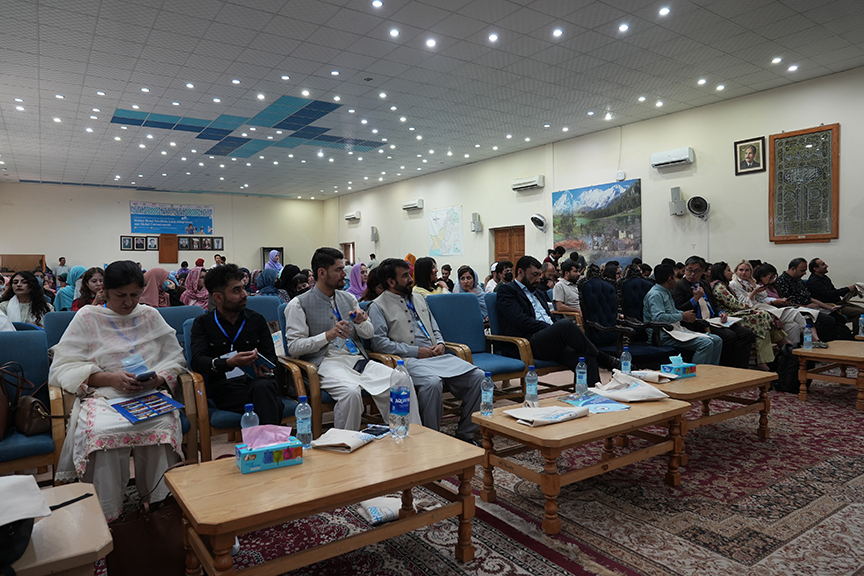
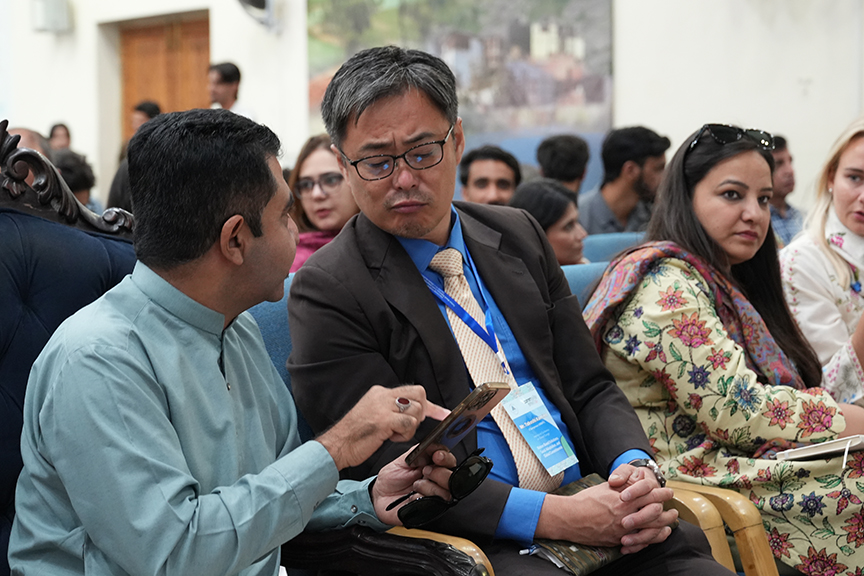
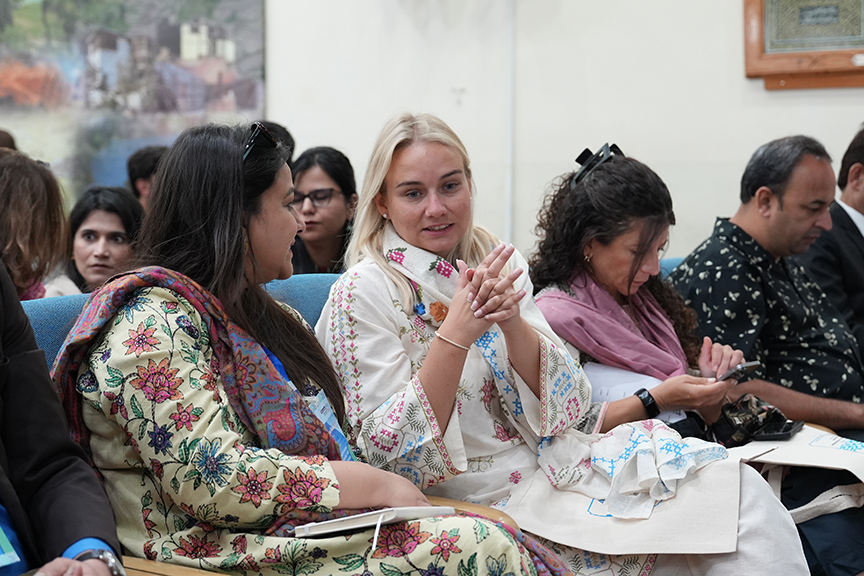
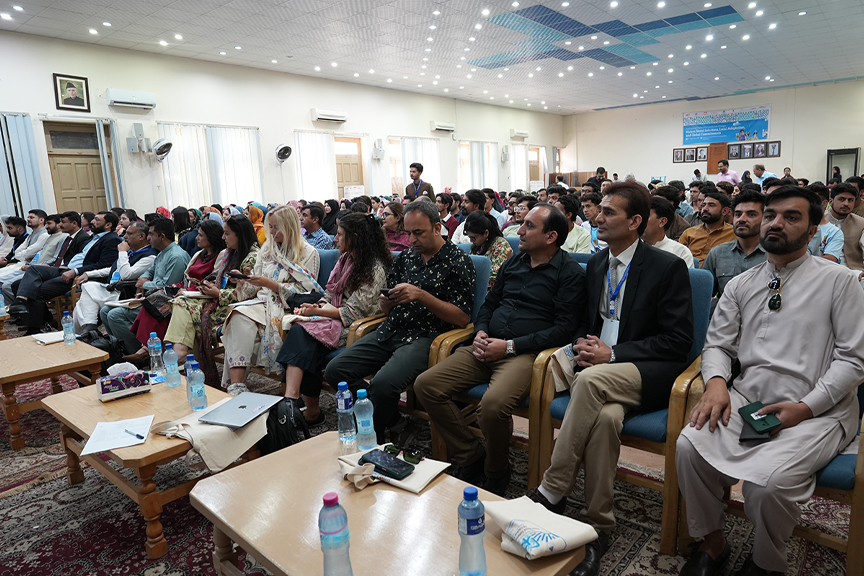
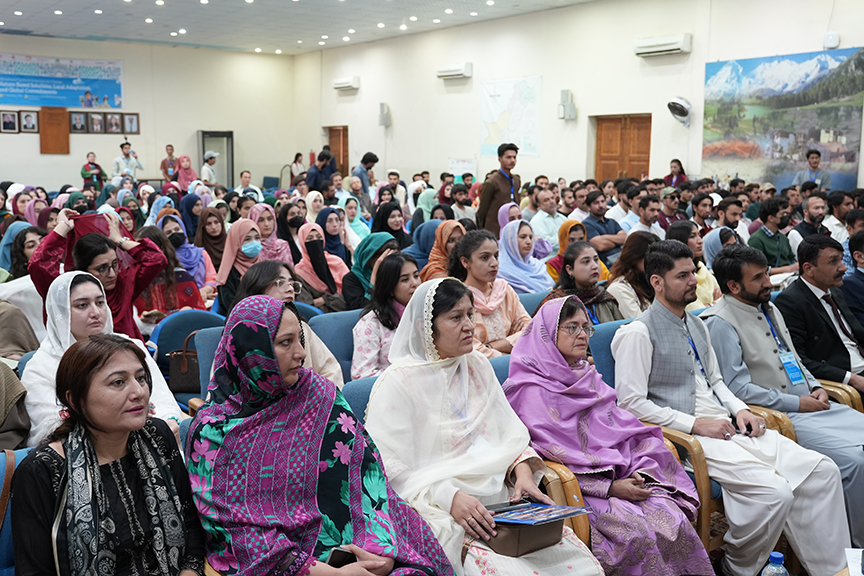
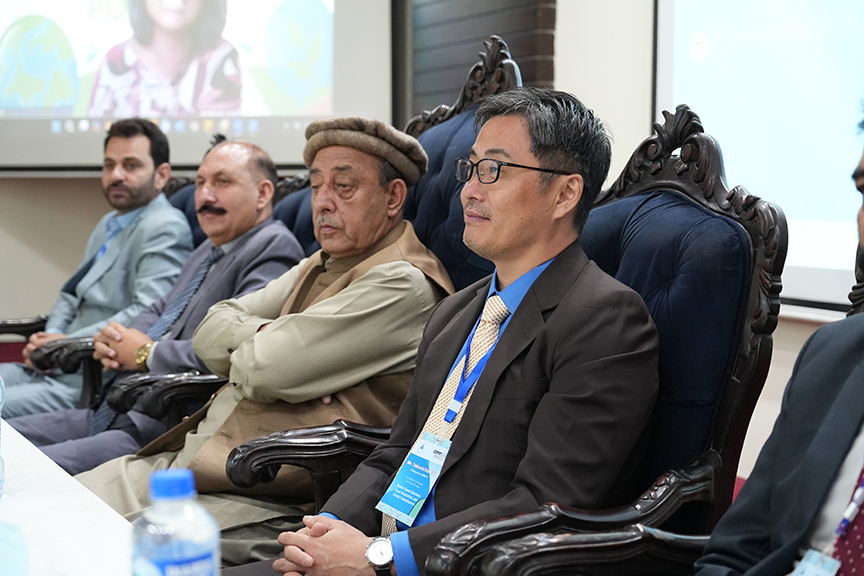
Marking a major milestone for climate science in the region, the conference opened with the inauguration of the Centre for Cryosphere Studies, a specialised research hub at KIU dedicated to studying glacier dynamics, climate impacts, and high-altitude environmental changes in Gilgit-Baltistan.
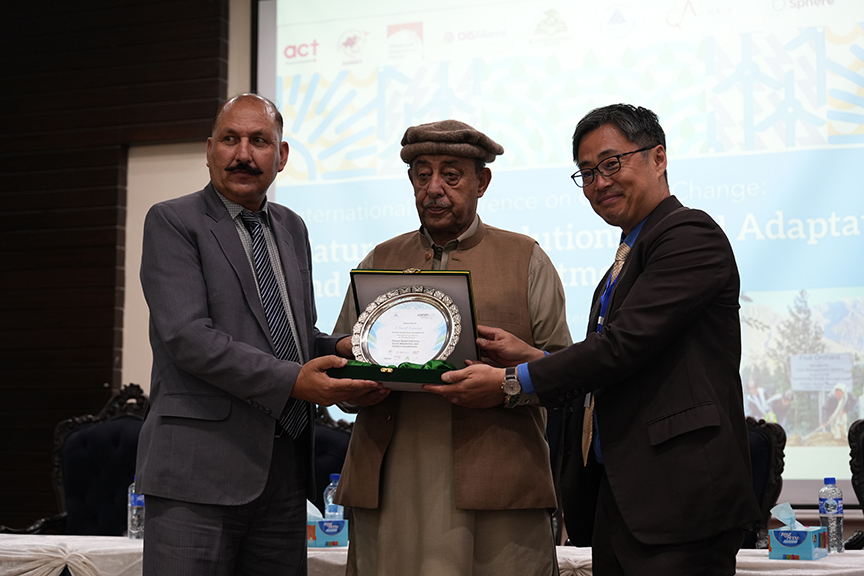
This Centre will focus on disaster and flood modelling, hazard and vulnerability risk assessment, climate-adaptive agriculture and livelihoods glacial mass balancing, and glacial lake outburst flood modelling, using modern tools such as GIS, remote sensing, and AI. The Centre was jointly inaugurated by Takeshi Komino, Chairperson of the Asian Disaster Reduction and Response Network (ADRRN), and Prof. Dr. Abdul Razaq, Vice Chancellor of KIU.
Delivering the opening remarks on behalf of CWSA, Danish Batool emphasised the essential role of intergenerational partnership and community leadership in climate adaptation. She reminded the audience saying, “This conference is a powerful reflection of how education, partnerships, and collective action can drive us towards a more resilient and sustainable future.”
Connecting Global Commitments to Mountain Realities
During the technical session, “Climate Resilience and Sustainability in Global Practices,” international humanitarian leaders explored how local environmental stewardship reinforces global climate commitments.
William Anderson, Executive Director of Sphere, emphasised the vital role of humanitarian standards and nature-based solutions.He said, “We shouldn’t be paralysed by the scale of the challenge. Change doesn’t have to start with something huge. Each of us can take small steps. And those small steps, taken together, can put us on a very different path towards positive change for the world around us.”
Nishanie Jayamaha from the Climate & Environment Charter Secretariat highlighted the operationalisation of global pledges and the need for organisations to adapt. She stated, “We need to rethink our programmes and ask ourselves: are we supporting communities to adapt, or are we unintentionally causing more harm?” Nishanie further added, “Nature-based solutions are part of adaptation. Before we build, we need to think about how we can work with the ecosystem.”
While, Takeshi Komino, Chairperson of ADRRN, addressed the intersection of disaster risk reduction and climate adaptation. “We need to put communities at the centre of our decisions. We may talk about mapping, technology and technical expertise, but we always need to think about the community first. Communities are ultimately the ones who sustain resilience.”
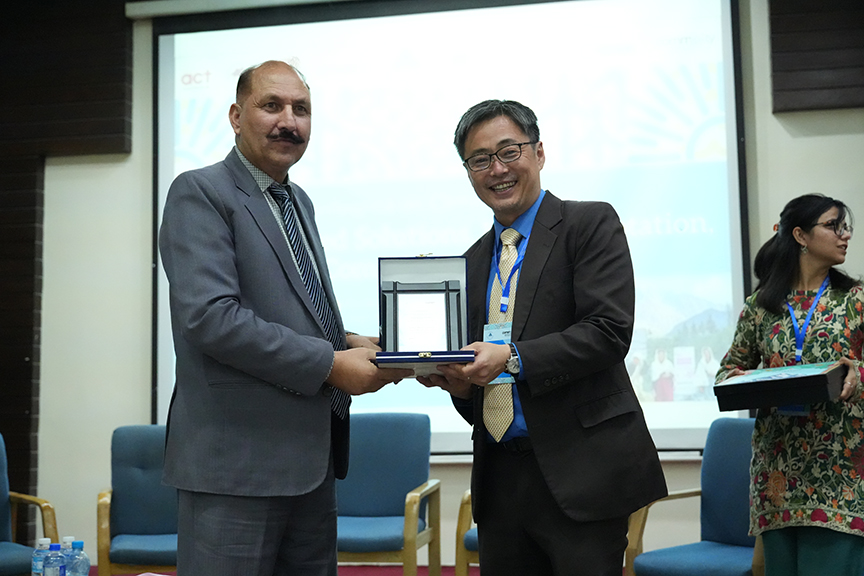
Local Leadership, Storytelling, and Youth Innovation
A multi-sectoral panel titled “Local Climate Adaptation in Gilgit-Baltistan: Opportunities and Solutions” featured prominent regional voices, including Shehzad Hasan Shigri (Director, Gilgit-Baltistan Environmental Protection Agency), Haider Raza (Director North/Nature-based Solutions, WWF-Pakistan), and Murtaza Ansari (renowned filmmaker and digital storyteller). Together, they examined resilient infrastructure, local ecosystem conservation, and the power of digital narrative in mobilizing community action.
Complementing this, Zarmast Khan Sherazi (Environmental Specialist, P&D Department, GB), Dr. Shaukat Ali (Associate Professor, KIU), and Mujeeb Sardar (Coordinator REDD+, Forest Department, GB) explored strategies to mainstream indigenous knowledge and local forestry into formal development planning.
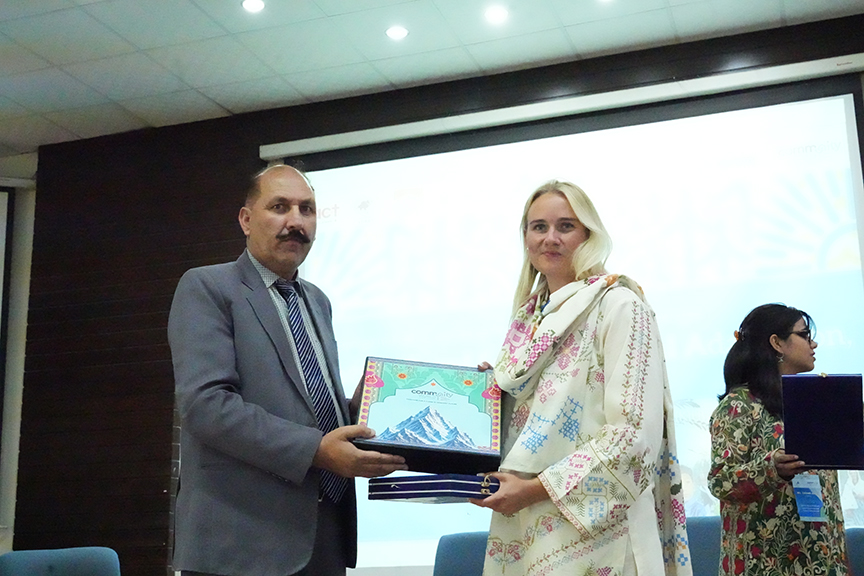
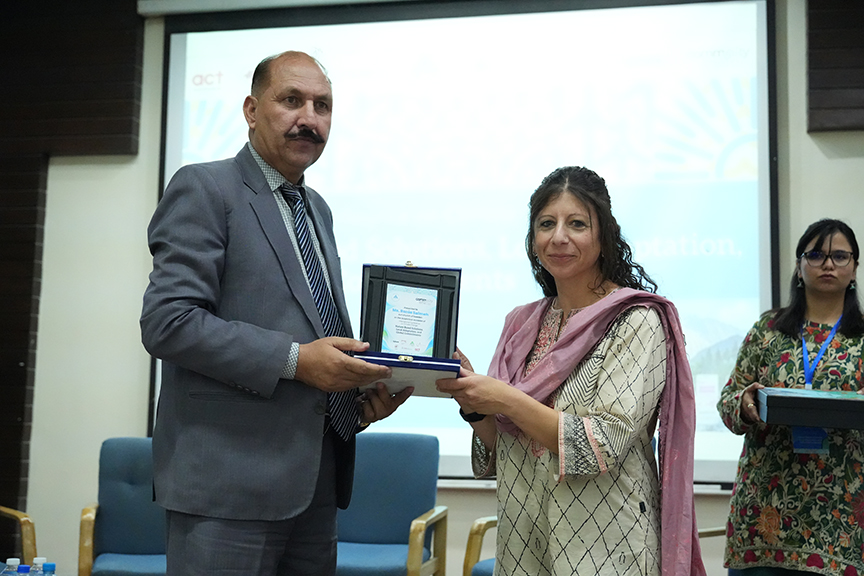
Reflecting the regional government’s active support for locally led adaptation, Muhammad Ali Akhtar, Minister Finance of Gilgit-Baltistan, attended the conference alongside international guests Laura Jensen, Regional Representative Asia from Act CoS and Rania Salameh, Method Advisor on Locally Led Approaches from ACT CoS.
Highlighting the agency of the next generation, the conference featured a vibrant youth exhibition where students presented grassroots research and innovative climate solutions through poster presentations.
Concluding the event, Tooba Siddiqi, Associate Regional Director at CWSA, stated that “every framework, every policy, and every research paper only matters if it reaches the communities we work with and benefits them. That is the measure I would ask you to carry out of this room.”