Living Our Principles: Turning Accountability into Everyday Practice
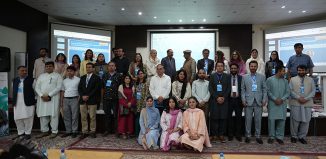
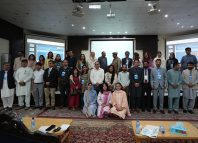
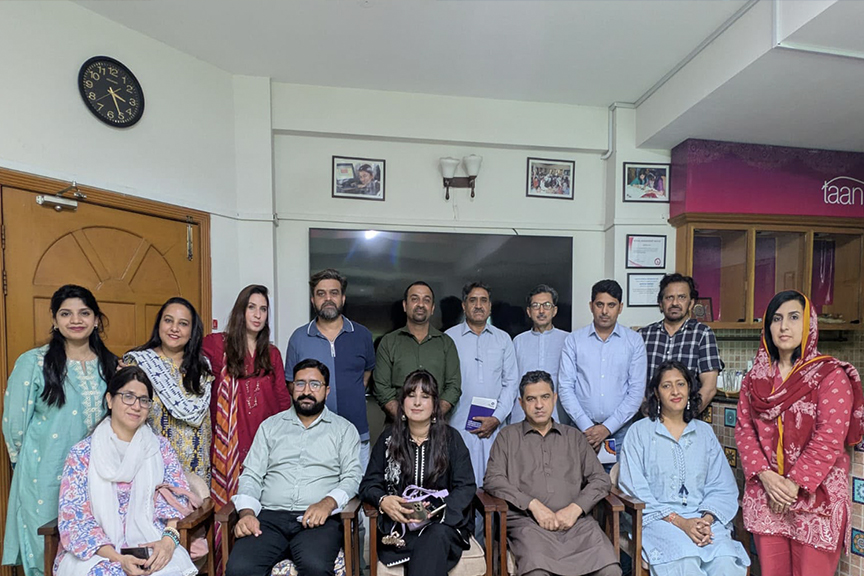
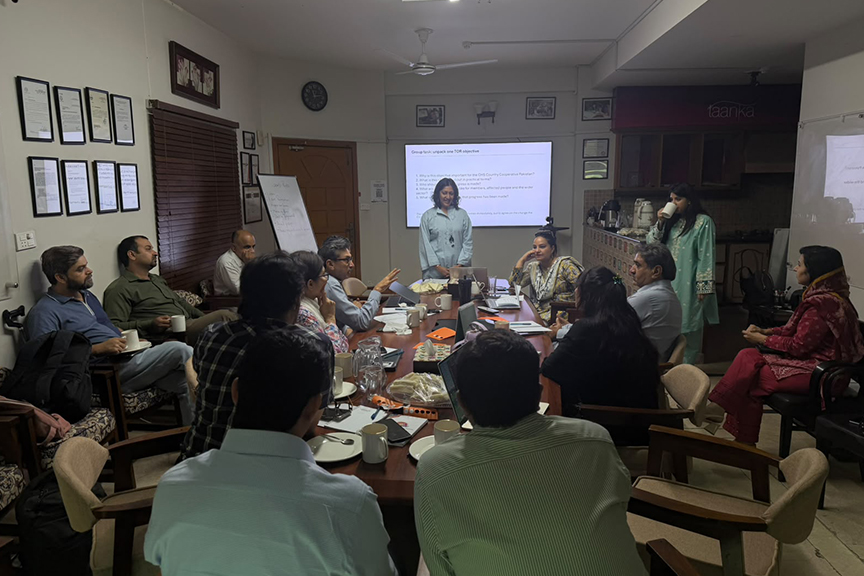
Over two weeks in Murree and Islamabad, ninety-five humanitarian practitioners from forty-two organisations gathered for a single purpose: to transform organisational accountability from an abstract concept into a lived practice.
Today’s humanitarian landscape presents steep challenges; shrinking budgets, growing needs, and aid workers stretched to their limits. But true accountability to communities cannot exist without accountability to the staff supporting them. When teams are well-managed, emotionally supported, and empowered within an ethical organisational culture, community trust naturally follows. Guided by CHS Commitment 8, these workshops focused on building the internal foundations that allow humanitarian workers and by extension, humanitarian and development programs to thrive.
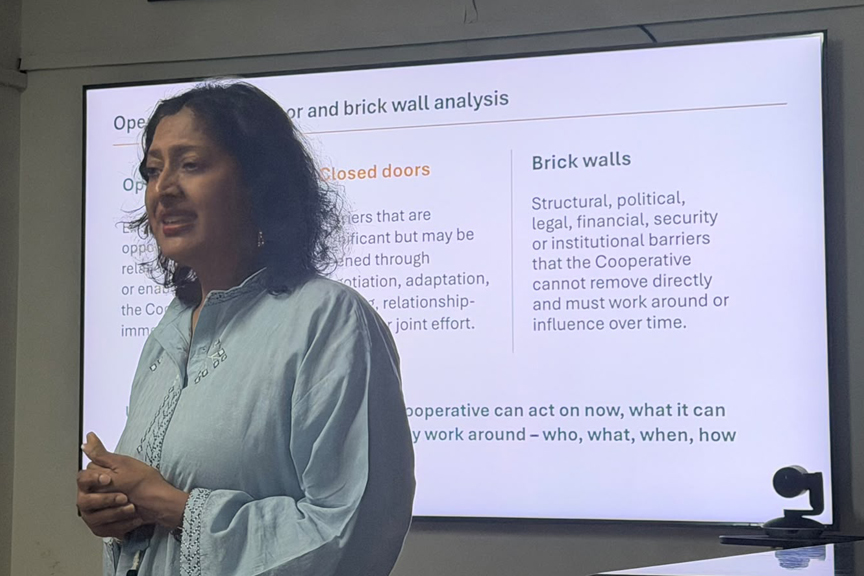
Organised by Community World Service Asia (CWSA) and facilitated by organisational development expert Uma Narayanan, the five-workshop series pushed past standard compliance discussions, opening up honest conversations on leadership, workplace well-being, and practical culture change.
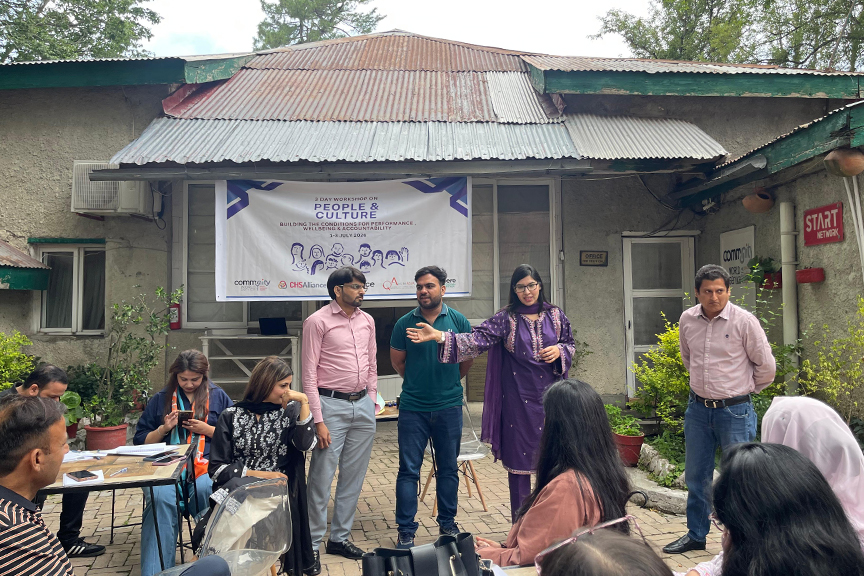
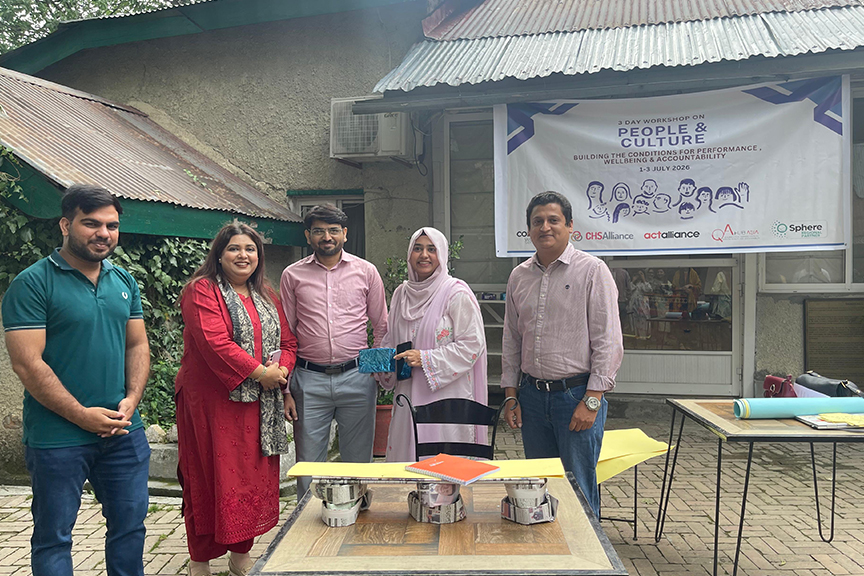
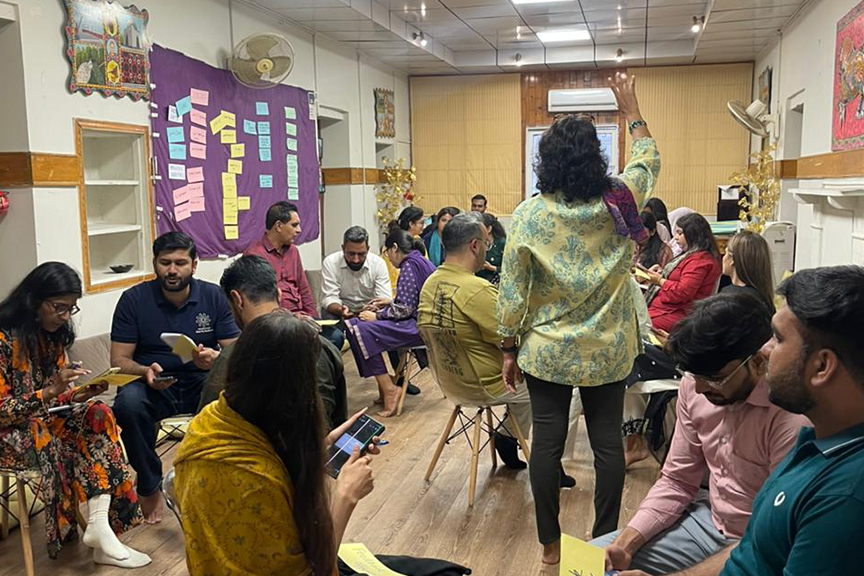
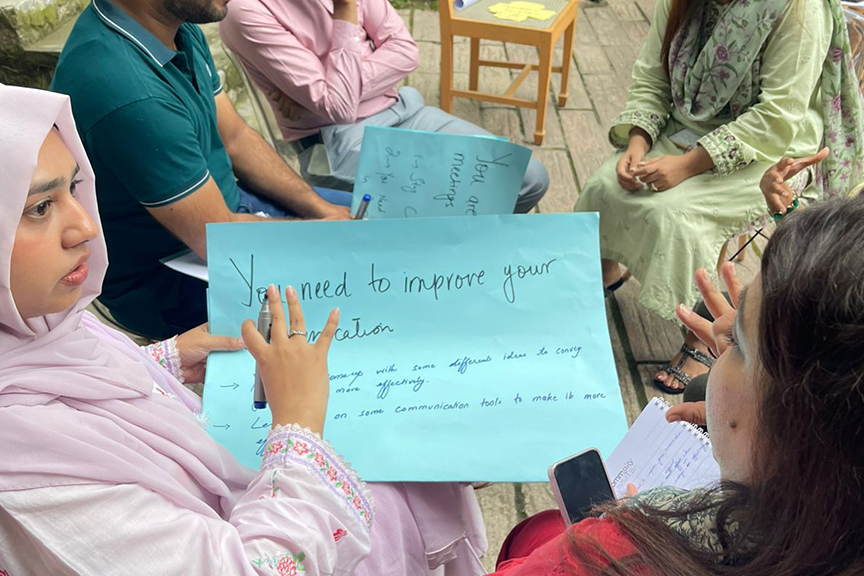
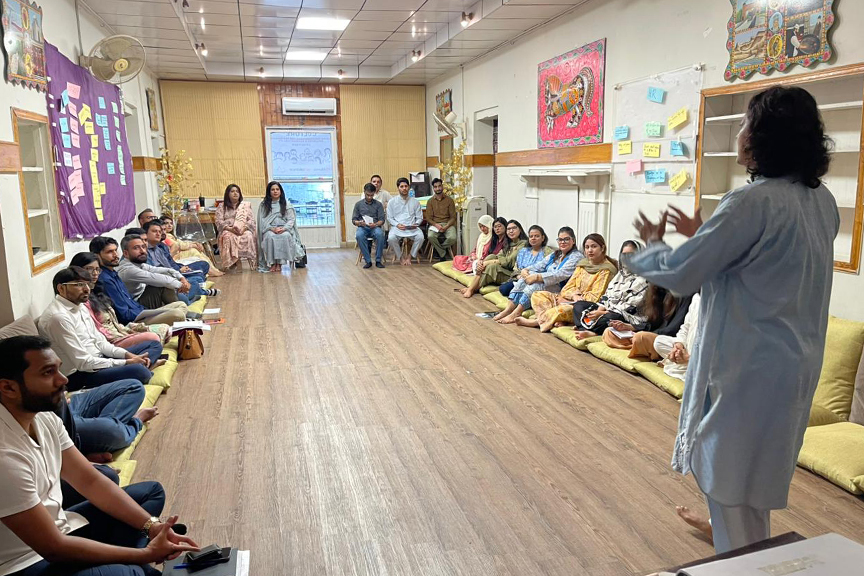
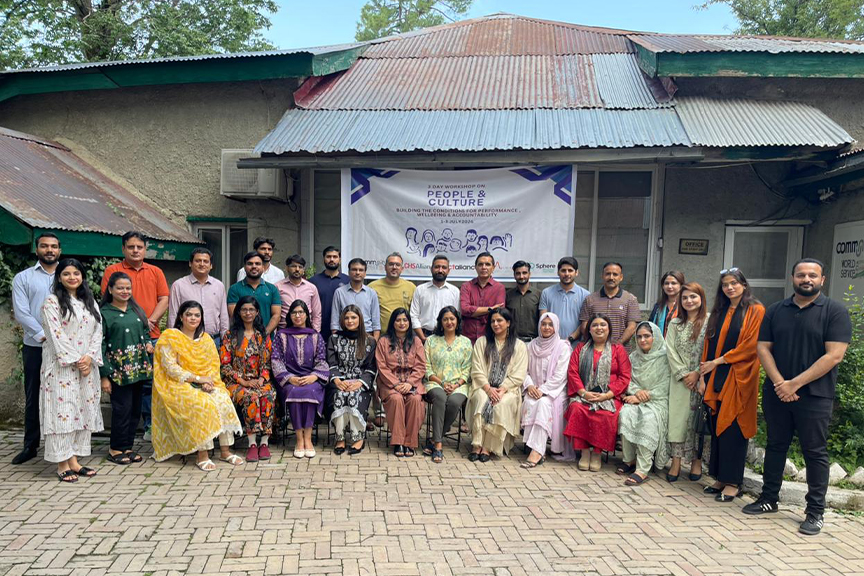
Building the People Culture (Murree, 1–3 July)
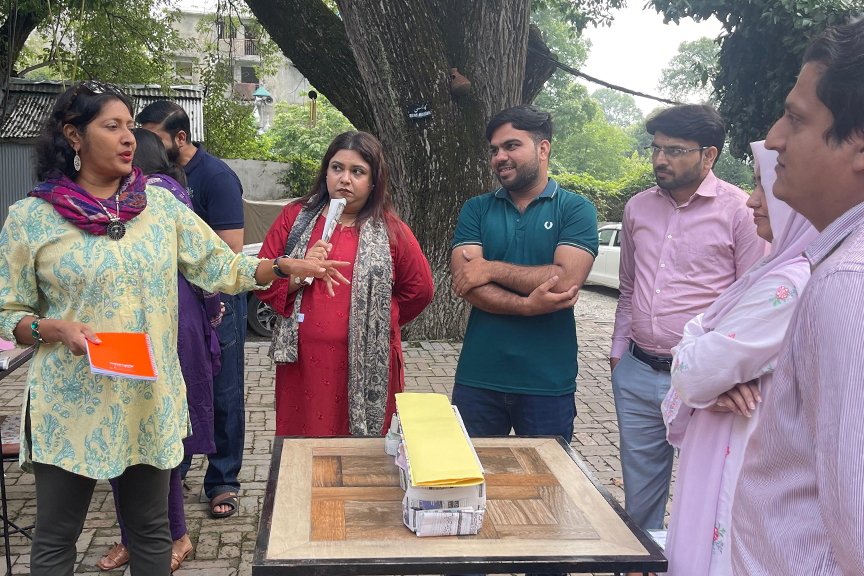
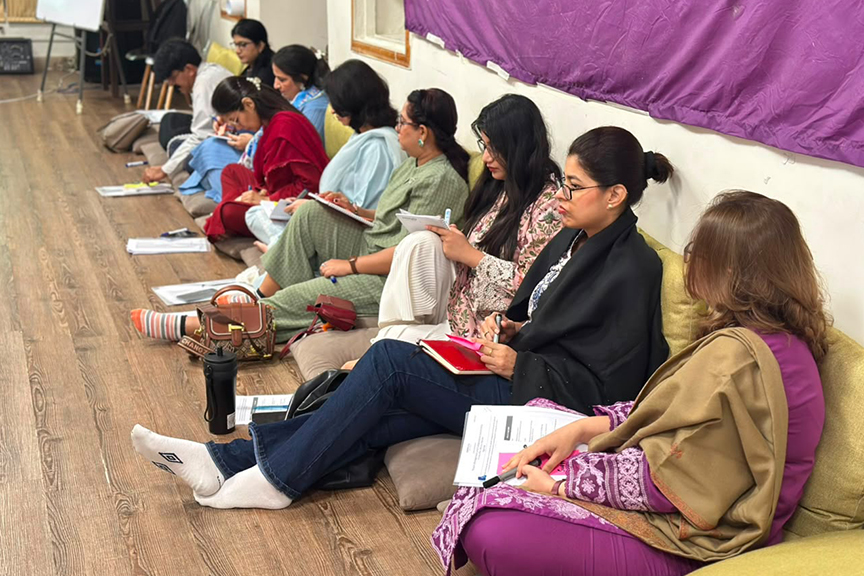
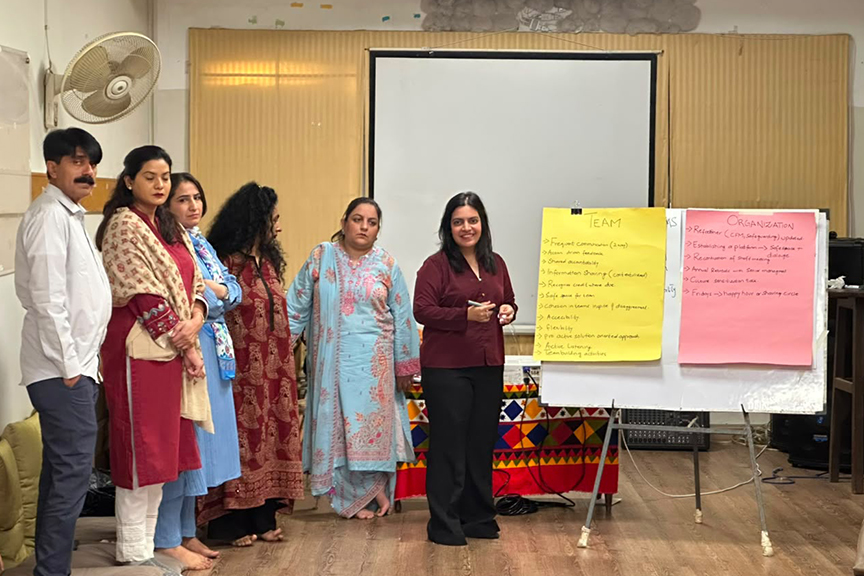
People and Culture opened the series with a simple but powerful premise: culture doesn’t happen by accident, it’s built through trust, communication, and shared accountability. Across three days, 28 participants (HR managers, programme leads, and safeguarding focal points) worked through translating policy into everyday practice, to building a feedback culture that improves rather than punishes.
Much of the discussion centred on how everyday systems: feedback mechanisms, appraisals, learning and development that quietly and powerfully shape organisational culture. And a shared worry surfaced early: workload, driven by shrinking funding. The room kept coming back to one question: how does a genuinely accountable culture help teams carry that weight? Team exercises throughout the workshop made the case in practice, not just theory.
“The workshop reinforced that a positive organisational culture doesn’t happen by chance, it is intentionally built through trust, respect, open communication, and shared accountability. When leaders create a safe and supportive environment, people naturally take greater ownership of their work.” – Sadia Usman, Head HR, Shakarganj Food Products Limited.
Three things that stuck:
- An open feedback culture is harder to build than it sounds, but it’s the backbone of everything else.
- Culture is shaped by systems, beliefs, and values, and when an individual’s values clash with the organisation’s, that tension is hard to sustain. Effective teams are built when values are understood, not assumed.
- A culture of learning and development is easy to overlook, but it’s what keeps everything else alive.
One voice from the room summed it up best: accountability is a shared responsibility that has to run across the whole organisation.
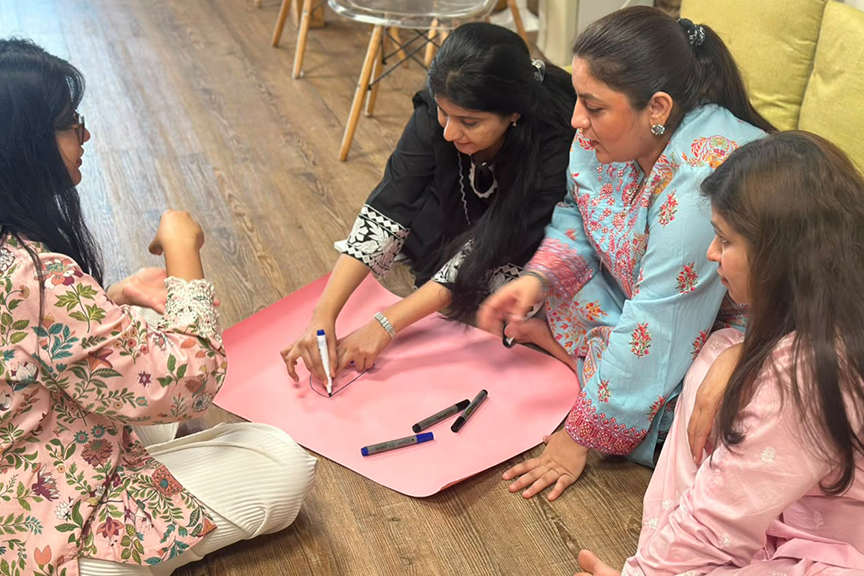
Turning the Lens Inward: A Staff Capacity-Building Session (Murree, 4–5 July)
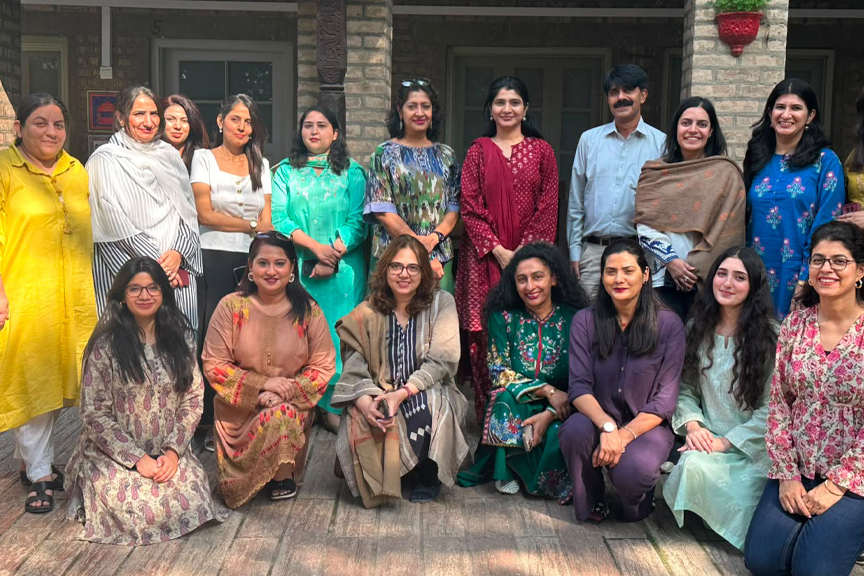
People Management and Collaborative Leadership brought humanitarian managers together for two intensive days of honest reflection on what it actually takes to lead a team, right now, under pressure. The question behind every session: what kind of manager do I want to become?
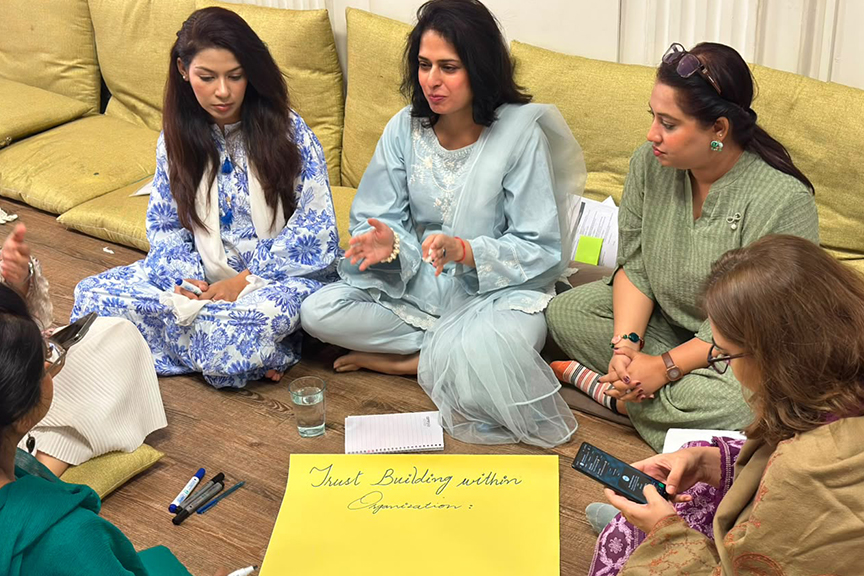
For teams from the same organisation, it was valuable time and a space not crowded by worries about funding cuts and workload, where colleagues could sit together and simply reflect. The conversation went straight to the hard part: your team is overworked, how are you managing priorities? How do you build culture within your own team, and carry it back to the wider organisation, and vice versa?
One theme ran through it all: trust. Trust reaps ownership. Trust reaps results that go beyond numbers. And trust is what binds a team together when things get harsh.
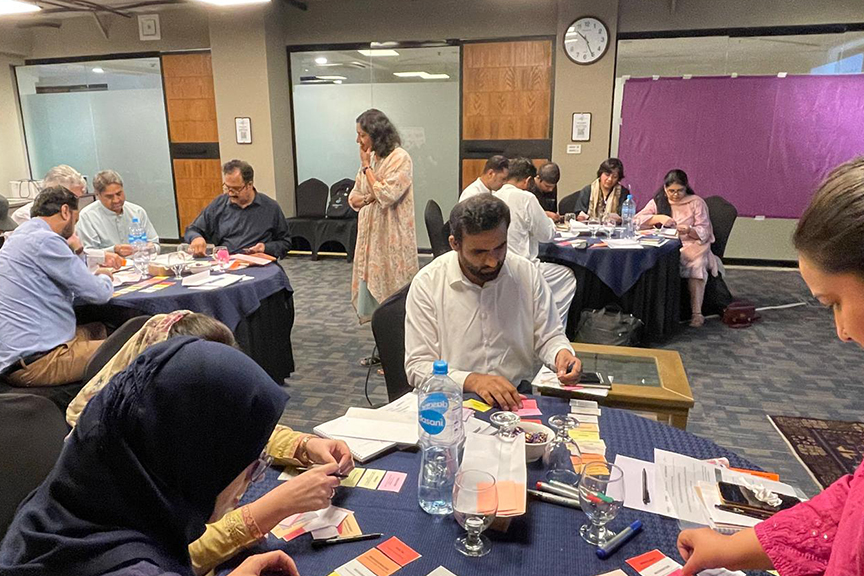
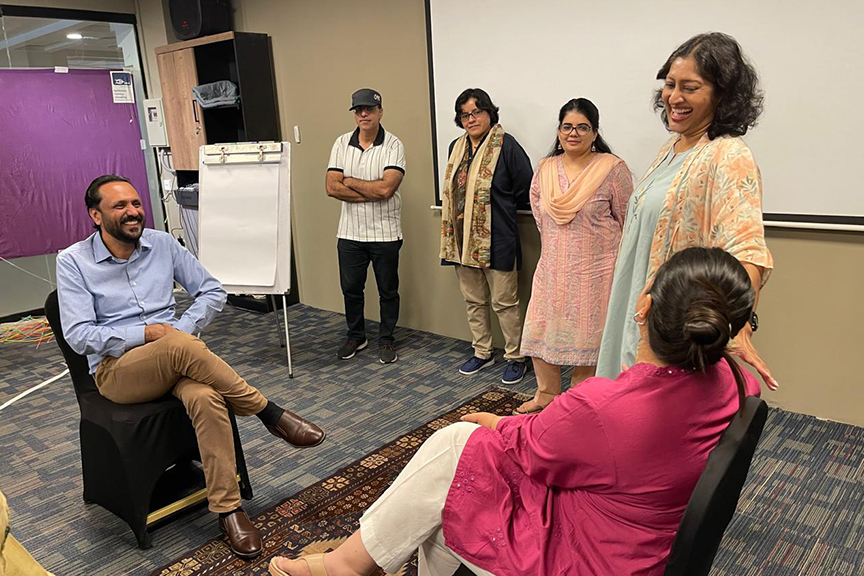
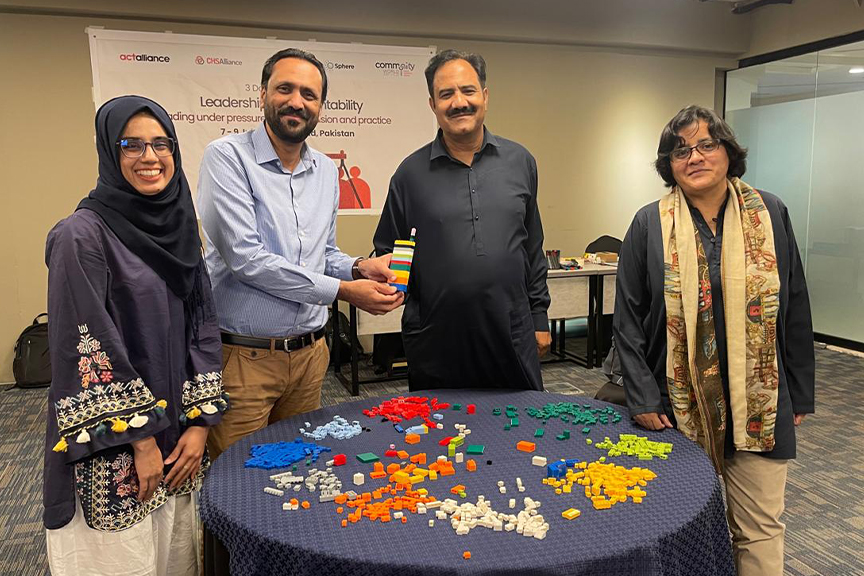
Leading Under Pressure (Islamabad, 7–9 July)
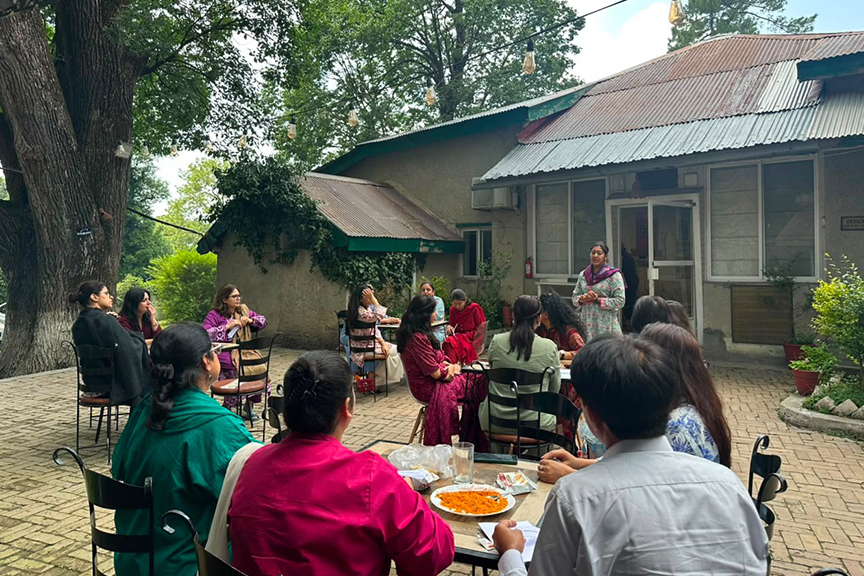
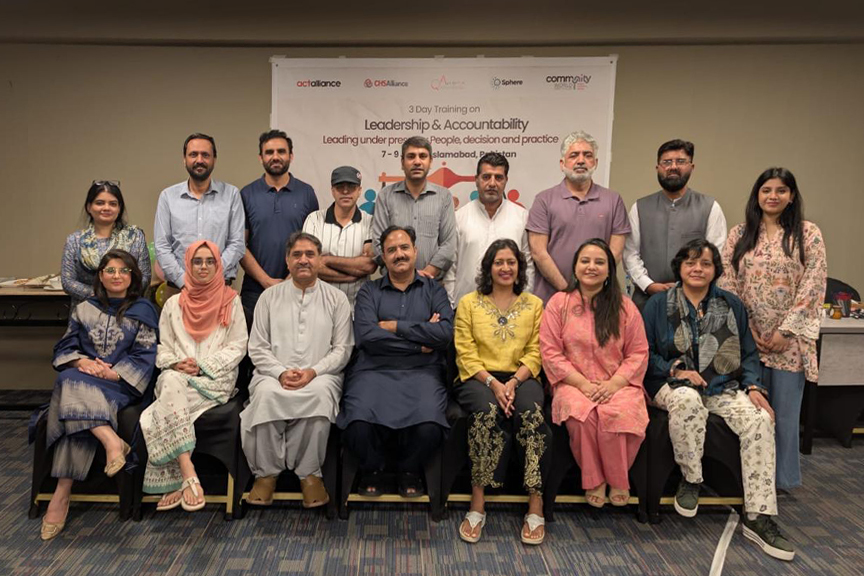
The workshop series concluded with its most diverse gathering: a three-day training bringing together leaders from across Pakistan’s humanitarian sector. Titled Leading Under Pressure, the space was dedicated to exploring how leaders make ethical decisions, manage teams, and stay grounded when operating under constant strain.
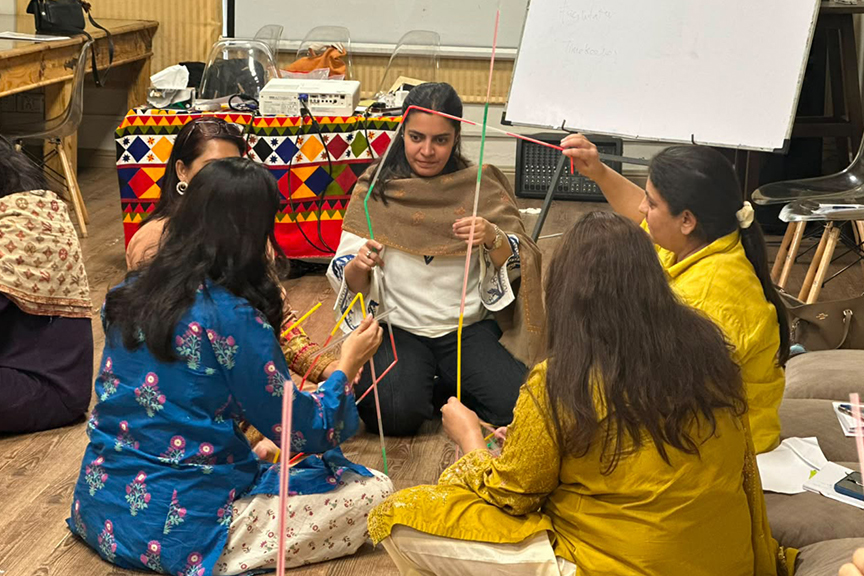
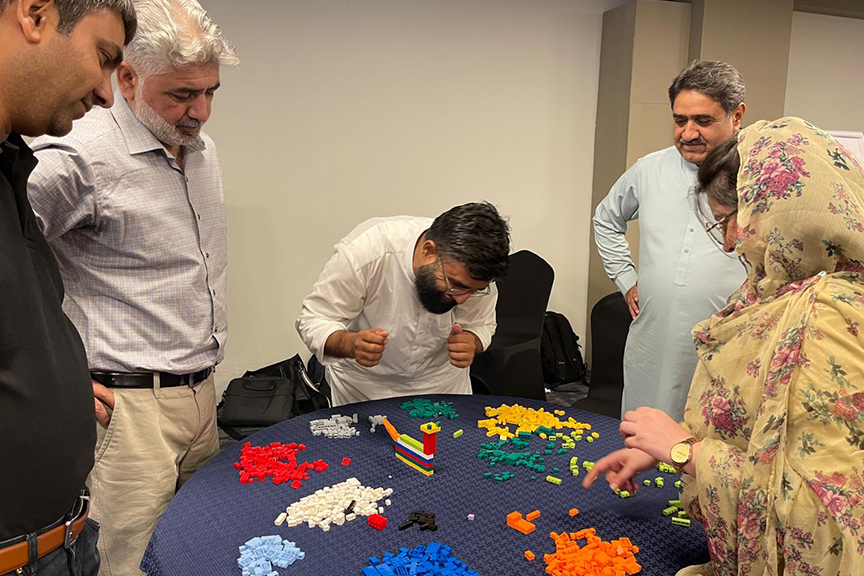
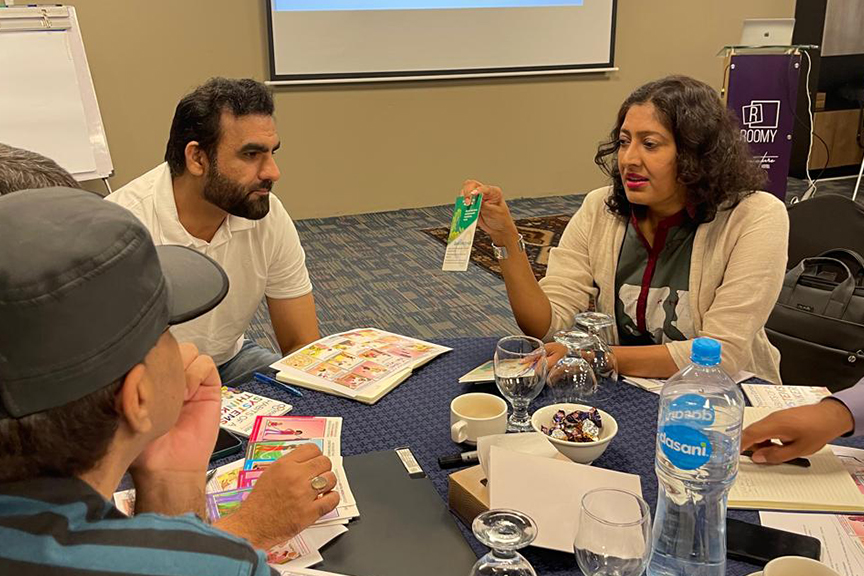
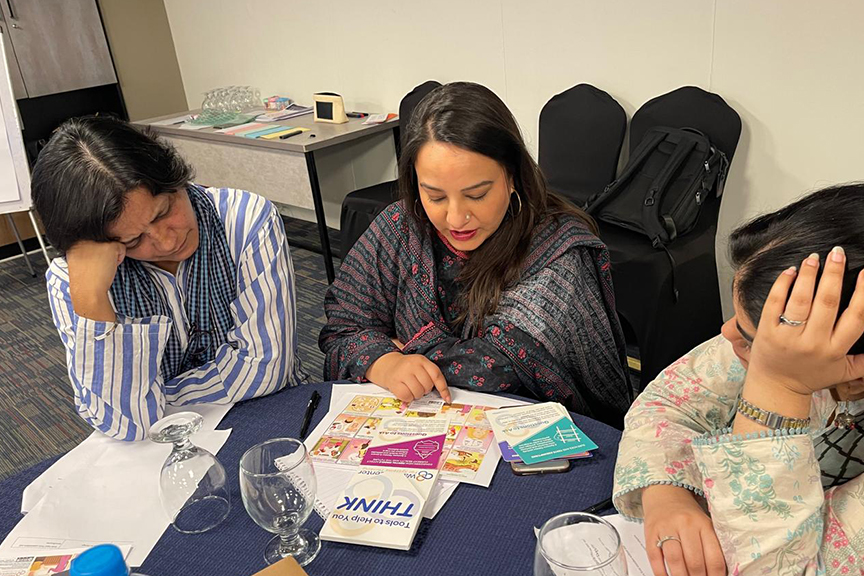
Rather than relying on traditional lectures, the session embraced hands-on, interactive learning. Using experiential building exercises, participants worked through simple, complex, and chaotic decision-making scenarios, mirroring the real-world ambiguity aid leaders navigate daily. Playful exercises carried a serious message: solid organisational foundations and clear values are essential when leading through a crisis. Together, participants wrestled with systems thinking, negotiation, and ethical leadership, constantly pushing one another to move beyond immediate task management and lead with clear, long-term vision.
Yet, the true value of the three days lay in the rare, reflective space it offered. The room repeatedly returned to honest, essential questions: Do we sit with our teams to understand their daily realities? Are we creating environments where staff feel safe to speak up about hidden challenges? Do we pause long enough on major decisions to see the bigger picture?
As the workshop drew to a close, leaders agreed on a shared truth: an inspiring organisational vision is meaningless without supported, motivated people carrying it forward.
“The workshop on Leadership & Accountability was a great learning experience. It reinforced that effective leadership is rooted in accountability, to our teams, partners, and the communities we work with. The sessions helped me reflect on leading with integrity and clarity, even in complex humanitarian settings.” Farhan Razzaq, Project Coordinator, ToGETHER Program, Welthungerhilfe.
CHS Country Cooperative: From Shared Standards to Shared Action
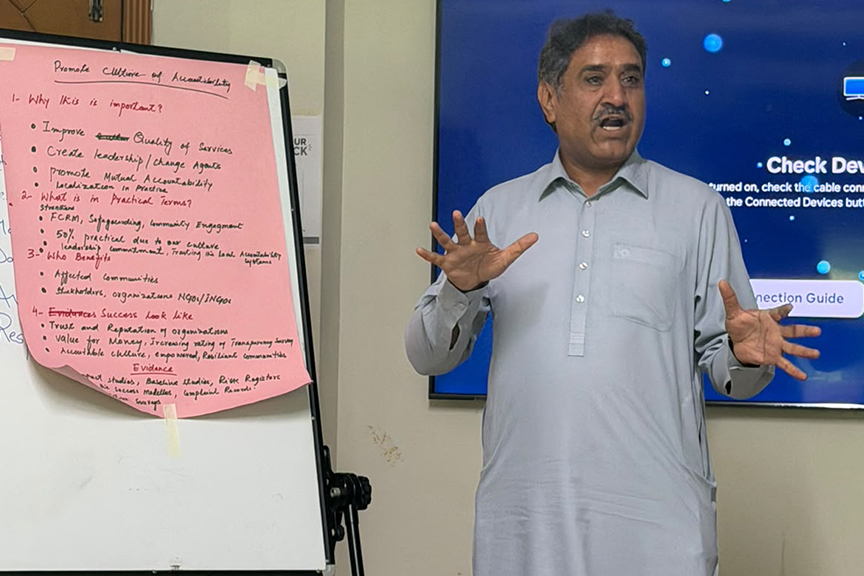
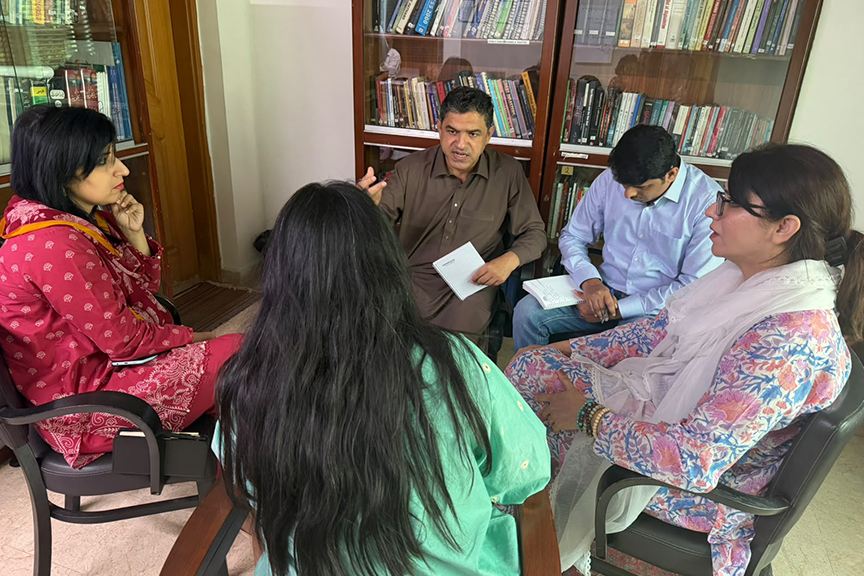
Just a day after the leadership workshop wrapped, the momentum carried straight into the CHS Country Cooperative Pakistan’s first-ever face-to-face planning meeting. Fourteen member organisations sat down together, not as competitors chasing the same funding, but as a cooperative asking a harder question: what can we only achieve together?
The conversation did not shy away from uncomfortable truths. Pakistan hosts nearly 40 CHS Alliance member organisations, yet fewer than five have completed a CHS self-assessment, and the collective impact of that membership on accountability practice in the country is still, honestly, unclear. Rather than gloss over that, the Cooperative named it as its own starting point: a shared gap to close together.
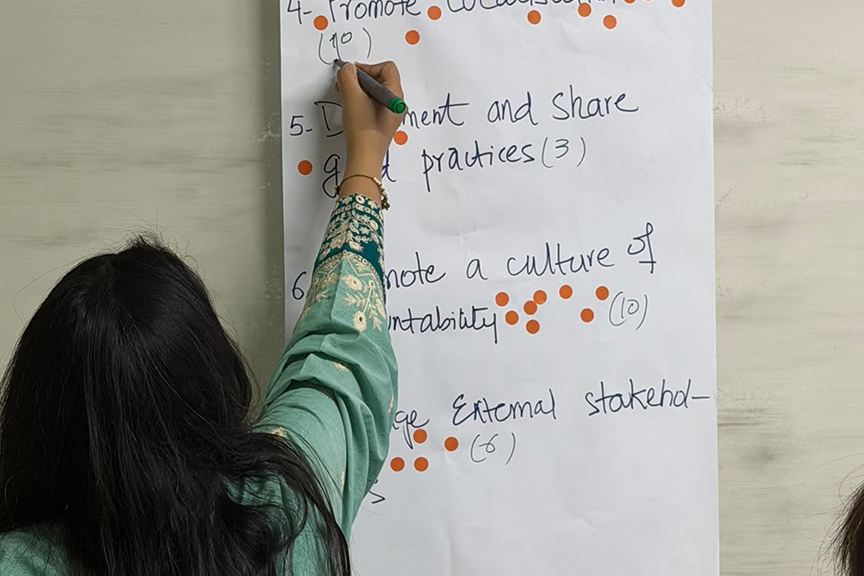
Out of the discussion came three priority focus areas to drive forward over the coming year; a list every voice in the room agreed was doable and effective.
Key Areas:
- Promote a Culture of Accountability, Reflection and Quality Improvement Across the Membership
- Promote Localisation by Supporting National and Local Organisations to Take Leadership Roles in Decision-Making and Programme Delivery
- Strengthen Accountability to Affected Populations by Improving Feedback and Complaint Mechanisms, Safeguarding Practices and Community Engagement Approaches
And one interest dominated the room above all others: how do we actually do a CHS self-assessment? An orientation session on exactly that was delivered shortly after by Community World Service Asia (CWSA).
The distinction that stuck: collective action is what members do together; collective accountability is what they are jointly answerable for.
The Path Ahead
What connected all four workshops was a clear, collective realisation: accountability is not about ticking boxes for donor requirements, but about cultivating a workplace culture of respect, safety, and care. When organisations support their own people, they build the trust and capability needed to serve crisis-affected communities with true dignity.
With the workshops now concluded, the focus shifts from discussion to daily implementation. The real journey begins now, translating every insight gained into the everyday habits that define how we work.