Handing Over of Dispensaries to the Government Health Department
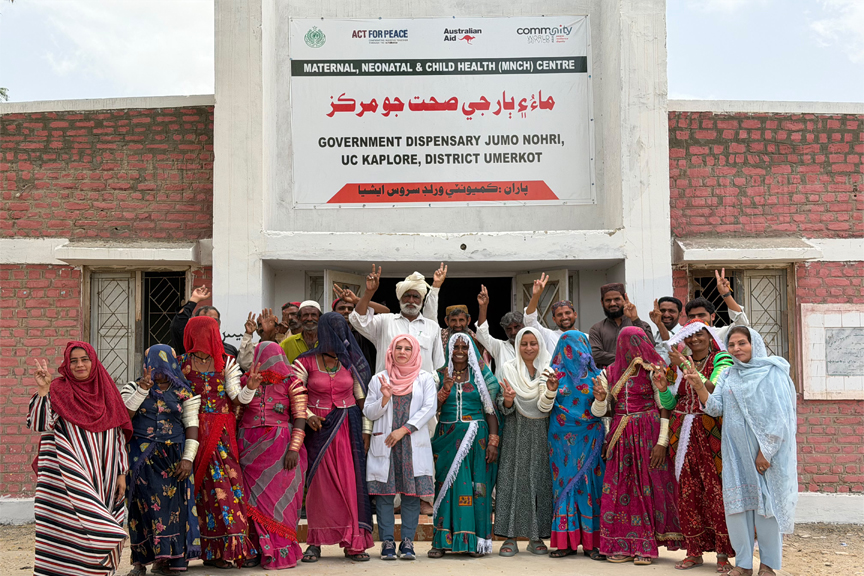
For four years, Community World Service Asia (CWSA), with the support of Act for Peace and the Department of Foreign Affairs and Trade (DFAT) – AusAid, worked alongside the District Health Department, Umerkot, to improve access to healthcare in some of the district’s most remote and migration-prone communities. Between 2022 and 2026, the Improving Health and Education Services in Migration-Prone Union Councils of Umerkot project reached more than 200,000 people, strengthening primary healthcare and maternal, newborn and child health (MNCH) services while laying the foundation for a stronger local health system.
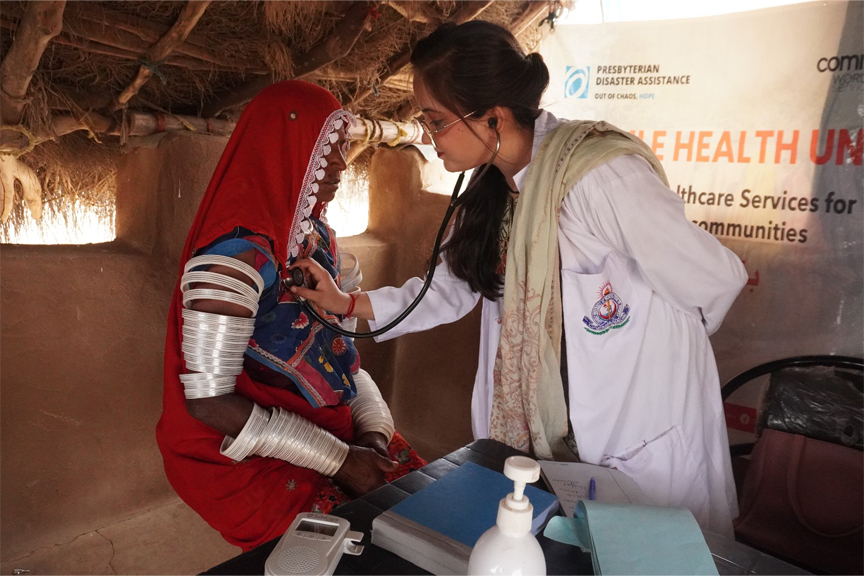
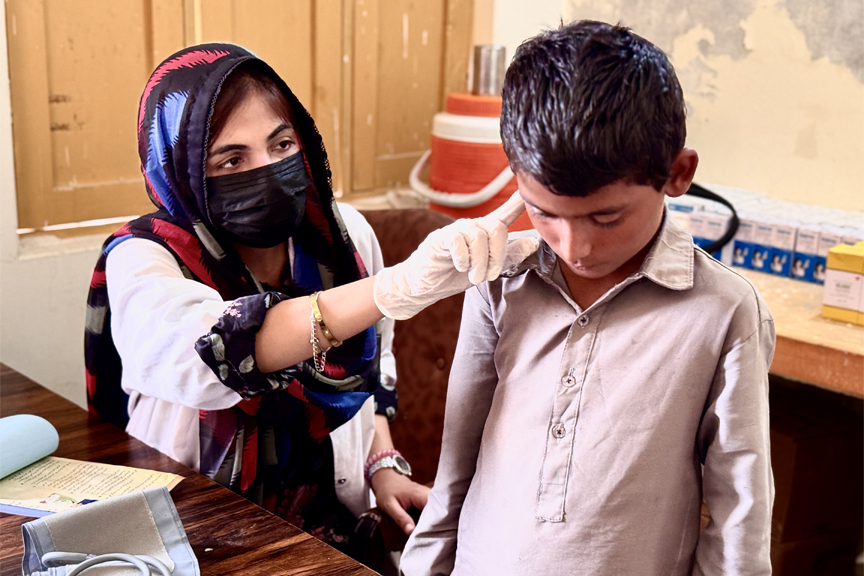
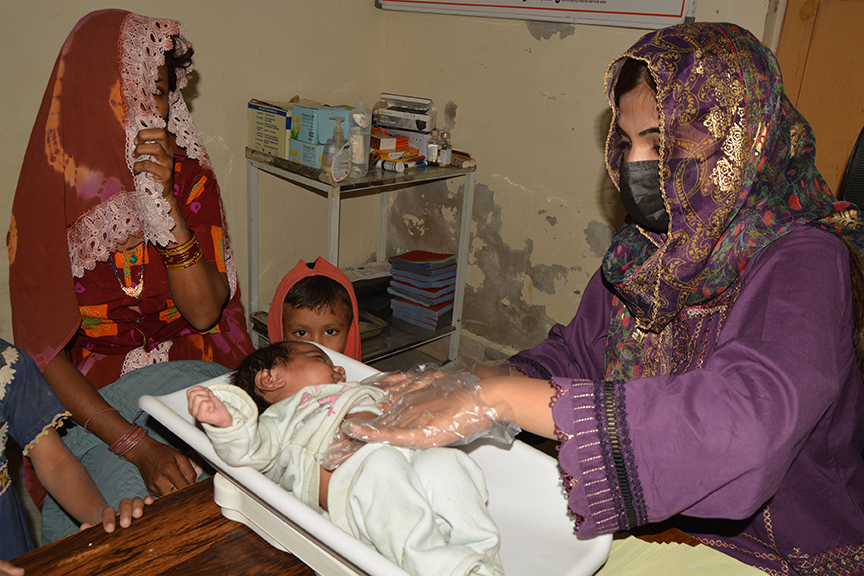
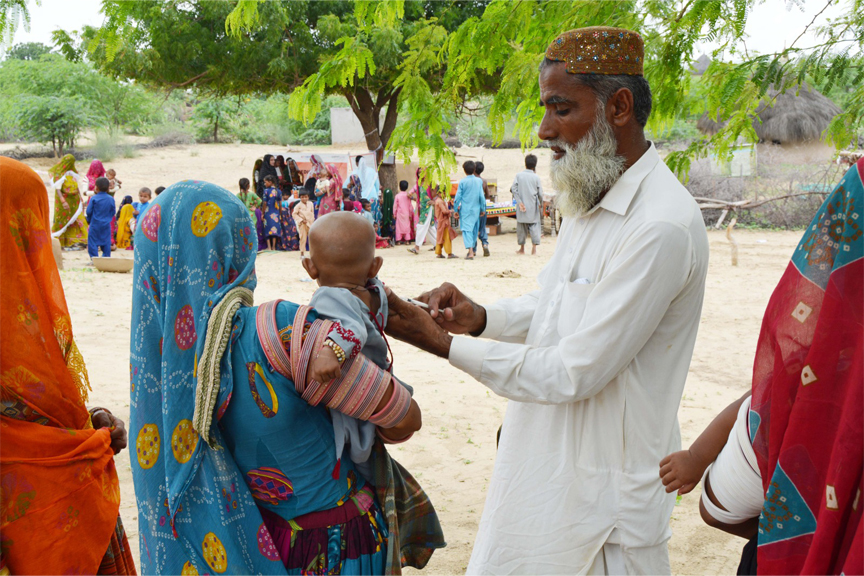
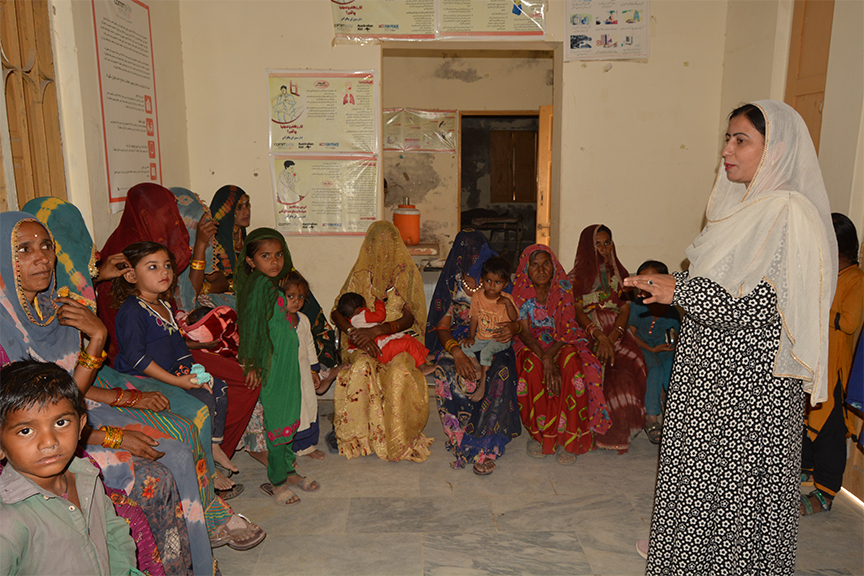
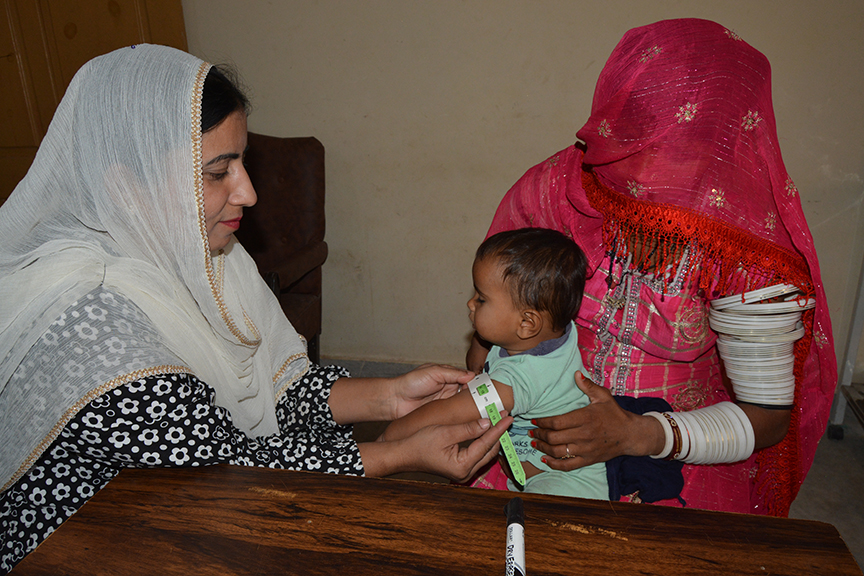
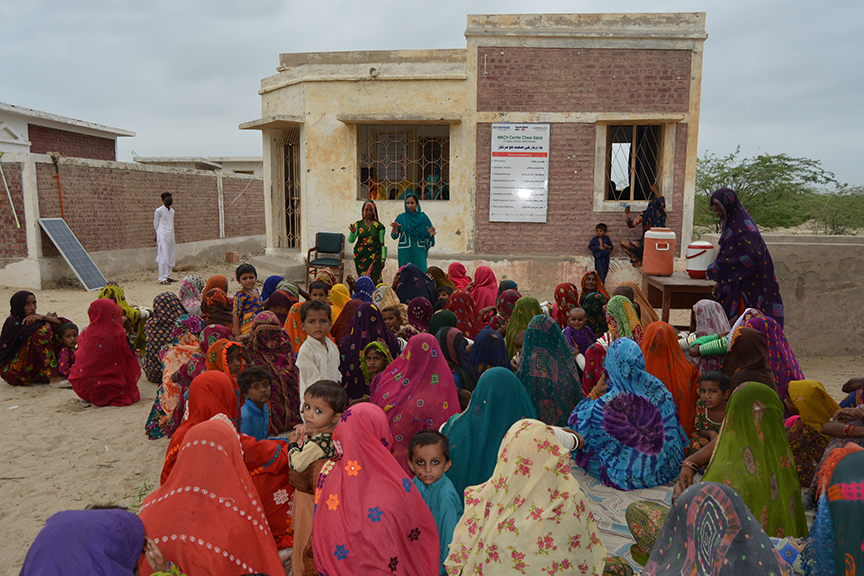
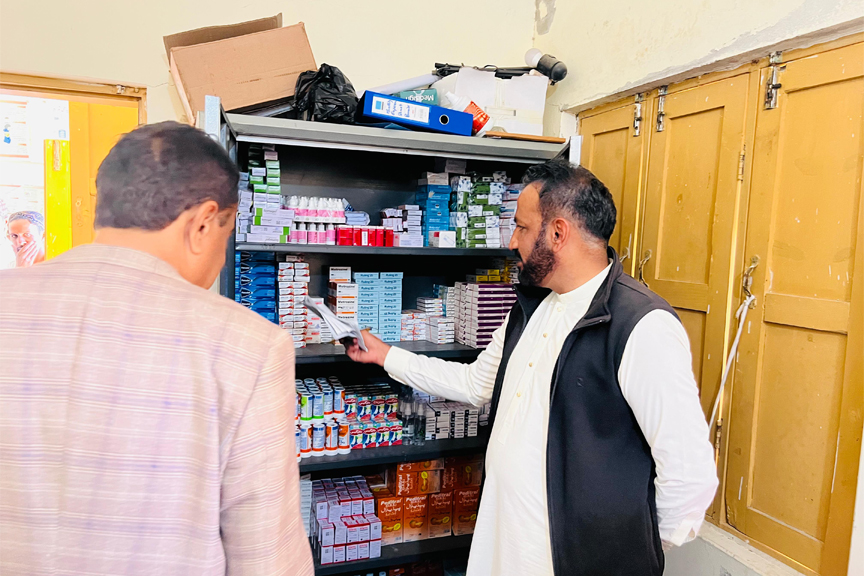
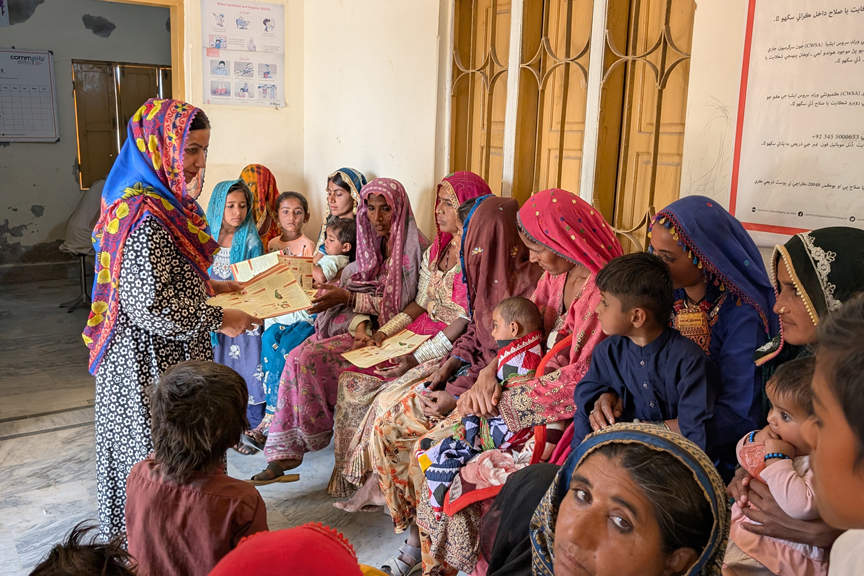
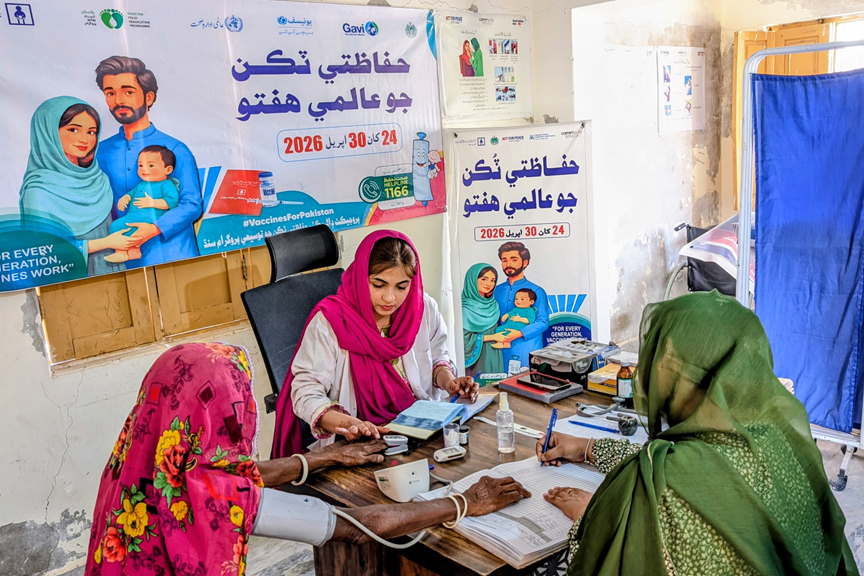
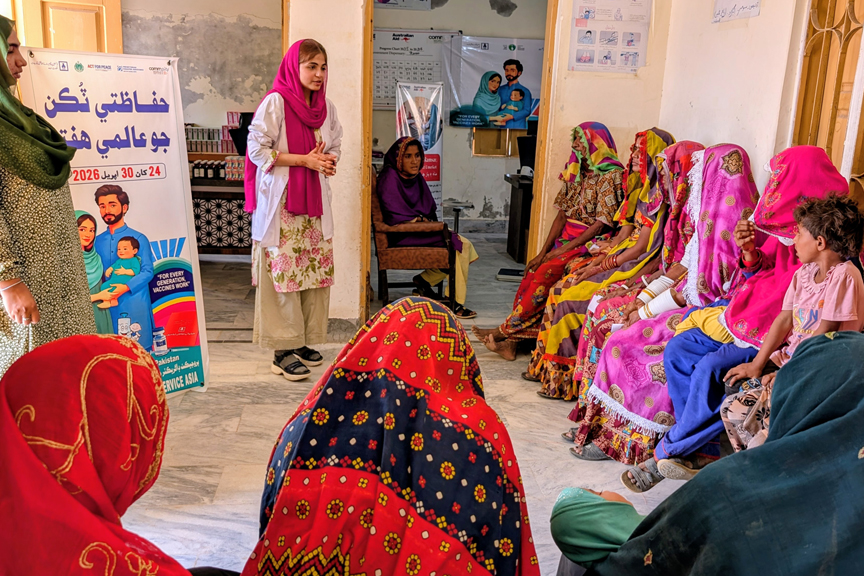
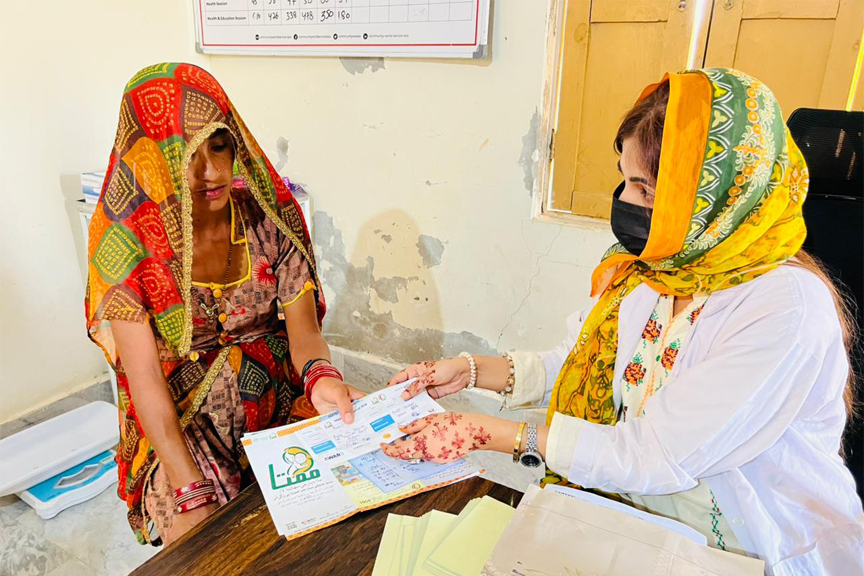
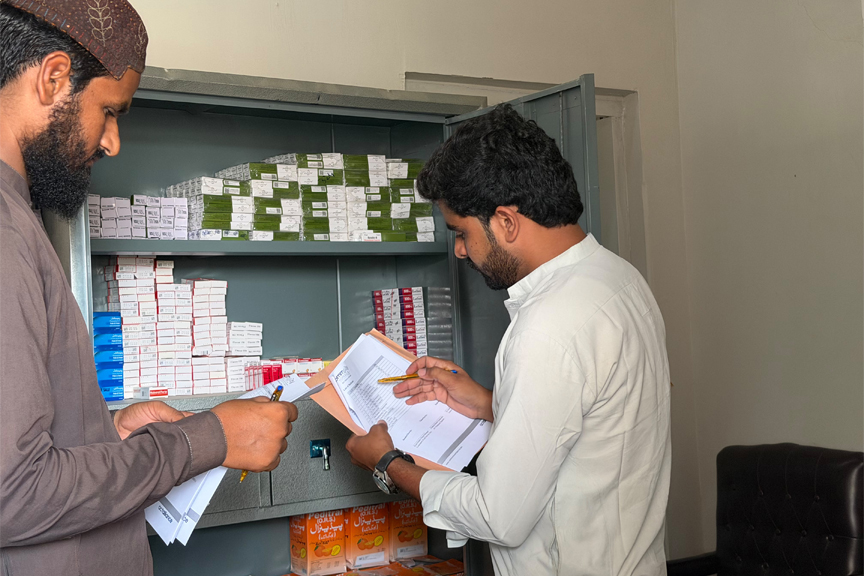
At the centre of this effort were four government dispensaries in the Sekhro and Kaplore Union Councils. Once non-functional, these facilities were renovated, equipped and transformed into fully operational primary healthcare centres, bringing essential services closer to communities that previously had limited access to essential care. The dispensaries provided free outpatient consultations, essential medicines, antenatal and postnatal care, family planning, child deworming, health counselling and nutrition screening. Services were accessible to all community members, including pregnant and lactating women, children, older persons and persons with disabilities.
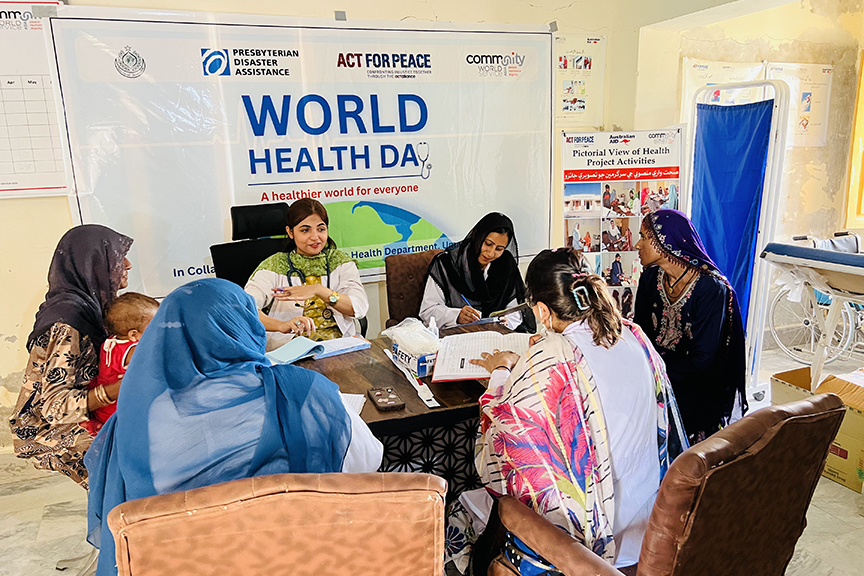
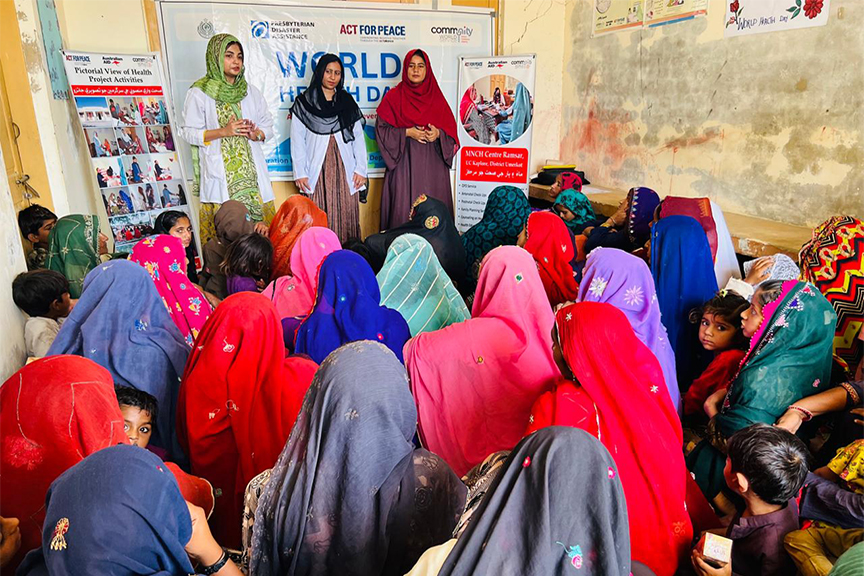
Beyond the health facilities, the project invested in the community. Through health awareness sessions, community mobilisation, Village Management Committees (VMCs) and the observance of national and intentional health days, local communities became active partners in improving health outcomes. Working closely with community members also enabled CWSA to build trust, strengthen local ownership and better understand the healthcare challenges faced by families living in remote desert areas.
With the project now complete, the four dispensaries in Cheelband, Jhamrari, Ramsar and Kaplore have been formally handed over to the District Health Department. The department has committed to sustaining services by deploying government health staff, allocating resources and fully integrating the facilities into the public health system.
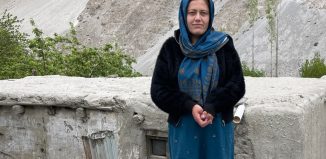
Reflecting on the handover, Dr. Irum Shehzadi, Women Medical Officer with CWSA, said:
“Today we hand over not just a building, but a promise of healthier lives for the people of Kaplore. It has been an honour to serve this community through the challenges of the harsh desert. As a female doctor, it was especially meaningful to provide women with a safe and comfortable space to seek healthcare with dignity. The successful completion of this journey reflects our shared commitment to care and I hope this facility continues to serve the community for many years to come.”
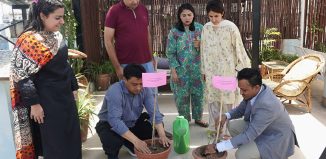
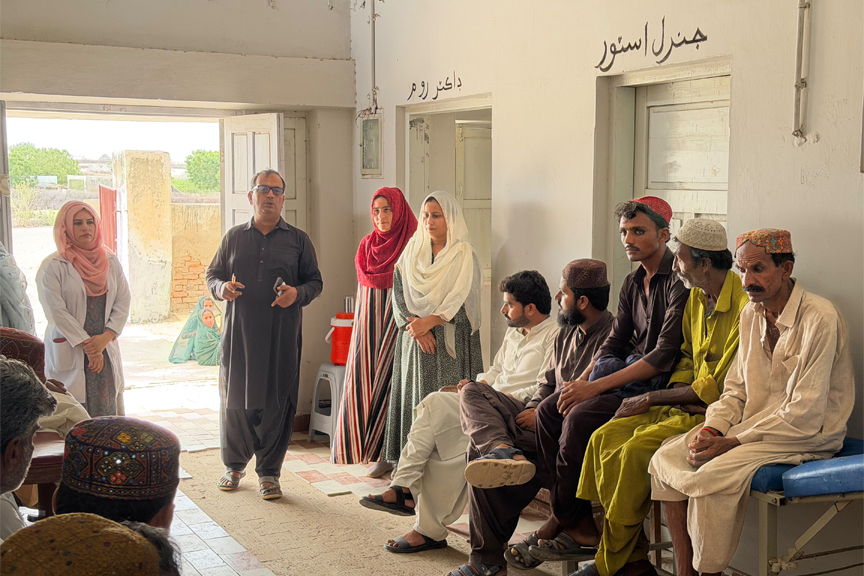
Formal handover ceremonies were held at each dispensary, bringing together Village Management Committee members, healthcare providers, local government officials and other stakeholders. During the ceremonies, CWSA and the District Health Department signed a Memorandum of Understanding (MoU), officially transferring responsibilities for managing and operating the facilities to the Government.
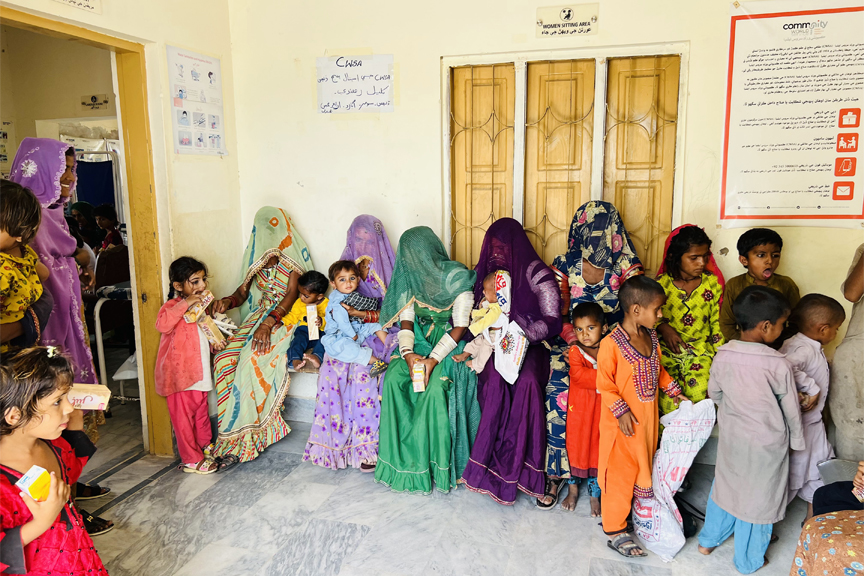
For community members, the handover represents the continuation of services that have become an essential part of daily life.
Deen Muhammad, Government Vaccinator and Village Focal Person from Jhamrari, reflected on the transformation:
“Before CWSA’s support, very few patients visited our dispensary. After the facility was renovated, health staff were deployed and community health awareness sessions began, more people started coming for treatment, including families from neighbouring villages. Vaccination coverage also improved because mothers could access multiple health services during the same visit. The dispensary has become a trusted health facility and we remain committed to ensuring these services continue to benefit our community.”
The handover marks more than the conclusion of a four-years project. It represents a transition from project support to long-term public ownership, ensuring that communities continue to benefit from quality healthcare services long after the project’s completion. Through collaboration, local leadership and government commitment, the foundations have been laid for healthier and more resilient communities across Umerkot.