From Displacement to Dignity: Mustafa’s Journey of Resilience and Renewal
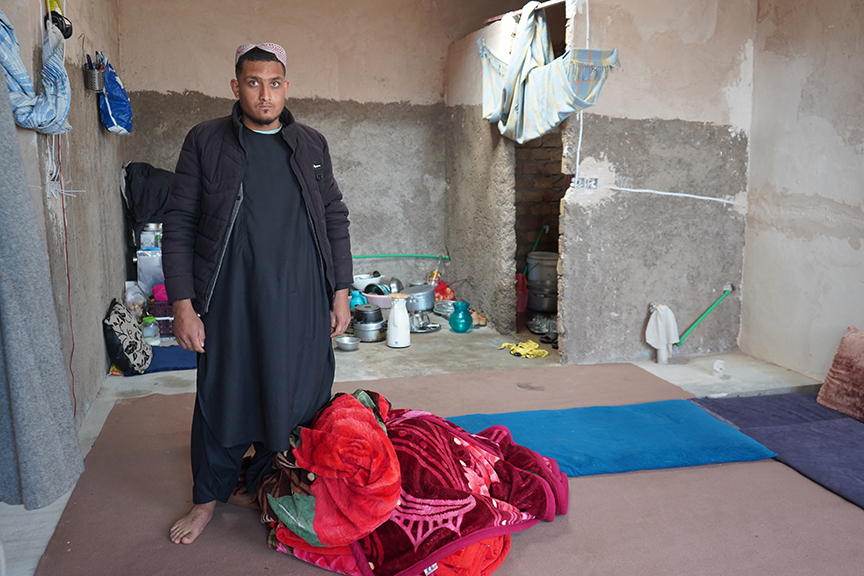
Following the large-scale deportation of Afghan migrants from Iran, thousands of families were forced to return to Afghanistan with little more than the clothes they were wearing. Among them was 21-year-old Mustafa and his family, who crossed back into the country through the Islam Qala border in July 2025.
After years in Iran, Mustafa, his wife, parents, and five brothers suddenly found themselves rebuilding their lives in Pooran village, Zonn 14 of Herat province. With no savings, assets, or winter supplies, the family moved into a modest ancestral mud house, vulnerable to the biting cold. The children, once thriving in school, are now unable to continue their education.
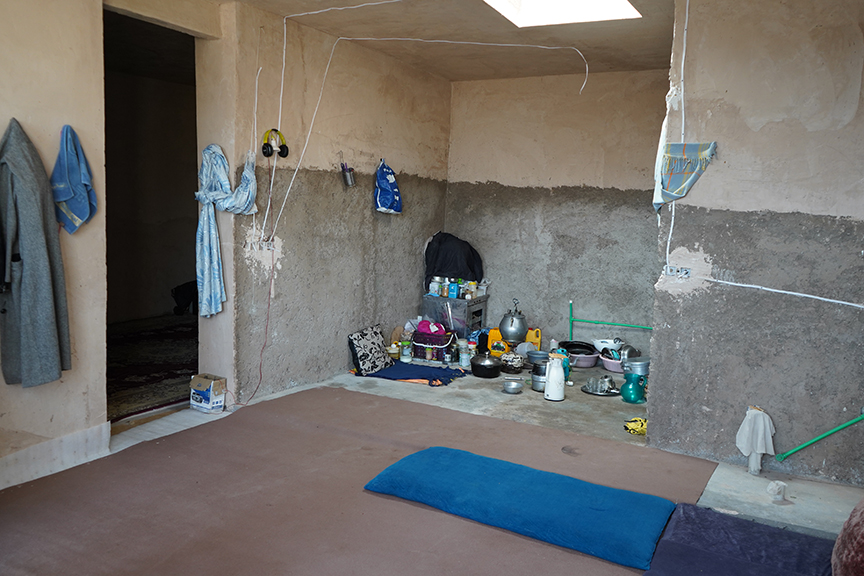
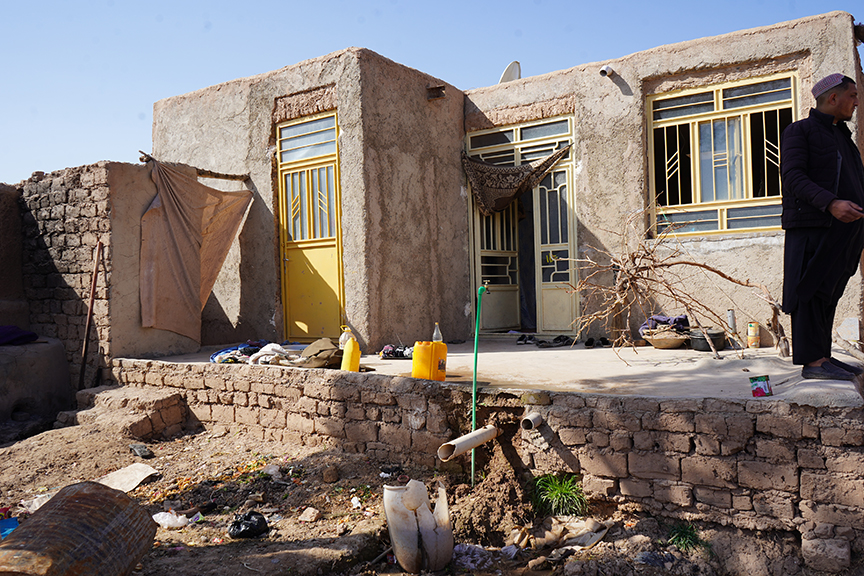
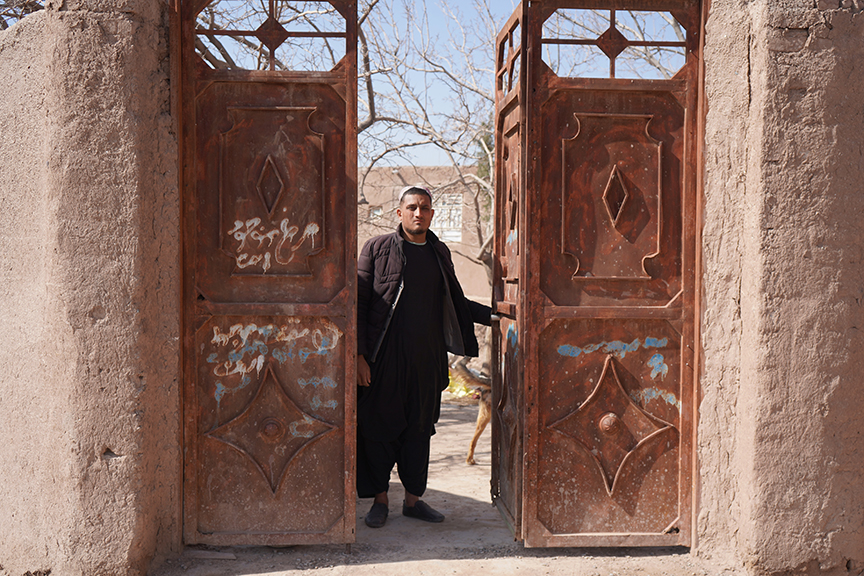
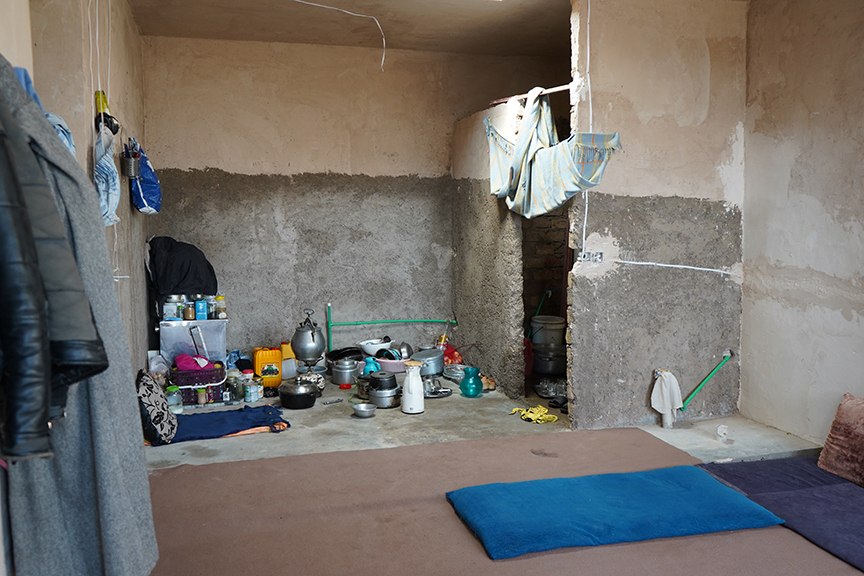
Around them, neighbours face similar hardships, including unemployment, scarce resources, and daily uncertainty. Yet, there is solidarity: families share food, occasional work, and whatever little they have to help one another endure.
For six years in Iran, Mustafa worked in an auto spare parts shop, earning AFN 3,000–5,000 (approx. USD 48–81) a month alongside his father to sustain the household. But a workplace accident left him with a serious head injury, recurring seizures, and diminished physical strength. Returning to Afghanistan compounded these struggles, as displacement, poverty, and health challenges weighed heavily on the family. His father, however, continues to work as a daily wage labourer whenever opportunities arise, striving to provide some stability in the midst of uncertainty.
“When we were deported, we could not bring any of our belongings with us,” Mustafa recalls. “We lost everything, our work, our stability, and our sense of security.”
In October 2025, Mustafa and his family were identified through household assessments as eligible for winter support and psychosocial assistance, part of a broader program for returnees and crisis-affected communities by Community World Service Asia, with support from Week of Compassion.
By December, the family received a winter package of five blankets, offering immediate relief against the harsh cold. Though modest, this assistance made a tangible difference, helping them endure one of the most difficult seasons of the year.
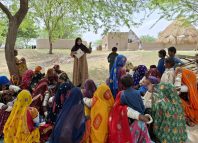
On 14 January 2026, Mustafa joined community-based Mental Health and Psychosocial Support (MHPSS) sessions, which were also offered under the same project, in Pooran village. These sessions were designed to help families manage stress, anxiety, and the emotional toll of displacement. “Receiving the winter package solved part of our immediate problems,” Mustafa shared. “But attending the MHPSS sessions helped me regain hope. My mental and emotional condition is much better now than before.”
Together, the winterisation support and psychosocial services did more than provide warmth, they restored dignity, strengthened resilience, and renewed confidence. Across the program, 844 households benefited from this combined assistance.
Reflecting further, Mustafa explained, “The winterisation support came at a critical time. It protected my children from the cold and eased the burden I carried. We felt safer and more dignified during a very difficult season.” He said their challenges, however, are not yet over. To rebuild their lives, they need continued support, especially stable livelihood opportunities, livelihood skills, and reliable access to food and basic services. With further assistance, he is hopeful his family can move toward a more secure and independent future.