A School Reborn
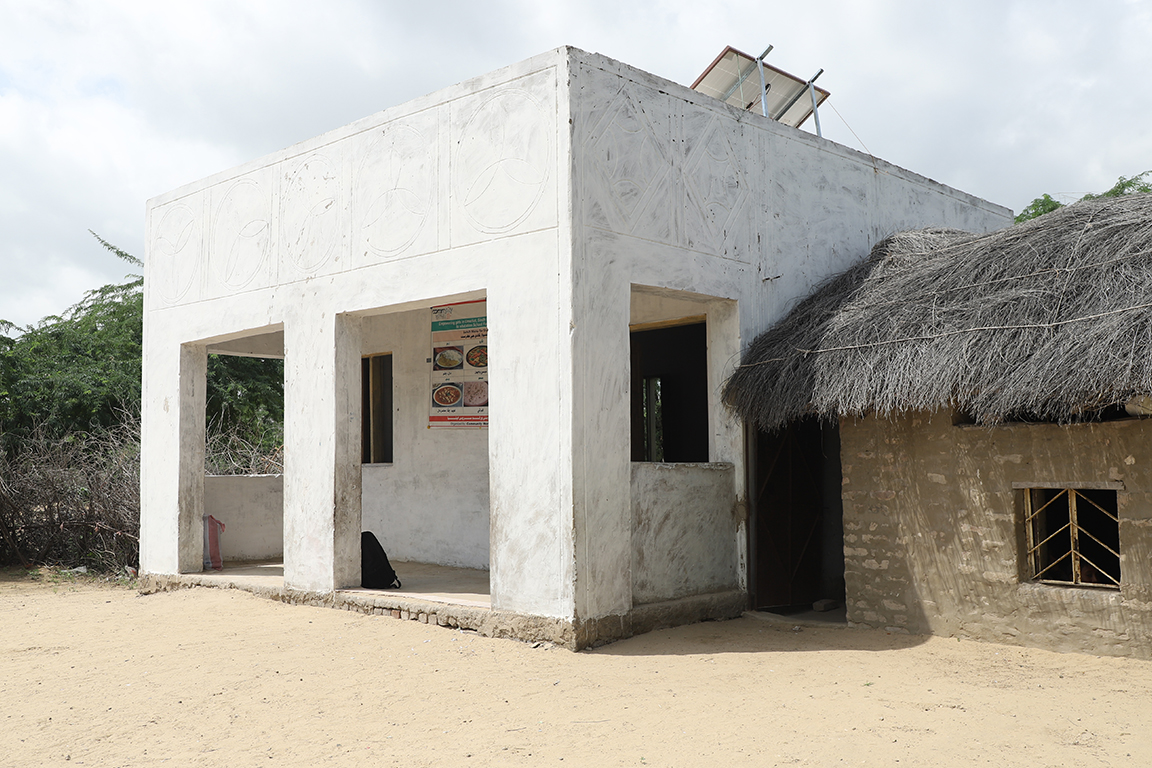
Though Kumbhar Bhada lies only 45 kilometres east of Umerkot town, its setting among vast sand dunes gives it the feel of a remote desert settlement. Home to around a hundred families, all of whom are Muslim, the village has long struggled with limited educational facilities. Two government schools exist, one co-educational and another for boys, but opportunities for girls have remained scarce. In the early years of this century, the government allocated a single room to function as a girls’ school. For a community where families often have ten or more children, this provision was far from sufficient, leaving many girls without access to meaningful education.
No official teacher was appointed, however. In this vacuum, an NGO sent a woman teacher to work in the village. This private project lasted some five years and with its end the school closed down in 2007. Though some rare girl students joined the boys school, most simply dropped out and became their family’s help in household chores or in the fields. In a nutshell, since about 2007 there was no girls’ school in the village. For parents, themselves generally uneducated, this was no significant setback. Girls at home meant they could be gainfully employed with the parents to help at home and in the fields. However, there were also those rare parents who wanted their daughters to be educated.
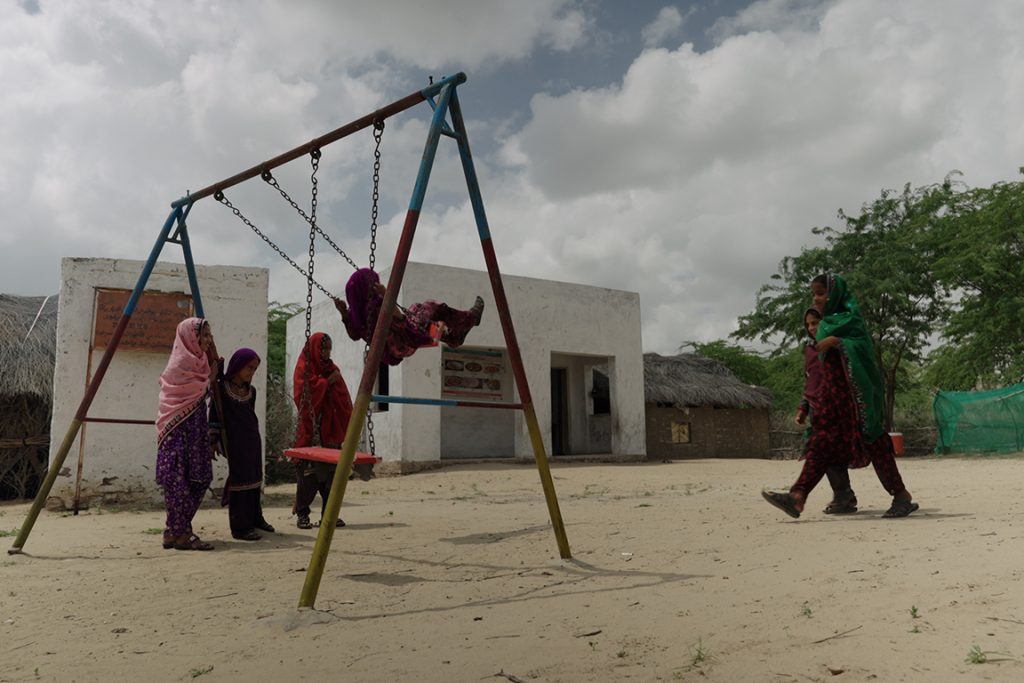
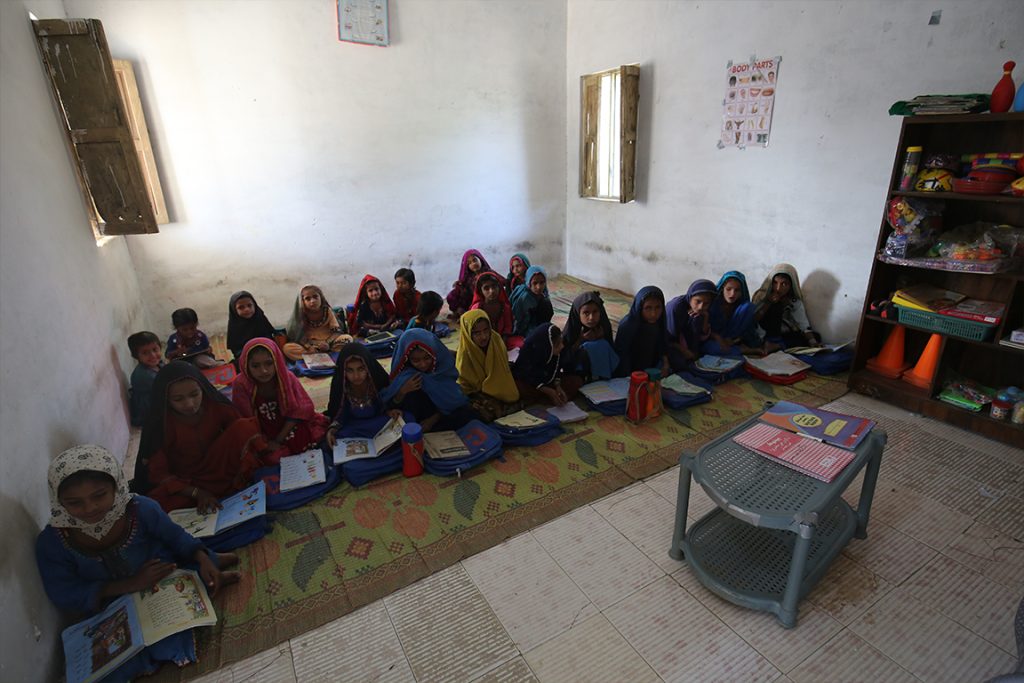
In January 2024, community elders appealed to Community World Service Asia (CWSA) to revive the abandoned girls’ school and bring it back to life with a dedicated teacher. Responding to this call, CWSA appointed a qualified woman teacher and equipped the school with resources to make learning both meaningful and enjoyable. Children were introduced to sports equipment such as hoops and balls, and delighted in the novelty of a steel frame fitted with two swings. Classrooms were enriched with colourful teaching aids, foam blocks marked with alphabets and numbers, along with picture books, transforming lessons into engaging experiences.
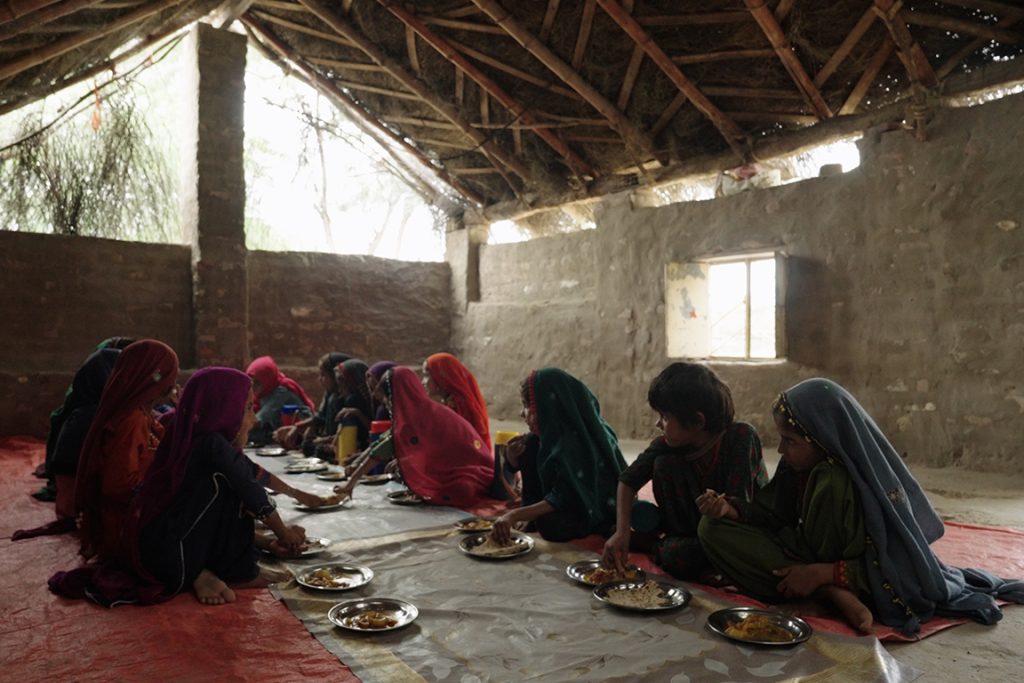
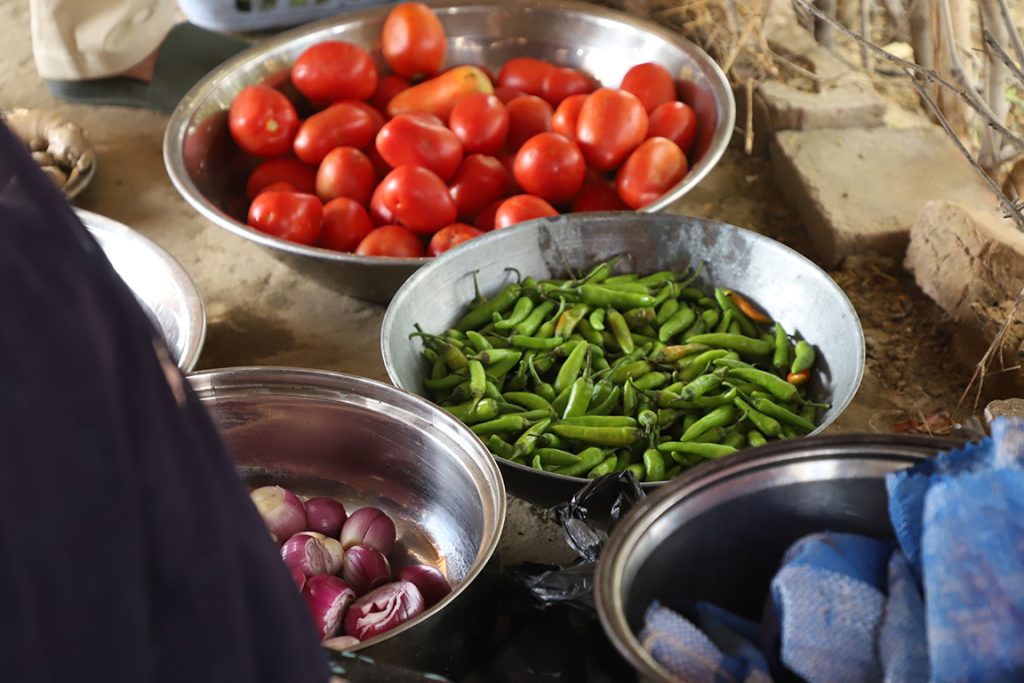
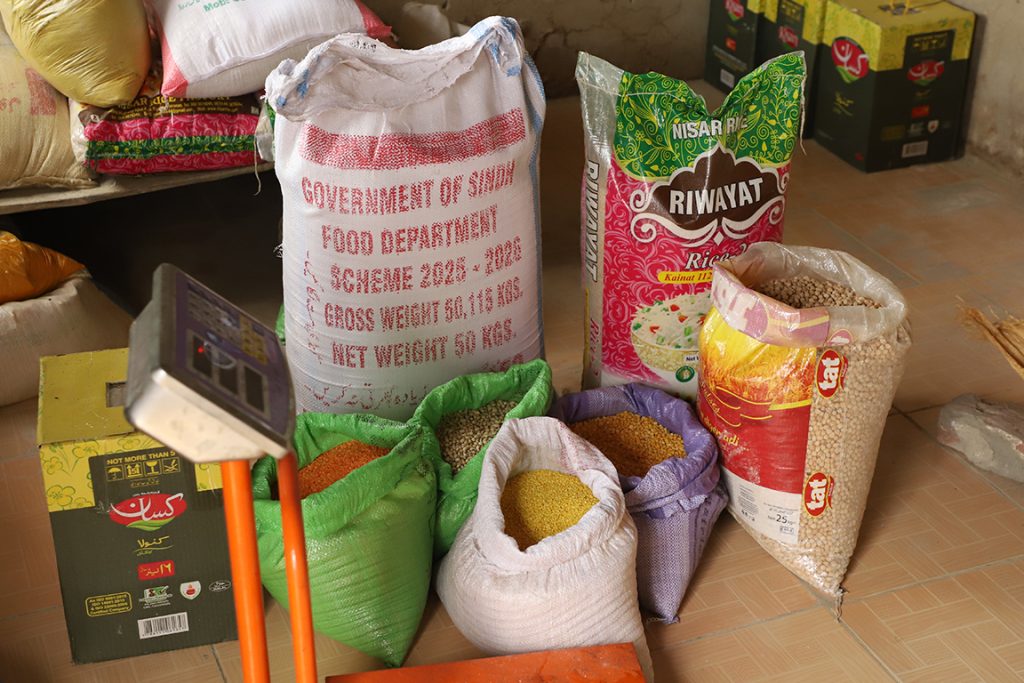
Another highlight, under a sister project also implemented by CWSA, was the introduction of a school feeding programme, ensuring that every child received a nutritious lunch. The menu varied daily, with vegetables and lentils forming the staple, and chicken biryani served once a week, a meal that not only nourished but also brought joy to the students. This initiative helped safeguard children from malnutrition and encouraged regular school attendance.
As the single classroom could not accommodate cooking and serving, the community rallied together to expand the facilities. A hut was built beside the classroom to serve as a dining area, while a small shed became the cookhouse. The village community centre was also handed over to the school, repurposed as a pantry. These collective efforts created a welcoming environment where children could learn, play, and thrive.
Rather tentatively the attendance register listed some 35 students in the first week. Numbers slowly ticked upward and soon there were 80 until the rolls now stand at 120. As the students take their classes in the single room, two local women in the hut adjacent to it prepare lunch. During the break, the students take turns, 20 at a time, to be fed.
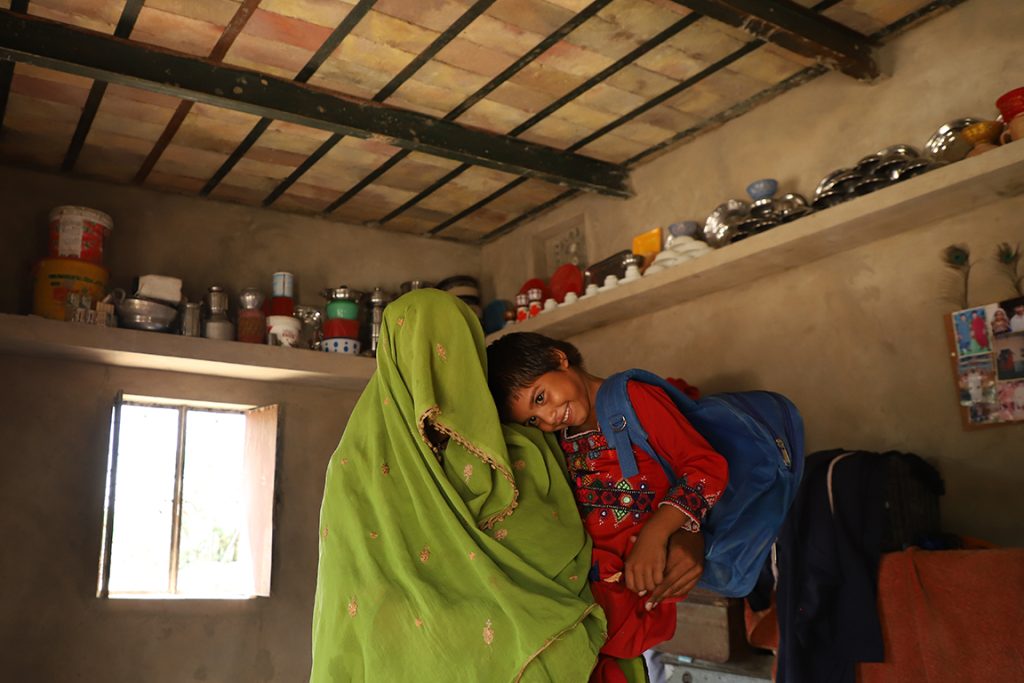
Gulshan, third among five sisters and seven brothers, is in Grade 2 and says she is eight years old. She started classes some years ago in the coeducation school, but soon dropped out. She has no idea if her parents thought it improper to her, a grown girl even at the age of eight, to be studying with boys, but she says she was put to work helping her mother with household chores. During the farming season, she went with her parents to their small holding where she minded her younger brother while the parents worked.
Though one of her older brothers takes local transport to Kaplor, six kilometres away, to attend school in Grade 5, none of her other sisters are in school. Some of her younger siblings do attend the local mosque for religious lessons, however. Quite clearly her family is not one that lays any great merit on girls’ education.
Gulshan has been in school since it restarted in January 2024 and in almost two years has worked her way to Grade 2. In between, her attendance became irregular and she relates that her parents would take her to work in the fields. Outside of farming season, when her father goes to work in a confectionery shop in Karachi, her mother insists she stays home to help with housework. She says she wanted to be in school and it was only after much pleading with the elders that she was able to resume classes. She affirms that she will continue to attend school even if the lunch programme comes to an end when the CWSA project ends in 2026. She has to fulfil her dream of being a doctor one day.
Eleven-year-old Ayaza, the third among three sisters and six brothers, carries a story marked by resilience. Living with a polio-affected leg that causes her to walk with a limp, she refuses to let this challenge define her. In fact, she considers herself fortunate compared to one of her brothers, who suffers from polio in both legs and can only crawl. When her parents are busy tending their small plot of land , where Ayaza also lends a hand, her father supplements the family’s income by working as a labourer on construction sites. For the family, however, education has never been a priority. Only one of her brothers attends the local boys’ school, leaving Ayaza and most of her siblings without access to formal learning.
When asked about her future, eleven-year-old Ayaza speaks with quiet conviction. After completing Grade 7, she dreams of becoming a teacher. Her heart is firmly set on this path, and she insists she will do whatever it takes to achieve it. For Ayaza, the daily school lunch is not the only motivation to attend classes; she carries with her higher ambitions and the hope of shaping young minds one day.
For Grade 2 students, both girls read surprisingly well from their primers. Even random pages are read fluently. This surely is a reflection on the efficiency of the teacher and her teaching methods.
In the two years since CWSA rehabilitated the school, a Children’s Day and a Cultural Day festivals have been held. Both events were fun-filled days of games and eats attended by students of the other two schools as well. According to the parents, despite the schools functioning since the mid-1990s, these events were the first such to have ever taken place in the village. It seems this might be the reason parental interest in their children’s education has risen and the students are not being withdrawn to help at home.
As the CWSA project draws to an end in late 2026, the school will be handed over to the government and a lady teacher appointed here. Going by the yearning for education seen among the students, it is clear that the village committee will raise a clamour in the event of government apathy. Surely children like Gulshan and Ayaza and all the others who dream of being useful adults need to be given the chance to prove themselves.