Prepared for Tomorrow: Empowering Thar’s Communities to Face Disasters with Strength and Unity
In the heart of Umarkot’s desert, communities are finding new strength through collective resilience. With support from Diakonie Katastrophenhilfe (DKH) and Community World Service Asia (CWSA), villagers across Tharparkar are learning to respond to disasters, protecting their homes, and leading with confidence. Through inclusive Disaster Risk Reduction (DRR) trainings, purpose driven community structures, and women’s active participation, these communities are not only better prepared for emergencies but are reshaping social norms and standing resilient and ready for an uncertain future.
Building Community Resilience Through DRR Trainings
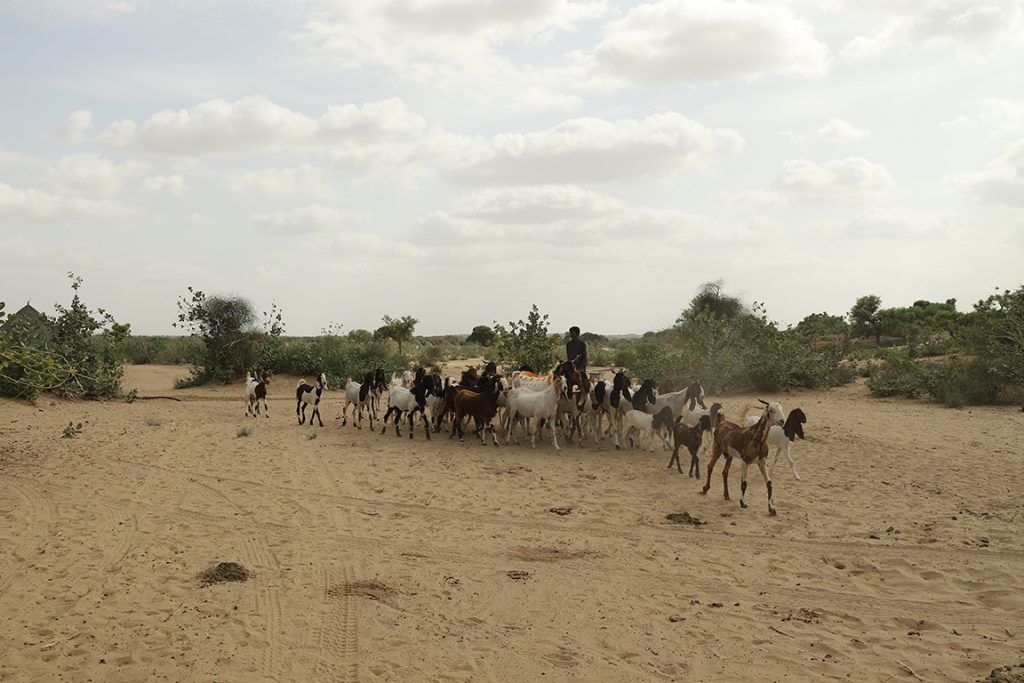
Where drought, extreme heat, and chronic water scarcity shape daily existence, the struggle for survival is relentless in Umarkot. Yet amid these harsh conditions, the community’s greatest strength lies in its solidarity; sharing land, food, and hardship with unwavering resolve.
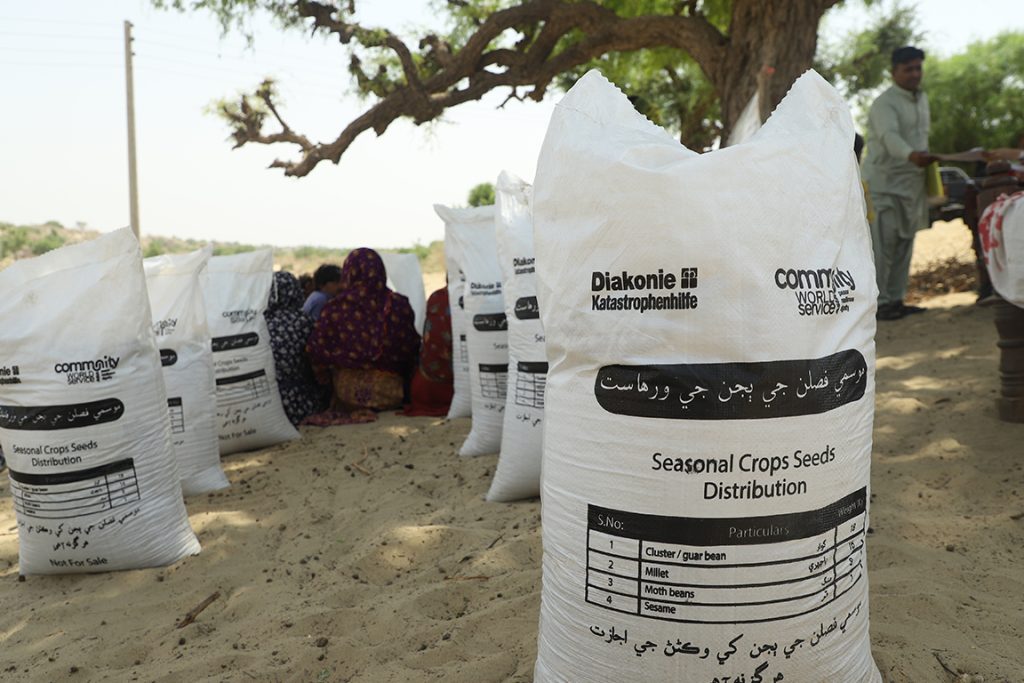
For years, Diakonie Katastrophenhilfe (DKH) has been a steadfast catalyst for progress in these remote regions. In recognition of the acute shortage of essential resources, Community World Service Asia (CWSA), in collaboration with DKH, launched a wide-reaching initiative across 15 villages in Umerkot, positively impacting hundreds of households. This multifaceted program integrates in-kind support, cash assistance, and disaster preparedness to fortify livelihoods and nurture resilience in areas where both water and opportunities remain scarce.
Among the most transformative elements of this initiative is the Disaster Risk Reduction (DRR) component, designed to equip communities with the knowledge and tools to respond swiftly and collectively in times of crisis, without relying solely on external aid.
Across these villages, hundreds of men and women have embraced leadership roles, following comprehensive training and the provision of critical resources. Each village now hosts a dedicated Emergency Response Team (ERT) comprising 15 trained volunteers, organised into three specialised committees: the Information Committee, which issues early warnings; the Search and Rescue Committee, the first to respond when disaster strikes; and the First Aid Committee, which tends to the injured.
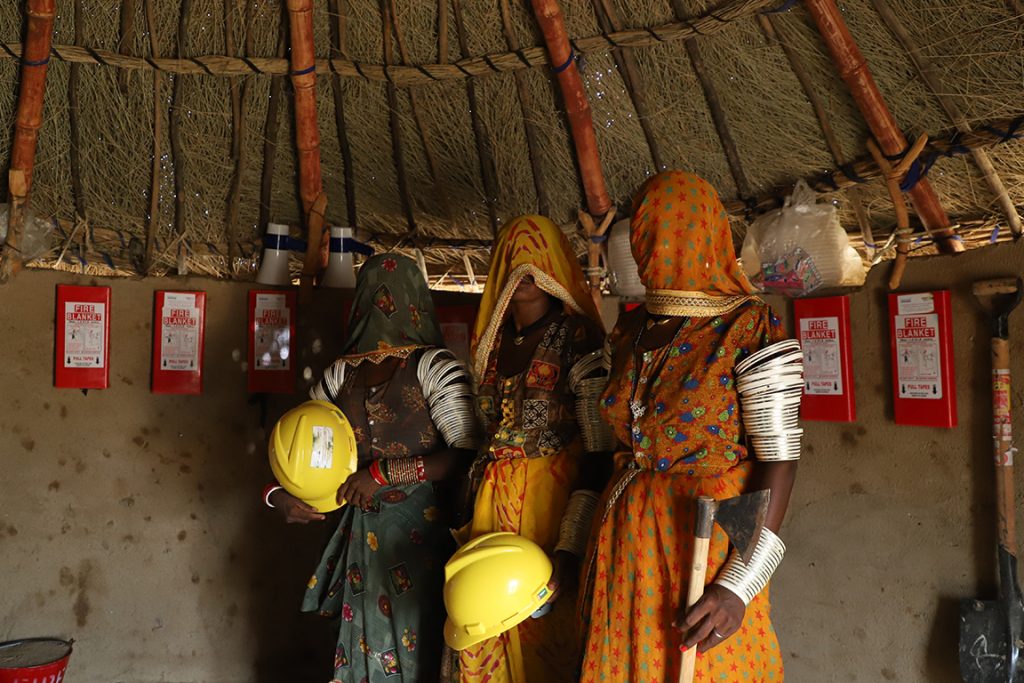
Gender inclusive participation has been a foundational principle of these efforts. Both men and women share responsibilities in the village management committees, promoting equitable representation while honouring cultural traditions. Although men slightly outnumber women in the DRR team due to the physical demands of certain roles, women remain integral to the process, leading awareness sessions, conducting risk mapping, and strengthening communication across communities.
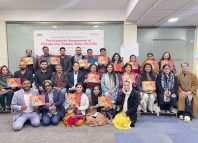
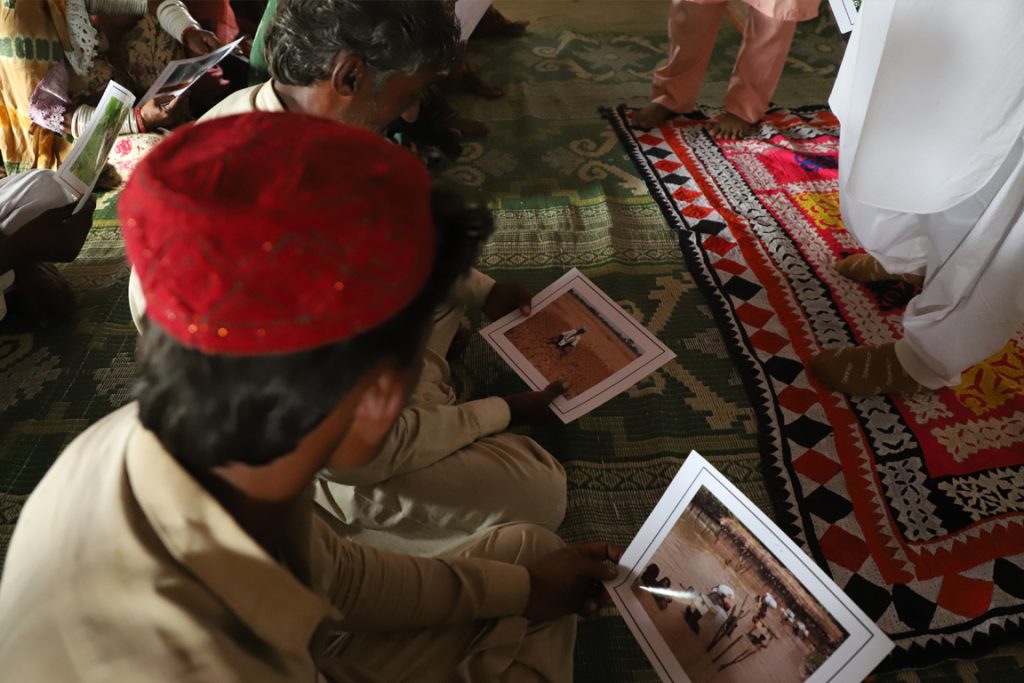
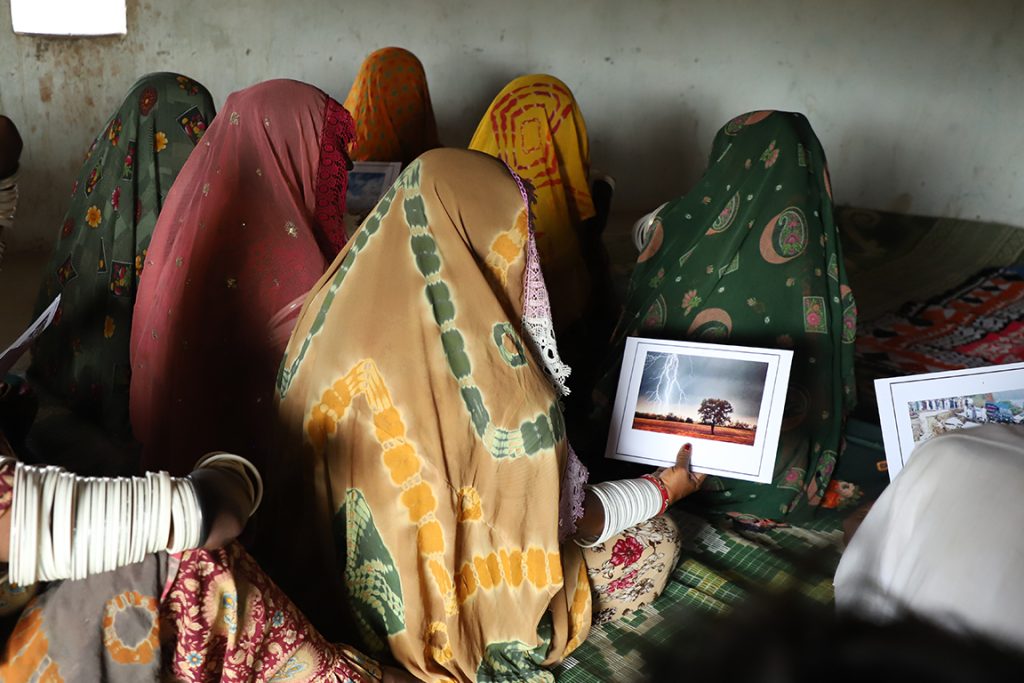
These teams have undergone practical training on topics of first aid, rescue techniques, early warning systems, and risk mapping, reinforced by frequent mock drills to test their readiness. Through these sessions, communities are not only learning to respond to emergencies but to do so with confidence and unity.
CWSA conducted a comprehensive needs assessment to identify the most pressing threats across Thar’s arid landscape. While drought remains a persistent challenge, the survey revealed that snakebites and fires pose even more immediate and deadly risks. Residents of several villages recounted harrowing fire incidents that engulfed homes within minutes, leaving families devastated and vulnerable.
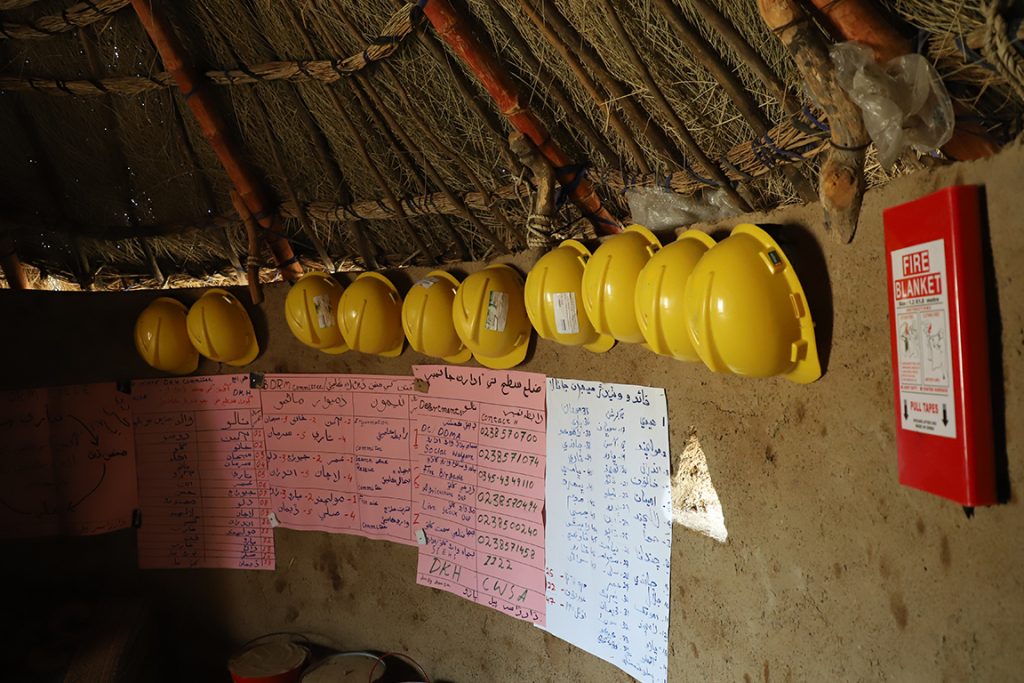
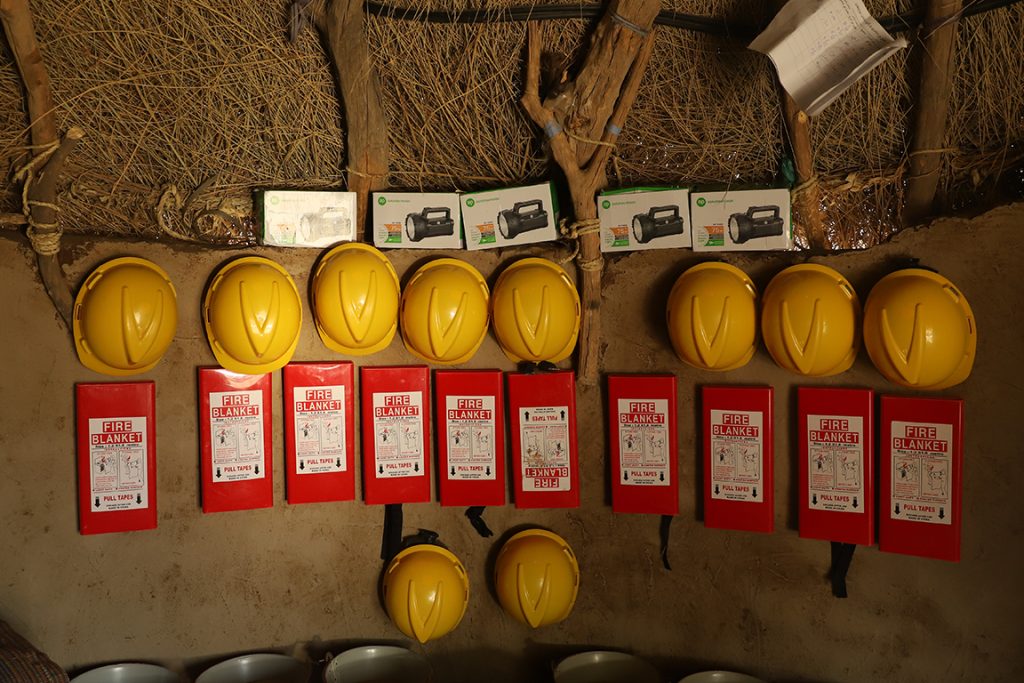
To address these hazards, DRR rooms were established in January of 2025, and outfitted with vital emergency tools including megaphones, ropes, axes, torches, shovels, boots, raincoats, fire jackets, helmets, sandbags, and buckets, ensuring rapid access during crises.
Yet the initiative extends far beyond the provision of equipment. At its core, It’s about cultivating knowledge, fostering coordination, and promoting accountability. Communities played an active role in electing DRR committee members and crafting preparedness plans tailored to their unique circumstances and everyday their realities. This participatory approach ensures sustainability and strengthens local ownership of the process.
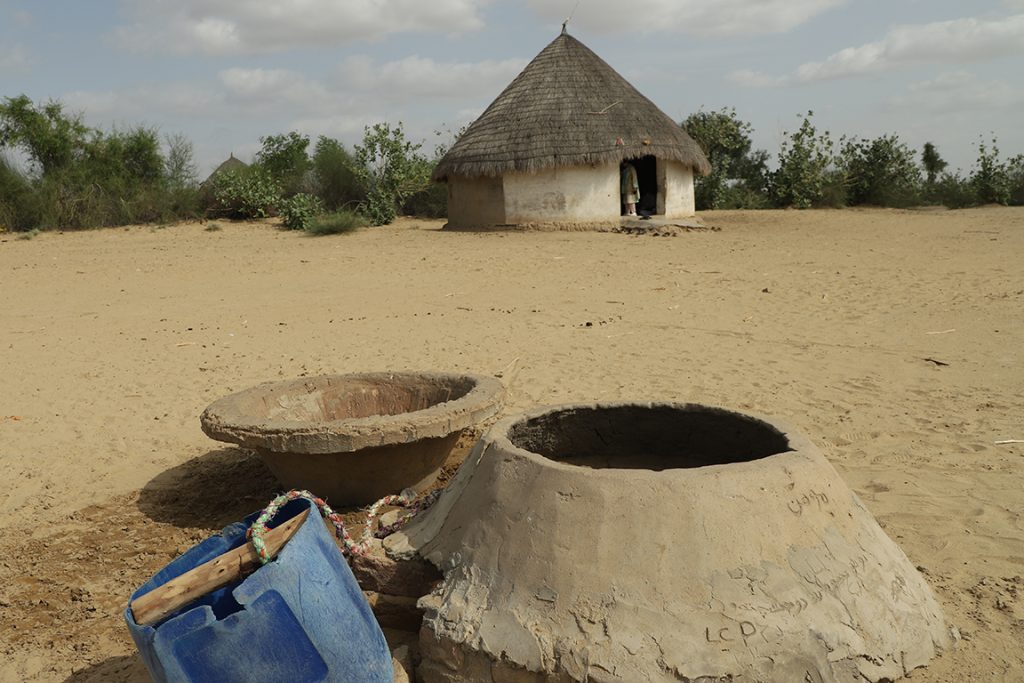
In Veeharo Bheel and neighbouring villages, a recurring tragedy underscored the urgency of localised solutions; the heartbreaking loss of children who drowned after falling into unsecured water tanks. Rather than relying on commercially available lids that deteriorate over time, villagers, supported by the project’s guidance, constructed durable covers using locally sourced materials. This practical innovation not only addressed an immediate safety concern but also ensured the sustainability of maintaining the solution for years to come.
“Something as basic as a megaphone comes to our aid when an accident occurs and word needs to get out,” shared one villager, reflecting on how small tools now play life-saving roles.
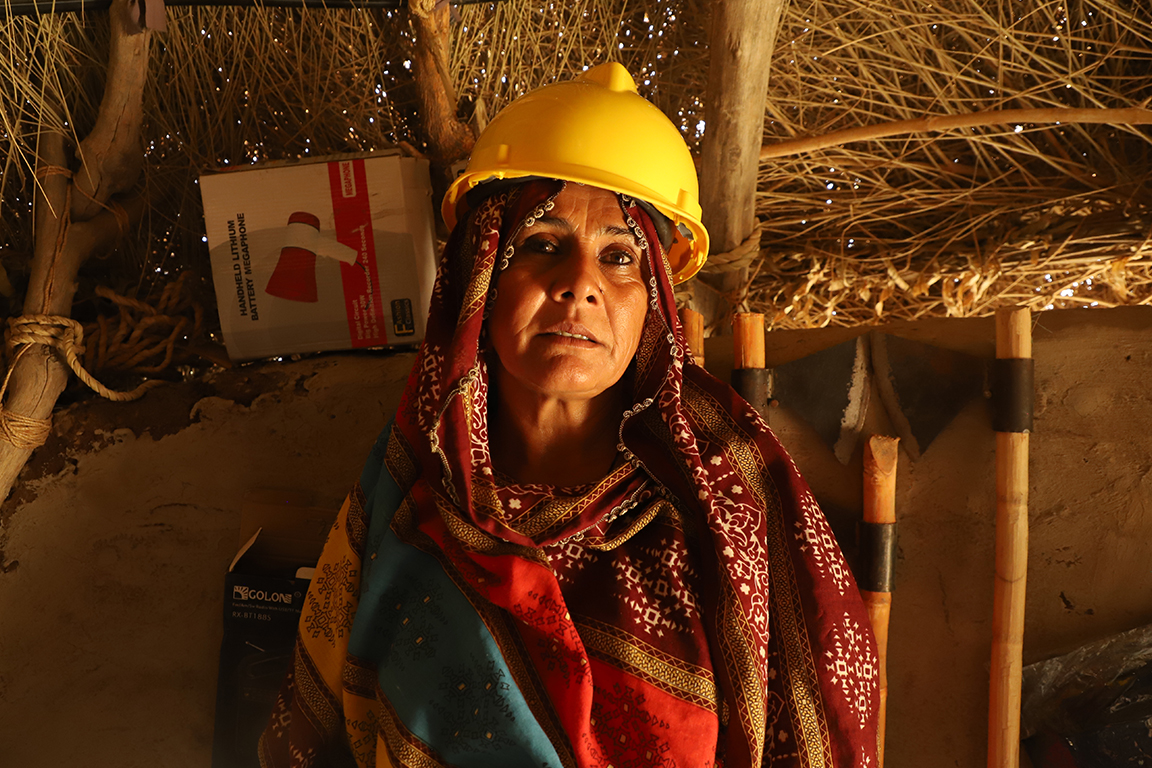
Among those inspiring individuals driving change in Umarkot is Hakeema Begum, a dedicated volunteer from Dayitrio village and mother of six. Hakeema plays a pivotal role in raising awareness, coordinating emergency response, and ensuring that no household is left behind during times of crises. “I want my children to grow up in a safer environment, to learn, to thrive, and to give back to their community,” she says. While deeply appreciative of this initiative, Hakeema continues to advocate for a more comprehensive training, particularly in firefighting and first aid, underscoring the critical importance of these skills in Thar’s unforgiving remote and terrain.
Beyond enhancing preparedness, the project has quietly transformed social norms. Women, who once seldom ventured outside without male accompaniment, are now active agents in community development. “Before, women couldn’t leave the house without a man,” one villager reflected. “Now they go to markets, attend meetings, and take part in trainings on their own.”
This shift is celebrated across the community. Sohdi, a member of the Village Management Committee and a DRR leader, expressed her pride.
“There’s no thought of women being confined to their homes anymore. We work, we travel, and we support each other. It has changed the fabric of our community.”
Through inclusive learning, shared leadership and collective action, the efforts of DKH and CWSA have extended far beyond immediate relief. They have restored confidence, renewed dignity, and fortified resilience, ensuring that these desert communities are not merely enduring their environment, but are equipped and empowered to shape a safer future.