
Situation Update III: Glacial Lake Outburst Flood (GLOF) in Ghizer District: Homes, Crops and Critical Infrastructure Damaged
Situation Overview
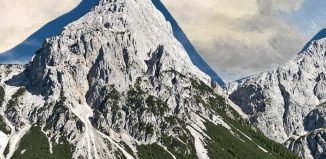
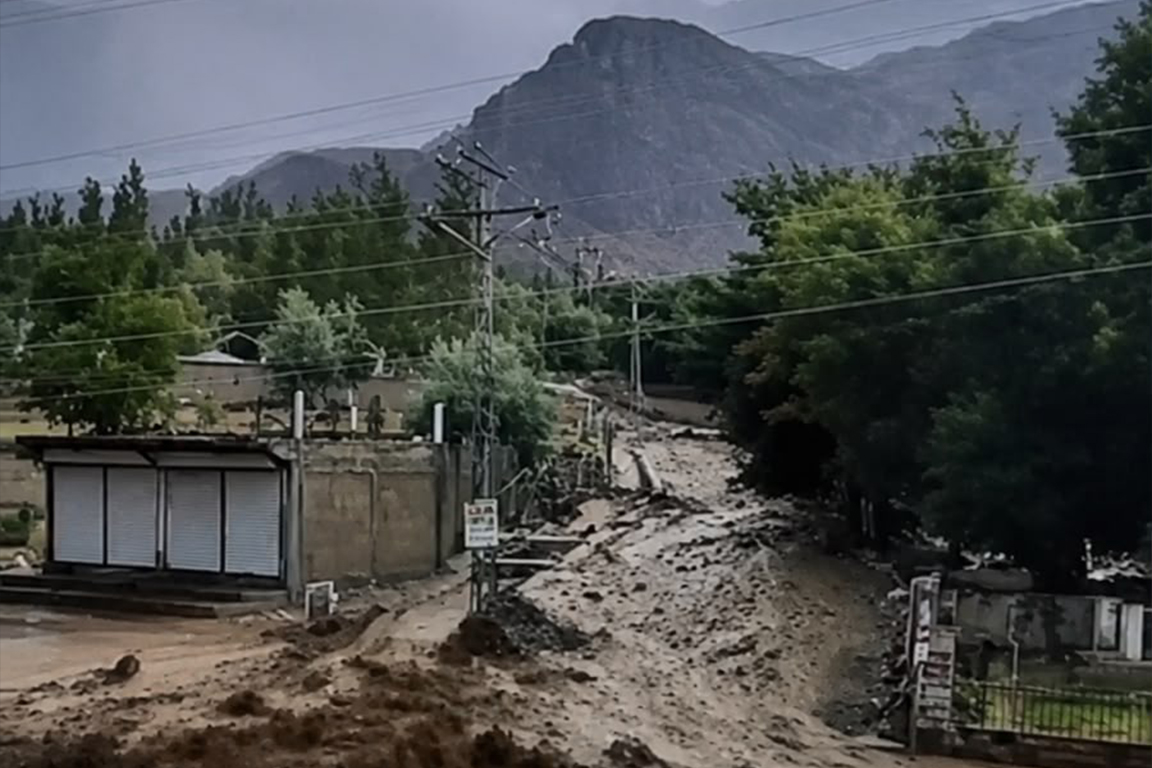
On 08 July 2026, a Glacial Lake Outburst Flood (GLOF) triggered severe flash flooding, debris flows, and riverbank erosion across the Ishkoman Valley in Ghizer District, Gilgit-Baltistan. The disaster was fueled by a combination of above-normal temperatures, accelerated glacier melt, and heavy monsoon rainfall. This event follows multiple early warning advisories issued since late June by the National Disaster Management Authority (NDMA) and the Pakistan Meteorological Department (PMD), which explicitly flagged Ghizer as a high-risk zone.
The incident validates the seasonal risk projections highlighted in Community World Service Asia’s (CWSA) GLOF Situation Alerts (issued in May and June 2026), which urged immediate preparedness and rapid response readiness for the region.
Preliminary assessments indicate that at least four major settlements across Ghizer District have sustained significant damage: Matramdan, Maulaabad, Damas (near Gahkuch), and Silpi village. Additionally, a glacial outburst in Barswat Nullah has severely compromised transport infrastructure. While the total number of affected households within the district’s population of 200,000 is still being verified, the flooding has already caused widespread displacement and disrupted critical local infrastructure. With continued rainfall and high temperatures forecast, the risk of secondary flash floods, landslides, and debris flows remains acute.
Current Humanitarian Impact
- Casualties: Fortunately, no fatalities have been officially confirmed at the time of reporting. Search, rescue, and damage assessments remain ongoing.
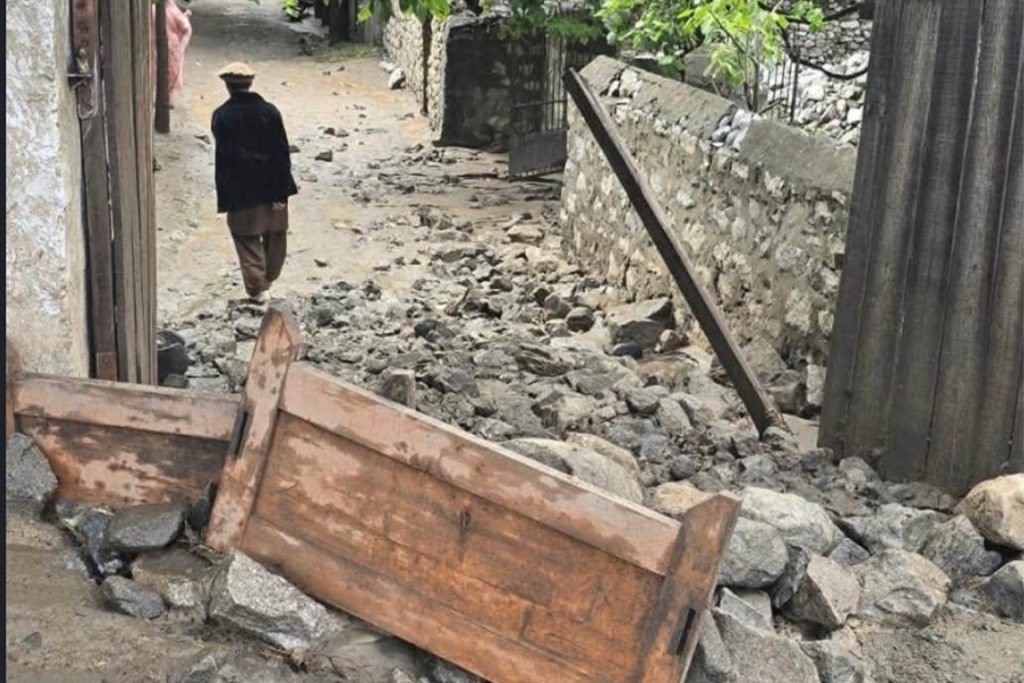
- Housing & Displacement: Floodwaters inundated more than 30 homes, while approximately a dozen houses have sustained structural damage, forcing immediate displacement. Affected families are currently taking refuge in temporary tents.
- Critical Infrastructure & Access:
- A glacial outburst in Barswat Nullah swept away a vital suspension bridge and sections of a link road.
- Rising river levels and severe bank erosion continue to threaten the bridge connecting Chatorkhand and Dain villages. If this bridge collapses, humanitarian access to the affected valley will be completely cut off.
- Local communities rely on glacial spring water for drinking. Following flood damage to the pipeline network, residents now collect water directly from the spring.
- Agriculture & Livelihoods: The floods have devastated standing crops, agricultural land, and vital irrigation channels, severely impacting household food production and local economic stability.
Compound Vulnerability & Context
This disaster does not occur in a vacuum. Ghizer District has faced consecutive, severe flooding events in 2022 and 2025, which damaged hundreds of homes and large swathes of farmland. This repetitive cycle of climate shocks exacerbates existing vulnerabilities, compounding losses for families who are still struggling to recover, and presenting a severe, long-term threat to regional food security.
Emerging Humanitarian Needs
| Sector | Priority Needs |
| Emergency Shelter & Non-Food items (NFIs) | Tarpaulins, tents, blankets, bedding, kitchen sets and essential household items for displaced and flood-affected families. |
| Medical Assistance | First aid, essential medicines, mobile health services and referral support. |
| Food Security | Emergency food assistance and/or multipurpose cash assistance where markets remain functional. |
| Water & Sanitation | Safe drinking water, hygiene kits, water purification supplies and sanitation support. |
| Protection & Psychosocial Support | Protection-sensitive assistance and psychosocial support for women, children, older persons and persons with disabilities. |
| Early Recovery | Repair of irrigation channels, restoration of electricity, rehabilitation of damaged roads and riverbank protection. |
Local authorities have initiated relief efforts, including early recovery efforts. However, additional humanitarian assistance will be required to support affected households, restore critical services and reduce the risk of further deterioration if adverse weather conditions persist.
Community World Service Asia’s Response
Community World Service Asia (CWSA) continues to coordinate with relevant government authorities, including NDMA, GBDMA and district authorities, as well as humanitarian partners and local stakeholders, to monitor the evolving GLOF and flash flood situation in Ghizer District.
As the situation develops, CWSA calls on partners and humanitarian actors to support coordinated response efforts and provide timely assistance to affected communities in Ishkoman Valley, Damas, Silpi, Barswat Nullah and other affected areas, where households are facing risks related to shelter damage, livelihood disruption, damaged access routes and continued exposure to further flash flooding.
Built on existing local networks and partnerships, the response will remain adaptive, inclusive and community-driven, prioritising the most vulnerable households, including women, children, older persons, persons with disabilities and families with limited coping capacity.
Response Plan includes:
- NFIs: Provision of essential NFIs, including kitchen sets to households that have lost or damaged basic household items due to the flash flood.
- Multipurpose Cash Assistance (MPCA): Provision of cheque-based MPCA to enable affected households to meet urgent needs, including food, winter items, healthcare, and minor repairs in a dignified manner.
- Reinforcement of humanitarian Quality, Accountability & Safeguarding mechanisms to ensure dignity and community engagement throughout the response
- Inclusive Aid Distribution: Ensuring equitable and safe access for women, girls, children, older people and persons with disabilities.
A multi-sectoral team is on standby for rapid deployment, ensuring that our response remains adaptive, inclusive, and locally led. CWSA’s planned response integrates gender-sensitive measures across all areas of intervention.
Contacts:
Shama Mall
Deputy Regional Director
Programs & Organisational Development
Email: shama.mall@communityworldservice.asia
Tele: 92-21-34390541-4
Tooba Siddiqi
Associate Regional Director
Emergencies, Health & Quality, Accountability& Safeguarding (QAS)
Email: tooba.siddiqi@communityworldservice.asia
Tele: 92-21-34390541-4
Palwashay Arbab
Associate Regional Director
Visibility & Strategic Engagement
Email: palwashay.arbab@communityworldservice.asia
Tele: 92-21-34390541-4
- Dawn News: Ghizer flash flood reporting (8 July 2026).
- The Nation, “NDMA warns heavy rains to trigger floods”, 2 July 2026
- Dawn, “NDMA issues alert as rapid glacier melt triggers floods across GB”
- Pakistan Bureau of Statistics: 2023 Population and Housing Census
- Pamir Times, “Climate Change and Our Civic Responsibility: A Call for Action in Gilgit-Baltistan and Chitral”