
Situation Alert II: Elevated Glacial Lake Outburst Flood (GLOF) and Associated Flash Flood Risks in Northern Pakistan
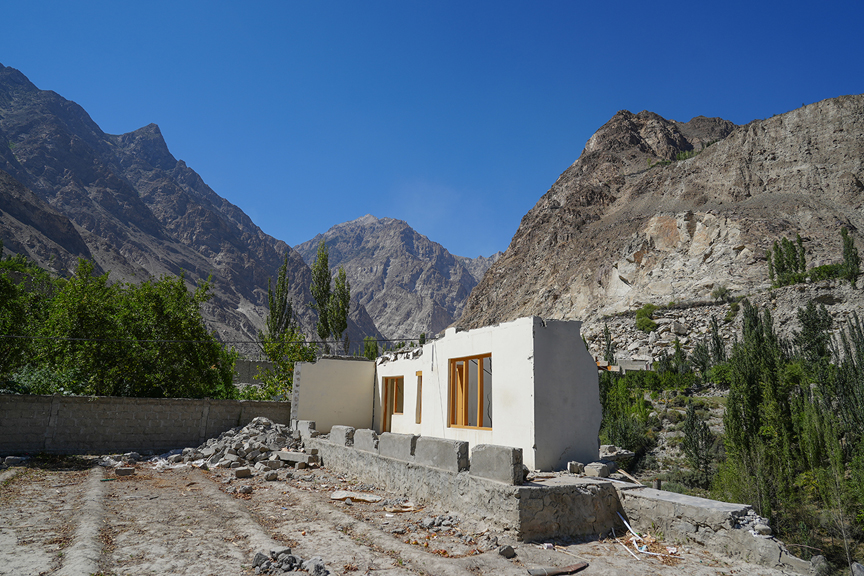
An active seasonal window of high-stakes weather systems and prolonged, above-normal temperatures continues to threaten Northern Pakistan. As of June 2, the Pakistan Meteorological Department (PMD) forecasts ongoing rain and thunderstorms through June 5, maintaining a critical risk of Glacial Lake Outburst Floods (GLOFs) and flash floods across glaciated valleys in Gilgit-Baltistan (GB) and Khyber Pakhtunkhwa (KPK). Over 7.1 million people in these northern regions remain vulnerable.
- Casualties: Severe early-May storms have already tragically resulted in four deaths and sixteen injuries across the KPK districts of Mardan, Swabi, Malakand, and Shangla.
- Community Isolation & Access Barriers: Landslides and weather-driven disruptions threaten to cut off remote mountain communities. Major lifelines, including the Karakoram Highway, Skardu Road, Shigar Valley Road, Deosai Road, and Naran Road, as well as vital local routes in the Shimshal and Hunza Valleys, are flagged as highly sensitive to immediate blockages.
- Upstream Flooding Threat: Rapidly melting glaciers driven by intense heat are creating flood-like conditions across multiple districts, including Hunza, Chitral, Swat, Gilgit, and Neelum Valley.
In line with the commitment to Do No Harm and community protection, local administrations and vulnerable populations are urged to maintain 24/7 vigilance. Local communities are being guided to monitor immediate early warning signs, specifically tracking sudden changes in river levels, unusual deep sounds near water drains (nullahs), and shifts in water color that indicate upstream breaches.
Travelers and local communities are strictly advised to avoid unnecessary travel in high-risk zones during this active severe weather period.
The current situation demands an immediate focus on:
- Early Warning Systems: Real-time dissemination of alerts to isolated mountainous communities.
- Logistical Readiness: Preparing for rapid assessments as road blockages on the Karakoram Highway fluctuate.
- Community Preparedness: Strengthening local-level response capacity in high-risk valleys that may become cut off by infrastructure damage.
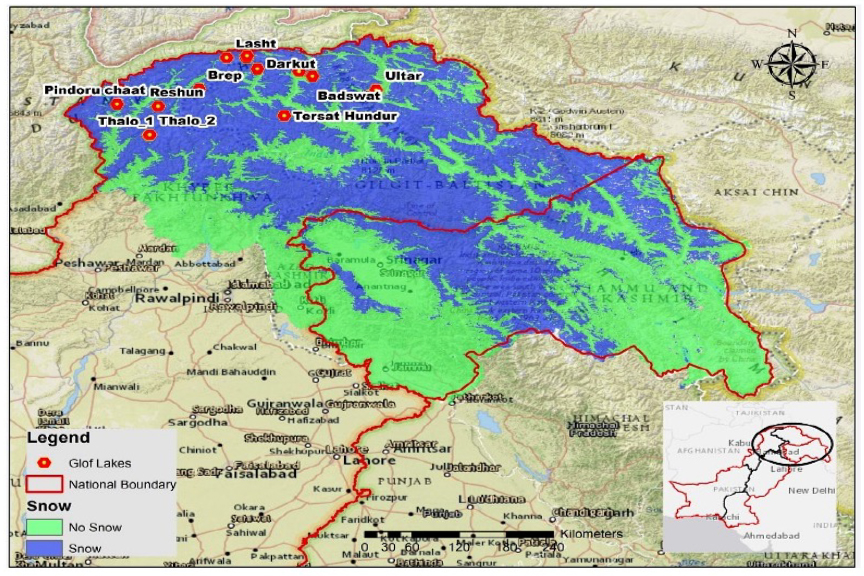
Key Risk Domains and Impact Highlights
| Key Domains | Potential Impacts |
| Lives and safety | Increased risk of sudden flooding, debris flow, landslides resulting in injuries, loss of life and urgent evacuation needs |
| Shelter | Destruction to homes leading to temporary displacement of households in downstream valleys and vulnerable communities |
| Infrastructure | Damage to roads, bridges, irrigation channels, water supply systems and small hydropower infrastructure leading to disrupted transportation, reduced access to essential services and interruptions in water and energy supply. |
| Health | Increased risk of injuries, waterborne diseases due to contaminated water along with limited access to health facilities and referral challenges in remote valleys |
| Food security and livelihoods | Loss of livestock, crops, orchards, agricultural land and household assets |
| Protection | Increased risks for women, children, older persons, persons with disabilities and households with limited mobility |
| Access and logistics | Isolation of remote communities and delayed humanitarian access, disruption to passenger and goods transport, and traffic disruption along key routes including the Karakoram Highway due to infrastructure damage |
NDMA’s Summer Hazards Contingency Plan 2026 notes that sudden breaching of unstable glacial lakes may generate flash floods downstream, threatening villages, roads, bridges and hydropower infrastructure1.
The scale of exposure is significant, with millions of people in GB and KPK living in areas vulnerable to GLOFs, flash flooding and debris-flow risks, particularly communities downstream of rivers, streams and glacial lakes.
Emerging Humanitarian Needs
In the event of GLOF-triggered disasters or flash flooding in the high-risk valleys of Northern Pakistan, humanitarian interventions must prioritise immediate life-saving support alongside the preservation of human dignity. The following domains have been identified as critical for an effective and principled response:
Life-Saving Relief and Shelter: Immediate focus on coordinated evacuation support and the provision of high-quality temporary shelter should be priortised. Essential Non-Food Items (NFIs), including winterised tents, blankets, and kitchen sets are vital for families displaced in the harsh high-altitude terrain.
Health and WASH: Restoration of safe drinking water and sanitation services is a priority to mitigate disease outbreaks. This must be coupled with mobile health units and first aid services capable of providing essential medicines and emergency referrals in areas where fixed infrastructure may be damaged.
Food Security and Multipurpose Cash: Where local markets remain functional, Multipurpose Cash Assistance (MPCA) is the preferred modality to provide families with the agency and flexibility to meet their own needs. In isolated areas with market disruption, direct food assistance in this form will be necessary.
Protection and Psychosocial Wellbeing: Critical support and protection to help families and children process the trauma of sudden displacement and loss must be provided. All assistance must be protection-sensitive, specifically tailored to the needs of women, children, older persons, and individuals with disabilities.
Community World Service Asia’s Preparedness and Response
Community World Service Asia (CWSA) is currently maintaining a high state of operational readiness through its field office in Hunza, GB. This local footprint allows for immediate coordination with Gilgit-Baltistan Disaster Management Authority (GBDMA) and District Disaster Management Authority (DDMA), building on CWSA’s significant 2025 response where we supported 1,479 individuals with food and cash assistance. Leveraging deep-rooted networks in remote areas like the Chipursan Valley, CWSA is positioned to move from monitoring to formal response activation immediately upon verification of an incident by disaster management authorities or field teams.
The mobilisation strategy is centered on reaching the “last mile” of remote mountain communities. Key priorities include:
- Targeted Vulnerability: Directing assistance toward women-headed households, children, older persons, and persons with disabilities to mitigate exclusion risks.
- Integrated Accountability: Maintaining safe, confidential feedback loops and ensuring communities are informed participants in their own recovery.
- Multisectoral Readiness: Preparedness covers emergency shelter, WASH, mobile health, and psychosocial support, with a preference for multipurpose cash where markets allow.
Proposed Relief and Call to Action: To ensure a rapid and effective response as weather patterns evolve, CWSA has identified three critical pillars for immediate support:
- Pre-positioning: Securing emergency shelter, hygiene kits, and dry rations in accessible hubs near high-risk valleys.
- Scaling Life-Saving Aid: Expanding the reach of mobile health referrals and cash assistance for those in the direct path of debris flows.
- Logistical Resilience: Strengthening “last-mile” transport capabilities to bypass anticipated road and bridge failures along the Karakoram Highway and interconnected routes.
In a region where geography defines the risk, local presence defines the response. CWSA urges the international community and humanitarian partners to support immediate and coordinated response in Northern Pakistan as we work to turn preparedness into a lifeline for the most isolated communities in GB and KPK.
Contacts
Shama Mall
Deputy Regional Director
Programs & Organisational Development
Email: shama.mall@communityworldservice.asia
Tele: 92-21-34390541-4
Tooba Siddiqi
Associate Regional Director
Emergencies & Quality and Accountability
Email: tooba.siddiqi@communityworldservice.asia
Tele: 92-21-34390541-4
Palwashay Arbab
Associate Regional Director
Email: palwashay.arbab@communityworldservice.asia
Tele: 92-21-34390541-4
References
- NDMA Summer Hazards Contingency Plan 2026
Community Meetings
GBDMA ↩︎