

Umerkot Under Heat Stress: Extreme Heat Threatens Vulnerable Communities in Sindh
Overview
Severe heatwave conditions are currently affecting Sindh, with particularly heightened risks for vulnerable communities in Umerkot district during the late April–May 2026 pre peak and peak summer period. According to the Multi Hazard Vulnerability and Risk Assessment (MHVRA), Umerkot’s hot, semi arid climate records mean maximum temperatures of around 45°C across April, May, and June. For this district, the intensity of heatwave hazards has been assessed as “Severe to Extreme,” underscoring the urgent need for protective measures and community preparedness.
Umerkot district has an estimated population of 1.16 million people, including 0.90 million rural and 0.26 million urban residents1. The wider at-risk population includes outdoor workers, pedestrians, daily wage labourers, agricultural workers, women, children, elderly persons, persons with disabilities, and low-income households. These populations have limited access to safe drinking water, shaded spaces, cooling facilities, and timely health referral support.
The heatwave situation in Umerkot is not limited to health exposure alone. Higher temperatures increase dehydration risk, reduce water availability, disrupt outdoor labour, and affect agriculture and livestock-dependent livelihoods. This is particularly relevant in Umerkot due to its rural spread, low rainfall, hot semi-arid conditions, and dependence on climate-sensitive livelihoods.
Heatwaves are forecastable hazards, and the Umerkot District Disaster Management Plan states that actions can be taken before occurrence through warnings, alerts, public precautions, awareness campaigns, water arrangements, heatstroke facilitation camps, mobile medical teams, and mobilisation of non-governmental organisations (NGO) and volunteers. Investing in early action is therefore both life-saving and cost-effective. Evidence from anticipatory action shows that every USD 1 invested in anticipatory action can yield up to USD 7 in avoided losses and added benefits, reinforcing the importance of supporting cooling centers, hydration points, awareness outreach, and referral linkages before heatwave impacts escalate 2.
Impact Snapshot
Community World Service Asia’s (CWSA) current field observations have identified multiple cases of extreme dehydration and fatigue among heat-exposed individuals, indicating increasing health risks at community level. Heatwave alerts circulated by local government/district sources further underline the need for early action before heat-related illnesses escalate into severe cases or avoidable loss of life.
Moreover prolonged heat places pressure on essential elements such as water supply points, health facilities, shaded public spaces, and electricity dependent cooling arrangements.
Heatwave risk is also closely linked with livelihoods, agriculture, livestock, and food security in Umerkot, where many people depend on rural livelihoods, daily wage labour, and outdoor work. Higher temperatures can reduce working capacity, increase dehydration risk, affect crops and livestock, and worsen water stress. The Provincial Disaster Management Authority (PDMA) Sindh’s heatwave guidance identifies water scarcity, agricultural disruption, and economic/livelihood disruption as key heatwave impacts.
Women, children, including those engaged in child labour, elderly persons, pregnant and lactating women, persons with disabilities, outdoor workers, daily wage earners, agricultural labourers, pedestrians, and low income households face heightened risks during extreme heat. Direct exposure, limited access to cooling, and reduced coping capacity compound their vulnerability. The World Health Organization (WHO) and the PDMA Sindh both underscore the urgent need for targeted protection measures to safeguard these groups throughout the heatwave period.
Emerging Humanitarian Needs
| Water Security | Water distribution points ensuring the supply of safe drinking water |
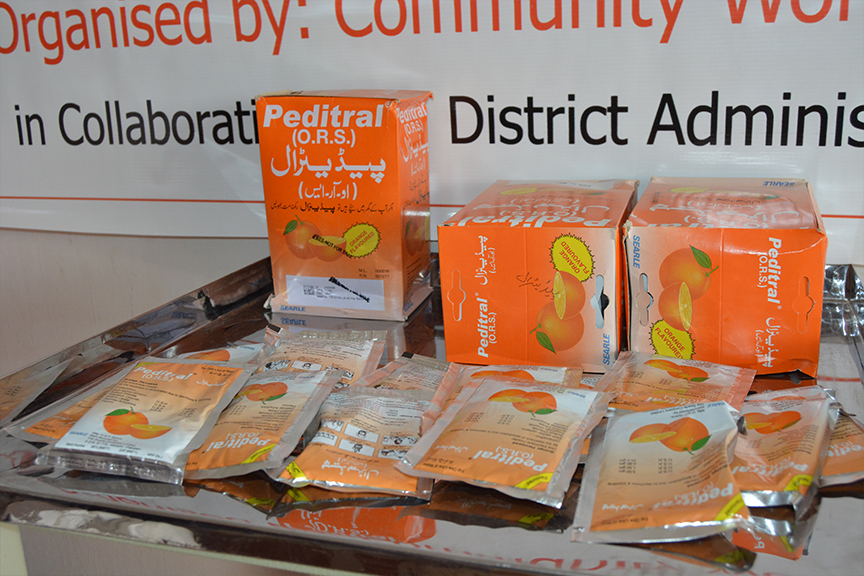
| Medical Assistance | First aid, Oral Dehydration Salts (ORS) supply and urgent medical care |
| Emergency Shelter | Heat camps, shaded resting spaces, cooling centres |
| Public Awareness & Coordination with District Authorities | Dissemination of key messages such as avoiding outdoor exposure during peak heat hours, drinking safe water regularly, using ORS when needed, recognising symptoms of heat exhaustion and heatstroke, and seeking timely medical support. |
Community World Service Asia’s Proposed Relief & Response
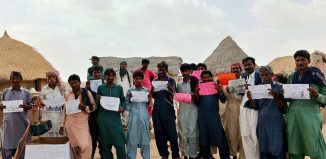
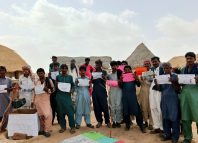
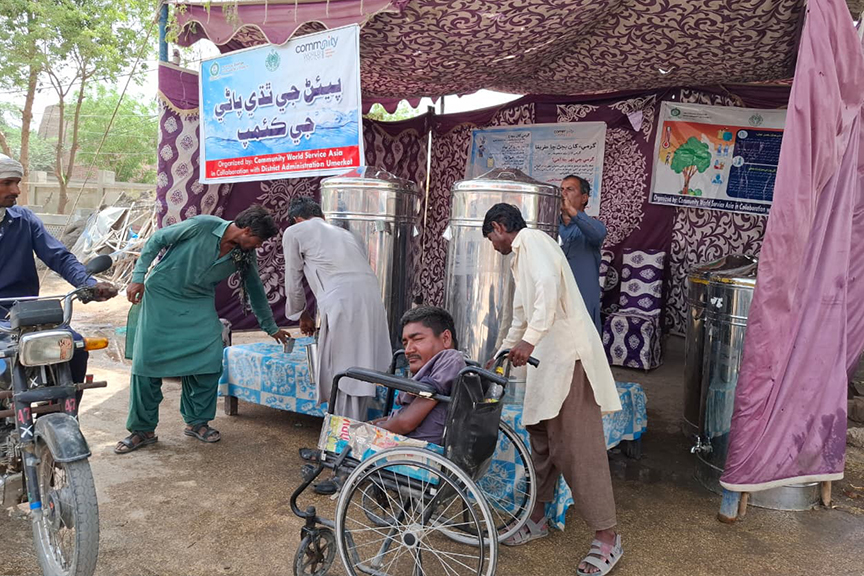
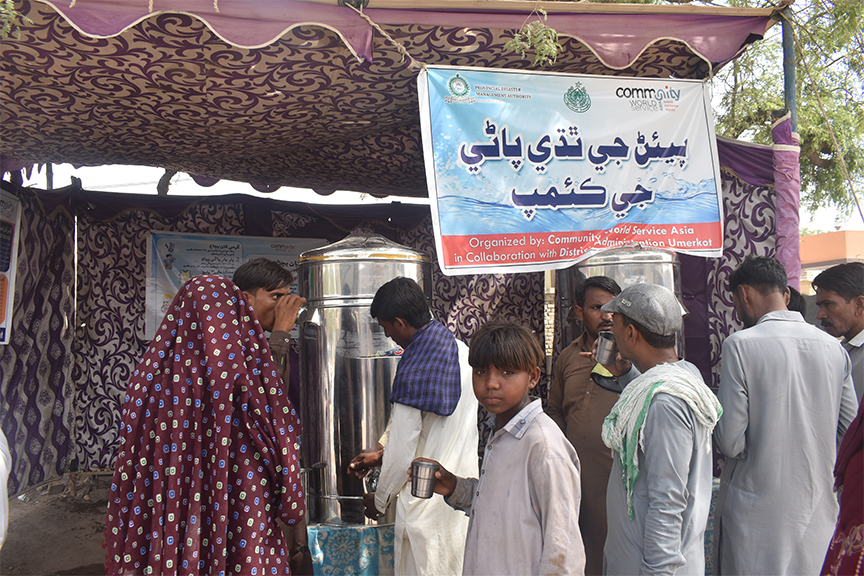
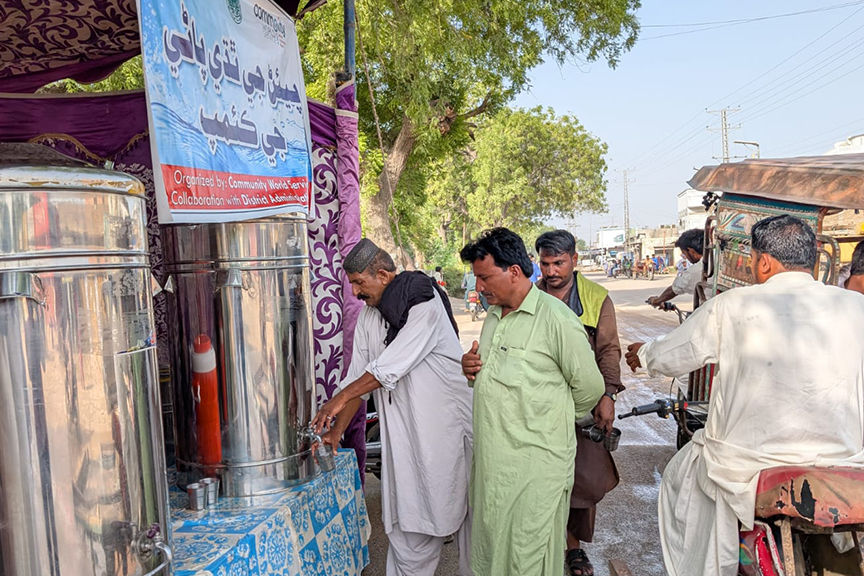
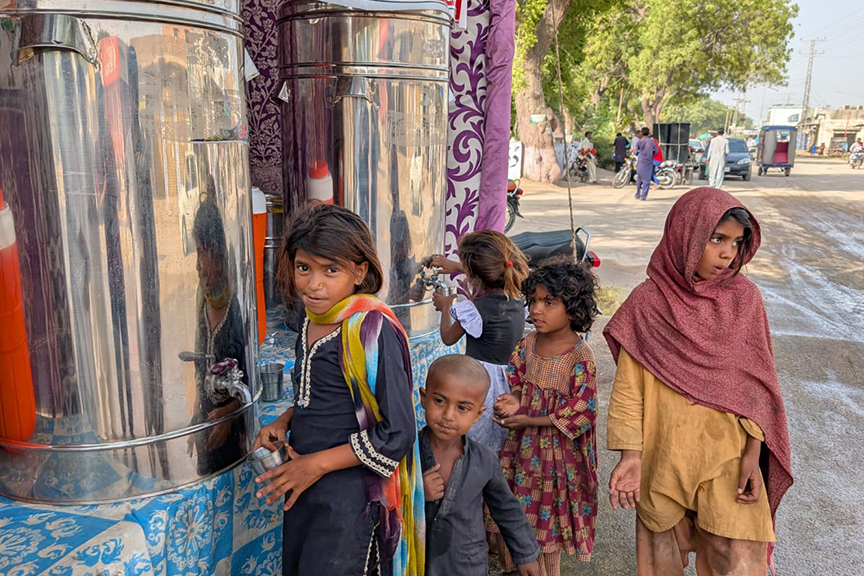
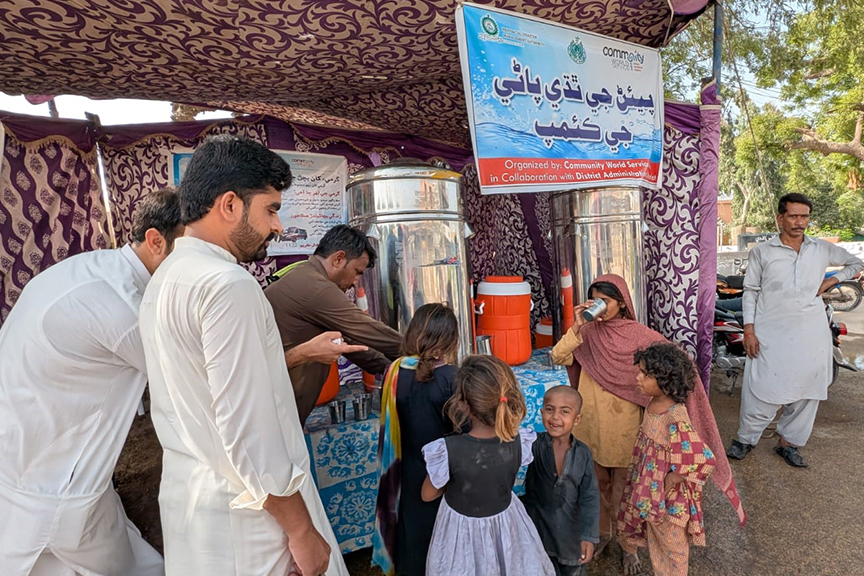
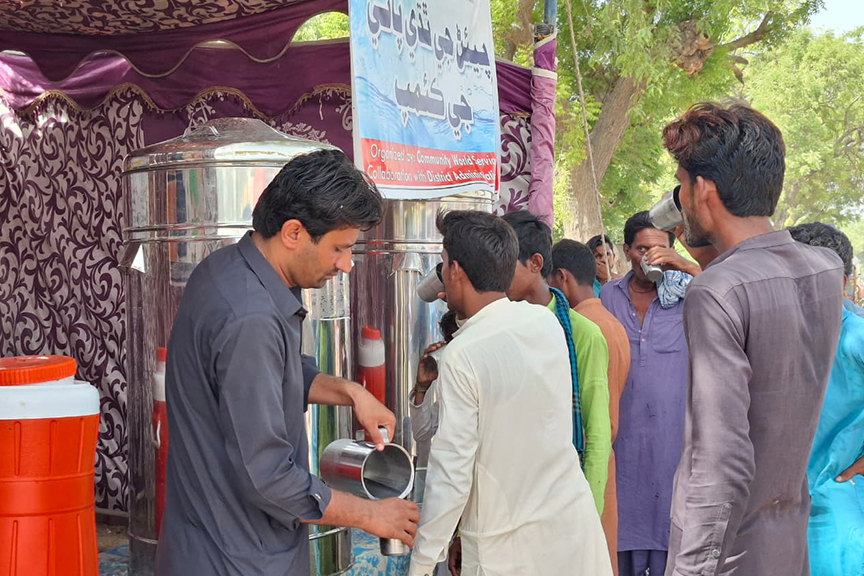
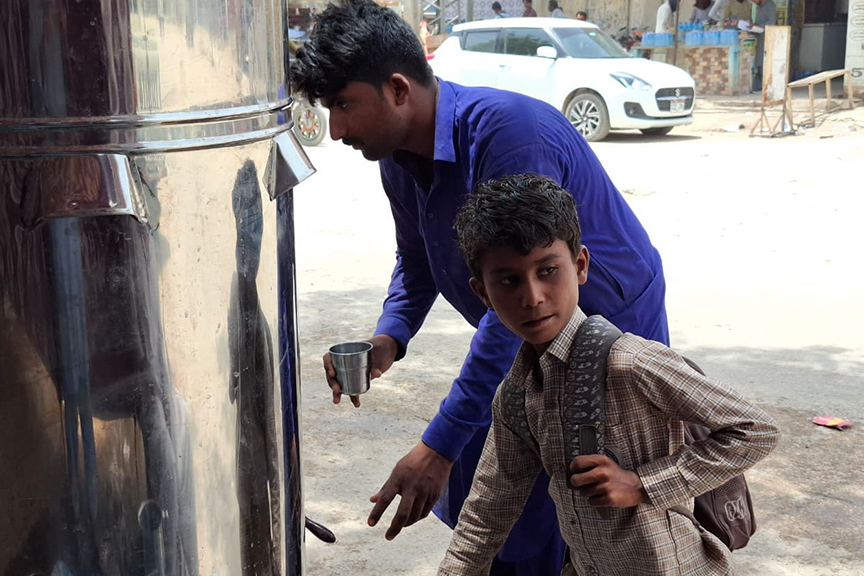
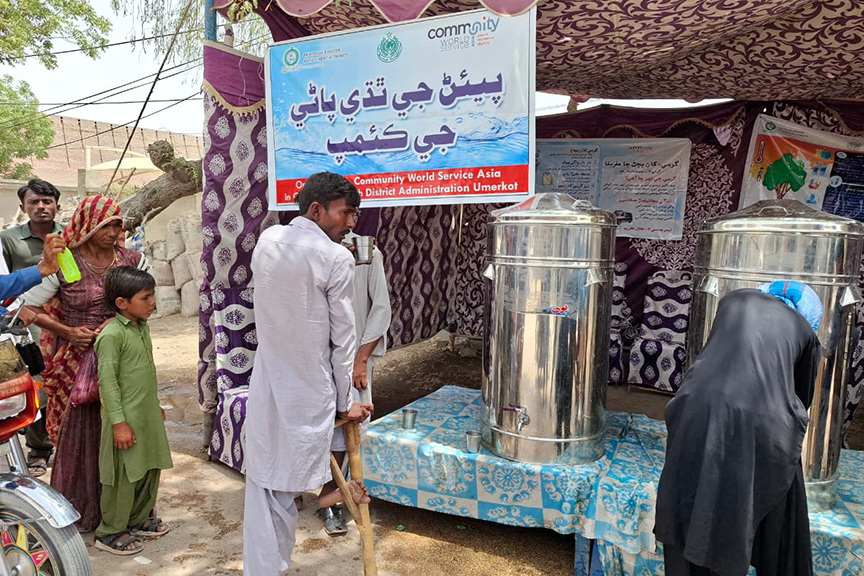
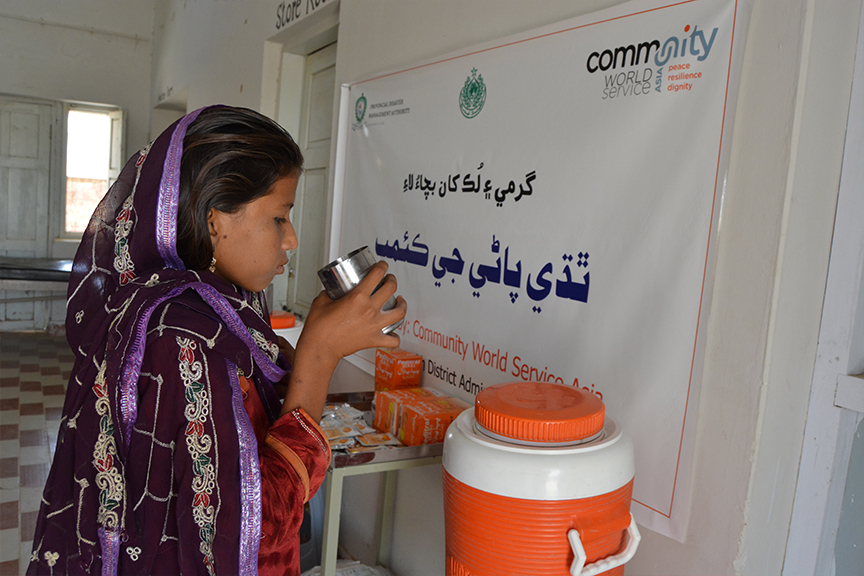
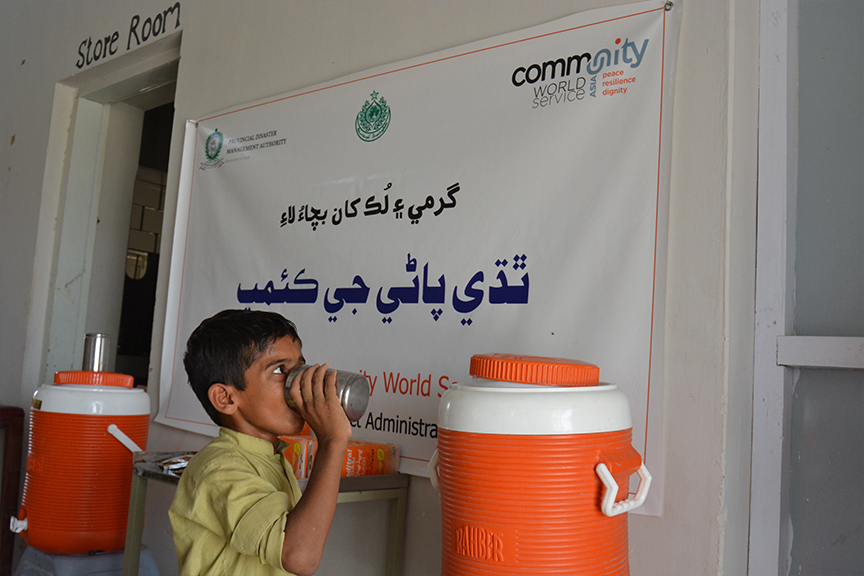
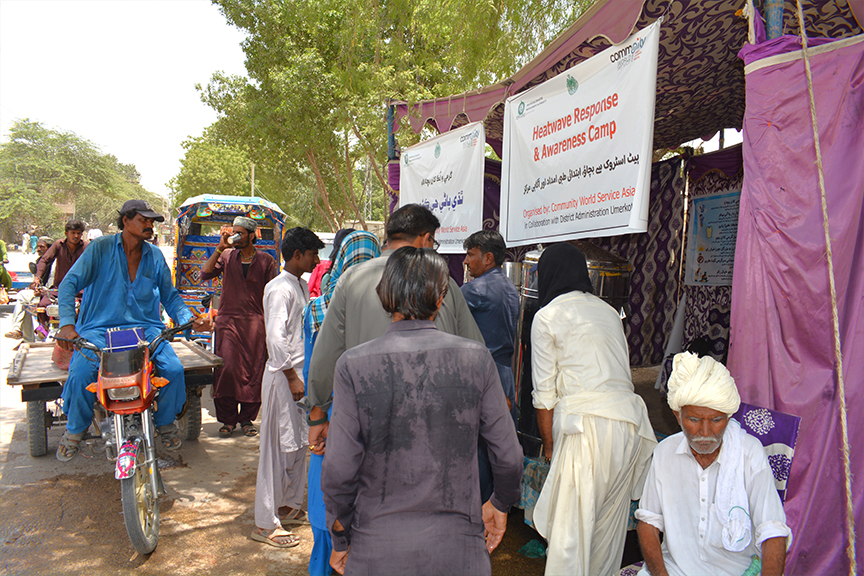
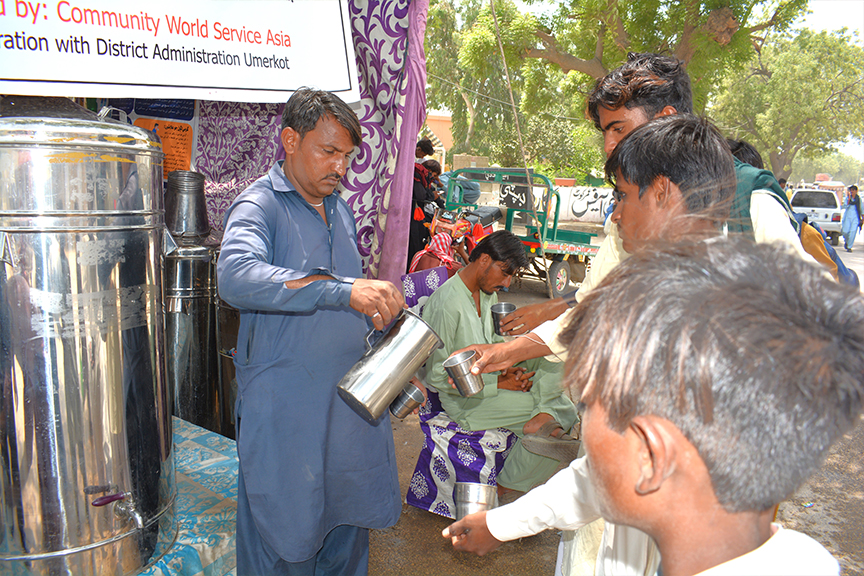
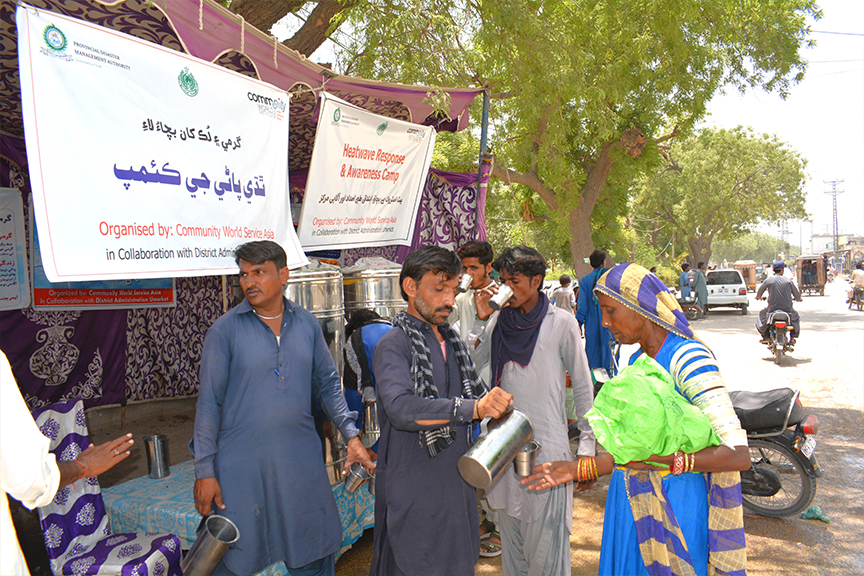
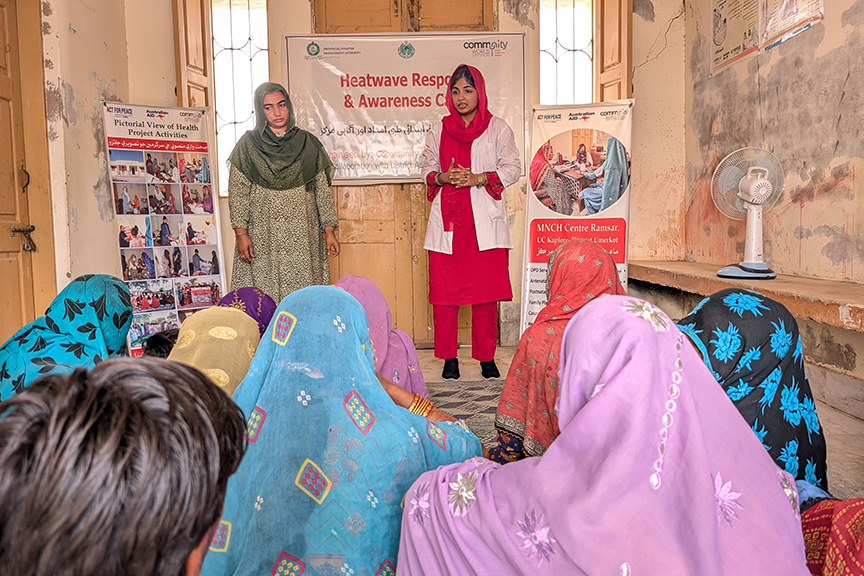
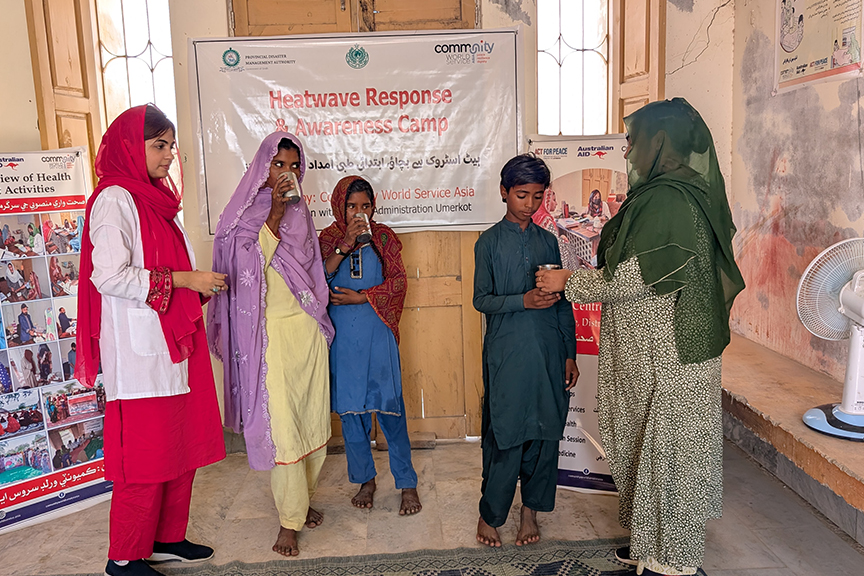
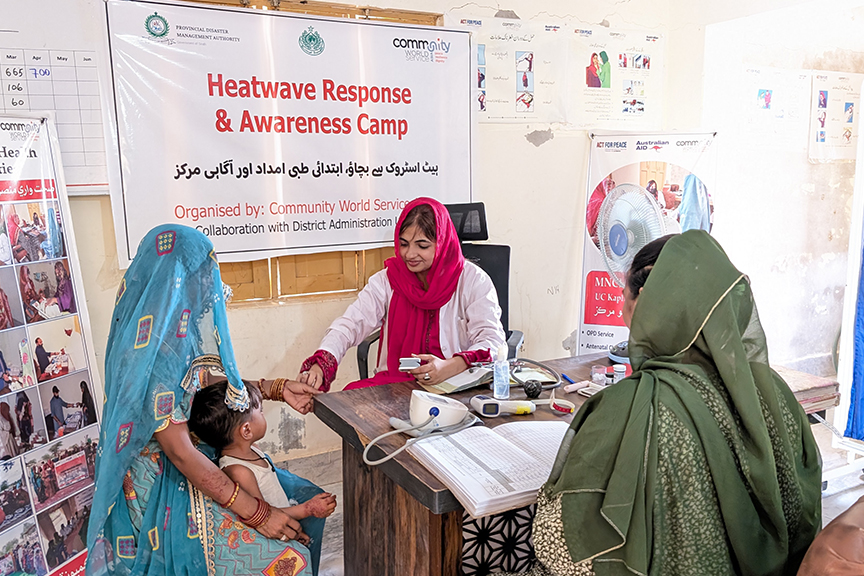
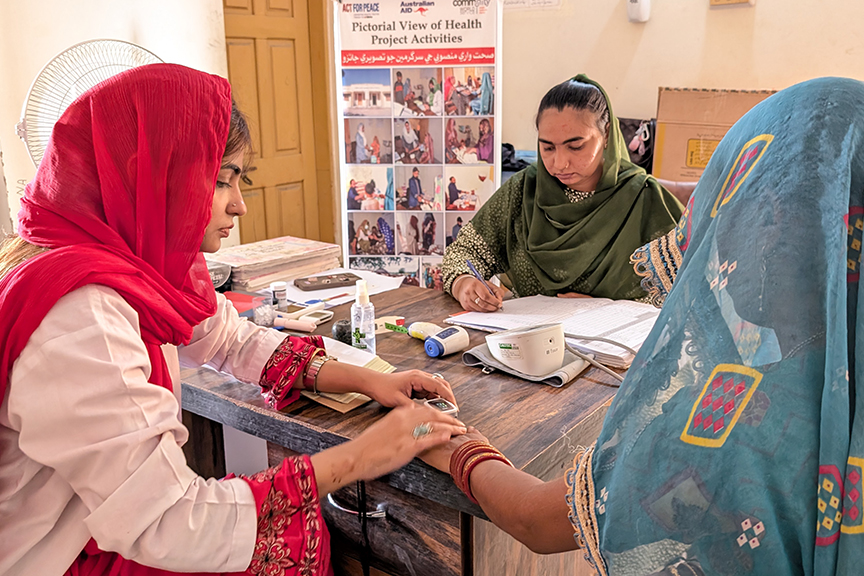
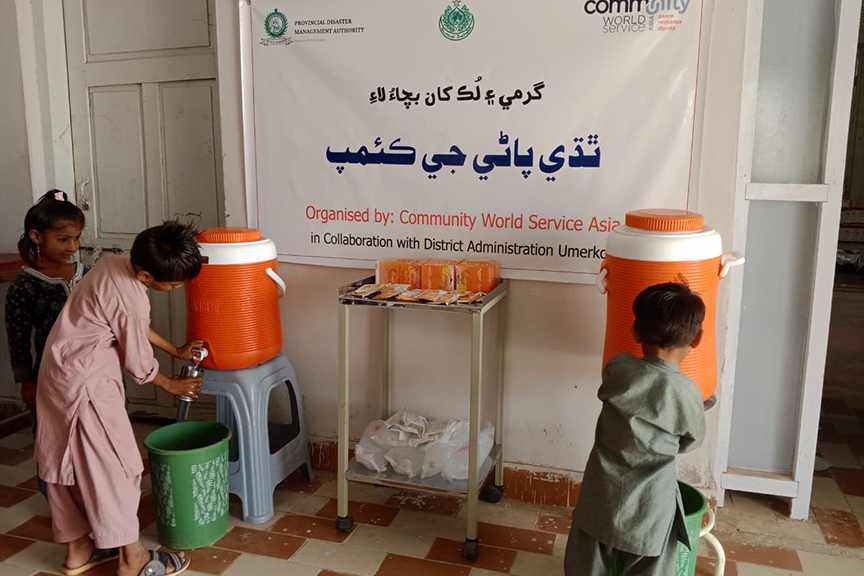
CWSA has initiated voluntary heatwave response measures in coordination with the District Administration/DDMA Umerkot by establishing basic heatwave camps for heat-exposed populations pedestrians, outdoor workers, daily wage labourers including minors, and vulnerable groups. These camps are equipped with essential medicines, first aid support, oral rehydration solutions (ORS), cold drinking water, resting seats for heat exposed individuals. Awareness sessions are also being conducted at intervention locations on heatstroke prevention, signs and symptoms, precautionary measures during heatwaves, the use of ORS, first aid and timely cooling during heat related illness.These heatwave camps are set up at three locations including Umerkot city/Deputy Commissioner’s Office area, Village Ramser in Union Council Kaplore, and Government Dispensary Xheelband in Union Council Faqeer Abdullah.
These initial measures have reached approximately 2800 people so far, while the high daily turnout indicates continued need among heat-exposed groups in these and nearby high-footfall areas.
Call to Action
Community World Service Asia (CWSA) urges the international community and humanitarian partners to support an immediate, coordinated heatwave response in Umerkot, Sindh. Current heatwave alerts and field observations indicate that communities with limited access to safe water, shade, cooling spaces, and timely health support are at high exposure risk. Immediate support is required to strengthen existing camps and establish additional cooling spaces in priority locations identified with the District Administration/DDMA Umerkot.
Based on latest needs assessments, CWSA proposes establishing well equipped cooling spaces in priority locations, ensuring the availability of drinking water and oral rehydration solutions (ORS), and providing shaded resting areas with basic first aid support. Trained mobilisers will be deployed to raise awareness through local language materials, strengthen referral linkages, and maintain responsive feedback mechanisms. All interventions will be closely coordinated with district authorities and aligned with the Provincial Disaster Management Authority (PDMA) Sindh’s Heatwave Standard Operating Procedures (SOPs).
Contacts
Shama Mall
Deputy Regional Director
Programs & Organisational Development
Email: shama.mall@communityworldservice.asia
Tele: 92-21-34390541-4
Tooba Siddiqi
Associate Regional Director
Emergencies & Quality and Accountability
Email: tooba.siddiqi@communityworldservice.asia
Tele: 92-21-34390541-4
Palwashay Arbab
Associate Regional Director
Visibility, Stakeholder Engagement & Inclusive Protection
Email: palwashay.arbab@communityworldservice.asia
Tele: 92-21-34390541-4
References
- Pakistan Bureau of Statistics Census 2023 ↩︎
- https://www.unocha.org/publications/report/world/saving-lives-time-and-money-evidence-anticipatory-action-may-2025 ↩︎