


Standing Tall: Trees, Communities, and Climate Resilience in Hunza – Monsoon Plantation Drive, Gojal, Hunza – Arab Shah’s story
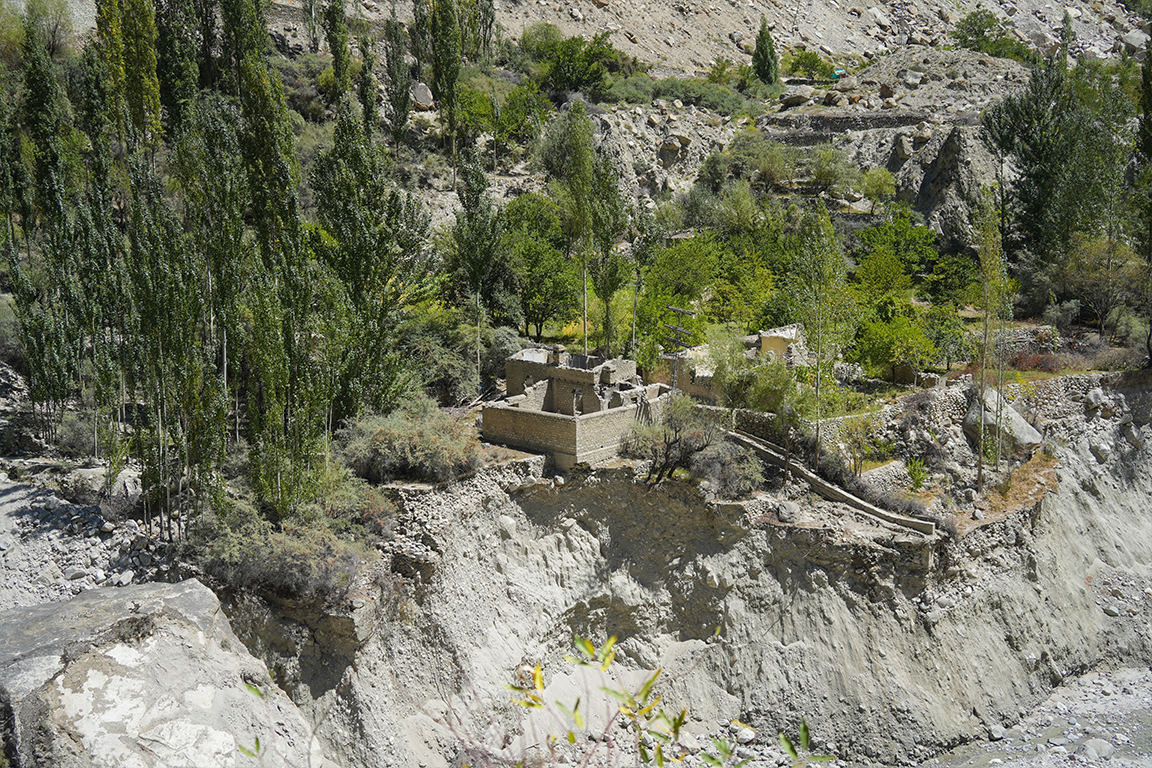
After witnessing decades of traditional cold winters and pleasant mild summers, erratic weather patterns have become a recurring reality. Homes that once needed no fans or air conditioners are now unbearably hot in the summer. Winters bring less snow, summers are warmer, signaling the broader climate crisis threatening the region’s fragile ecosystem and agricultural viability.

Gulkin, nestled in the heart of Upper Hunza, is renowned for its breathtaking beauty, most notably the iconic Passu Cones of the Karakoram range. It stands near Gulmit, the cultural hub of Gojal Valley, known for its history and awe inspiring landscapes. Yet, like many mountain communities, the region has grown increasingly vulnerable to the effects of climate change.
Saeed Arab Shah, a 61-year-old prominent Community member, farmer, and a businessman has lived a lifetime in the village Gulkin in Gojal, Hunza.Saeed Arab Shah, a 61-year-old prominent Community member, farmer, and a businessman has lived a lifetime in the village Gulkin in Gojal, Hunza.
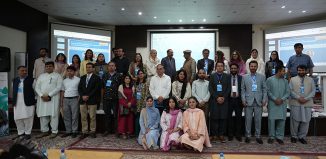
In response to the challenges faced by northern communities, Community World Service Asia (CWSA), in partnership with the Forest Department Hunza, recently organized a collaborative plantation drive in Gulkin and Gulmit. The initiative brought together 35 participants, including students, local leaders, government officials, and community members. For Arab Shah, the enthusiastic involvement of youth reflected a growing generational commitment to environmental protection and civic responsibility.

A passionate advocate for community capacity building, Arab Shah has long emphasized the importance of grassroots efforts. He believes tree plantation carries drastic long-term benefits such as reduced soil erosion, water conservation, and strengthening of the region’s natural ecosystem. However, he also expresses concern over the unregulated cutting of trees for domestic and commercial use, which makes the land more susceptible and prone to landslides, floods, and other climate-induced hazards. He asserts that afforestation can rejuvenate soil, improve air quality, conserve water resources, and help restore the region’s natural ecosystem.
A strong advocate for inclusive development, Arab Shah underscores the crucial role of women in fostering sustainable and resilient communities. He believes that empowering women and integrating their leadership into local decision-making processes is, in his view, essential for lasting change. People of Northern Pakistan have long valued women’s contributions in environmental, educational, and economic spheres, and Arab Shah believes this legacy must be strengthened further as it not only enhances community outcomes but also ensures more balanced and inclusive development.

Reflecting on the plantation drive, Saeed Arab Shah highlighted the high level of community engagement as the most inspiring aspect of the initiative. The participation of youth and families from diverse backgrounds created a strong sense of unity, purpose, and collective responsibility. This shared effort not only deepened participants’ connection to their land but also sparked a renewed determination to protect and preserve their natural environment.
Looking ahead, Arab Shah envisions a future where community-led initiatives, such as tree plantation, awareness sessions, and the promotion of sustainable agricultural practices become routine. He particularly advocates for initiatives that actively engage schools, youth, and women’s groups, reinforcing the benefit that could be gained after utilizing maximum community engagement due to the participation of women fostering a culture of environmental consciousness and civic responsibility from the ground up.
The recent plantation drive concluded on a pleasant and optimistic note. Participants, especially the young, expressed a profound sense of fulfillment, purpose, and redirection to continue working together for a greener and more resilient Hunza. For Arab Shah and his fellow community members, this initiative marked a meaningful step toward combating the local impacts of climate change and restoring the natural beauty and ecological balance of the Gojal Valley.