Dialogue Therapy for Mental Wellbeing
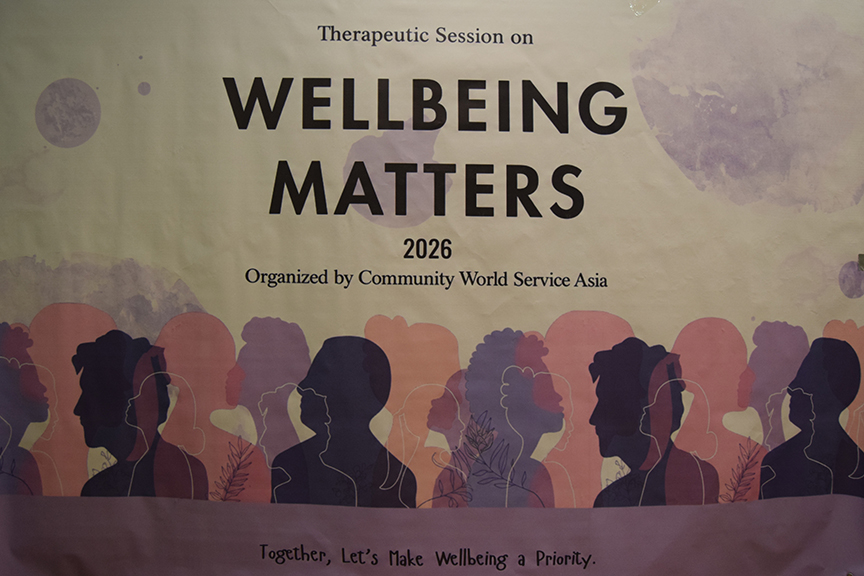
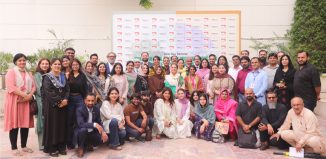
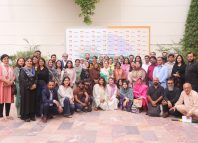
The Mental Wellbeing Session was conducted on 21 July 2026, bringing together 25 participants in a safe and confidential indoor setting designed to encourage openness, trust, and meaningful dialogue. The session was facilitated using Dialogue Therapy, a therapeutic approach that creates space for participants to reflect on their experiences, express emotions, listen with empathy, and build connections through shared stories.
The session was honoured by the participation of Sarfraz Lal, who joined not as a guest observer but as a participant, fully engaging in the therapeutic activities alongside the group. His participation reinforced the importance of prioritizing mental wellbeing at every level of leadership and highlighted the value of creating spaces where everyone can engage as equals in the healing process.
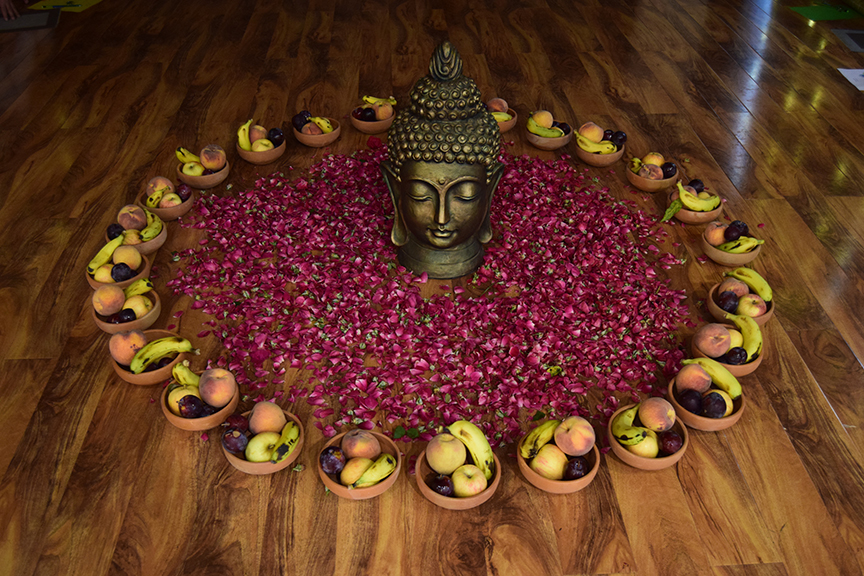
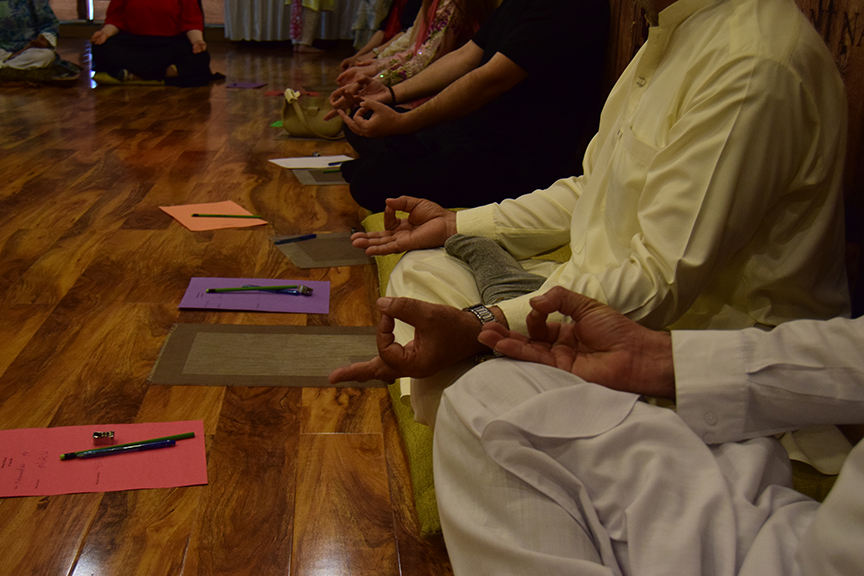
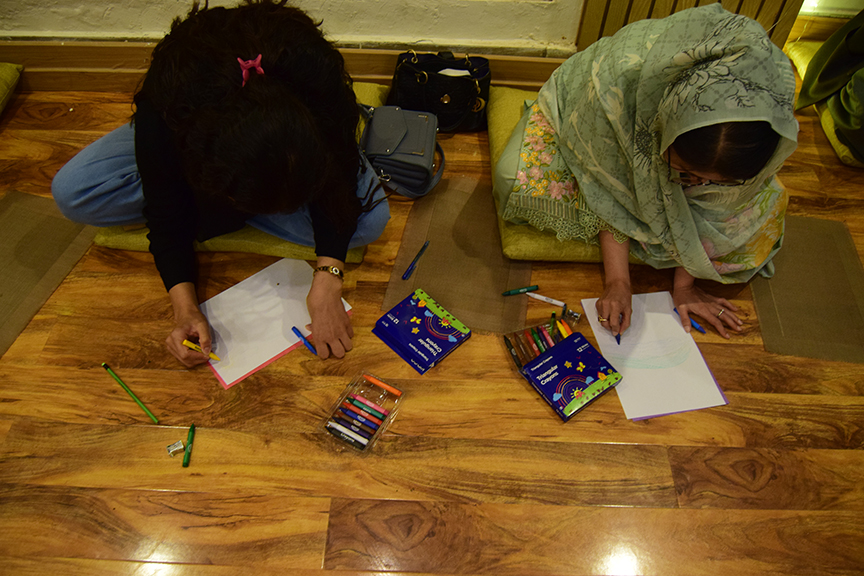
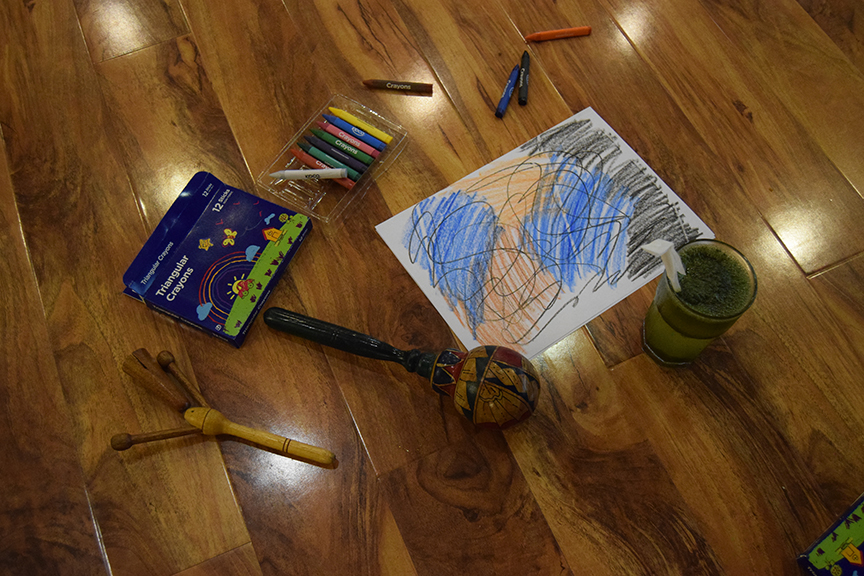
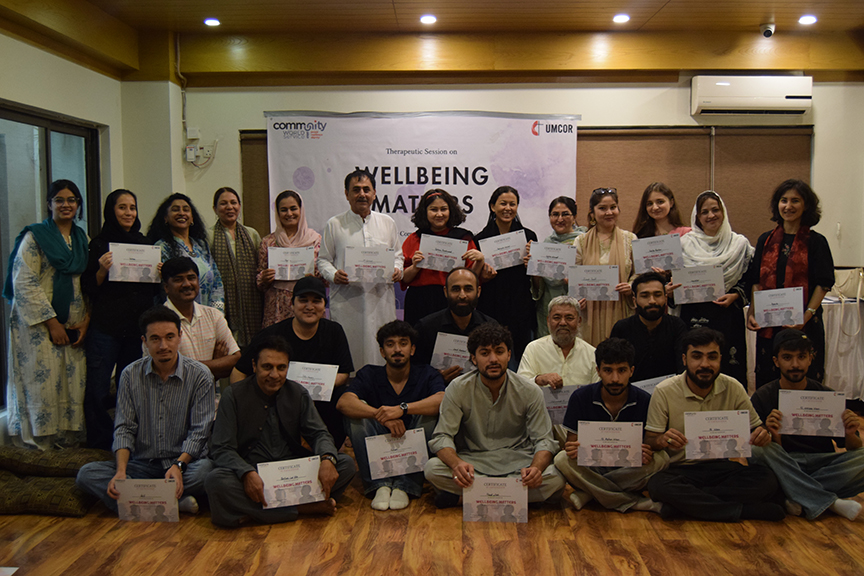
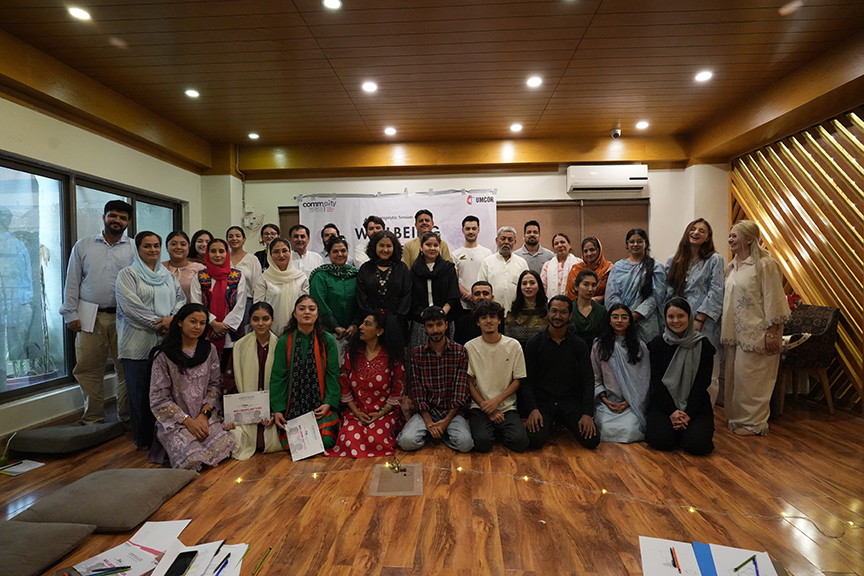
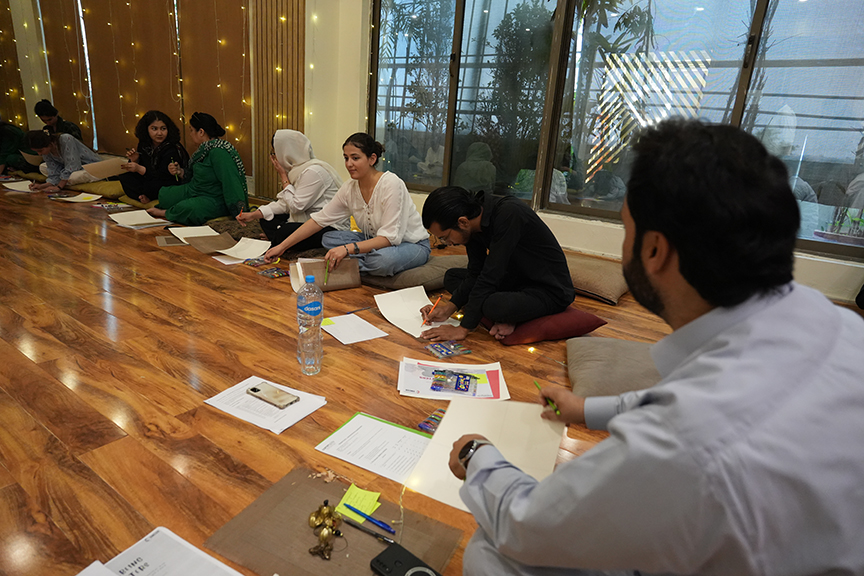
Reflecting on the experience, Sarfraz shared that while he had attended many MHPSS and mental health sessions in the past that were largely structured around presentations, PowerPoint slides, and theoretical discussions, the CWSA approach was distinctly different. Rather than simply delivering information, the session immersed every participant in a lived therapeutic experience, allowing them to personally connect with the concepts being explored. He noted that this experiential approach where participants actively feel, reflect, and engage with their emotions rather than only learning about them is what makes CWSA’s Mental Wellbeing methodology both unique and deeply impactful.
At Community World Service Asia (CWSA), every Mental Wellbeing Space is intentionally designed to go beyond a one-time therapeutic experience. Our approach ensures that each participant leaves not only with greater self-awareness but also with three practical tools they can continue using in their daily lives to support their own healing and wellbeing. These tools may include grounding and breathing techniques, reflective journaling, mindfulness practices, creative expression, emotional regulation strategies, or simple self-care exercises that strengthen resilience long after the session has ended. Throughout the dialogue, participants explored personal challenges, reflected on sources of strength, and discovered that many emotions are shared experiences rather than individual burdens. The atmosphere gradually shifted from silence and hesitation to openness, trust, and mutual encouragement, demonstrating the power of collective healing.
As one participant reflected: “I arrived carrying stress I couldn’t explain. Today, I leave carrying hope and practical ways to take care of myself.”
Another participant shared: “Healing begins when someone truly listens not to respond, but to understand.”
The session reaffirmed that mental wellbeing is not achieved in a single day. It is nurtured through safe spaces, compassionate conversations, and practical tools that empower individuals to care for themselves and support others.
“Sometimes, the most powerful therapy begins with a conversation.” “When people feel heard, they begin to heal; when they learn simple tools for wellbeing, they begin to thrive.”
Therapeutic Mental Wellbeing Experience
The second Therapeutic Mental Wellbeing Session was held on 22 July 2026, bringing together 35 participants in a safe, confidential, and supportive environment designed to foster emotional wellbeing, self-awareness, and meaningful human connection. Guided by CWSA’s experiential Mental Wellbeing methodology, the session moved beyond conventional awareness-raising by allowing participants to actively experience therapeutic healing rather than simply learning about it. The approach emphasized that healing begins when individuals are given the opportunity to pause, reconnect with themselves, and experience practical techniques that can be integrated into everyday life.
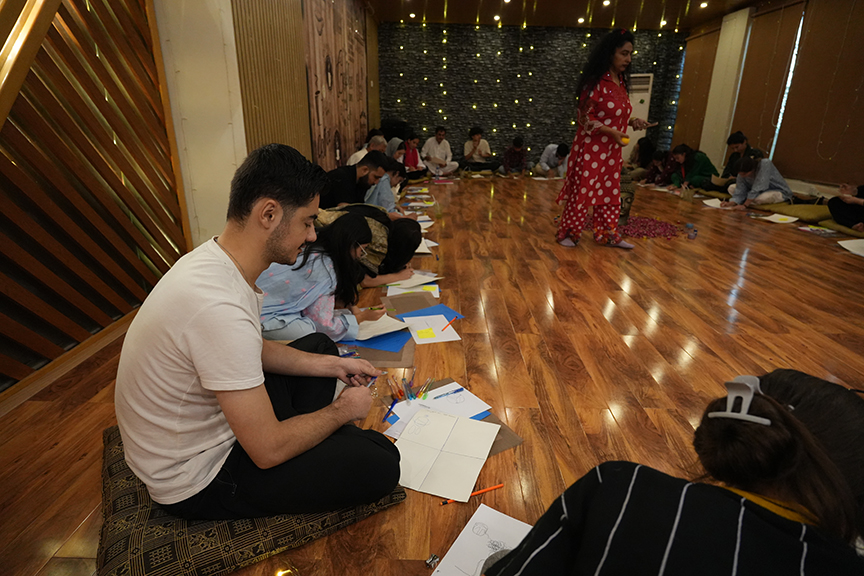
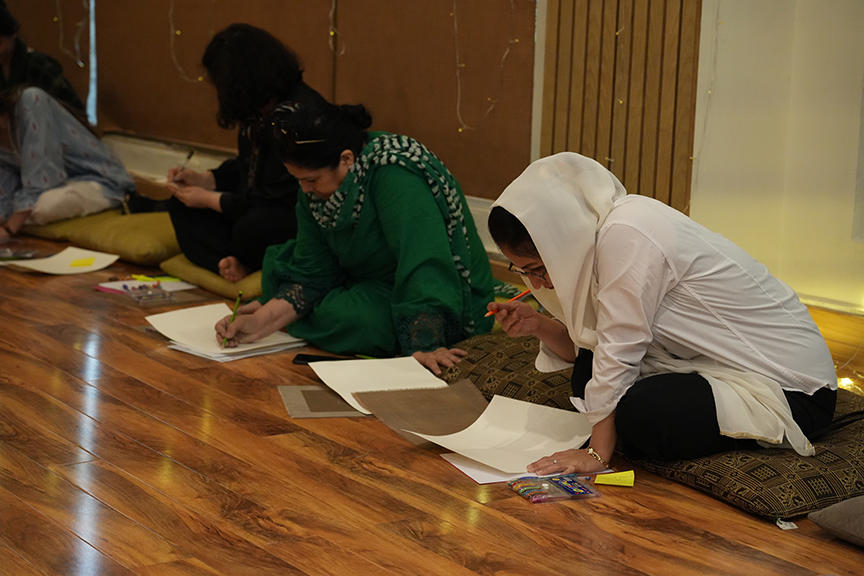
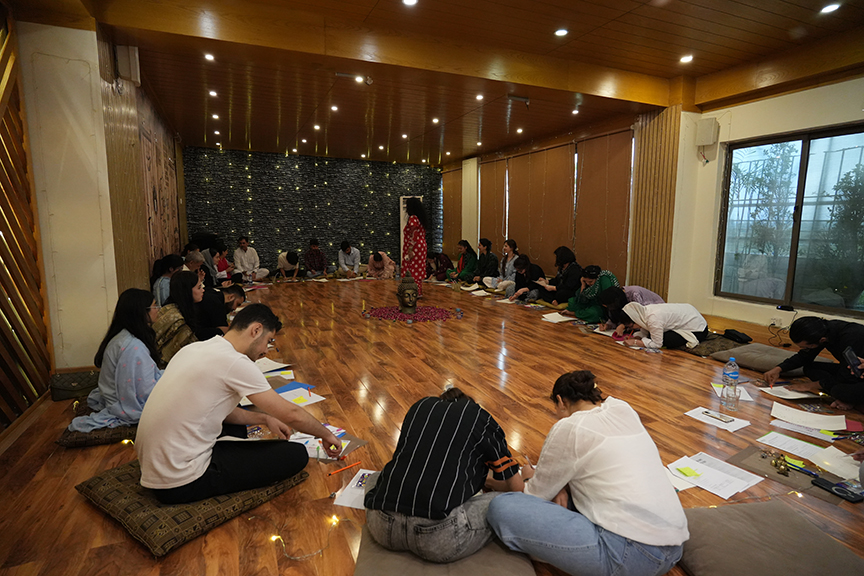
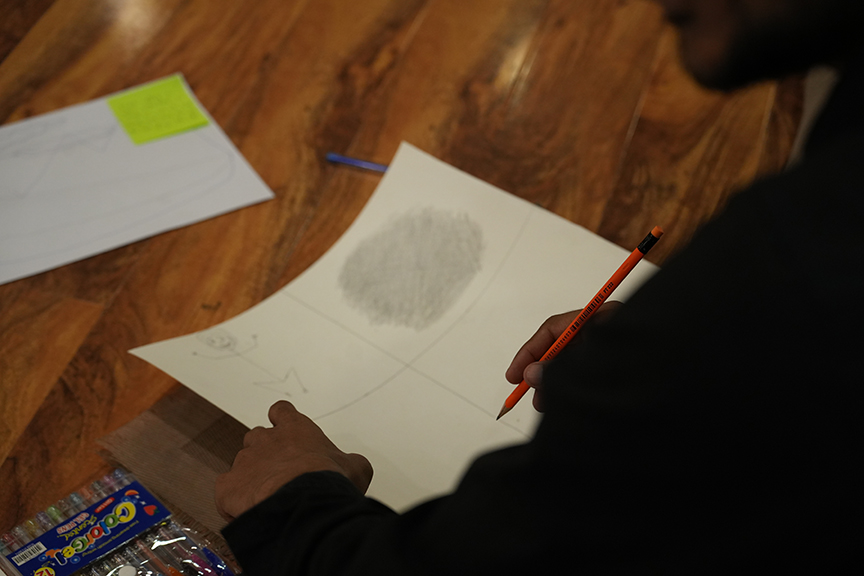
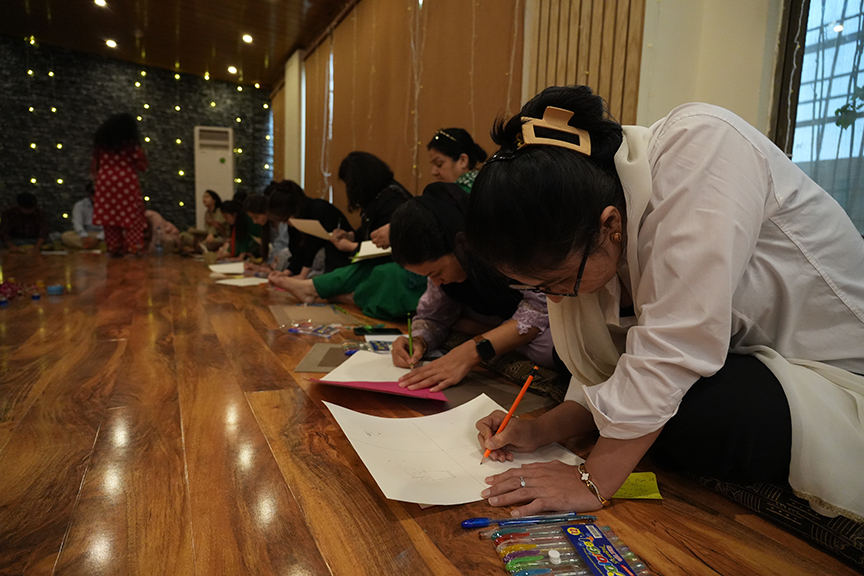
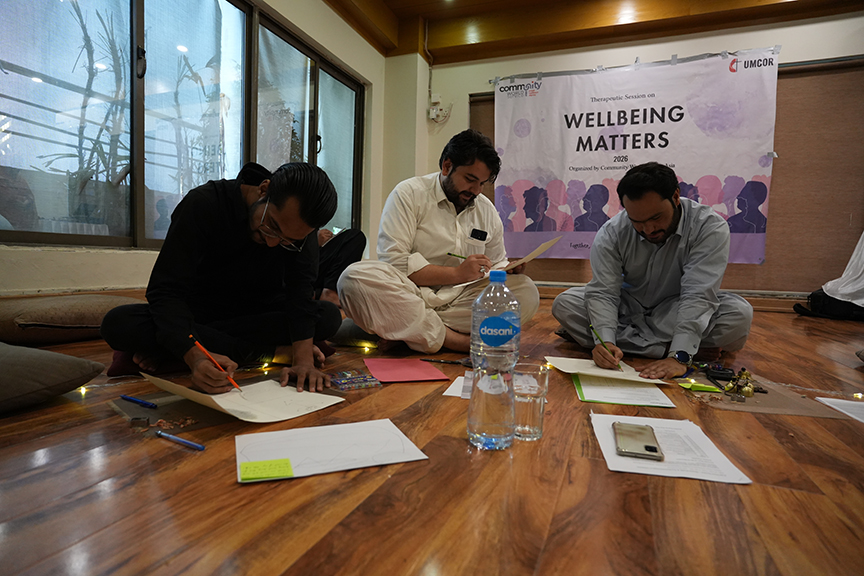
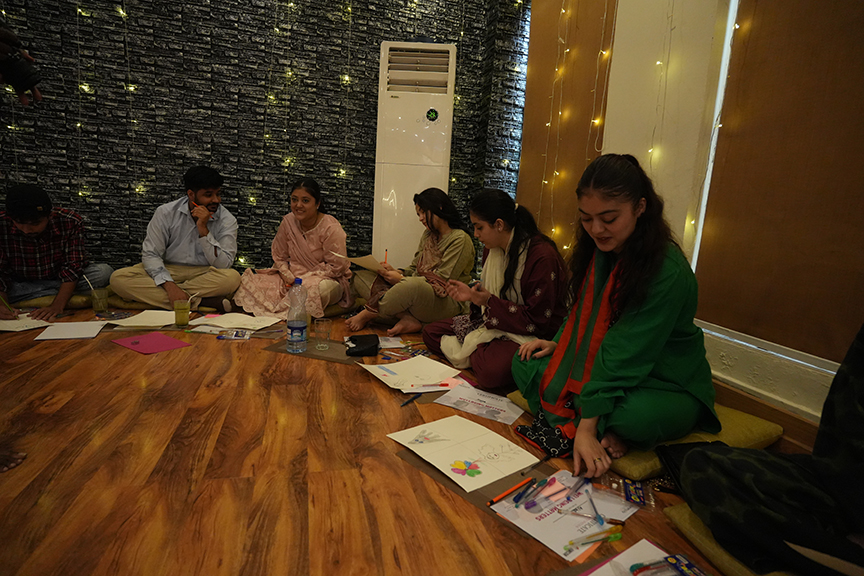
The session incorporated a series of evidence-informed therapeutic interventions, including experience sharing, grounding exercises, box breathing, and sound therapy. Participants were first encouraged to share their personal reflections and lived experiences, creating an atmosphere of trust, empathy, and psychological safety. This was followed by grounding techniques that helped participants reconnect with the present moment, while box breathing exercises demonstrated practical methods for reducing stress, calming the nervous system, and improving emotional regulation. The sound therapy component offered a deeply restorative experience, enabling participants to release tension, enhance mindfulness, and reconnect with a sense of inner calm. Together, these interventions created a holistic healing experience that addressed emotional, cognitive, and physiological wellbeing.
The session was enriched by the participation of Ashraf Mall, CEO of PPI, who joined the activities as a participant rather than an observer. Reflecting on the experience, he shared that working closely with children and families in brick kiln communities has given him firsthand insight into the immense psychosocial challenges they face, including chronic stress, intergenerational trauma, and limited opportunities for emotional expression. He emphasized that the therapeutic techniques demonstrated by CWSA were both practical and transformative, and expressed a strong interest in collaborating to bring similar Mental Wellbeing and Therapeutic Healing sessions to brick kiln communities.
He noted that while many humanitarian interventions focus on education, livelihoods, or basic services, the emotional wellbeing of families often remains overlooked. He shared that introducing therapeutic healing spaces for parents, caregivers, and children could significantly strengthen resilience, improve family relationships, and support healthier emotional development within these highly vulnerable communities.
At Community World Service Asia (CWSA), every Mental Wellbeing Space is intentionally designed to leave participants with more than just awareness. Each individual leaves equipped with practical self-care tools that can be used long after the session ends. Whether through grounding techniques during moments of anxiety, mindful breathing in times of stress, or simple practices for emotional regulation, participants gain skills that enable them to care for their own mental wellbeing while also supporting those around them.
The session concluded with participants expressing a renewed sense of calm, connection, and hope. Many described the experience as a rare opportunity to pause amidst the demands of daily life, reconnect with themselves, and recognize that healing is a continuous journey rather than a single event.
As one participant reflected: “Today, I didn’t just learn about mental wellbeing I experienced what it feels like to slow down, breathe, and truly reconnect with myself.”
Another participant shared: “The simplest practices can have the deepest impact. Sometimes healing begins with a single breath and the knowledge that you are not alone.”
The session reaffirmed CWSA’s commitment to promoting mental wellbeing through experiential, trauma-informed approaches that empower individuals with practical tools for healing while strengthening resilience within families and communities.
Engagement with Australian Aid and SHARP
Community World Service Asia (CWSA) team participated in the “Complementary Interventions for the Most Vulnerable Women, Girls, Children, and Persons with Specific Needs” event, hosted by SHARP and supported by Australian Aid. The event brought together humanitarian and development stakeholders committed to advancing protection, inclusion, and sustainable support for vulnerable populations, providing an important platform for collaboration and knowledge exchange.
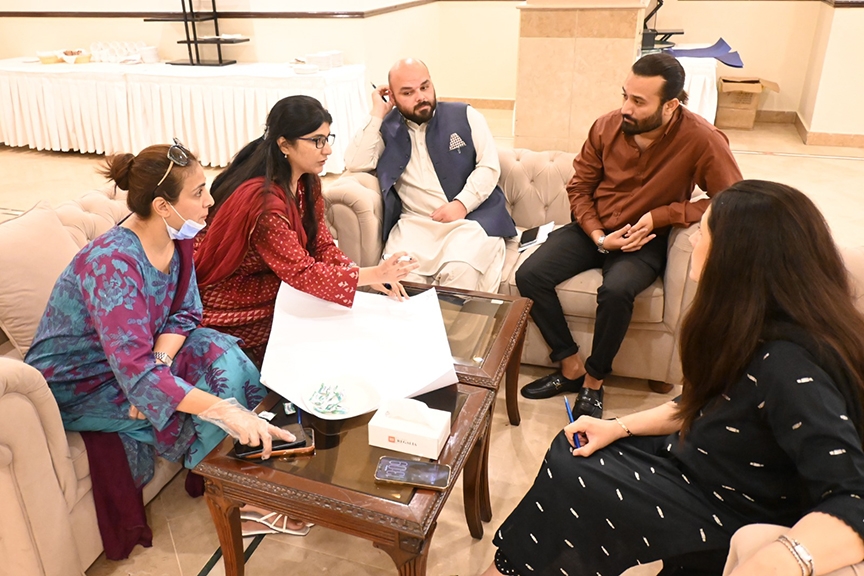
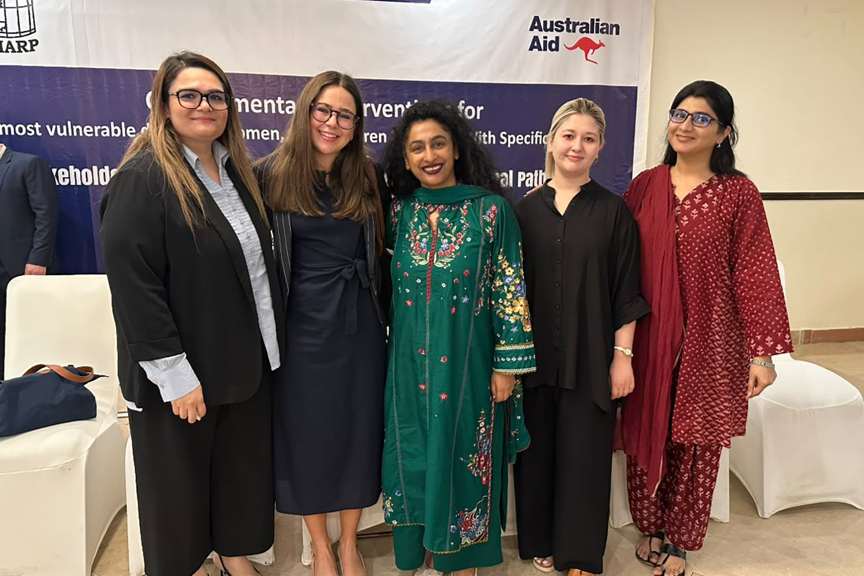
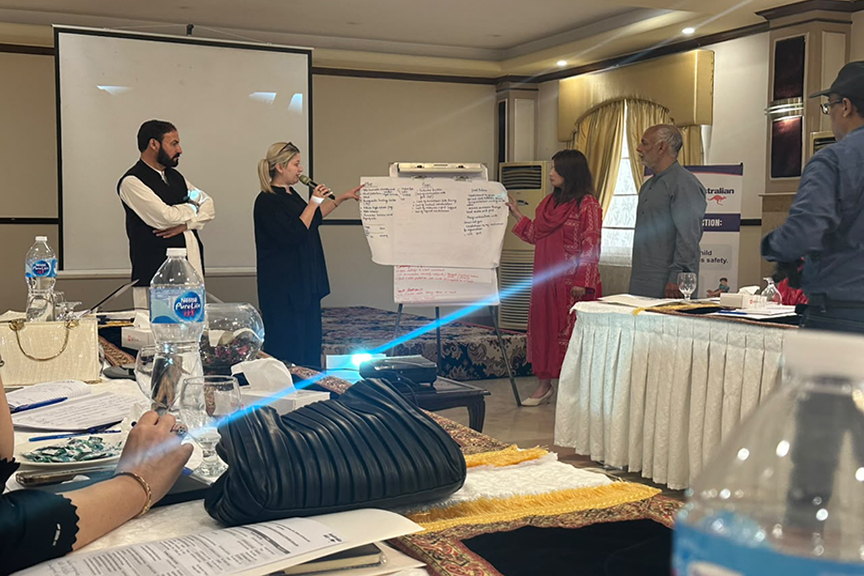
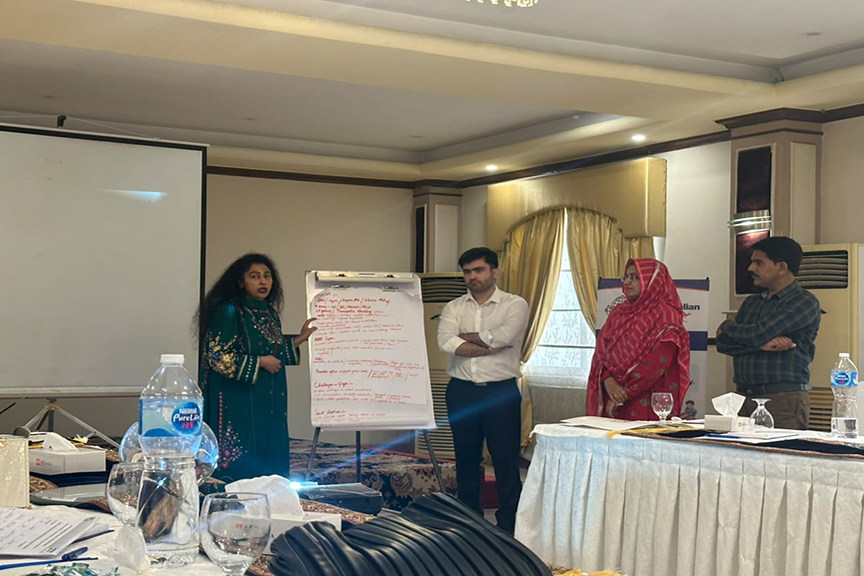
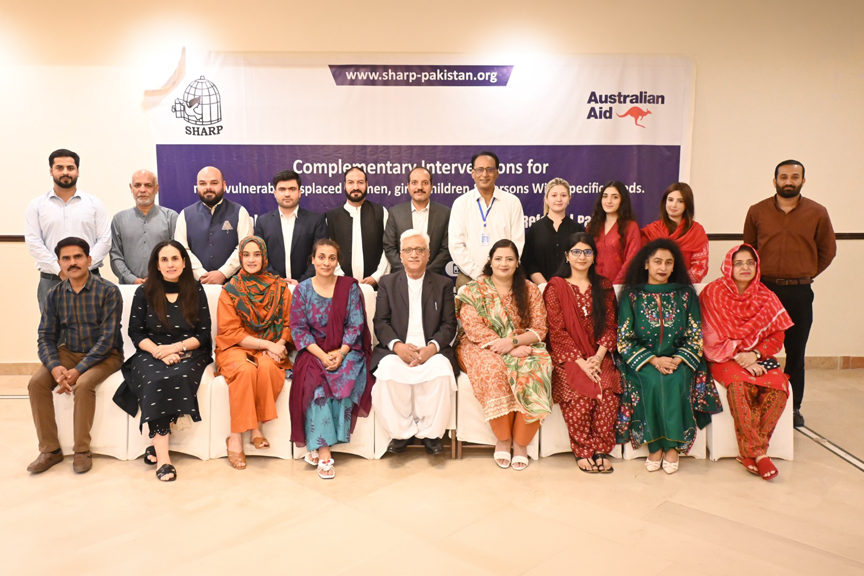
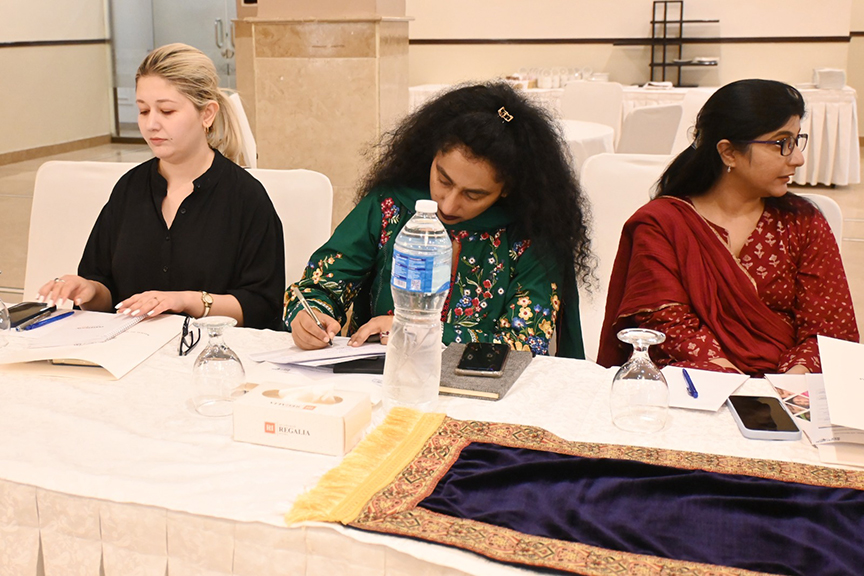
During the event, the CWSA team had the opportunity to meet with Georgia from the Australian Embassy and present CWSA’s program portfolio, with a particular focus on its innovative Mental Health and Psychosocial Support (MHPSS) and Therapeutic Healing interventions. CWSA’s holistic, community-centred approach received strong appreciation, particularly for integrating mental health into humanitarian and development programming through practical, culturally responsive, and trauma-informed methodologies.
The Australian Embassy team acknowledged the significance of prioritizing mental health among marginalized and vulnerable communities, recognizing that psychosocial wellbeing is fundamental to recovery, resilience, and sustainable development. The discussion highlighted the growing need for accessible, community-based mental health services that not only address psychological distress but also strengthen individual resilience, family wellbeing, and social cohesion.
The engagement reaffirmed the increasing global recognition of Mental Health and Psychosocial Support as an essential component of humanitarian response and community development. It also created valuable opportunities to showcase CWSA’s leadership in advancing innovative therapeutic healing approaches and explore future collaborations to expand access to quality mental health and psychosocial support for those who need it most.